
Diving at Mbwangawa (Tanzania)
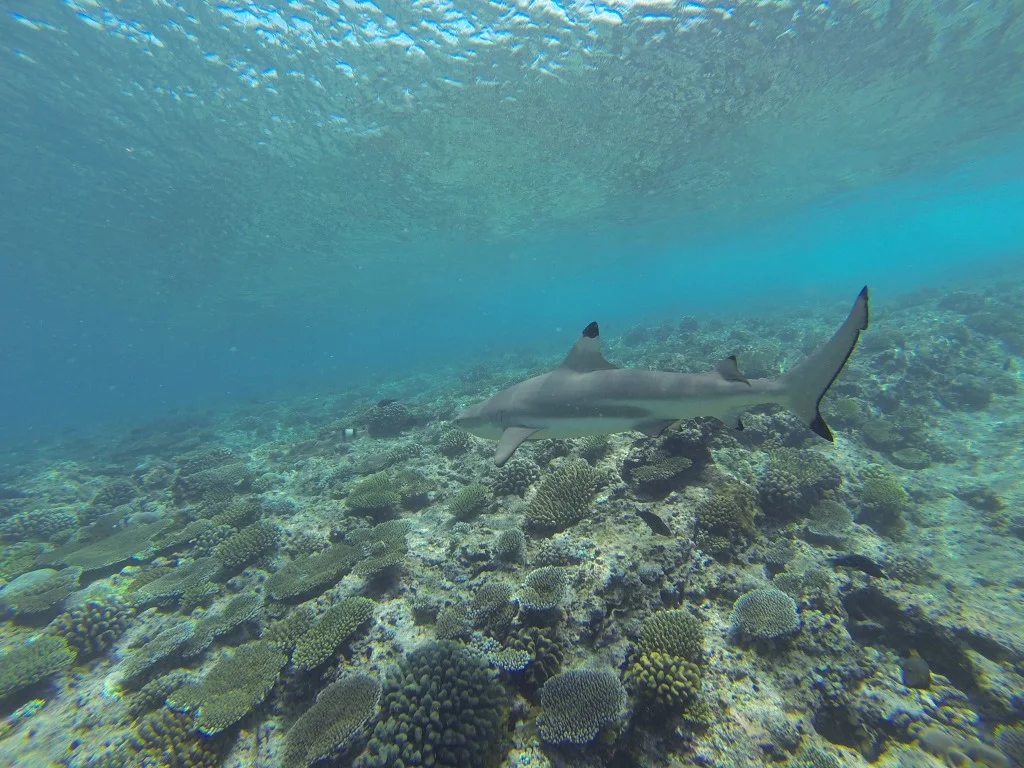
Mbwangawa's underwater landscape features a gently sloping reef, beginning at around 7 meters (23 feet) and extending down to a maximum depth of 18 meters (59 feet). A vibrant environment, it's dotted generously with hard coral bommies, creating distinct focal points. Divers will also observe expansive plate corals and intricate soft corals adorning the reef, contributing to its rich structure. It presents a dynamic, yet accessible, reef system for exploration.
Evening condition tracking at Mbwangawa features an air temperature of 26°C. We have recorded wave heights measuring 1 m during this period. These figures outline the environmental parameters currently present.
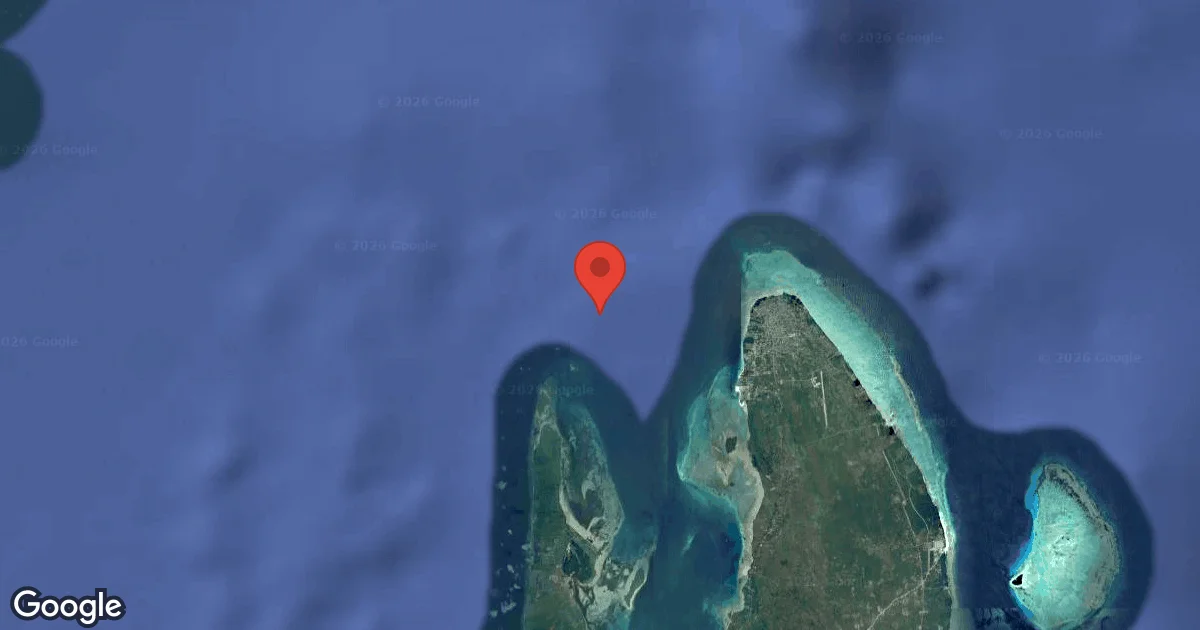
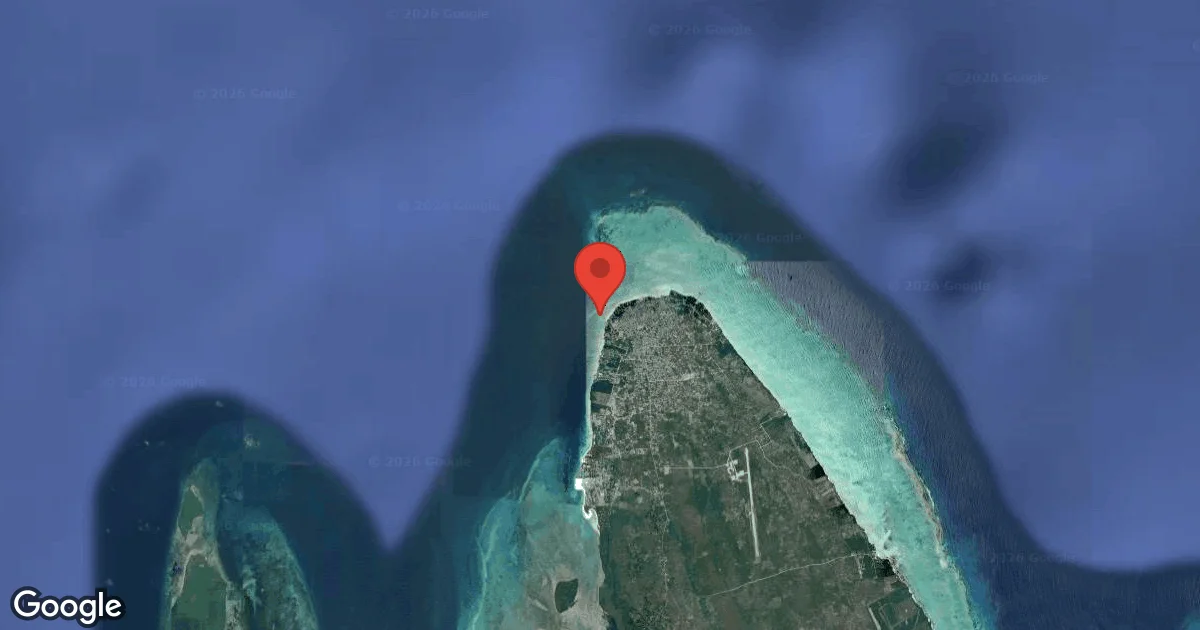
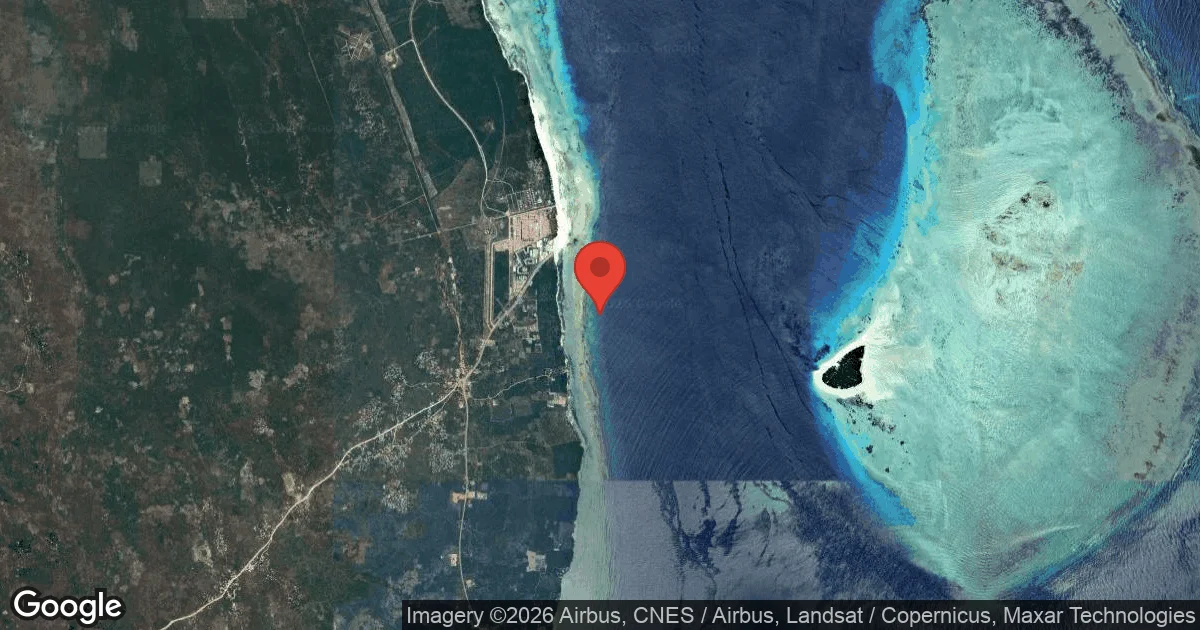
Dive Site Location & Key Facts
Dive Site Overview
A quintessential drift experience awaits divers at Mbwangawa, showcasing the Indian Ocean's vibrant ecosystems. Divers don't merely observe; they become part of the water's flow, carried gently along a diverse reef.
Currents directly shape the narrative of natural processes here, guiding explorers over gradually sloping terrain. An underwater landscape itself forms a rich tapestry of life, intricately structured by various coral formations. Expect numerous robust hard coral bommies, providing crucial habitat for smaller reef inhabitants, alongside expansive plate corals spreading across the seabed.
Delicate soft corals add a fluid, organic touch, swaying gently with the water's rhythm. Reaching a manageable maximum depth of 18 meters (59 feet), the site is accessible to a broad spectrum of certified divers.
Access is strictly by boat, ensuring a focused and dedicated dive excursion. While historical events aren't specifically linked to Mbwangawa, an ongoing ecological drama plays out beneath the surface, offering its own profound story of ancient marine processes at work in these Tanzanian waters.
A natural drift allows for sustained observation of a healthy, active reef community, a hallmark of its appeal for divers seeking consistent reef engagement.
Conditions are Moderate
Optimal conditions expected
Current conditions near Mbwangawa show 26° air, 27° sea temperature, 1.0 m waves, and 36 km/h wind. Forecast data is refreshed regularly to ensure accuracy.
Best Time to Dive
Optimal conditions for diving at Mbwangawa often align with the region's consistent climate patterns; March typically presents excellent visibility and calm seas. During this month, air temperature averages around 28°C (82°F), accompanied by minimal rainfall, averaging only 4.6 millimeters. Wave heights are notably low, about 0.5 meters, and wind speeds remain moderate, around 19.13 km/h. While March stands out, the site generally offers good diving opportunities throughout the year. Air temperatures consistently range from approximately 25°C (77°F) to 28°C (82.4°F) across months. Rain averages are low for most of the year, although April and November show slightly higher values, reaching around 15.25 millimeters and 5.4 millimeters respectively. Wave height generally stays below 0.9 meters, and average wind speeds fluctuate between 19 km/h (11.8 mph) and 24 km/h (14.9 mph), indicating generally favorable surface conditions.
PEAK SEASON SCORE
Scores combine air & water temps, waves, wind & rainfall for overall conditions.
BEST MONTHS TO DIVE
Monthly records compiled from satellite and marine observation nodes over the last 3 years. Data provided by Open-Meteo and MET Norway.
Dive Experience & Conditions
An effortless drift characterizes the diving conditions at Mbwangawa, allowing divers to simply relax and observe along a thriving reef. Here, currents often carry you over a sloping seabed, revealing an impressive array of hard coral bommies and wide plate corals. Soft corals add a delicate texture to the underwater environment, gently moving with water's flow. As a saltwater dive, water conditions contribute to feelings of buoyancy and ease. While specific water temperatures aren't consistently reported, warm air temperatures prevalent year-round suggest comfortable diving. A maximum depth for this reef system reaches 18 meters (59 feet), making it accessible for a wide range of certified divers. Such accessibility offers ample time at depth to appreciate intricate details of the reef structure and its inhabitants, fostering a rewarding underwater journey.
Dive Difficulty & Safety Guidelines
For a safe and enjoyable dive at Mbwangawa, always prioritize adherence to recognized safe diving practices. As a drift dive, maintaining strong buoyancy control and staying aware of your position relative to the current and your dive group is paramount. Consulting with local dive professionals before entering the water is highly recommended; they can provide up-to-date information on current conditions and any localized factors.
While no specific hazards are consistently reported for this site, a responsible diver always plans for unexpected changes. It's also important to understand that information provided by third parties, such as dive operators, should be verified and is for general guidance, not a substitute for personal dive planning and professional consultation.
Recommended Equipment
Current and surface separation risk. Local briefing strongly recommended.
- Dive Computer
- DSMB
- Reel / Spool
This gear list is based on verified equipment signals for Mbwangawa, Tanzania. Always confirm final gear choices with your dive operator, guide, or liveaboard.
Recommended Dive Suit
The latest conditions reported around Mbwangawa place the water temperature close to 27°C (81°F). Surface air temperatures are resting at 26°C (79°F).
2-3mm shorty or light wetsuit is generally considered suitable for water temperatures like this. Consider warmer surface protection (like a boat coat) due to brisk winds.
Conditions in the coming days are expected to stay within a similar temperature range.
Emergency & Medical Support
Essential information to help you plan your dive trip to Mbwangawa.

Hyperbaric chambers are a critical part of dive safety infrastructure. Availability varies significantly by region, and not all dive areas have immediate access.
Before diving, it's recommended to:
- confirm nearest medical facilities
- check emergency procedures with local dive operators
- ensure dive insurance covers evacuation if required
Divers Alert Network
Diving emergency assistance available through DAN Southern Africa.
+27828106010- 24/7 emergency hotline
- Diving medical assistance
- Evacuation coordination
Emergency contacts are provided for reference. Always verify local emergency services before diving.
Marine Life at Mbwangawa
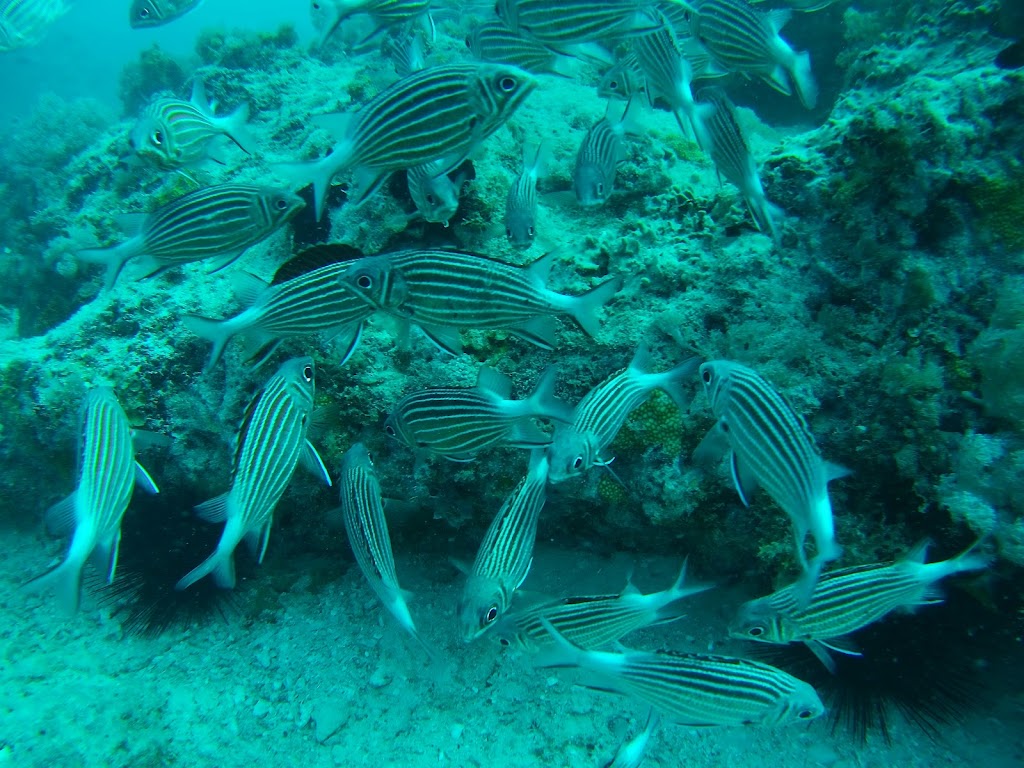
Divers encounter extensive coral structures upon reaching Mbwangawa's waters, particularly hard coral bommies and broad plate corals. Soft corals provide constant, gentle motion, enhancing the vibrant reef scene.
Beyond the corals, potential sightings of larger pelagic species are known for this area. Divers might encounter sharks moving through blue waters or witness majestic whales and dolphins in season.
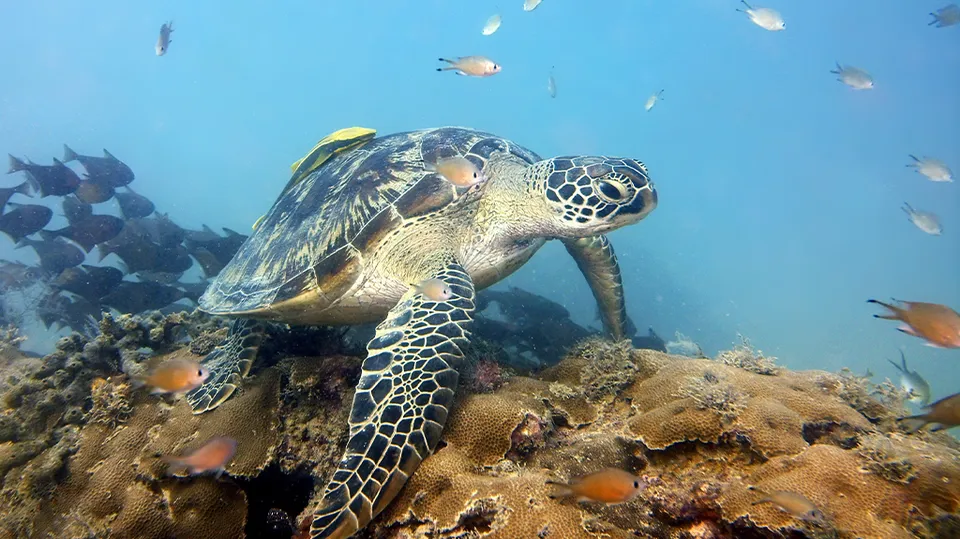
Turtles are also a common and welcome sight, often grazing on the reef or cruising gracefully past. Diverse marine life, from microscopic organisms within corals to larger ocean inhabitants, makes for engaging observations.
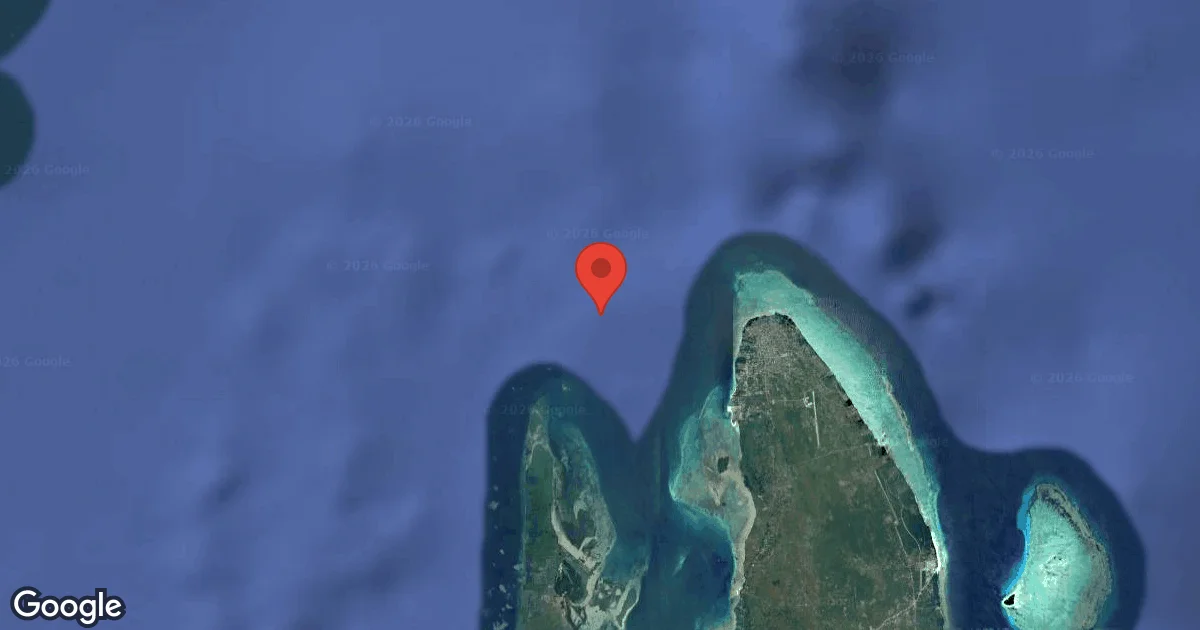
Dive Sites Near Mbwangawa
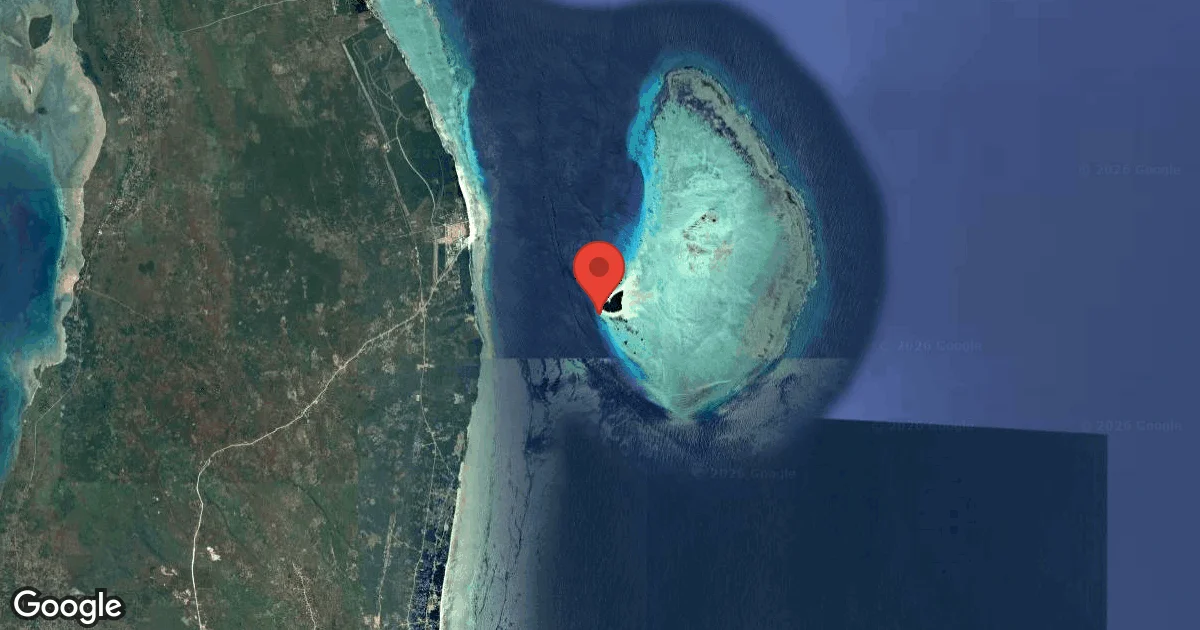
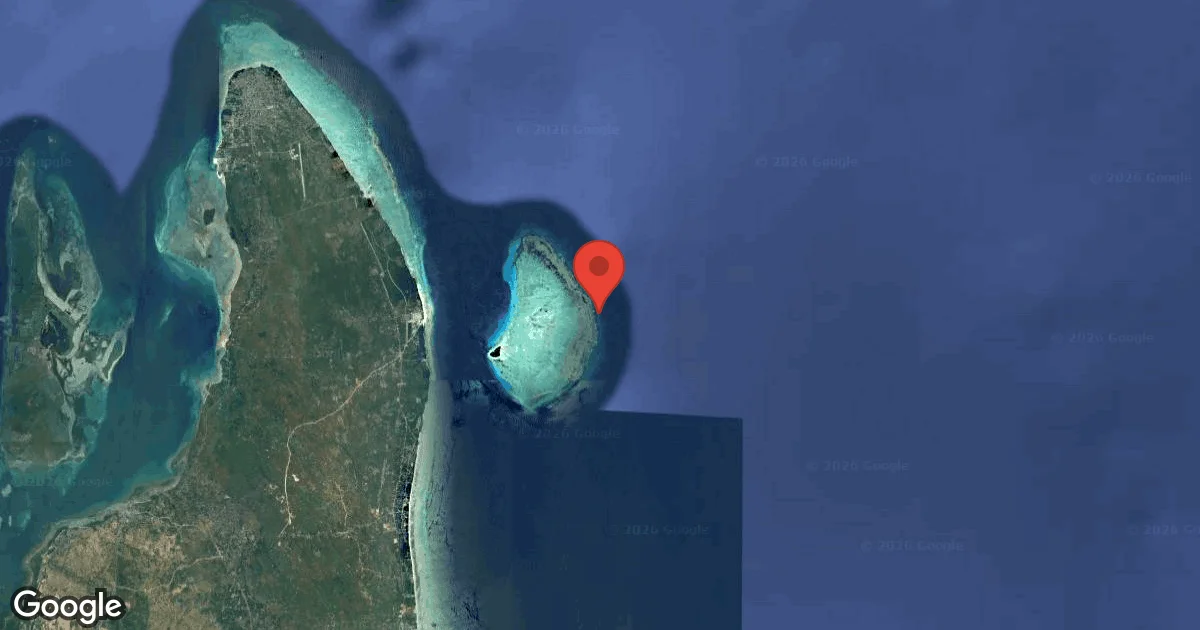
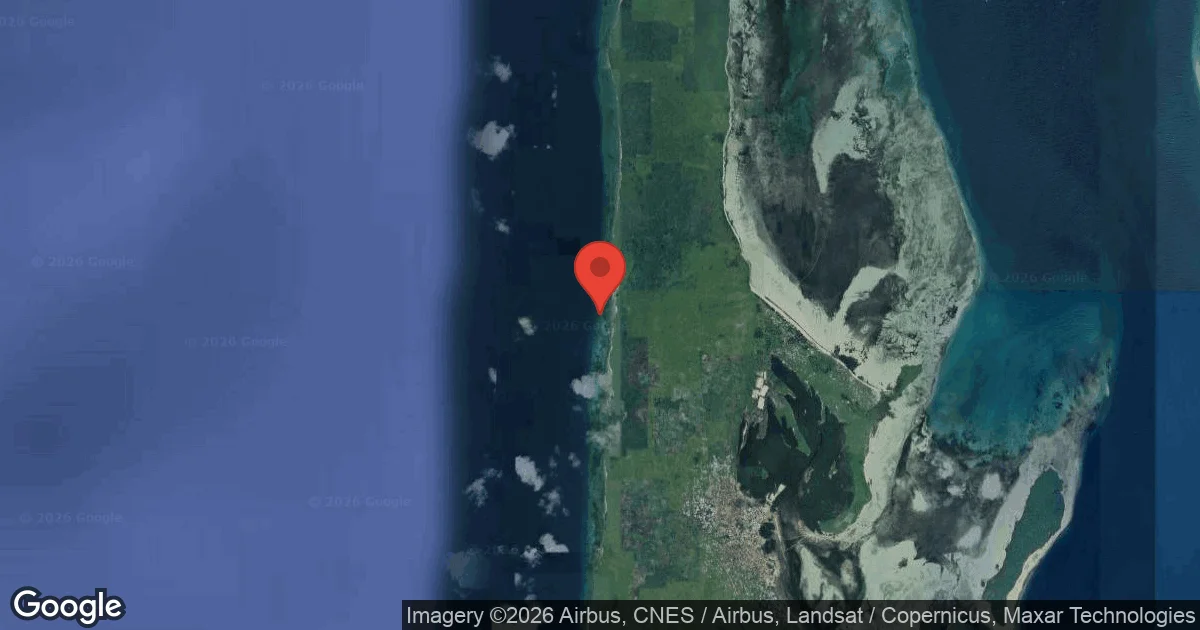
View all dive sites in TanzaniaDiscover more underwater gems in this area.
Dive Centers Near Mbwangawa
Today: 08:00 - 17:30
Nearest Airports
Nearest airports to help plan travel to this dive area.
Search Flights
Check available flights and routes on Expedia, using the nearby airports listed in this section.
Search Flights on ExpediaFrequently Asked Questions
What type of diving is available at Mbwangawa?
Mbwangawa primarily offers drift and reef diving experiences. Divers will glide along a sloping reef, observing a variety of coral formations and marine life.
What is the maximum depth for diving at Mbwangawa?
The maximum depth reported for Mbwangawa is 18 meters (59 feet). The reef begins at a shallower depth of approximately 7 meters (23 feet).
What marine life can I expect to see?
Divers have the potential to encounter a range of marine life including sharks, whales, dolphins, and turtles. The reef itself is home to hard coral bommies, plate corals, and soft corals.
When is the best time to dive at Mbwangawa?
March is often considered an excellent month for diving due to favorable air temperatures and low rainfall. Generally, Mbwangawa offers good diving conditions throughout the year.
How is the dive site accessed?
Access to the Mbwangawa dive site is exclusively by boat. There are no shore or beach entry points mentioned for this location.
What are the typical water temperatures?
Specific water temperatures are not consistently reported for Mbwangawa. However, year-round air temperatures typically range between 25-28°C (77-82.4°F), suggesting comfortably warm waters.
Are there strong currents at Mbwangawa?
Mbwangawa is described as a drift dive, which indicates that currents are typically present and form part of the diving experience. Divers should be prepared for varying current strengths.
Planning to dive Mbwangawa?
Send one inquiry and receive offers directly from the best verified local dive operators.
Conditions are Moderate
Optimal conditions expected
Current conditions near Mbwangawa show 26° air, 27° sea temperature, 1.0 m waves, and 36 km/h wind. Forecast data is refreshed regularly to ensure accuracy.