
Diving at Leon's Wall (Tanzania)
Leon's Wall in Tanzania invites divers to explore a vibrant, unspoiled reef system where marine life thrives, offering encounters with an array of species. Look closely for the conspicuous leaf fish, often camouflaged in shades of green, white, or purple against the colorful backdrop. Sharks, whales, dolphins, and turtles are also common sightings, enriching the underwater experience.
As evening covers Leon's Wall, the local air temperature is measured at 24°C. The current wave height at the surface is recorded at 1.8 m. These late-day readings characterize the surface conditions for the night.
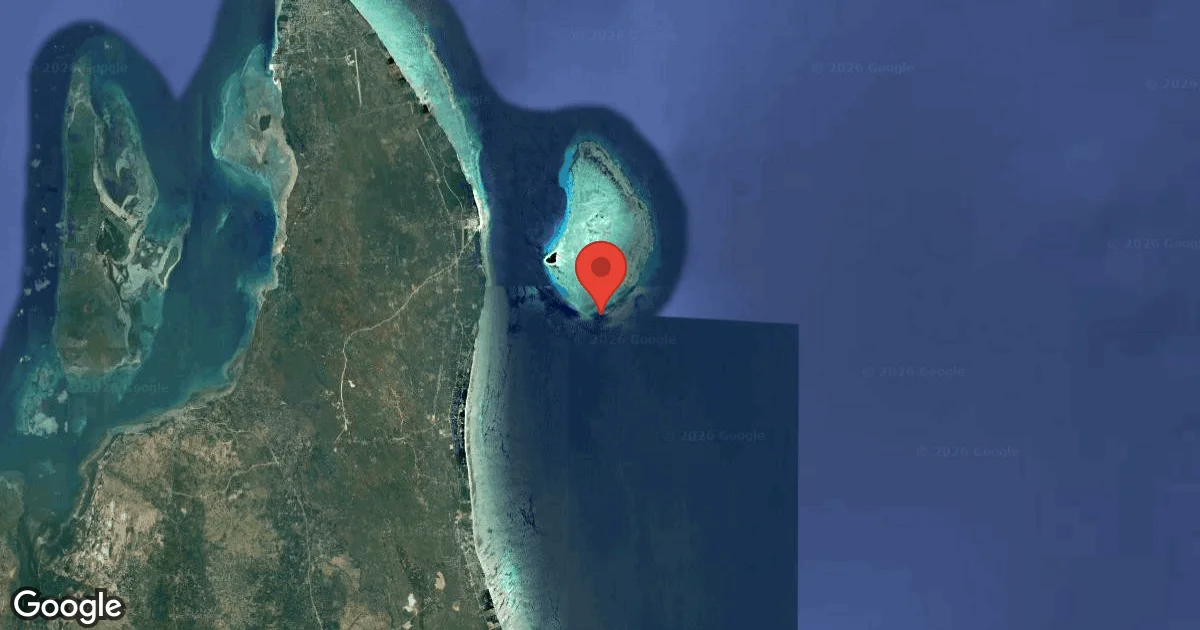
Dive Site Location & Key Facts
Dive Site Overview
Descending Leon's Wall unveils a dynamic underwater landscape, starting at approximately 10 meters (33 ft) and plunging to a maximum depth of 30 meters (98 ft). This site presents a classic wall dive experience, characterized by impressive vertical structures that host a diverse ecosystem.
Along the descent, divers will navigate a series of natural caves and intriguing overhangs, which provide shelter for various marine species. Observing the unspoiled reef and intricate soft coral formations provides a tranquil exploration experience, often less crowded than other dive locations. Planning your dive here involves considering the wall's gradual slope and varied features, making it suitable for divers with intermediate experience looking for exploration beyond basic reef systems.
The entire structure is covered in vibrant soft corals and sponges, contributing to its rich biodiversity and scenic beauty, attracting a wide array of reef fish and larger inhabitants.
Weather Error: fetch failed
Best Time to Dive
Considering optimal conditions for diving Leon's Wall, the period from November to March generally presents excellent opportunities. During these months, the dive score is consistently reported as 'Good' or 'Very Good.' November and December specifically show average air temperatures around 27°C (81°F) to 28°C (82°F) with lower rain incidence, making surface conditions comfortable. Moreover, March stands out with reduced wave heights, averaging 0.7 meters, and lower wind speeds, around 19 km/h (12 mph), often translating to calmer water surfaces. While May shows a 'Moderate' dive score due to slightly higher average rainfall and wave height, other months like July and August still maintain 'Good' scores, offering cooler average air temperatures around 25.5°C (78°F) with minimal rainfall. The variability in conditions across the year means a diver's preference for air temperature or sea state might guide their timing.
PEAK SEASON SCORE
Scores combine air & water temps, waves, wind & rainfall for overall conditions.
BEST MONTHS TO DIVE
Monthly records compiled from satellite and marine observation nodes over the last 3 years. Data provided by Open-Meteo and MET Norway.
Dive Experience & Conditions
Exploring Leon's Wall offers a compelling depth profile for certified divers, beginning at a recreational depth of around 10 meters and extending towards its maximum recreational limit. Divers will encounter a pronounced wall structure, interspersed with several captivating caves and extensive overhangs along its face. This provides a multi-level environment, allowing for extended bottom times in shallower sections or deeper explorations for more experienced divers. Water conditions are typically warm, characteristic of tropical waters, though specific temperature ranges aren't consistently reported for this site. Visibility at the wall is generally favorable, allowing clear views of the vibrant soft corals and sponges that coat the reef. Mild currents may be present, depending on tidal movements, requiring divers to remain attentive to their positioning along the wall.
Dive Difficulty & Safety Guidelines
Navigating a wall dive like Leon's Wall requires a foundational understanding of buoyancy control and depth management. Divers should meticulously monitor their no-decompression limits, especially when exploring deeper sections or within the caves and overhangs, to prevent inadvertent deco obligations. Given the potential for varying currents, maintaining good trim and being aware of your surroundings is essential for a safe and enjoyable dive.
Always dive within your certification limits; an Advanced Open Water certification or equivalent is recommended to fully appreciate the site's maximum recreational depth and the intricate features of the wall. Planning your dive with a local guide who understands the site's specific characteristics will further enhance safety and highlight key features.
Recommended Equipment
- Dive Computer
This gear list is based on verified equipment signals for Leon's Wall, Tanzania. Always confirm final gear choices with your dive operator, guide, or liveaboard.
Recommended Dive Suit
For relaxed exploration dives, 2-3mm shorty or light wetsuit generally provides adequate warmth. Consider warmer surface protection (like a boat coat) due to brisk winds. Those diving at Leon's Wall today will likely encounter water temperatures in the region of 27°C (81°F). Surface air temperatures are resting at 24°C (75°F).
Forecasts suggest rising temperatures later this week. A warming trend is expected over the next few days.
A diver's personal tolerance to cold water can play a large role in suit selection.
Due to technical issues with our weather providers, live updates are temporarily delayed. The data above reflects the conditions at the time of the last successful fetch.
Emergency & Medical Support
Essential information to help you plan your dive trip to Leon's Wall.

Hyperbaric chambers are a critical part of dive safety infrastructure. Availability varies significantly by region, and not all dive areas have immediate access.
Before diving, it's recommended to:
- confirm nearest medical facilities
- check emergency procedures with local dive operators
- ensure dive insurance covers evacuation if required
Divers Alert Network
Diving emergency assistance available through DAN Southern Africa.
+27828106010- 24/7 emergency hotline
- Diving medical assistance
- Evacuation coordination
Emergency contacts are provided for reference. Always verify local emergency services before diving.
Marine Life at Leon's Wall
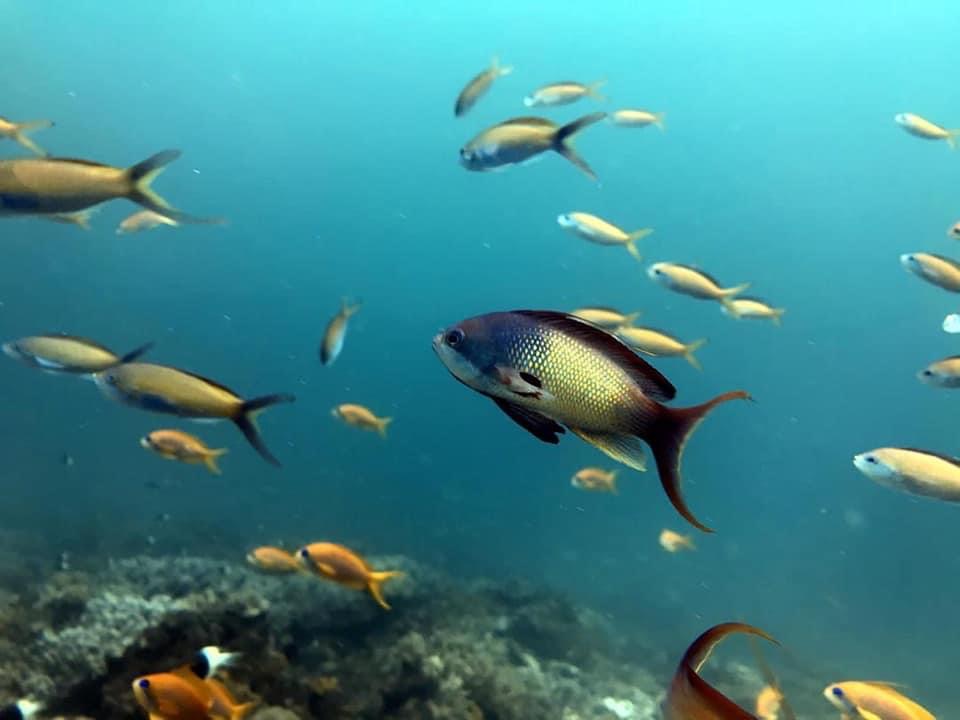
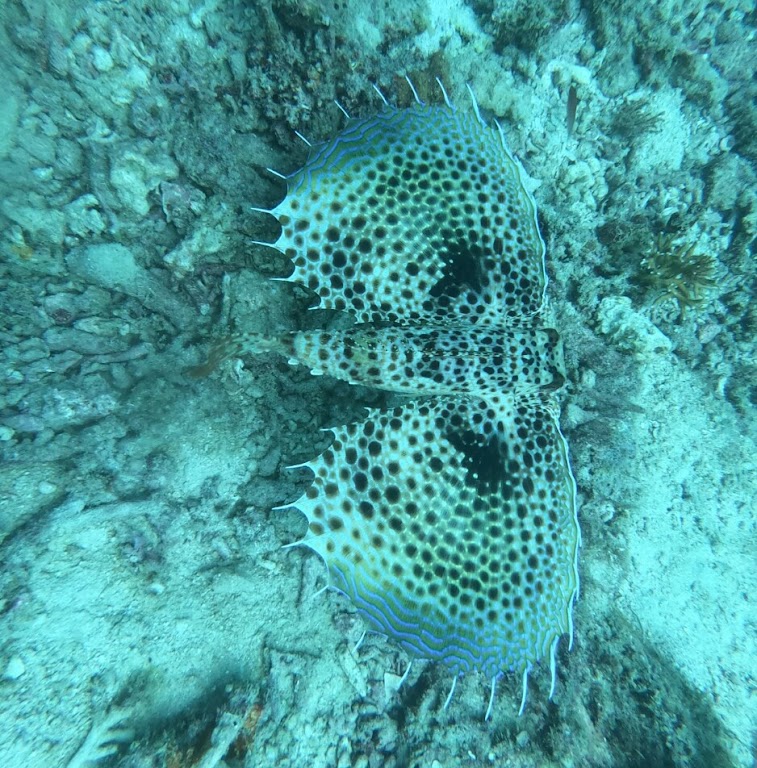
The underwater landscape of Leon's Wall, with its dramatic drop-offs and structural complexities, serves as a rich habitat for diverse marine life. Swirling around the soft corals and sponges that carpet the wall, divers often spot the distinctive leaf fish, adeptly blending into its surroundings in various hues.
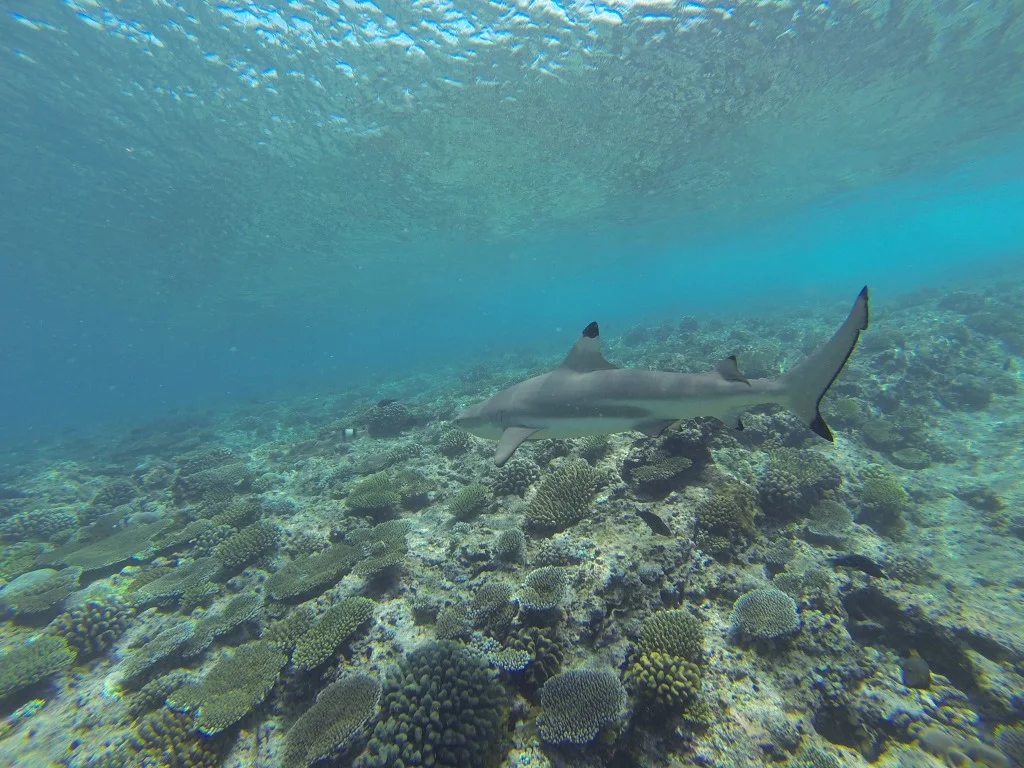
Larger pelagic species such as sharks, whales, and dolphins are sighted in the blue, offering thrilling encounters. Along the reef, turtles are also commonly observed, gracefully gliding past the coral formations.
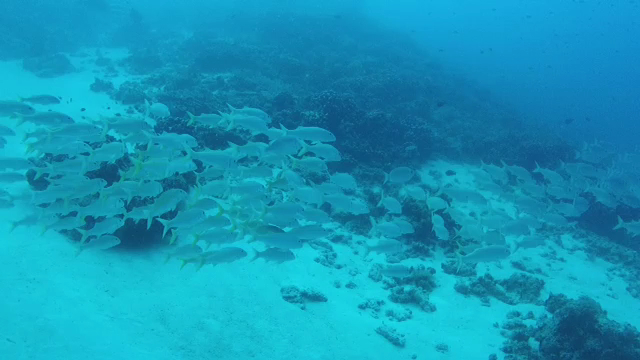
Smaller reef fish find refuge in the many crevices and overhangs, adding constant movement and color to the scene.

Dive Sites Near Leon's Wall
View all dive sites in TanzaniaDiscover more underwater gems in this area.
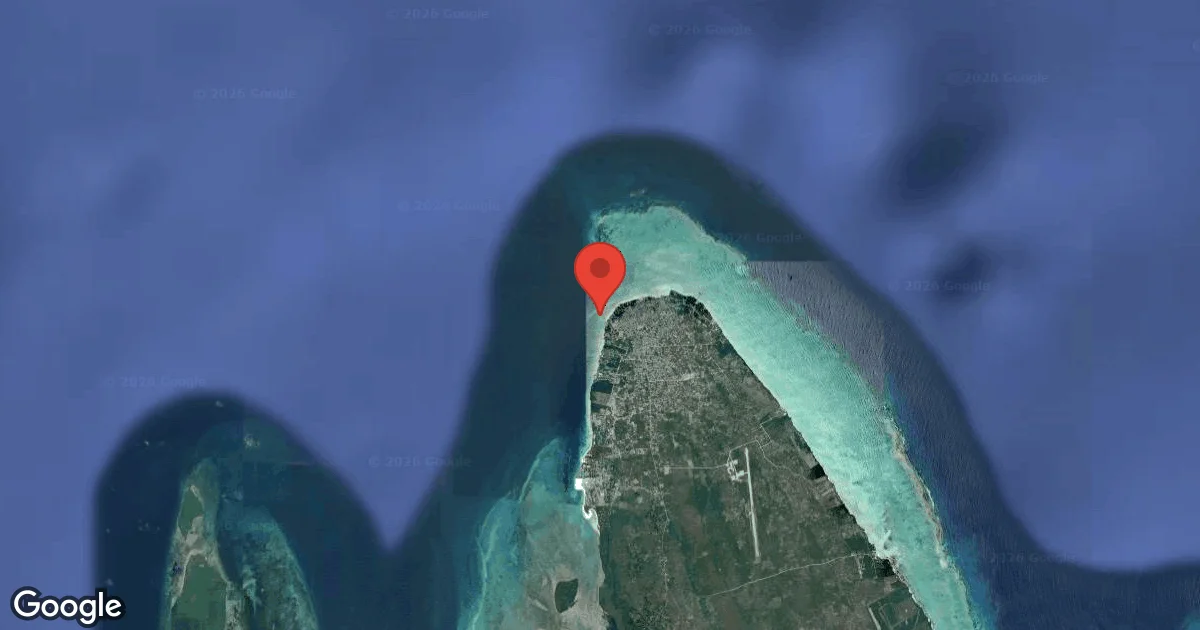
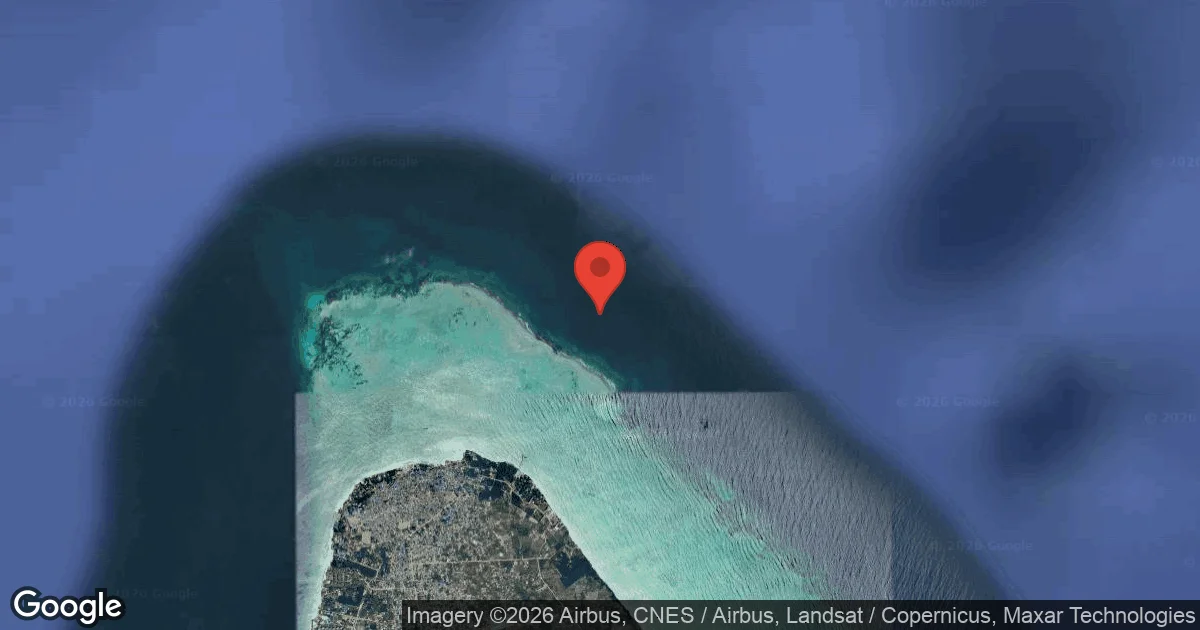
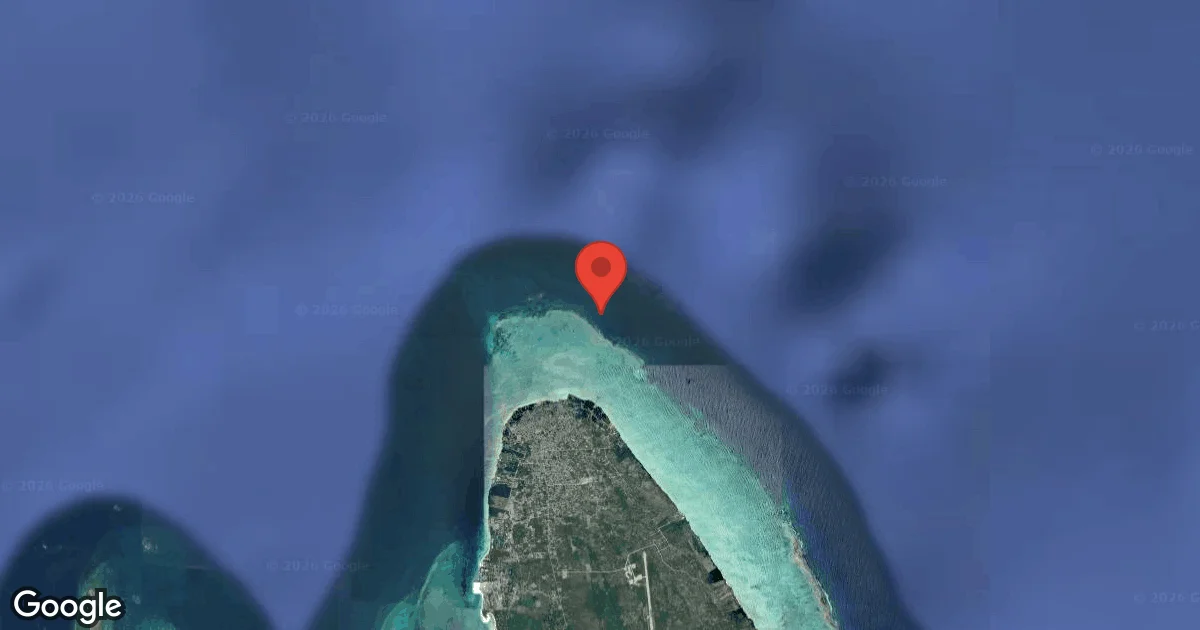
Dive Centers Near Leon's Wall
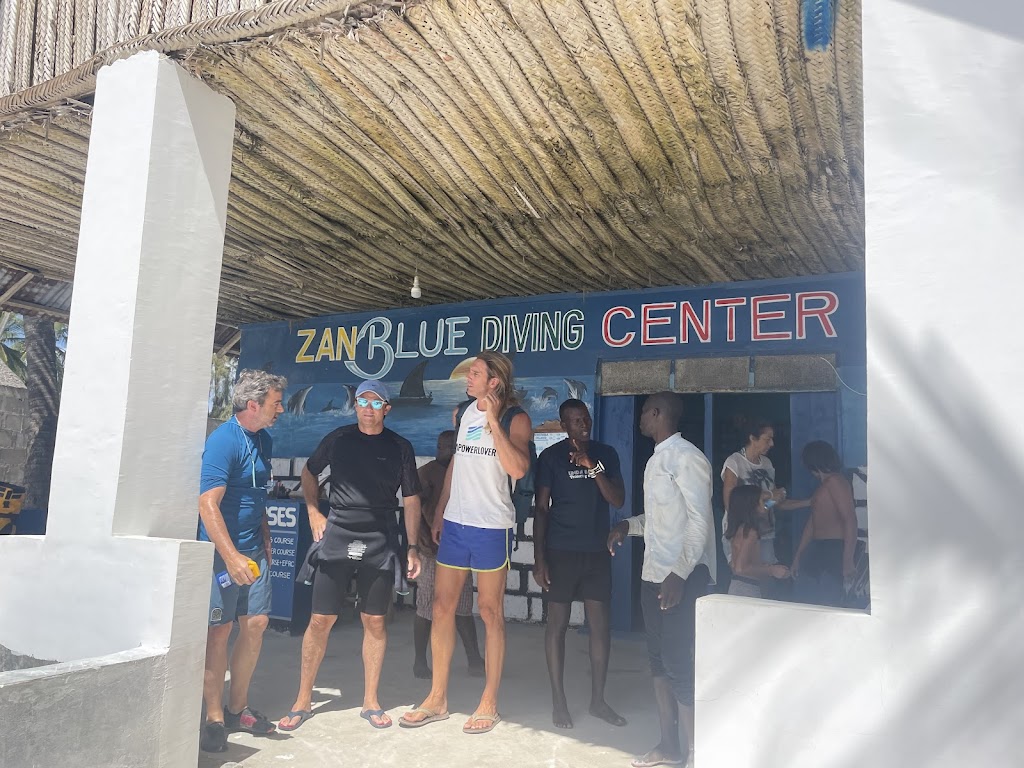
Today: 07:00 - 18:00
Nearest Airports
Nearest airports to help plan travel to this dive area.
Search Flights
Check available flights and routes on Expedia, using the nearby airports listed in this section.
Search Flights on ExpediaFrequently Asked Questions
What is the maximum depth at Leon's Wall?
The maximum depth for recreational diving at Leon's Wall is typically 30 meters (98 ft), with the wall starting around 10 meters (33 ft).
What type of dive is Leon's Wall?
Leon's Wall is primarily a wall dive, featuring reef structures, natural caves, and overhangs that add to its exploratory nature. It’s a saltwater dive.
Are there strong currents at Leon's Wall?
Currents at Leon's Wall can vary depending on tidal conditions. Divers should be prepared for potential mild currents and maintain good buoyancy control.
What marine life can be seen at Leon's Wall?
Divers often encounter leaf fish, sharks, whales, dolphins, and turtles. The wall's vibrant soft corals and sponges also host a variety of smaller reef fish.
Is Leon's Wall suitable for beginner divers?
While parts of the reef are accessible, the full extent of the wall, particularly its deeper sections and features like caves, is better suited for certified divers with some experience, ideally Advanced Open Water.
What is the best entry method for Leon's Wall?
Entry to Leon's Wall is typically by boat, though some sources indicate shore or other entry methods are possible. Most dive operators will use boat access.
How clear is the water at Leon's Wall?
Visibility at Leon's Wall is generally reported as good, offering clear views of the extensive coral formations and marine life. Specific visibility ranges can depend on seasonal conditions.