
Diving at Kichuani Wall (Tanzania)
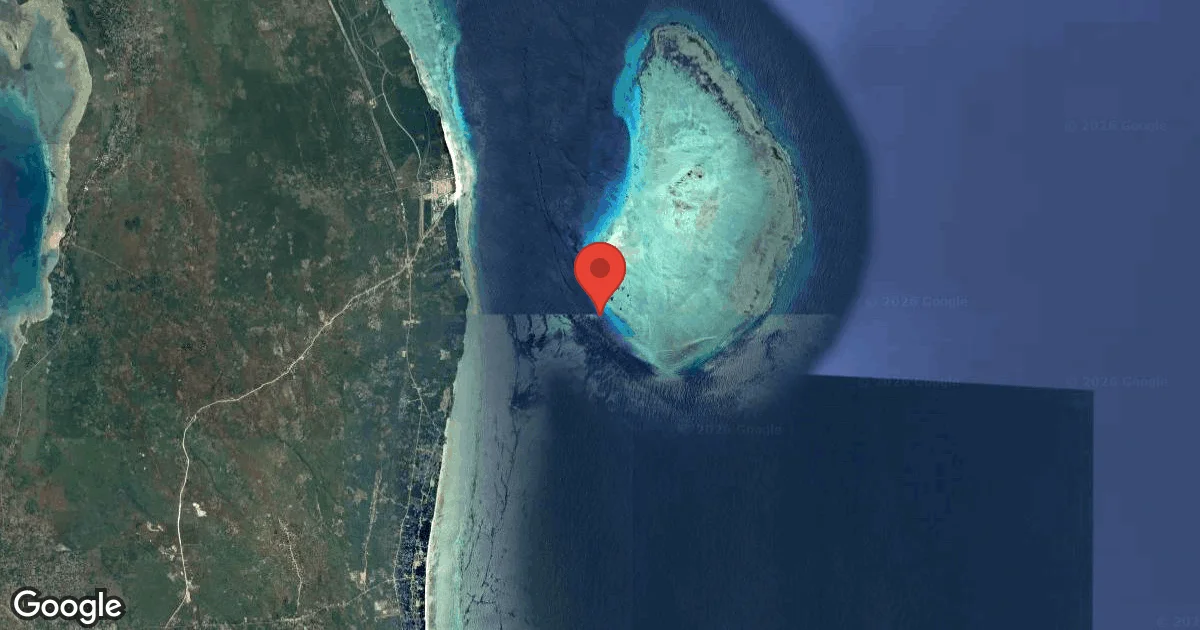
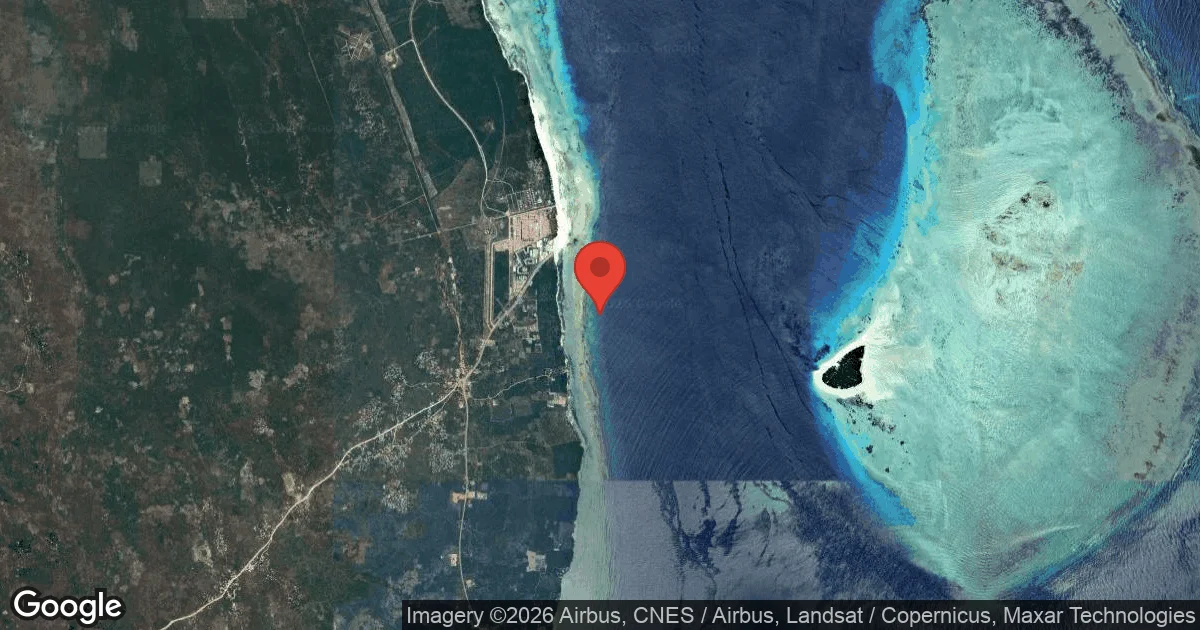
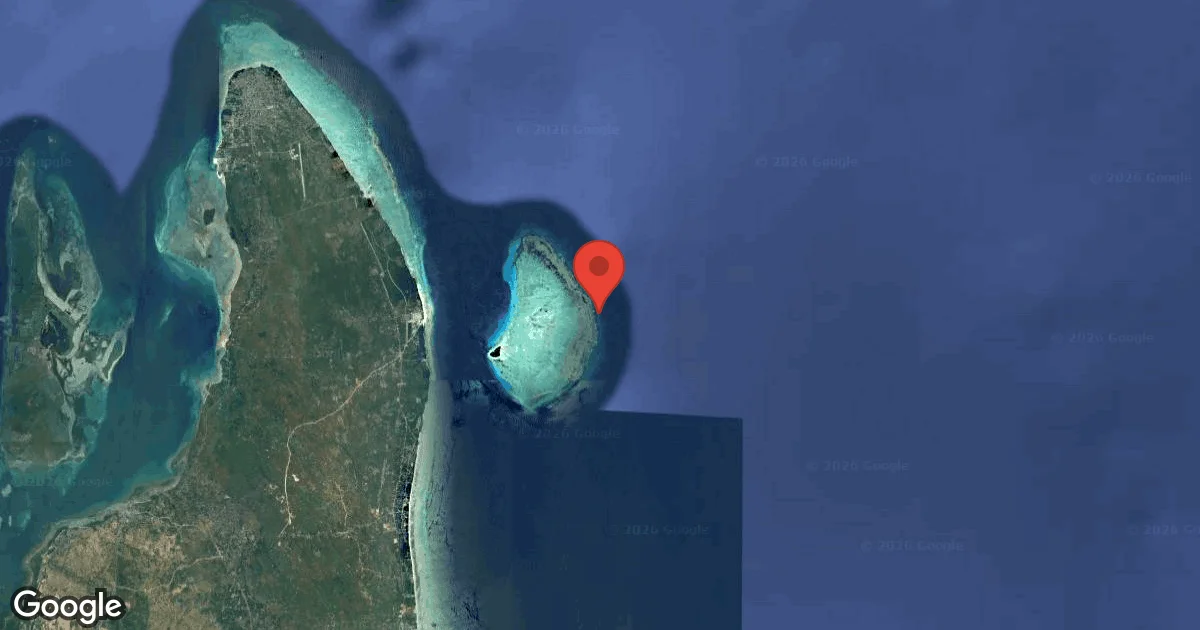
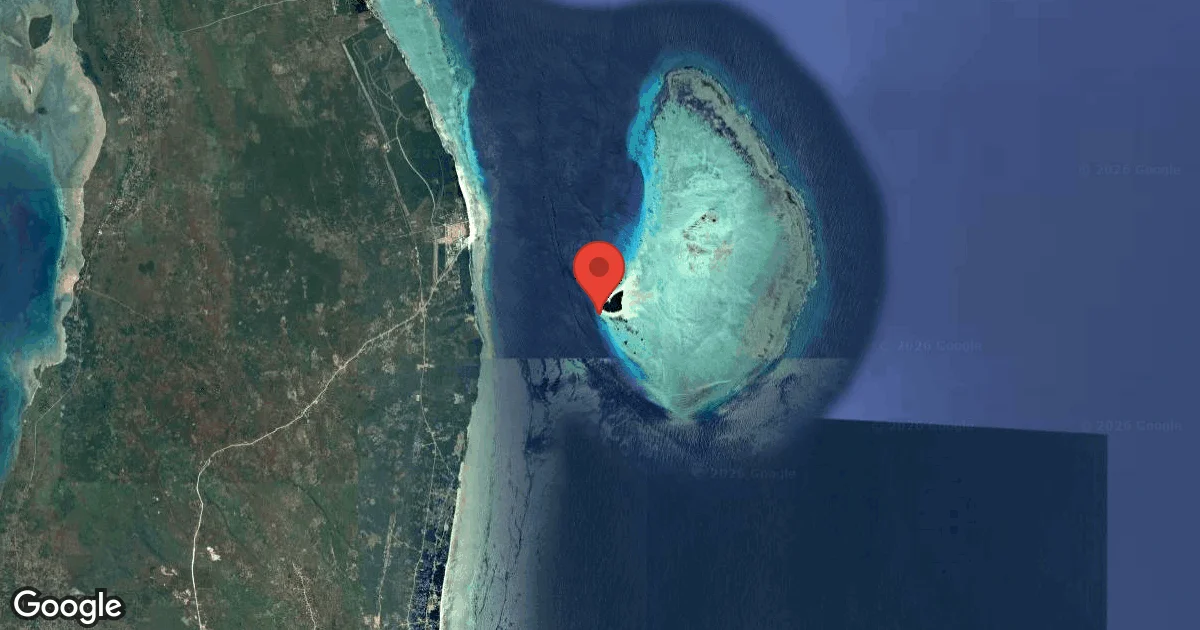
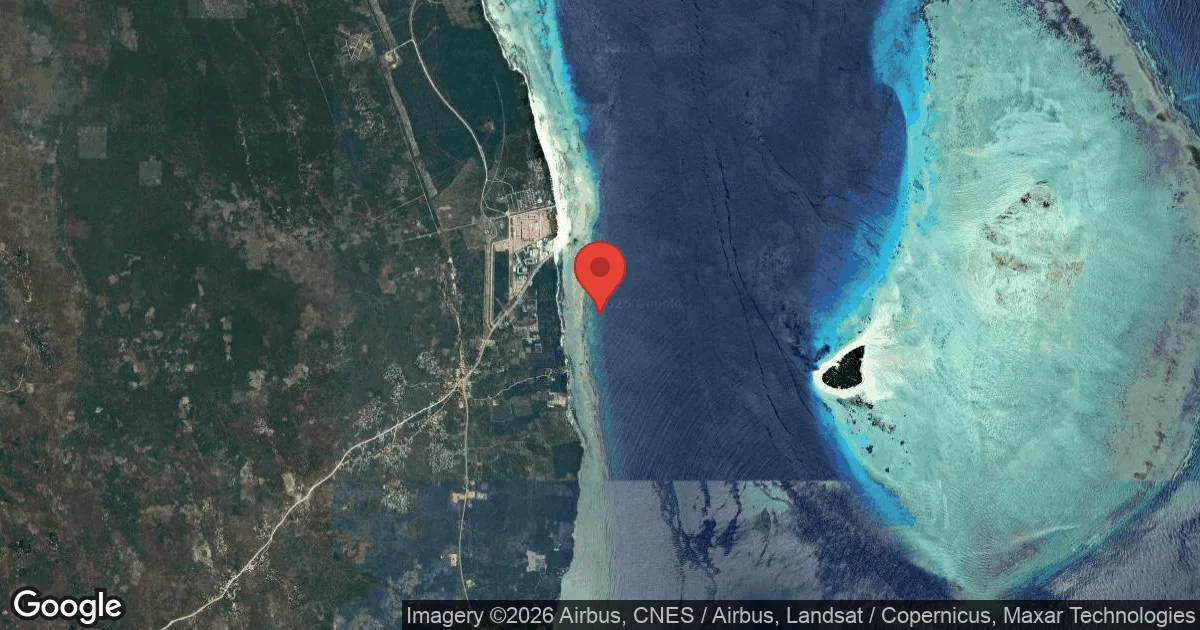
Approaching Kichuani Wall provides immediate insight into one of Mnemba Atoll's most frequented dive sites. Entry is typically by boat, setting up a smooth transition into the water. This site presents a gradual slope from shallow depths down to approximately 30 meters (98 ft), characterized by generally clear conditions and a noticeable presence of marine life. It's a wall dive accessible to a range of certified divers.
Evening condition tracking at Kichuani Wall features an air temperature of 25°C. We have recorded wave heights measuring 1.7 m during this period. These figures outline the environmental parameters currently present.
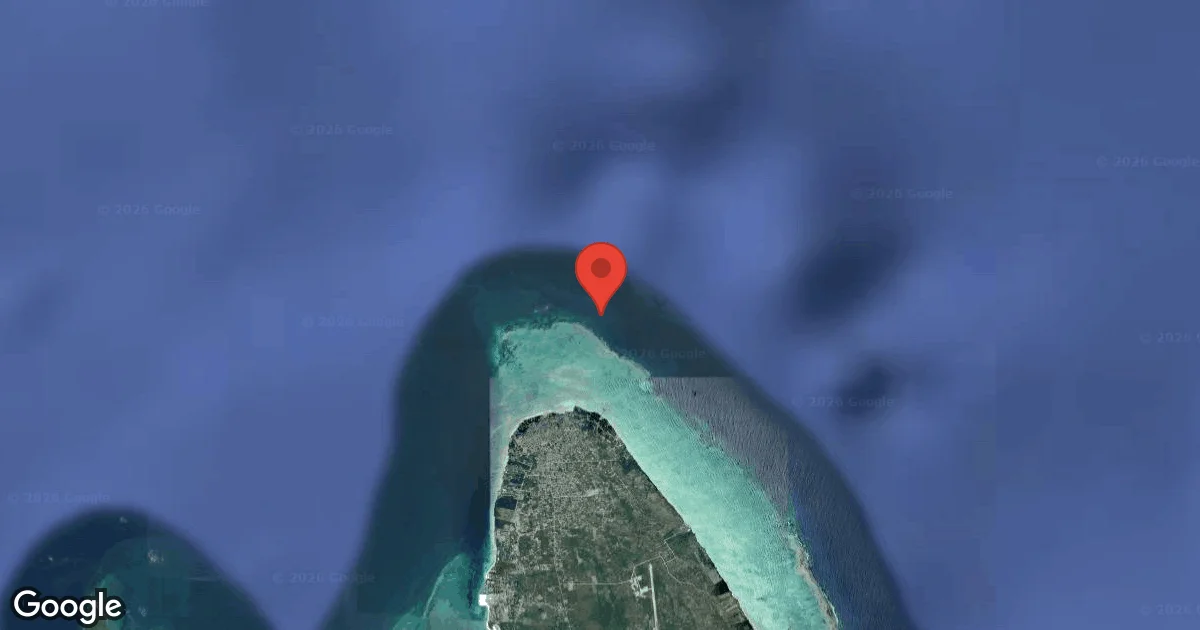
Dive Site Location & Key Facts
Dive Site Overview
Kichuani Wall consistently emerges as a prominent dive location within the Mnemba Atoll, frequently drawing divers due to its accessible and engaging features. This site primarily functions as a reef and wall dive, initiating its descent in the shallower zones before transitioning into a more pronounced wall that stretches down to a maximum depth of 30 m (98 ft).
Divers often spend between 46 to 55 minutes exploring this dynamic underwater landscape, a duration that permits thorough observation of its topography and various inhabitants. Conditions typically support an immersive experience, with visibility often reported as good to excellent, ensuring clear views of the wall's intricate formations. Water temperatures are consistently warm, generally fluctuating between 24.5-29°C (76-84°F), which contributes to comfortable dives year-round.
Divers frequently provide positive feedback, noting the site's rich environment and its suitability for multiple visits. Its structure accommodates a wide range of certified divers, from those seeking shallower reef exploration to more experienced individuals keen on navigating the deeper wall sections.
The site maintains a characteristic saltwater oceanic environment, providing a reliable example of Indian Ocean reef diving.
Conditions are Moderate
Optimal conditions expected
Current conditions near Kichuani Wall show 25° air, 26° sea temperature, 1.6 m waves, and 36 km/h wind. Forecast data is refreshed regularly to ensure accuracy.
Best Time to Dive
For an optimal dive experience at Kichuani Wall, consider months rated 'Good' or 'Exceptional' for diving, which largely span from January through April, July through September, and November to December. During these periods, air temperatures generally fluctuate between 26-31°C (79-88°F), aligning with pleasant surface conditions. Water temperatures are comfortably warm, typically ranging from 24.5-29°C (76-84°F) throughout the year, with March often reaching the warmer end at around 29°C (84°F). Rainfall is comparatively low during these favorable months, particularly from February to October, minimizing surface disruptions. Dive conditions during May and June are rated 'Moderate,' primarily due to slightly higher wave heights and winds, though diving is still feasible.
PEAK SEASON SCORE
Scores combine air & water temps, waves, wind & rainfall for overall conditions.
BEST MONTHS TO DIVE
Monthly records compiled from satellite and marine observation nodes over the last 3 years. Data provided by Open-Meteo and MET Norway.
Dive Experience & Conditions
Descending into Kichuani Wall, divers are met with a dynamic reef and wall structure. The dive typically commences near the surface, where the reef gently slopes before transforming into a more pronounced wall that extends down to 30 meters (98 ft). Visibility is a consistent highlight, often described as clear or excellent, allowing for expansive views of the underwater landscape. Water temperatures remain warm and inviting, generally between 24.5-29°C (76-84°F), which lessens the need for thick exposure protection. Divers should anticipate a mild to moderate current, typically registering between 1-3 knots. This current, while manageable, adds a gentle drift component to the dive, guiding exploration along the wall's contours.
Dive Difficulty & Safety Guidelines
Navigating Kichuani Wall requires attention to standard safe diving practices, particularly given the site's wall topography and potential for currents. Divers should maintain strong buoyancy control, especially when exploring the sloping sections and deeper parts of the wall. Monitoring air consumption is crucial, as the maximum depth can reach 30 meters (98 ft).
While no specific hazards are consistently reported, divers should always be mindful of ambient conditions like current strength, which can vary. Planning a dive with a local professional familiar with the site is always recommended for current site-specific advice.
Recommended Equipment
- Dive Computer
- DSMB
This gear list is based on verified equipment signals for Kichuani Wall, Tanzania. Always confirm final gear choices with your dive operator, guide, or liveaboard.
Recommended Dive Suit
2-3mm shorty or light wetsuit usually provides adequate warmth in water around this temperature. Consider warmer surface protection (like a boat coat) due to brisk winds. For divers entering the water at Kichuani Wall, temperatures are currently hovering around 26°C (80°F). Surface air temperatures are resting at 25°C (77°F).
Weather models currently point toward consistent diving conditions over the next several days.
Conditions can vary slightly across different parts of the same dive site.
Emergency & Medical Support
Essential information to help you plan your dive trip to Kichuani Wall.

Hyperbaric chambers are a critical part of dive safety infrastructure. Availability varies significantly by region, and not all dive areas have immediate access.
Before diving, it's recommended to:
- confirm nearest medical facilities
- check emergency procedures with local dive operators
- ensure dive insurance covers evacuation if required
Divers Alert Network
Diving emergency assistance available through DAN Southern Africa.
+27828106010- 24/7 emergency hotline
- Diving medical assistance
- Evacuation coordination
Emergency contacts are provided for reference. Always verify local emergency services before diving.
Marine Life at Kichuani Wall
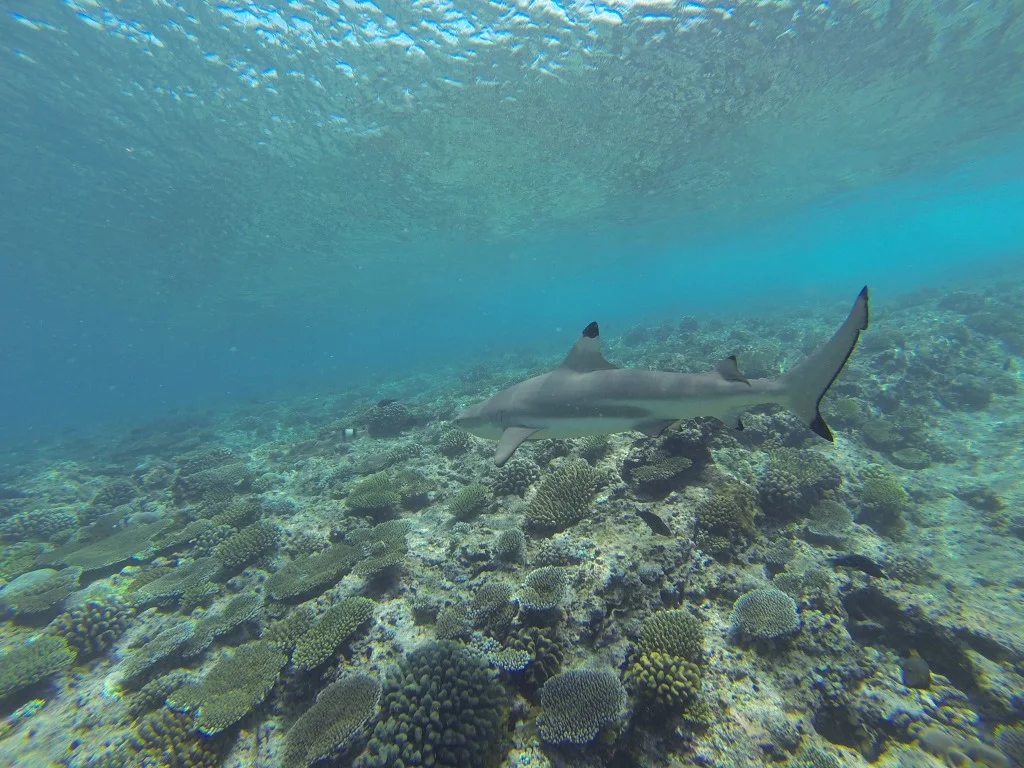
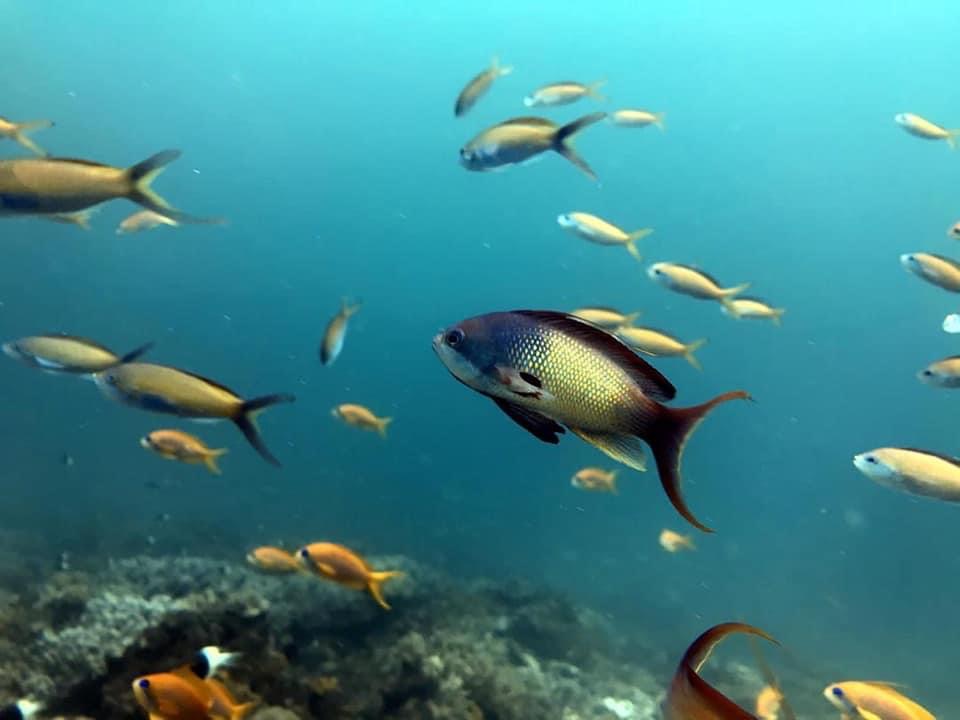
Marine encounters at Kichuani Wall are diverse, contributing to its reputation for an abundance of fish. Divers commonly spot larger pelagic species such as various sharks, and on occasion, the site may present opportunities to observe whales and dolphins.
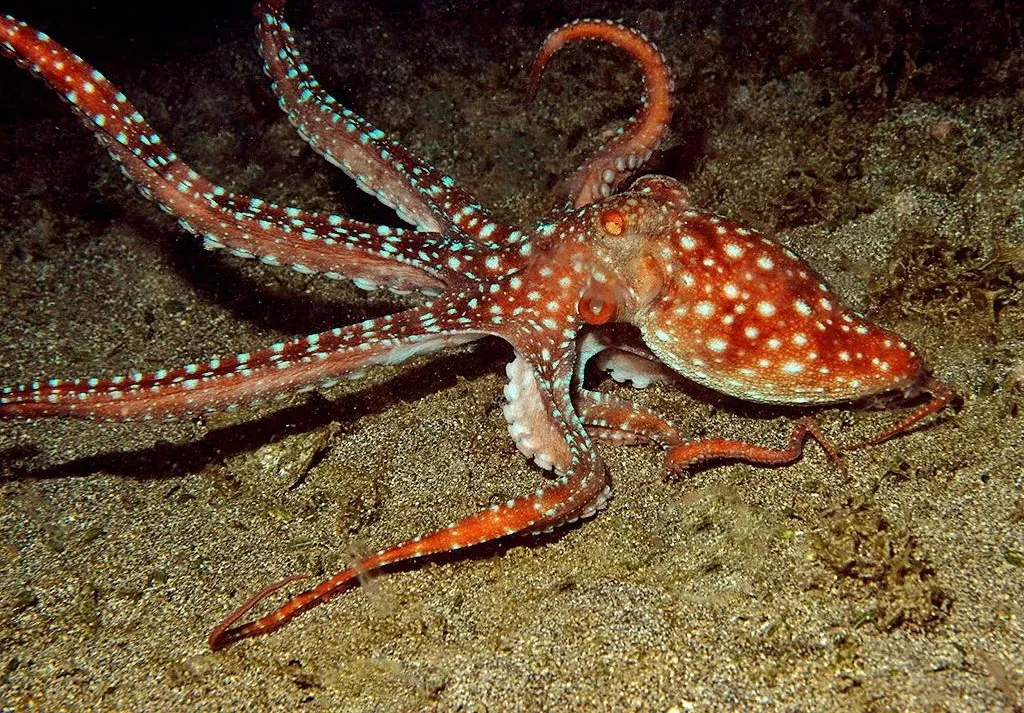
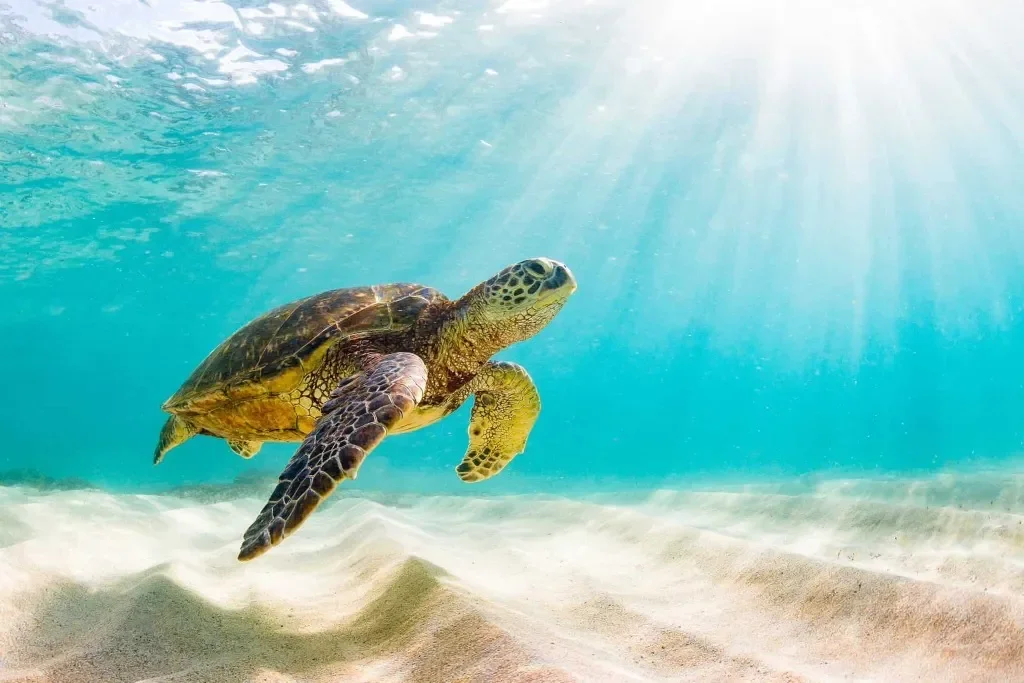
Green sea turtles are also frequently sighted patrolling the reef. The smaller, more intricate life along the wall includes a variety of colorful reef fish and octopuses, blending into the coral formations.
Dive Sites Near Kichuani Wall
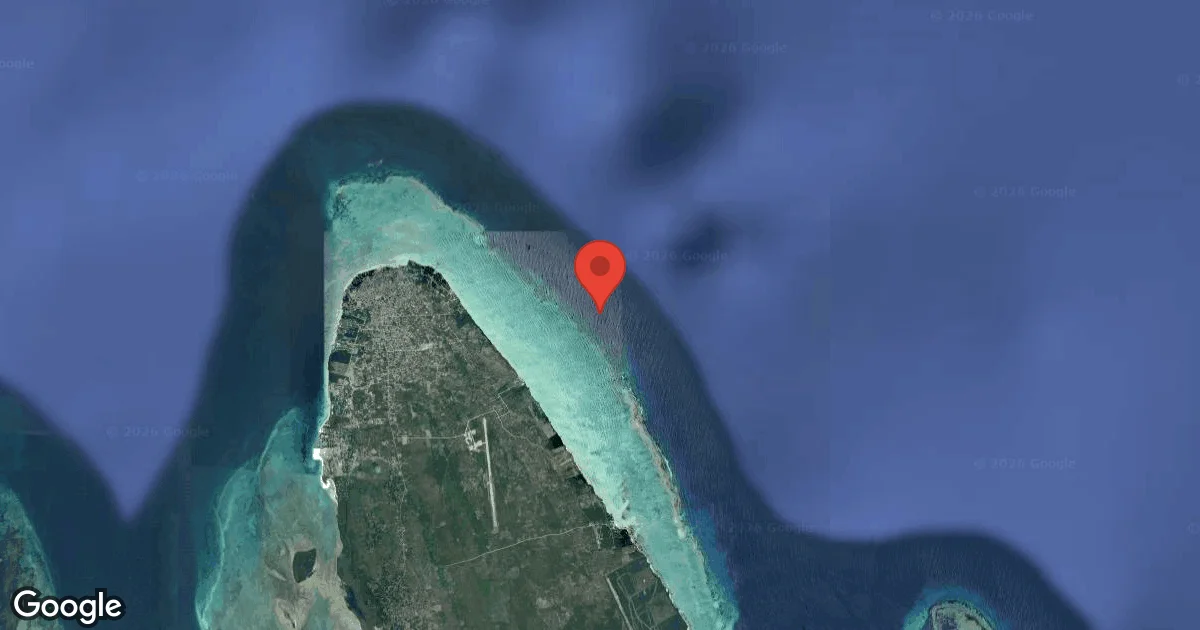
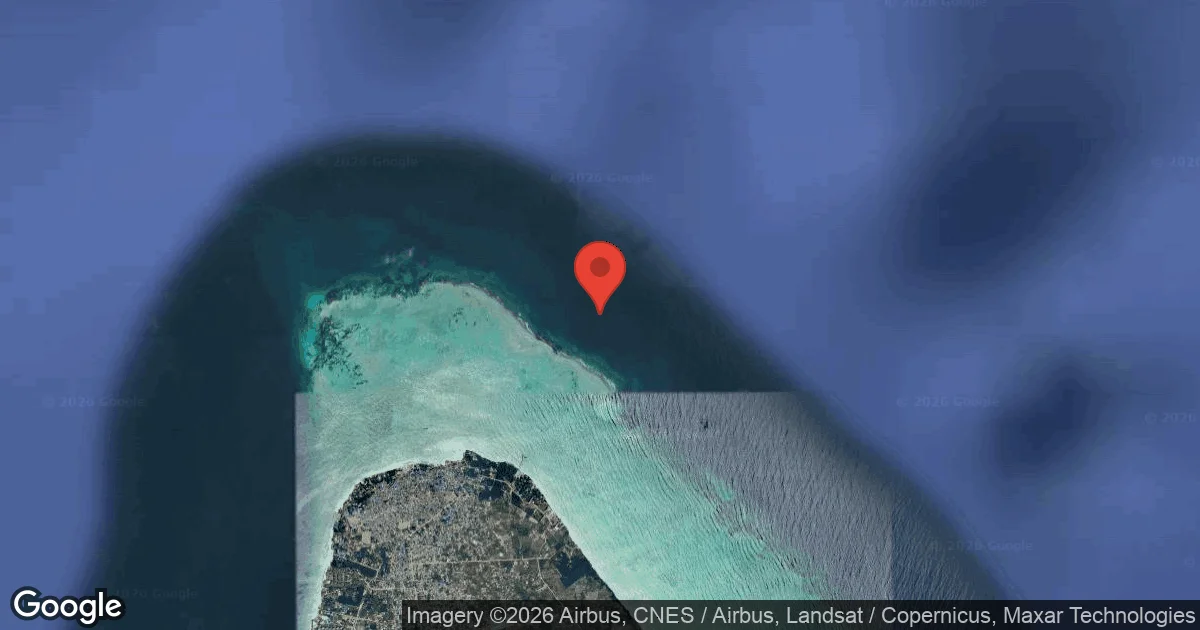
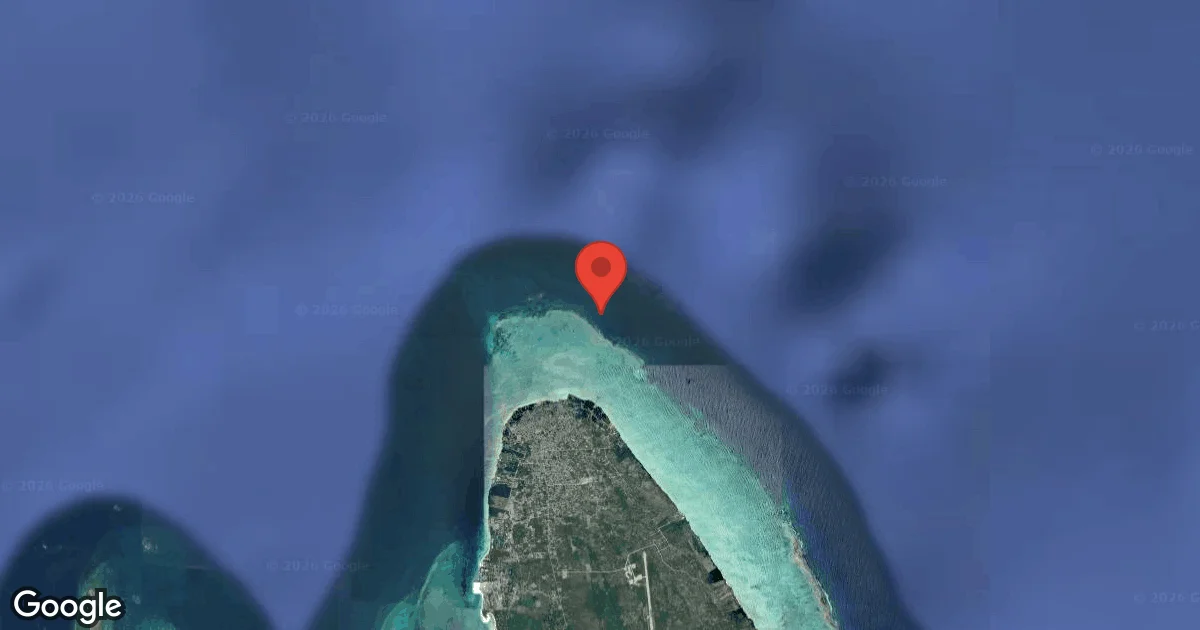
View all dive sites in TanzaniaDiscover more underwater gems in this area.
Dive Centers Near Kichuani Wall
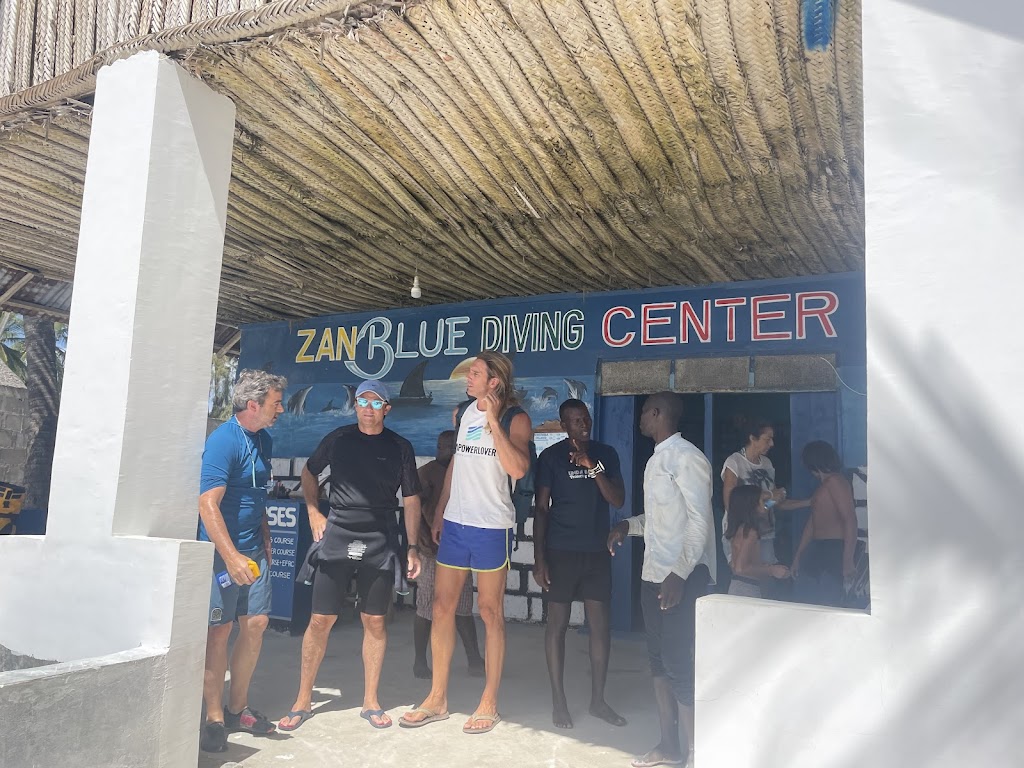
Today: 07:00 - 18:00


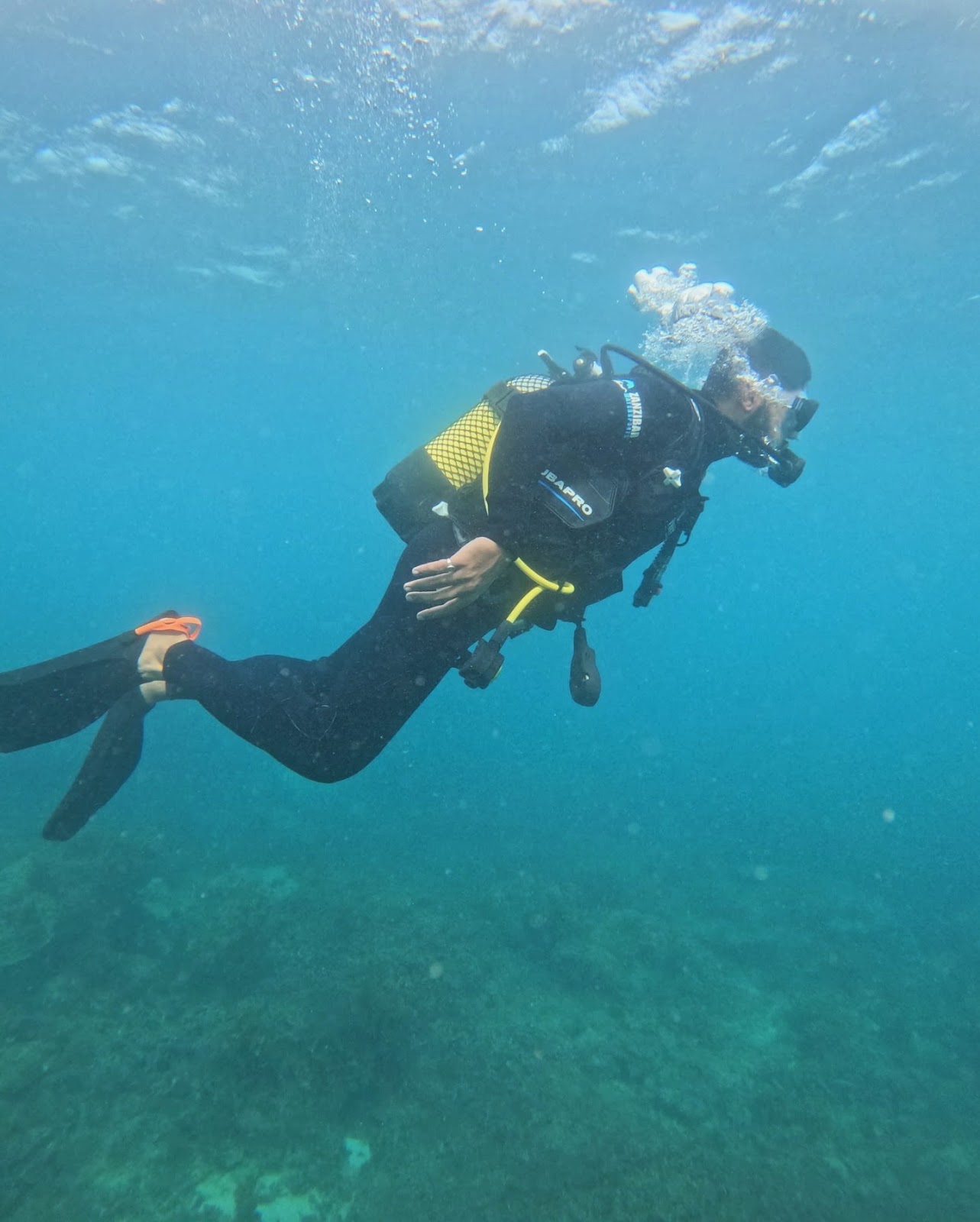
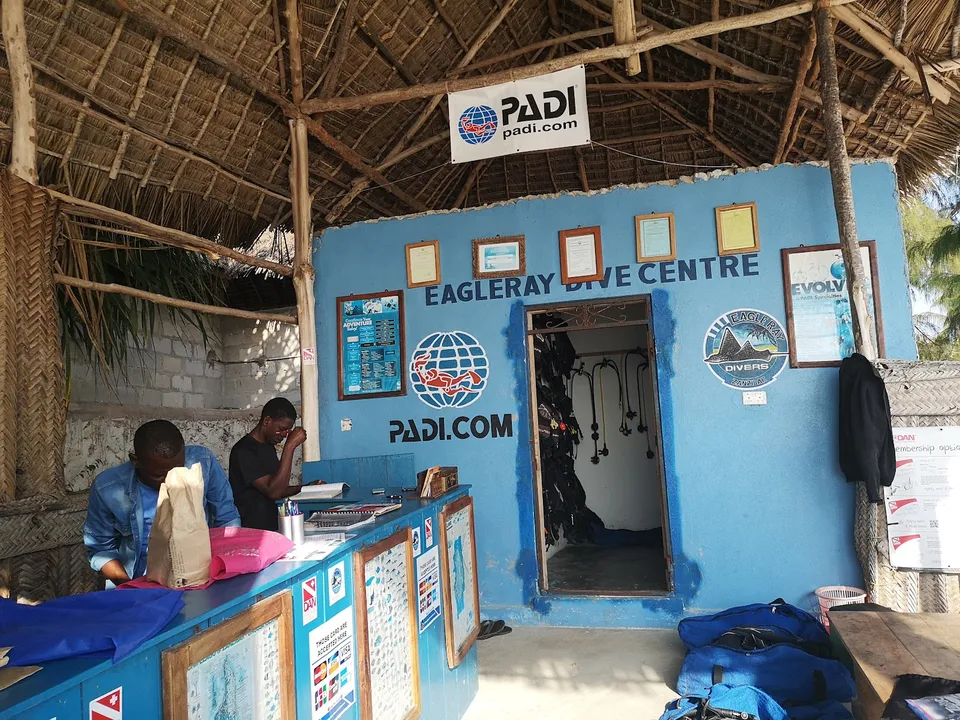

Nearest Airports
Nearest airports to help plan travel to this dive area.
Search Flights
Check available flights and routes on Expedia, using the nearby airports listed in this section.
Search Flights on ExpediaFrequently Asked Questions
What kind of dive site is Kichuani Wall?
Kichuani Wall is characterized as both a reef and a wall dive. It features a sloping reef that transitions into a distinct wall, making it suitable for exploring different marine environments within a single dive.
What is the typical depth range for a dive at Kichuani Wall?
The site slopes from shallow depths, starting at around 2 meters, down to a maximum of 30 meters (98 ft). This range offers sections suitable for divers with various certification levels.
What are the usual water conditions like?
Kichuani Wall typically offers clear to excellent visibility. Water temperatures are consistently warm, generally ranging from 24.5-29°C (76-84°F), making for comfortable dives year-round.
Are there currents at Kichuani Wall?
Yes, divers can expect to encounter mild to moderate currents, usually between 1-3 knots. These currents often create a gentle drift, adding to the dynamics of the dive.
What marine life can I expect to see?
The wall is known for an abundance of fish, and divers frequently report sightings of sharks, green sea turtles, and octopuses. There are also occasional opportunities to spot whales and dolphins, depending on the season.
When is the best time of year to dive Kichuani Wall?
Diving conditions are generally favorable for most of the year. Months from January to April, July to September, and November to December typically offer the best experiences with clear conditions and comfortable temperatures.
Planning to dive Kichuani Wall?
Send one inquiry and receive offers directly from the best verified local dive operators.
Conditions are Moderate
Optimal conditions expected
Current conditions near Kichuani Wall show 25° air, 26° sea temperature, 1.6 m waves, and 36 km/h wind. Forecast data is refreshed regularly to ensure accuracy.