
Diving at Small Wall (Tanzania)
Small Wall presents a striking contrast, transitioning from a shallow coral reef accessible right at the surface to a dramatic drop-off plunging to 50 meters (164 ft). The site welcomes a wide spectrum of certified divers, from Open Water to technical enthusiasts. Expect vibrant schooling reef fish in its upper sections and potential encounters with larger pelagics in its deeper reaches.
As evening covers Small Wall, the local air temperature is measured at 26.5°C. The current wave height at the surface is recorded at 1.7 m. These late-day readings characterize the surface conditions for the night.
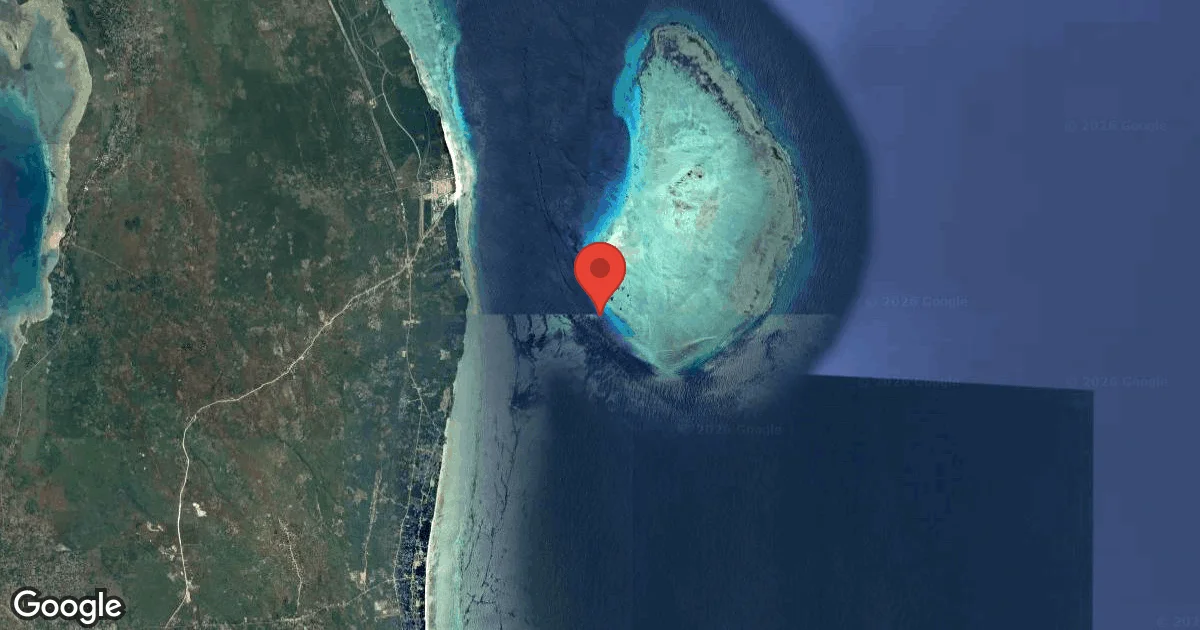
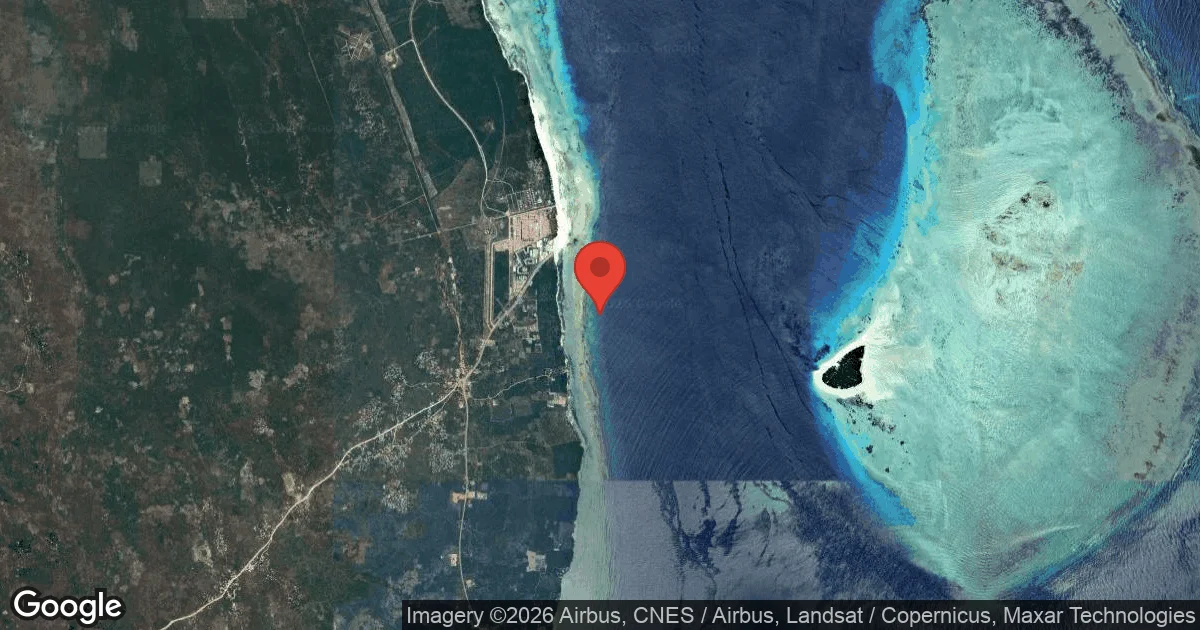
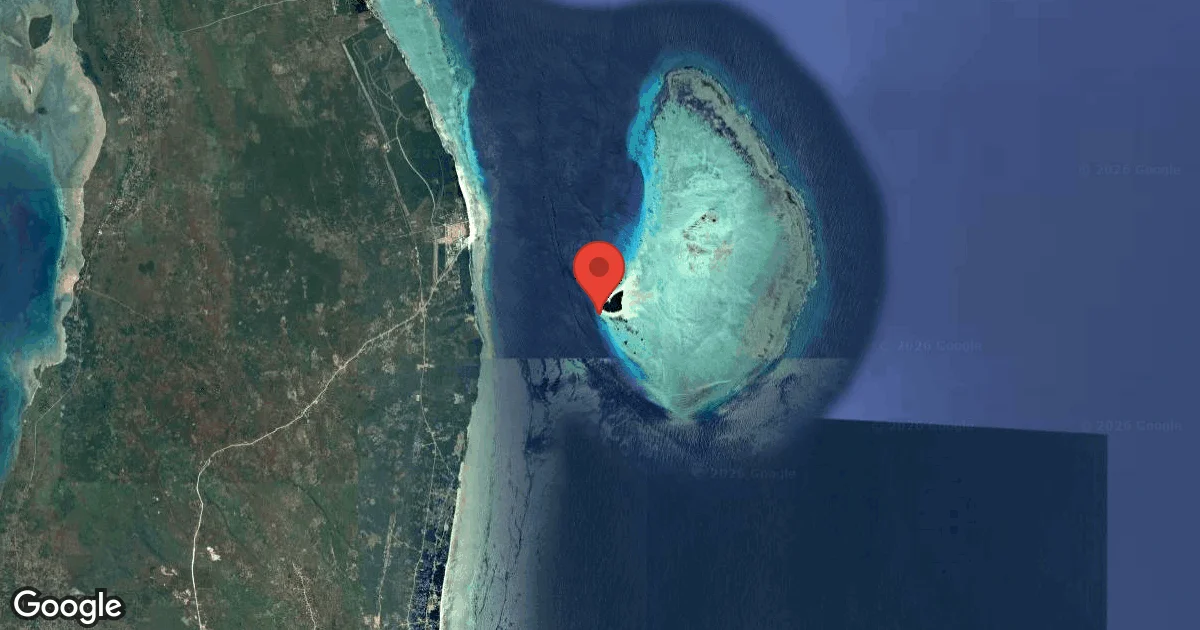
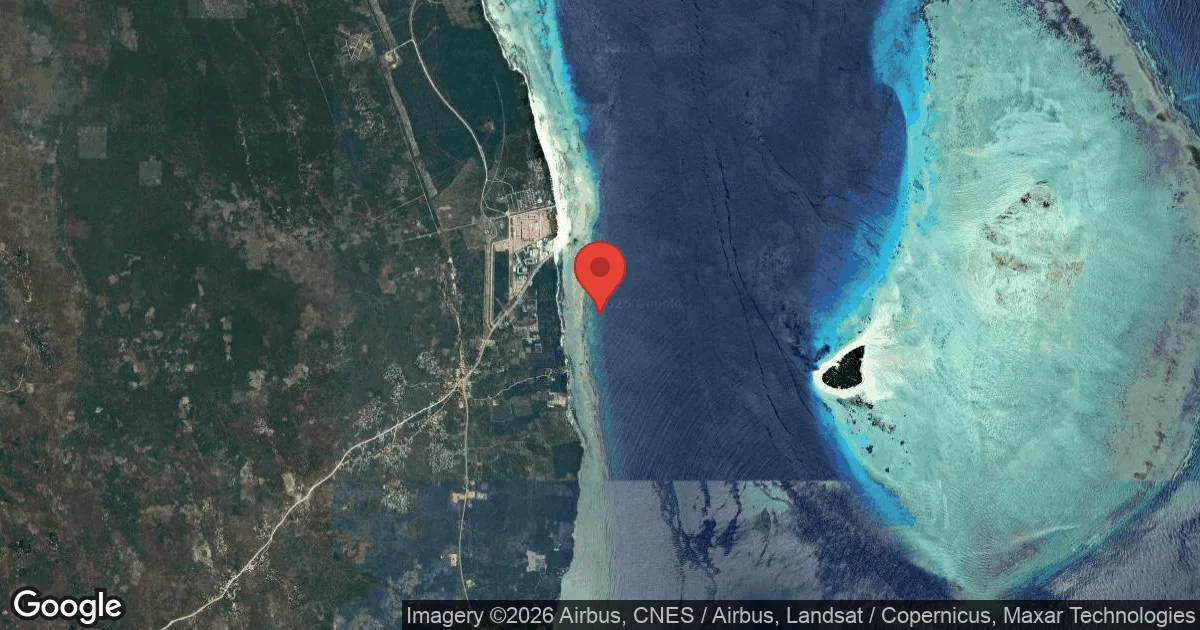
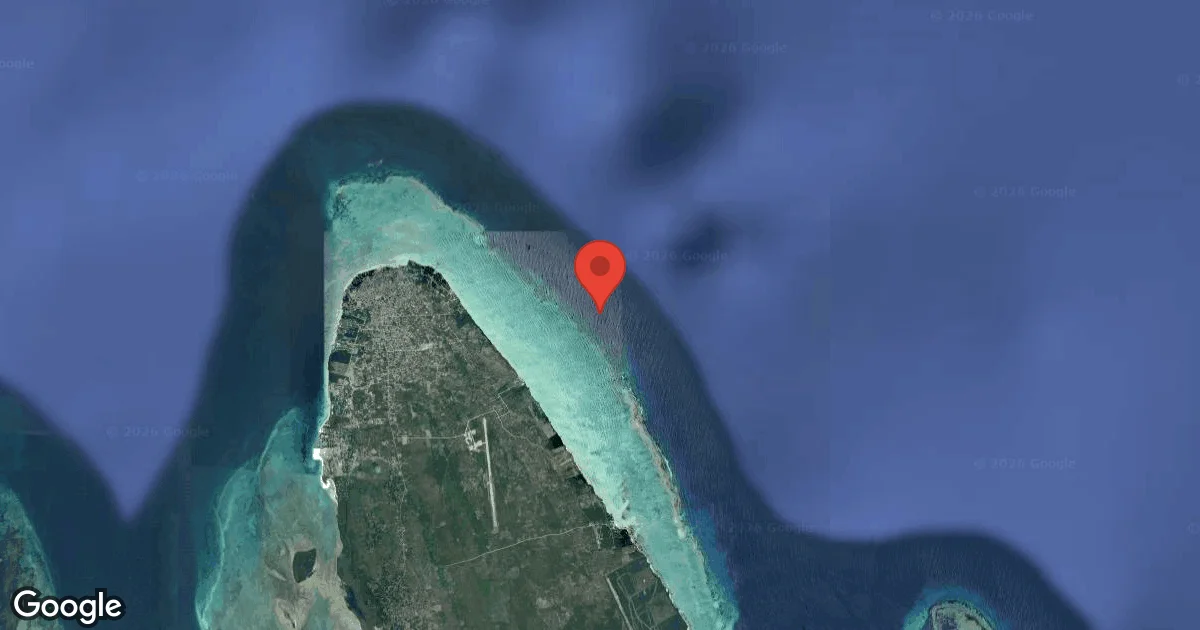
Dive Site Location & Key Facts
Dive Site Overview
Small Wall's topography unfolds from an expansive coral reef, originating directly at the surface, into a dramatic underwater landscape. Frequently described as a 'huge coral reef,' a distinct wall section typically slopes from around 4 meters (13 ft) down to 30 meters.
Dive explorations here can extend to a considerable maximum depth of 50 meters. At approximately 30 meters, divers discover a secondary drop-off, where a vibrant and complex environment comes to life. Rich diversity in colorful corals and intricate gorgonians forms a striking display along this deeper section.
Numerous species of hard corals make up the reef itself, exhibiting a wide range of shapes and hues, from robust plate corals to delicate branching formations. These structures provide essential shelter and sustenance for countless marine organisms.
Such compelling topography, transitioning from sun-drenched, fish-filled shallows to its more dramatic deep-wall features, ensures an engaging experience for all certified divers, from recreational enthusiasts to technical exploration specialists.
Conditions are Moderate
Optimal conditions expected
Current conditions near Small Wall show 26° air, 27° sea temperature, 1.6 m waves, and 36 km/h wind. Forecast data is refreshed regularly to ensure accuracy.
Best Time to Dive
Seasonal planning is key for diving Small Wall, as conditions fluctuate throughout the year. Excellent diving conditions generally prevail from July to March, characterized by relatively little rainfall and consistent water temperatures in the high 20°C range. For instance, air temperatures consistently hover around 28°C (82°F) in January and February, with minimal rain, averaging under 3mm. March functions as a shoulder month, preceding the 'long rains' which usually begin in April and extend through June. These months bring heavier precipitation, with April, for example, averaging over 15mm of rain, potentially impacting surface conditions. Dive scores, however, often remain moderate. Water visibility usually reaches its peak from September to November, frequently ranging between 30 to 40 meters (98 to 131 feet), offering extensive views of the wall's grandeur. Warmer water temperatures are typically encountered from December to March, making these months especially appealing.
PEAK SEASON SCORE
Scores combine air & water temps, waves, wind & rainfall for overall conditions.
BEST MONTHS TO DIVE
Monthly records compiled from satellite and marine observation nodes over the last 3 years. Data provided by Open-Meteo and MET Norway.
Dive Experience & Conditions
Small Wall's current dynamics can vary, yet the site broadly accommodates divers across various experience levels, from Open Water to Extended Range certifications. Specific current reports for the immediate area are not consistently reported, however, the wider region does present conditions suitable for drift diving. Zanzibar's water temperatures typically remain comfortable year-round, ranging between 24° to 29°C (75° to 84°F). Underwater visibility commonly extends from 30 to 40 meters, offering clear perspectives of the extensive coral structures and varied marine life. Such exceptional clarity allows for superb opportunities to observe both the intricate macro details of the wall and any pelagic activity in the surrounding blue.
Dive Difficulty & Safety Guidelines
While specific hazards for Small Wall are not detailed, adherence to standard safe diving practices is paramount for any wall dive. Divers should diligently monitor their no-decompression limits and air consumption, particularly when exploring the deeper sections of the wall. Maintaining excellent buoyancy control is crucial to protect the delicate corals and gorgonians, especially near the drop-offs.
Given the site's suitability for a wide range of certifications, Open Water Divers should stay within their depth limits, typically 18 meters (60 ft), while more experienced divers can explore the wall's full extent to 50 meters. Always dive within your training and comfort level, and follow the guidance of local dive professionals.
Recommended Equipment
Technical depth range. Advanced planning, gas management, and appropriate certification required.
- Dive Computer
- DSMB
- Primary & Backup Lights
This gear list is based on verified equipment signals for Small Wall, Tanzania. Always confirm final gear choices with your dive operator, guide, or liveaboard.
Recommended Dive Suit
Current diving conditions indicate water temperatures around 27°C (80°F) at Small Wall. Surface air temperatures are resting at 26°C (79°F).
The next few days appear likely to bring similar environmental conditions.
Most divers exploring waters at this temperature rely on 2-3mm shorty or light wetsuit for effective insulation. Consider warmer surface protection (like a boat coat) due to brisk winds. Water temperature is only one factor influencing overall comfort during a dive. Stronger winds may also make surface intervals feel cooler than usual.
Emergency & Medical Support
Essential information to help you plan your dive trip to Small Wall.

Hyperbaric chambers are a critical part of dive safety infrastructure. Availability varies significantly by region, and not all dive areas have immediate access.
Before diving, it's recommended to:
- confirm nearest medical facilities
- check emergency procedures with local dive operators
- ensure dive insurance covers evacuation if required
Divers Alert Network
Diving emergency assistance available through DAN Southern Africa.
+27828106010- 24/7 emergency hotline
- Diving medical assistance
- Evacuation coordination
Emergency contacts are provided for reference. Always verify local emergency services before diving.
Marine Life at Small Wall
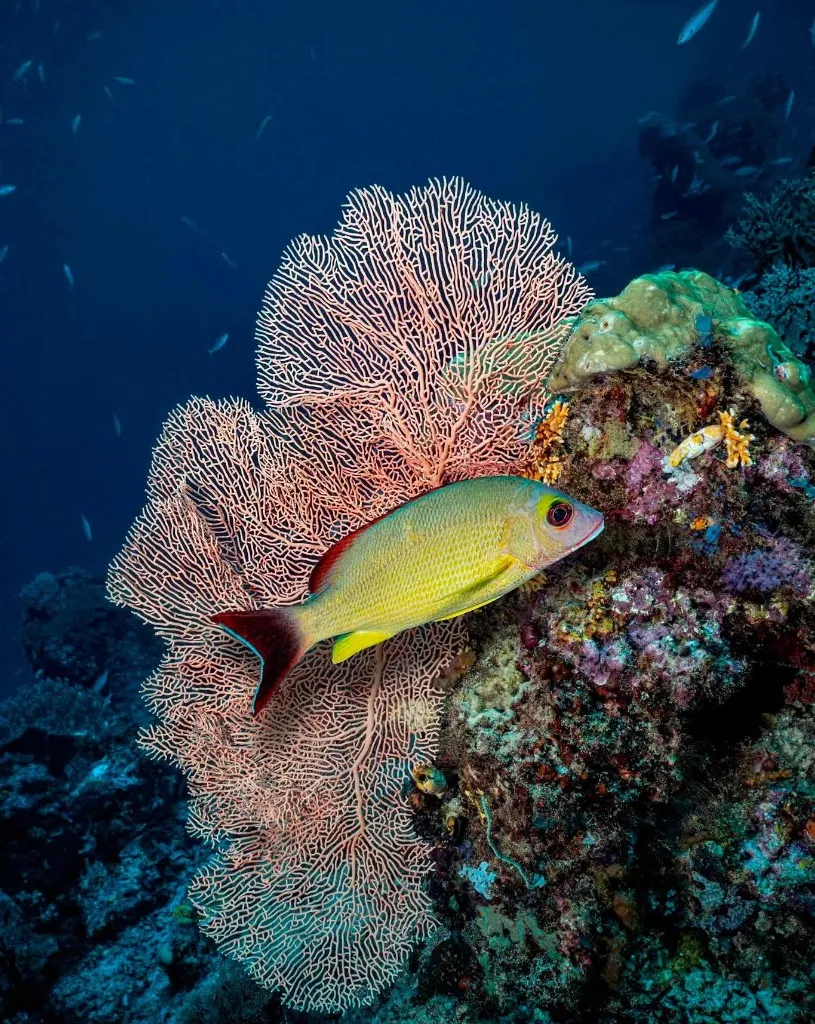
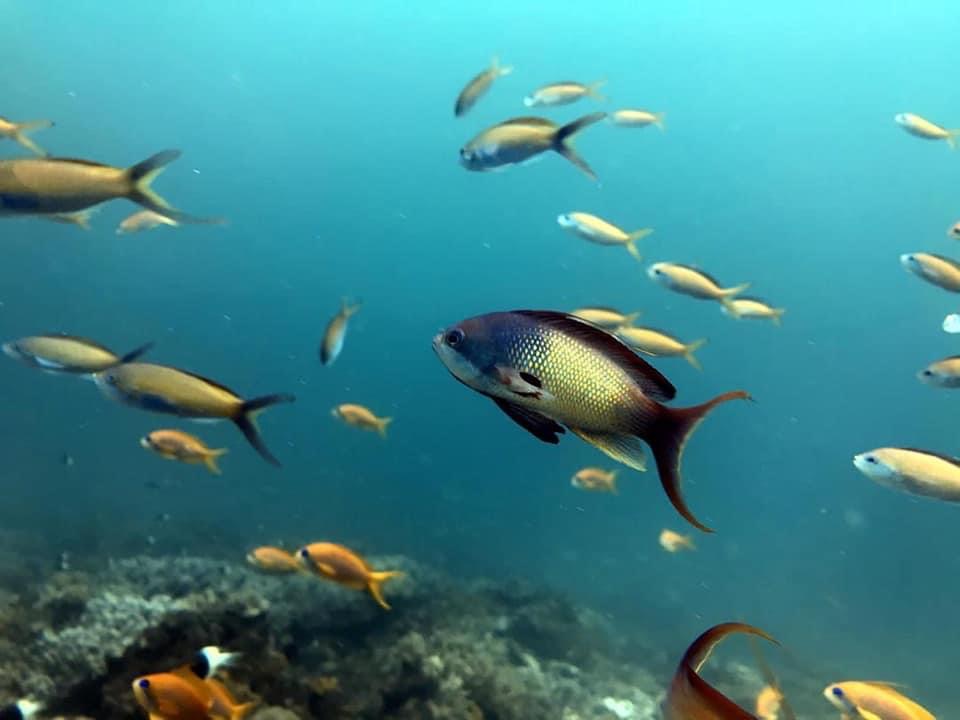
Vibrant marine life at Small Wall provides engaging encounters throughout a dive. In shallower waters, divers are often accompanied by schools of snapper, along with frequent sightings of pufferfish and bannerfish.
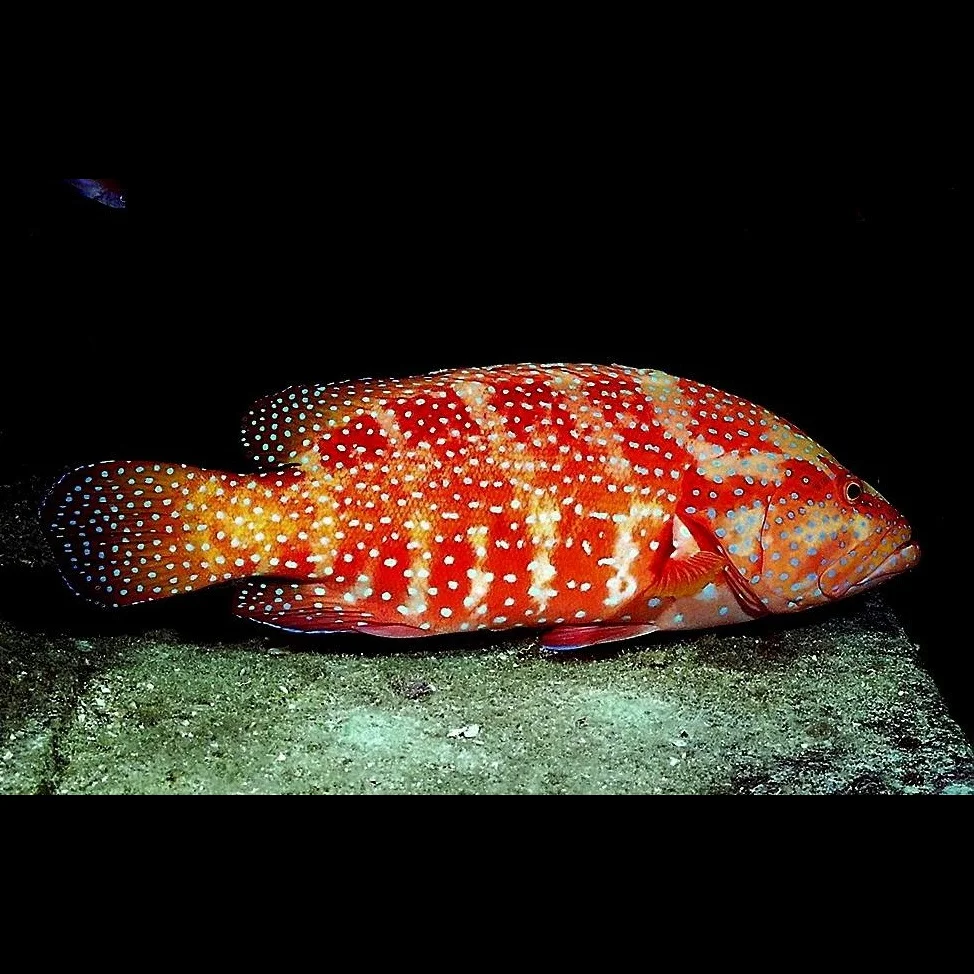
As one descends deeper along the wall, the potential for spotting larger species increases significantly. Napoleons and sizeable groupers are known to frequent these deeper sections, adding a captivating element to the exploration.
A healthy coral reef provides a home to many schooling fish, creating a lively underwater spectacle.

Dive Sites Near Small Wall
View all dive sites in TanzaniaDiscover more underwater gems in this area.
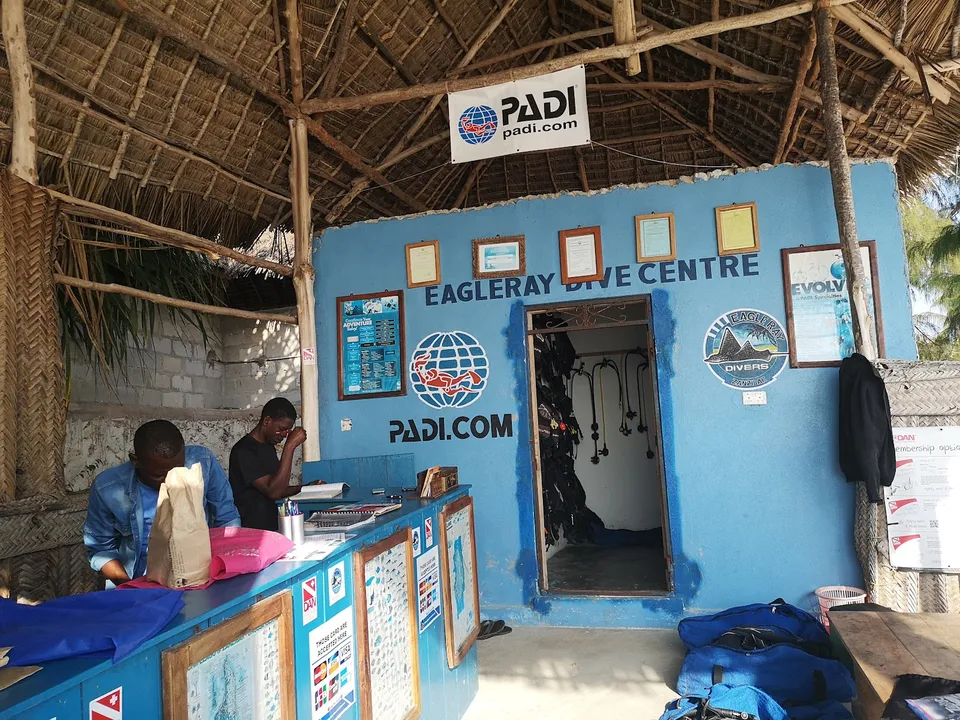
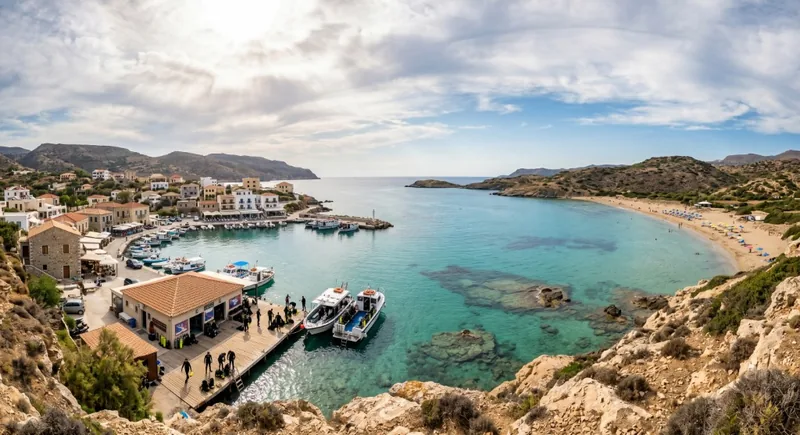
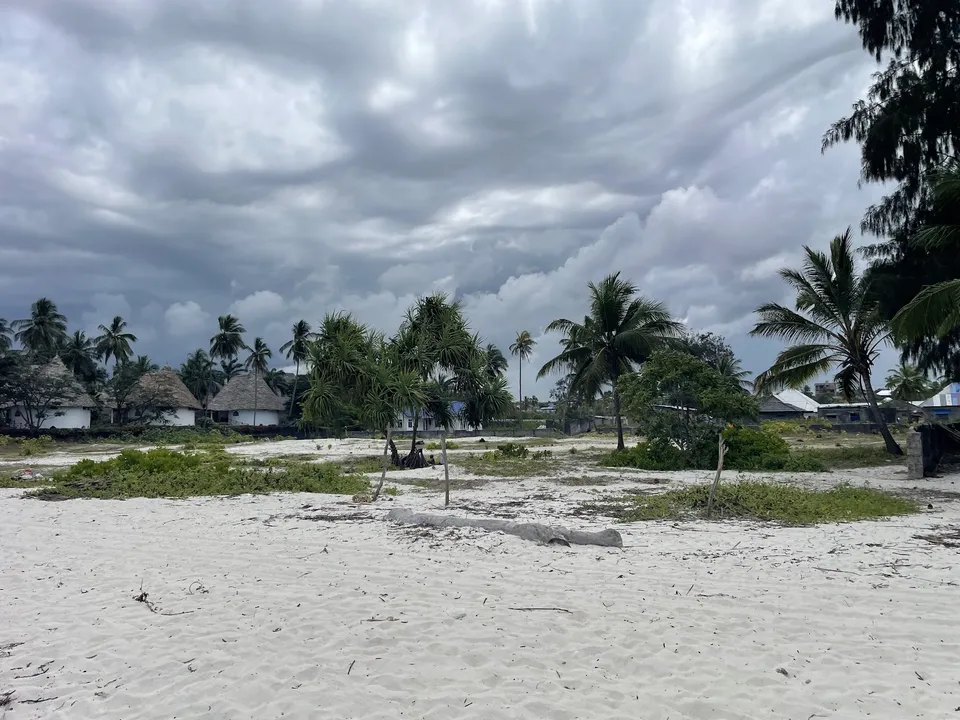
Dive Centers Near Small Wall
Today: 07:00 - 18:00
Nearest Airports
Nearest airports to help plan travel to this dive area.
Search Flights
Check available flights and routes on Expedia, using the nearby airports listed in this section.
Search Flights on ExpediaFrequently Asked Questions
What type of dive site is Small Wall?
Small Wall is primarily a wall and reef dive. It features a large coral reef starting at the surface that transitions into an almost vertical wall, offering diverse topography for exploration.
What is the maximum depth at Small Wall?
The maximum reported depth at Small Wall is 50 meters. There's a second drop-off around 30 meters that divers can explore.
Is Small Wall suitable for beginners?
Yes, Small Wall is suitable for all levels of certified divers, from Open Water to XR addicts. Beginners can enjoy the shallower reef sections, while advanced divers can explore the deeper wall.
What kind of marine life can I expect to see?
You can expect to see schools of snapper, pufferfish, and bannerfish in shallower areas. Deeper sections are known for Napoleons and large groupers, alongside a variety of other reef fish.
What are the typical water temperatures?
Water temperatures at Small Wall typically range from 24° to 29°C (75° to 84°F), offering comfortable conditions for diving year-round.
When is the best time to dive at Small Wall?
The best time to dive is generally from July to March for excellent conditions and minimal rain. Visibility is often best from September to November, with warmer waters from December to March.
Are there strong currents at Small Wall?
While specific current reports for Small Wall are not consistently available, the wider region can experience currents. Divers should always be prepared for varying conditions and consult with local dive operators.
Planning to dive Small Wall?
Send one inquiry and receive offers directly from the best verified local dive operators.
Conditions are Moderate
Optimal conditions expected
Current conditions near Small Wall show 26° air, 27° sea temperature, 1.6 m waves, and 36 km/h wind. Forecast data is refreshed regularly to ensure accuracy.