
Diving at Artificial Reef (Thailand)
Once a Royal Thai Navy patrol boat, the HTMS Sattakut now serves as a significant underwater landmark, purposefully sunk in 2011. This vessel, stretching 47 m (154 ft), has transformed into a thriving artificial reef, providing essential habitat. Its transformation from military service to a vibrant marine ecosystem embodies a compelling conservation success story, drawing divers into its unique structure.
As evening covers Artificial Reef, the local air temperature is measured at 26.5°C. The current wave height at the surface is recorded at 1.2 m. These late-day readings characterize the surface conditions for the night.
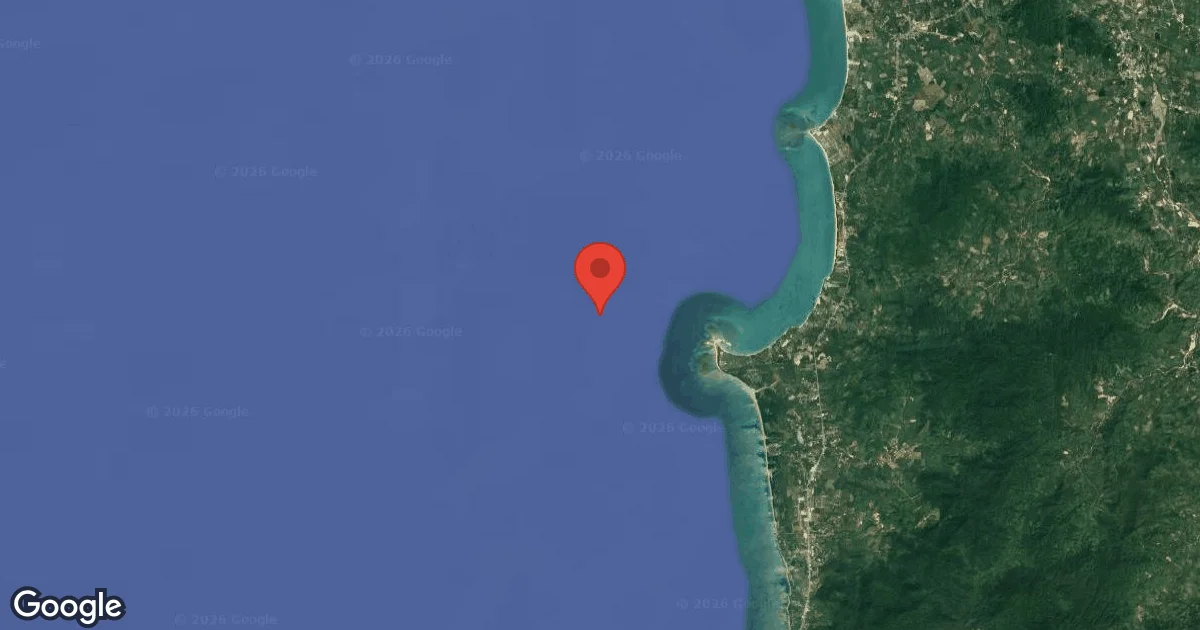
Dive Site Location & Key Facts
Dive Site Overview
Thailand's artificial reefs, particularly those around Koh Tao, are precisely engineered underwater structures designed to enhance marine biodiversity and support conservation. These aren't random installations; they form vital habitats that complement natural reefs by offering distinct features.
Sites like the HTMS Sattakut provide a deep wreck experience with swim-through corridors, typically ranging from 15-30 m (50-100 ft). Other areas, such as Junkyard Reef, feature an array of repurposed vehicles and artistic sculptures at depths of 12-18 m (39-59 ft), showcasing creative reef building.
Buoyancy World is shallower, at 8-14 m (26-46 ft), perfect for skill training among concrete sculptures. Hin Fai BioRock uses innovative electrical technology to accelerate coral growth at 10-16 m (33-52 ft).
These diverse sites cater to various certification levels, from Open Water to Advanced, ensuring varied experiences for divers seeking both adventure and insight into marine protection efforts.
Conditions are Moderate
Optimal conditions expected
Current conditions near Artificial Reef show 26° air, 29° sea temperature, 1.3 m waves, and 34 km/h wind. Forecast data is refreshed regularly to ensure accuracy.
Best Time to Dive
Considering conditions, the period from January to April and again in November through December typically yields excellent diving scores. During these months, air temperatures are comfortably warm, ranging from approximately 26-28°C (79-82°F). Wave heights are generally low, averaging around 0.3-0.4 m (1-1.3 ft), contributing to calmer surface conditions. Rainfall is minimal, with monthly averages often below 6 mm (0.2 in), ensuring clearer days. While specific water temperature data is not consistently reported, it generally aligns with the tropical air temperatures. The 'Good' rated months, spanning May to October, still offer viable diving, though they see increased wave activity, higher wind speeds up to 16 km/h (10 mph), and heavier rainfall, sometimes exceeding 18 mm (0.7 in) in September, potentially impacting visibility on some days.
PEAK SEASON SCORE
Scores combine air & water temps, waves, wind & rainfall for overall conditions.
BEST MONTHS TO DIVE
Monthly records compiled from satellite and marine observation nodes over the last 3 years. Data provided by Open-Meteo and MET Norway.
Dive Experience & Conditions
Entering the water at an artificial reef site means descending upon structures specifically designed to foster marine life. Divers might navigate through the swim-throughs of the HTMS Sattakut or explore the unique configurations of Junkyard Reef, where repurposed materials have been colonized over time. Initial colonization by algae and small organisms can be observed within weeks, with coral growth typically starting within 6-18 months. Full ecosystem development, including diverse fish populations, generally takes 3-7 years. Conditions here vary by site and season; while some areas are suitable for Open Water divers, deeper sections of sites like the HTMS Sattakut require Advanced Open Water certification, reaching maximum depths of 30 m (100 ft). Visibility varies depending on conditions, but these sites are designed to attract and support a rich diversity of life in the typically warm tropical waters.
Dive Difficulty & Safety Guidelines
When planning your dive at Thailand's artificial reefs, it's essential to match your certification level with the site's demands. Many shallower areas, such as Buoyancy World (8-14m) and the more accessible parts of Junkyard Reef, are appropriate for Open Water divers.
However, to explore the main structures of Junkyard Reef (15-20m) or the Hin Fai BioRock (10-16m), Advanced Open Water training is recommended. Diving the deeper sections of the HTMS Sattakut, which can reach 30 m (100 ft), specifically requires Advanced Open Water certification due to potential currents and depth considerations.
Always dive with a reputable operator familiar with these ecosystems. Prioritize responsible interaction; these structures are conservation tools, so avoid touching or disturbing marine life and the developing corals.
Local organizations also offer opportunities for certified divers to participate in reef monitoring and maintenance.
Recommended Equipment
Overhead / entanglement risk. Wreck penetration requires proper training.
- Dive Computer
- DSMB
- Primary & Backup Lights
- Wreck Reel
- Cutting Tool
This gear list is based on verified equipment signals for Artificial Reef, Thailand. Always confirm final gear choices with your dive operator, guide, or liveaboard.
Recommended Dive Suit
For divers planning standard recreational dives, dive skin or rash guard is usually a suitable option. Consider warmer surface protection (like a boat coat) due to brisk winds. Divers vary widely in how quickly they feel cold underwater.
The waters surrounding Artificial Reef are currently maintaining temperatures close to 29°C (85°F). Surface air temperatures are resting at 26°C (80°F).
The forecast outlook suggests that temperatures will stay close to current levels.
Emergency & Medical Support
Essential information to help you plan your dive trip to Artificial Reef.

Hyperbaric chambers are a critical part of dive safety infrastructure. Availability varies significantly by region, and not all dive areas have immediate access.
Before diving, it's recommended to:
- confirm nearest medical facilities
- check emergency procedures with local dive operators
- ensure dive insurance covers evacuation if required
Divers Alert Network
Diving emergency assistance available through DAN World.
+1-919-684-9111- 24/7 emergency hotline
- Diving medical assistance
- Evacuation coordination
Emergency contacts are provided for reference. Always verify local emergency services before diving.
Marine Life at Artificial Reef
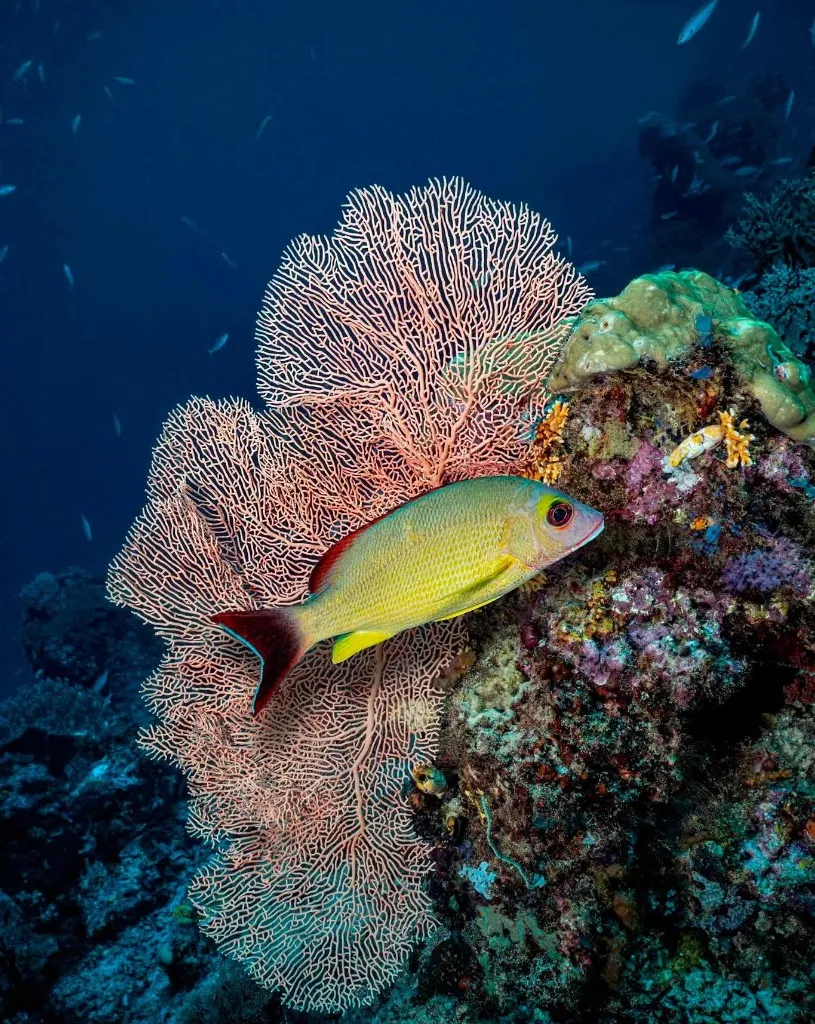
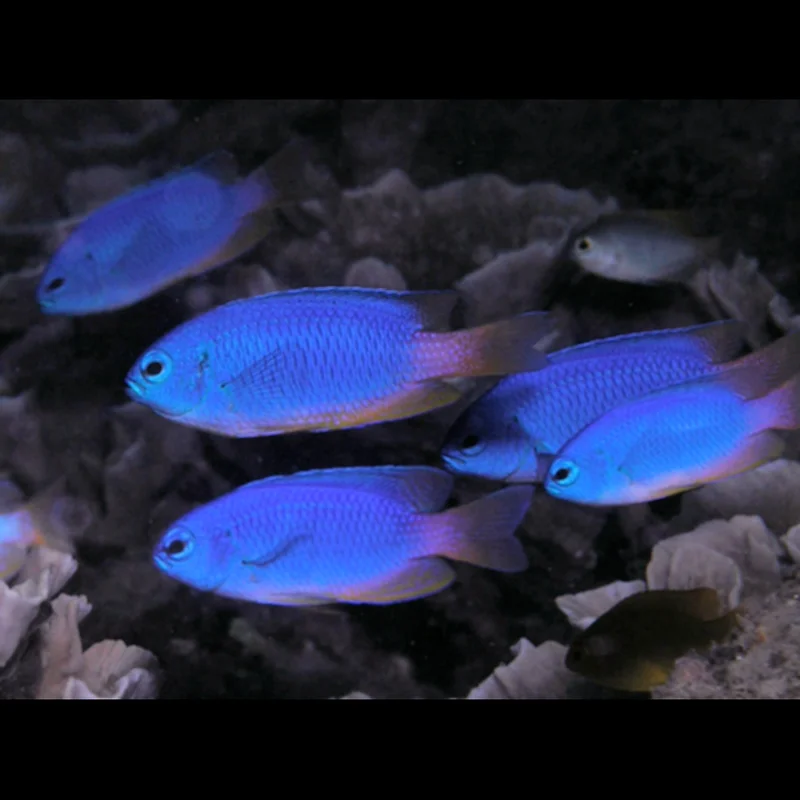
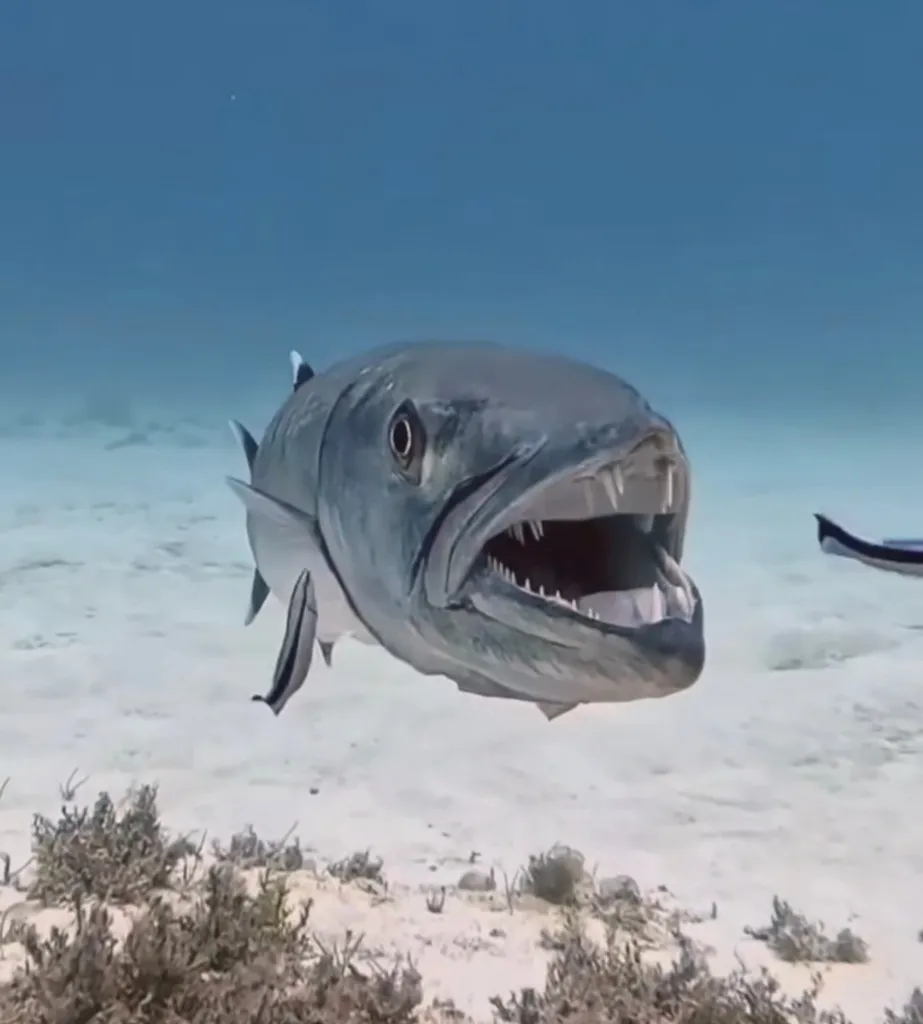
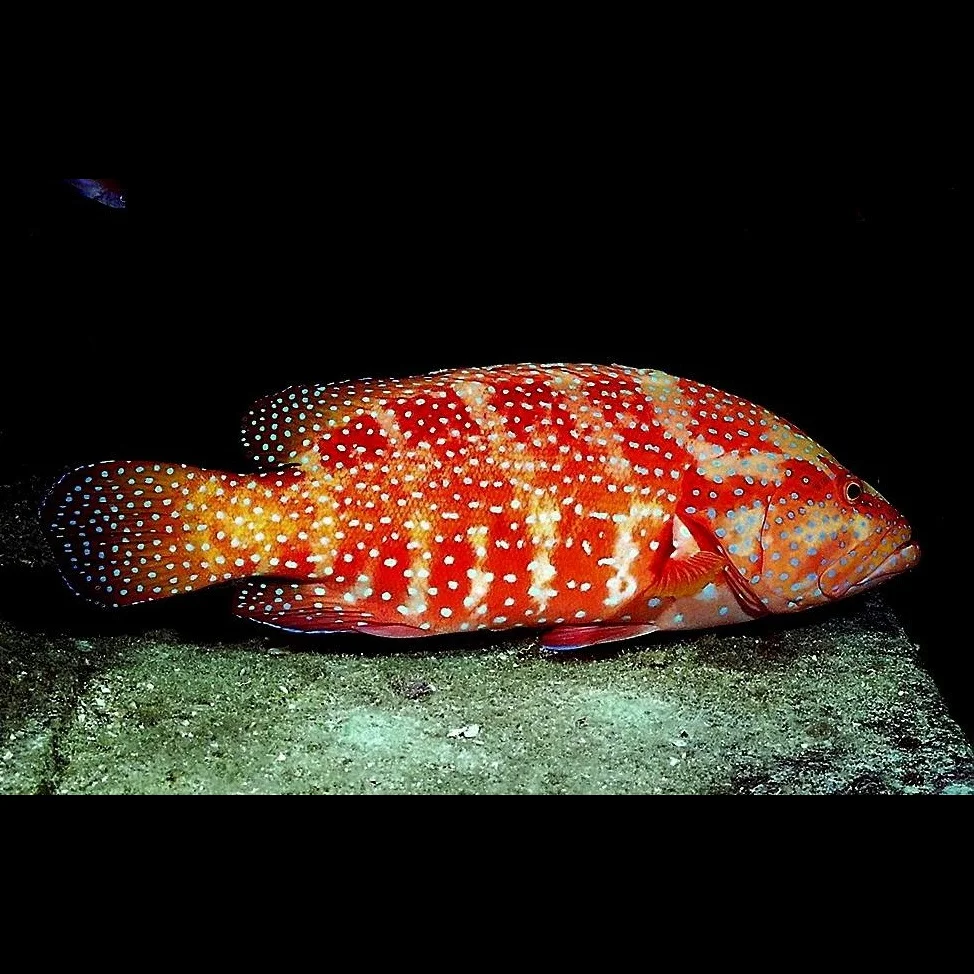
Diving here, you'll first notice the extensive colonization of human-made structures by a vibrant array of marine life. HTMS Sattakut, for instance, is home to sizable groupers, snappers, and schools of barracuda that often congregate around the wreck.
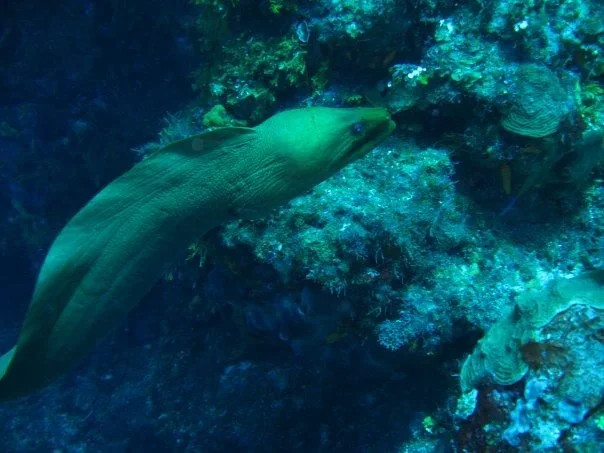
Moray eels are commonly observed tucked into crevices across various artificial reef sites. Corals, both hard and soft, steadily encrust surfaces, creating intricate microhabitats.
These areas effectively support both individual species and contribute to the overall health of the ecosystem. Divers can witness the success of these carefully designed habitats in attracting and sustaining a diverse underwater community.
Dive Sites Near Artificial Reef
View all dive sites in ThailandDiscover more underwater gems in this area.
Dive Centers Near Artificial Reef
Today: 10:00 - 22:00
Nearest Airports
Nearest airports to help plan travel to this dive area.
Search Flights
Check available flights and routes on Expedia, using the nearby airports listed in this section.
Search Flights on ExpediaFrequently Asked Questions
What is the primary purpose of Koh Tao's artificial reefs?
These artificial reefs are human-made underwater structures primarily designed to support marine conservation, boost biodiversity, and create sustainable tourism opportunities. They provide vital habitats that complement, rather than replace, natural coral reefs.
Do I need special certification to dive artificial reefs?
Most artificial reef sites require Open Water certification as a minimum. However, deeper areas, such as the HTMS Sattakut's lower sections, often necessitate Advanced Open Water training due to their depth and potential for currents. Your dive operator will advise based on conditions.
How long does it take for these reefs to develop marine life?
Initial colonization by algae and small organisms begins within weeks. Coral attachment and growth typically start within 6-18 months. A full, thriving ecosystem with diverse fish populations usually takes 3-7 years to develop, depending on environmental factors.
Are artificial reefs environmentally safe for marine life?
When properly designed and constructed using environmentally tested materials, artificial reefs are highly beneficial. They provide critical habitat without leaching harmful chemicals and are integral to supporting ecosystem health.
Can I participate in artificial reef maintenance or monitoring?
Yes, several local organizations offer volunteer opportunities for certified divers. These programs typically require Advanced Open Water certification and additional training in scientific diving techniques for activities like monitoring and data collection.
What kind of structures can I expect to see?
The structures vary significantly by site. You might explore a decommissioned navy vessel (HTMS Sattakut), repurposed vehicles and artistic sculptures (Junkyard Reef), concrete structures designed for buoyancy training (Buoyancy World), or electrically-enhanced coral growth projects (Hin Fai BioRock).
Planning to dive Artificial Reef?
Send one inquiry and receive offers directly from the best verified local dive operators.
Conditions are Moderate
Optimal conditions expected
Current conditions near Artificial Reef show 26° air, 29° sea temperature, 1.3 m waves, and 34 km/h wind. Forecast data is refreshed regularly to ensure accuracy.