
Diving at Boonsung Wreck (Thailand)
Dropping below the surface at Boonsung Wreck, the immediate impression is one of overwhelming marine activity. Visibility might require a careful descent down the buoy line, but once on the wreck, you're enveloped in dense schools of fish. It's an energetic, dynamic environment, truly a haven for diverse aquatic life on an otherwise featureless seabed. The fragmented structure itself becomes a vibrant focal point, drawing life from miles around.
As evening covers Boonsung Wreck, the local air temperature is measured at 28°C. The current wave height at the surface is recorded at 0.5 m. These late-day readings characterize the surface conditions for the night.
Dive Site Location & Key Facts
Dive Site Overview
The Boonsung Wreck isn't a traditional shipwreck; it was a tin dredger, abandoned in 1984, which came to rest on the sandy bottom at about 18 m (59 ft). Its demise is curiously attributed to a faulty toilet.
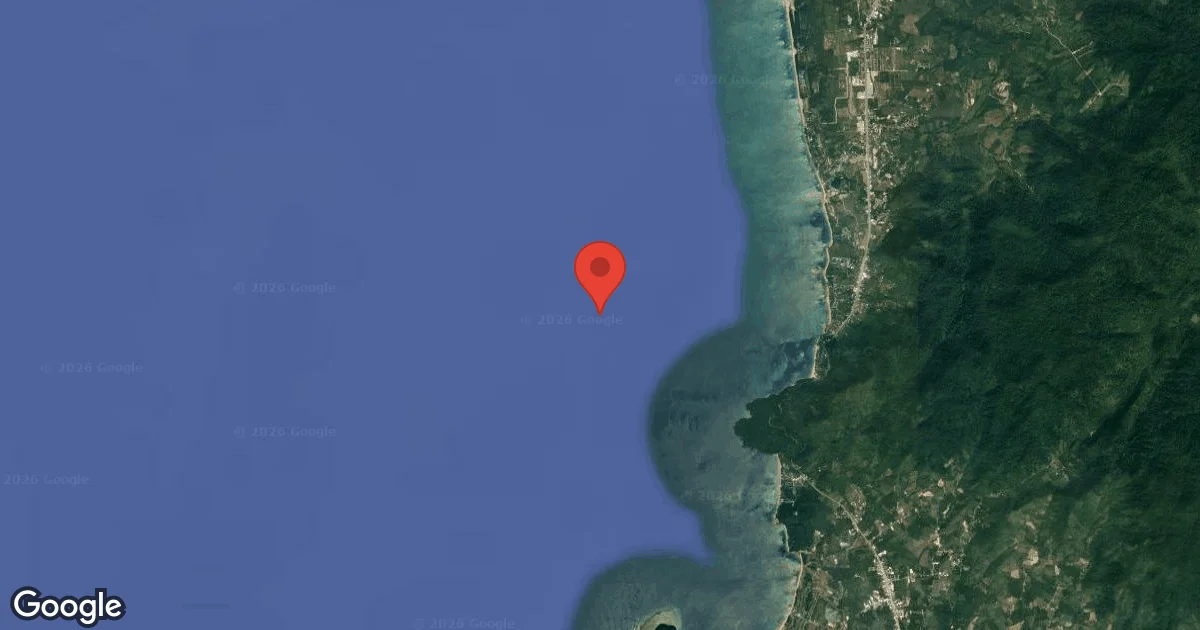
Initially a shipping hazard, the Thai navy utilized bombs to level sections, and the 2004 tsunami further contributed to its fragmented state. Today, little of its original structure remains recognizable as a boat, lying broken into several pieces. Despite this, its unique location off Khao Lak, on an expansive, flat underwater plain, transforms the fragmented debris into a significant artificial reef.
It serves as a crucial final stop for many Similan Islands liveaboard trips due to its proximity to Tablamu Pier, allowing for convenient disembarkation. Day trip boats also frequent the site, making it accessible for two-dive excursions returning by early afternoon.
Diving here typically means spending most of your bottom time between 16 and 20 m (52.5 and 65.6 ft), exploring the various broken sections.
Conditions are Moderate
Optimal conditions expected
Current conditions near Boonsung Wreck show 28° air, 30° sea temperature, 1.3 m waves, and 32 km/h wind. Forecast data is refreshed regularly to ensure accuracy.
Best Time to Dive
Planning your visit to Boonsung Wreck during the high season, typically October through May, offers the most favorable diving experience. During these months, surface conditions are usually calm, and water temperatures consistently range from 27 to 31°C (80.6 to 87.8°F). Air temperatures are comfortably warm, averaging around 26-28°C (79-82°F), with significantly lower rainfall, averaging less than 10 mm daily, compared to the low season. Wave heights are also minimal, often less than 0.3 meters (1 foot), enhancing boat travel comfort. While diving is possible year-round, the low season from June to September sees less suitable weather and sea conditions, alongside fewer operational dive boats due to lower tourist numbers. Dive scores during the high season are consistently excellent, shifting to good ratings during the low season due to higher wave activity and rainfall.
PEAK SEASON SCORE
Scores combine air & water temps, waves, wind & rainfall for overall conditions.
BEST MONTHS TO DIVE
Monthly records compiled from satellite and marine observation nodes over the last 3 years. Data provided by Open-Meteo and MET Norway.
Dive Experience & Conditions
Currents around Boonsung Wreck are typically mild or absent, which generally makes for a relaxed dive. However, this calm environment doesn't always translate to clear visuals; visibility at the site is quite variable, often ranging from 4 to 18 m (13.1 to 59.1 ft), but rarely exceeding 10 m (33 ft). It's common not to see the wreck until you're well into your descent. Surface conditions are usually calm, assisting with entry and exit from the boat. Once you reach the structure, navigating the broken sections is straightforward; divers commonly move in a clockwise or anti-clockwise direction, circling the debris. Staying close to the wreck helps maintain orientation, especially with fluctuating visibility. Water temperature remains consistently warm, supporting comfortable dives without requiring heavy exposure protection.
Dive Difficulty & Safety Guidelines
Diving Boonsung Wreck requires a PADI Open Water, SSI Open Water, CMAS 1, or equivalent certification, alongside a minimum of four logged dives. The maximum depth of 20 m (65.6 ft) means the entire dive profile can be deep for Open Water divers, which can affect bottom time, especially during repetitive dives at the end of a liveaboard trip. Maintaining excellent buoyancy control is essential here.
The fragmented structure harbors sharp, rusty metal, and hazards like bearded scorpionfish, devil scorpionfish, reef stonefish, lionfish, and black sea urchins are present in numbers. Avoid contact with the wreck itself and its inhabitants to prevent injury. Always descend and ascend via the buoy lines, as surface visibility might obscure the wreck below.
Recommended Equipment
Overhead / entanglement risk. Wreck penetration requires proper training.
- Dive Computer
- DSMB
- Primary & Backup Lights
- Wreck Reel
- Cutting Tool
This gear list is based on verified equipment signals for Boonsung Wreck, Thailand. Always confirm final gear choices with your dive operator, guide, or liveaboard.
Recommended Dive Suit
Comfort levels can also depend on how active a diver is during the dive.
Divers exploring Boonsung Wreck today will likely encounter water temperatures close to 30°C (86°F). Surface air temperatures are resting at 28°C (82°F). When water temperatures fall within this range, many divers dive comfortably with dive skin or rash guard. Consider warmer surface protection (like a boat coat) due to brisk winds.
Weather projections show fairly stable environmental conditions ahead.
Due to technical issues with our weather providers, data hasn't been fetched for over 48 hours. The data above reflects the conditions at the time of the last successful fetch.
Emergency & Medical Support
Essential information to help you plan your dive trip to Boonsung Wreck.

Hyperbaric chambers are a critical part of dive safety infrastructure. Availability varies significantly by region, and not all dive areas have immediate access.
Before diving, it's recommended to:
- confirm nearest medical facilities
- check emergency procedures with local dive operators
- ensure dive insurance covers evacuation if required
Divers Alert Network
Diving emergency assistance available through DAN World.
+1-919-684-9111- 24/7 emergency hotline
- Diving medical assistance
- Evacuation coordination
Emergency contacts are provided for reference. Always verify local emergency services before diving.
Marine Life at Boonsung Wreck
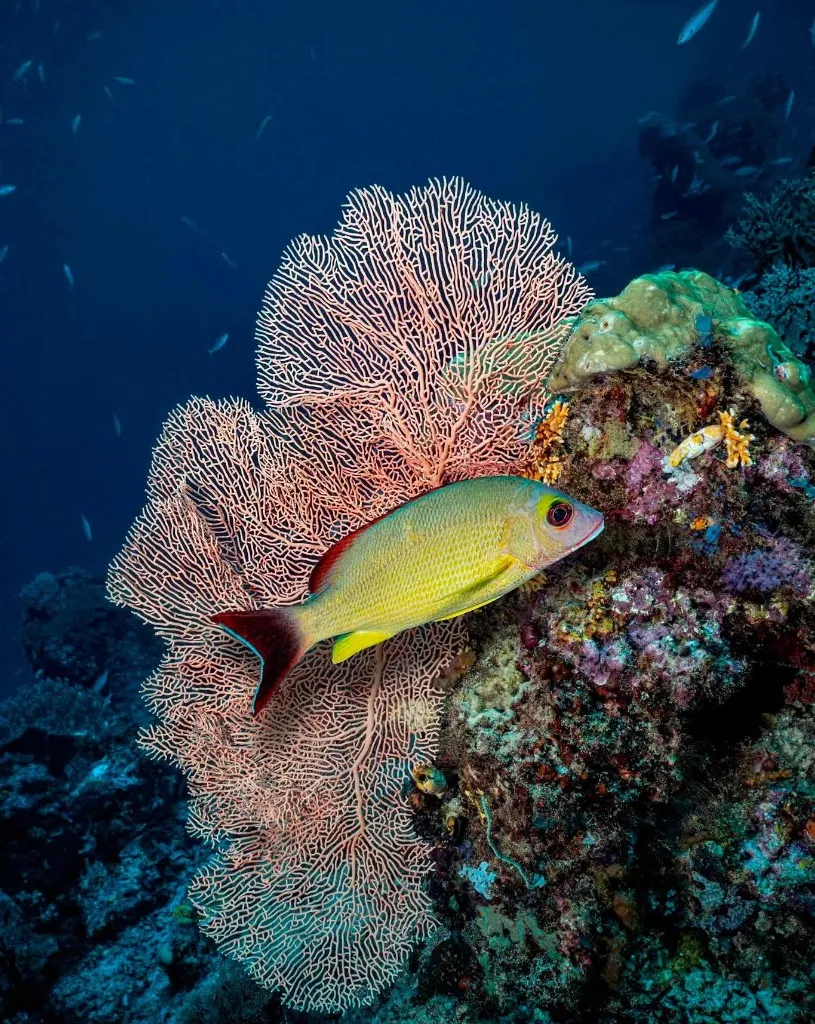
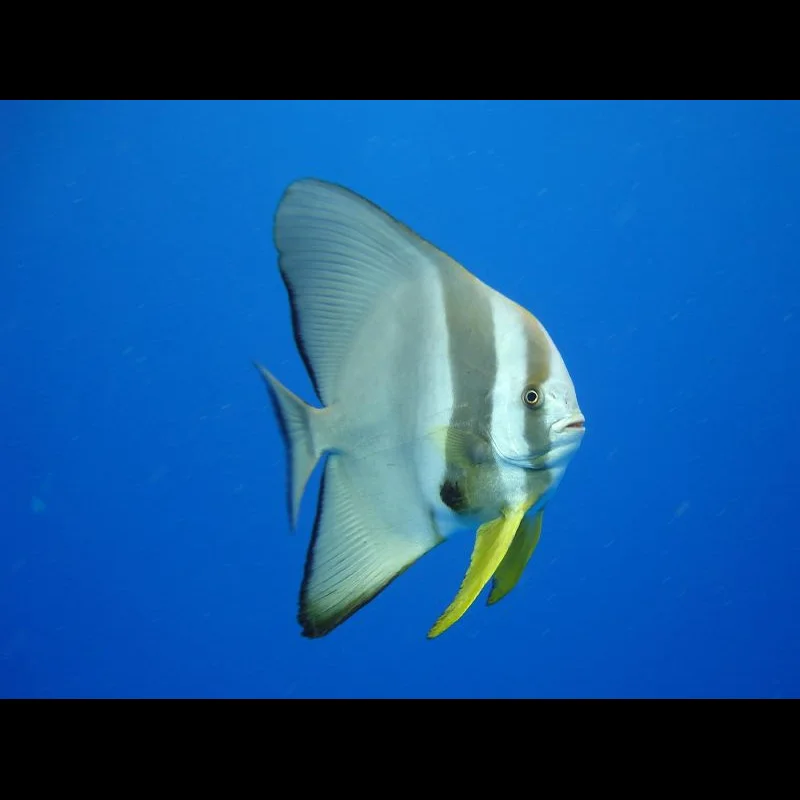
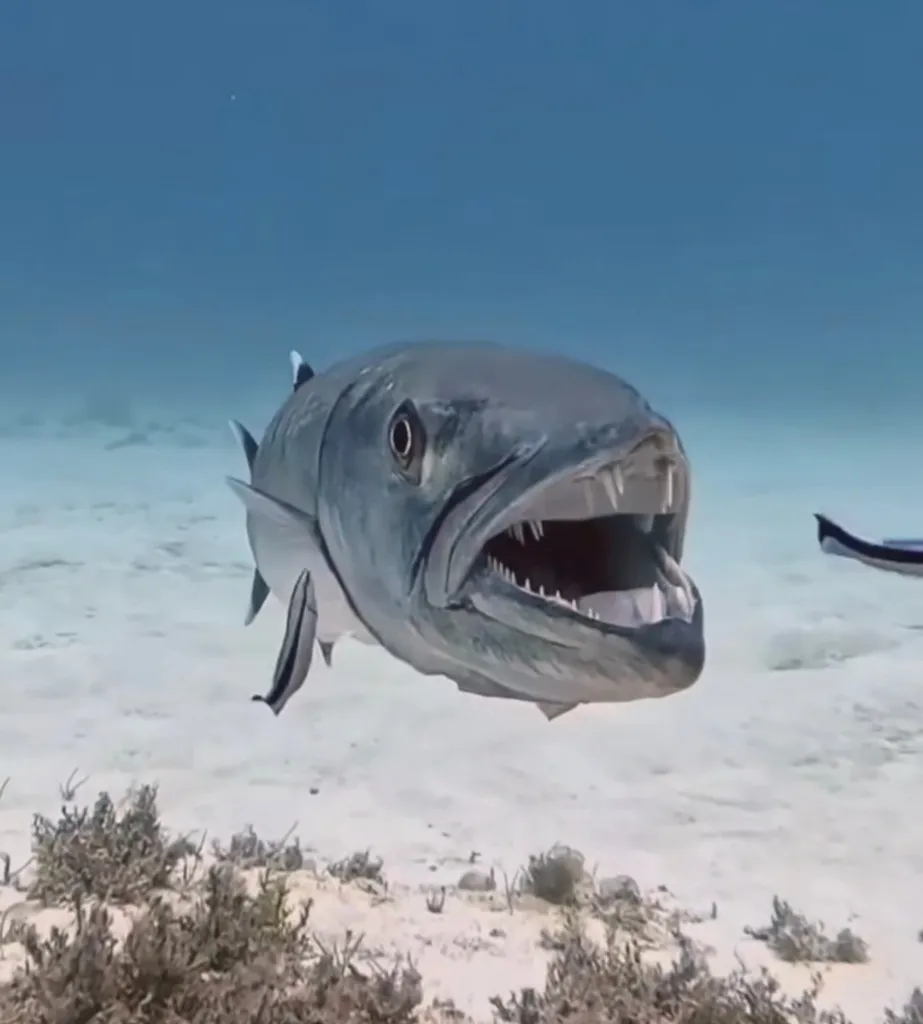
The sheer volume of fish immediately captures your attention at Boonsung Wreck. Schools of Forster's barracuda, snapper, fusiliers, and batfish create dense clouds around the structure.
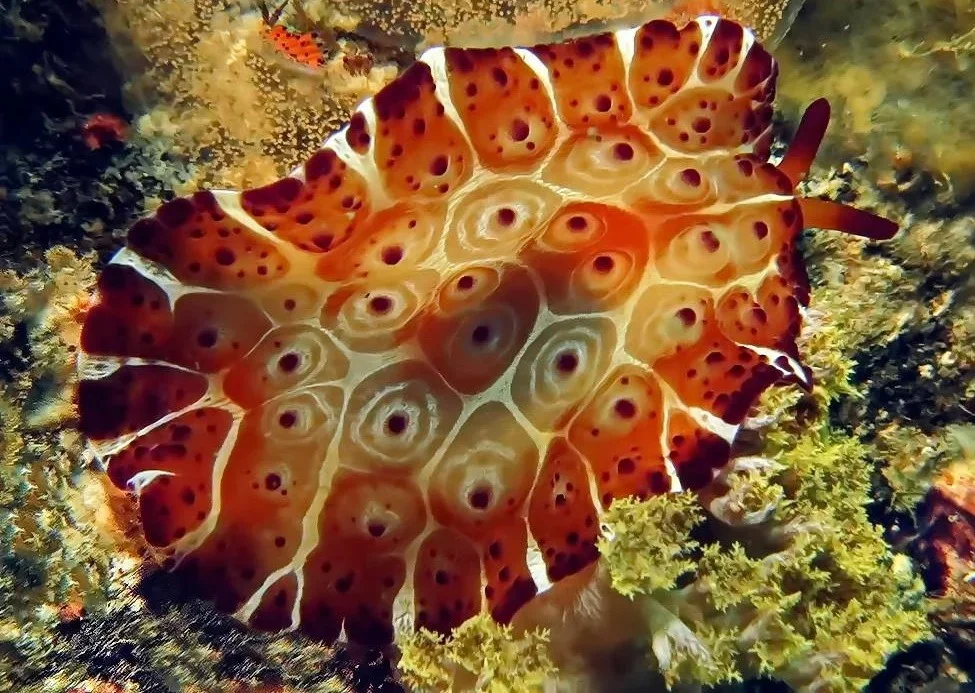
You'll also encounter notably large congregations of puffer and porcupine fish, a sight less common elsewhere in Thailand. Taking a slower pace on your dive reveals impressive macro life; ornate ghost pipefish, frogfish, and numerous nudibranch species are frequently observed.
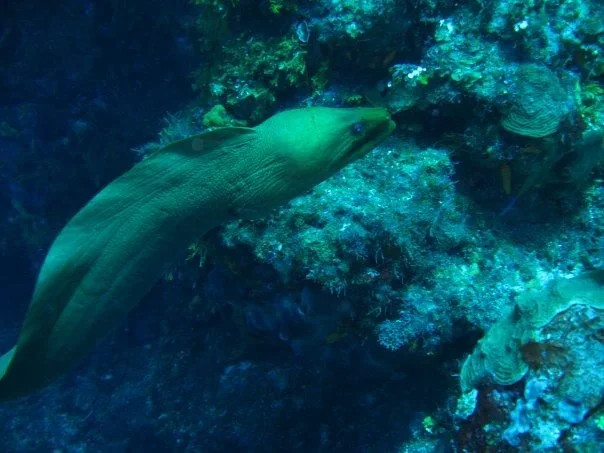
A particular section, known as the 'nudi hotel,' hosts a variety of these colorful sea slugs. Honeycomb morays are practically a guaranteed sighting here, with both adults and juveniles inhabiting the wreck.
Additionally, staying near the buoy line on ascent may offer a chance to spot whale sharks, which are regular visitors.
Dive Sites Near Boonsung Wreck
View all dive sites in ThailandDiscover more underwater gems in this area.
Dive Centers Near Boonsung Wreck
Today: 10:00 - 22:00
Nearest Airports
Nearest airports to help plan travel to this dive area.
Search Flights
Check available flights and routes on Expedia, using the nearby airports listed in this section.
Search Flights on ExpediaFrequently Asked Questions
What kind of wreck is the Boonsung?
Boonsung is not a traditional shipwreck but rather a former tin dredger. It was abandoned in 1984 and came to rest on the seabed, later being fragmented by naval operations and the 2004 tsunami.
What are the typical depths at Boonsung Wreck?
The wreck rests on a sandy bottom, with depths generally ranging between 16 and 20 meters (52.5 and 65.6 feet). Divers will spend most of their time exploring within this depth range.
How clear is the water at Boonsung Wreck?
Visibility at the wreck can be quite variable, often ranging from 4 to 18 meters (13.1 to 59.1 feet). It rarely extends beyond 10 meters, and you may not see the wreck from the surface.
What marine life is commonly seen here?
Divers often encounter large schools of barracuda, snapper, fusiliers, and batfish. Macro life, including ornate ghost pipefish, frogfish, and numerous nudibranchs, is also frequently observed. Honeycomb morays are a common sighting.
Is Boonsung Wreck suitable for Open Water divers?
Yes, certified Open Water divers with at least four logged dives can dive here. However, the consistent depth profile near the 18-meter certification limit means careful attention to bottom time and air consumption is needed, especially during repetitive dives.
How do divers typically access Boonsung Wreck?
The wreck is easily accessible via day trip boats operating out of Khao Lak. Many liveaboard tours also incorporate Boonsung as a convenient final dive stop before returning to Tablamu Pier.
When is the best time of year to dive Boonsung Wreck?
The optimal period for diving is during the high season, from October to May, when sea conditions are typically calm, and water temperatures are warm. This period offers the most favorable weather for diving activities.
Planning to dive Boonsung Wreck?
Send one inquiry and receive offers directly from the best verified local dive operators.
Conditions are Moderate
Optimal conditions expected
Current conditions near Boonsung Wreck show 28° air, 30° sea temperature, 1.3 m waves, and 32 km/h wind. Forecast data is refreshed regularly to ensure accuracy.