
Diving at Koh Bon (Thailand)
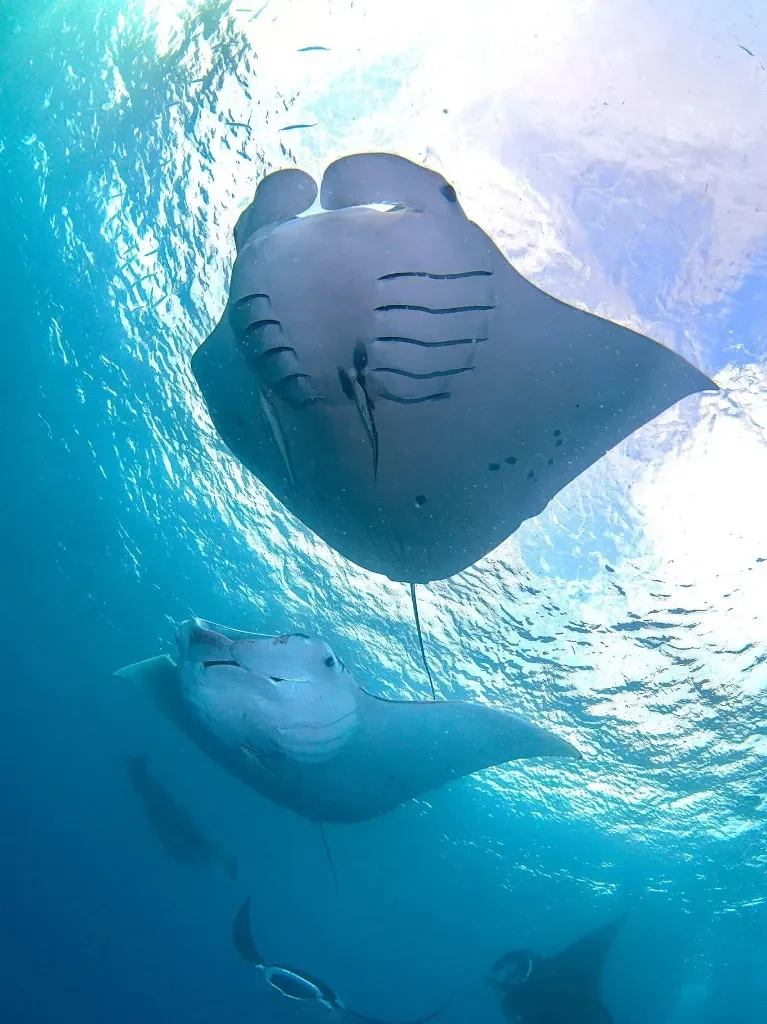
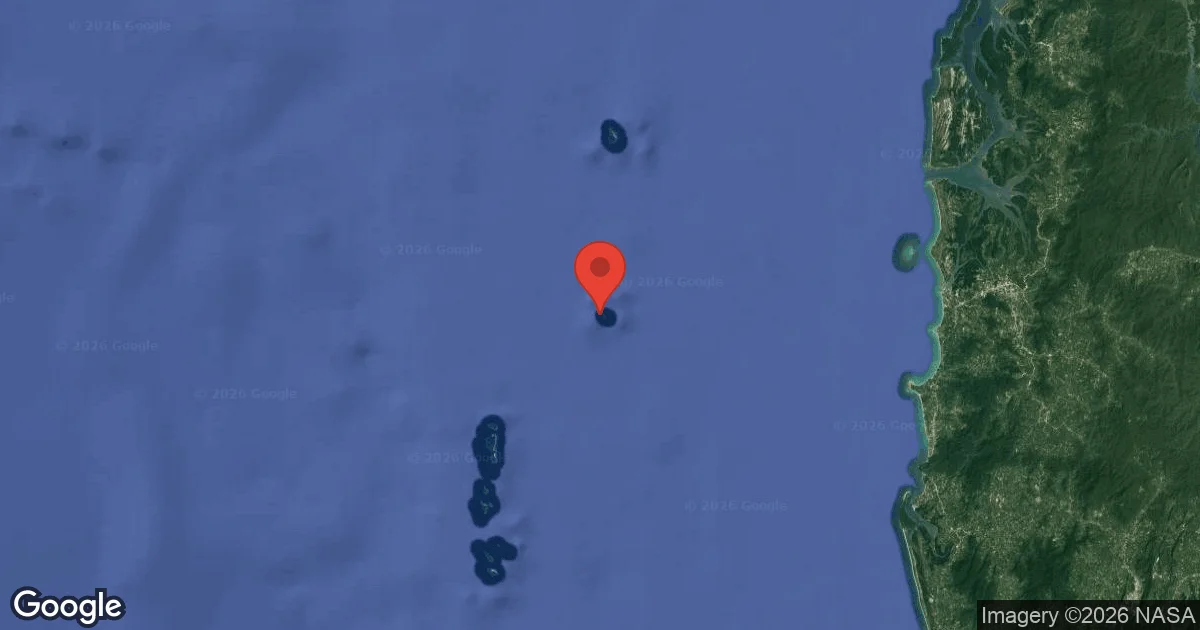
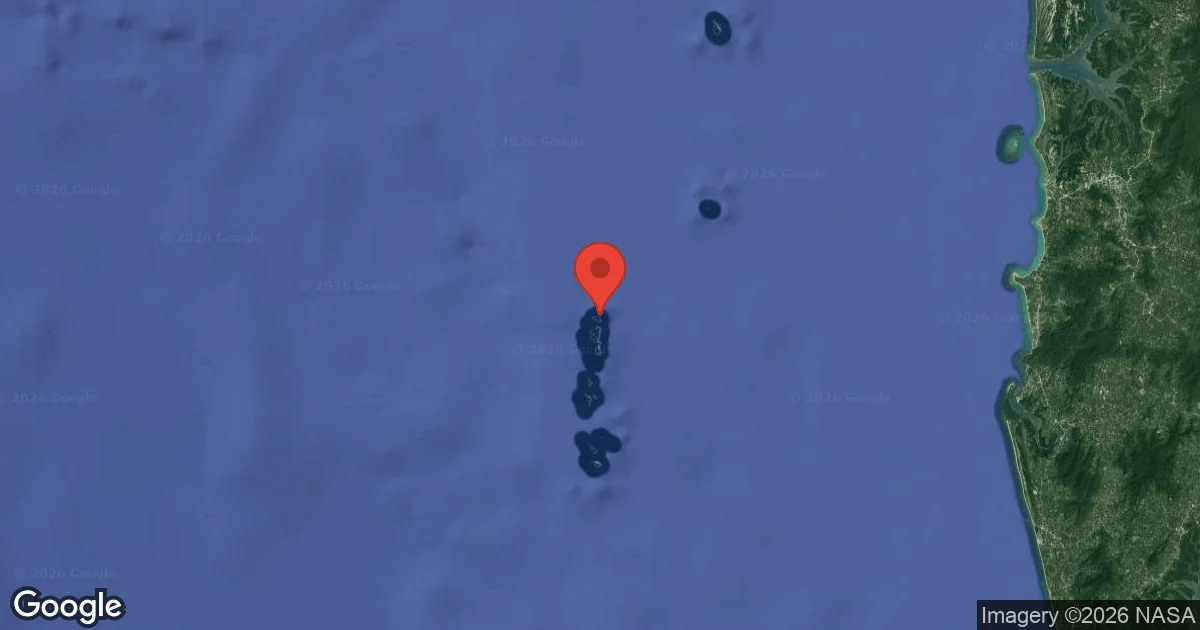
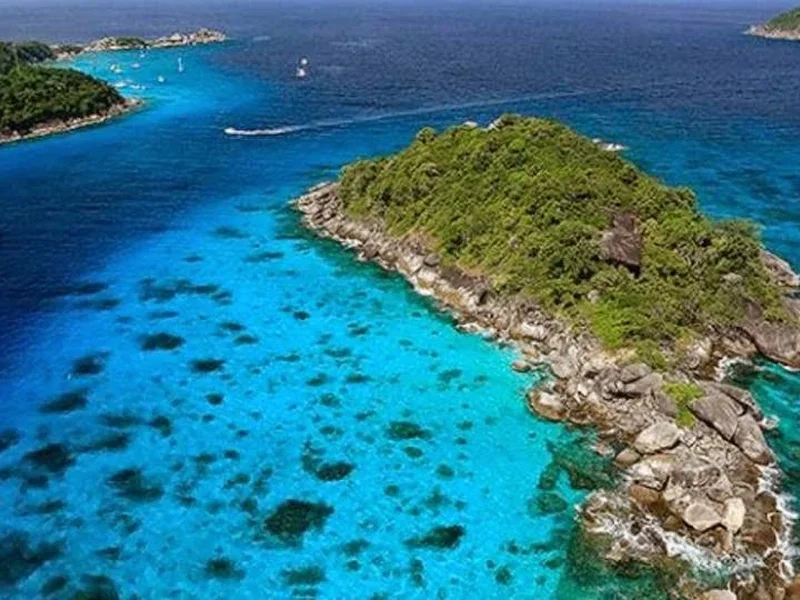
Koh Bon stands out as a premier dive destination off Thailand's Andaman Coast, particularly for its vibrant marine life encounters. A granite island, northeast of the Similan Islands, it draws divers with the promise of larger pelagics. Its underwater topography, featuring a prominent ridge and a deep pinnacle, creates an environment where manta rays are frequently observed. Leopard sharks, various reef fish, and corals further enhance the allure.
As evening covers Koh Bon, the local air temperature is measured at 27.5°C. The current wave height at the surface is recorded at 1.4 m. These late-day readings characterize the surface conditions for the night.
Dive Site Location & Key Facts
Dive Site Overview
For certified divers seeking dynamic underwater terrain and potential pelagic sightings, Koh Bon offers two distinct primary dive sites. A frequently explored site is the Western Ridge, which extends from the island and descends gradually to a maximum depth of 40 m (130 ft).
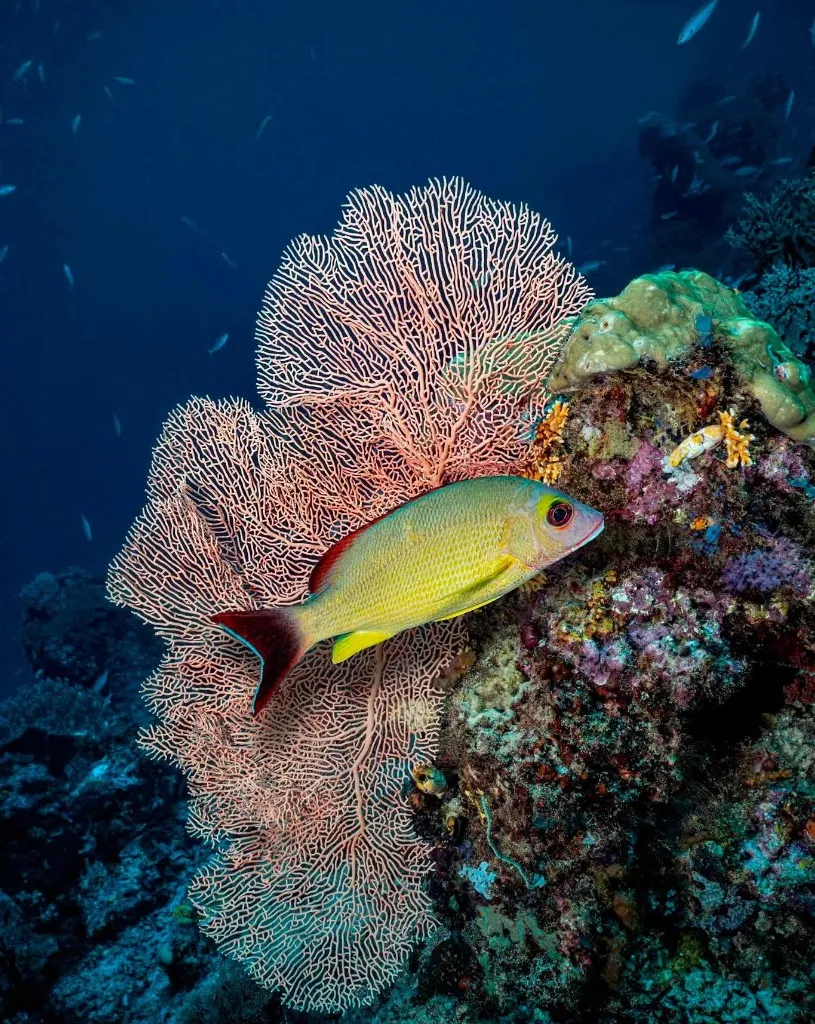
This expansive ridge is adorned with pastel-shaded soft corals and hosts diverse schooling fish, providing a lively backdrop for sightings of sweetlips or snappers. Venturing approximately 100 meters northeast of the main island reef reveals the Koh Bon Pinnacle. This deeper site presents a different challenge, topping out at 18 m (60 ft) before plunging dramatically to depths exceeding 50 m (165 ft).
Both locations are known for encounters with manta rays and leopard sharks, making each dive a thrilling prospect. Visibility varies with oceanic conditions, but often allows for good observation of the diverse reef structures and the marine activity surrounding them.
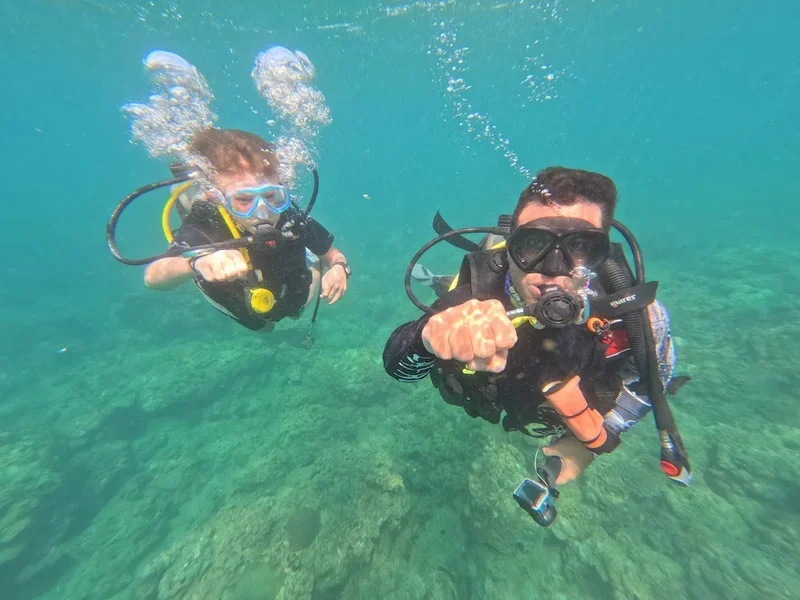
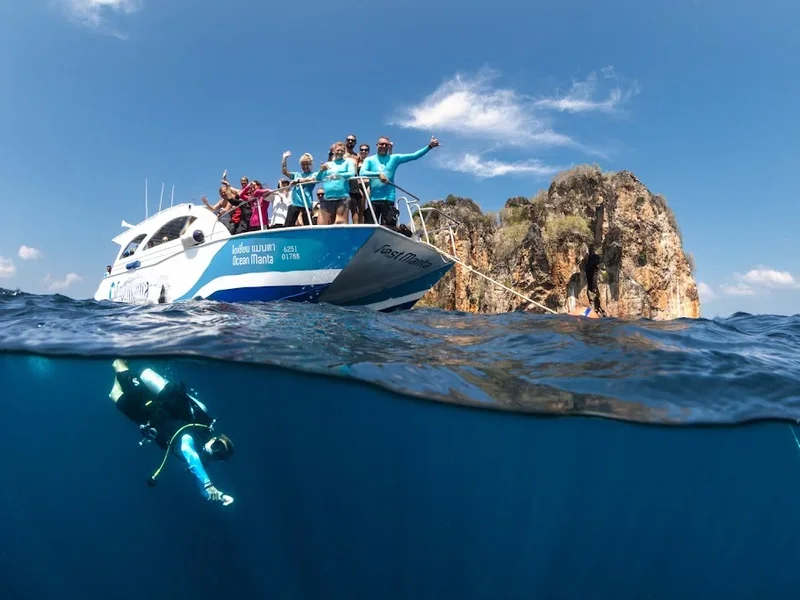
Day trips and liveaboard itineraries commonly feature this site, catering to divers departing from Phuket or Khao Lak.
Conditions are Moderate
Optimal conditions expected
Current conditions near Koh Bon show 27° air, 29° sea temperature, 1.7 m waves, and 37 km/h wind. Forecast data is refreshed regularly to ensure accuracy.
Best Time to Dive
Planning a trip to Koh Bon involves considering seasonal variations for optimal diving conditions. February to April typically offers excellent dive scores, characterized by average air temperatures ranging from 28°C to 29°C (82-84°F) and remarkably low rainfall, averaging between 1.16 mm and 4.32 mm. During these months, wave heights are generally minimal, often below 0.5 meters, and wind speeds are moderate, contributing to calmer surface conditions. Conversely, the monsoon season, particularly from June to September, sees a decrease in dive scores to a moderate level. Rainfall significantly increases, sometimes reaching 12.67 mm, and wave heights can exceed 1 meter, with stronger winds. While diving is still possible, conditions are more challenging. Water temperatures for Koh Bon are not consistently reported but are generally warm year-round, aligning with tropical expectations.
PEAK SEASON SCORE
Scores combine air & water temps, waves, wind & rainfall for overall conditions.
BEST MONTHS TO DIVE
Monthly records compiled from satellite and marine observation nodes over the last 3 years. Data provided by Open-Meteo and MET Norway.
Dive Experience & Conditions
Descending into Koh Bon's waters, divers first encounter the prominent Western Ridge, which serves as a natural magnet for marine life. Ridge structure guides divers down through its soft coral formations, eventually reaching its deeper sections around 35-40 meters. Currents along the ridge can range from mild to strong, influencing the drift trajectory and requiring attentive finning. Further out, the Koh Bon Pinnacle presents a more advanced dive profile. Its north side drops steeply into the deep, while a challenging but rewarding swim along the south side at around 28-30 m (90-100 ft) can connect divers back to the main island reef. Navigating between these depths requires precise buoyancy control and a good understanding of current dynamics. Both sites demand recent diving experience and a moderate level of physical fitness due to potential variable conditions and deeper profiles.
Dive Difficulty & Safety Guidelines
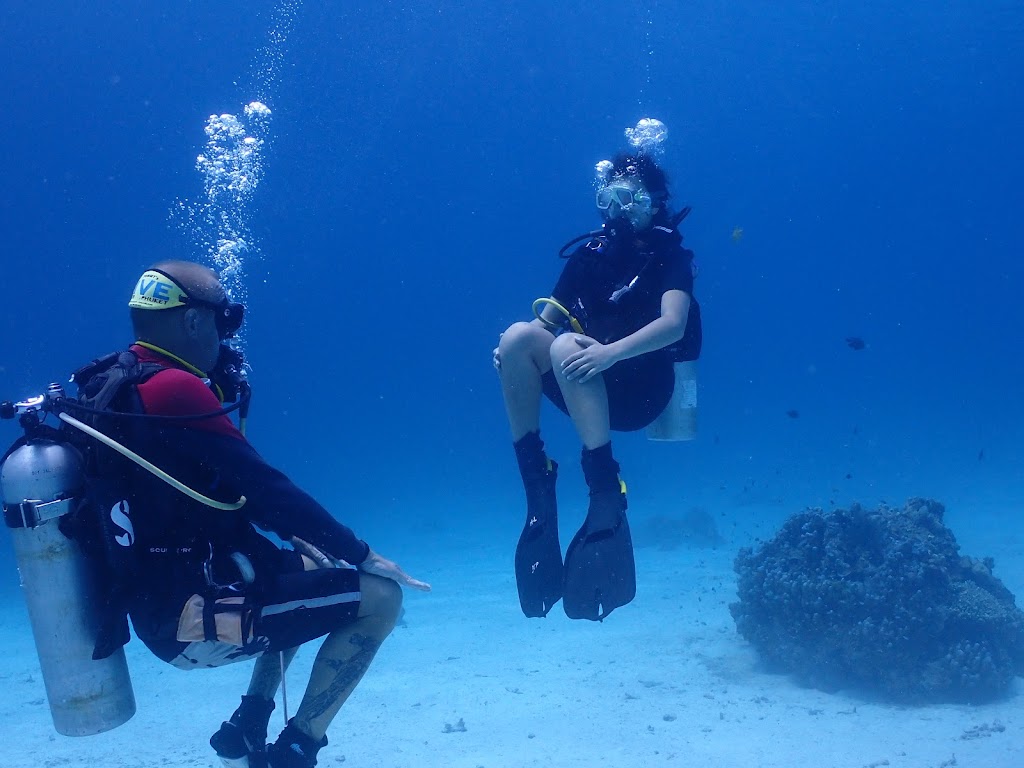
Navigating Koh Bon requires adherence to specific safety protocols and a realistic assessment of one's diving proficiency. This site is specifically suitable for certified divers who possess recent diving experience and a minimum of 25 logged dives. Strong currents can be present, particularly around the pinnacle and along the exposed sections of the ridge, necessitating good buoyancy control and dive planning.
Divers should always descend and ascend with their group and maintain close contact with their dive guide, especially in areas with potential drift. Due to the deeper profiles often explored, proper gas planning and no-decompression limits must be strictly observed.
Travelers with spinal injuries, pregnant individuals, or those with poor cardiovascular health are not recommended to participate. Always carry proof of dive certification.
Recommended Equipment
- Dive Computer
This gear list is based on verified equipment signals for Koh Bon, Thailand. Always confirm final gear choices with your dive operator, guide, or liveaboard.
Recommended Dive Suit
Current diving conditions indicate water temperatures around 29°C (84°F) at Koh Bon. Surface air temperatures are resting at 27°C (81°F).
Environmental conditions appear stable for the near future.
In water temperatures like these, 2-3mm shorty or light wetsuit typically offers sufficient warmth for most recreational dives. Consider warmer surface protection (like a boat coat) due to brisk winds. Some divers naturally tolerate cooler water better than others. Stronger winds may also make surface intervals feel cooler than usual.
Emergency & Medical Support
Essential information to help you plan your dive trip to Koh Bon.

Hyperbaric chambers are a critical part of dive safety infrastructure. Availability varies significantly by region, and not all dive areas have immediate access.
Before diving, it's recommended to:
- confirm nearest medical facilities
- check emergency procedures with local dive operators
- ensure dive insurance covers evacuation if required
Divers Alert Network
Diving emergency assistance available through DAN World.
+1-919-684-9111- 24/7 emergency hotline
- Diving medical assistance
- Evacuation coordination
Emergency contacts are provided for reference. Always verify local emergency services before diving.
Marine Life at Koh Bon
An underwater exploration here reveals a diverse ecosystem thriving on and around the rocky reef structures. Western Ridge is particularly noted for its soft coral gardens, creating habitat for numerous reef fish species, including large schools of sweetlips and snappers.
Observing the elusive purple fire goby requires a keen eye among the crevices. In the deeper waters surrounding both the ridge and the pinnacle, divers frequently encounter leopard sharks resting on the seabed.
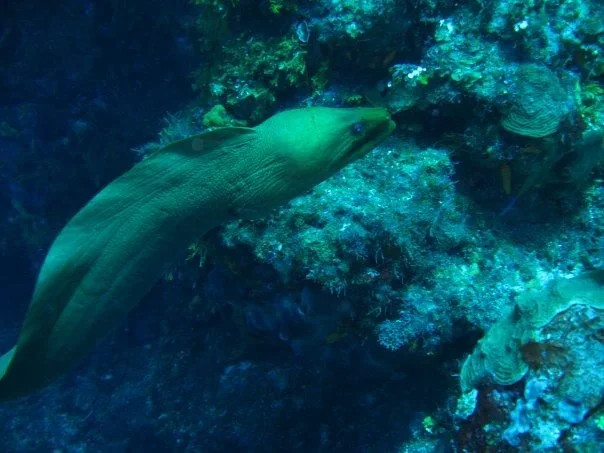
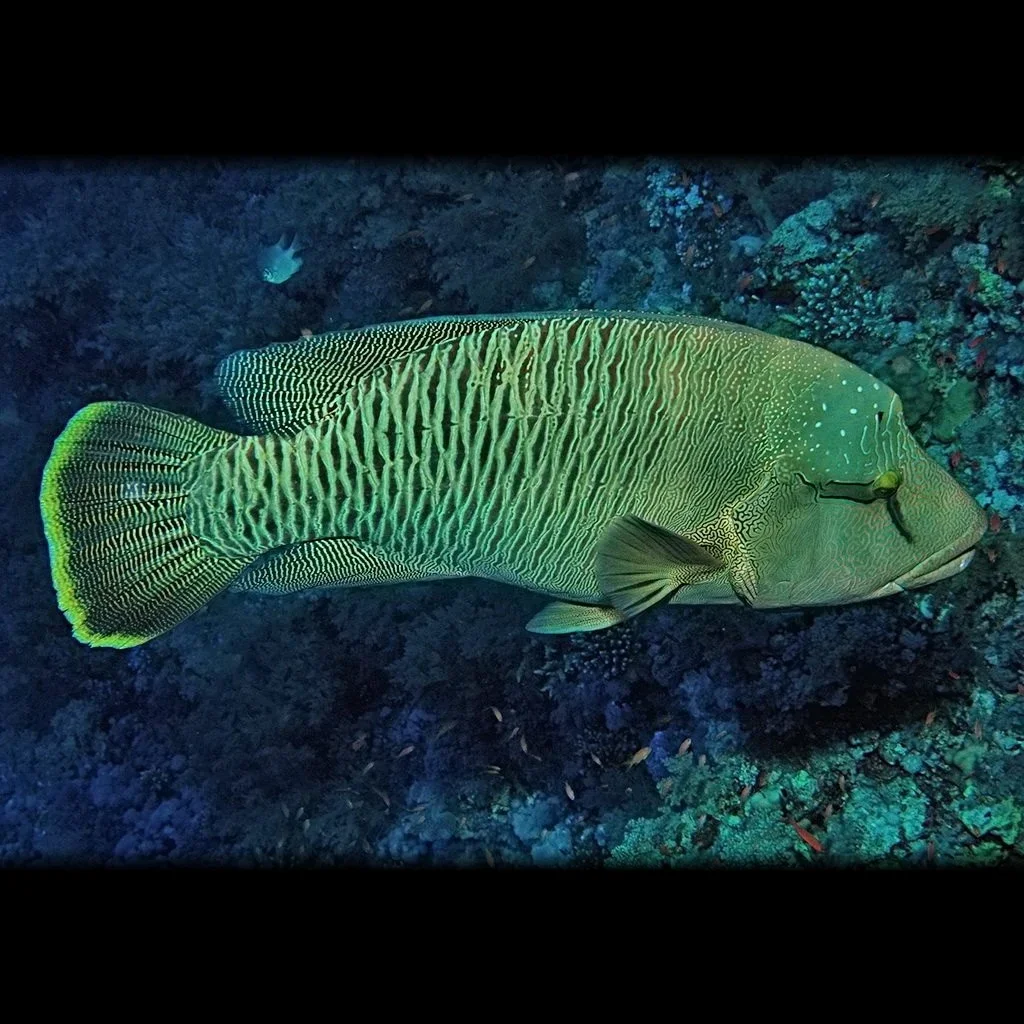
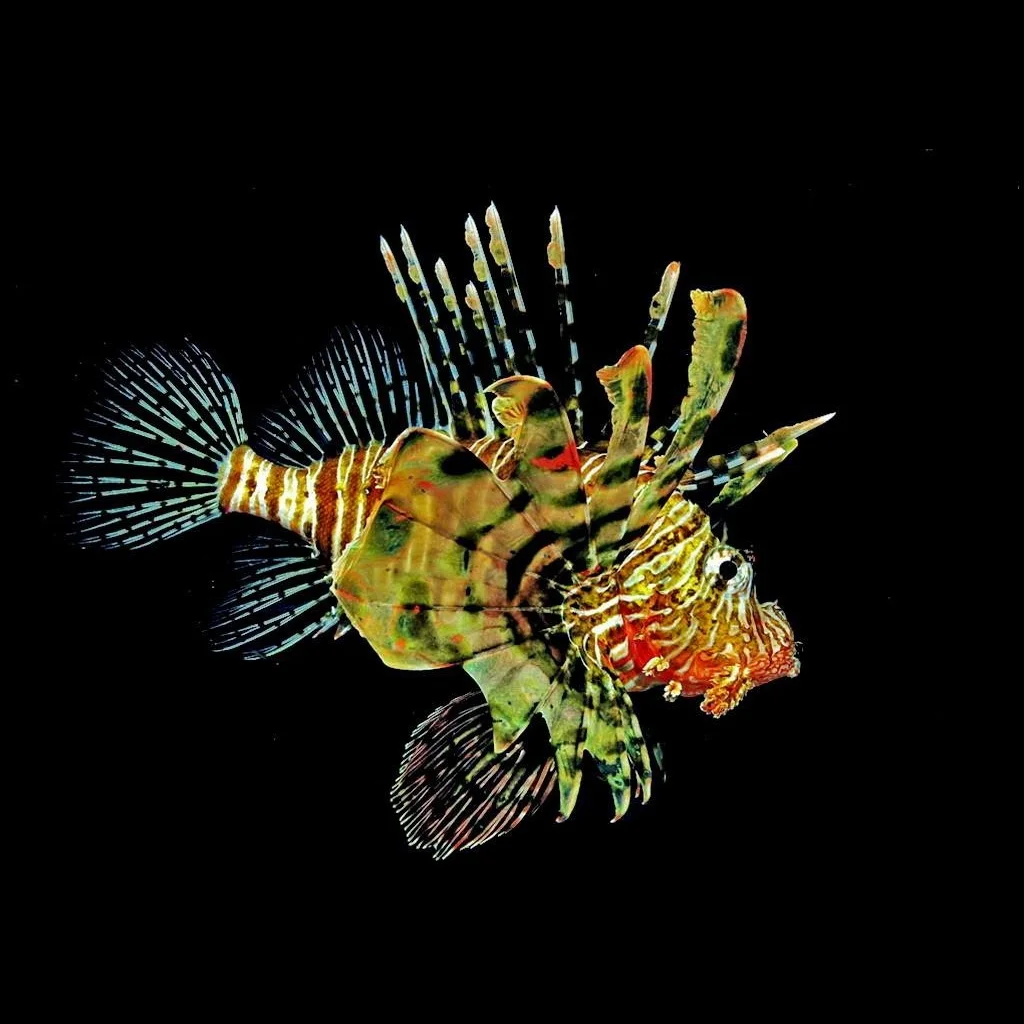
However, the apex highlight for many divers is the consistent presence of manta rays, often observed cruising gracefully over the ridge or in the blue. Moray eels, lion fish, and occasional sightings of napoleon wrasse and blacktip sharks complete a varied cast of marine residents.
Dive Sites Near Koh Bon
View all dive sites in ThailandDiscover more underwater gems in this area.
Dive Centers Near Koh Bon
Today: 10:00 - 22:00


Nearest Airports
Nearest airports to help plan travel to this dive area.
Search Flights
Check available flights and routes on Expedia, using the nearby airports listed in this section.
Search Flights on ExpediaFrequently Asked Questions
What are the main dive sites at Koh Bon?
Koh Bon features two primary dive sites: the Western Ridge and the Koh Bon Pinnacle. The Ridge is a sloping reef covered in soft corals, while the Pinnacle is a deep, submerged rock formation.
What marine life can I expect to see at Koh Bon?
Divers frequently encounter manta rays and leopard sharks, particularly in deeper areas. The reefs also host large schools of sweetlips, snappers, moray eels, lionfish, and sometimes blacktip sharks or napoleon wrasse.
Is Koh Bon suitable for all certified divers?
Koh Bon is considered a more challenging site, best suited for certified divers with recent diving experience. A minimum of 25 logged dives is often required due to potential strong currents and deeper dive profiles.
What are the best months for diving at Koh Bon?
February to April offers excellent dive conditions with stable weather, low rainfall, and calmer seas. Conversely, the monsoon season from June to September brings more challenging conditions, including increased rain and waves.
How deep are the dives at Koh Bon?
Koh Bon's Western Ridge descends to a maximum depth of 40 m (130 ft). A deeper dive is the Koh Bon Pinnacle, topping out at 18 m (60 ft) before dropping over 50 m (165 ft).
Can I do day trips to Koh Bon, or is it only liveaboards?
Both day trips and liveaboard options are available for Koh Bon. Day trips often depart from Phuket or Khao Lak on specific days, while liveaboards commonly include Koh Bon on their Similan Islands itineraries.
Are there strong currents at Koh Bon?
Yes, strong currents can be present at Koh Bon, especially around the pinnacle and along the exposed sections of the ridge. Divers should be prepared for drift diving and have good buoyancy control.
Planning to dive Koh Bon?
Send one inquiry and receive offers directly from the best verified local dive operators.
Conditions are Moderate
Optimal conditions expected
Current conditions near Koh Bon show 27° air, 29° sea temperature, 1.7 m waves, and 37 km/h wind. Forecast data is refreshed regularly to ensure accuracy.