
Diving at Three Trees (Thailand)
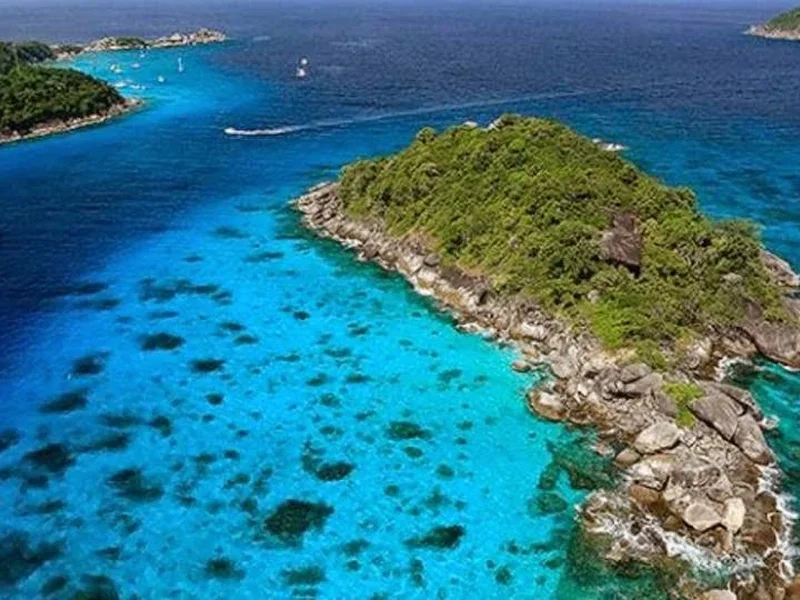
Arriving at Three Trees, divers immediately notice the namesake white-trunked trees on Similan Island 9, marking the entry point for this expansive site. Known for its accessible drift diving, the gently sloping reef welcomes all experience levels. Shallower sections offer vibrant reef encounters, while deeper areas reveal impressive coral bommies and rich pelagic activity. It's a place where you can easily follow the current, exploring diverse underwater landscapes.
Tonight's objective overview for Three Trees shows an air temperature of 28°C. The measured surface conditions include wave heights around 2.1 m. This environmental data is logged for the close of the day.
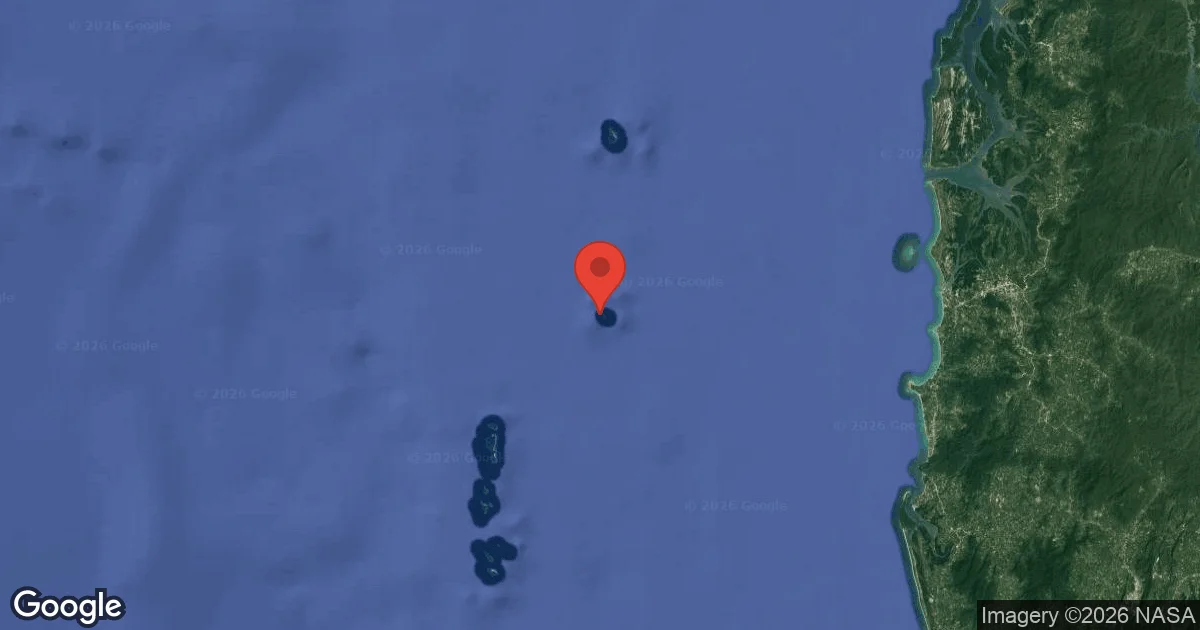
Dive Site Location & Key Facts
Dive Site Overview
Three Trees, often referred to by local dive operators as an accidental discovery given its unmapped status until recent years, quickly became recognized for its superb drift diving opportunities within the Similan Islands National Park. It's among the park's longest dive sites, naturally segmenting into Breakfast Bend to the south, Three Trees centrally, and occasionally extending to North Point with a strong current.
This site presents a wide sand channel punctuated by significant coral formations. The fringing reef begins shallow, around 4-5 m / 13-16 ft, sloping gently to approximately 20 m / 66 ft, where healthy hard corals thrive.
Further out, a distinct feature is the giant barrel sponge, often two meters high, standing majestically on a rock outcrop in the channel, surrounded by resilient soft corals and fan corals that defy strong currents. Deeper exploration, around 28 m / 92 ft, reveals additional rock clumps that act as magnets for marine life.
While currents can be a factor, especially in the channel, careful timing often allows divers to appreciate the site's rich tapestry of life, from the shallower reef to the deeper, more exposed bommies.
Conditions are Poor
High Swell Advisory. Not recommended.
Current conditions near Three Trees show 28° air, 29° sea temperature, 2.4 m waves, and 40 km/h wind. Forecast data is refreshed regularly to ensure accuracy.
Best Time to Dive
Planning your visit to Three Trees involves balancing conditions for the most rewarding experience. The prime diving season generally spans from January through April, and again from October to December, when dive scores consistently rate as "Good." During these months, the air temperature typically holds a comfortable average of 27-29°C / 81-84°F, with minimal rainfall, often less than 4 mm / 0.16 inches per month, ensuring mostly clear skies. This period also tends to have calmer sea states, ideal for boat entries and drift dives. As the year progresses into May and particularly June-September, conditions shift. While air temperatures remain warm, around 28-29°C / 82-84°F, rainfall increases significantly, sometimes exceeding 10 mm / 0.4 inches in September, which can impact visibility. Wave heights also tend to increase, with June, July, and September seeing higher averages, potentially making boat operations and in-water comfort less predictable. To maximize enjoyment of the site's diverse features and mitigate potential current challenges, aiming for the "Good" dive score periods is recommended.
PEAK SEASON SCORE
Scores combine air & water temps, waves, wind & rainfall for overall conditions.
BEST MONTHS TO DIVE
Monthly records compiled from satellite and marine observation nodes over the last 3 years. Data provided by Open-Meteo and MET Norway.
Dive Experience & Conditions
Descending into Three Trees, you'll feel the gentle pull of the current guiding you along, a characteristic drift that defines many dives here. The visibility often impresses, typically ranging between 15-30 m / 50-100 ft, allowing distant formations to resolve clearly as you approach. Water temperatures are consistently warm, generally holding between 27-29°C / 81-84°F, making for a comfortable dive in minimal exposure protection. While the site is suitable for all levels, understanding the current is key; it can be quite dynamic, especially in the deeper channels. Picking an entry time near slack tide is crucial for a relaxed exploration of the vibrant bommies and the impressive giant barrel sponge. On days with stronger currents, you'll experience a faster pace, covering significant ground across the site's different sections, from the shallower reef to the deeper, more exposed rock formations, where schools of fish might swirl past.
Dive Difficulty & Safety Guidelines
Experienced divers planning an outing to Three Trees should prioritize careful current assessment before entry. This site is known for its strong, unpredictable currents, especially in the deeper channels, which can quickly transform a leisurely drift into a challenging swim.
Coordinating with your dive guide to schedule dives around slack tide is a smart strategy to maximize your time exploring the bommies and the giant barrel sponge without being swept past. Boats often drop divers up-current to allow for a controlled drift rather than attempting direct bommie drops, which risk missing the target entirely.
Beyond current considerations, divers should be mindful of the site's length; it covers a fair bit of ground, so conservative air management and pacing are essential to fully appreciate its features without rushing or exceeding no-decompression limits.
Recommended Equipment
- Dive Computer
- DSMB
This gear list is based on verified equipment signals for Three Trees, Thailand. Always confirm final gear choices with your dive operator, guide, or liveaboard.
Recommended Dive Suit
Dive skin or rash guard is frequently recommended by dive operators for conditions like these. Consider warmer surface protection (like a boat coat) due to brisk winds. Water conditions at Three Trees are currently measured at approximately 29°C (84°F). Surface air temperatures are resting at 28°C (82°F).
Forecast conditions over the next few days suggest temperatures will remain relatively stable.
Even small thermoclines can occasionally cause noticeable changes in water temperature.
Due to technical issues with our weather providers, live updates are temporarily delayed. The data above reflects the conditions at the time of the last successful fetch.
Emergency & Medical Support
Essential information to help you plan your dive trip to Three Trees.

Hyperbaric chambers are a critical part of dive safety infrastructure. Availability varies significantly by region, and not all dive areas have immediate access.
Before diving, it's recommended to:
- confirm nearest medical facilities
- check emergency procedures with local dive operators
- ensure dive insurance covers evacuation if required
Divers Alert Network
Diving emergency assistance available through DAN World.
+1-919-684-9111- 24/7 emergency hotline
- Diving medical assistance
- Evacuation coordination
Emergency contacts are provided for reference. Always verify local emergency services before diving.
Marine Life at Three Trees
Upon entering Three Trees, divers often first notice the remarkable diversity of angelfish populating the shallower reef sections. Emperor, masked, regal, blue-ringed, Koran, and pygmy angelfish display their electric colors against the clear water, offering excellent photographic opportunities.
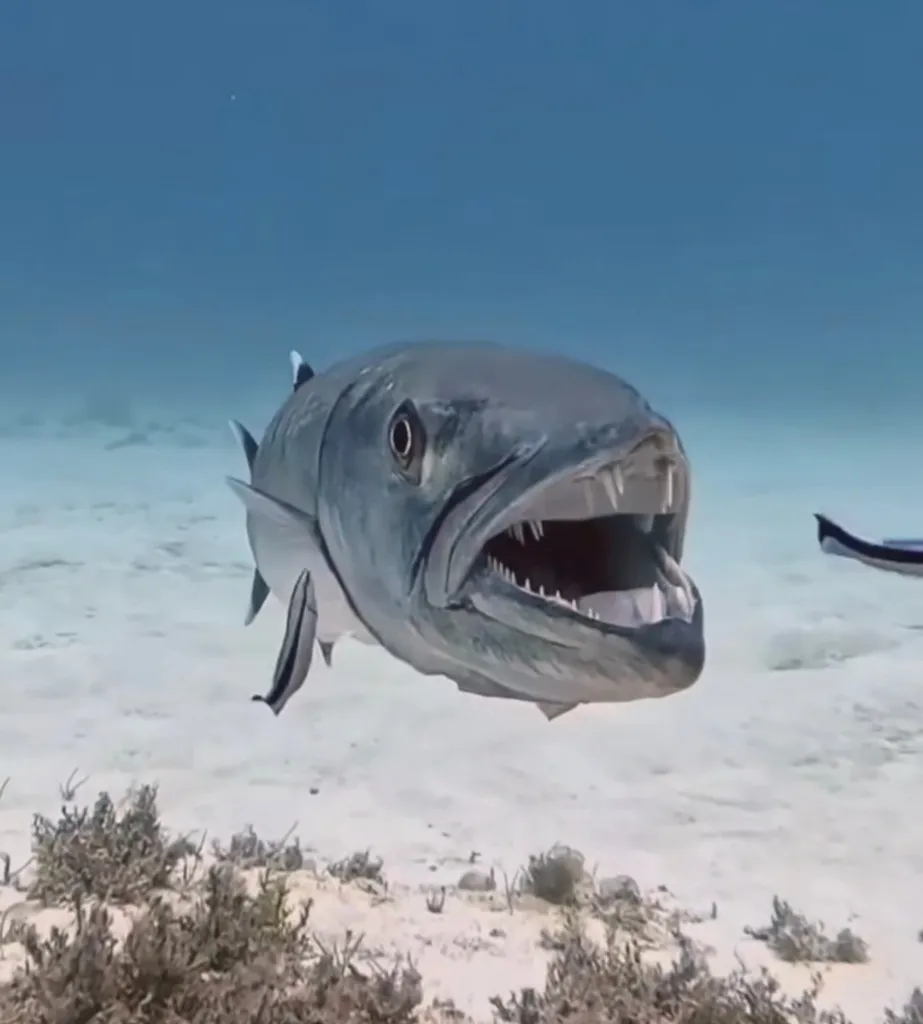
As you drift deeper, the sheer scale of the giant barrel sponge, often two meters high, becomes a prominent feature, drawing immediate attention. Beyond the sponge, schools of barracuda can materialize, sometimes forming impressive "tornado" formations, even at depths around 12 m / 40 ft.
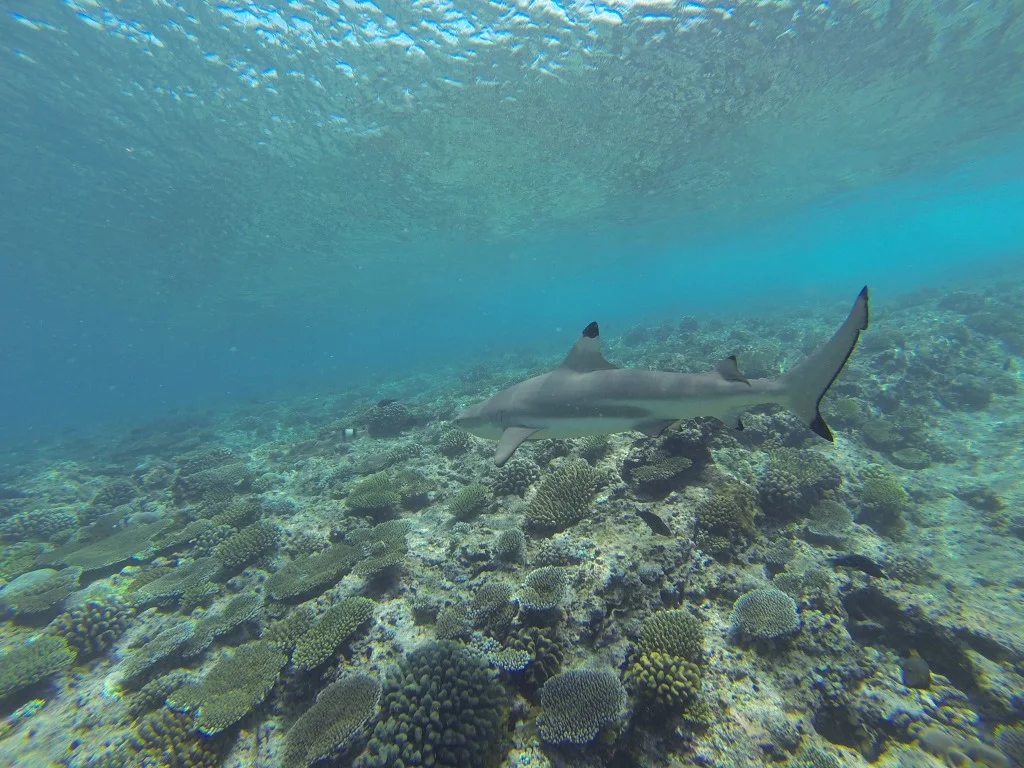
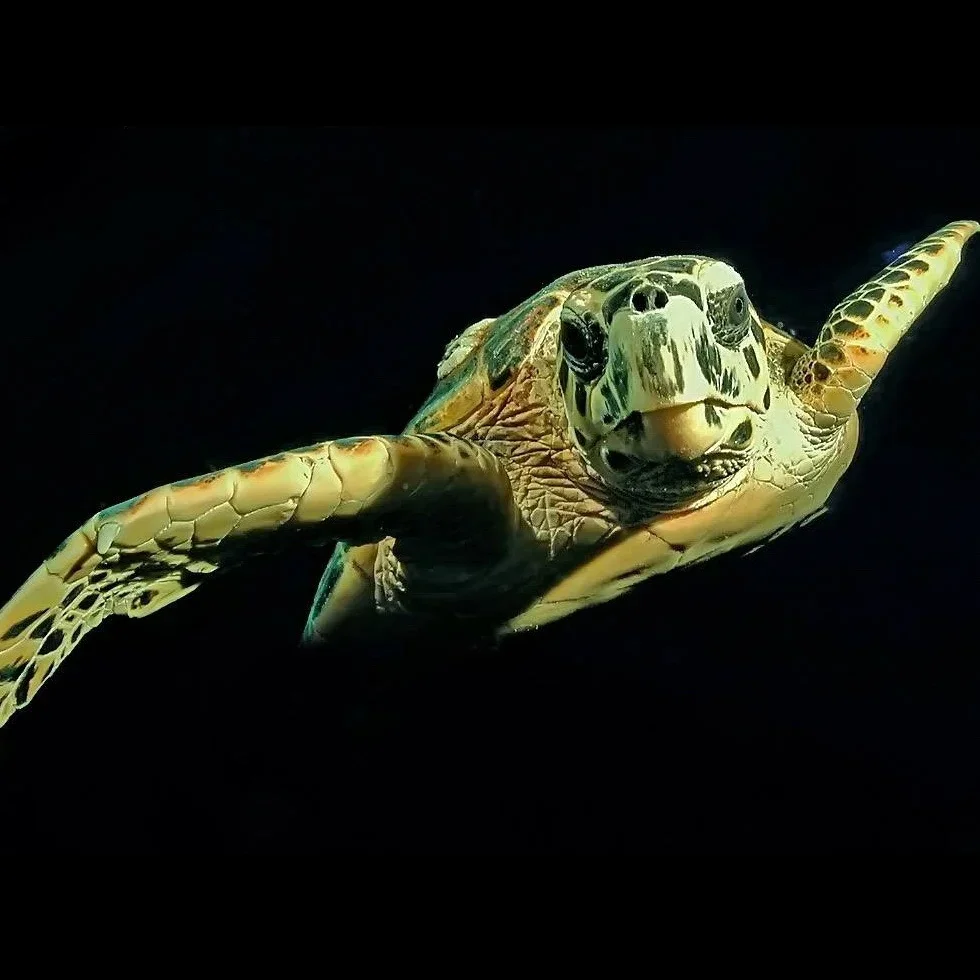
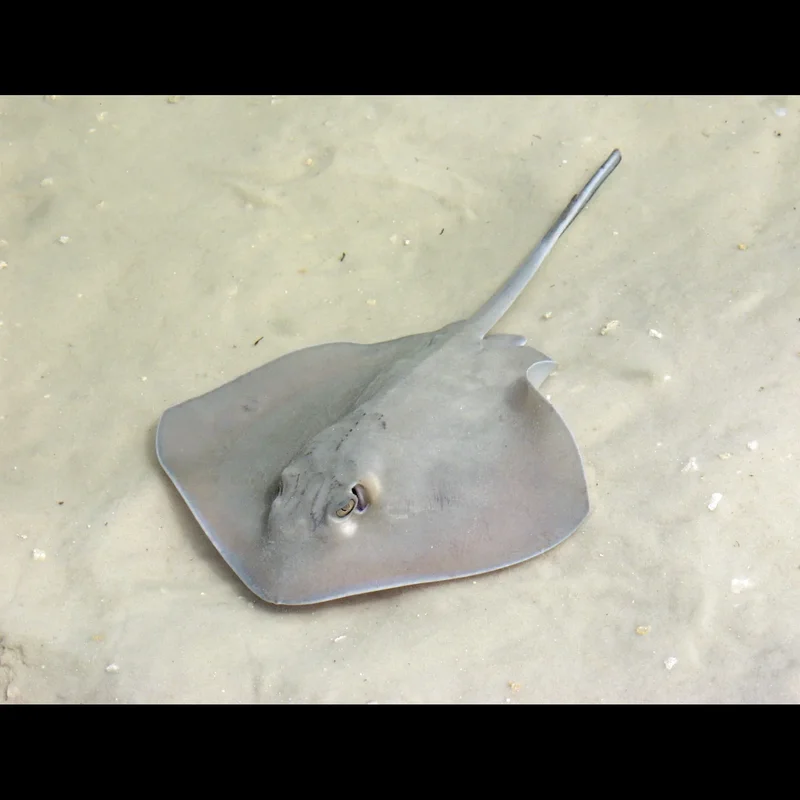
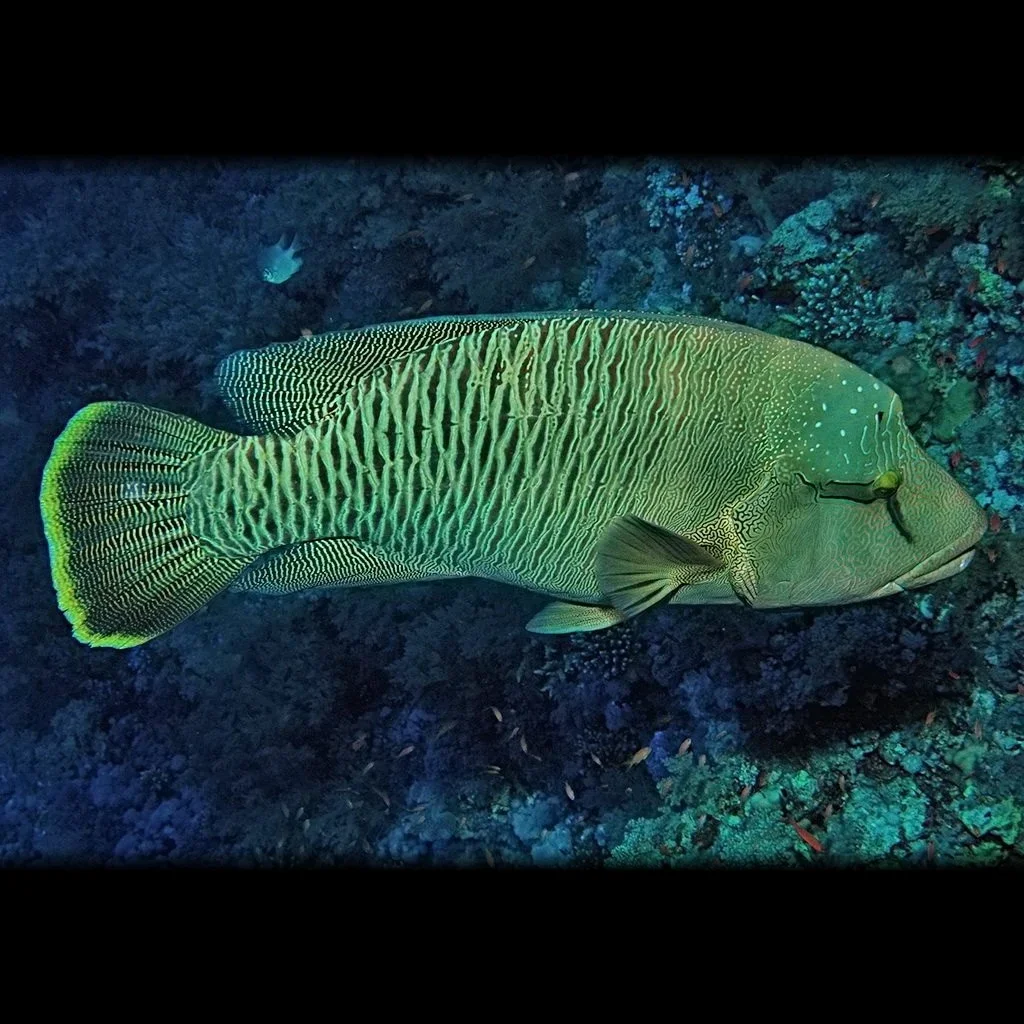
Occasional sightings include cruising Napoleon wrasse, graceful hawksbill turtles, and banded sea kraits. Deeper rocky outcrops, especially around 22 m / 72 ft, are known for leopard sharks, while the sandy patches may reveal Khul’s stingrays and jawfish.
Dive Sites Near Three Trees
View all dive sites in ThailandDiscover more underwater gems in this area.
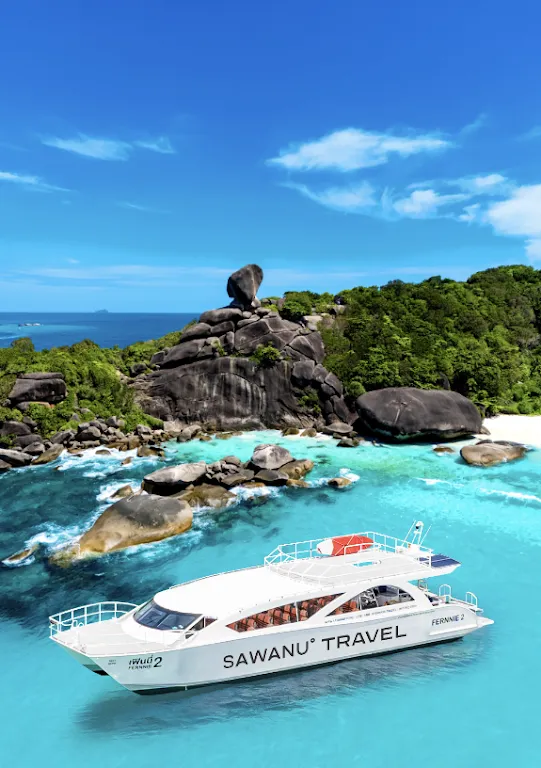
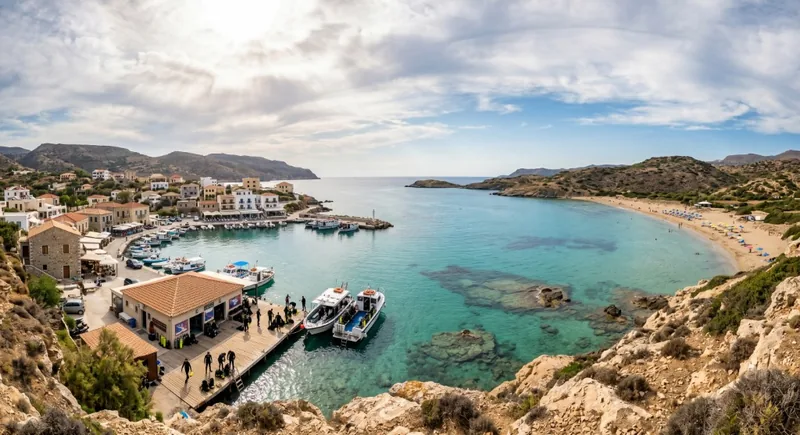
Dive Centers Near Three Trees
Today: 10:00 - 22:00

Nearest Airports
Nearest airports to help plan travel to this dive area.
Search Flights
Check available flights and routes on Expedia, using the nearby airports listed in this section.
Search Flights on ExpediaFrequently Asked Questions
What characterizes diving at Three Trees?
Three Trees is primarily known for its accessible drift diving along an expansive reef. Currents gently guide divers across different sections, from shallower coral gardens to deeper bommies, allowing for varied exploration with minimal effort.
What is the best time of year to dive Three Trees?
The prime diving season generally spans from January through April, and again from October to December. During these months, conditions typically offer comfortable air temperatures, minimal rainfall, and calmer seas, leading to optimal dive experiences.
What are the typical water temperatures and visibility at the site?
Water temperatures are consistently warm, generally holding between 27-29°C / 81-84°F, making for comfortable dives. Visibility often impresses, typically ranging between 15-30 m / 50-100 ft, allowing distant formations to resolve clearly.
How challenging are the currents at Three Trees?
Currents can be quite dynamic and strong, particularly in deeper channels. Divers should prioritize careful current assessment and coordinate with their dive guide to schedule dives around slack tide for a more relaxed exploration.
What kind of marine life can I expect to see?
Divers often first notice a remarkable diversity of angelfish in shallower reef sections, alongside schools of barracuda forming impressive 'tornado' formations. Occasional sightings include cruising Napoleon wrasse, graceful hawksbill turtles, and leopard sharks on deeper rocky outcrops.
Is Three Trees suitable for all diver experience levels?
It's suitable for all levels, but understanding and managing the current is key for a comfortable experience. While gentle drifts are common, stronger currents might require more experience. Dive planning around slack tide helps ensure a relaxed exploration, especially for less experienced divers.
What is the 'giant barrel sponge' mentioned at the site?
The giant barrel sponge is a significant landmark at Three Trees, often reaching two meters in height. It stands majestically on a rock outcrop within the sand channel, surrounded by resilient soft corals and fan corals, acting as a prominent feature for navigation.
Planning to dive Three Trees?
Send one inquiry and receive offers directly from the best verified local dive operators.
Conditions are Poor
High Swell Advisory. Not recommended.
Current conditions near Three Trees show 28° air, 29° sea temperature, 2.4 m waves, and 40 km/h wind. Forecast data is refreshed regularly to ensure accuracy.