
Diving at Koh Bon Similan National Park (Thailand)
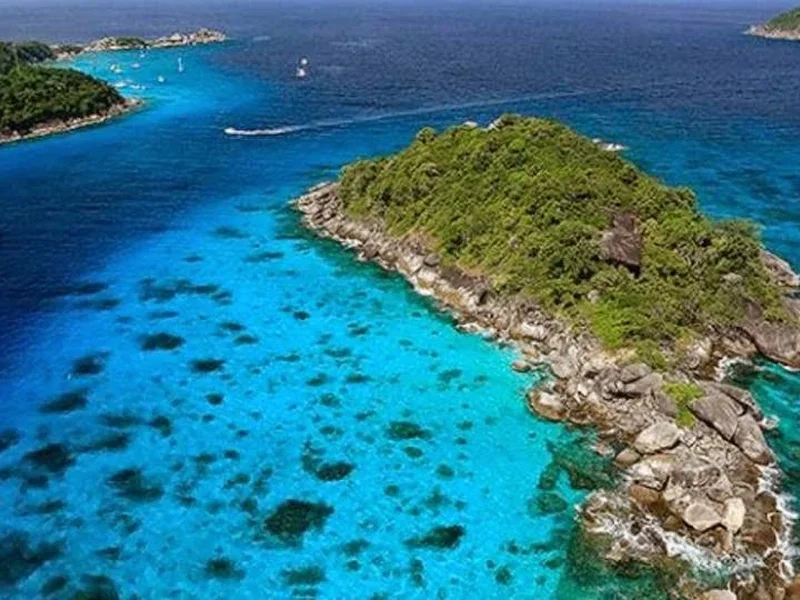
Koh Bon, a limestone island, presents a distinctive chapter in the Similan's dive narrative, contrasting with its granite counterparts. Its dramatic Western Ridge features a natural archway and a steep descent, providing a compelling topography for exploration. Divers often visit this site specifically to encounter the majestic manta rays that frequent its waters. Exploring here feels like uncovering diverse ecosystems, captivating at every turn.
As evening covers Koh Bon Similan National Park, the local air temperature is measured at 28°C. The current wave height at the surface is recorded at 1.1 m. These late-day readings characterize the surface conditions for the night.
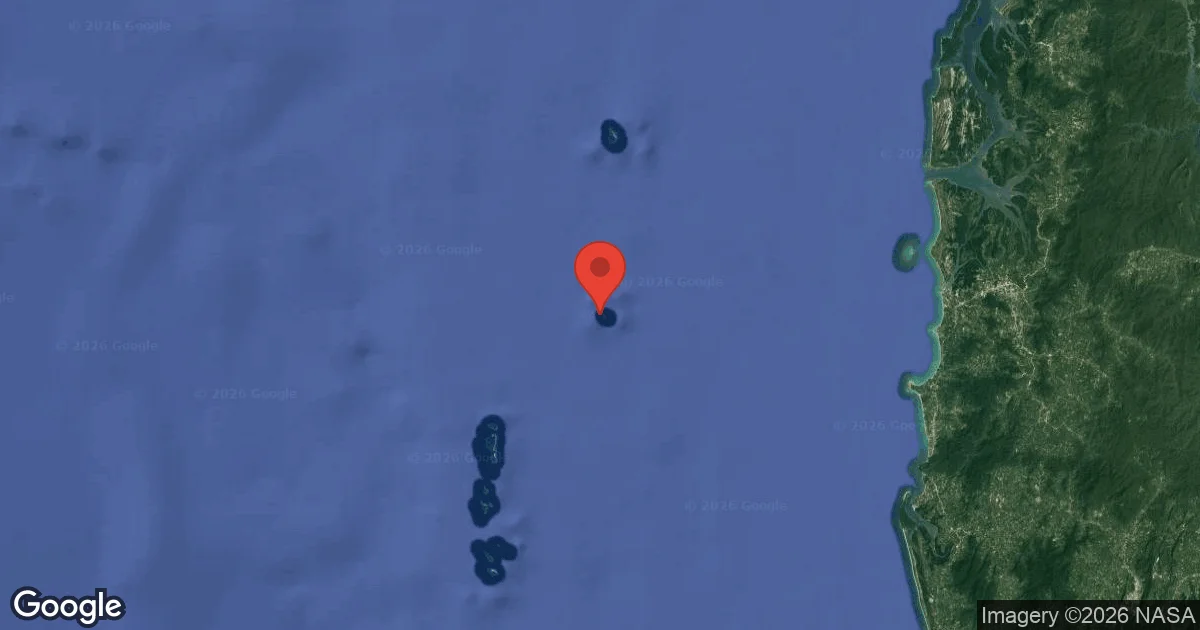
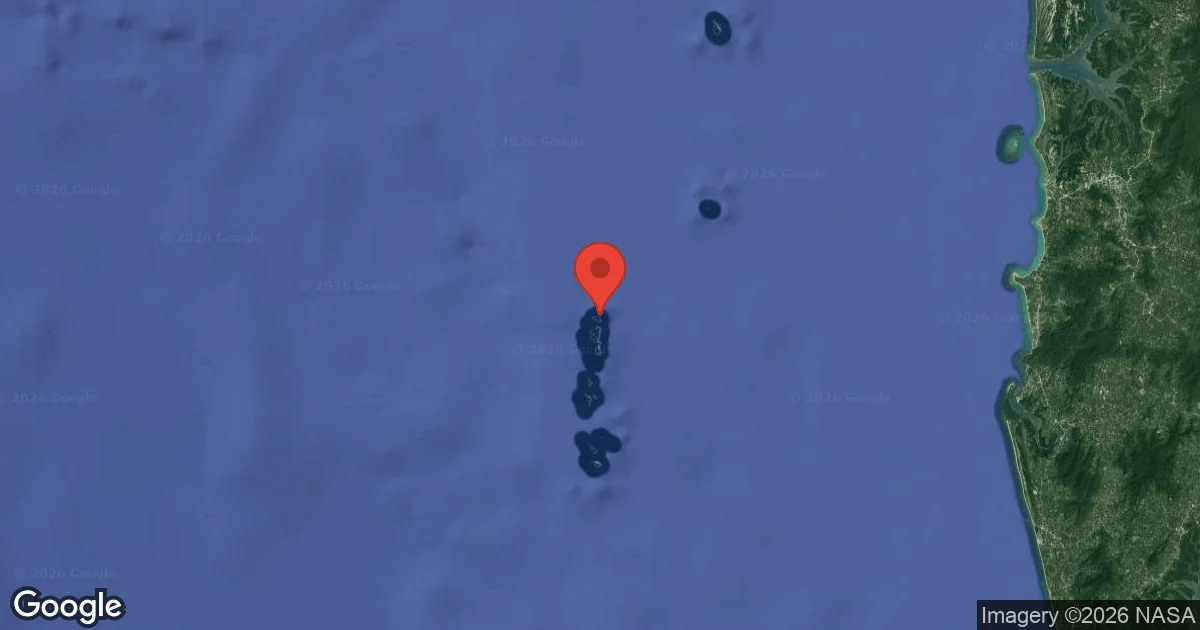
Dive Site Location & Key Facts
Dive Site Overview
Koh Bon presents a geological anomaly, standing as a limestone island amidst the Similans' typical granite formations. Its distinct composition sculpts an underwater topography dominated by the prominent Western Ridge, extending southwest from the island.
A primary draw, the ridge is characterized by a sloping reef transitioning to a vertical wall. Typically, divers approach from a southern bay, offering scenic surface views before descent. Depths at the site range from shallower sections around 10 m (33 ft) down to areas exceeding 40 m.
Sloping from approximately 10 meters, the main reef eventually meets a sandy bottom at 25 to 30 meters. Hard corals, including staghorn and brain corals, thrive on these slopes, intermixed with larger coral heads.
On the ridge's eastern side, a steep wall prevails; its western side presents a more gradual slope, marked by distinctive mushroom-like hard coral formations. Along the sloping reef, smaller macro life finds refuge within the coral gardens.
Such varied underwater features support a vibrant ecosystem, making the site a compelling destination within the Andaman Sea.
Conditions are Moderate
Optimal conditions expected
Current conditions near Koh Bon Similan National Park show 28° air, 29° sea temperature, 1.6 m waves, and 39 km/h wind. Forecast data is refreshed regularly to ensure accuracy.
Best Time to Dive
The prime time for diving Koh Bon aligns with the Similans' general diving season, typically from October through early May, when conditions are most favorable for a rewarding experience. During these months, divers frequently encounter excellent visibility, ranging from 10 to 30 meters (33 to 100 ft). Air temperatures consistently range between 27.5°C (82°F) in January and 29°C (84°F) in April, ensuring comfortable surface intervals. Rain levels are also minimal during this period, with monthly averages as low as 1.1 mm (February) to 5.7 mm (November), significantly reducing surface chop and enhancing overall enjoyment. Peak manta ray sightings are often reported between October and May. From June to September, increased wave heights (up to 1.2 m / 3.9 ft) and higher rainfall (up to 12.6 mm in September) lead to moderate dive scores, impacting visibility and surface comfort. Planning a trip during the dry season maximizes the chances for exceptional underwater encounters and calm seas.
PEAK SEASON SCORE
Scores combine air & water temps, waves, wind & rainfall for overall conditions.
BEST MONTHS TO DIVE
Monthly records compiled from satellite and marine observation nodes over the last 3 years. Data provided by Open-Meteo and MET Norway.
Dive Experience & Conditions
Beginning a descent at Koh Bon typically starts along the Western Ridge, where the reef gradually slopes before dropping off to a steep wall and deeper sections. Water temperatures here consistently range between 27-29°C (81-84°F), providing a comfortable dive environment. Currents vary significantly from mild to occasionally strong, often necessitating careful planning; drift diving along the ridge is a common practice when conditions allow. As divers explore, the limestone formations come into view, beautifully adorned with soft corals, seafans, and sea whips. Visibility is generally good, frequently ranging from 10 to 30 meters (33 to 100 ft), allowing clear views of the extensive hard coral garden in the shallower bay areas. Deeper parts of the ridge can extend beyond recreational depth limits, offering advanced divers further exploration. The underwater topography transitions dynamically from sloping reefs to dramatic walls, enriching the overall diving experience.
Dive Difficulty & Safety Guidelines
Approaching Koh Bon requires an Intermediate to Advanced certification due to its varying currents and potential for deeper sections. Divers should feel comfortable with drift diving techniques, especially when stronger currents develop along the ridge. Always monitor bottom time and no-decompression limits, particularly when exploring areas that can extend beyond typical recreational depths.
Adhering to buddy system principles is crucial, and maintaining excellent buoyancy control helps protect the fragile soft and hard coral ecosystems. It's advisable to carry a surface marker buoy (SMB) for safety and to ensure easy spotting by your liveaboard or day trip vessel after surfacing, particularly in areas with potential boat traffic.
Checking current forecasts before diving is a practical safety measure here, enhancing overall dive planning.
Recommended Equipment
Current and surface separation risk. Local briefing strongly recommended.
- Dive Computer
- DSMB
- Reel / Spool
This gear list is based on verified equipment signals for Koh Bon Similan National Park, Thailand. Always confirm final gear choices with your dive operator, guide, or liveaboard.
Recommended Dive Suit
Experienced divers often bring flexible gear options.
Divers exploring Koh Bon Similan National Park today will likely encounter water temperatures close to 29°C (85°F). Surface air temperatures are resting at 28°C (82°F). Divers who spend longer periods underwater often choose dive skin or rash guard. A hood or vest is suggested for sensitive divers due to surface winds.
Current forecasts indicate relatively stable conditions for the coming days.
Due to technical issues with our weather providers, data hasn't been fetched for over 48 hours. The data above reflects the conditions at the time of the last successful fetch.
Emergency & Medical Support
Essential information to help you plan your dive trip to Koh Bon Similan National Park.

Hyperbaric chambers are a critical part of dive safety infrastructure. Availability varies significantly by region, and not all dive areas have immediate access.
Before diving, it's recommended to:
- confirm nearest medical facilities
- check emergency procedures with local dive operators
- ensure dive insurance covers evacuation if required
Divers Alert Network
Diving emergency assistance available through DAN World.
+1-919-684-9111- 24/7 emergency hotline
- Diving medical assistance
- Evacuation coordination
Emergency contacts are provided for reference. Always verify local emergency services before diving.
Marine Life at Koh Bon Similan National Park
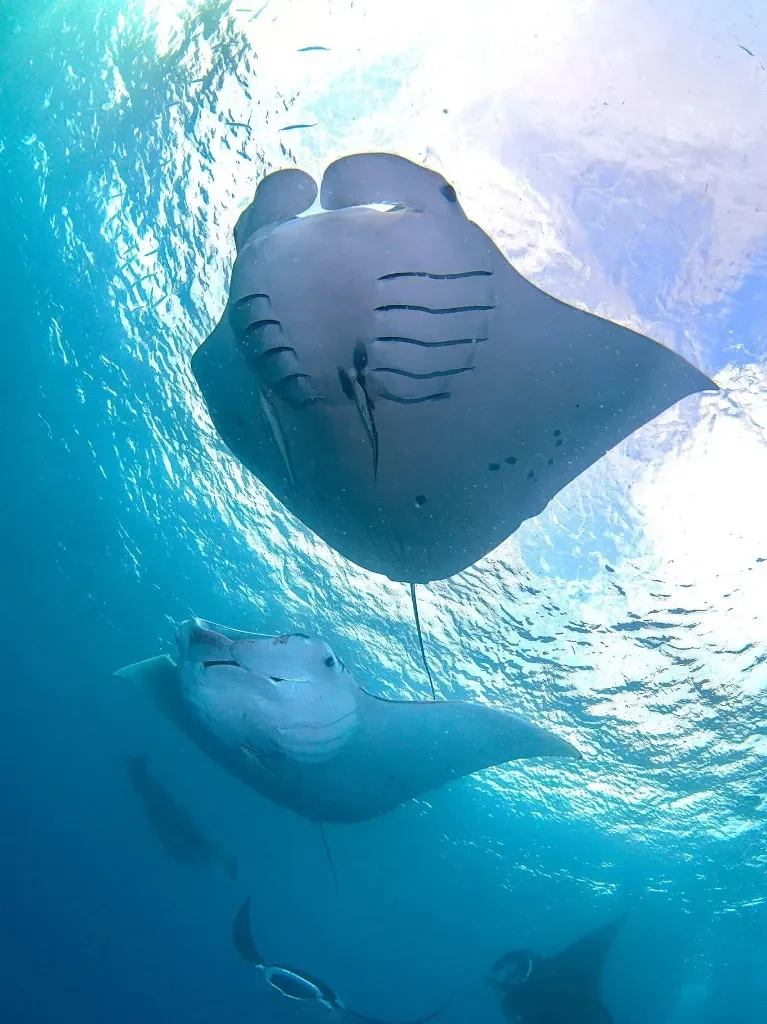
Manta ray encounters are a frequent occurrence at Koh Bon; these majestic creatures often glide through the blue, sometimes visiting cleaning stations. Even without manta rays, the site bursts with activity.
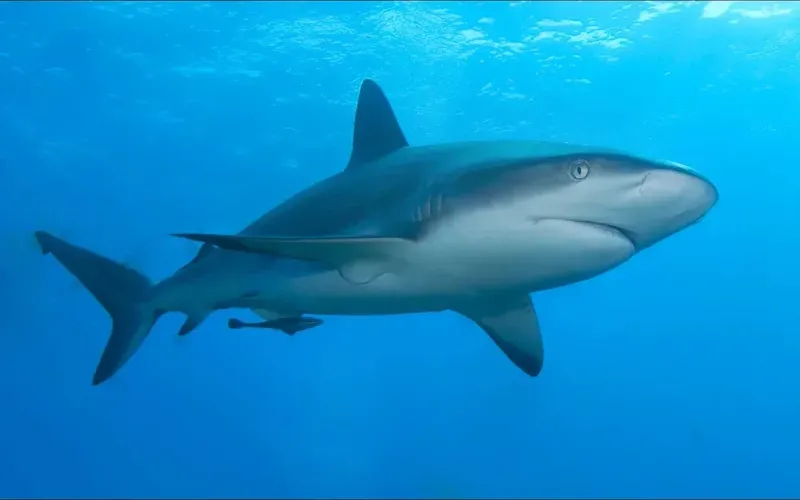
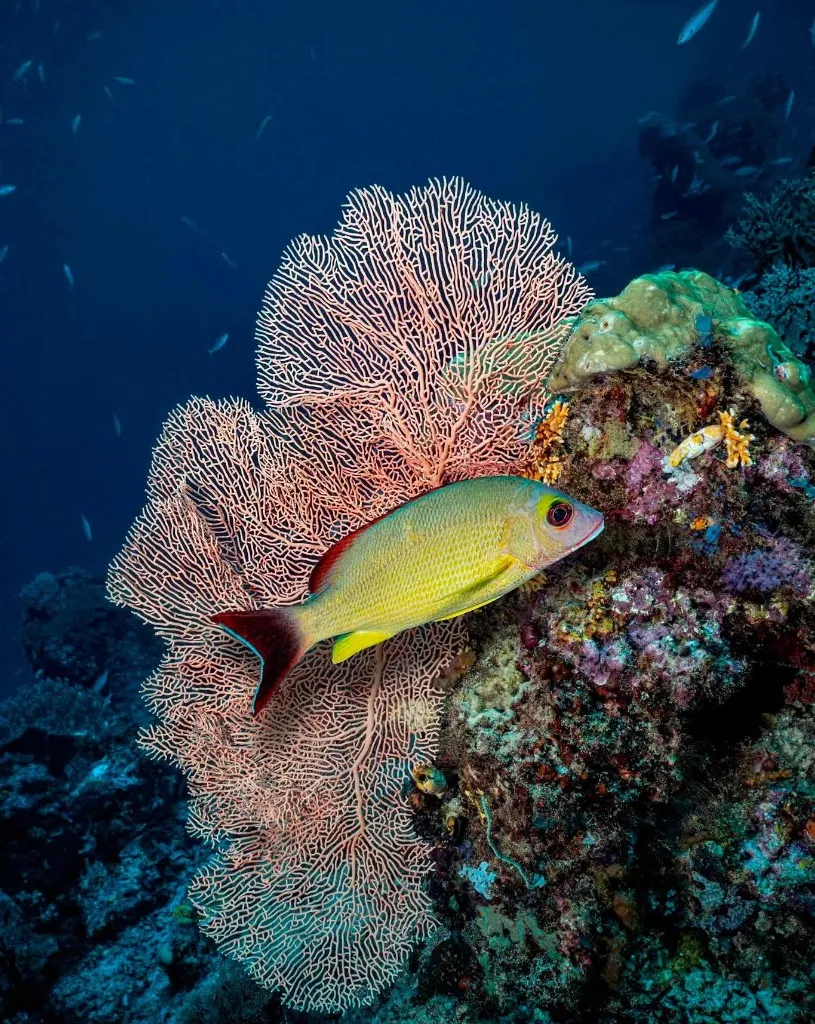
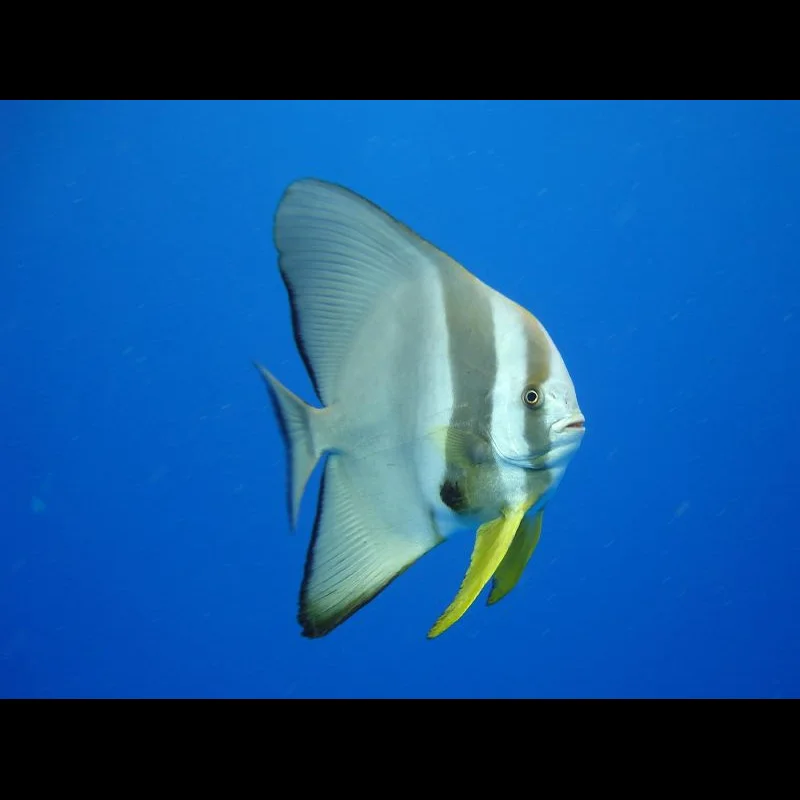
Large schools of fusiliers often hover above the ridge, attracting predators like blue-fin trevallies, jacks, and great barracuda. Divers also regularly spot Napoleon wrasse, colorful snappers, rainbow runners, butterflyfish, and batfish.
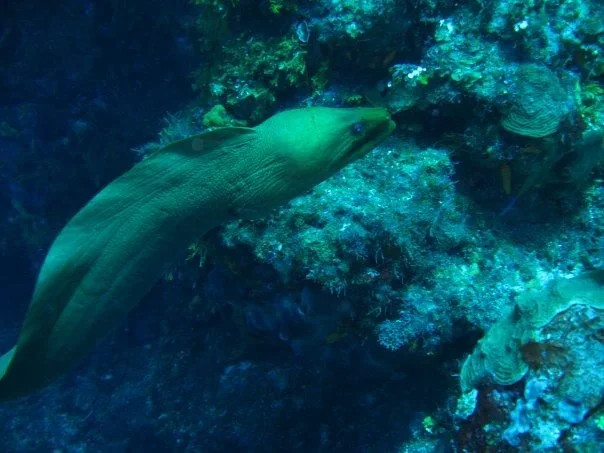
Closer inspection among the corals may reveal octopus, moray eels, and peacock mantis shrimps. Occasionally, lucky divers might spot an eagle ray passing by in the deeper blue or even a leopard shark resting on the sandy bottom, completing a rich picture of reef life.
Dive Sites Near Koh Bon Similan National Park
View all dive sites in ThailandDiscover more underwater gems in this area.
Dive Centers Near Koh Bon Similan National Park
Today: 10:00 - 22:00


Nearest Airports
Nearest airports to help plan travel to this dive area.
Search Flights
Check available flights and routes on Expedia, using the nearby airports listed in this section.
Search Flights on ExpediaFrequently Asked Questions
What is Koh Bon known for?
Koh Bon is primarily known as a top site in the Similan National Park for manta ray sightings. It also features a distinctive limestone topography, setting it apart from the granite islands of the main Similans.
What are the typical depths at Koh Bon?
Depths at Koh Bon vary significantly, ranging from shallower reef sections around 10 meters down to over 40 meters along its prominent Western Ridge. This range accommodates intermediate to advanced divers.
Are currents a concern at Koh Bon?
Yes, currents at Koh Bon can range from mild to strong, particularly along the Western Ridge. Divers should be prepared for potential drift dives and maintain good buoyancy control.
What kind of corals can be seen here?
The reef at Koh Bon features a mix of soft corals, sea whips, and seafans covering the ridge, alongside extensive hard coral gardens in shallower bay areas. Staghorn and brain corals are common.
What level of diver is required for Koh Bon?
Koh Bon is recommended for intermediate to advanced certified divers due to the potential for strong currents and deeper dive profiles. Experience with drift diving is beneficial.
When is the best chance to see manta rays?
Manta ray sightings are most common during the official Similan diving season, which runs from October to early May. They are frequently observed traveling between Koh Bon and Koh Tachai during these months.
How do I get to Koh Bon?
Koh Bon is accessible via Similan Islands liveaboard trips or on 2-dive day trips departing from Phuket. It's located about 20km north of Similan Island no. 9.
Planning to dive Koh Bon Similan National Park?
Send one inquiry and receive offers directly from the best verified local dive operators.
Conditions are Moderate
Optimal conditions expected
Current conditions near Koh Bon Similan National Park show 28° air, 29° sea temperature, 1.6 m waves, and 39 km/h wind. Forecast data is refreshed regularly to ensure accuracy.