
Diving at Castle Beach (United Kingdom)
Approaching Castle Beach for a dive involves navigating a pebbly shore entry, often best managed at high tide to minimize walking over exposed kelp-covered rocks. Beneath the surface, the dive route typically follows the bottom of the reef, leading to diverse underwater landscapes. A notable historical element awaits in the form of a World War I German mine-laying U-boat, the UC92, offering an intriguing point of exploration for those keen on combining marine life observation with wreck discovery.
Evening condition tracking at Castle Beach features an air temperature of 17.5°C. We have recorded wave heights measuring 1.1 m during this period. These figures outline the environmental parameters currently present.
Dive Site Location & Key Facts
Dive Site Overview
Beyond its initial shoreline, Castle Beach unfolds a captivating underwater narrative that blends natural reef systems with a poignant historical artifact. This site is particularly suited for beginner divers or those seeking a relaxed exploration of the Cornish coast.
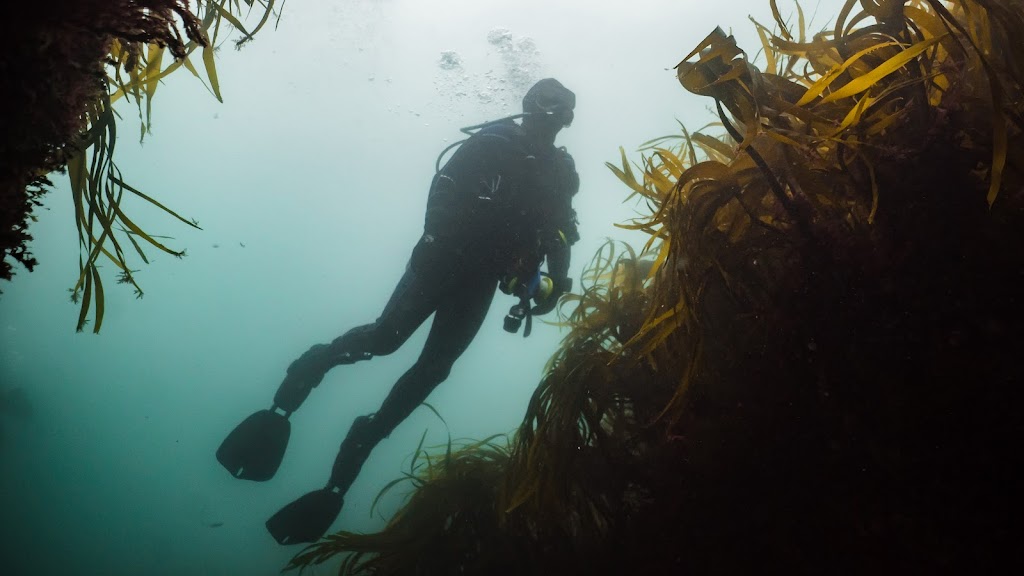
At high tide, depths can reach approximately 7 to 8 m (23 to 26 ft), providing ample space for discovery without demanding advanced skills. Underwater terrain transitions from vibrant kelp forests to sandy banks and rocky reef formations, each hosting a variety of marine inhabitants. For history enthusiasts, the remains of the German World War I U-boat, UC92, present a compelling feature.
Captured and later used for target practice before World War II, its salvaged hull, including a mine-laying shaft, now provides refuge for marine life. A blend of accessible natural beauty and intriguing wartime history creates a distinctive diving experience here.
Exploring the U-boat's skeleton offers a tangible connection to the past, making the dive more than just a typical reef exploration.
Conditions are Good
Optimal conditions expected
Current conditions near Castle Beach show 17° air, 19° sea temperature, 1.1 m waves, and 31 km/h wind. Forecast data is refreshed regularly to ensure accuracy.
Best Time to Dive
Maximizing your dive at Castle Beach depends significantly on optimal conditions, which are most favorable during the late spring and summer months. A prime diving window typically extends from May through August, when dive scores consistently rate as "Good." During this period, average air temperatures range from 13.5°C (56°F) in May to 17°C (63°F) in August, creating a more comfortable surface environment. Wave heights are generally lower, averaging around 0.9 to 1.1 m (3 to 3.6 ft), and wind speeds are comparatively calmer, averaging 21 to 23 km/h (13 to 14 mph). Rainfall is also at its lowest, with an average of 2.1 to 3.3 mm (0.08 to 0.13 inches), reducing surface runoff that can impact visibility. It's especially beneficial to plan dives around high tide, as this significantly improves underwater visibility and provides easier access over the initial rocky reef, minimizing effort during entry and exit. Diving outside these peak months, particularly from January to March or November to December, will likely present rougher conditions, including higher waves and stronger winds, decreasing the overall dive score to "Moderate" or "Poor."
PEAK SEASON SCORE
Scores combine air & water temps, waves, wind & rainfall for overall conditions.
BEST MONTHS TO DIVE
Monthly records compiled from satellite and marine observation nodes over the last 3 years. Data provided by Open-Meteo and MET Norway.
Dive Experience & Conditions
Descending into the waters off Castle Beach, divers are immersed in a dynamic environment that shifts with the tides. Entry can initially feel challenging due to the pebbly shore and kelp-covered rocks; however, timing it with high tide makes it considerably smoother, allowing for a quicker transition to waist-deep water. Once submerged, the sensation is one of exploring varied textures and light, moving between the dense, swaying fronds of kelp forests and the clearer expanses of sandy banks. Visibility in these waters is not consistently reported but generally improves significantly at high tide. You'll observe intricate rocky reef formations that provide shelter and hunting grounds for various species. Presence of the U-boat wreckage introduces an additional layer of exploration, its skeletal structure feeling like a submerged ruin overgrown with marine life. While typical depths are modest, around 7-8 meters, the journey through different habitats offers a fulfilling sensory experience.
Dive Difficulty & Safety Guidelines
Navigating Castle Beach safely requires careful attention to entry and exit points, especially given its shore-diving nature. Walking out to sea over rocks, particularly at low tide, can be treacherous in full dive kit. An expert tip involves seeking out a small stream just to the right of the concrete platform, which leads to a sandy bay, offering the least hazardous path.
Better yet, aiming for a high tide entry near this stream allows you to reach sufficient depth more quickly and back-kick over any remaining rocks. For those unfamiliar with the site, hiring a local guide is highly recommended to learn the optimal path in and out, as the shallow reef can be deceptive.
Avoid diving during strong easterly or any southeasterly winds, as these conditions significantly increase hazards and can compromise diver safety. Be mindful of boat traffic outside the marked buoys in Falmouth Bay, although boats rarely come between the buoys and beaches.
Recommended Equipment
Overhead / entanglement risk. Wreck penetration requires proper training.
- Dive Computer
- Primary & Backup Lights
- Wreck Reel
- Cutting Tool
- Hard-soled Dive Boots
This gear list is based on verified equipment signals for Castle Beach, United Kingdom. Always confirm final gear choices with your dive operator, guide, or liveaboard.
Recommended Dive Suit
Comfort levels can also depend on how active a diver is during the dive.
Environmental readings suggest that the waters surrounding Castle Beach are about 19°C (67°F) at the moment. Surface air temperatures are resting at 17°C (63°F). When water temperatures fall within this range, many divers dive comfortably with 5mm wetsuit. Consider warmer surface protection (like a boat coat) due to brisk winds.
Conditions are expected to stay fairly consistent in the days ahead.
Emergency & Medical Support
Essential information to help you plan your dive trip to Castle Beach.

Hyperbaric chambers are a critical part of dive safety infrastructure. Availability varies significantly by region, and not all dive areas have immediate access.
Before diving, it's recommended to:
- confirm nearest medical facilities
- check emergency procedures with local dive operators
- ensure dive insurance covers evacuation if required
Divers Alert Network
Diving emergency assistance available through DAN Europe.
+39 0642115685- 24/7 emergency hotline
- Diving medical assistance
- Evacuation coordination
Emergency contacts are provided for reference. Always verify local emergency services before diving.
Closest Listed Hyperbaric Chambers
Showing listed hyperbaric chamber facilities within 200 km of this dive site.
Distances are approximate straight-line distances and may not reflect emergency travel time.
DDRC Healthcare
24/7 ListedICU CapablePlymouth, United Kingdom•Approx. 74 km straight-line
DDRC Healthcare
24/7 ListedICU CapableInformation is provided for reference and planning purposes only. Dive Navigator does not verify operational status, staffing, availability, or quality of care at listed facilities. In an emergency, contact local emergency services, DAN, your dive operator, or the chamber directly. Do not travel to a facility without calling ahead.
Unité de médecine hyperbare Pole ARSIBOU
24/7 ListedICU CapableBrest, France•Approx. 198 km straight-line
Unité de médecine hyperbare Pole ARSIBOU
24/7 ListedICU CapableInformation is provided for reference and planning purposes only. Dive Navigator does not verify operational status, staffing, availability, or quality of care at listed facilities. In an emergency, contact local emergency services, DAN, your dive operator, or the chamber directly. Do not travel to a facility without calling ahead.
Marine Life at Castle Beach
Life thrives within the diverse habitats of Castle Beach, presenting opportunities to observe a variety of species. Within the kelp forests, sandy banks, and rocky reef formations, divers can expect encounters with various wrasse.
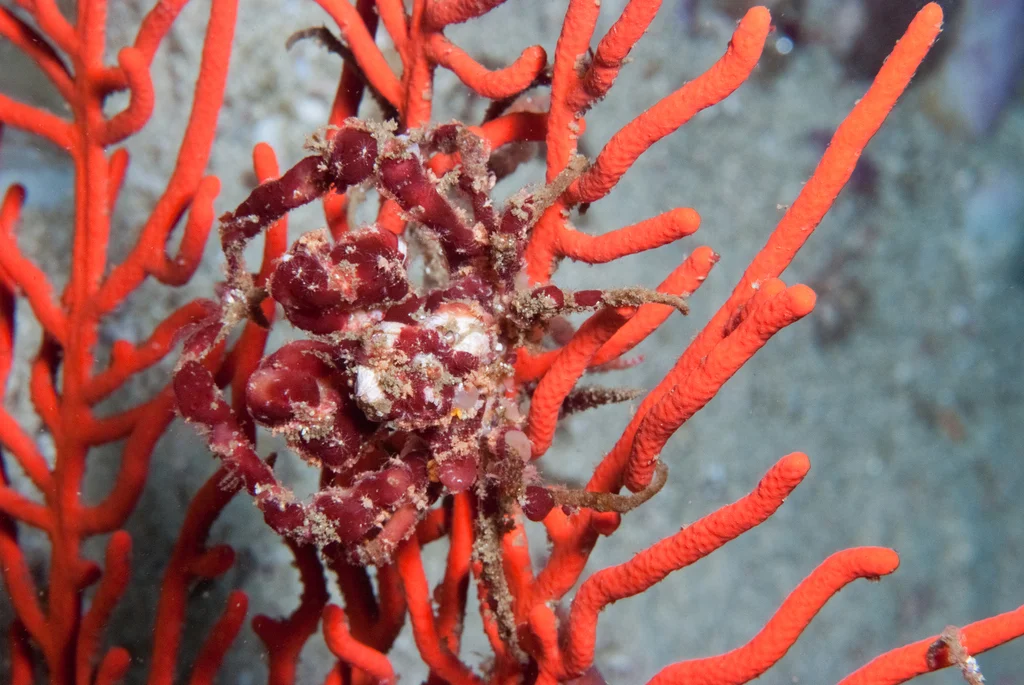
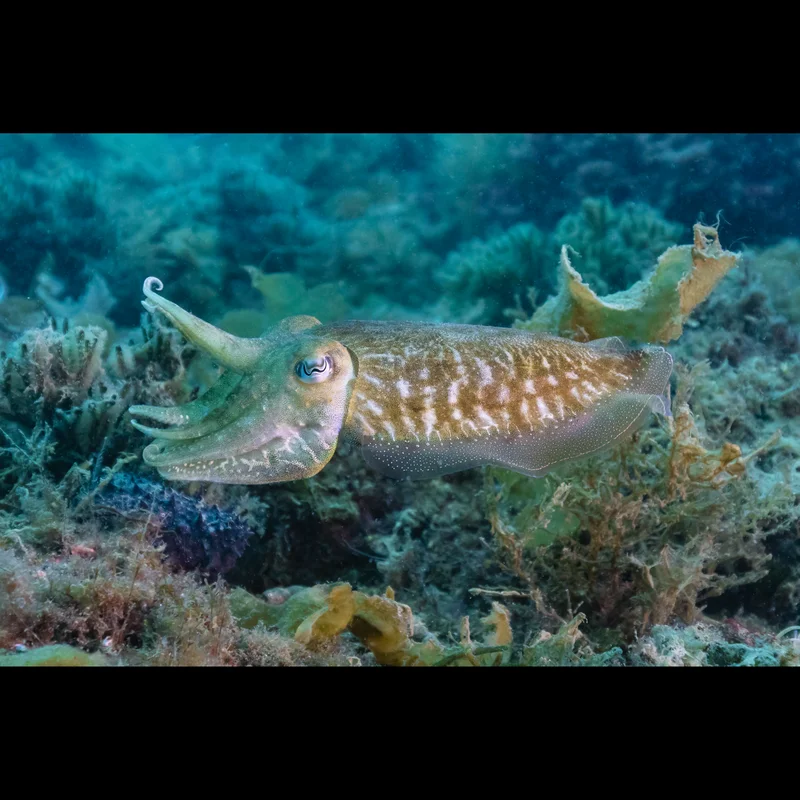
Keen observers might spot cuttlefish, blending seamlessly into their surroundings or displaying vibrant color changes. Spider crabs are often found camouflaged among the rocks and seaweed.
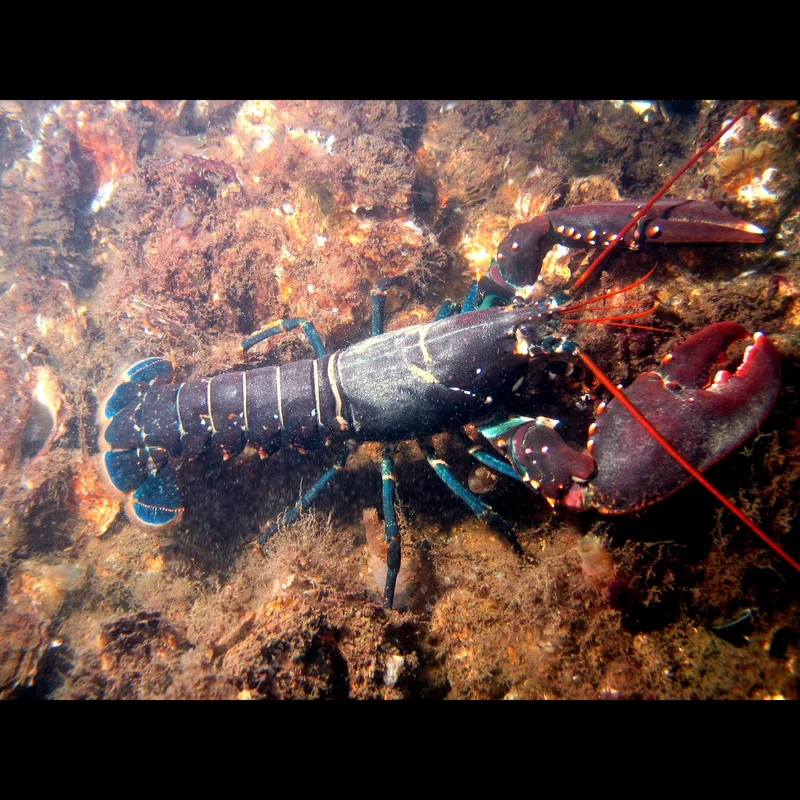
The U-boat wreckage itself provides a welcoming home for marine creatures, notably a large, long-lived lobster. Additionally, exploring the reef might reveal 'mermaid's purses' — the egg cases of catsharks, indicating their presence in the area. Further out in the seagrass beds, if explored, thornback rays, nursehounds, and various flatfish may be seen.

Dive Sites Near Castle Beach
View all dive sites in United KingdomDiscover more underwater gems in this area.
Dive Centers Near Castle Beach
Nearest Airports
Nearest airports to help plan travel to this dive area.
Search Flights
Check available flights and routes on Expedia, using the nearby airports listed in this section.
Search Flights on ExpediaFrequently Asked Questions
Is Castle Beach suitable for beginner divers?
Yes, Castle Beach is considered ideal for beginner divers due to its accessible shore entry and relatively shallow maximum depths of 7 to 8 m (23 to 26 ft). It provides a good environment for relaxed exploration.
What's the best tide for diving at Castle Beach?
Diving at high tide is strongly recommended. This improves underwater visibility and makes the shore entry much easier, allowing you to get into deeper water more quickly and avoid navigating exposed rocks.
What kind of historical wreck can be found here?
The remains of the UC92, a German World War I mine-laying U-boat, are found here. Its salvaged hull provides an interesting historical point of interest for divers, including its original mine-laying shaft.
What should I wear for the shore entry at Castle Beach?
Dive boots are highly recommended for the shore entry. The beach is pebbly, and the walk over rocks, particularly if not at high tide, can be challenging without proper footwear.
What marine life might I see?
The site hosts a variety of marine life, including wrasse, cuttlefish, and spider crabs among the kelp and rocks. The U-boat wreckage is also home to a large lobster, and mermaid's purses can sometimes be found.
Are there any particular wind conditions to avoid?
It's advisable to avoid diving at Castle Beach during strong easterly or any southeasterly winds. These conditions can make the dive challenging and potentially unsafe.
How far out is the dive site from the shore?
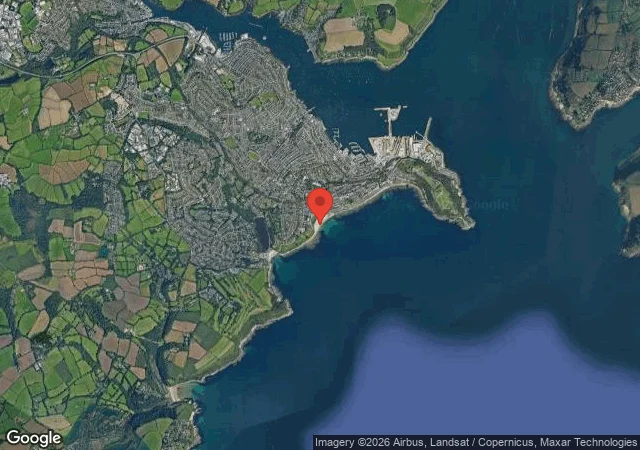
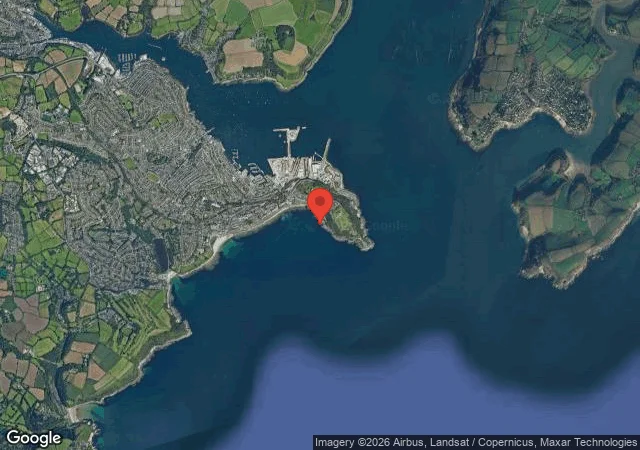
The main dive area, including the U-boat wreckage, is relatively close to shore, around 20 m (66 ft) south of the low water mark, in front of the Falmouth Hotel. Further out, surface swimming to marker buoys can lead to deeper reefs.
Planning to dive Castle Beach?
Send one inquiry and receive offers directly from the best verified local dive operators.
Conditions are Good
Optimal conditions expected
Current conditions near Castle Beach show 17° air, 19° sea temperature, 1.1 m waves, and 31 km/h wind. Forecast data is refreshed regularly to ensure accuracy.