
Diving at Gylly Beach (United Kingdom)
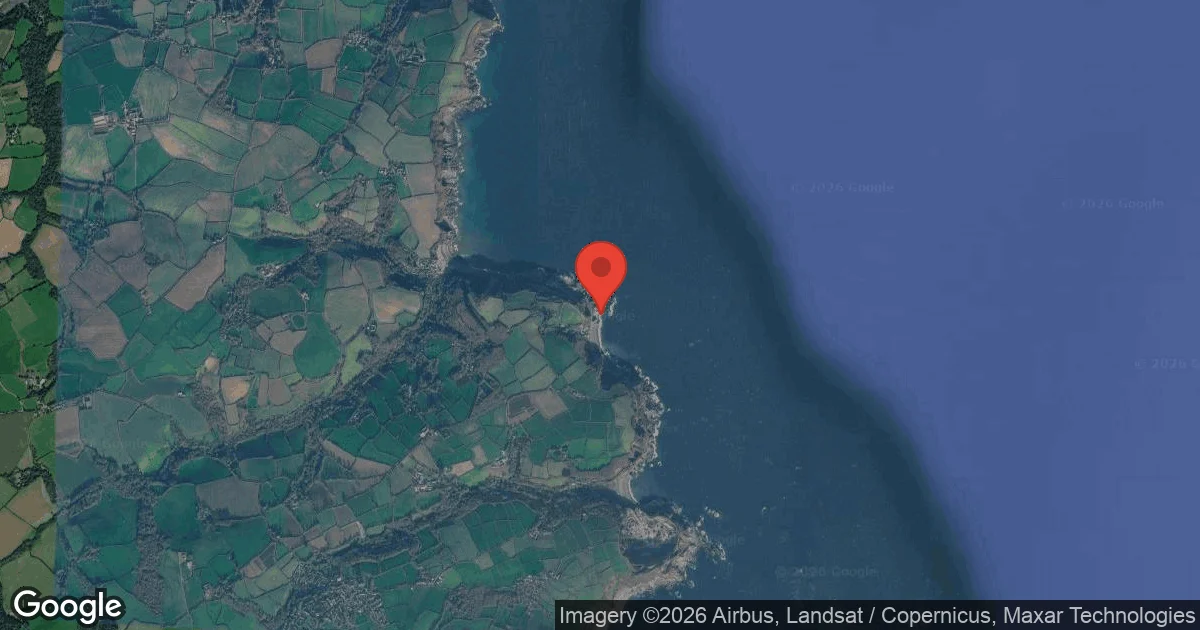
Gylly Beach offers a convenient shore entry to an underwater landscape featuring distinct northern and southern reef structures. Divers can navigate along these rocky formations, which are blanketed in kelp and various seaweeds, or explore the sandy expanses between them. The site's maximum depth typically reaches 10 m (32 ft), making it accessible for a range of dive experiences. It's a reliable location for observing a variety of marine life within a relatively sheltered environment.
Evening condition tracking at Gylly Beach features an air temperature of 16.5°C. We have recorded wave heights measuring 1.9 m during this period. These figures outline the environmental parameters currently present.
Dive Site Location & Key Facts
Dive Site Overview
Gylly Beach presents a straightforward shore diving experience, distinguished by both natural reef and historical remnants. The site gained a notable historical dimension with the 1916 grounding of the SS Ponus, an oil tanker.
While originally a small wreck site, the Ponus was significantly flattened by another vessel in 2019; its remains now consist of scattered plates that provide shelter for fish. Divers exploring Gylly Beach can follow two main reef lines, one to the east and one to the west, both adorned with kelp and various seaweeds. These rocky areas border a sandy bottom.
Heading further out, the extensive seagrass bed in Falmouth Bay offers a different ecological zone. This location's relatively shallow maximum depth, reaching around 10 m (32 ft), along with its sheltered position within Falmouth's geography, renders it suitable for both newer and more experienced divers seeking accessible exploration.
Conditions are Moderate
Optimal conditions expected
Current conditions near Gylly Beach show 17° air, 15° sea temperature, 2.0 m waves, and 35 km/h wind. Forecast data is refreshed regularly to ensure accuracy.
Best Time to Dive
Planning a dive at Gylly Beach is generally most favorable during the late spring and summer months when conditions are calmer. May and June typically offer the best dive scores, with average air temperatures rising to 13-16°C (55-61°F) and the lowest average wave heights, around 1.3-1.4 meters. Rainfall is also minimal during this period, particularly in May, averaging only 2.1 mm. While specific water temperature data isn't consistently reported, UK waters necessitate appropriate thermal protection. Although July and August also present warmer air temperatures, around 16-17°C (61-63°F), wave heights can show a slight increase. Generally, calm days with minimal wind enhance overall visibility and comfort for shore diving here.
PEAK SEASON SCORE
Scores combine air & water temps, waves, wind & rainfall for overall conditions.
BEST MONTHS TO DIVE
Monthly records compiled from satellite and marine observation nodes over the last 3 years. Data provided by Open-Meteo and MET Norway.
Dive Experience & Conditions
Accessing Gylly Beach for a dive is typically a straightforward shore entry, providing an easy descent into the water directly from the sandy beach. Once submerged, divers have several navigational options. One common approach involves heading out to about 6 meters (20 ft) and then turning left (east) to follow a reef line, exploring its contours before returning. Alternatively, a similar reef system exists to the right. Divers can also head straight out into the bay to encounter seagrass beds, which are known habitats for various marine species. The site's maximum depth is around 10 m (32 ft), offering ample time for exploration. This sheltered location contributes to a generally calmer diving experience, although visibility can vary depending on recent weather and tidal movements.
Dive Difficulty & Safety Guidelines
When diving Gylly Beach, it's prudent to carry a surface marker buoy (SMB) to enhance visibility to any passing boat traffic, which can occasionally occur in the bay. While there are no major hazards consistently reported for this site, understanding local tides is beneficial for planning an optimal dive. High tide is often cited as the best time to dive, facilitating easier entry and exit, especially if exploring further out.
Given the site's accessibility and moderate depth, Gylly Beach is suitable for divers of varying experience levels. Always dive within your training limits and consider local advice, particularly regarding Falmouth's dynamic tidal conditions.
Recommended Equipment
- Dive Computer
- Hard-soled Dive Boots
This gear list is based on verified equipment signals for Gylly Beach, United Kingdom. Always confirm final gear choices with your dive operator, guide, or liveaboard.
Recommended Dive Suit
For dives of average duration, 7mm wetsuit or semidry usually provides sufficient protection from heat loss. Consider warmer surface protection (like a boat coat) due to brisk winds. A thermal robe or jacket is recommended between dives.
Divers planning a dive at Gylly Beach today will likely encounter water temperatures close to 15°C (59°F). Surface air temperatures are resting at 17°C (62°F).
Weather projections show fairly stable environmental conditions ahead.
Emergency & Medical Support
Essential information to help you plan your dive trip to Gylly Beach.

Hyperbaric chambers are a critical part of dive safety infrastructure. Availability varies significantly by region, and not all dive areas have immediate access.
Before diving, it's recommended to:
- confirm nearest medical facilities
- check emergency procedures with local dive operators
- ensure dive insurance covers evacuation if required
Divers Alert Network
Diving emergency assistance available through DAN Europe.
+39 0642115685- 24/7 emergency hotline
- Diving medical assistance
- Evacuation coordination
Emergency contacts are provided for reference. Always verify local emergency services before diving.
Closest Listed Hyperbaric Chambers
Showing listed hyperbaric chamber facilities within 200 km of this dive site.
Distances are approximate straight-line distances and may not reflect emergency travel time.
DDRC Healthcare
24/7 ListedICU CapablePlymouth, United Kingdom•Approx. 75 km straight-line
DDRC Healthcare
24/7 ListedICU CapableInformation is provided for reference and planning purposes only. Dive Navigator does not verify operational status, staffing, availability, or quality of care at listed facilities. In an emergency, contact local emergency services, DAN, your dive operator, or the chamber directly. Do not travel to a facility without calling ahead.
Marine Life at Gylly Beach
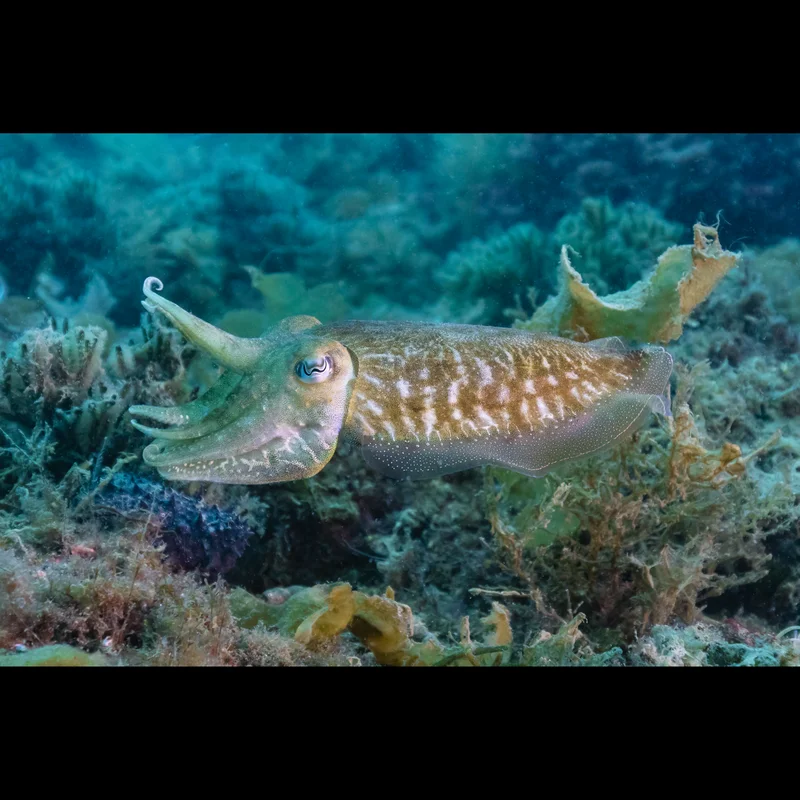
The underwater environment at Gylly Beach is notably rich in marine life, particularly around its seagrass beds. These areas frequently host various cephalopods, including bobtail squid, common squid, and cuttlefish, which are often observed hunting or breeding here.
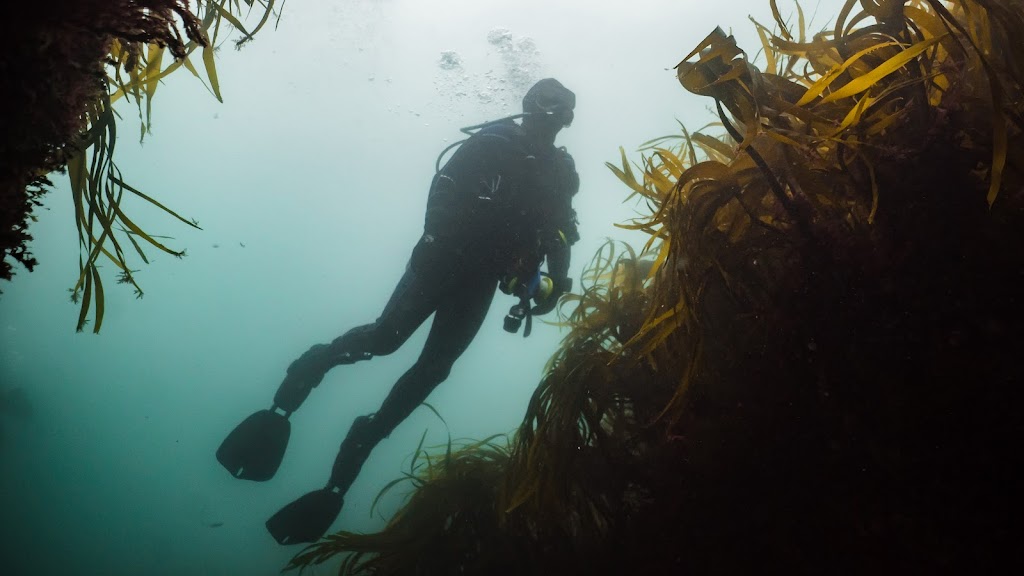
The rocky reefs are carpeted with kelp and other seaweeds, creating microhabitats for smaller species. Divers exploring the seagrass might encounter Thornback Rays, Nursehounds, and various flatfish.
Sightings of the more elusive John Dorys have also been reported in these beds, especially during night dives. Garfish are sometimes seen predating on shoals of sandeels along the reef lines.

Dive Sites Near Gylly Beach
View all dive sites in United KingdomDiscover more underwater gems in this area.
Dive Centers Near Gylly Beach
Nearest Airports
Nearest airports to help plan travel to this dive area.
Search Flights
Check available flights and routes on Expedia, using the nearby airports listed in this section.
Search Flights on ExpediaFrequently Asked Questions
What is the typical depth at Gylly Beach?
Gylly Beach typically reaches a maximum depth of 10 m (32 ft). This relatively shallow depth makes it accessible for divers of varying experience levels, allowing for ample exploration time.
What kind of dive entry should I expect at Gylly Beach?
Divers access Gylly Beach via a straightforward shore entry directly from the sandy beach. This provides an easy descent into the water, particularly facilitating entry and exit at high tide.
Is there a wreck at Gylly Beach?
Yes, the remains of the SS Ponus, an oil tanker that grounded in 1916, are present. While significantly flattened by a later incident, its scattered plates now offer shelter for various marine species.
When are the best conditions for diving Gylly Beach?
Late spring and summer, particularly May and June, generally offer the calmest conditions and lowest average wave heights. High tide is often recommended for easier entry and exit, enhancing the overall dive experience.
What marine life might I encounter at Gylly Beach?
The seagrass beds are known for cephalopods such as bobtail squid, common squid, and cuttlefish. Divers might also spot Thornback Rays, Nursehounds, various flatfish, and occasionally John Dorys, especially in the seagrass.
What safety equipment is recommended for diving at Gylly Beach?
Carrying a surface marker buoy (SMB) is prudent for enhancing visibility to occasional boat traffic in the bay. Additionally, robust thermal protection like a drysuit or thick wetsuit is essential for comfort in temperate UK waters.
Planning to dive Gylly Beach?
Send one inquiry and receive offers directly from the best verified local dive operators.
Conditions are Moderate
Optimal conditions expected
Current conditions near Gylly Beach show 17° air, 15° sea temperature, 2.0 m waves, and 35 km/h wind. Forecast data is refreshed regularly to ensure accuracy.