
Diving at Swanpool (United Kingdom)
Swanpool presents varied coastal conditions for divers, influenced significantly by seasonal shifts and tidal movements. Visibility can fluctuate, often clearer on calmer days when wave heights are minimal, typically during late spring and early summer. Air temperatures peak around 17°C (63°F) in August, cooling to 7°C (45°F) in January. Water temperatures are not consistently reported for this specific site, though divers should anticipate typical temperate UK coastal conditions, requiring appropriate thermal protection year-round.
Tonight's objective overview for Swanpool shows an air temperature of 15.5°C. The measured surface conditions include wave heights around 1.6 m. This environmental data is logged for the close of the day.
Dive Site Location & Key Facts
Dive Site Overview
Swanpool has evolved into a key entry-level training ground for divers exploring the Cornish coastline. Its sheltered nature and shallow profile historically made it an accessible location, especially for those new to temperate water diving.
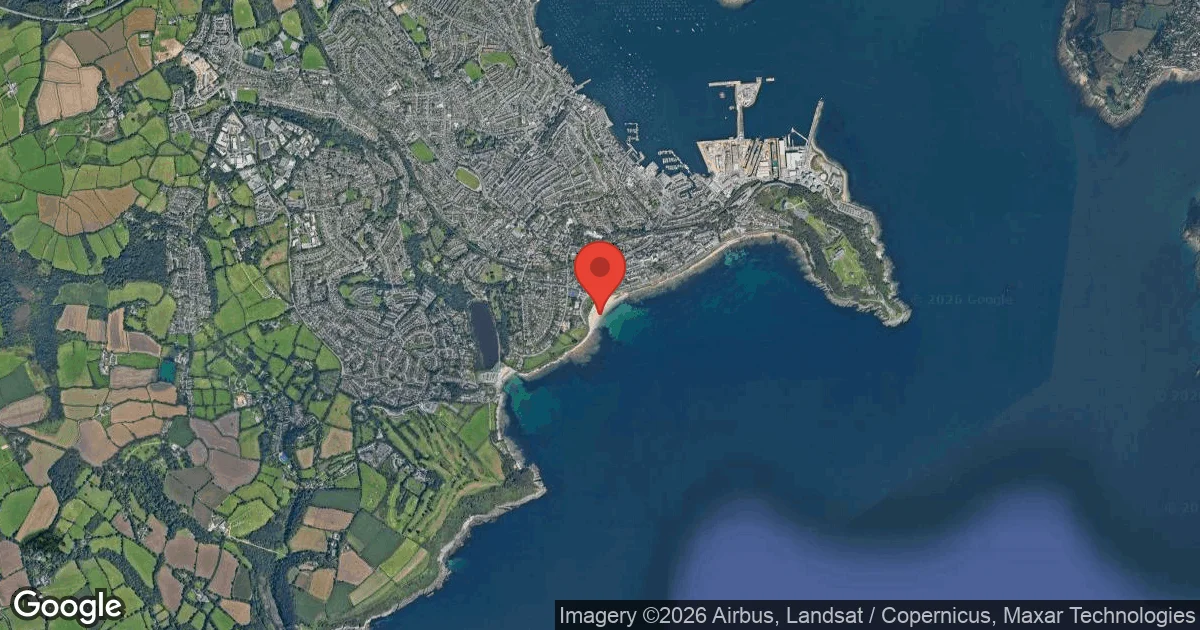
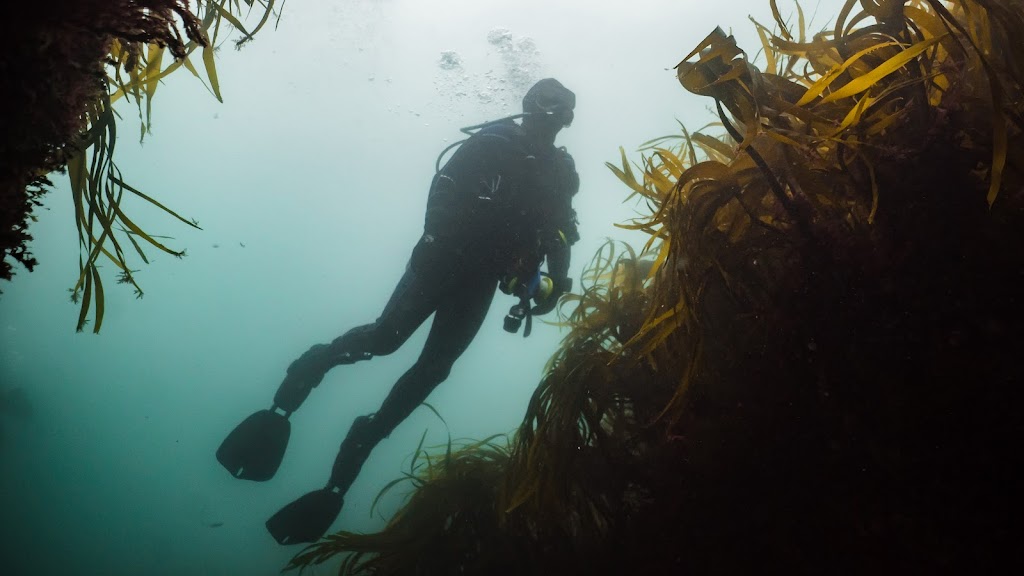
A gentle sandy slope characterizes the site, transitioning into rocky and kelp-covered reef areas. These reef structures extend to both the left and right sides of the beach. It consistently provides an environment suitable for instruction and skill development, thanks to a maximum depth of 6 meters (20 feet) during high tide.
Combining open sand with reef structures, this natural setting supports a diverse array of smaller marine life, making initial observations engaging. Often used by local dive centers for certifications, it sees regular activity.
Understanding its function as a gradual introduction to local marine environments helps frame the dive experience here. Strong currents are avoided, which can challenge beginners.
A relatively calm setting is typical when tidal conditions are favorable, making it a reliable spot for foundational dive experiences. While it serves as a robust training locale, experienced divers might find value in its subtle ecological details, focusing on macro life within the kelp forests and rocky crevices rather than expansive vistas. Easy access, combined with a protective setting, underscores its consistent role in the regional diving community for both learning and casual exploration.
Conditions are Moderate
Optimal conditions expected
Current conditions near Swanpool show 16° air, 16° sea temperature, 1.8 m waves, and 34 km/h wind. Forecast data is refreshed regularly to ensure accuracy.
Best Time to Dive
To maximize your diving enjoyment at Swanpool, consider visiting during the late spring and early summer months, particularly May and June. During this period, the dive score rating is consistently 'Good,' reflecting more favorable conditions. Average wave heights drop to their lowest, around 1.4 meters (4.6 feet) in May and 1.4 meters (4.6 feet) in June, significantly improving underwater visibility and ease of entry. Rain levels are also at their annual minimum, averaging 2.13 mm in May and 2.28 mm in June. Air temperatures begin to rise, reaching a comfortable 13.5°C (56°F) in May and 16°C (61°F) in June, which aids comfort during surface intervals. While July, August, and September also offer 'Moderate' dive scores, waves begin to increase slightly, and there's a minor uptick in rainfall. For calmer waters and clearer conditions, the shoulder months leading into peak summer generally provide the most consistent and pleasant experience.
PEAK SEASON SCORE
Scores combine air & water temps, waves, wind & rainfall for overall conditions.
BEST MONTHS TO DIVE
Monthly records compiled from satellite and marine observation nodes over the last 3 years. Data provided by Open-Meteo and MET Norway.
Dive Experience & Conditions
Entering the water, divers encounter a gradually sloping sandy bottom. Conditions remain relatively shallow, reaching a maximum depth of 6 meters (20 feet) specifically at high tide; this suits beginners and training dives. As one progresses, sand gives way to extensive rocky outcrops and areas dense with kelp, forming a natural reef structure stretching along both sides of the bay. Water temperature information for this precise location isn't consistently reported. However, divers exploring UK waters should always expect cooler conditions requiring a thick wetsuit or drysuit. Visibility varies depending on recent weather, local currents, and tide, but on calmer days, ample clarity allows for observing reef inhabitants. A sheltered nature often mitigates strong currents, offering a generally placid environment for exploration, though tidal flow dictates the optimal dive window.
Dive Difficulty & Safety Guidelines
An essential consideration for diving at Swanpool is timing your entry specifically for high tide. Doing so isn't just for optimal depth; it's a critical measure to minimize disturbance to local seal populations, known to use this area. Disrupting their natural resting and hauling-out behaviors causes stress and harms wildlife conservation efforts.
Always plan your dive around local tide tables to ensure sufficient water depth for safe diving and adherence to responsible wildlife interaction. As a shore dive, careful entry and exit over varied terrain are also advisable.
No other hazards are consistently reported for this site. However, maintaining awareness of surroundings and having a dive buddy are standard best practices that apply here.
Local conditions, such as currents or visibility, can change, so a thorough pre-dive check is always prudent.
Recommended Equipment
- Dive Computer
This gear list is based on verified equipment signals for Swanpool, United Kingdom. Always confirm final gear choices with your dive operator, guide, or liveaboard.
Recommended Dive Suit
Repeated dives during the same day can gradually reduce overall body warmth.
The water around Swanpool is currently holding at approximately 16°C (61°F), setting the tone for today's dives. Surface air temperatures are resting at 16°C (60°F). Divers spending extended time underwater often rely on 5-7mm wetsuit for balanced warmth and flexibility. Consider warmer surface protection (like a boat coat) due to brisk winds. A thermal robe or jacket is recommended between dives.
The upcoming forecast points to generally steady conditions in the area.
Due to technical issues with our weather providers, data hasn't been fetched for over 48 hours. The data above reflects the conditions at the time of the last successful fetch.
Emergency & Medical Support
Essential information to help you plan your dive trip to Swanpool.

Hyperbaric chambers are a critical part of dive safety infrastructure. Availability varies significantly by region, and not all dive areas have immediate access.
Before diving, it's recommended to:
- confirm nearest medical facilities
- check emergency procedures with local dive operators
- ensure dive insurance covers evacuation if required
Divers Alert Network
Diving emergency assistance available through DAN Europe.
+39 0642115685- 24/7 emergency hotline
- Diving medical assistance
- Evacuation coordination
Emergency contacts are provided for reference. Always verify local emergency services before diving.
Closest Listed Hyperbaric Chambers
Showing listed hyperbaric chamber facilities within 200 km of this dive site.
Distances are approximate straight-line distances and may not reflect emergency travel time.
DDRC Healthcare
24/7 ListedICU CapablePlymouth, United Kingdom•Approx. 75 km straight-line
DDRC Healthcare
24/7 ListedICU CapableInformation is provided for reference and planning purposes only. Dive Navigator does not verify operational status, staffing, availability, or quality of care at listed facilities. In an emergency, contact local emergency services, DAN, your dive operator, or the chamber directly. Do not travel to a facility without calling ahead.
Marine Life at Swanpool
Upon entering Swanpool's waters, divers frequently notice abundant wrasse, often spotted navigating kelp and rocky crevices. Crabs are a common sight, scuttling across sandy patches and among rocks.
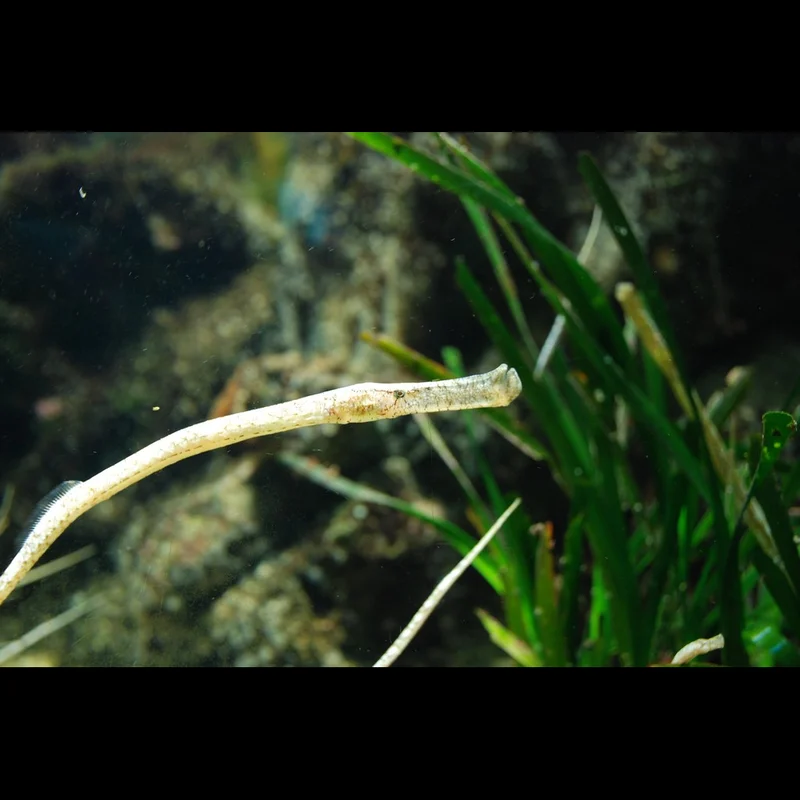
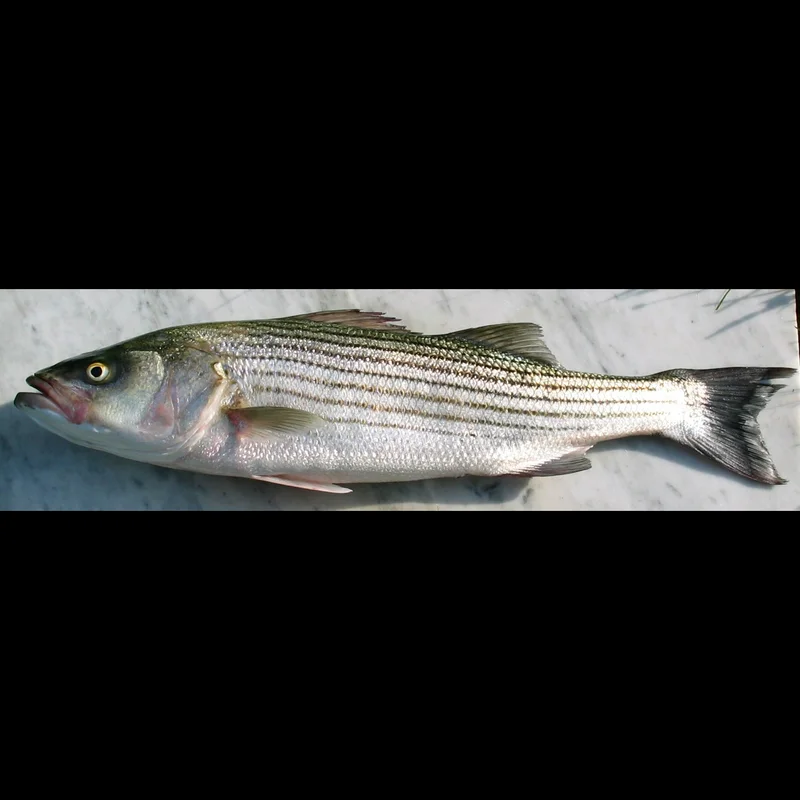
Keep an eye out for pipefish, which blend well into the reef environment. Bass and pollack can be observed cruising reef edges here.
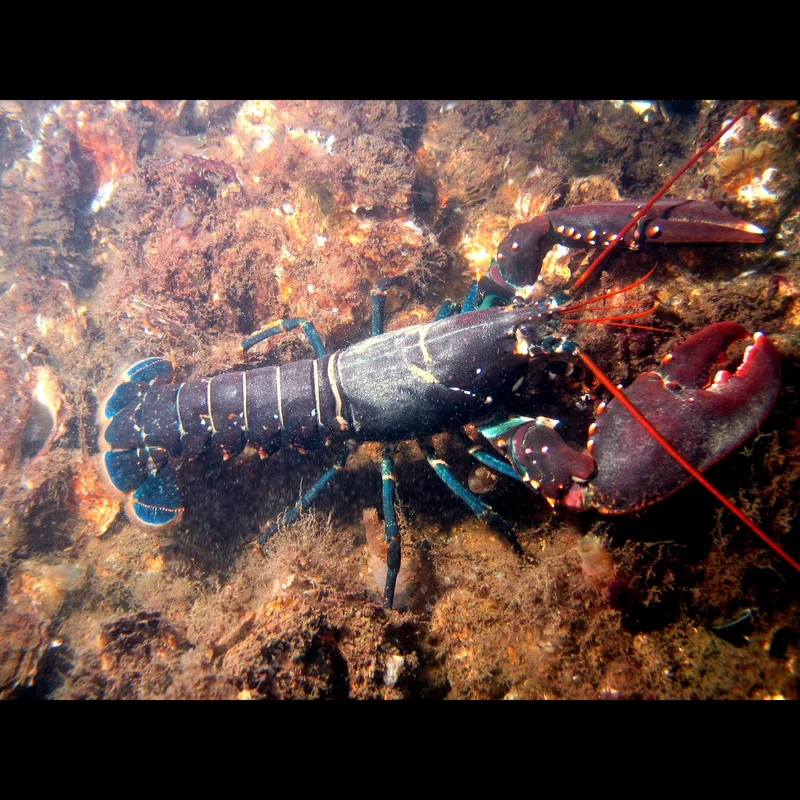
Divers might encounter jellyfish gently pulsating through the water column, alongside hermit crabs foraging on the seabed, and various lobsters tucked into their hiding spots. Plaice occasionally appear camouflaged on the sand, adding to the rich biodiversity of this accessible reef.


Dive Sites Near Swanpool
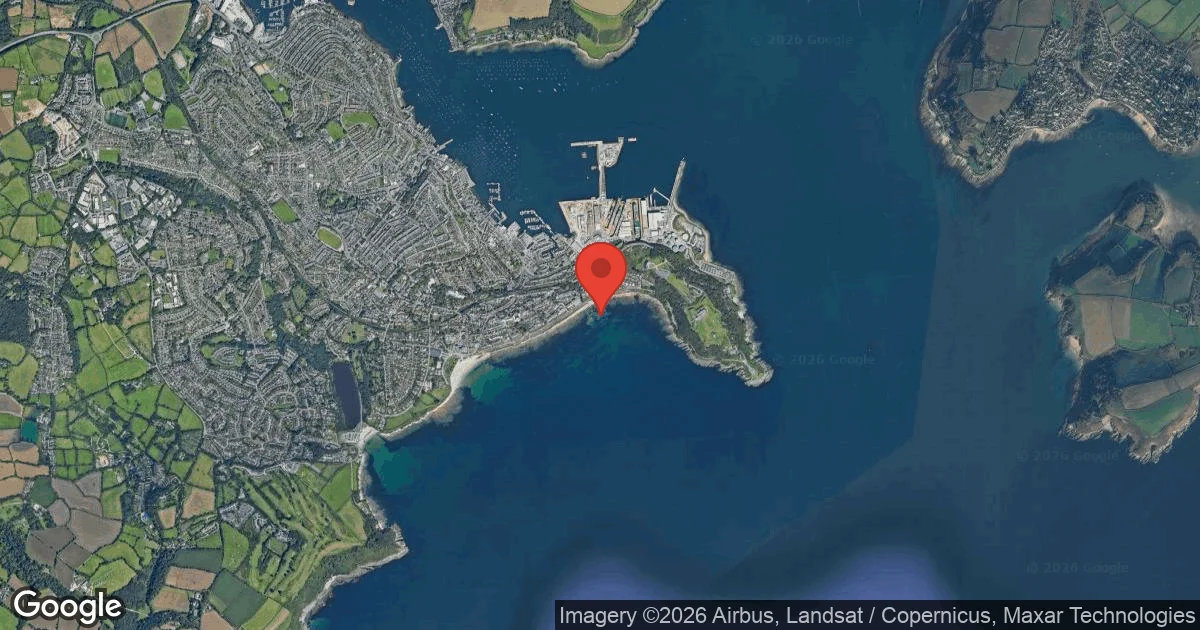
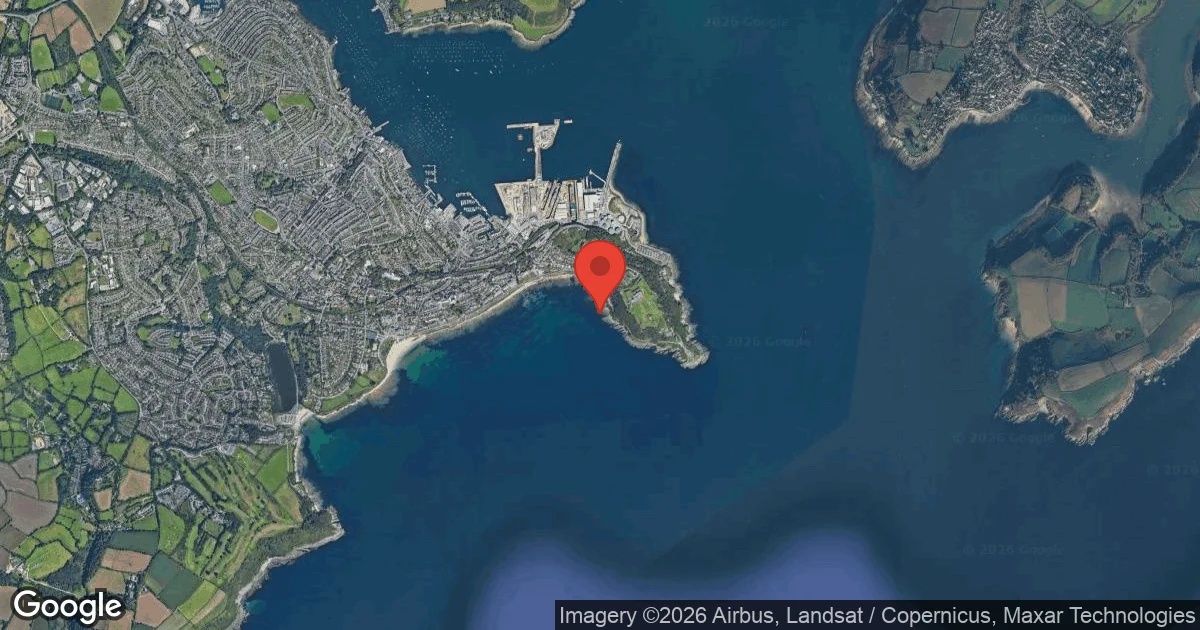
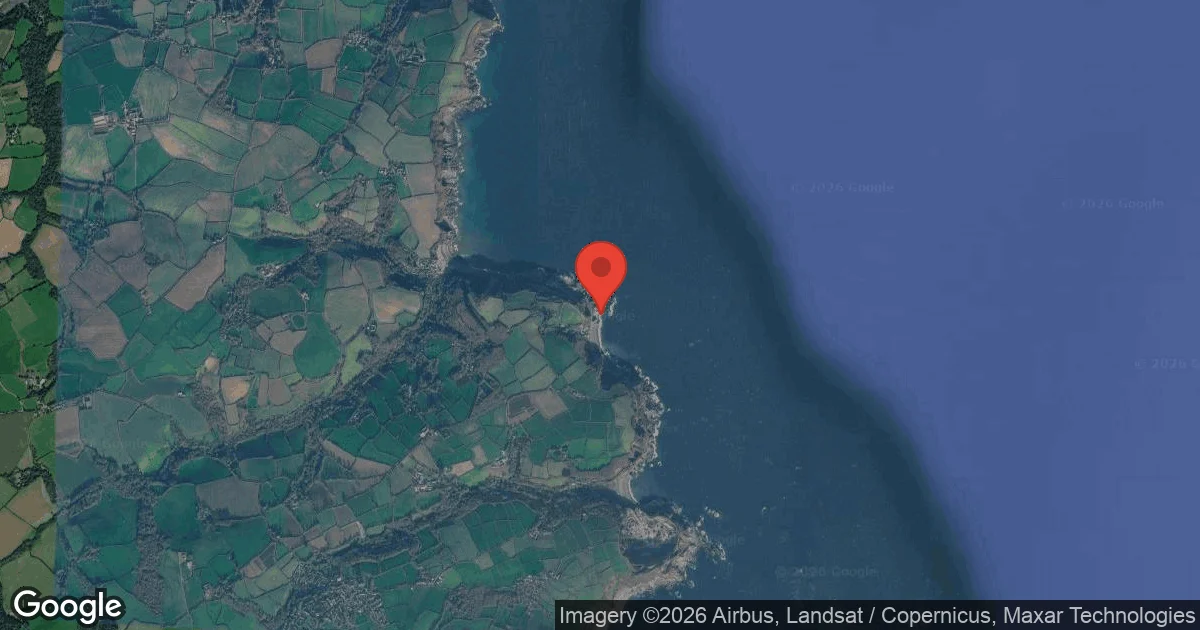
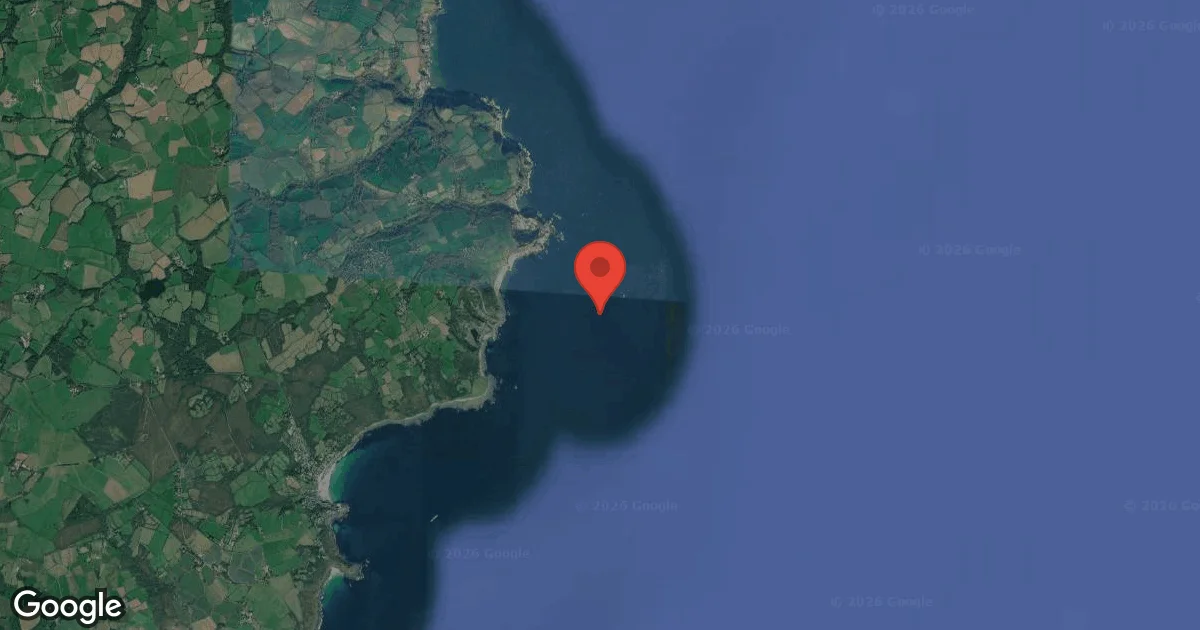
View all dive sites in United KingdomDiscover more underwater gems in this area.
Dive Centers Near Swanpool
Nearest Airports
Nearest airports to help plan travel to this dive area.
Search Flights
Check available flights and routes on Expedia, using the nearby airports listed in this section.
Search Flights on ExpediaFrequently Asked Questions
What is the maximum depth at Swanpool?
Swanpool offers a maximum depth of 6 meters (20 feet) during high tide. This shallow profile makes it particularly suitable for entry-level divers and training sessions.
Is Swanpool suitable for beginner divers?
Yes, Swanpool is considered ideal for entry-level training. Its gradual sandy slope, shallow depth, and generally calm conditions make it an excellent site for learning and skill development.
What type of marine life can I expect to see?
Divers commonly spot wrasse, crabs, and pipefish within the reef. You may also encounter bass, pollack, jellyfish, hermit crabs, lobsters, and plaice residing in the sandy and kelp-covered areas.
Are there any specific tidal considerations for diving Swanpool?
Yes, it's crucial to dive Swanpool exclusively at high tide. This practice helps ensure adequate water depth and, importantly, minimizes disturbance to the local seal population that uses the area.
What are the best months to dive at Swanpool?
Late spring and early summer, particularly May and June, offer the most favorable conditions. During these months, wave heights are typically lower, rainfall is minimal, and air temperatures are more comfortable.
What is the typical water temperature?
Specific water temperature data for Swanpool isn't consistently reported. However, divers should anticipate cool temperate UK coastal waters and plan to wear appropriate thermal protection like a thick wetsuit or drysuit.
Is Swanpool a shore dive or boat dive?
Swanpool is primarily a shore dive, offering easy access from the beach. This makes it convenient for training and recreational dives without the need for boat transportation.
Planning to dive Swanpool?
Send one inquiry and receive offers directly from the best verified local dive operators.
Conditions are Moderate
Optimal conditions expected
Current conditions near Swanpool show 16° air, 16° sea temperature, 1.8 m waves, and 34 km/h wind. Forecast data is refreshed regularly to ensure accuracy.