
Diving at Silver Steps (United Kingdom)
Silver Steps holds a compelling historical undercurrent, with fragmented remnants of several First World War German U-boats scattered across its seabed. Alongside these, parts of the tugboat 'Alice' contribute to the site's intriguing tapestry of historical wrecks. This destination offers more than just marine encounters; it provides a tangible link to maritime history for those who explore its depths.
As evening covers Silver Steps, the local air temperature is measured at 17°C. The current wave height at the surface is recorded at 0.9 m. These late-day readings characterize the surface conditions for the night.
Dive Site Location & Key Facts
Dive Site Overview
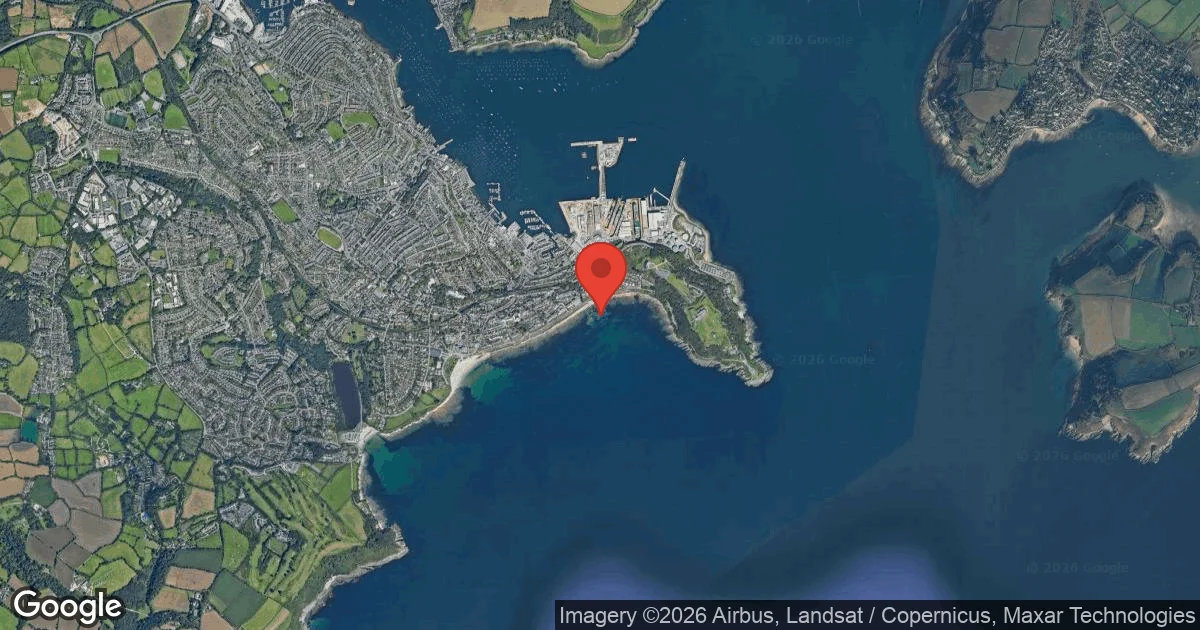
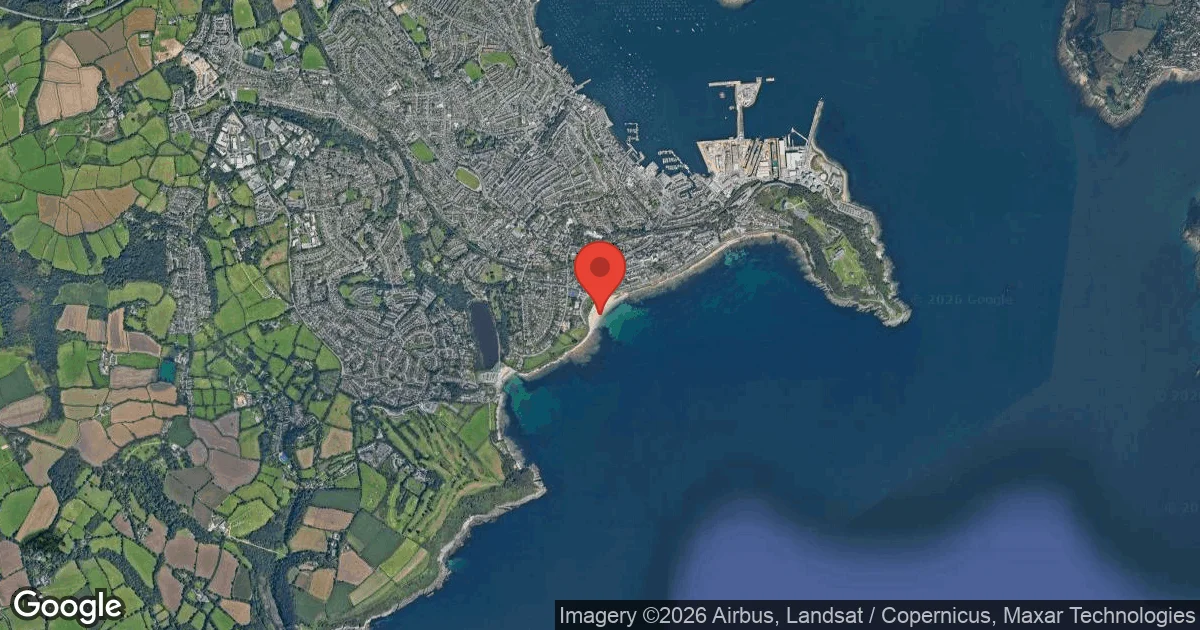
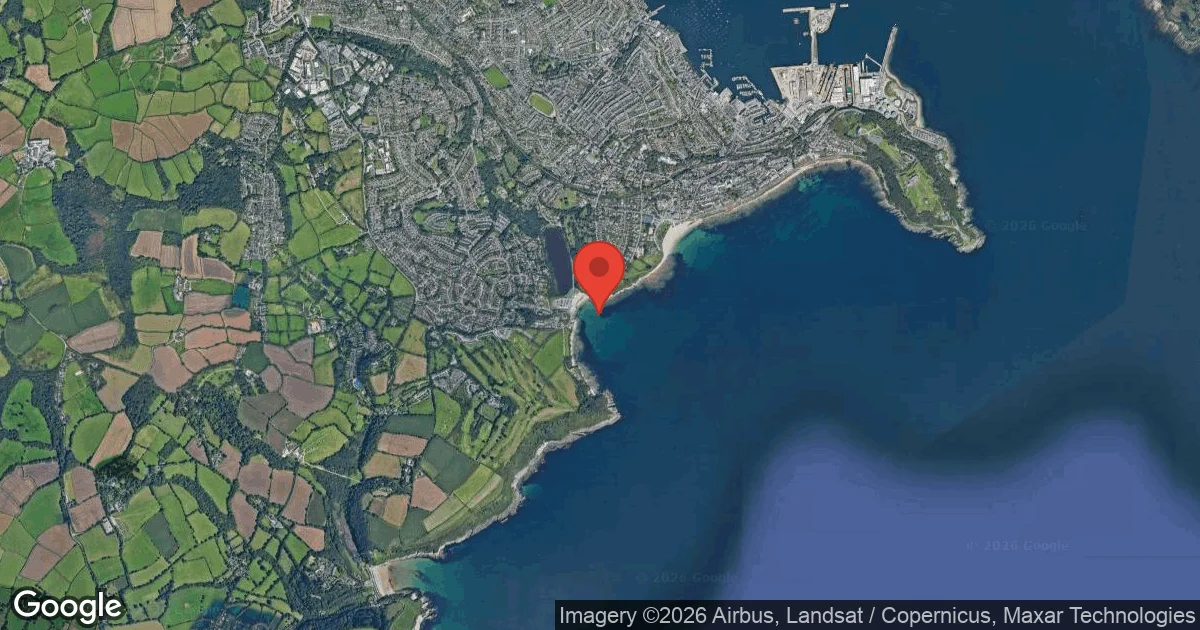
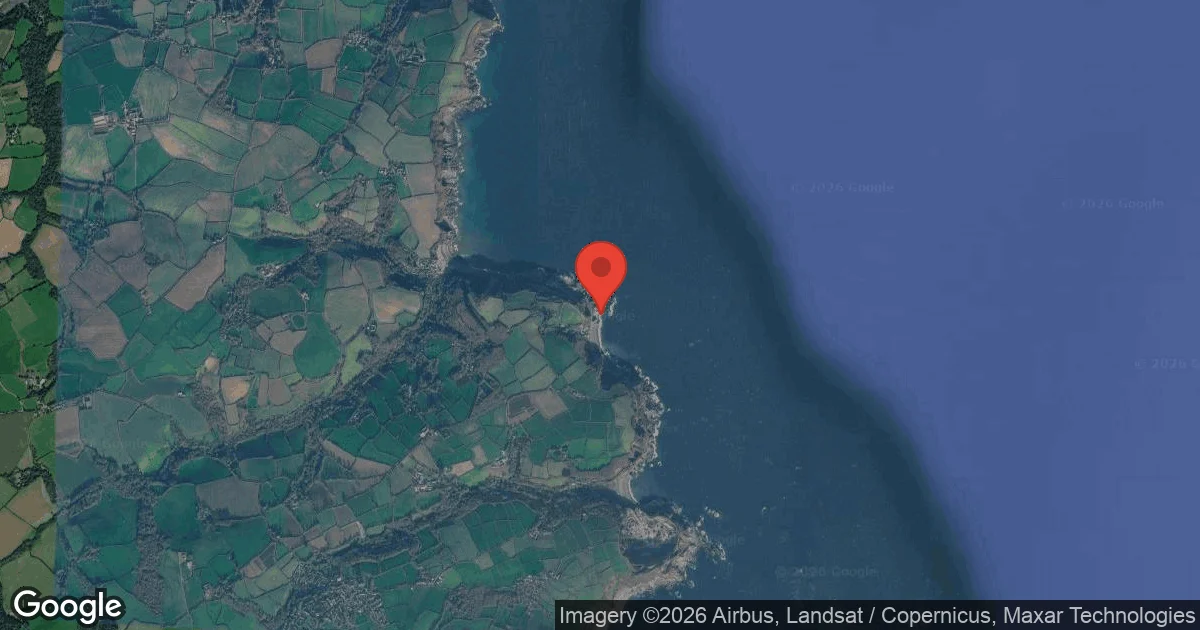
This site in Falmouth, Cornwall, distinguishes itself as a premier shore diving location, consistently earning a place in many divers' regular rotation. It's not about extreme depth or dramatic walls here; instead, it provides a tranquil yet engaging underwater experience.
Catering to a wide range of skill sets, Silver Steps serves as an ideal spot for new divers, those returning after a break, or experienced divers seeking a relaxed outing. The accessibility via a gentle path and concrete steps into the sea makes entry remarkably straightforward, especially at high tide. Beyond its convenience, the site offers a rich tapestry of marine life and the intriguing broken remains of German U-boats and the tugboat 'Alice,' adding historical context to your dive.
Depths typically range from 0 to 12 m (0-39 ft), with the possibility of reaching 15 m (49 ft) on high tide if venturing further offshore, ensuring an accessible yet rewarding exploration.
Conditions are Moderate
Optimal conditions expected
Current conditions near Silver Steps show 17° air, 16° sea temperature, 1.2 m waves, and 36 km/h wind. Forecast data is refreshed regularly to ensure accuracy.
Best Time to Dive
Optimal diving conditions generally prevail from May to September, when air temperatures are most favorable, averaging around 13.5°C (56°F) in May and rising to 17°C (63°F) in August, before settling at 15.5°C (60°F) in September. During these months, rainfall is typically lower, contributing to better overall site conditions. Locals do dive here year-round, but expect considerably colder air temperatures during winter, which hover around 7°C (45°F) in January and 9°C (48°F) in December, alongside increased wave heights and rainfall. A drysuit is practically essential for diving outside the warmer summer period, and a warm post-dive drink is highly recommended during colder months.
PEAK SEASON SCORE
Scores combine air & water temps, waves, wind & rainfall for overall conditions.
BEST MONTHS TO DIVE
Monthly records compiled from satellite and marine observation nodes over the last 3 years. Data provided by Open-Meteo and MET Norway.
Dive Experience & Conditions
The site earns its name from the concrete steps providing a relaxed entry, particularly smooth at high tide. Divers typically descend to an average depth of 0–12 m (0-39 ft), although depths up to 15 m (49 ft) are achievable further out during higher tides. Visibility typically ranges from 3–8 m (10-26 ft) on a good day; however, this can significantly decrease following periods of storms or heavy swell. Conditions here often shift based on tidal state and recent weather, making pre-dive checks essential. Water temperatures fluctuate, from a winter low of around 8°C (46°F) to approximately 17°C (63°F) in late summer. This variation dictates exposure protection needs; a 5-7mm wetsuit suits summer, while a drysuit is advisable for colder seasons.
Dive Difficulty & Safety Guidelines
Even for Open Water certified divers, understanding the local environment is key. Divers should always verify tide times and current weather forecasts before entry, as surge can develop unexpectedly. The proximity to boating lanes, especially in summer, makes using a Surface Marker Buoy (DSMB) a critical safety measure.
It's also wise to remain vigilant for fishing lines and the presence of shore anglers along the rocks. For night dives, thorough daylight reconnaissance of the site and a backup torch are strongly recommended, ideally with a shore marshal providing support.
Sharing the site with local dive schools, particularly on weekends, is common, so awareness of other divers is important.
Recommended Equipment
Overhead / entanglement risk. Wreck penetration requires proper training.
- Dive Computer
- Primary & Backup Lights
- Wreck Reel
- Cutting Tool
This gear list is based on verified equipment signals for Silver Steps, United Kingdom. Always confirm final gear choices with your dive operator, guide, or liveaboard.
Recommended Dive Suit
For dives of average duration, 5-7mm wetsuit usually provides sufficient protection from heat loss. Consider warmer surface protection (like a boat coat) due to brisk winds. A thermal robe or jacket is recommended between dives.
Divers entering the water at Silver Steps today can expect temperatures near 16°C (60°F) beneath the surface. Surface air temperatures are resting at 17°C (63°F).
Weather projections show fairly stable environmental conditions ahead.
Emergency & Medical Support
Essential information to help you plan your dive trip to Silver Steps.

Hyperbaric chambers are a critical part of dive safety infrastructure. Availability varies significantly by region, and not all dive areas have immediate access.
Before diving, it's recommended to:
- confirm nearest medical facilities
- check emergency procedures with local dive operators
- ensure dive insurance covers evacuation if required
Divers Alert Network
Diving emergency assistance available through DAN Europe.
+39 0642115685- 24/7 emergency hotline
- Diving medical assistance
- Evacuation coordination
Emergency contacts are provided for reference. Always verify local emergency services before diving.
Closest Listed Hyperbaric Chambers
Showing listed hyperbaric chamber facilities within 200 km of this dive site.
Distances are approximate straight-line distances and may not reflect emergency travel time.
DDRC Healthcare
24/7 ListedICU CapablePlymouth, United Kingdom•Approx. 74 km straight-line
DDRC Healthcare
24/7 ListedICU CapableInformation is provided for reference and planning purposes only. Dive Navigator does not verify operational status, staffing, availability, or quality of care at listed facilities. In an emergency, contact local emergency services, DAN, your dive operator, or the chamber directly. Do not travel to a facility without calling ahead.
Marine Life at Silver Steps
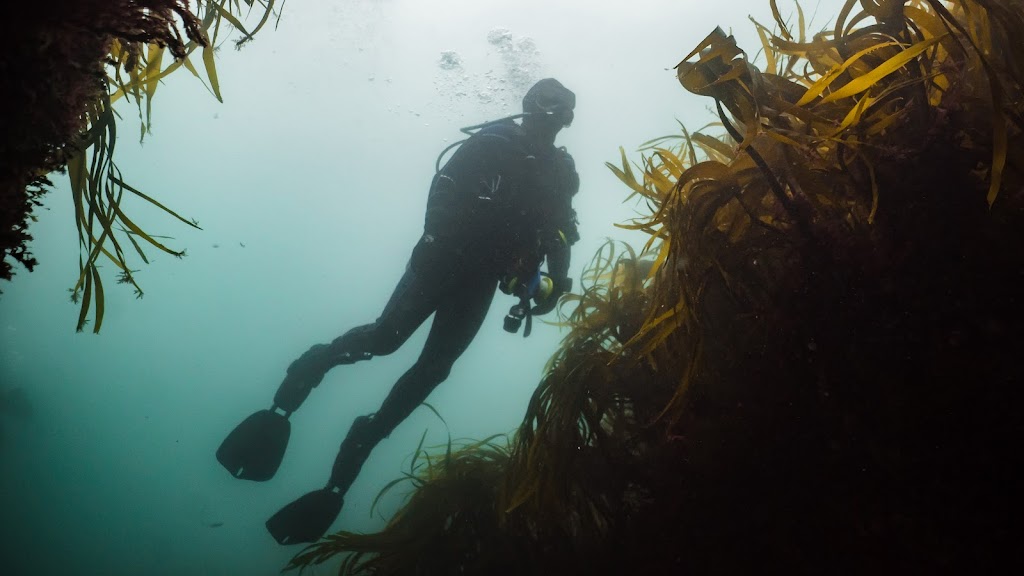
Beneath the surface, the varied underwater landscape of Silver Steps reveals lush kelp forests and numerous rocky outcrops. These habitats are home to an array of macro life, making it an excellent spot for detailed observational dives.
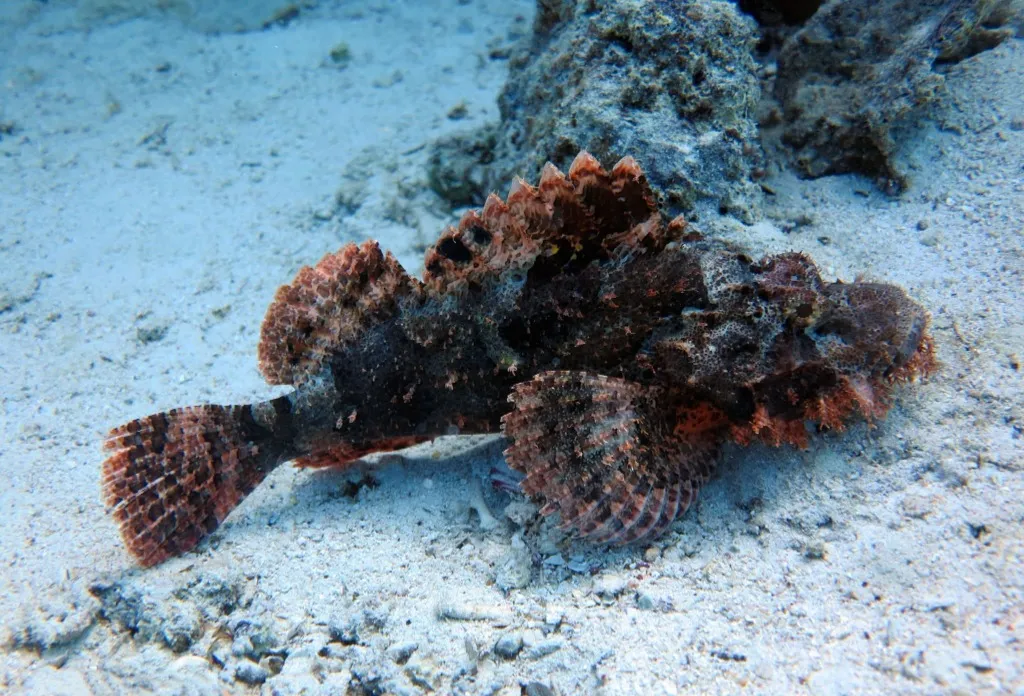
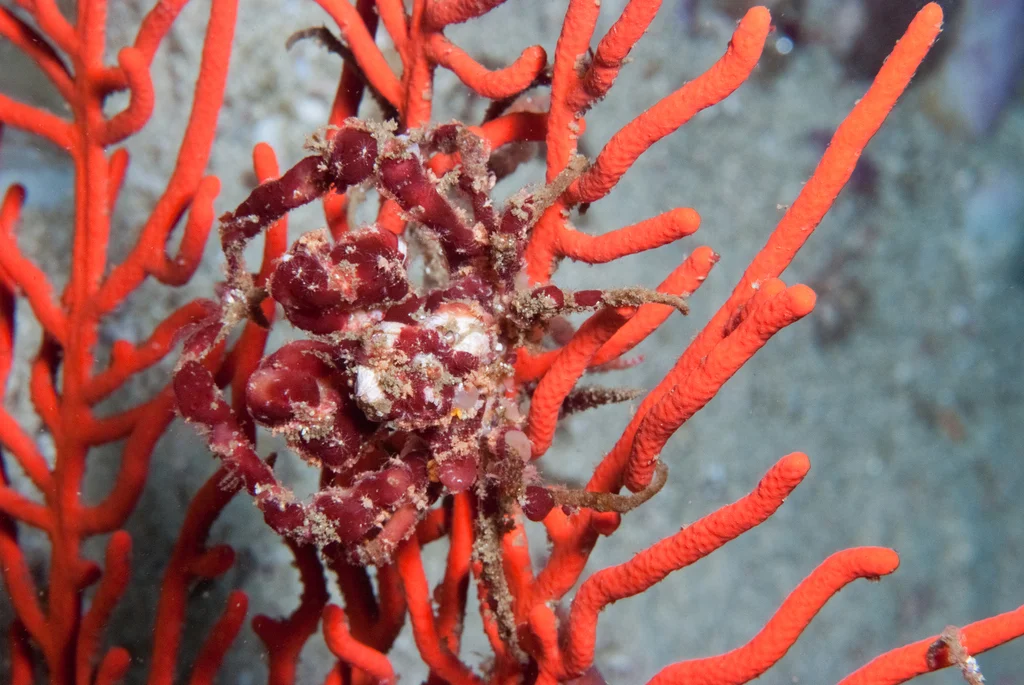
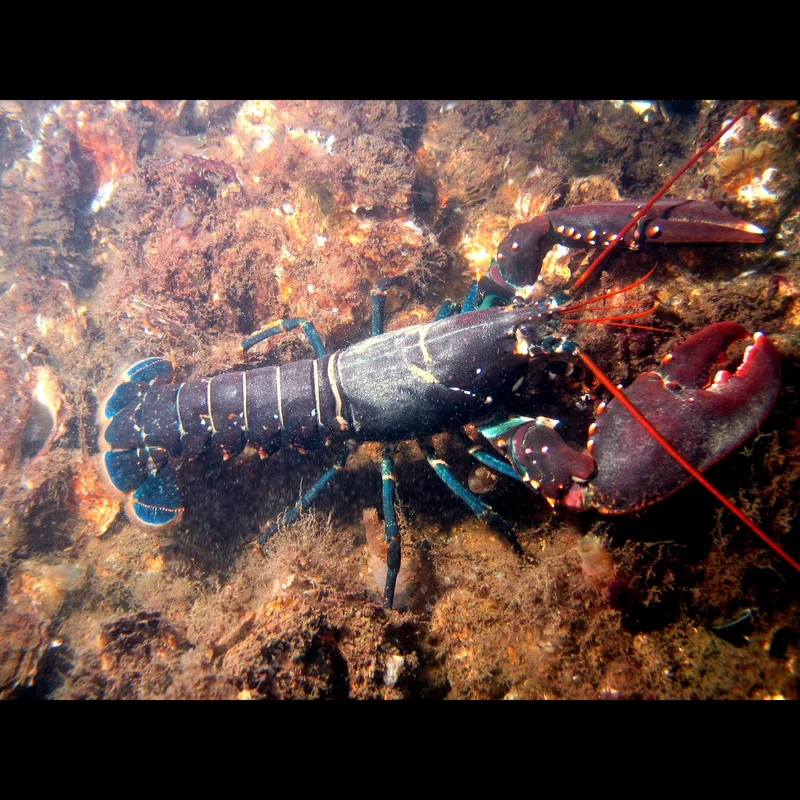
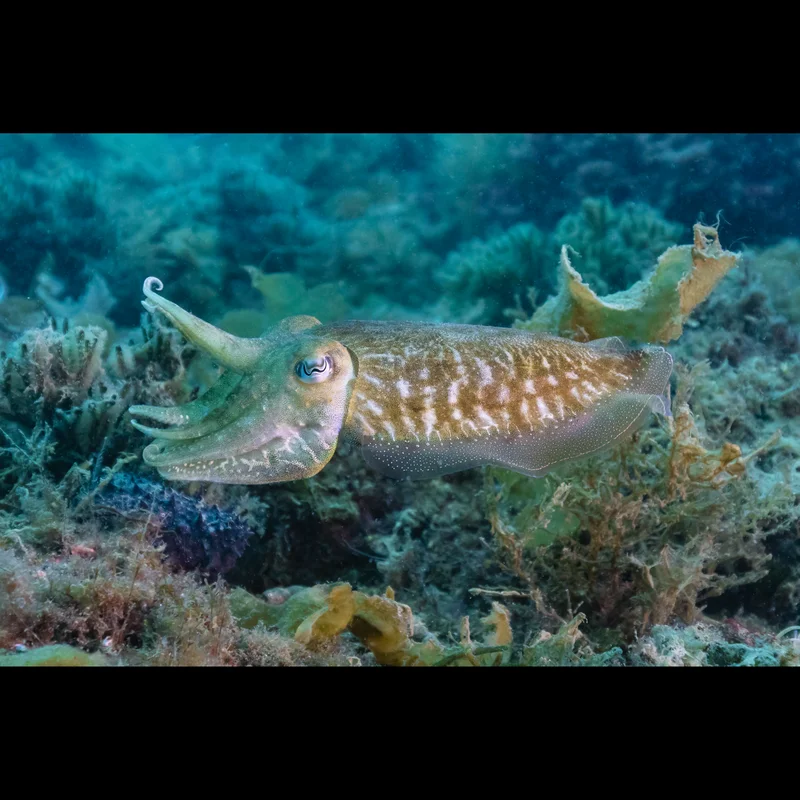
Expect to encounter tompot blennies, scorpionfish, and gobies tucked into crevices. Spider crabs, velvet swimmers, and occasional lobsters traverse the substrate, while cuttlefish are a common sight, particularly in spring and summer.
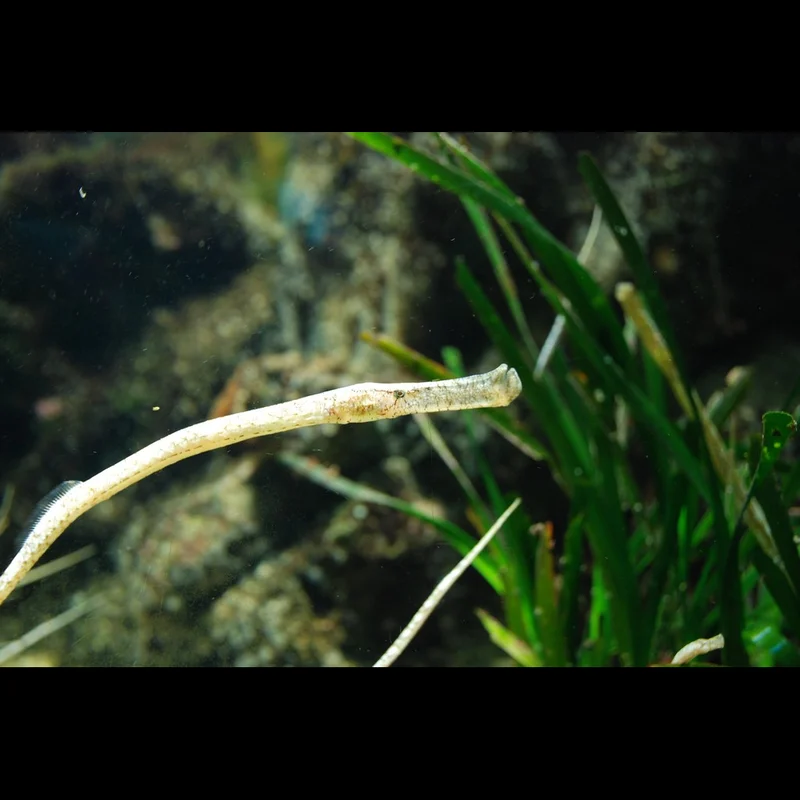
Pipefish and diverse nudibranchs also populate the site, alongside colorful seaweeds that coat the reef. At night, the site transforms, with squid, more cuttlefish, and larger crustaceans becoming active.
Dive Sites Near Silver Steps
View all dive sites in United KingdomDiscover more underwater gems in this area.
Dive Centers Near Silver Steps
Nearest Airports
Nearest airports to help plan travel to this dive area.
Search Flights
Check available flights and routes on Expedia, using the nearby airports listed in this section.
Search Flights on ExpediaFrequently Asked Questions
Is Silver Steps suitable for beginner divers?
Yes, Silver Steps is highly beginner-friendly, making it perfect for Open Water training, refresher dives, or building confidence. The easy shore entry and relatively shallow depths create a comfortable learning environment.
What are the typical depths at Silver Steps?
Diving depths average between 0–12 m (0-39 ft). On high tide, it's possible to reach depths up to 15 m (49 ft) if you swim further out from the entry point.
When is the best time of year to dive Silver Steps?
The period from May to September offers the most favorable diving conditions due to warmer air temperatures and generally calmer seas. While it can be dived year-round, colder water and air temperatures outside these months require more exposure protection.
What type of marine life can I expect to see?
Silver Steps is known for its diverse shallow-water species. Divers often spot tompot blennies, scorpionfish, gobies, spider crabs, and lobsters. Cuttlefish are frequently seen in spring and summer, and with luck, pipefish or nudibranchs might appear.
Are there any wrecks at Silver Steps?
Yes, the site features the broken remains of several First World War German U-boats, alongside parts of the tugboat 'Alice.' These historical elements add an intriguing dimension to the dive.
What should I know about entry and exit?
Entry and exit are facilitated by a set of concrete steps leading to a small rocky beach. This access is smoothest and easiest at high tide. Be mindful of potential surge and slippery rocks, especially at low tide.
Is night diving an option at Silver Steps?
Night diving is possible and highly recommended, as the site comes alive after dark with squid, cuttlefish, and larger crustaceans. It's advised to scout the site in daylight first and bring a backup torch for safety.
Planning to dive Silver Steps?
Send one inquiry and receive offers directly from the best verified local dive operators.
Conditions are Moderate
Optimal conditions expected
Current conditions near Silver Steps show 17° air, 16° sea temperature, 1.2 m waves, and 36 km/h wind. Forecast data is refreshed regularly to ensure accuracy.