
Diving at The Manacles (United Kingdom)
The Manacles form a challenging, yet rewarding, rocky reef system emerging from the seabed off the Lizard Peninsula. This treacherous granite outcrop creates a complex underwater topography of pinnacles, walls, gullies, and crevices. Its exposed nature, battered by plankton-rich currents, nurtures an exceptionally dense and colourful array of sessile marine life, drawing divers to explore its dramatic formations and hidden corners.
Evening condition tracking at The Manacles features an air temperature of 18.5°C. We have recorded wave heights measuring 1.5 m during this period. These figures outline the environmental parameters currently present.
Dive Site Location & Key Facts
Dive Site Overview
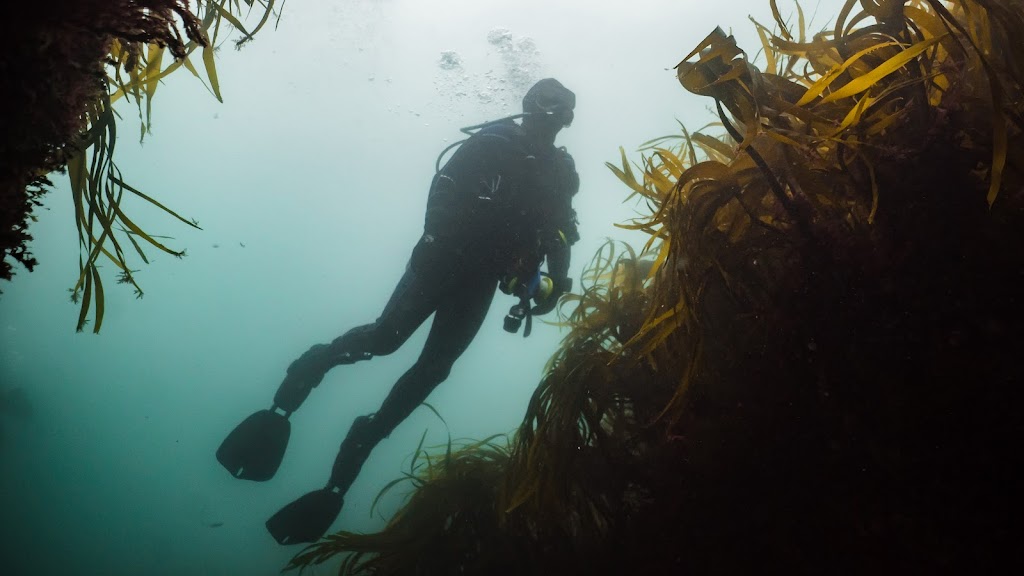
This dynamic granite reef system presents an extraordinary underwater experience, defined by its vibrant marine communities thriving on a dramatic structure. Divers encounter a mosaic of scenic gullies, sheer walls, and intricate crevices, creating diverse dive opportunities.
From shallower kelp forests sheltering juvenile fish to deeper reef walls, the topography is varied and engaging. Dive depths here range significantly, from around 8 metres / 26 feet down to an impressive 80 metres / 262 feet, accommodating a spectrum of certifications. Primarily explored via local dive boats, this site provides access to numerous distinct spots, including various wreck diving opportunities that add another layer of historical intrigue.
A blend of drift diving potential and ocean diving environments makes planning crucial, often depending on local tidal conditions and weather. Each descent promises a unique perspective on this designated Marine Conservation Zone, noted for its rich biodiversity and striking visual density of invertebrates.
Conditions are Good
Optimal conditions expected
Current conditions near The Manacles show 18° air, 20° sea temperature, 1.7 m waves, and 31 km/h wind. Forecast data is refreshed regularly to ensure accuracy.
Best Time to Dive
Optimizing for clear visibility significantly enhances the Manacles experience, with the late spring and summer months generally providing the best conditions. May and June typically offer "Good" dive scores, benefiting from average air temperatures ranging from 13.5°C to 15.5°C and minimal rainfall, around 2.07mm to 2.15mm. As summer progresses into July, August, and September, conditions remain "Moderate," with air temperatures peaking around 17°C and average rainfall slightly increasing. Water temperatures, which can drop to a brisk 7°C / 44°F in March, warm up to approximately 16°C / 60°F by summer, making for more comfortable diving. While offshore visibility can occasionally reach 30 metres / 98 feet in deeper sections, divers should anticipate an average of 10 metres / 32 feet. Planning dives between May and September generally provides the most favorable conditions for appreciating the vibrant life and intricate structures of this reef. Winter months see lower dive scores, higher wave heights, and colder air temperatures, making conditions less inviting.
PEAK SEASON SCORE
Scores combine air & water temps, waves, wind & rainfall for overall conditions.
BEST MONTHS TO DIVE
Monthly records compiled from satellite and marine observation nodes over the last 3 years. Data provided by Open-Meteo and MET Norway.
Dive Experience & Conditions
Entering the waters around The Manacles provides a genuinely engaging experience for both advanced and novice divers, with specific sites tailored to different skill levels. Currents are a defining feature; plankton-rich seawater currents often buffet the reef, making drift diving a common and often preferred method of exploration. While this contributes to the site's rich ecosystem, it necessitates careful dive planning and good buoyancy control. Depths vary from shallow kelp beds, ideal for newer divers, to deeper walls and pinnacles that challenge experienced explorers. One notable pinnacle, Vase, rises from 45 metres to 10 metres. Surface conditions can range from calm to choppy, reflecting the site's exposed ocean location. Visibility often averages around 10 metres / 32 feet, though it can drop after storms, as experienced divers have reported 3-6 metres visibility, or improve significantly to 30 metres / 98 feet in deeper, offshore areas.
Dive Difficulty & Safety Guidelines
Navigating The Manacles' exposed nature and dynamic currents requires careful attention to safety protocols. This area is designated a Marine Conservation Zone and is known historically as a treacherous reef responsible for many shipwrecks. Divers should be proficient in drift diving techniques or be accompanied by experienced local guides, especially given the "ocean" dive type tag.
Utilizing a Delayed Surface Marker Buoy (DSMB) is strongly recommended for every dive, aiding boat crews in tracking divers in potential surface currents. Proper dive planning must account for tidal movements, which significantly influence current strength and direction.
Always dive within your certification limits; while some sites suit novices, deeper wreck penetrations or highly exposed reefs demand advanced skills. Maintaining situational awareness and a buddy system is paramount here.
Recommended Equipment
Current and surface separation risk. Local briefing strongly recommended.
- Dive Computer
- DSMB
- Reel / Spool
This gear list is based on verified equipment signals for The Manacles , United Kingdom. Always confirm final gear choices with your dive operator, guide, or liveaboard.
Recommended Dive Suit
For divers planning standard recreational dives, 5mm wetsuit is usually a suitable option. Consider warmer surface protection (like a boat coat) due to brisk winds. Surface intervals may feel cooler. Divers vary widely in how quickly they feel cold underwater.
At the moment, divers exploring The Manacles will likely experience water temperatures near 20°C (67°F). Surface air temperatures are resting at 18°C (65°F).
The upcoming forecast points to generally steady conditions in the area.
Emergency & Medical Support
Essential information to help you plan your dive trip to The Manacles .

Hyperbaric chambers are a critical part of dive safety infrastructure. Availability varies significantly by region, and not all dive areas have immediate access.
Before diving, it's recommended to:
- confirm nearest medical facilities
- check emergency procedures with local dive operators
- ensure dive insurance covers evacuation if required
Divers Alert Network
Diving emergency assistance available through DAN Europe.
+39 0642115685- 24/7 emergency hotline
- Diving medical assistance
- Evacuation coordination
Emergency contacts are provided for reference. Always verify local emergency services before diving.
Closest Listed Hyperbaric Chambers
Showing listed hyperbaric chamber facilities within 200 km of this dive site.
Distances are approximate straight-line distances and may not reflect emergency travel time.
DDRC Healthcare
24/7 ListedICU CapablePlymouth, United Kingdom•Approx. 79 km straight-line
DDRC Healthcare
24/7 ListedICU CapableInformation is provided for reference and planning purposes only. Dive Navigator does not verify operational status, staffing, availability, or quality of care at listed facilities. In an emergency, contact local emergency services, DAN, your dive operator, or the chamber directly. Do not travel to a facility without calling ahead.
Unité de médecine hyperbare Pole ARSIBOU
24/7 ListedICU CapableBrest, France•Approx. 187 km straight-line
Unité de médecine hyperbare Pole ARSIBOU
24/7 ListedICU CapableInformation is provided for reference and planning purposes only. Dive Navigator does not verify operational status, staffing, availability, or quality of care at listed facilities. In an emergency, contact local emergency services, DAN, your dive operator, or the chamber directly. Do not travel to a facility without calling ahead.
Marine Life at The Manacles
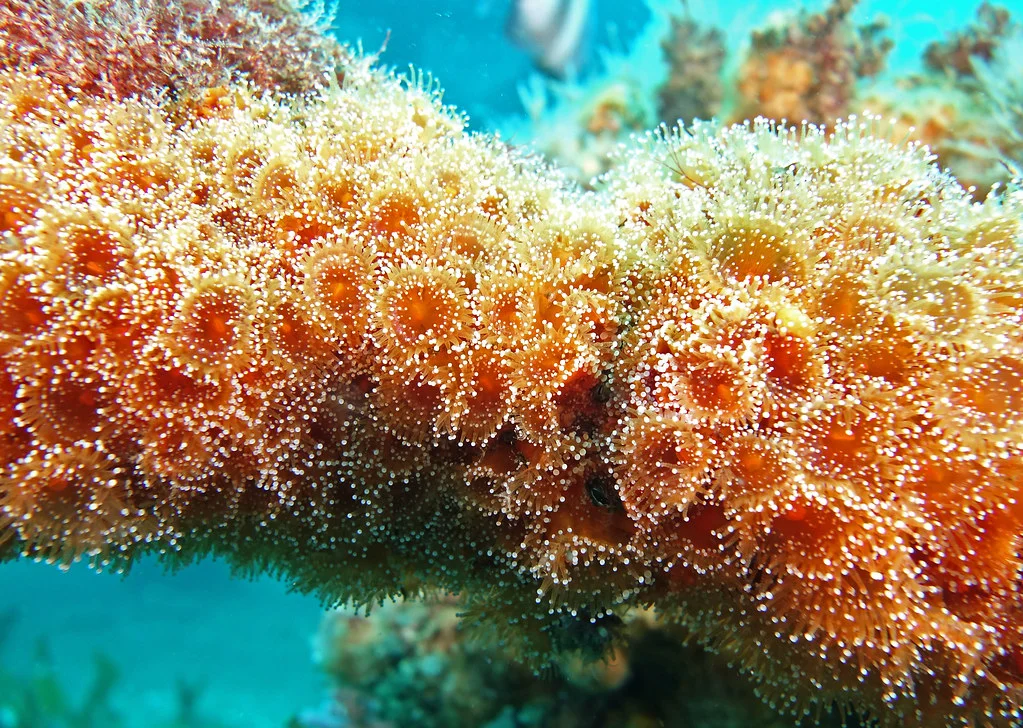
Dive into a world where colour abounds, with the Manacles' underwater landscape defined by an incredible density of vibrant jewel anemones. Every available surface of the granite reef system is blanketed in sponges, soft corals like pink sea fans, dead man's fingers, and fluffy hydroids.
Shallower kelp forests shelter juvenile pollack and diverse red seaweeds. Deeper walls reveal impressive populations of crawfish, also known as spiny lobsters, a species making a welcome return.
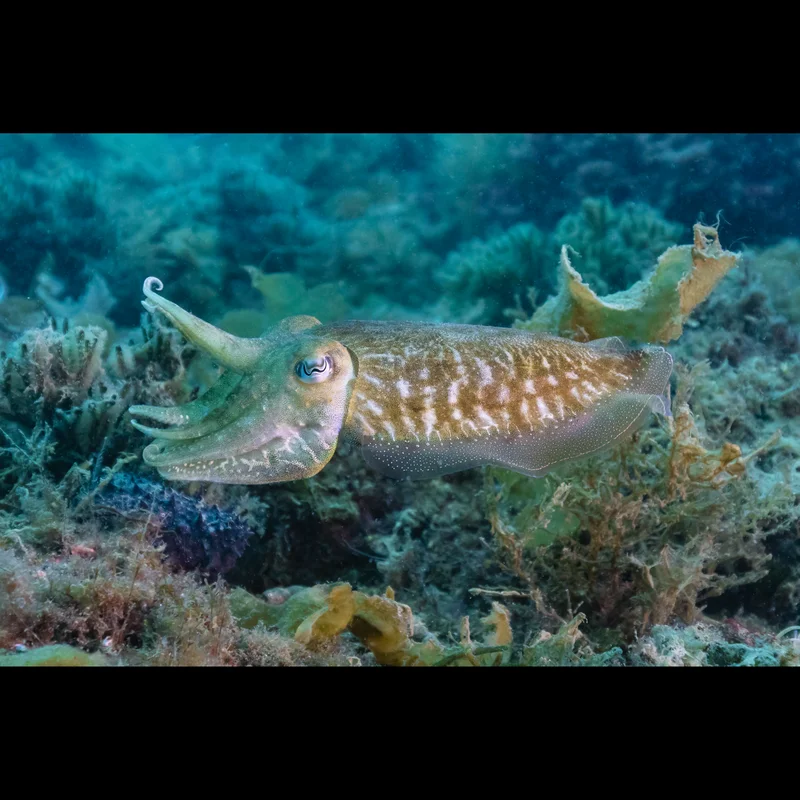
Look closely for the rarely recorded sea fan anemone, Amphianthus dohrnii, often found on the nationally scarce pink sea fans. Cuttlefish, dogfish, and brightly coloured cuckoo wrasse are also common inhabitants of these vibrant reefs.

Dive Sites Near The Manacles
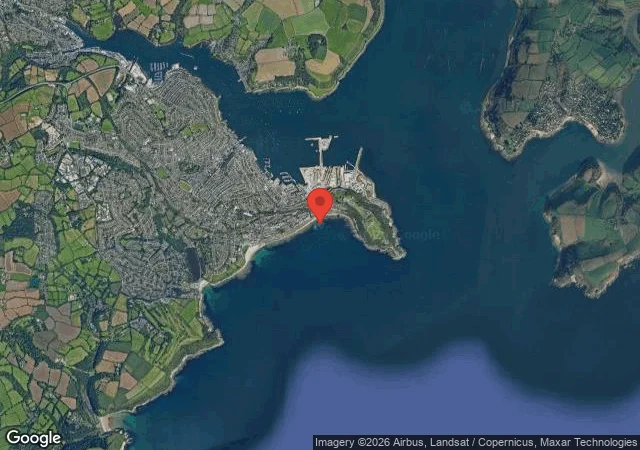
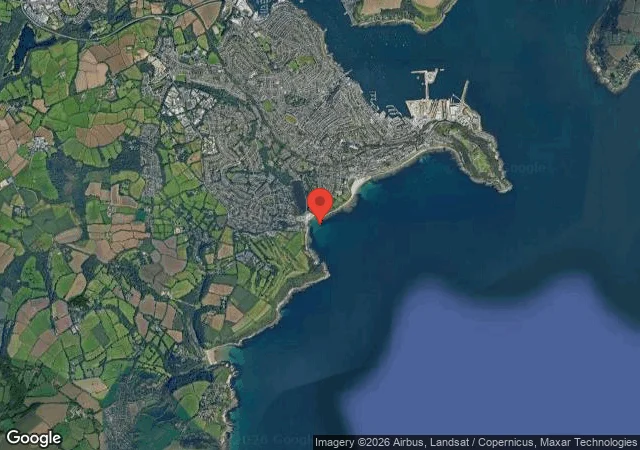
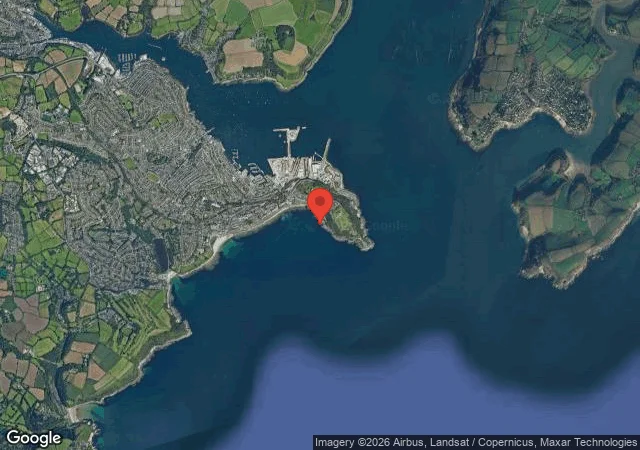
View all dive sites in United KingdomDiscover more underwater gems in this area.
Dive Centers Near The Manacles
Nearest Airports
Nearest airports to help plan travel to this dive area.
Search Flights
Check available flights and routes on Expedia, using the nearby airports listed in this section.
Search Flights on ExpediaFrequently Asked Questions
What types of diving can I do at The Manacles?
The Manacles offers diverse diving experiences, including drift diving, ocean diving on vibrant reefs, and numerous wreck diving opportunities. There's also a shore dive option at Dawana Rocks.
What is the typical water temperature?
Water temperatures vary seasonally, dropping to around 7°C / 44°F in March. During the summer months, temperatures typically warm up to approximately 16°C / 60°F.
What is the average visibility like?
On average, divers can expect visibility around 10 metres / 32 feet. However, offshore deeper areas can sometimes offer clearer conditions up to 30 metres / 98 feet, while recent storms might reduce it to 3-6 metres.
What kind of marine life is prominent here?
This site is characterized by its dense coverage of colourful jewel anemones, pink sea fans, and dead man's fingers. Divers can also spot crawfish, cuttlefish, dogfish, and various wrasse species like pollack and cuckoo wrasse.
Is The Manacles suitable for all diver experience levels?
Yes, The Manacles provides sites suitable for both advanced and novice divers. While shallower kelp beds are welcoming, deeper sections and wrecks may require more experience and specialized training.
Are there wreck diving opportunities?
Numerous wreck diving opportunities are available within The Manacles reef system. The area's history as a treacherous reef means many vessels have found their final resting place here, offering intriguing dives.
Planning to dive The Manacles ?
Send one inquiry and receive offers directly from the best verified local dive operators.
Conditions are Good
Optimal conditions expected
Current conditions near The Manacles show 18° air, 20° sea temperature, 1.7 m waves, and 31 km/h wind. Forecast data is refreshed regularly to ensure accuracy.