
Diving at The Caves - Loch Long (United Kingdom)
Loch Long, a true sea loch, consistently provides sheltered diving options even when other Scottish sites face adverse conditions. It's an enduring fixture for divers in Scotland, often serving as a reliable location for training and recreational dives. Positioned in West Scotland, this site offers accessible shore diving experiences, making it a staple for local dive clubs and visitors alike.
Tonight's objective overview for The Caves - Loch Long shows an air temperature of 10°C. The measured surface conditions include wave heights around 0.4 m. This environmental data is logged for the close of the day.
Dive Site Location & Key Facts
Dive Site Overview
The site, known colloquially as 'The Caves,' derives its name from the distinctive, overarching feel created by its unique underwater topography. Upon entry, divers initially settle onto a gently sloping sand and shell bottom.
From this point, the primary feature of the dive emerges to the left: a steep, dramatic boulder slope. This slope descends significantly, revealing a complex geological structure characterized by multiple, tiered drop-offs that invite closer inspection. Numerous natural nooks and crannies are carved into the rock formations, offering shelter and intrigue.
These structural elements provide a dynamic and visually stimulating environment, often feeling like a series of submerged caverns or overhangs rather than open water. Divers can explore various ledges and undercuts, which adds to the sense of discovery during the dive.
The varied terrain not only contributes to highly scenic underwater views but also creates diverse pathways for exploration, catering to different dive profiles and experience levels. With depths that can extend to 30 m / 100 ft, the site allows for both shallower recreational dives along the upper slope and deeper excursions for appropriately certified divers exploring the lower sections and their hidden features.
This makes it a popular location for underwater photographers looking for dramatic backdrops and those keen to navigate intricate structural elements, providing ample opportunities for extended bottom time and detailed observation.
Conditions are Good
Optimal conditions expected
Current conditions near The Caves - Loch Long show 10° air, --° sea temperature, 0.4 m waves, and 31 km/h wind. Forecast data is refreshed regularly to ensure accuracy.
Best Time to Dive
For an excellent diving experience at The Caves, the period from March through September generally presents the most favorable conditions. During these months, the dive score consistently rates as 'Excellent', with air temperatures ranging from approximately 6-15°C / 43-59°F and lower average rainfall, making surface operations more comfortable. Conditions remain good into October and December, though average air temperatures dip to around 10°C / 50°F and 6°C / 43°F respectively, with slightly increased rain. Winter months from November to February also offer good dive scores, but expect colder air temperatures, ranging from 3-6°C / 37-43°F, and slightly higher average rainfall, particularly in December.
PEAK SEASON SCORE
Scores combine air & water temps, waves, wind & rainfall for overall conditions.
BEST MONTHS TO DIVE
Monthly records compiled from satellite and marine observation nodes over the last 3 years. Data provided by Open-Meteo and MET Norway.
Dive Experience & Conditions
Navigating this site involves a unique entry and exit, leading divers onto a sandy and shell bottom before transitioning to a steep boulder slope. Depths here can reach up to 30 m / 100 ft, catering to a range of certification levels. The water temperature is characteristic of a cold-water environment, often requiring appropriate thermal protection. Visibility can vary, and due to the silty nature of deeper areas within the loch, maintaining good buoyancy and careful fin kicking is essential to prevent stirring up the bottom. Despite potential visibility challenges, the site is largely unaffected by tides, often providing stable conditions.
Dive Difficulty & Safety Guidelines
Diving here requires adherence to safety protocols, especially given potential environmental factors. Divers must always carry appropriate cutting implements, like a knife or line cutter, to manage potential entanglement hazards from discarded fishing gear. Maintaining contact with your buddy throughout the dive is crucial; deploy strobes or buddy lines in reduced underwater visibility, which can be frequent.
Carrying a powerful primary torch and a backup is highly recommended for all dives. Should visibility become adverse, or if buddy contact is lost and not re-established quickly, it's safer to abandon the dive and surface, following mandatory safety stops.
Recommended Equipment
Deep dive hazard. Increased narcosis and gas consumption risk.
- Dive Computer
- DSMB
- Primary & Backup Lights
- Hard-soled Dive Boots
This gear list is based on verified equipment signals for The Caves - Loch Long, United Kingdom. Always confirm final gear choices with your dive operator, guide, or liveaboard.
Recommended Dive Suit
Because recent water temperature readings are not available for The Caves - Loch Long, the guidance below is based mainly on current air conditions and seasonal expectations. Current surface air temperatures are roughly 10°C (50°F).
Based on regional estimates and current weather, the likely required exposure protection is a thicker wetsuit or drysuit. Note that local currents and upwellings can alter this. Consider warmer surface protection (like a boat coat) due to brisk winds. Strong cold advisory: dress warmly immediately after exiting the water.
Weather patterns are currently shifting, so expect some variability in conditions. A warming trend is expected over the next few days.
Due to technical issues with our weather providers, live updates are temporarily delayed. The data above reflects the conditions at the time of the last successful fetch.
Emergency & Medical Support
Essential information to help you plan your dive trip to The Caves - Loch Long.

Hyperbaric chambers are a critical part of dive safety infrastructure. Availability varies significantly by region, and not all dive areas have immediate access.
Before diving, it's recommended to:
- confirm nearest medical facilities
- check emergency procedures with local dive operators
- ensure dive insurance covers evacuation if required
Divers Alert Network
Diving emergency assistance available through DAN Europe.
+39 0642115685- 24/7 emergency hotline
- Diving medical assistance
- Evacuation coordination
Emergency contacts are provided for reference. Always verify local emergency services before diving.
Closest Listed Hyperbaric Chambers
Showing listed hyperbaric chamber facilities within 200 km of this dive site.
Distances are approximate straight-line distances and may not reflect emergency travel time.
West Scotland Centre for Diving and Hyperbaric Medicine
Oban, Argyll, United Kingdom•Approx. 51 km straight-line
West Scotland Centre for Diving and Hyperbaric Medicine
Information is provided for reference and planning purposes only. Dive Navigator does not verify operational status, staffing, availability, or quality of care at listed facilities. In an emergency, contact local emergency services, DAN, your dive operator, or the chamber directly. Do not travel to a facility without calling ahead.
Aberdeen Royal Infirmary
Aberdeen, United Kingdom•Approx. 195 km straight-line
Aberdeen Royal Infirmary
Information is provided for reference and planning purposes only. Dive Navigator does not verify operational status, staffing, availability, or quality of care at listed facilities. In an emergency, contact local emergency services, DAN, your dive operator, or the chamber directly. Do not travel to a facility without calling ahead.
Marine Life at The Caves - Loch Long
The intricate and sheltered structure of the boulder slope, along with its multiple drop-offs and numerous nooks and crannies, fosters a remarkably dynamic habitat for marine life. These varied architectural features provide ideal hiding spots and nurseries, which attract an array of species.
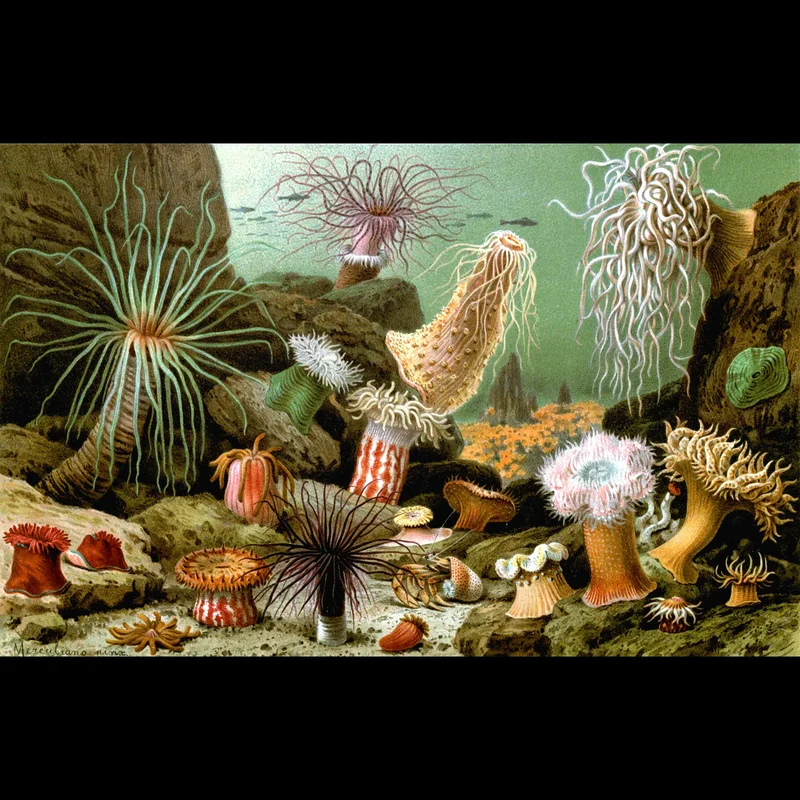
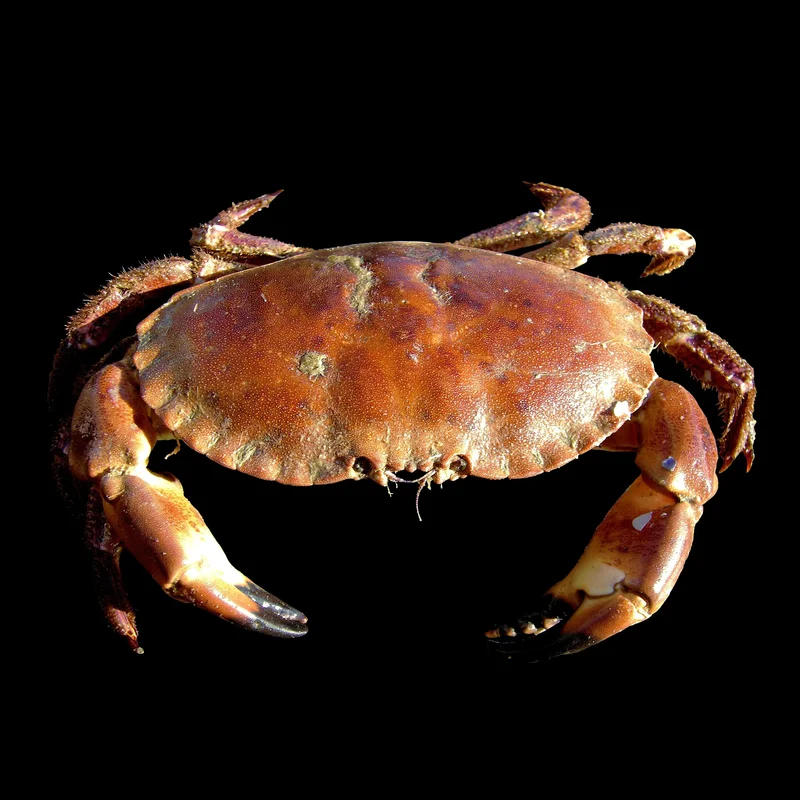
Divers frequently encounter various wrasse species darting among the rocks, and it's not uncommon to spot juvenile cod or saithe seeking refuge in the crevices. Closer inspection of the rock faces often reveals vibrant anemones, sponges, and various crustaceans, including crabs and squat lobsters, nestled within the protective overhangs.
The availability of consistent shelter and feeding grounds contributes to an engaging environment, making it a rewarding experience for divers keen to observe diverse cold-water species interacting with their unique surroundings.

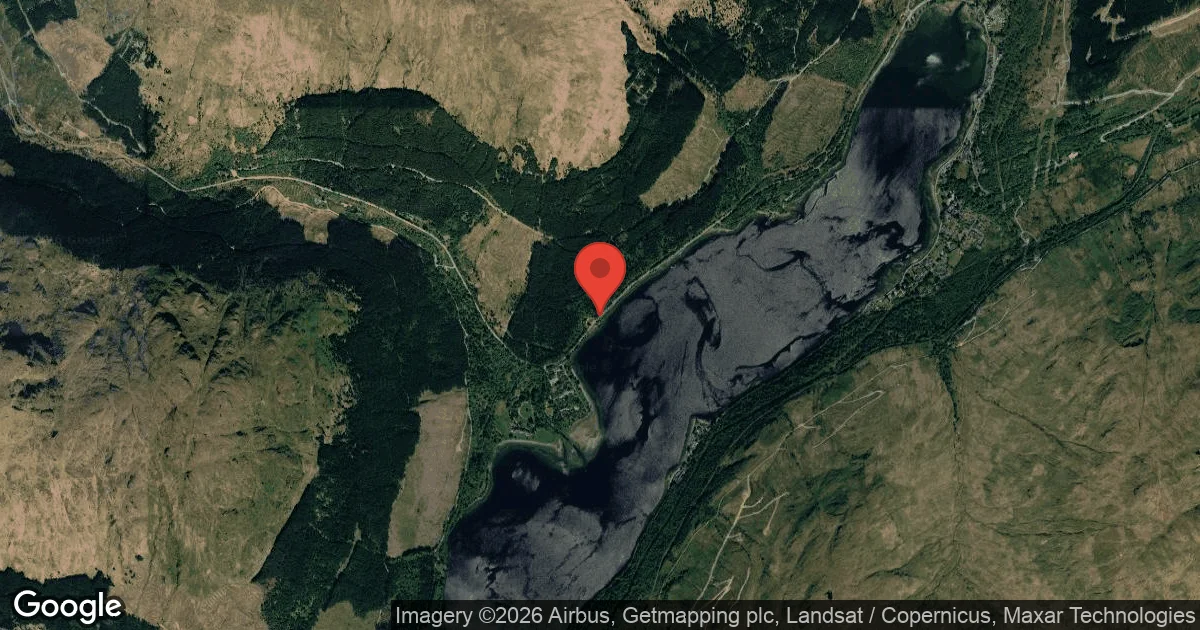
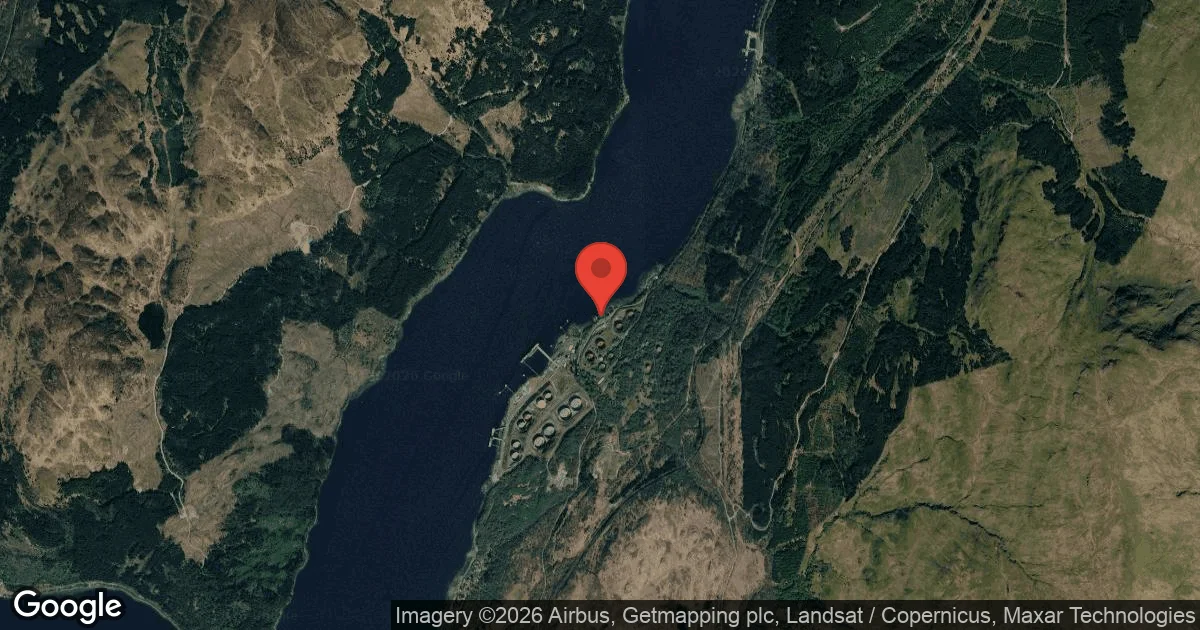
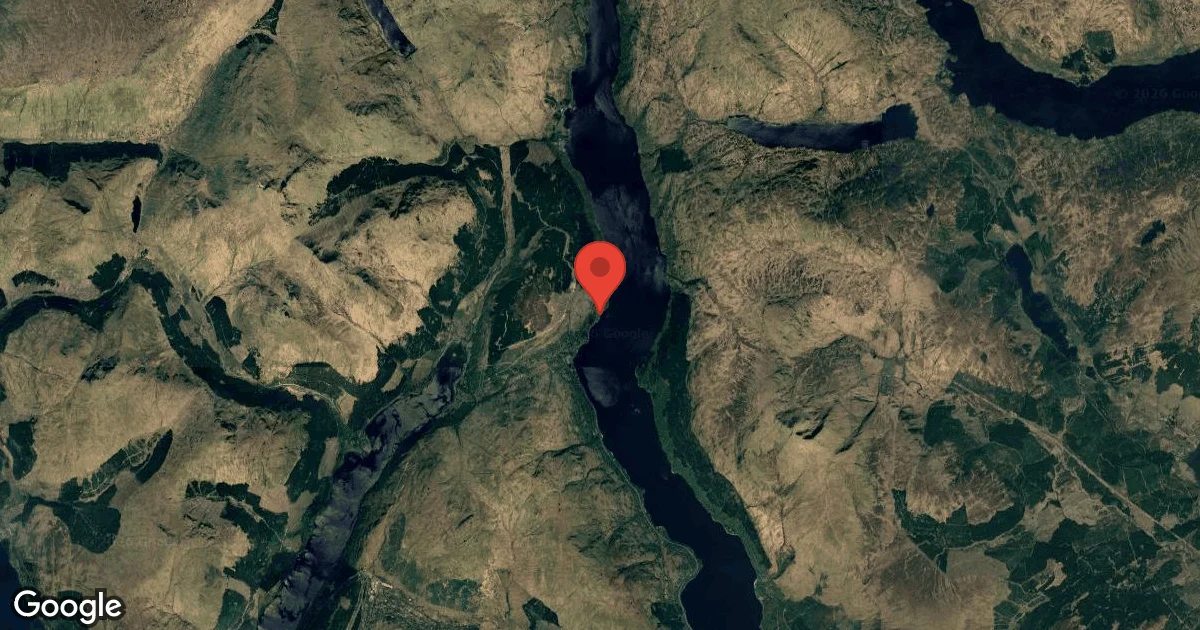
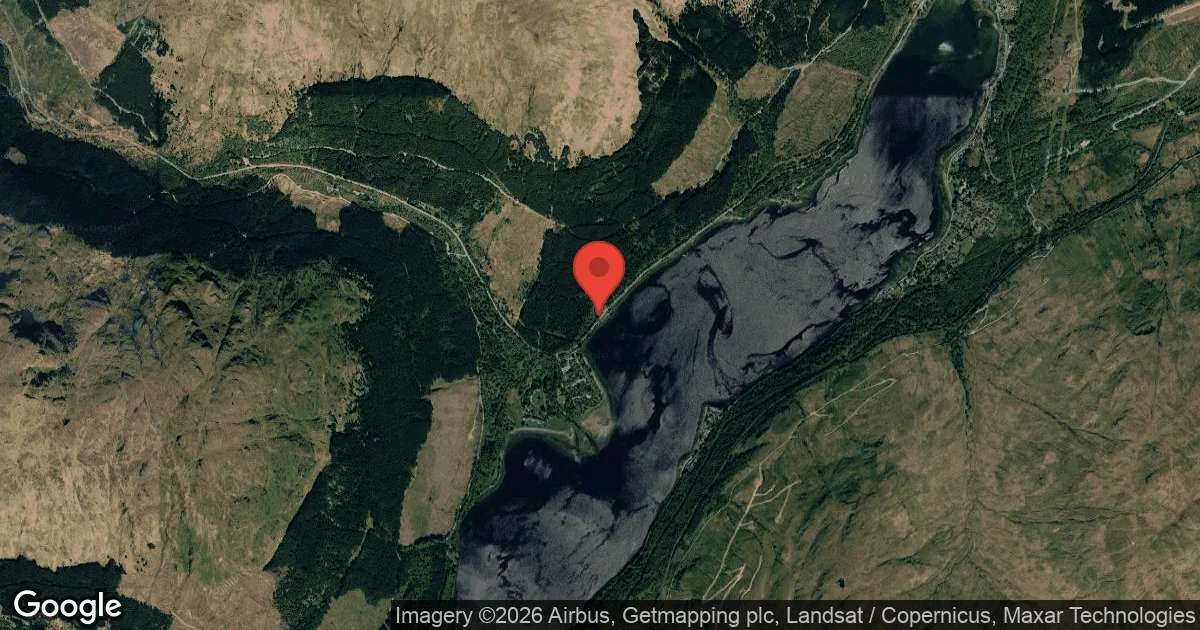
Dive Sites Near The Caves - Loch Long
View all dive sites in United KingdomDiscover more underwater gems in this area.
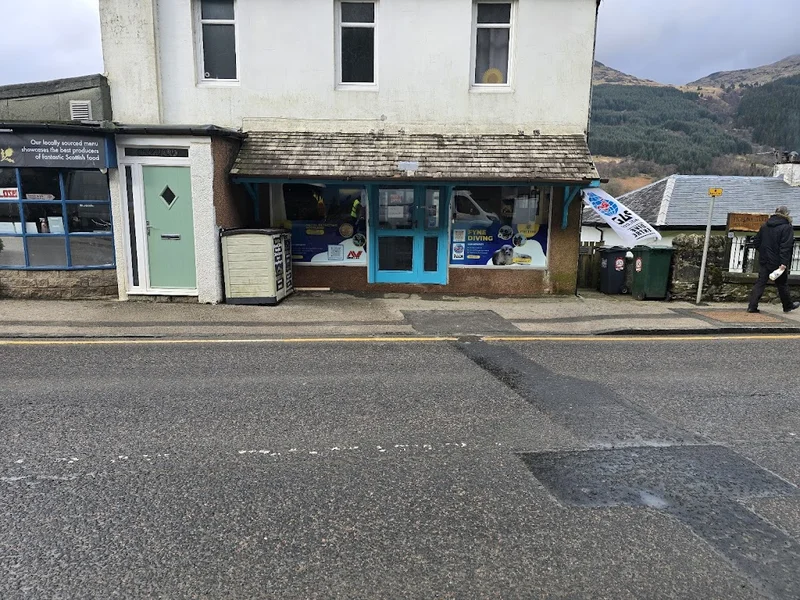
Dive Centers Near The Caves - Loch Long
Nearest Airports
Nearest airports to help plan travel to this dive area.
Search Flights
Check available flights and routes on Expedia, using the nearby airports listed in this section.
Search Flights on ExpediaFrequently Asked Questions
What depth can be reached at The Caves?
The Caves offers diving depths that can extend to approximately 30 m / 100 ft, making it suitable for certified divers with varying experience levels.
What is the entry like at this dive site?
The site features an interesting entry and exit point. Divers begin on a sand and shell bottom before progressing towards the left, where a steep boulder slope descends.
Is The Caves suitable for underwater photography?
Yes, with its diverse scenery, including boulder slopes and intriguing nooks, The Caves provides an ideal setting for underwater photographers seeking interesting compositions and marine life subjects.
What are the common hazards at The Caves?
Key hazards include potential entanglement in nets or lines, diver separation in lower visibility, and reduced underwater visibility itself, which can occur frequently. Always dive with a buddy and appropriate safety gear.
What kind of bottom can divers expect?
The dive typically starts on a sand and shell bottom near the entry, which then transitions into a steep boulder slope. Deeper areas of Loch Long are often described as having a silty bottom.
How do tides affect diving at The Caves?
The Caves, like much of Loch Long, is largely unaffected by tidal currents, contributing to more stable diving conditions compared to many other coastal sites.
Planning to dive The Caves - Loch Long?
Send one inquiry and receive offers directly from the best verified local dive operators.
Conditions are Good
Optimal conditions expected
Current conditions near The Caves - Loch Long show 10° air, --° sea temperature, 0.4 m waves, and 31 km/h wind. Forecast data is refreshed regularly to ensure accuracy.