
Diving at Conger Alley (United Kingdom)
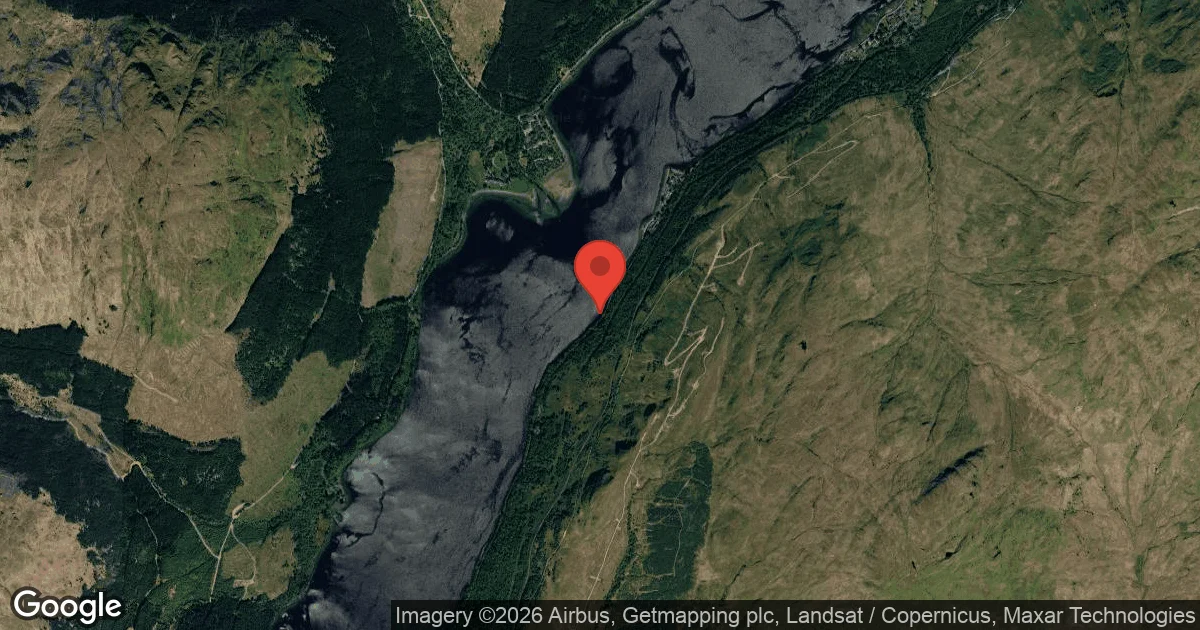
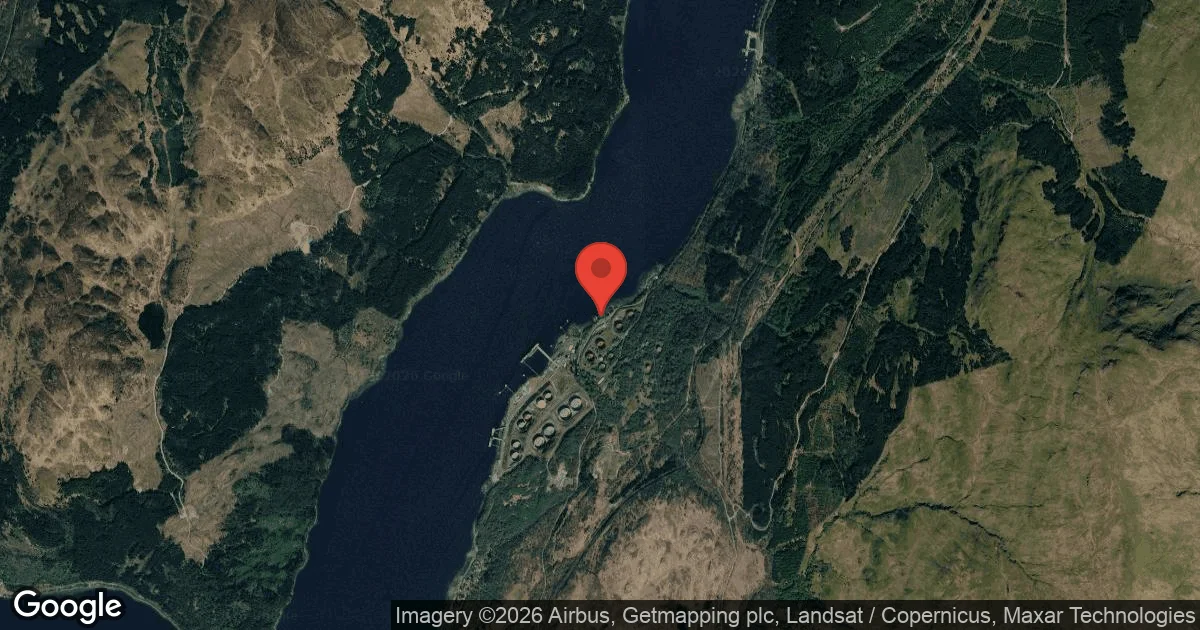
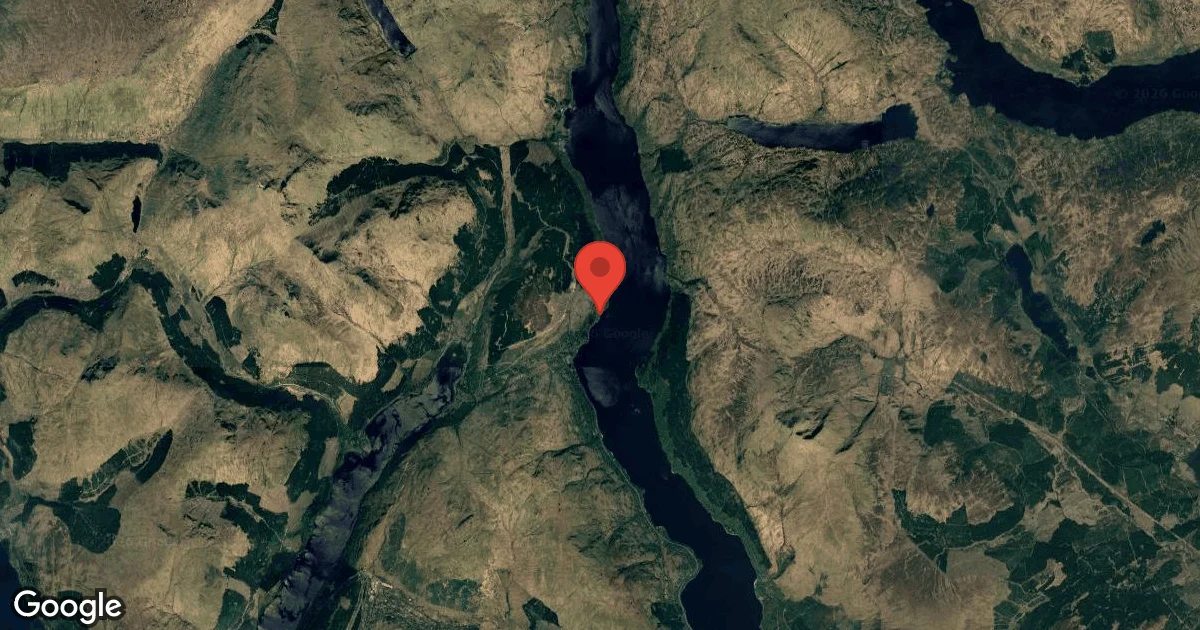
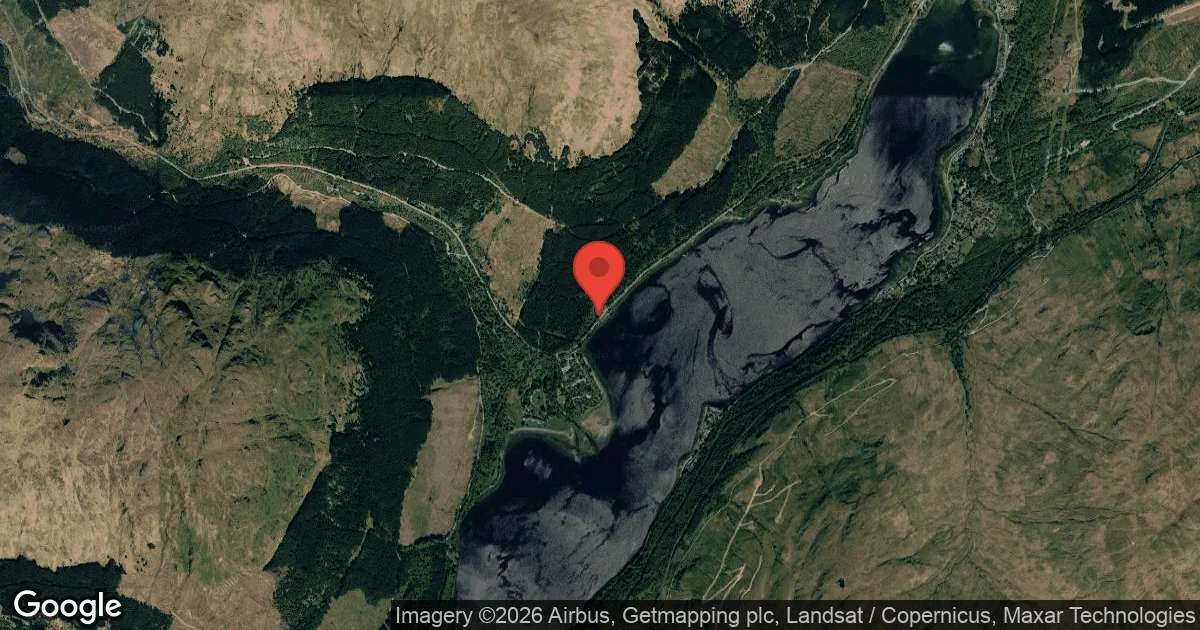
Conger Alley is a shore dive situated on the western shore of Loch Long, diagonally opposite the town of Arrochar. This site lies just south of the Twin Piers dive site and the former torpedo testing station. Accessing the loch-side entry point requires careful negotiation of the A83, a fast road. A solitary white house marks the immediate entry, though parking in a nearby lay-by offers a safer, albeit longer, walk to the water.
Tonight's objective overview for Conger Alley shows an air temperature of 10.5°C. The measured surface conditions include wave heights around 0.1 m. This environmental data is logged for the close of the day.
Dive Site Location & Key Facts
Dive Site Overview
Conger Alley stands out as a popular shore dive in Scotland's Loch Long, inviting divers to explore a boulder slope rich with marine inhabitants. The site gradually descends to a maximum depth of up to 30 metres (98 feet), providing ample recreational depth.
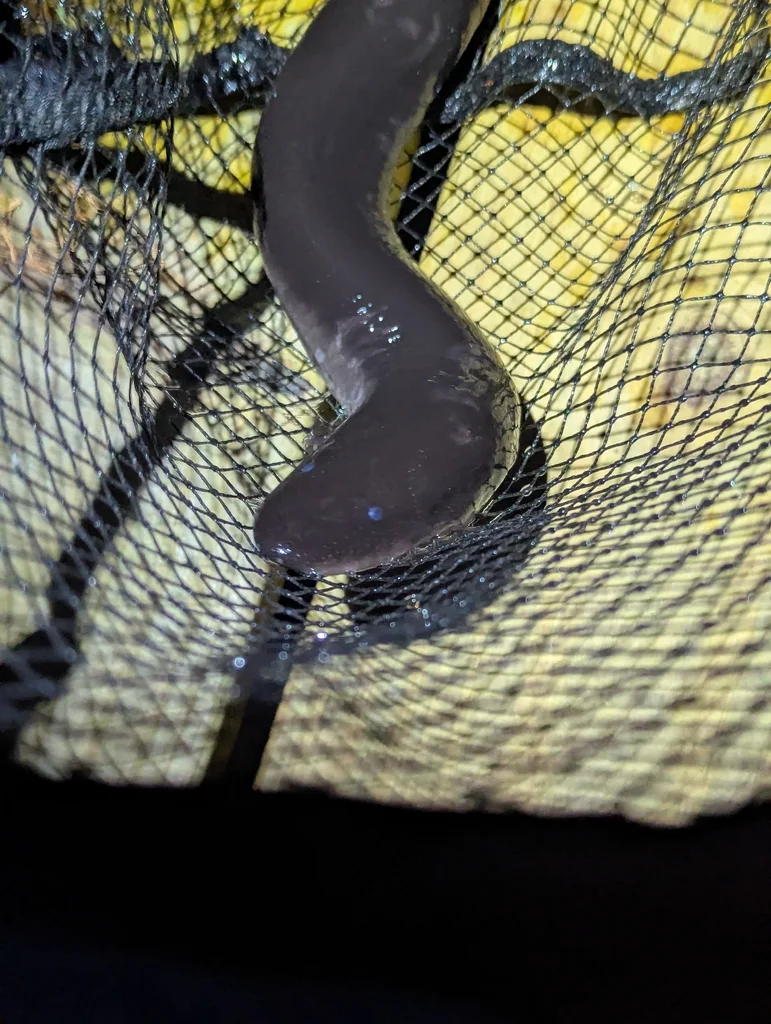
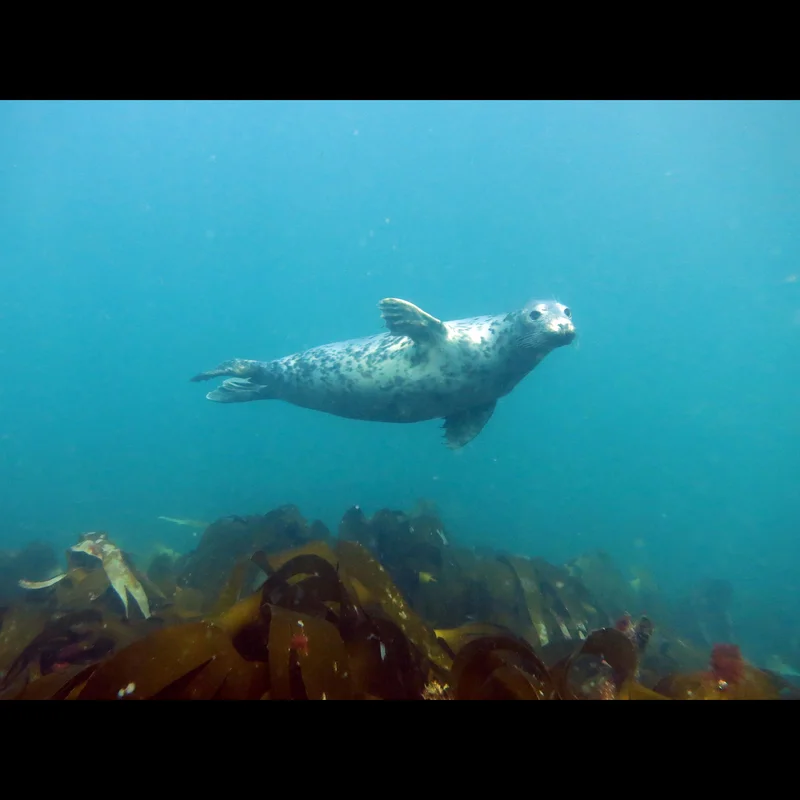
Divers consistently encounter a wealth of life, including diverse anemones, mackerel, dogfish, and various starfish. As its name suggests, the site is known for conger eels, which often shelter within the larger cracks and under the numerous boulders. Sightings of seals, occasionally described as 'friendly,' and lobsters are also not uncommon.
While surrounding hills provide protection, resulting in minimal currents, certain areas of the site can be very silty. Maintaining good buoyancy control is therefore essential to prevent disturbing the sediment and impacting visibility during your dive. Water temperatures typically range from 10-15°C (50-59°F).
Conditions are Good
Optimal conditions expected
Current conditions near Conger Alley show 11° air, --° sea temperature, 0.3 m waves, and 27 km/h wind. Forecast data is refreshed regularly to ensure accuracy.
Best Time to Dive
Planning a dive at Conger Alley allows for nearly year-round exploration, given its consistently high dive scores. Months from March through September, and again in November, generally offer excellent conditions, while February, October, and December also present good opportunities. Air temperatures vary significantly across these periods, from a cooler 3°C (37°F) in January to a warmer 14.5°C (58°F) in August, affecting surface comfort. Rainfall, however, remains moderate throughout the year, with averages typically between 3 to 9 mm. The protection offered by the surrounding hills also helps ensure minimal currents, making the site accessible for a wide range of experience levels most of the time. This sheltered environment usually allows for reliable diving even when other coastal sites might be more exposed.
PEAK SEASON SCORE
Scores combine air & water temps, waves, wind & rainfall for overall conditions.
BEST MONTHS TO DIVE
Monthly records compiled from satellite and marine observation nodes over the last 3 years. Data provided by Open-Meteo and MET Norway.
Dive Experience & Conditions
Descending into Conger Alley often presents a varied visual experience, where initial visibility can sometimes be reduced, described as 'like warm soup,' especially after heavy rain or due to plankton blooms in shallower sections. However, improved conditions typically await divers at depths below 8-10 m (26-33 ft), where visibility can become 'gin clear,' with ambient light still noticeable even at 19 m (62 ft). The underwater terrain consists of a substantial boulder slope stretching down to 30 m (100 ft). These immense boulders form a complex habitat, creating numerous hiding spots and crevices. Water temperatures remain cool, usually hovering between 10-15°C (50-59°F), necessitating appropriate thermal protection. Given the silty nature of certain areas, precise buoyancy control is crucial for an enjoyable and clear dive.
Dive Difficulty & Safety Guidelines
Approach Conger Alley with a keen awareness of its roadside location, as the adjacent A83 is known for fast-moving traffic. Parking directly opposite the entry point can be dangerous; using the proper lay-by located approximately 200 metres (650 ft) north is a safer option, despite the longer walk and required road crossing. Always prioritize safety when crossing the road to the dive path, which leads to a cleared entry/exit point into the water.
Once submerged, exercising excellent buoyancy control is paramount due to the site's silty composition, especially if diving in areas with reduced visibility. Minimal currents are generally reported here, thanks to the protection offered by the surrounding hills, but divers should still be mindful of local conditions.
Recommended Equipment
- Dive Computer
- DSMB
- Hard-soled Dive Boots
This gear list is based on verified equipment signals for Conger Alley, United Kingdom. Always confirm final gear choices with your dive operator, guide, or liveaboard.
Recommended Dive Suit
Based on regional estimates and current weather, the likely required exposure protection is a thicker wetsuit or drysuit. Note that local currents and upwellings can alter this. A hood or vest is suggested for sensitive divers due to surface winds. Strong cold advisory: dress warmly immediately after exiting the water.
Because recent water temperature readings are not available for Conger Alley, the guidance below is based mainly on current air conditions and seasonal expectations. Current surface air temperatures are roughly 11°C (51°F).
Due to unpredictable weather patterns, conditions may change rapidly. A warming trend is expected over the next few days.
Due to technical issues with our weather providers, live updates are temporarily delayed. The data above reflects the conditions at the time of the last successful fetch.
Emergency & Medical Support
Essential information to help you plan your dive trip to Conger Alley.

Hyperbaric chambers are a critical part of dive safety infrastructure. Availability varies significantly by region, and not all dive areas have immediate access.
Before diving, it's recommended to:
- confirm nearest medical facilities
- check emergency procedures with local dive operators
- ensure dive insurance covers evacuation if required
Divers Alert Network
Diving emergency assistance available through DAN Europe.
+39 0642115685- 24/7 emergency hotline
- Diving medical assistance
- Evacuation coordination
Emergency contacts are provided for reference. Always verify local emergency services before diving.
Closest Listed Hyperbaric Chambers
Showing listed hyperbaric chamber facilities within 200 km of this dive site.
Distances are approximate straight-line distances and may not reflect emergency travel time.
West Scotland Centre for Diving and Hyperbaric Medicine
Oban, Argyll, United Kingdom•Approx. 50 km straight-line
West Scotland Centre for Diving and Hyperbaric Medicine
Information is provided for reference and planning purposes only. Dive Navigator does not verify operational status, staffing, availability, or quality of care at listed facilities. In an emergency, contact local emergency services, DAN, your dive operator, or the chamber directly. Do not travel to a facility without calling ahead.
Aberdeen Royal Infirmary
Aberdeen, United Kingdom•Approx. 194 km straight-line
Aberdeen Royal Infirmary
Information is provided for reference and planning purposes only. Dive Navigator does not verify operational status, staffing, availability, or quality of care at listed facilities. In an emergency, contact local emergency services, DAN, your dive operator, or the chamber directly. Do not travel to a facility without calling ahead.
Marine Life at Conger Alley
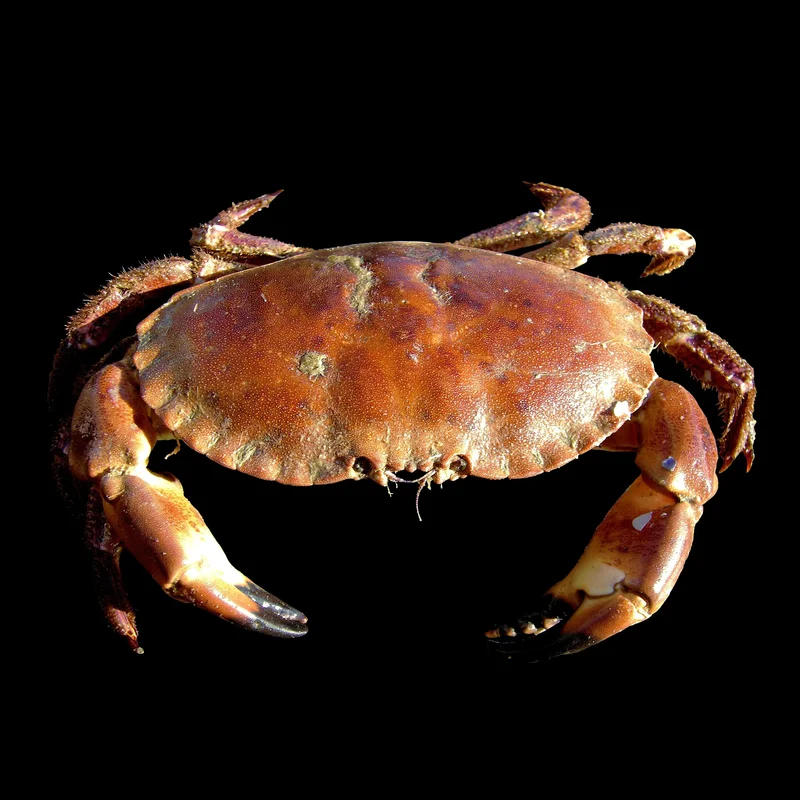
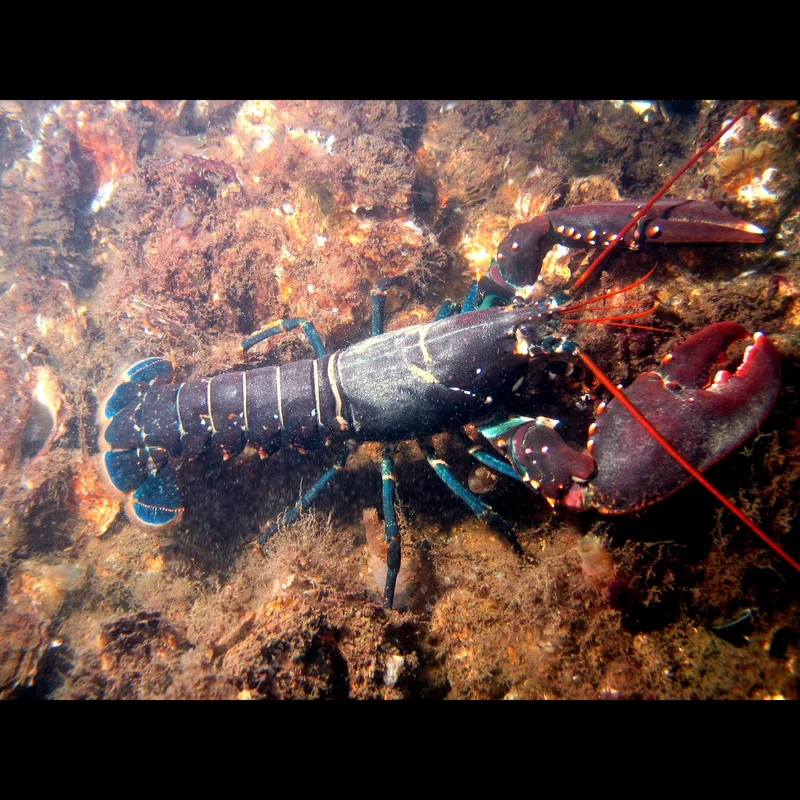
The underwater landscape at Conger Alley, characterized by vast boulder slopes, provides a fantastic habitat for a diverse array of life. Divers routinely encounter a range of crustaceans like crabs and squat lobsters, alongside vibrant anemones, starfish, and dead man’s fingers.
Conger eels, true to the site's name, make their homes within the larger cracks and beneath these huge boulders. You might also spot dogfish and shoals of mackerel passing through.
Enthusiastic divers have reported interactions with seals, which can sometimes be quite inquisitive, even using divers' torchlight for hunting. Lobsters also occasionally appear in these rocky crevices.

Dive Sites Near Conger Alley
View all dive sites in United KingdomDiscover more underwater gems in this area.
Dive Centers Near Conger Alley
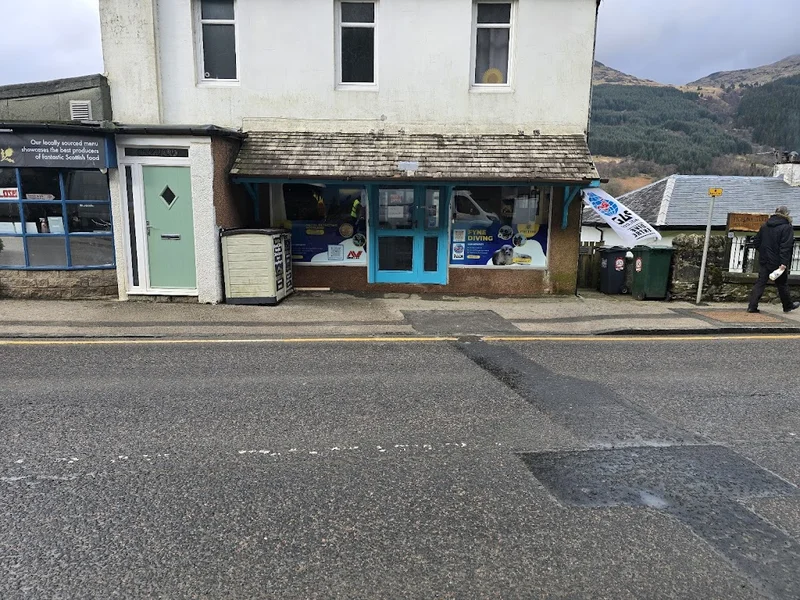
Nearest Airports
Nearest airports to help plan travel to this dive area.
Search Flights
Check available flights and routes on Expedia, using the nearby airports listed in this section.
Search Flights on ExpediaFrequently Asked Questions
Is Conger Alley suitable for new divers?
Conger Alley is generally accessible for various experience levels. Minimal currents and a gradual descent make it manageable. However, new divers should be particularly diligent with buoyancy control, as certain areas can be quite silty, affecting visibility if disturbed.
What are the common visibility conditions at Conger Alley?
Visibility varies significantly. Shallower sections might be cloudy, sometimes described as 'like warm soup,' especially after rain or during plankton blooms. Typically, conditions improve below 8-10 m (26-33 ft), often becoming 'gin clear' even at deeper recreational depths.
What type of marine life can I expect to see?
The boulder slopes are home to a diverse array of life. You can routinely encounter conger eels sheltering in crevices, various anemones, starfish, crabs, and squat lobsters. Dogfish, mackerel, and occasionally inquisitive seals have also been reported.
How should I approach parking and access for this dive site?
Access requires careful planning due to the fast-moving A83 road. It's unsafe to park directly opposite the entry. Instead, find the lay-by about 200 metres (650 ft) north and exercise extreme caution when crossing the road to the dive path.
Are there strong currents at Conger Alley?
Conger Alley benefits from the protection of surrounding hills, resulting in minimal currents. This sheltered environment generally makes the site accessible and predictable for divers, even when other coastal sites might experience stronger water movement.
What water temperatures can I expect, and what gear is recommended?
Water temperatures at Conger Alley are consistently cool, typically ranging from 10-15°C (50-59°F). Due to this, adequate thermal protection is essential. A drysuit or a thick wetsuit is strongly recommended for comfort and safety during your dive.
Planning to dive Conger Alley?
Send one inquiry and receive offers directly from the best verified local dive operators.
Conditions are Good
Optimal conditions expected
Current conditions near Conger Alley show 11° air, --° sea temperature, 0.3 m waves, and 27 km/h wind. Forecast data is refreshed regularly to ensure accuracy.