
Diving at A-Frames (Finnart) (United Kingdom)
Starting near the shore, divers at A-Frames (Finnart) descend onto a gentle slope, initially encountering debris from the old dynamited pier in shallower sections. This initial exploration between 8-12m (26-39 ft) reveals a bustling ecosystem clinging to the wreckage. Further out, below 20m (65 ft), the imposing A-Frames, remnants of the original pier structure, emerge from the loch bed. Beyond these, the slope continues, offering opportunities for deeper excursions past 40m (130 ft).
Tonight's objective overview for A-Frames (Finnart) shows an air temperature of 13.5°C. The measured surface conditions include wave heights around 0.3 m. This environmental data is logged for the close of the day.
Dive Site Location & Key Facts
Dive Site Overview
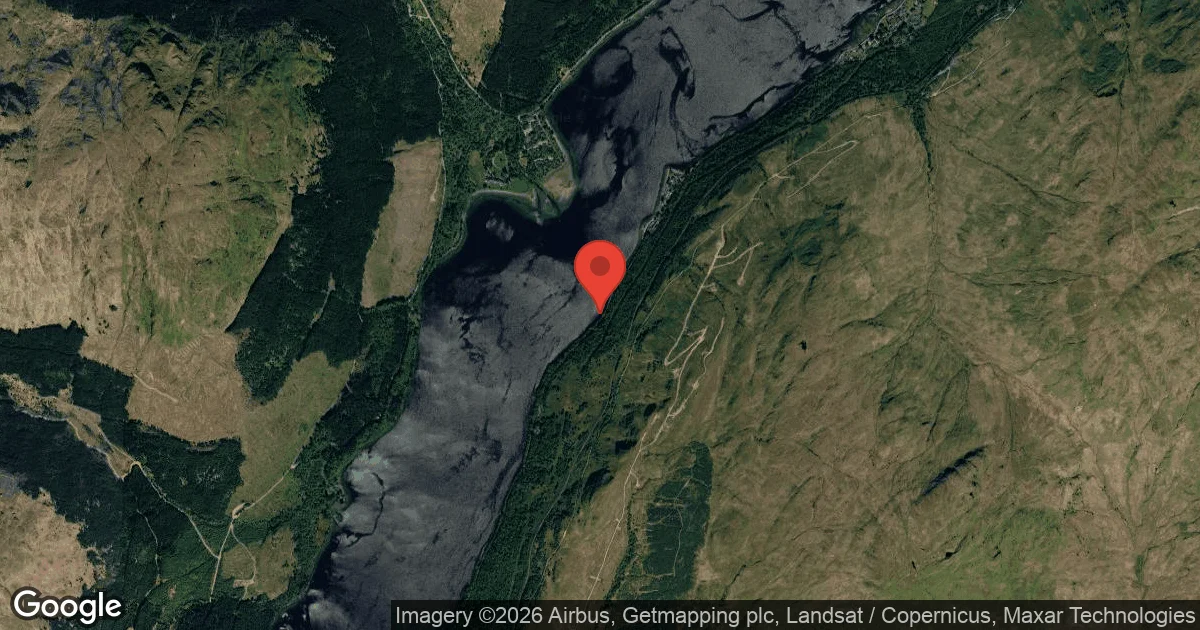
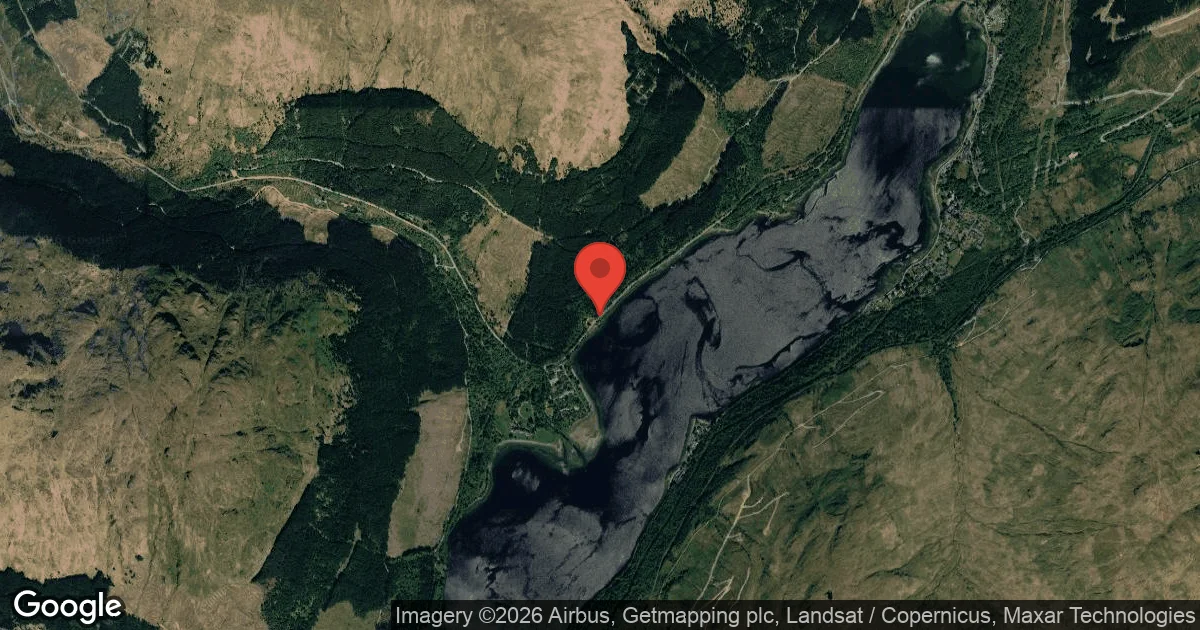
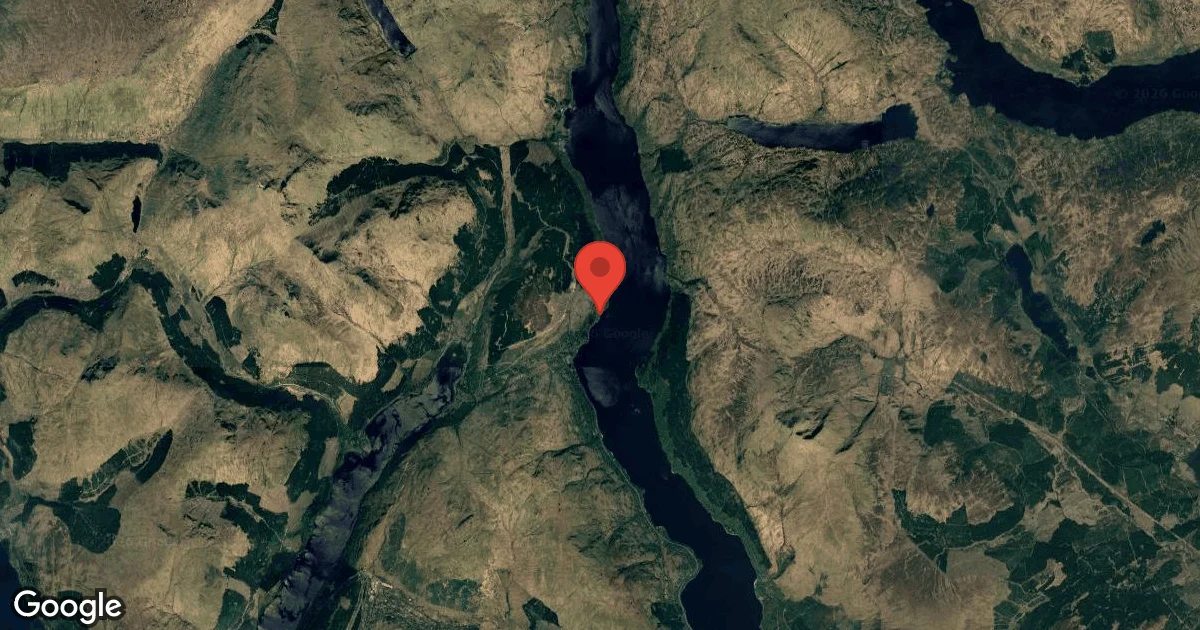
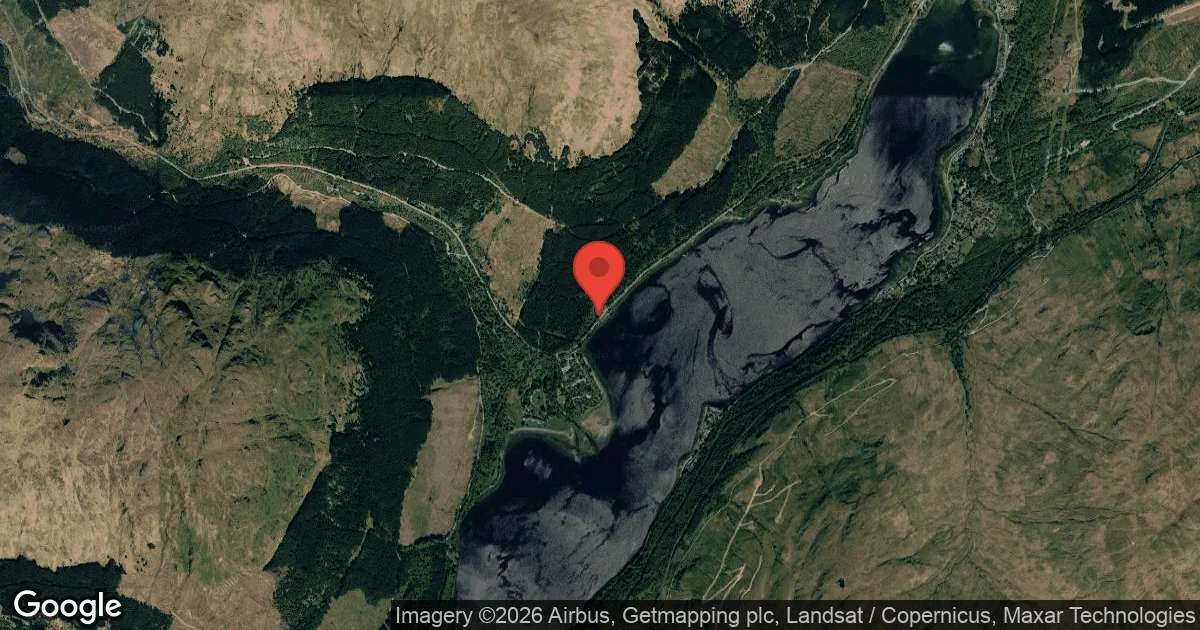
A-Frames, situated on Loch Long's east shore near the Finnart Oil Terminal in Scotland, reveals a gentle underwater slope shaped by remnants of an old dynamited pier. Divers first encounter a debris field between 8-12m (26-39 ft), where scattered wreckage creates a bustling habitat for various marine species.
Shallower areas serve as excellent starting points for new divers or those preferring limited depth profiles. Further down, below 20m (65 ft), substantial concrete structures emerge from the loch bed; these are the imposing 'A-Frames' which lend the site its moniker. Heavily encrusted with sessile life, these structures offer intriguing exploration, occasionally providing spectacular views looking up towards the surface on clearer days.
Beyond these, the seabed continues its descent, providing access to greater depths, sometimes past 40m (130 ft), where different life, such as fireworks anemones, can be observed. Diverse topography, ranging from scattered debris to large structural remains and a continuing slope, offers varied exploration for all experience levels.
Often a popular training ground, Finnart's easy accessibility can result in high diver traffic, especially on weekends.
Conditions are Good
Optimal conditions expected
Current conditions near A-Frames (Finnart) show 14° air, --° sea temperature, 0.3 m waves, and 28 km/h wind. Forecast data is refreshed regularly to ensure accuracy.
Best Time to Dive
Optimal diving at A-Frames (Finnart) often contrasts with typical warm-water destinations, leaning towards months with more settled weather and higher air temperatures for comfort, yet recognizing that underwater conditions vary independently. Spring and summer months, from April to September, consistently show "Excellent" dive scores, aligning with air temperatures ranging from 8.5°C (47°F) in April to a peak of 15°C (59°F) in August. Rainfall is generally lower during these months, with averages around 3.3-5.6mm, compared to heavier autumn and winter rains reaching 9mm. While specific water temperature averages are not consistently reported for A-Frames, historical dive reports suggest temperatures around 10°C (50°F) in cooler periods, with variations throughout the year. Winter months (January, February, October, December) still yield "Good" dive scores despite lower air temperatures and increased rainfall, indicating diving remains viable year-round for properly equipped divers. Regardless of the season, local visibility conditions remain the primary variable for dive quality.
PEAK SEASON SCORE
Scores combine air & water temps, waves, wind & rainfall for overall conditions.
BEST MONTHS TO DIVE
Monthly records compiled from satellite and marine observation nodes over the last 3 years. Data provided by Open-Meteo and MET Norway.
Dive Experience & Conditions
Dive conditions at A-Frames can present a dynamic environment for divers. While Loch Long's sheltered nature generally implies minimal strong currents, local conditions and tidal movements can still influence the underwater experience. Visibility at the site is notably variable; it can range from 6-8m (20-26 ft) after passing an initial thermocline, as reported in specific dive logs, but may also decrease significantly, even to virtually zero, depending on recent weather and sediment disturbance. Water temperatures are characteristic of a Scottish sea loch; while not consistently reported across all months, individual dive reports have noted temperatures around 10°C (50°F) in cooler periods, with variations expected throughout the year. The site's gentle slope makes navigation straightforward for most, but divers should be prepared for potential changes in visibility that could affect orientation. Overall, it's a dive that rewards adaptability to changing conditions.
Dive Difficulty & Safety Guidelines
Navigating A-Frames requires attention to several factors for a safe dive. The primary concerns revolve around the site's popularity and variable conditions. Given its easy access and suitability for training, the area can become very busy, particularly on weekends; situational awareness regarding other divers is essential.
While parking is ample, access to and from the water itself can be tricky due to the shore topography, so exercise caution during entry and exit. Visibility fluctuations are common, sometimes dramatically reducing underwater perception.
Divers should be comfortable with navigating in potentially limited visibility and always dive with a reliable buddy. Planning your dive to respect depth limits and bottom times is crucial, especially when exploring the deeper sections beyond 20m (65 ft), which can easily extend past recreational depths. Always check local conditions and tides before entering the water.
Recommended Equipment
Deep dive hazard. Increased narcosis and gas consumption risk.
- Dive Computer
- DSMB
- Primary & Backup Lights
- Hard-soled Dive Boots
This gear list is based on verified equipment signals for A-Frames (Finnart), United Kingdom. Always confirm final gear choices with your dive operator, guide, or liveaboard.
Recommended Dive Suit
Forecast confidence is somewhat lower, with potential for varied conditions ahead.
Based on regional estimates and current weather, the likely required exposure protection is a thicker wetsuit or drysuit. Note that local currents and upwellings can alter this. A hood or vest is suggested for sensitive divers due to surface winds. A thermal robe or jacket is recommended between dives.
Because recent water temperature readings are not available for A-Frames (Finnart), the guidance below is based mainly on current air conditions and seasonal expectations. Current surface air temperatures are roughly 14°C (56°F).
Emergency & Medical Support
Essential information to help you plan your dive trip to A-Frames (Finnart).

Hyperbaric chambers are a critical part of dive safety infrastructure. Availability varies significantly by region, and not all dive areas have immediate access.
Before diving, it's recommended to:
- confirm nearest medical facilities
- check emergency procedures with local dive operators
- ensure dive insurance covers evacuation if required
Divers Alert Network
Diving emergency assistance available through DAN Europe.
+39 0642115685- 24/7 emergency hotline
- Diving medical assistance
- Evacuation coordination
Emergency contacts are provided for reference. Always verify local emergency services before diving.
Closest Listed Hyperbaric Chambers
Showing listed hyperbaric chamber facilities within 200 km of this dive site.
Distances are approximate straight-line distances and may not reflect emergency travel time.
West Scotland Centre for Diving and Hyperbaric Medicine
Oban, Argyll, United Kingdom•Approx. 53 km straight-line
West Scotland Centre for Diving and Hyperbaric Medicine
Information is provided for reference and planning purposes only. Dive Navigator does not verify operational status, staffing, availability, or quality of care at listed facilities. In an emergency, contact local emergency services, DAN, your dive operator, or the chamber directly. Do not travel to a facility without calling ahead.
Marine Life at A-Frames (Finnart)
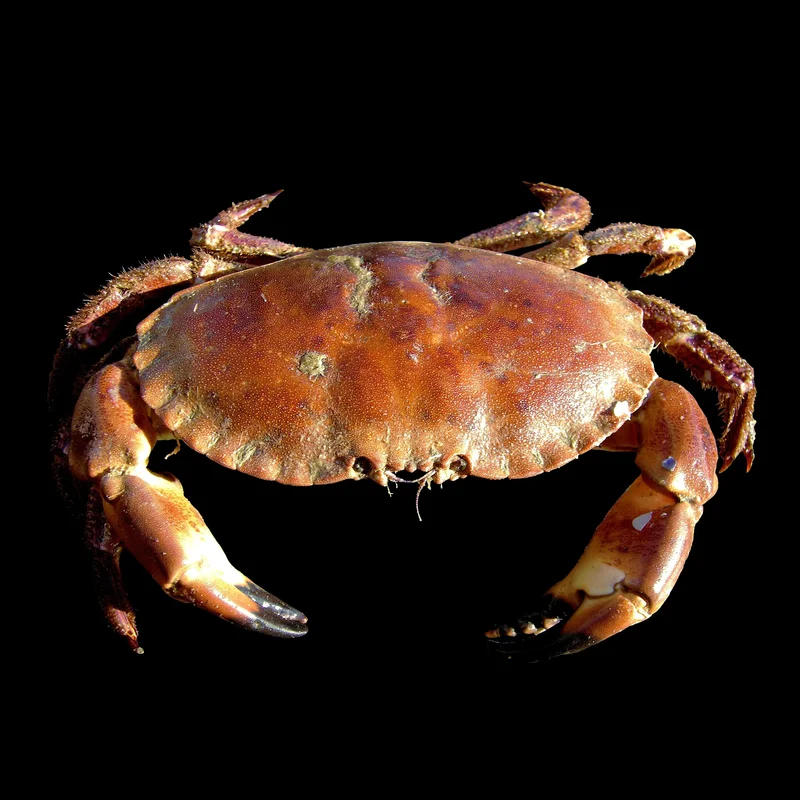
A-Frames' underwater landscape supports a surprisingly diverse array of marine life, particularly thriving on the structural remnants of the old pier. Around the shallower debris field, between 8-12m (26-39 ft), divers frequently encounter a bustling community of squat lobsters, edible crabs, and velvet swimming crabs utilizing the nooks and crannies.
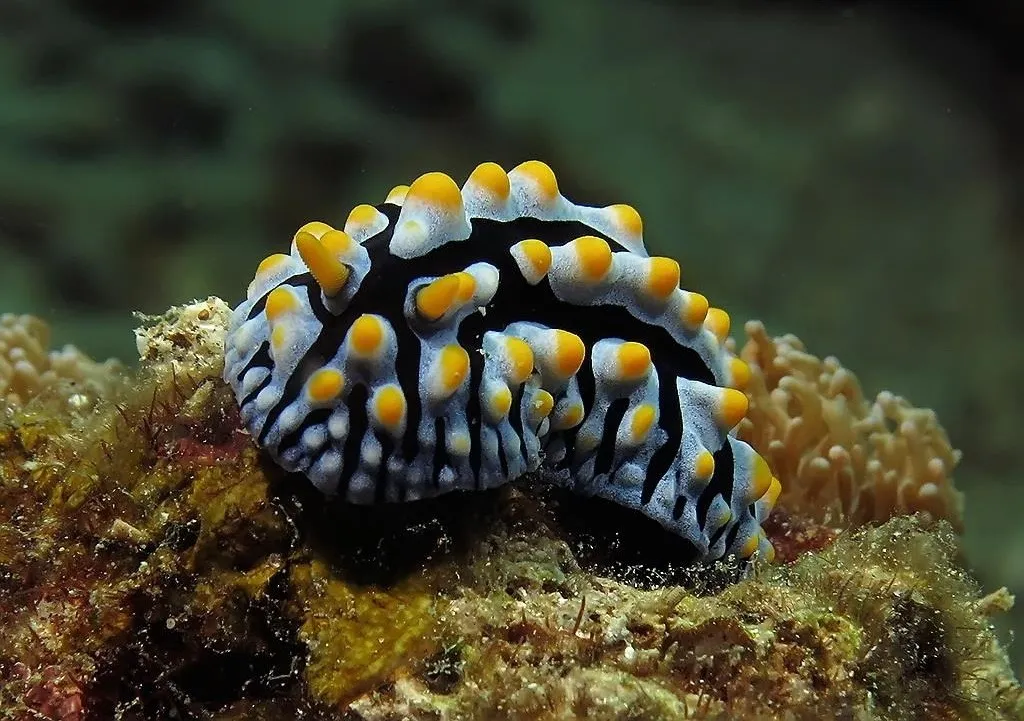
As you descend to the deeper A-Frames structures, these huge concrete remnants are covered in vibrant sessile life, including numerous anemones, various starfish, and dead men’s fingers. Lucky observers might also spot nudibranchs meticulously moving across these encrusted surfaces.
In the deeper sections of the loch, beyond 40m (130 ft), the spectacular fireworks anemones become more prevalent. Dogfish are also reported to frequent the area, adding to the varied encounters available.


Dive Sites Near A-Frames (Finnart)
View all dive sites in United KingdomDiscover more underwater gems in this area.
Dive Centers Near A-Frames (Finnart)
Nearest Airports
Nearest airports to help plan travel to this dive area.
Search Flights
Check available flights and routes on Expedia, using the nearby airports listed in this section.
Search Flights on ExpediaFrequently Asked Questions
What is the maximum depth at A-Frames (Finnart)?
While the main pier wreckage and A-Frames structures are found at recreational depths, with debris starting at 8-12m (26-39 ft) and the A-Frames around 20m (65 ft) and deeper, it is possible to extend dives to over 40m (130 ft) by heading further offshore. The maximum depth depends on your dive plan and experience level.
What kind of dive site is A-Frames?
A-Frames is an archaeological sea-loch dive site characterized by a gentle slope. It features the remnants of an old, dynamited pier, including a debris field in shallower areas and large concrete 'A-Frames' structures at deeper points. This creates a diverse habitat for marine life.
Is A-Frames suitable for beginner divers?
Yes, A-Frames is suitable for divers of all grades, from trainees upwards. The shallower sections around the pier debris offer plenty to explore within recreational limits, making it a popular training location. More experienced divers can venture to deeper parts of the site.
What is the visibility like at A-Frames?
Underwater visibility at A-Frames can vary dramatically depending on recent weather and sediment disturbance. While some dive reports mention 6-8m (20-26 ft) visibility after an initial thermocline, it can also be significantly reduced, sometimes even to virtually zero. Divers should be prepared for variable conditions.
Are there strong currents at the site?
Loch Long generally provides a sheltered environment, meaning strong currents are typically minimal. However, local conditions, tidal influences, and weather can still create some movement. It's always advisable to check local conditions before your dive.
What marine life can be observed at A-Frames?
The site hosts a wide variety of marine life, particularly around the pier wreckage. Divers can expect to see squat lobsters, edible and velvet swimming crabs, various species of anemones, starfish, and dead men's fingers. Nudibranchs are also present, and deeper dives might reveal spectacular fireworks anemones and even dogfish.
How busy does the A-Frames dive site get?
Due to its accessibility and suitability for training, A-Frames can become very busy, especially on weekends and during peak season. Divers should be mindful of other groups and maintain situational awareness to ensure a safe and enjoyable experience.
Is parking available at A-Frames?
Yes, there is ample parking space available for multiple cars at the water's edge at A-Frames. However, while parking is easy, access to and from the water itself can be tricky, requiring care during entry and exit.
Planning to dive A-Frames (Finnart)?
Send one inquiry and receive offers directly from the best verified local dive operators.
Conditions are Good
Optimal conditions expected
Current conditions near A-Frames (Finnart) show 14° air, --° sea temperature, 0.3 m waves, and 28 km/h wind. Forecast data is refreshed regularly to ensure accuracy.