
Diving at Loch Long (United Kingdom)
Beneath Scotland's rugged landscape, Loch Long reveals a captivating underwater world often overlooked. This expansive sea loch, historically known as 'Ship Lake' from its Viking past, offers divers an accessible gateway to temperate marine environments. Its sheltered waters and varied topography provide a compelling experience for those exploring the west coast of Scotland. Prepare to discover diverse ecosystems hidden just beneath the surface.
Tonight's objective overview for Loch Long shows an air temperature of 11°C. The measured surface conditions include wave heights around 0.3 m. This environmental data is logged for the close of the day.
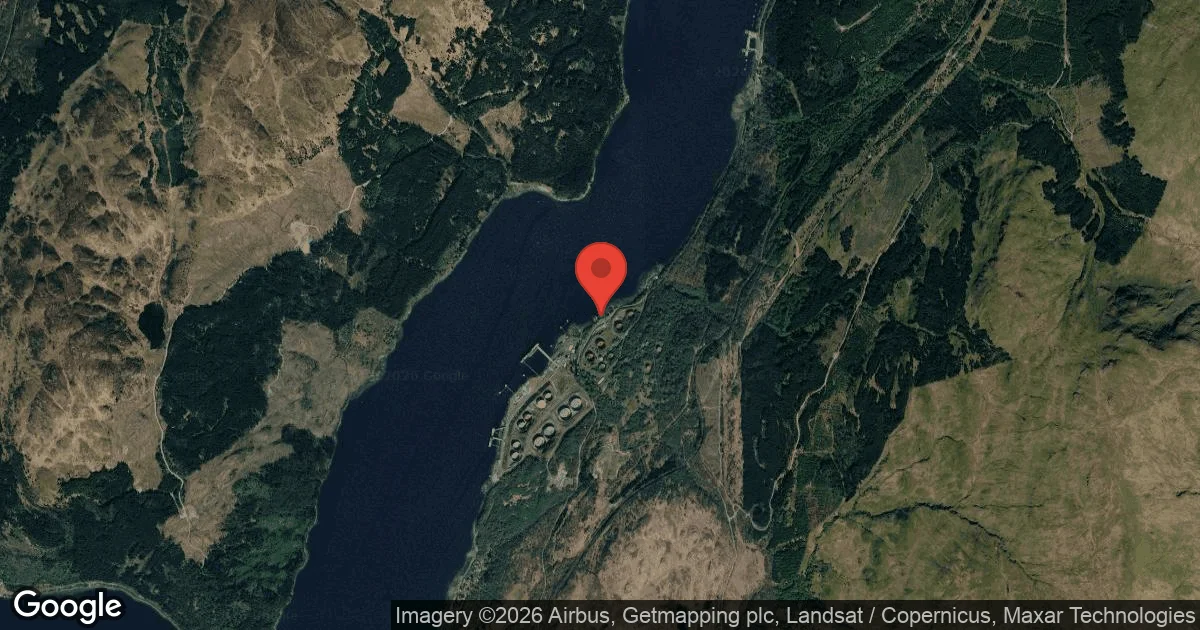
Dive Site Location & Key Facts
Dive Site Overview
Loch Long, a 20-mile-long sea loch, presents a rich tapestry of underwater environments, making it a pivotal dive destination on Scotland's west coast. Divers encounter an array of habitats formed by natural rocky reefs and the submerged remnants from the demolition of old piers, often settling into expansive sandy bottom areas at greater depths.
These structures create intricate hiding spots and feeding grounds for marine organisms. Extending down to approximately 40 m (131 ft) in certain areas, the loch's diverse topography includes both shallower, rock-strewn sections and deeper, silty expanses.
With no fewer than 13 distinct dive sites available, all within an hour's drive from Glasgow, the loch accommodates various skill levels, from trainee divers to more experienced explorers. Its naturally sheltered conditions also establish it as a popular training ground for instructors, particularly for those coming from the east coast, who benefit from the accessible recreational depth range.
While individual sites vary, a consistent feature is the transition from rocky shorelines to deeper, often silty bottoms.
Conditions are Good
Optimal conditions expected
Current conditions near Loch Long show 11° air, --° sea temperature, 0.4 m waves, and 31 km/h wind. Forecast data is refreshed regularly to ensure accuracy.
Best Time to Dive
While diving in Loch Long is accessible year-round, conditions on the surface can vary. Between May and September, air temperatures are milder, ranging from approximately 12.5°C (54°F) to 14.5°C (58°F), offering a more comfortable experience before and after dives. Rain levels are moderate during these months, typically between 3.37 mm and 7.10 mm, which is relatively lower compared to the heavier rainfall observed in winter. In contrast, colder months like January and February see air temperatures average around 3.5°C (38°F) and 5°C (41°F) respectively, often accompanied by higher wind speeds and increased precipitation, sometimes exceeding 6 mm. Divers planning trips in colder periods should anticipate colder surface conditions and prepare accordingly.
PEAK SEASON SCORE
Scores combine air & water temps, waves, wind & rainfall for overall conditions.
BEST MONTHS TO DIVE
Monthly records compiled from satellite and marine observation nodes over the last 3 years. Data provided by Open-Meteo and MET Norway.
Dive Experience & Conditions
Exploring the depths of Loch Long can take divers down to approximately 40m (131 ft), revealing a landscape of small rocky reefs and silty bottom sections. Visibility in the loch isn't consistently reported; it varies significantly depending on recent weather and activity, occasionally dropping to near zero. Despite this, the relative shelter of the west coast sea lochs often provides calmer surface conditions compared to more exposed coastal sites. Sites like the A-Frames, adjacent to Finnart Oil Terminal, offer easy access and are particularly suitable for training, accommodating a wide range of diver experience. This particular location can become quite busy due to its popularity for courses, so situational awareness is important. The water temperature is consistently cold, necessitating appropriate thermal protection for comfortable and safe diving.
Dive Difficulty & Safety Guidelines
Diving in Loch Long requires careful attention to safety, primarily due to the cold water environment. Proper thermal protection is paramount, and divers should be prepared for varying visibility conditions that can change quickly. Entry and exit points, especially at popular sites like the A-Frames, can sometimes be tricky and require cautious movement.
Due to its popularity as a training site and its proximity to Glasgow, certain locations within the loch can experience high diver traffic, leading to potentially crowded conditions. Divers should maintain awareness of their surroundings and other dive teams, ensuring clear communication and adherence to established dive plans. It's always advisable to check local conditions and site-specific advice before each dive.
Recommended Equipment
- Dive Computer
This gear list is based on verified equipment signals for Loch Long, United Kingdom. Always confirm final gear choices with your dive operator, guide, or liveaboard.
Recommended Dive Suit
Comfort levels can also depend on how active a diver is during the dive.
Because recent water temperature readings are not available for Loch Long, the guidance below is based mainly on current air conditions and seasonal expectations. Current surface air temperatures are roughly 11°C (52°F). Based on regional estimates and current weather, the likely required exposure protection is a thicker wetsuit or drysuit. Note that local currents and upwellings can alter this. A hood or vest is suggested for sensitive divers due to surface winds. Strong cold advisory: dress warmly immediately after exiting the water.
Conditions may fluctuate slightly depending on wind and weather patterns. A warming trend is expected over the next few days.
Due to technical issues with our weather providers, live updates are temporarily delayed. The data above reflects the conditions at the time of the last successful fetch.
Emergency & Medical Support
Essential information to help you plan your dive trip to Loch Long.

Hyperbaric chambers are a critical part of dive safety infrastructure. Availability varies significantly by region, and not all dive areas have immediate access.
Before diving, it's recommended to:
- confirm nearest medical facilities
- check emergency procedures with local dive operators
- ensure dive insurance covers evacuation if required
Divers Alert Network
Diving emergency assistance available through DAN Europe.
+39 0642115685- 24/7 emergency hotline
- Diving medical assistance
- Evacuation coordination
Emergency contacts are provided for reference. Always verify local emergency services before diving.
Closest Listed Hyperbaric Chambers
Showing listed hyperbaric chamber facilities within 200 km of this dive site.
Distances are approximate straight-line distances and may not reflect emergency travel time.
West Scotland Centre for Diving and Hyperbaric Medicine
Oban, Argyll, United Kingdom•Approx. 50 km straight-line
West Scotland Centre for Diving and Hyperbaric Medicine
Information is provided for reference and planning purposes only. Dive Navigator does not verify operational status, staffing, availability, or quality of care at listed facilities. In an emergency, contact local emergency services, DAN, your dive operator, or the chamber directly. Do not travel to a facility without calling ahead.
Aberdeen Royal Infirmary
Aberdeen, United Kingdom•Approx. 194 km straight-line
Aberdeen Royal Infirmary
Information is provided for reference and planning purposes only. Dive Navigator does not verify operational status, staffing, availability, or quality of care at listed facilities. In an emergency, contact local emergency services, DAN, your dive operator, or the chamber directly. Do not travel to a facility without calling ahead.
Marine Life at Loch Long
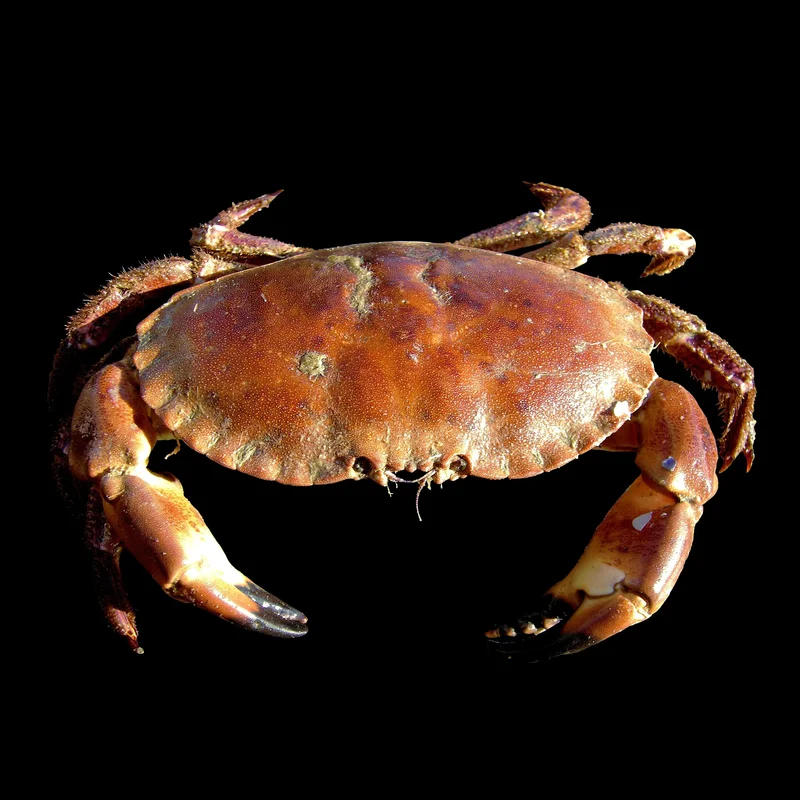
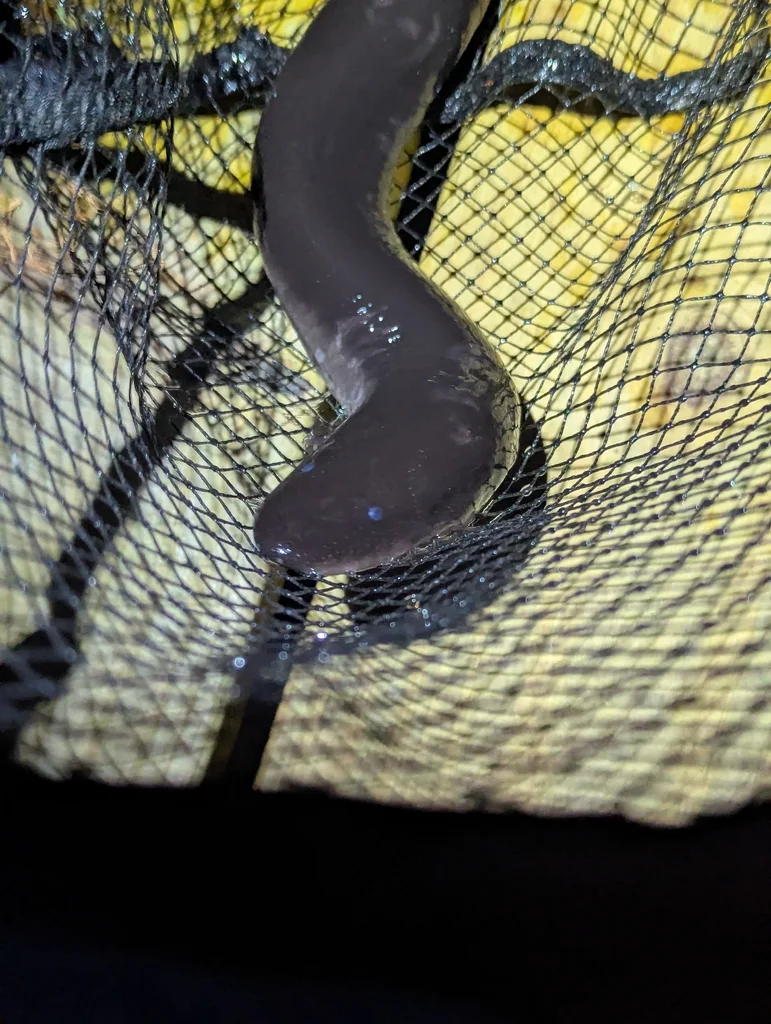
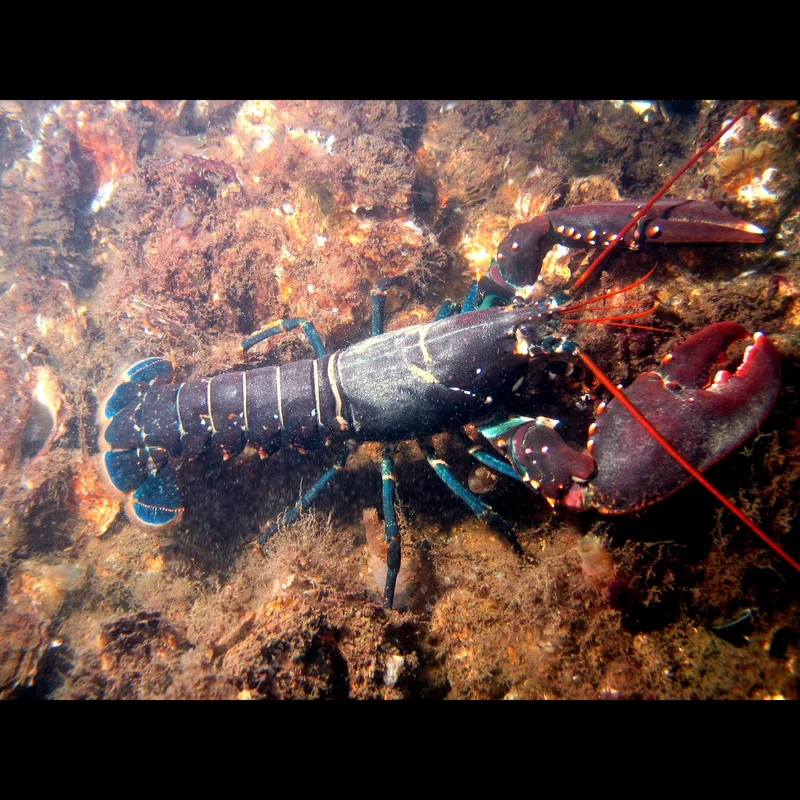
Descending into Loch Long, divers often first notice various crabs and starfish populating the rocky reefs and former pier structures. Taking time to search the larger holes in these formations frequently reveals conger eels and lobsters, which can be somewhat shy but are present.
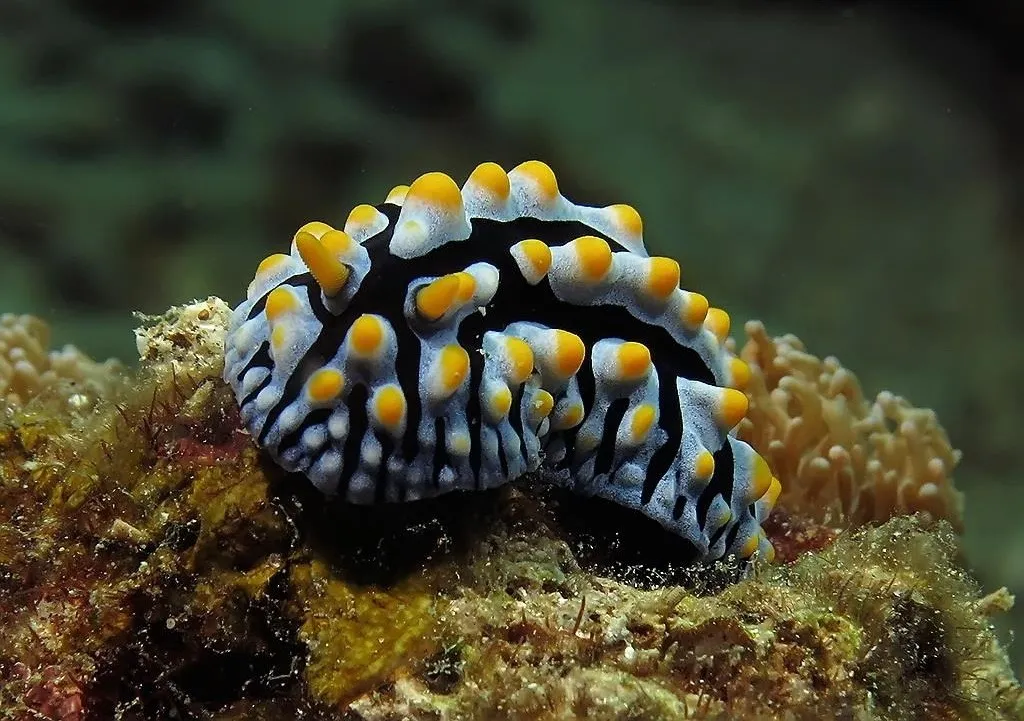
Observing the substrate carefully might also expose an octopus lurking among the rocks. Various nudibranchs are commonly found, particularly if a macro lens is employed.
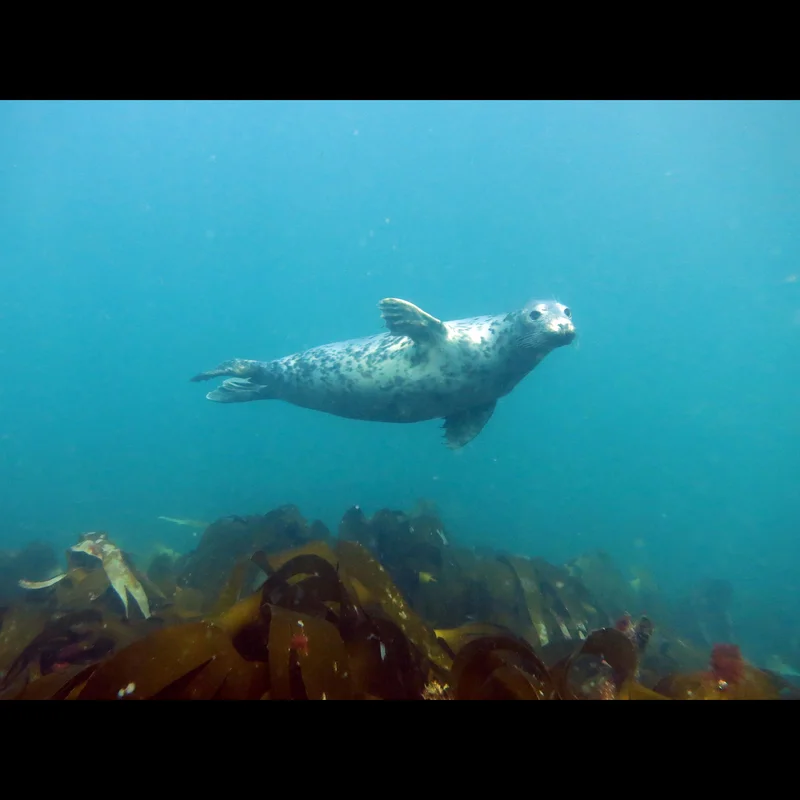
The site also hosts an abundance of fish, ranging from flatfish camouflaged against the silty bottom to occasionally colorful wrasse navigating the reef structure. These diverse habitats, created by natural features and submerged wreckage, support a wide array of fascinating creatures.
Dive Sites Near Loch Long
View all dive sites in United KingdomDiscover more underwater gems in this area.
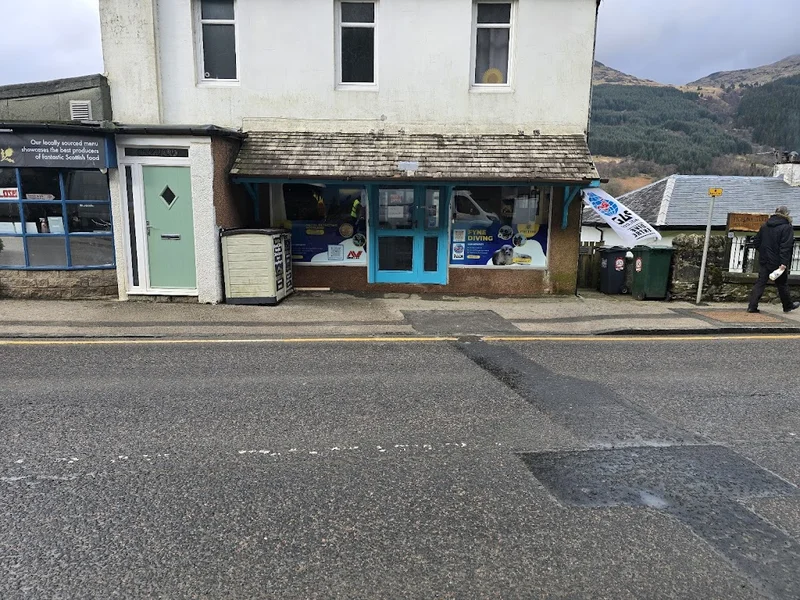
Dive Centers Near Loch Long
Nearest Airports
Nearest airports to help plan travel to this dive area.
Search Flights
Check available flights and routes on Expedia, using the nearby airports listed in this section.
Search Flights on ExpediaFrequently Asked Questions
What is the maximum depth available for diving in Loch Long?
Loch Long offers diving opportunities down to a maximum depth of approximately 40m (131 ft). This allows for a range of recreational diving profiles, from shallower training dives to deeper exploration.
How variable is the underwater visibility?
Underwater visibility in Loch Long is not consistently reported and can vary dramatically. Conditions depend on factors such as recent rainfall, sediment disturbance, and tidal movements, sometimes resulting in limited visibility.
Is Loch Long suitable for beginner divers?
Yes, Loch Long is suitable for all grades of diver, including trainees. Its sheltered nature and various dive sites, like the A-Frames, make it a popular location for dive instruction and initial certifications.
What kind of marine life can I expect to see?
Divers often encounter crabs, starfish, anemones, and conger eels. Keep an eye out for lobsters in crevices, and if you're lucky, you might spot an octopus. Various nudibranchs, flatfish, and wrasse also inhabit the loch.
Are there specific challenges with accessing dive sites?
While parking is generally easy at popular sites like the A-Frames, access to and from the water can sometimes be tricky. Divers should exercise caution during entry and exit, especially with full gear.
Why is a drysuit recommended for diving here?
A drysuit is recommended due to the consistently cold water temperatures in Loch Long. It provides superior thermal insulation, ensuring comfort and safety during extended dives in the Scottish waters.
What is the best time of year for good surface conditions?
Optimal surface conditions, with milder air temperatures and generally lower rainfall, are often experienced between May and September. However, diving is possible year-round with appropriate gear for colder weather.
Planning to dive Loch Long?
Send one inquiry and receive offers directly from the best verified local dive operators.
Conditions are Good
Optimal conditions expected
Current conditions near Loch Long show 11° air, --° sea temperature, 0.4 m waves, and 31 km/h wind. Forecast data is refreshed regularly to ensure accuracy.