
Diving at AH Richardson (United States)
Richardson Beach Park features a vibrant hard coral reef structure, offering divers a dynamic underwater landscape along Hawaii's Big Island. Entry points are available either from steps or directly onto the black sand beach. The site’s topography includes a wall and channel system, presenting varied dive profiles depending on the chosen direction.
As evening covers AH Richardson, the local air temperature is measured at 28.5°C. The current wave height at the surface is recorded at 0.8 m. These late-day readings characterize the surface conditions for the night.
Dive Site Location & Key Facts
Dive Site Overview
Diving at Richardson Beach Park presents an opportunity for exploration within its distinct reef and channel environment. Depths range considerably, extending from shallower sections down to 36 meters (120 ft) outside the wall or channel, though a common maximum depth is often cited around 11 meters (36 ft) closer to shore.
A surface swim is typically required to reach the main dive areas, which can be challenging during strong tide shifts or pronounced currents. Divers should prepare for variable conditions, particularly concerning wave action and channel flow. The site supports a diverse ecosystem, making careful observation a rewarding part of the experience.
Novice divers might find the entry and surface swim demanding, especially when conditions are less favorable, making it more suitable for those comfortable with active water entries.
Conditions are Good
Optimal conditions expected
Current conditions near AH Richardson show 29° air, 30° sea temperature, 0.4 m waves, and 27 km/h wind. Forecast data is refreshed regularly to ensure accuracy.
Best Time to Dive
Planning your dive around the local climate is crucial for a rewarding experience at Richardson Beach Park. While conditions are generally favorable for diving throughout much of the year, specific periods present more challenges. From November through March, the area experiences stronger northwest swells, which can make entry, exit, and surface swims considerably more dangerous. Air temperatures are mildest from December to February, ranging from 13.5-15°C (56-59°F), and warmest from July to August, averaging 28.5-29°C (83-84°F). Wave heights average between 0.5 meters (July) and 0.9 meters (January), correlating with wind speeds varying from 21.5 km/h (13.4 mph) in July to around 31.1 km/h (19.3 mph) in January and October. Water temperature data is not consistently reported, but seasonal air temperature shifts can influence comfort levels above surface.
PEAK SEASON SCORE
Scores combine air & water temps, waves, wind & rainfall for overall conditions.
BEST MONTHS TO DIVE
Monthly records compiled from satellite and marine observation nodes over the last 3 years. Data provided by Open-Meteo and MET Norway.
Dive Experience & Conditions
Underwater, the dive experience at Richardson Beach Park varies significantly based on direction and prevailing conditions. Divers can explore a hard coral reef system, navigating along a wall and through a channel. Depths can extend from a recreational 30 ft (9 m) to much deeper sections, potentially reaching 120 ft (36 m) when venturing further outside the main channel. Entry and exit can be made via steps or directly from the black sand beach; however, tide shifts and currents through the channel necessitate careful planning. A considerable surface swim is often required to reach optimal dive spots. Conditions can fluctuate, requiring divers to pay close attention to wave action and current strength, particularly in the channel. Visibility depends on swell and current activity.
Dive Difficulty & Safety Guidelines
Navigating Richardson Beach Park requires careful consideration of its dynamic conditions, particularly concerning safety. Currents and tide shifts through the channel can pose significant challenges, making a good surface swim out and back essential at any time. Between November and March, northwest swells often increase hazards, potentially making conditions dangerous.
Divers are strongly advised to check in with lifeguards for current conditions before entering the water. Diving with an experienced local who understands the site's nuances is highly recommended.
PADI Advanced Open Water Diver and specialty courses such as Self-Reliant Diver, Deep Diver, Underwater Navigator, and Boat Diver can provide valuable skills for managing the varied conditions encountered here.
Recommended Equipment
- Dive Computer
This gear list is based on verified equipment signals for AH Richardson, United States. Always confirm final gear choices with your dive operator, guide, or liveaboard.
Recommended Dive Suit
Individual comfort in the water can vary significantly from diver to diver, even under the same conditions.
For most recreational dives, dive skin or rash guard should provide comfortable protection. Consider warmer surface protection (like a boat coat) due to brisk winds. Surface temperatures may decrease slightly later in the week. Cooler days are ahead; you might want a warmer option for later in the week. Carrying a secondary suit is common practice among experienced divers.
Divers heading to AH Richardson today should expect water temperatures around 30°C (86°F). Surface air temperatures are resting at 29°C (83°F).
Emergency & Medical Support
Essential information to help you plan your dive trip to AH Richardson.

Hyperbaric chambers are a critical part of dive safety infrastructure. Availability varies significantly by region, and not all dive areas have immediate access.
Before diving, it's recommended to:
- confirm nearest medical facilities
- check emergency procedures with local dive operators
- ensure dive insurance covers evacuation if required
Divers Alert Network
Diving emergency assistance available through DAN World.
+1-919-684-9111- 24/7 emergency hotline
- Diving medical assistance
- Evacuation coordination
Emergency contacts are provided for reference. Always verify local emergency services before diving.
Marine Life at AH Richardson
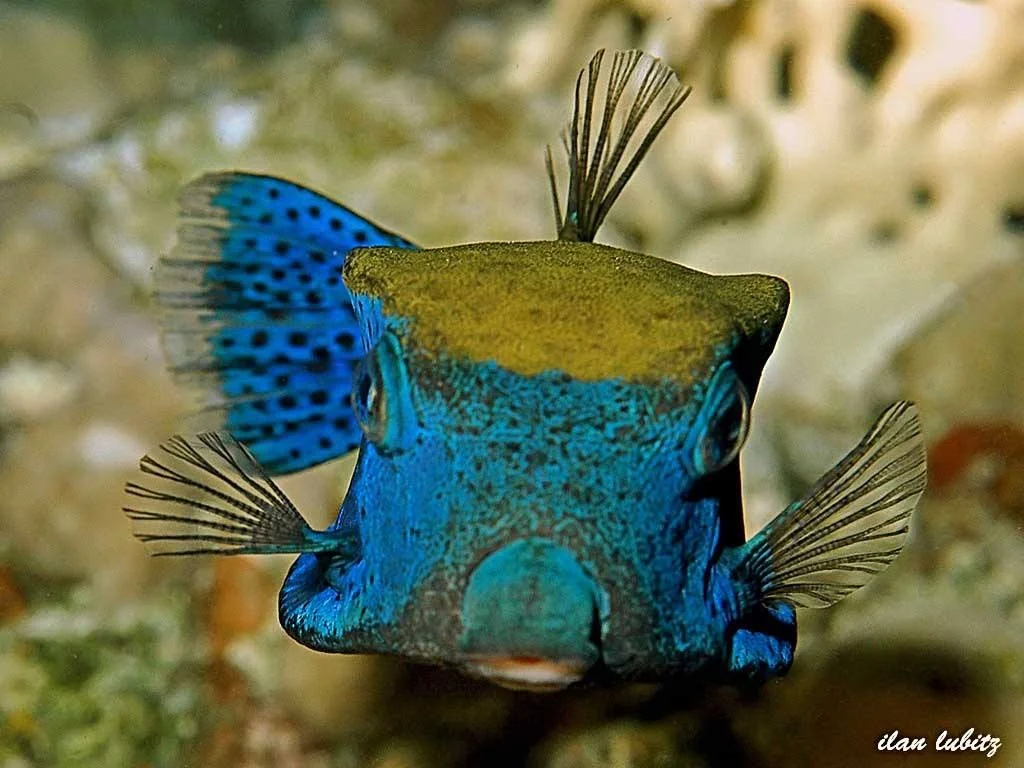
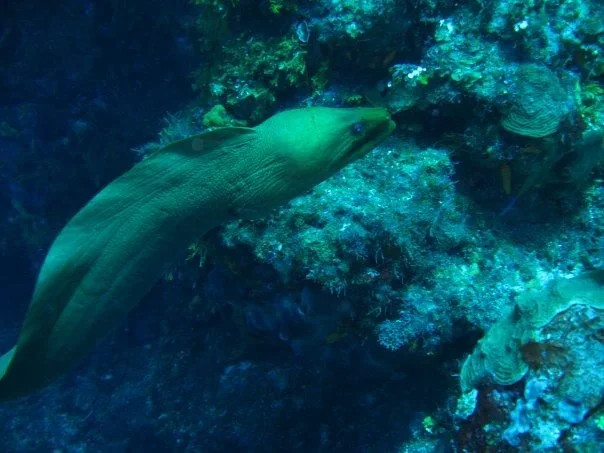
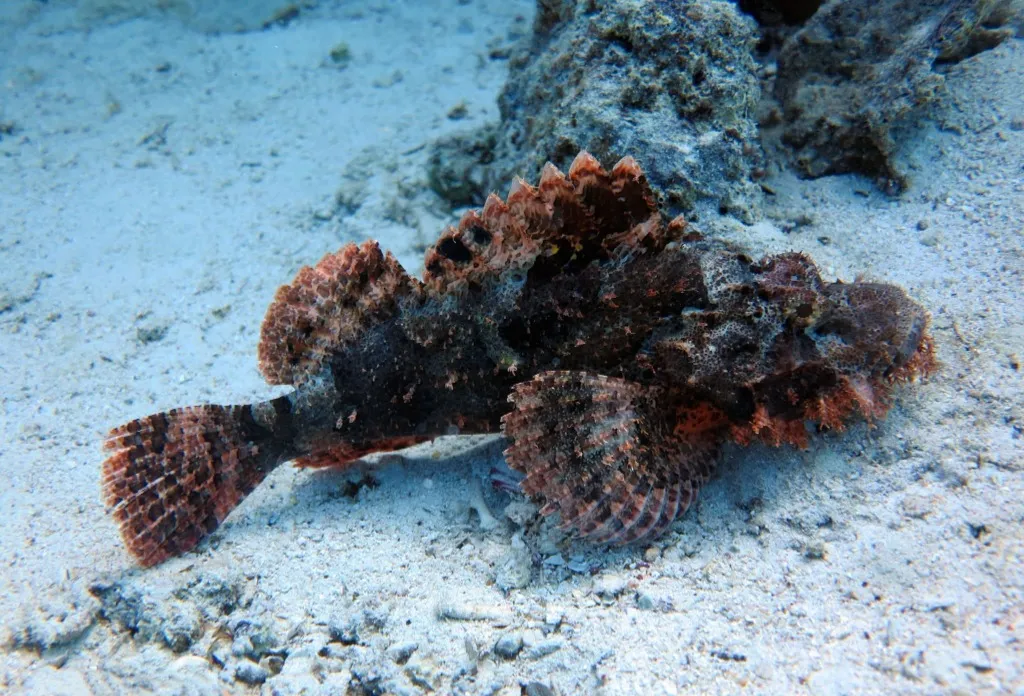
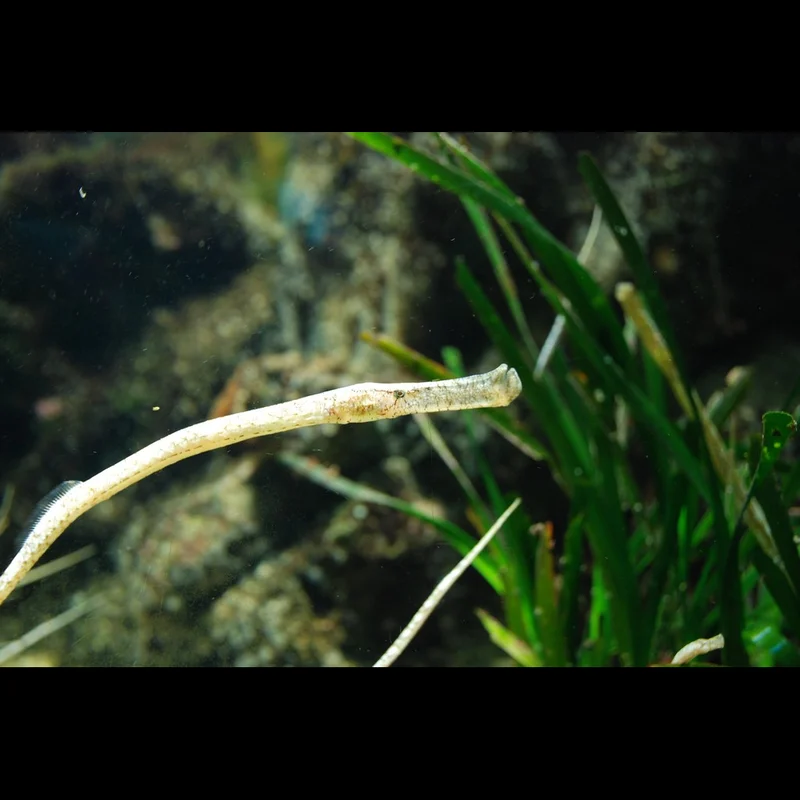
A dive at Richardson Beach Park often reveals a diverse array of marine species within its reef environment. Common sightings include various reef fish such as scorpionfish, boxfish, puffer fish, surgeonfish, angelfish, and parrotfish.
Divers may also encounter bannerfish, triggerfish, trumpetfish, and pipefish. Larger inhabitants sometimes spotted include green sea turtles, moray eels, starfish, and nudibranchs.
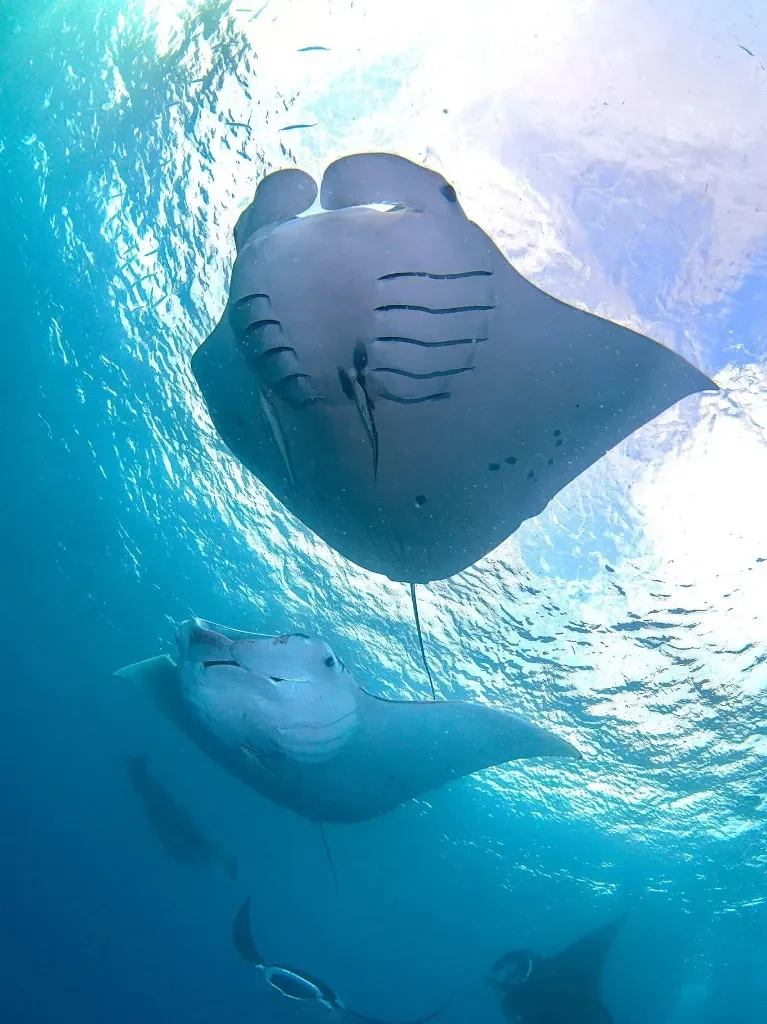
On occasion, manta rays and oceanic blacktip sharks have been observed, adding to the site's appeal.
Dive Centers Near AH Richardson
Today: 11:00 - 19:00
Nearest Airports
Nearest airports to help plan travel to this dive area.
Search Flights
Check available flights and routes on Expedia, using the nearby airports listed in this section.
Search Flights on ExpediaFrequently Asked Questions
What is the typical depth range for diving at Richardson Beach Park?
Diving depths at Richardson Beach Park are quite varied. While some areas closer to shore are around 11 meters (36 ft) deep, exploring outside the main wall or channel can lead to depths up to 36 meters (120 ft), depending on your direction.
Are there any specific hazards to be aware of when diving here?
Yes, divers should be aware of tide shifts and strong currents, particularly through the channel. Additionally, northwest swells from November through March can make conditions dangerous, increasing wave action and the difficulty of surface swims.
What kind of marine life can I expect to see?
The site is known for its hard coral reef, which supports various reef fish like angelfish and parrotfish. You might also spot green sea turtles, moray eels, starfish, and sometimes larger animals such as manta rays or oceanic blacktip sharks.
Is Richardson Beach Park suitable for beginner divers?
The entry via steps or black sand and the potential for challenging surface swims, currents, and tide shifts may be demanding for novice divers. It's generally recommended for divers comfortable with active water entries and variable conditions.
Do I need any special certifications for diving at this location?
While not strictly required for all dives, specialty certifications like PADI Advanced Open Water Diver, Deep Diver, Underwater Navigator, or Self-Reliant Diver can be highly beneficial. These courses equip divers with skills to manage the site's varied depths and conditions.
Is it better to go with a local guide?
Yes, it is strongly recommended to dive with an experienced local diver who is familiar with the specific currents, entry points, and underwater topography of Richardson Beach Park. Checking with lifeguards before entering the water is also advised.
Planning to dive AH Richardson?
Send one inquiry and receive offers directly from the best verified local dive operators.
Conditions are Good
Optimal conditions expected
Current conditions near AH Richardson show 29° air, 30° sea temperature, 0.4 m waves, and 27 km/h wind. Forecast data is refreshed regularly to ensure accuracy.