
Diving at Astra (United States)
Sun-drenched waters and a relaxed island rhythm define the surface experience in Key West. Beneath the waves, the atmosphere transforms into an equally captivating realm for divers. Warm, inviting waters reveal a diverse underwater landscape, a serene escape from the everyday. Vibrant coral formations and significant historical wrecks offer breathtaking visual spectacles. This destination provides an immersive journey for anyone seeking a true diver's paradise.
As evening covers Astra, the local air temperature is measured at 22°C. The current wave height at the surface is recorded at 0.6 m. These late-day readings characterize the surface conditions for the night.
Dive Site Location & Key Facts
Dive Site Overview
For divers seeking a blend of natural wonder and human history, Key West presents compelling underwater narratives. Protected within the Florida Keys National Marine Sanctuary, the area preserves the only living coral barrier reef in the continental United States, stretching over 100 miles.
This expansive reef system serves as a major hub for marine biodiversity, drawing enthusiasts globally. Beyond natural formations, the region also features significant wreck diving opportunities. Submerged relics aren't just fascinating stories; they've transformed into thriving artificial reefs.
The USNS General Hoyt S. Vandenberg, sunk in 2009, stands as the world's second-largest artificial reef.
Measuring 522 feet, this decommissioned military vessel rests in approximately 43 m (140 ft) of water, offering expansive exploration for advanced divers, from its radar dishes to internal spaces. Another popular site, Joe’s Tug, a sunken vessel, lies at depths suitable for intermediate and advanced recreational divers.
Shallower sections of the Sambos Reef system, encompassing Eastern, Middle, and Western Sambo, provide diverse options for various skill levels. Characterized by its coral fingers and sandy channels, Eastern Dry Rocks also provides excellent exploration opportunities.
Conditions are Good
Optimal conditions expected
Current conditions near Astra show 22° air, 22° sea temperature, 0.9 m waves, and 33 km/h wind. Forecast data is refreshed regularly to ensure accuracy.
Best Time to Dive
Planning a dive adventure in Key West offers flexibility, with good conditions available through much of the year. For the most favorable experience, consider visiting during June and July. During these months, average air temperatures comfortably reach 19-23°C (66-74°F), contributing to a pleasant surface interval. Wave heights are typically minimal, around 0.9-1.0 m (3 ft), and wind speeds are lower, averaging 29-32 km/h (18-20 mph). Rainfall is also at its lowest, ensuring sunnier days. Other months still provide moderate diving opportunities, as Key West enjoys a subtropical climate allowing for year-round diving. While winter air temperatures can drop to 2°C (36°F) in January, and rain might increase to 4.1mm (December), water temperatures remain appealing. These aquatic conditions typically hover between 24°C (75°F) in winter and 29°C (85°F) in summer, offering a comfortable environment regardless of the season. Visibility often extends beyond 15 m (50 ft), promising clear views of the vibrant underwater world.
PEAK SEASON SCORE
Scores combine air & water temps, waves, wind & rainfall for overall conditions.
BEST MONTHS TO DIVE
Monthly records compiled from satellite and marine observation nodes over the last 3 years. Data provided by Open-Meteo and MET Norway.
Dive Experience & Conditions
A dive's depth profile significantly shapes the experience in Key West. Shallower reef systems, like Sambos, feature vibrant coral formations, with depths typically ranging between 3 to 15 meters (10 to 50 feet). These sites are ideal for beginner and intermediate divers, presenting a colorful, accessible environment. Descending to mid-range depths, Joe's Tug, a popular wreck, sits in water suitable for intermediate and advanced recreational divers. For those seeking deeper challenges, the USNS General Hoyt S. Vandenberg wreck lies at its maximum depth, catering specifically to advanced divers with appropriate training. Water temperatures here remain inviting throughout the year, varying between 24°C (75°F) in winter and 29°C (85°F) during summer months. Visibility consistently exceeds 15 meters (50 feet), ensuring excellent viewing conditions across all depths and sites.
Dive Difficulty & Safety Guidelines
Diving in Key West caters to a broad range of experience levels, from introductory courses to advanced technical dives, though responsible practices are paramount. The entire area is safeguarded by the Florida Keys National Marine Sanctuary, which actively preserves the delicate marine ecosystems. Divers play an integral role in these conservation efforts.
Maintaining precise buoyancy control is essential to avoid contact with sensitive corals and to prevent disturbing marine life. Following all guidelines helps keep these underwater treasures intact for future generations.
Local dive operators, such as Lost Reef Adventures, emphasize eco-friendly practices and educate divers on minimizing their environmental impact. They provide thorough briefings to ensure all participants understand the specific considerations for each dive site.
Recommended Equipment
- Dive Computer
This gear list is based on verified equipment signals for Astra, United States. Always confirm final gear choices with your dive operator, guide, or liveaboard.
Recommended Dive Suit
For many recreational divers, 3-5mm wetsuit provides a practical level of insulation in these conditions. Surface intervals may feel cooler. Divers who tend to get cold easily may prefer slightly thicker exposure protection.
The waters surrounding Astra are currently maintaining temperatures close to 22°C (72°F). Surface air temperatures are resting at 22°C (72°F).
The next few days appear likely to bring similar environmental conditions.
Due to technical issues with our weather providers, live updates are temporarily delayed. The data above reflects the conditions at the time of the last successful fetch.
Emergency & Medical Support
Essential information to help you plan your dive trip to Astra.

Hyperbaric chambers are a critical part of dive safety infrastructure. Availability varies significantly by region, and not all dive areas have immediate access.
Before diving, it's recommended to:
- confirm nearest medical facilities
- check emergency procedures with local dive operators
- ensure dive insurance covers evacuation if required
Divers Alert Network
Diving emergency assistance available through DAN World.
+1-919-684-9111- 24/7 emergency hotline
- Diving medical assistance
- Evacuation coordination
Emergency contacts are provided for reference. Always verify local emergency services before diving.
Marine Life at Astra
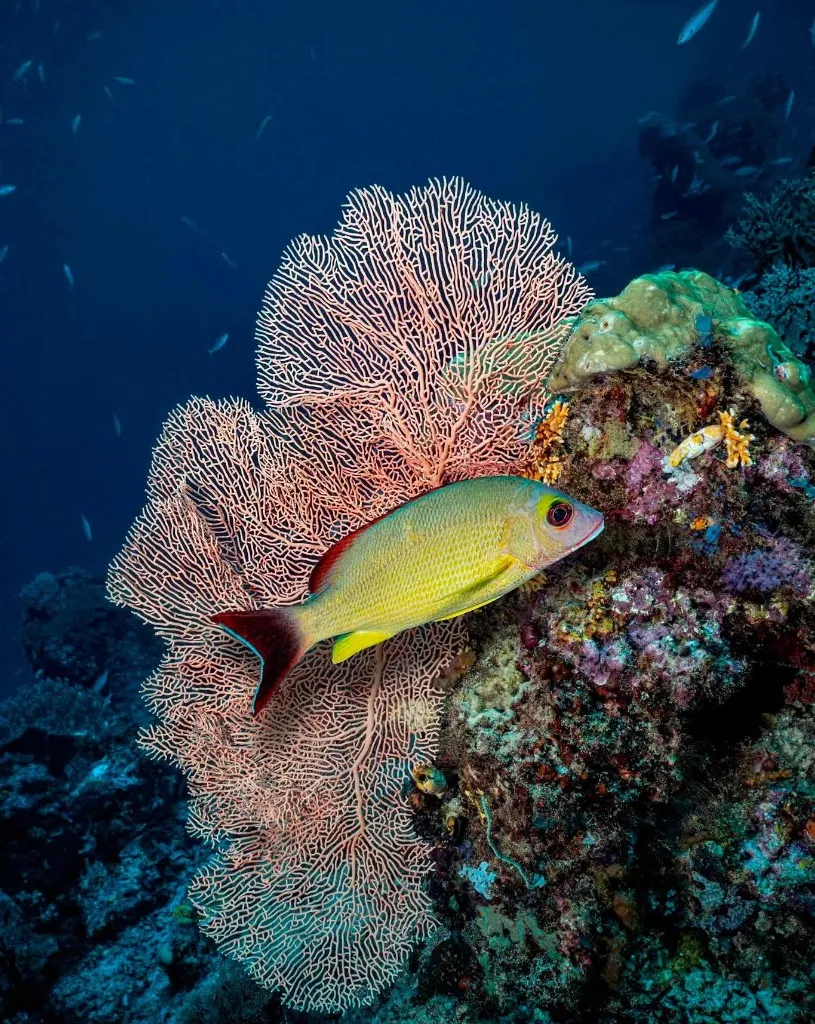
Beneath the surface of Key West's waters, a vibrant display of marine life awaits discovery. Coral reefs, especially within the Florida Keys National Marine Sanctuary, serve as home to a rich array of creatures.
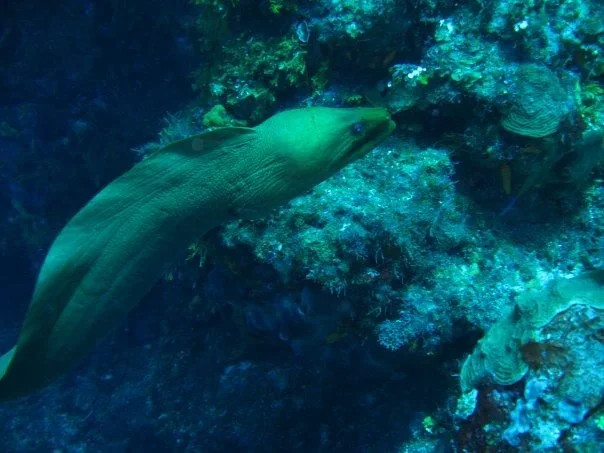
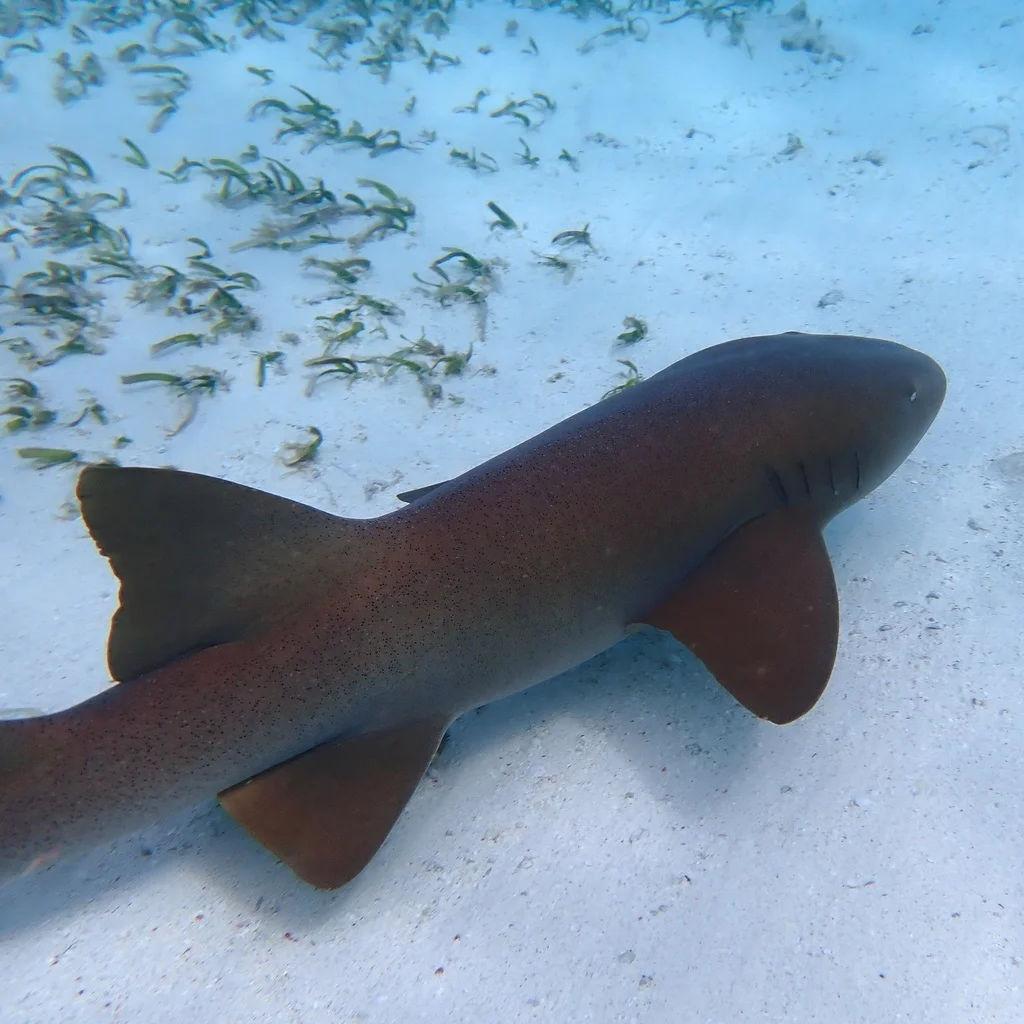
Divers often encounter colorful parrotfish, angelfish, and spiny lobsters navigating reef structures. Eastern Dry Rocks provides opportunities to observe nurse sharks, moray eels, and large schools of snapper.
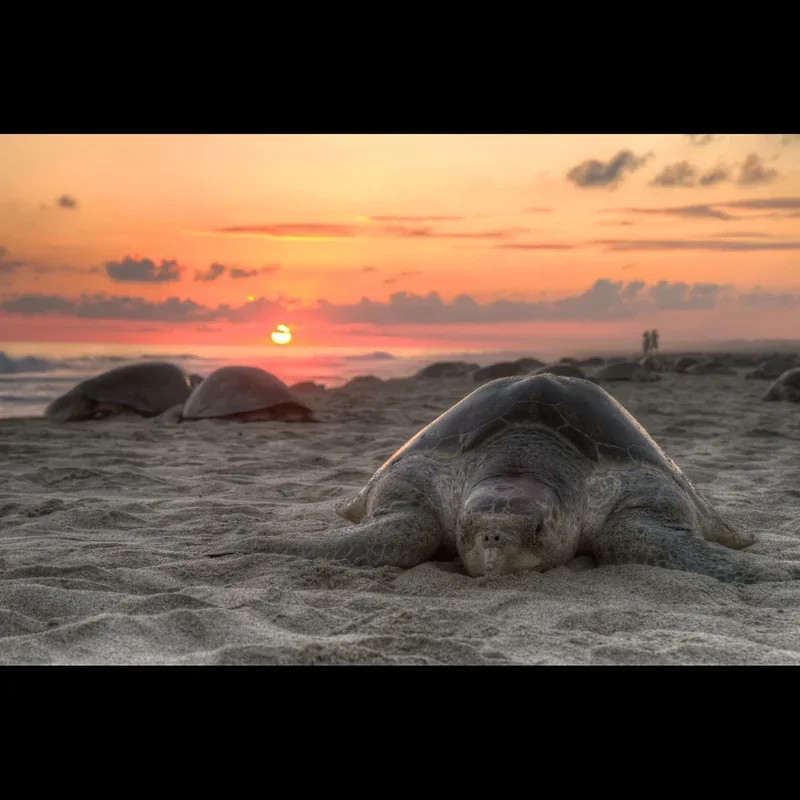
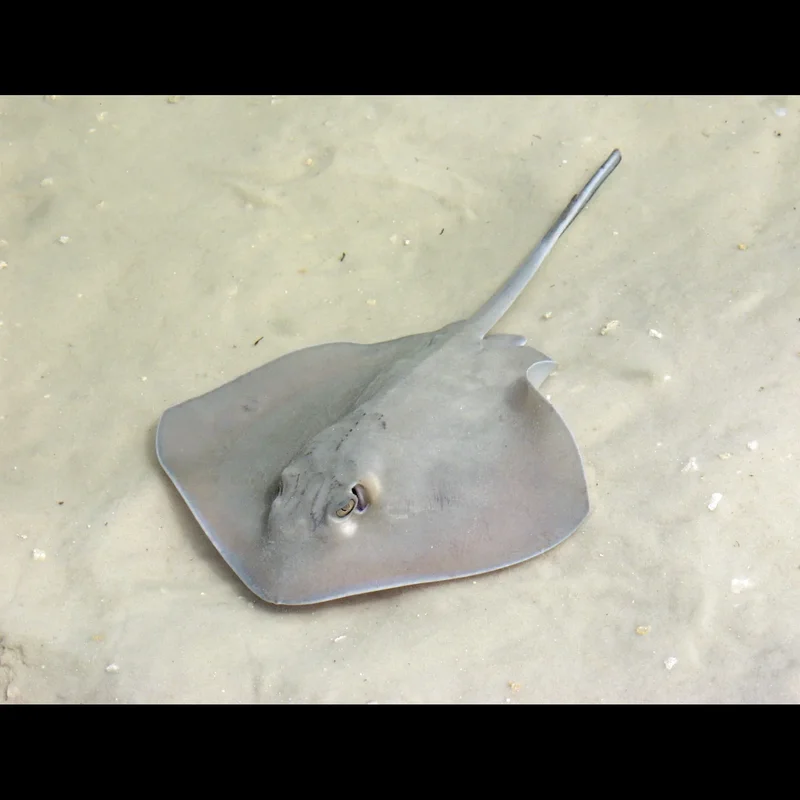
Beyond the reefs, wreck sites attract larger pelagic species. Visitors to Joe’s Tug can anticipate seeing barracuda and various groupers, including "Elvis," the site's resident goliath grouper. Graceful sea turtles and stingrays are also observed throughout the area.
Dive Sites Near Astra
View all dive sites in United StatesDiscover more underwater gems in this area.
Dive Centers Near Astra

Nearest Airports
Nearest airports to help plan travel to this dive area.
Search Flights
Check available flights and routes on Expedia, using the nearby airports listed in this section.
Search Flights on Expedia
Plan Your Stay
Looking for a place to stay for your dive trip? Explore hotels, stays, and vacation rentals for dive groups near Sea Bright.
Dive Navigator may earn a commission from these links at no extra cost to you.
Frequently Asked Questions
What types of diving are available in Key West?
Key West offers a diverse range of diving experiences, including vibrant reef dives, historical wreck explorations, and even night dives. Operators cater to various skill levels, from beginner courses to advanced technical dives.
Is the coral reef system protected?
Yes, the coral reef system in Key West is part of the Florida Keys National Marine Sanctuary. This designation ensures active protection and conservation efforts for its delicate marine ecosystems.
What are some popular dive sites for advanced divers?
Advanced divers often explore the USNS General Hoyt S. Vandenberg, a 522-foot decommissioned military ship resting at its maximum depth for recreational diving. It offers extensive interior exploration opportunities.
What are the typical water temperatures?
Water temperatures are comfortable year-round, ranging from approximately 24°C (75°F) in winter to 29°C (85°F) in summer. This subtropical climate makes for pleasant diving regardless of the season.
What kind of marine life can I expect to encounter?
Divers frequently see colorful tropical fish, spiny lobsters, moray eels, nurse sharks, and barracuda. Larger species like goliath groupers, sea turtles, and stingrays are also present, especially around reefs and wrecks.
How is visibility generally in Key West?
Visibility in Key West's waters is often excellent, typically exceeding 15 m (50 ft). This provides clear views of the vibrant coral formations and fascinating wreck sites.
Are there options for eco-friendly diving?
Many local dive operators, such as Lost Reef Adventures, are Blue Star Dive Operators committed to eco-friendly practices. They educate divers on minimizing impact and preserving the reef environment.
Is Key West suitable for beginner divers?
Absolutely. Many dive sites, like portions of the Sambos Reef system, are shallow and accessible for divers of all skill levels, including those new to the sport. Local operators offer beginner courses and guided trips.
Planning to dive Astra?
Send one inquiry and receive offers directly from the best verified local dive operators.
Conditions are Good
Optimal conditions expected
Current conditions near Astra show 22° air, 22° sea temperature, 0.9 m waves, and 33 km/h wind. Forecast data is refreshed regularly to ensure accuracy.