
Diving at Boca Raton Reef #1 (United States)
For certified Open Water divers, Boca Raton Reef #1 offers accessible reef and artificial structure diving. This site caters to those comfortable with drift diving, a popular method along Florida's coastline. Depths here span from shallow reef sections to deeper artificial structures. The site provides a straightforward yet engaging underwater experience without requiring advanced certifications beyond Open Water.
Evening condition tracking at Boca Raton Reef #1 features an air temperature of 26°C. We have recorded wave heights measuring 1 m during this period. These figures outline the environmental parameters currently present.
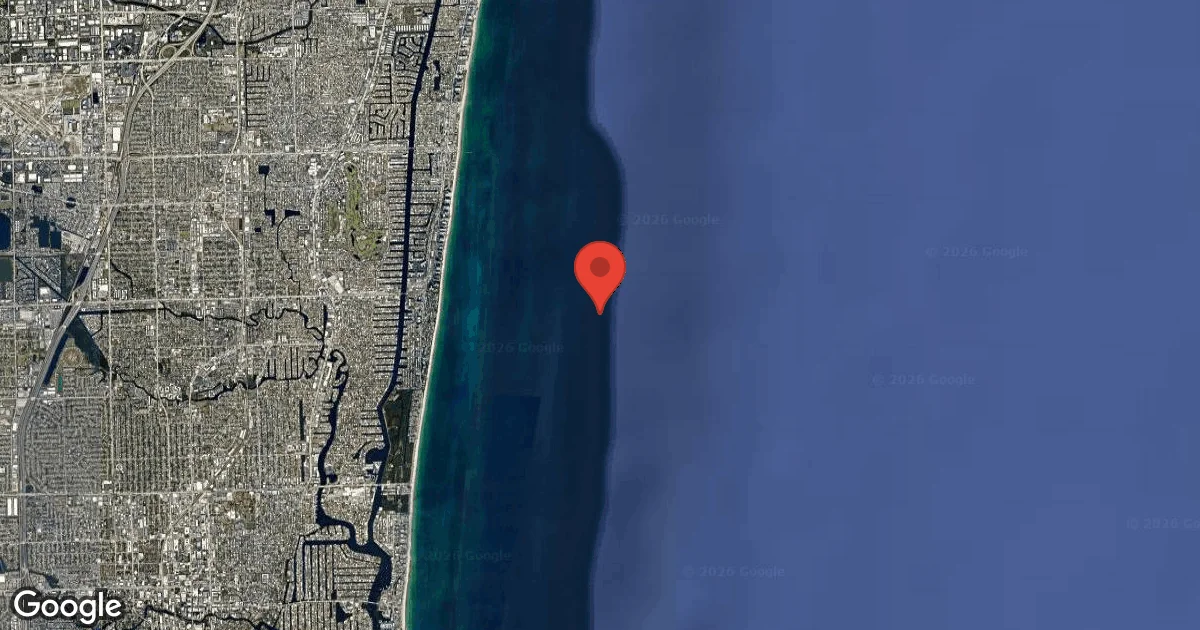
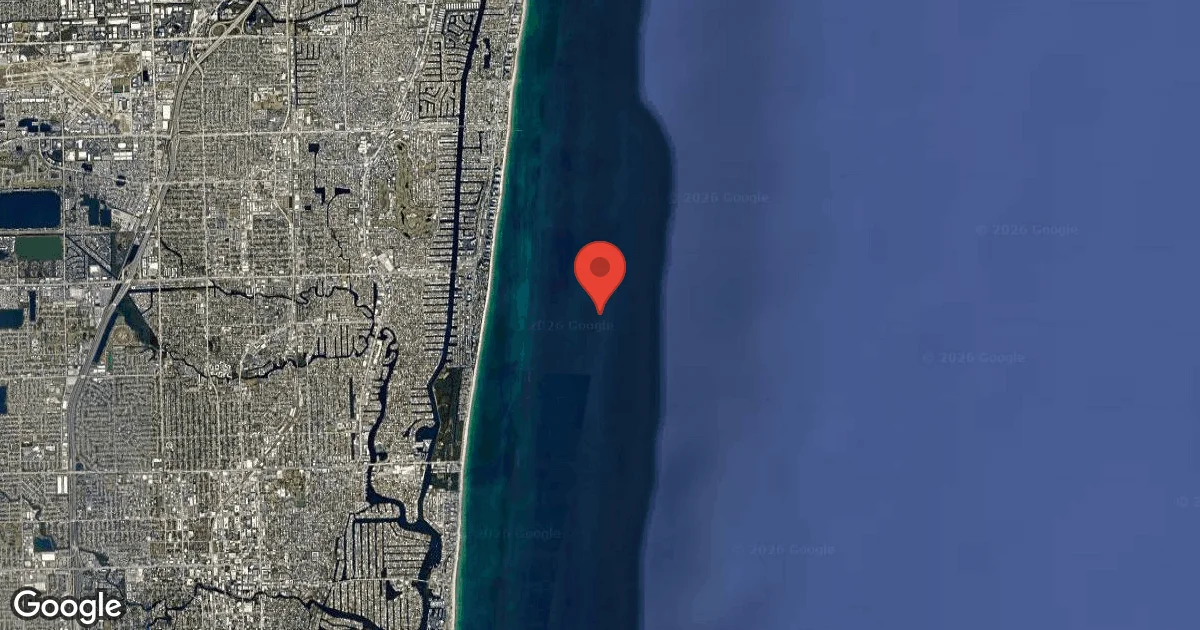
Dive Site Location & Key Facts
Dive Site Overview
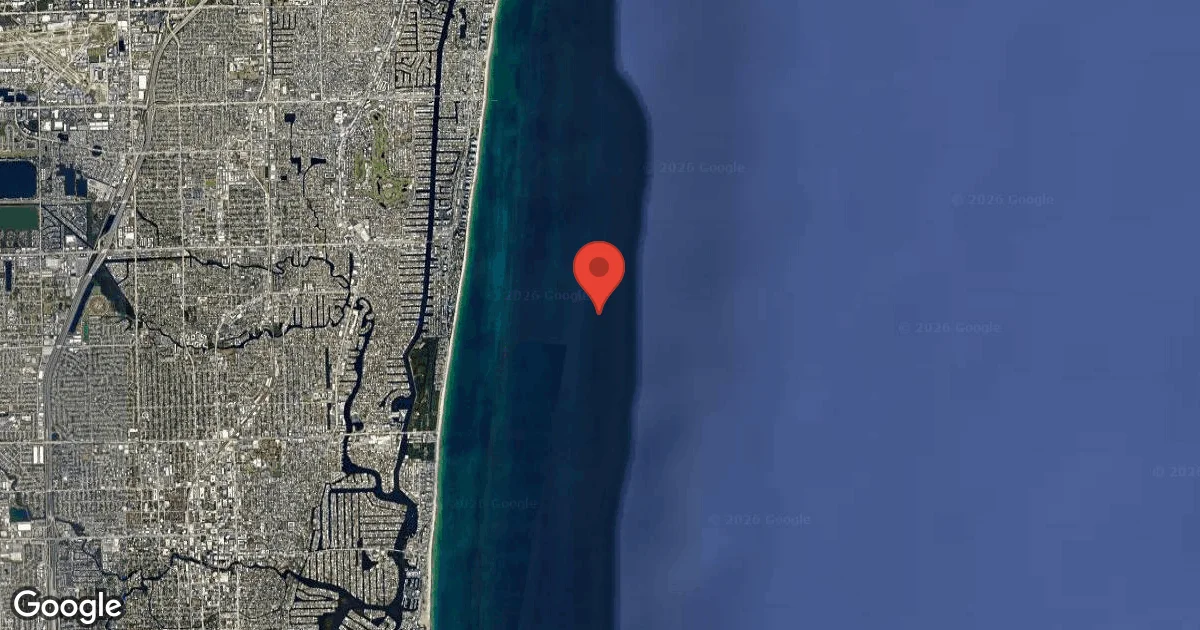
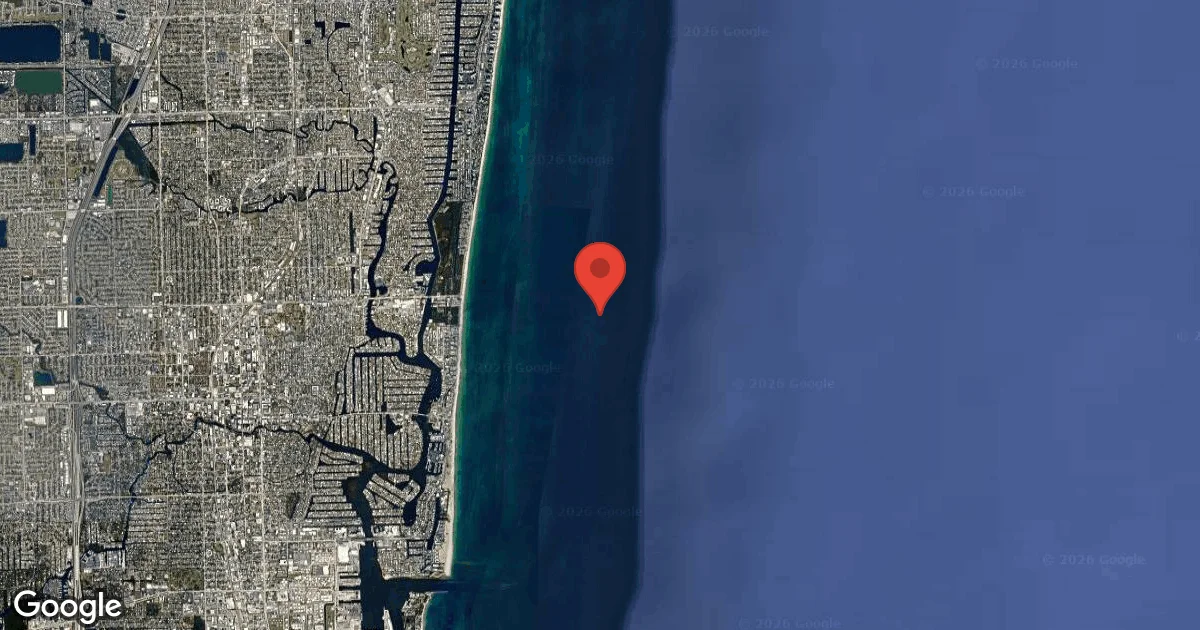
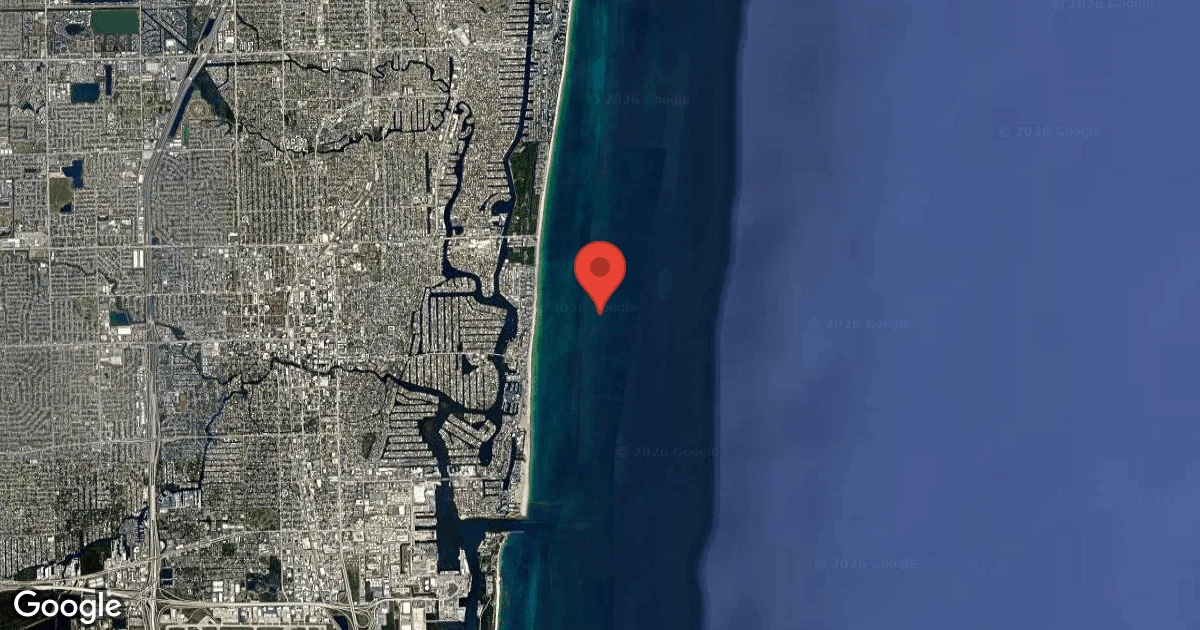
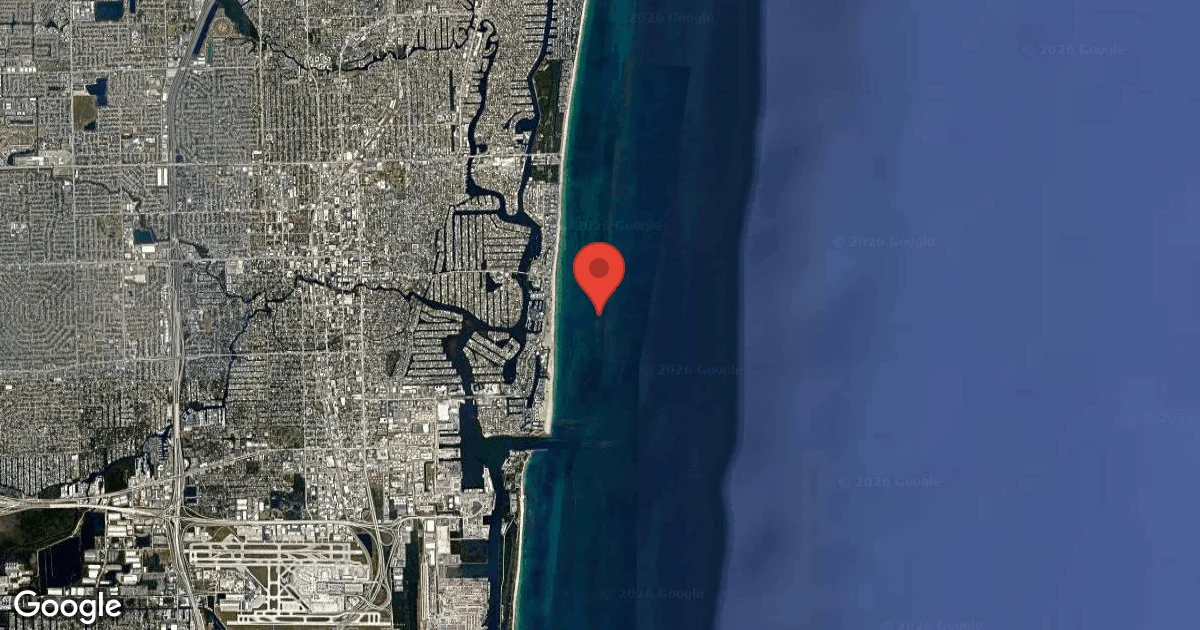
Boca Raton Reef #1 presents a distinctive drift diving experience along South Florida’s outer reef system. Running parallel to the shoreline, a prominent main ledge faces west, where marine life and coral growth are most concentrated.
This ledge includes an impressive undercut, with the internal structure reaching over 3 m (10 ft) in height. Its top edge is characterized by a jagged profile, heavily adorned with soft corals, sponges, algae, and various other invertebrates, forming rich habitats.
Additionally, the site incorporates a small artificial reef composed of approximately 20 Erojacks. These were initially stacked about 1.8 m (6 ft) high in a sandy depression, but subsequent storms, including Hurricane David, displaced several pieces into the surrounding sand, scattering them and enhancing the overall structure. This combination of natural and artificial elements creates a varied topography for exploration.
Conditions are Good
Optimal conditions expected
Current conditions near Boca Raton Reef #1 show 26° air, 31° sea temperature, 1.0 m waves, and 23 km/h wind. Forecast data is refreshed regularly to ensure accuracy.
Best Time to Dive
Planning a dive at Boca Raton Reef #1 often aligns well with seasonal shifts in conditions. The most favorable months, marked by 'Good' dive scores, typically occur from May through August, and then again from November through February. During months like May, June, July, and August, average wave heights are generally lower, ranging from 0.5-0.8 m (1.6-2.6 ft), with average air temperatures from 26.5-28°C (80-82°F). October, March, and April show 'Moderate' dive scores, often experiencing higher average wave heights, particularly October at 1.5 m (4.9 ft), and more variable wind speeds. Rainfall can increase during summer months, especially June and September, but usually doesn't severely impact diveability. Water temperature, while not consistently reported, is generally warm year-round due to the Gulfstream current, enhancing diver comfort.
PEAK SEASON SCORE
Scores combine air & water temps, waves, wind & rainfall for overall conditions.
BEST MONTHS TO DIVE
Monthly records compiled from satellite and marine observation nodes over the last 3 years. Data provided by Open-Meteo and MET Norway.
Dive Experience & Conditions
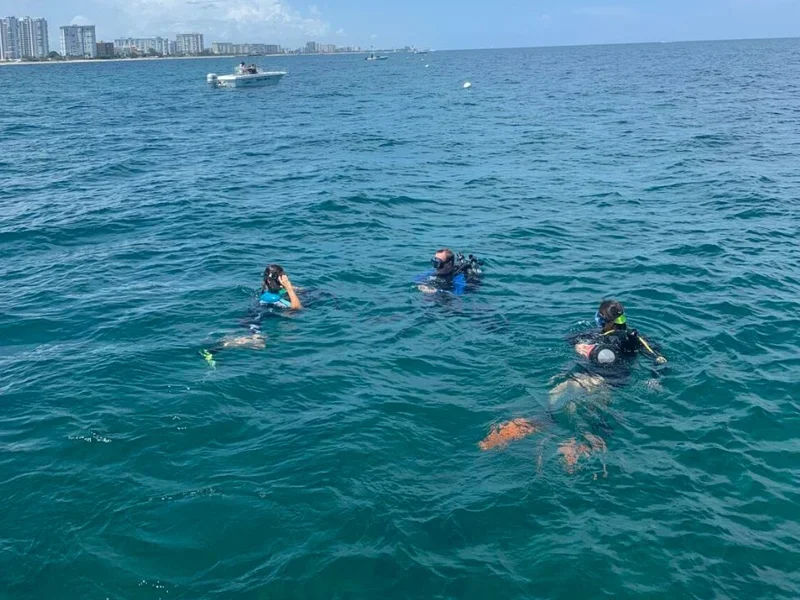
Entering the water at Boca Raton Reef #1, divers immediately encounter a dynamic environment conducive to drift diving. This method, often nicknamed 'Valet Diving,' allows the warm Gulfstream current to propel you parallel to the shoreline. Divers are typically dropped in with a flag and then picked up at the end of their drift, negating the need to swim against current. Maximum depths vary depending on the specific section explored, with shallower reef areas around 9 m (30 ft) and the artificial reef component ranging from 12-21 m (40-70 ft). The main ledge is where most of the activity occurs, offering ample opportunities to observe marine life within its nooks and crannies. Expect visibility to vary with conditions, but it's typically good along the outer reef.
Dive Difficulty & Safety Guidelines
Approaching Boca Raton Reef #1 demands an understanding of its unique drift diving nature. It's crucial for divers to carry a surface marker buoy (SMB) and know how to deploy it, as the boat will pick you up at your surfacing point. Staying aware of your surroundings and your depth is important, especially when exploring the undercut ledge or transitioning between the natural reef and the Erojacks.
Open Water Diver certification is the minimum required skill level for this site. There are no consistently reported site-specific hazards beyond standard drift diving precautions. Always dive with a buddy and follow local dive operator guidelines.
Recommended Equipment
- Dive Computer
This gear list is based on verified equipment signals for Boca Raton Reef #1, United States. Always confirm final gear choices with your dive operator, guide, or liveaboard.
Recommended Dive Suit
Forecast trends indicate little change in overall diving conditions during the next few days.
Two divers in the same water temperature may experience very different comfort levels.
Many divers find that dive skin or rash guard offers the right level of insulation for conditions like these. The latest environmental readings for Boca Raton Reef #1 suggest water temperatures around 31°C (87°F). Surface air temperatures are resting at 26°C (78°F).
Emergency & Medical Support
Essential information to help you plan your dive trip to Boca Raton Reef #1.

Hyperbaric chambers are a critical part of dive safety infrastructure. Availability varies significantly by region, and not all dive areas have immediate access.
Before diving, it's recommended to:
- confirm nearest medical facilities
- check emergency procedures with local dive operators
- ensure dive insurance covers evacuation if required
Divers Alert Network
Diving emergency assistance available through DAN World.
+1-919-684-9111- 24/7 emergency hotline
- Diving medical assistance
- Evacuation coordination
Emergency contacts are provided for reference. Always verify local emergency services before diving.
Marine Life at Boca Raton Reef #1
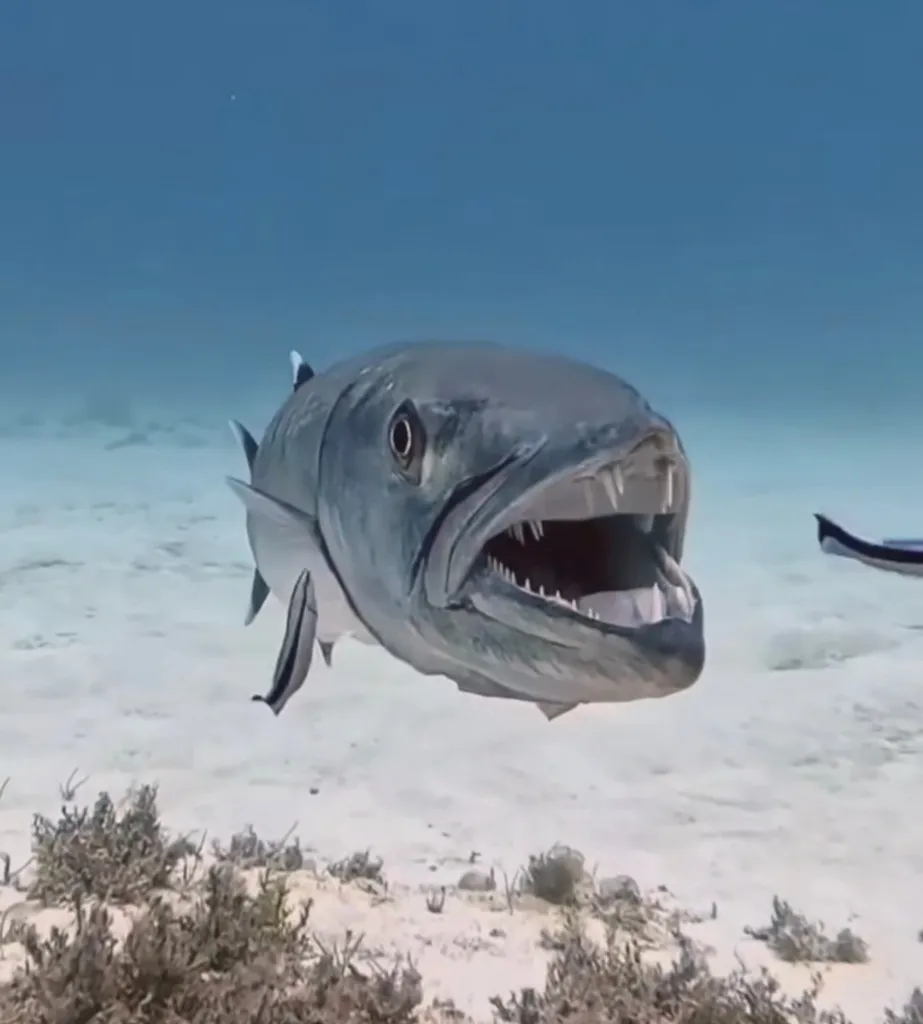
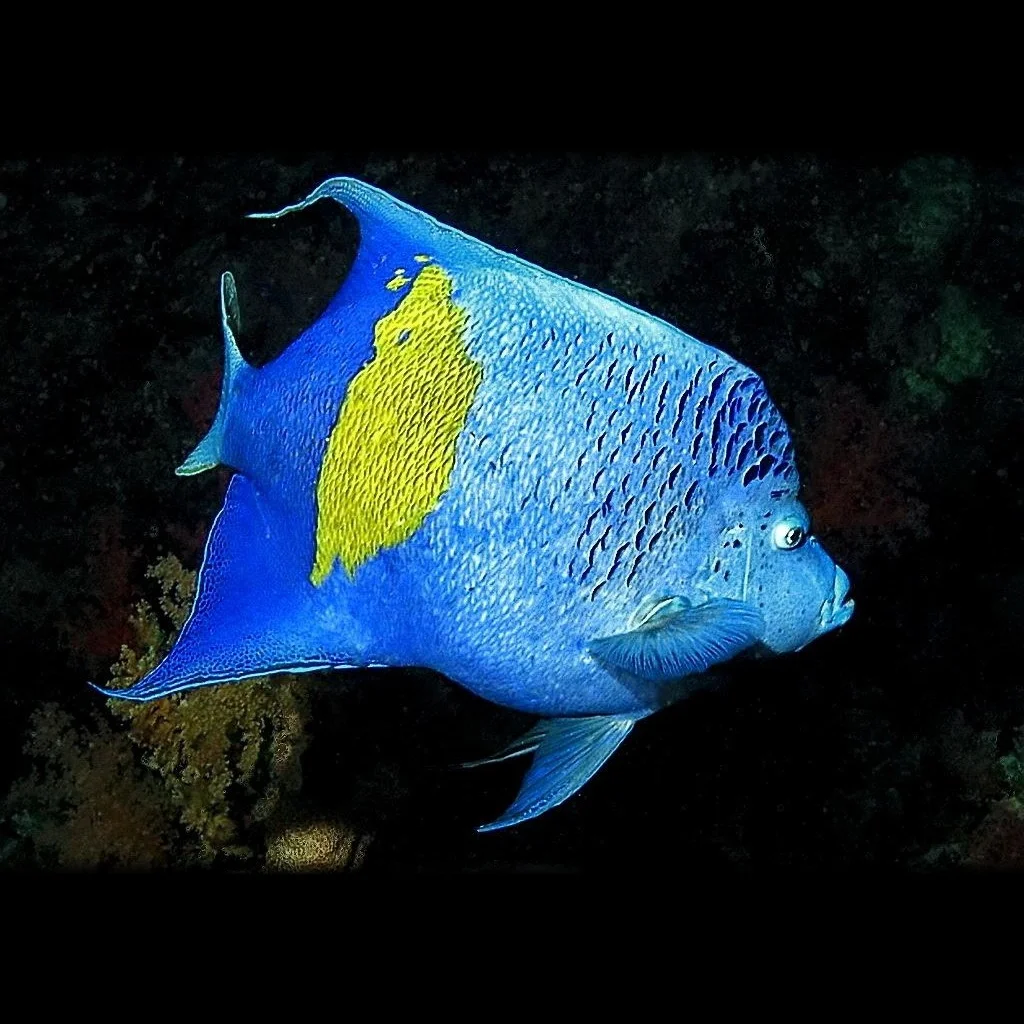
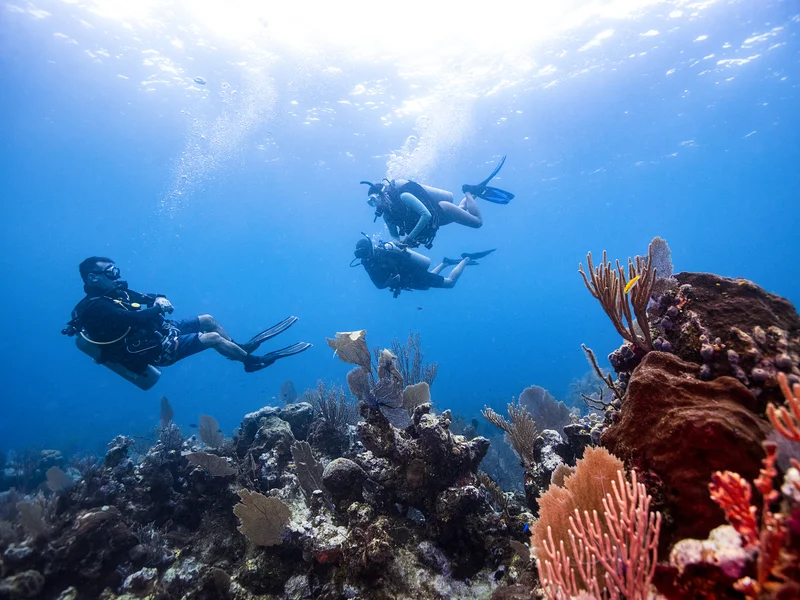
Upon descending at Boca Raton Reef #1, what often catches the eye first is the concentration of marine life along the main ledge. Divers can expect to spot various angelfish, Bermuda chub, and barracuda patrolling the reef.
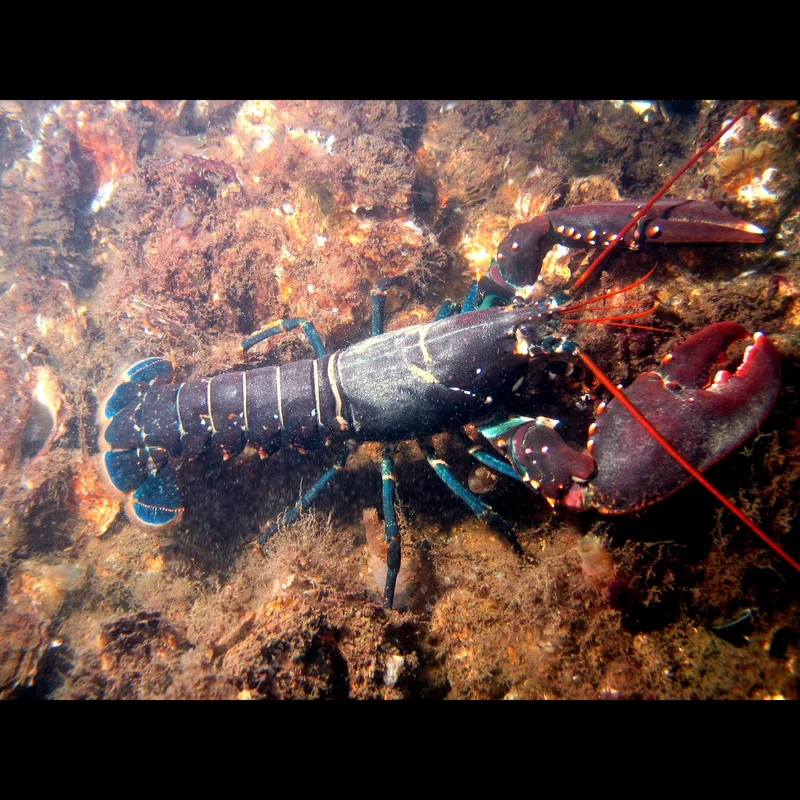
Look closer for lobsters concealed within crevices and a wide assortment of reef fish populating the coral growth. Goliath Groupers are also noted in the general Boca Raton area, though not specifically tied to this reef in all reports.
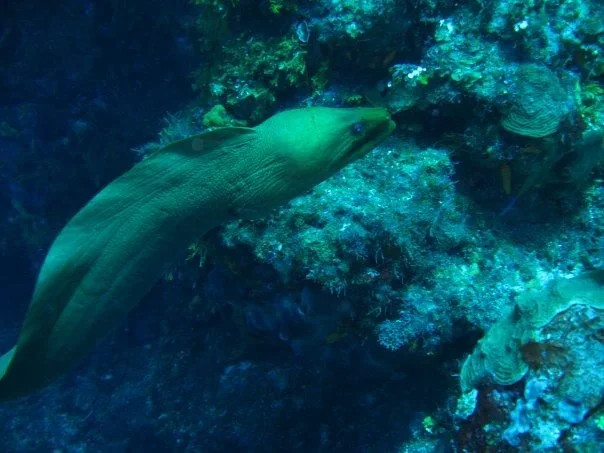
Moray eels are another common sighting in the vicinity, often found tucked into the protective undercuts.

Dive Sites Near Boca Raton Reef #1
View all dive sites in United StatesDiscover more underwater gems in this area.
Dive Centers Near Boca Raton Reef #1
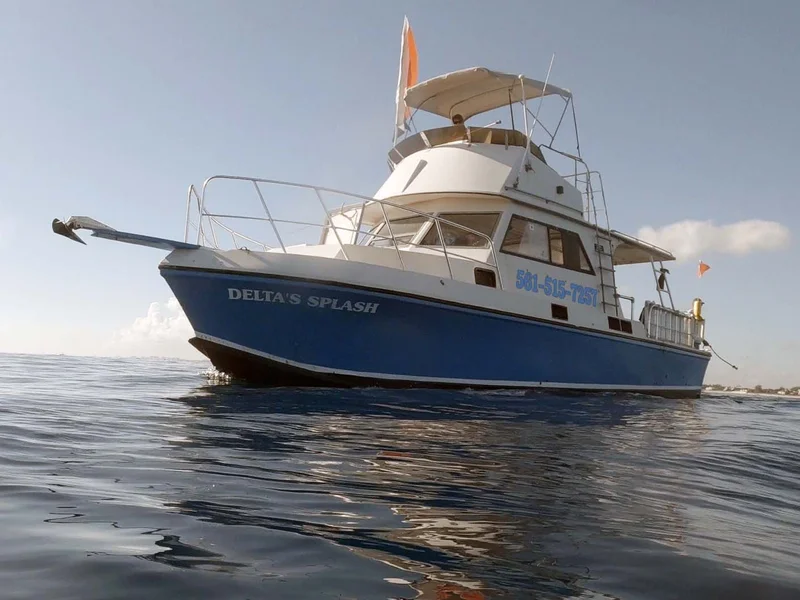
Today: 07:30 - 17:00
Nearest Airports
Nearest airports to help plan travel to this dive area.
Search Flights
Check available flights and routes on Expedia, using the nearby airports listed in this section.
Search Flights on Expedia
Plan Your Stay
Looking for a place to stay for your dive trip? Explore hotels, stays, and vacation rentals for dive groups near Hillsboro Beach.
Dive Navigator may earn a commission from these links at no extra cost to you.
Frequently Asked Questions
What is the typical depth range for Boca Raton Reef #1?
Depths at Boca Raton Reef #1 vary; shallower natural reef sections are around 9 m (30 ft). An artificial reef component, made up of Erojacks, is found at depths ranging from 12-21 m (40-70 ft).
Is drift diving common at this site?
Yes, drift diving, often called 'Valet Diving,' is extremely popular in South Florida due to the linear reef tract and the warm Gulfstream current flowing parallel to the shoreline. It allows divers to cover more ground with less effort.
What kind of reef structure can I expect to see?
A main ledge, facing west, features significant coral growth and an impressive undercut reaching over 3 m (10 ft) high. Its top is jagged and covered with various soft corals and invertebrates.
Are there any artificial structures at Boca Raton Reef #1?
Yes, a small artificial reef made of about 20 Erojacks is part of the site. Originally stacked high, many were scattered by storms, adding to the structural complexity.
What marine life is commonly seen here?
Divers frequently encounter angelfish, Bermuda chub, barracuda, and lobster. A variety of other reef fish are also present, especially along the main ledge and within its undercut.
What is the recommended diver skill level?
Boca Raton Reef #1 is suitable for Open Water certified divers or those with equivalent experience. Comfort with drift diving techniques is beneficial for enjoying the site.
Planning to dive Boca Raton Reef #1?
Send one inquiry and receive offers directly from the best verified local dive operators.
Conditions are Good
Optimal conditions expected
Current conditions near Boca Raton Reef #1 show 26° air, 31° sea temperature, 1.0 m waves, and 23 km/h wind. Forecast data is refreshed regularly to ensure accuracy.