
Diving at Curry Reef (United States)
Curry Reef forms part of the vibrant smaller reef systems shaping the underwater environment of the Florida Keys. Boat captains frequently locate areas within these smaller reefs, including Curry Reef, that provide shelter from prevailing winds and waves. Such protected positioning generally leads to calm diving conditions, enhancing overall diver comfort and site accessibility.
As evening covers Curry Reef, the local air temperature is measured at 25.5°C. The current wave height at the surface is recorded at 0.7 m. These late-day readings characterize the surface conditions for the night.
Dive Site Location & Key Facts
Dive Site Overview
Curry Reef is situated as part of the larger Florida Coral Reef system, which is the only living coral barrier reef in the continental United States. Unlike some larger, more exposed dive sites, this location benefits from being a segment within a series of smaller, often more protected patch reefs in the Marathon area.
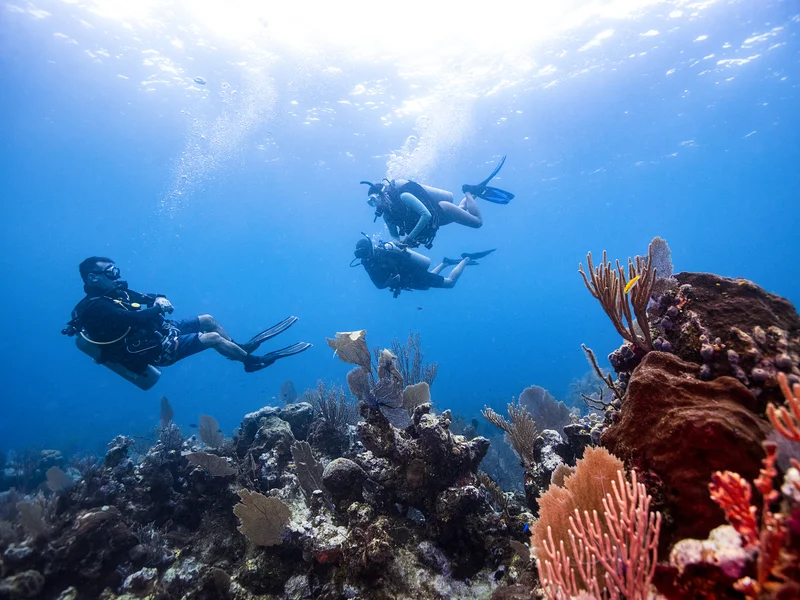
The dive experience here aligns with the overall character of Marathon's reefs, often described as sprawling, vibrant underwater environments teeming with diverse marine life. Depths at similar nearby reefs typically range from around 1.5 to 9 meters (5 to 30 ft), making Curry Reef accessible to various certification levels, including those who prefer shallower exploration. Its structure, like other patch reefs in the region, likely features ledges and crevices, providing habitat for a variety of smaller creatures.
Exploring these formations reveals the intricate beauty of this vital ecosystem, just a short boat ride offshore.
Conditions are Good
Optimal conditions expected
Current conditions near Curry Reef show 26° air, 31° sea temperature, 0.6 m waves, and 22 km/h wind. Forecast data is refreshed regularly to ensure accuracy.
Best Time to Dive
For an optimal dive experience at Curry Reef, consider visiting between May and September, which generally offers the most favorable surface conditions. July, in particular, often registers excellent dive scores with air temperatures averaging around 28°C (82°F) and typically minimal wave heights of approximately 0.4 meters (1.3 ft). This period also sees lighter winds, contributing to calmer seas. While water temperatures aren't consistently reported, the waters of the Florida Keys are reliably warm throughout these months. The average rainfall remains moderate, with July seeing about 5 mm (0.2 inches) and September around 9.9 mm (0.4 inches), meaning clear days are frequent. Conversely, months like December and October, while still offering good dive scores, tend to have slightly cooler air temperatures around 21-25°C (70-77°F) and higher average wave heights, which might lead to choppier surface conditions.
PEAK SEASON SCORE
Scores combine air & water temps, waves, wind & rainfall for overall conditions.
BEST MONTHS TO DIVE
Monthly records compiled from satellite and marine observation nodes over the last 3 years. Data provided by Open-Meteo and MET Norway.
Dive Experience & Conditions
Diving at Curry Reef often provides a remarkably calm experience, a direct benefit of its position as one of Marathon's series of smaller reefs. Boat captains frequently utilize this natural shielding to find spots protected from the day's wind and waves, contributing to generally placid surface conditions. Divers can expect depths consistent with other patch reefs in the region, which often vary from shallower sections around 1.5-4.5 meters (5-15 ft) to deeper areas reaching up to 7.5-9 meters (25-30 ft). This makes it suitable for both casual snorkelers and divers looking for a relaxed exploration. Visibility is typically good, allowing for clear views of the coral formations and abundant fish life. There are no consistently reported strong currents specific to Curry Reef, suggesting generally gentle underwater movement.
Dive Difficulty & Safety Guidelines
When exploring Curry Reef, protecting the delicate coral ecosystem is paramount. Always maintain a safe distance from the reef, ensuring your fins and equipment don't make accidental contact with the living coral. Even a minor touch can damage decades of growth.
Similarly, observe all marine life from a respectful distance; never chase or attempt to touch animals like sea turtles or rays, as this causes them undue stress. Opting for Blue Star Dive Operators when booking your trip ensures you're supporting businesses committed to sustainable practices and reef conservation.
Remember, responsible diving means leaving only bubbles and taking only pictures, helping to preserve the reef for future generations of divers.
Recommended Equipment
- Dive Computer
This gear list is based on verified equipment signals for Curry Reef, United States. Always confirm final gear choices with your dive operator, guide, or liveaboard.
Recommended Dive Suit
Dive skin or rash guard is widely used for recreational dives in waters of this temperature. Those diving at Curry Reef today will likely encounter water temperatures in the region of 31°C (87°F). Surface air temperatures are resting at 26°C (78°F).
Short-term weather patterns suggest stable conditions for divers visiting the area.
Water temperatures can occasionally shift throughout the day depending on currents and depth layers.
Emergency & Medical Support
Essential information to help you plan your dive trip to Curry Reef.

Hyperbaric chambers are a critical part of dive safety infrastructure. Availability varies significantly by region, and not all dive areas have immediate access.
Before diving, it's recommended to:
- confirm nearest medical facilities
- check emergency procedures with local dive operators
- ensure dive insurance covers evacuation if required
Divers Alert Network
Diving emergency assistance available through DAN World.
+1-919-684-9111- 24/7 emergency hotline
- Diving medical assistance
- Evacuation coordination
Emergency contacts are provided for reference. Always verify local emergency services before diving.
Marine Life at Curry Reef
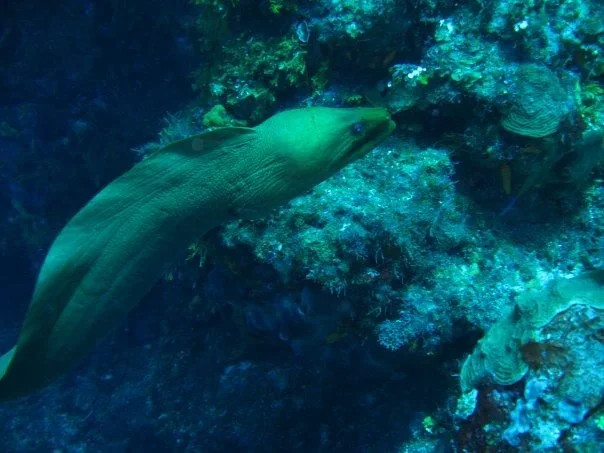
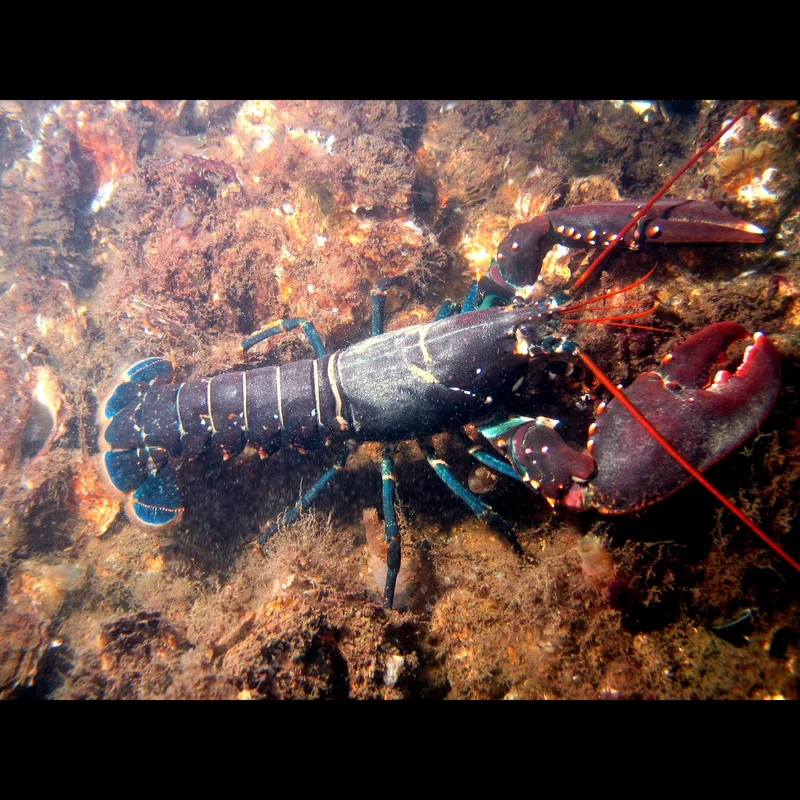
As you descend into Curry Reef, you'll immediately notice the potential for encountering a variety of marine inhabitants typical of the Marathon area's patch reefs. The ledges and crevices here are prime real estate for seeking out creatures like lobsters and moray eels, often found tucked into their hiding spots.
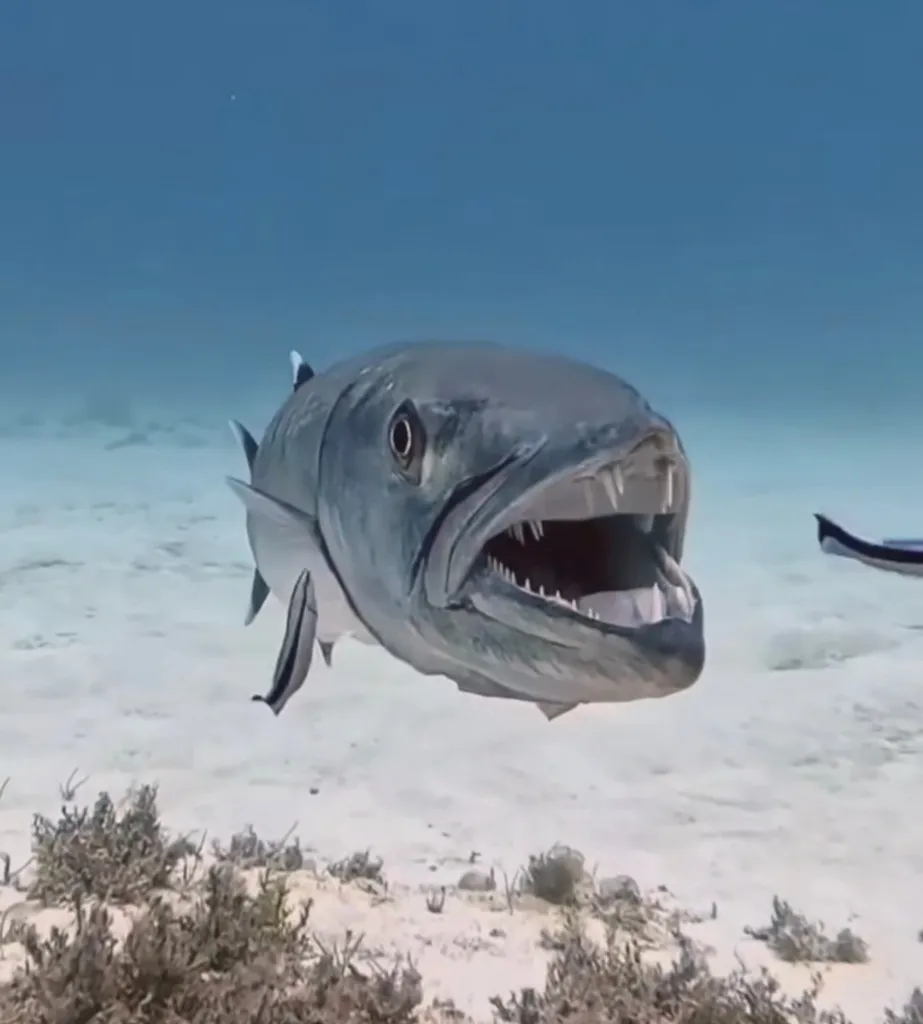
Juvenile fish are abundant, darting among the corals and adding constant movement to the underwater scene. Keep an eye out for curious barracuda, which are generally content to observe divers from a distance.
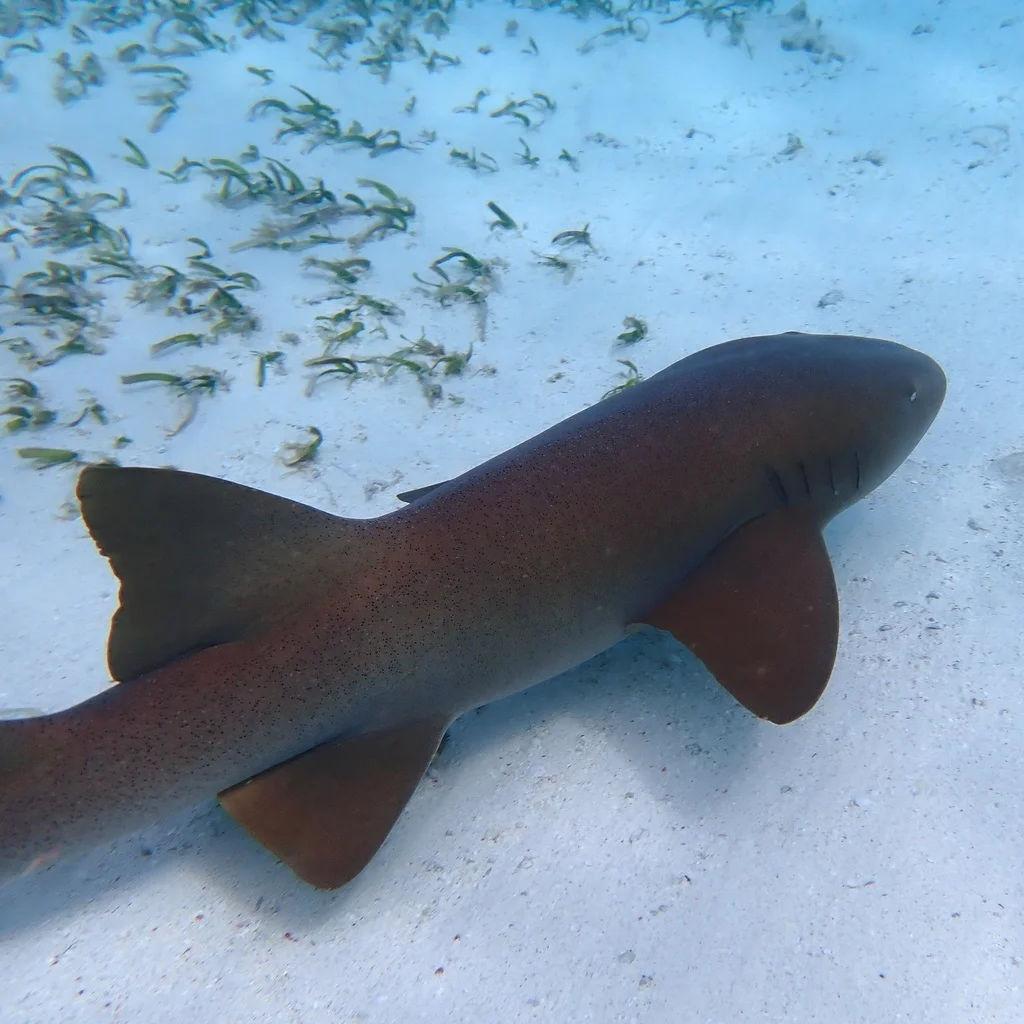
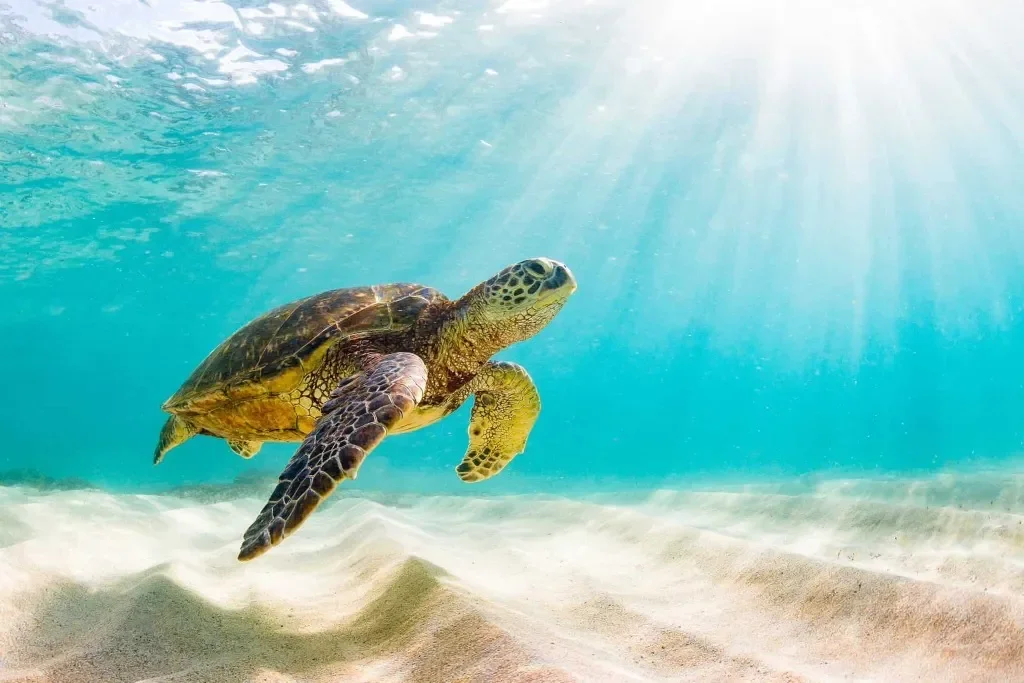
Patient divers might also spot nurse sharks resting peacefully under ledges, a common sight in these protected reef environments. There's also a chance to observe green sea turtles, an endangered species, emphasizing the importance of responsible wildlife viewing.
Dive Sites Near Curry Reef
View all dive sites in United StatesDiscover more underwater gems in this area.
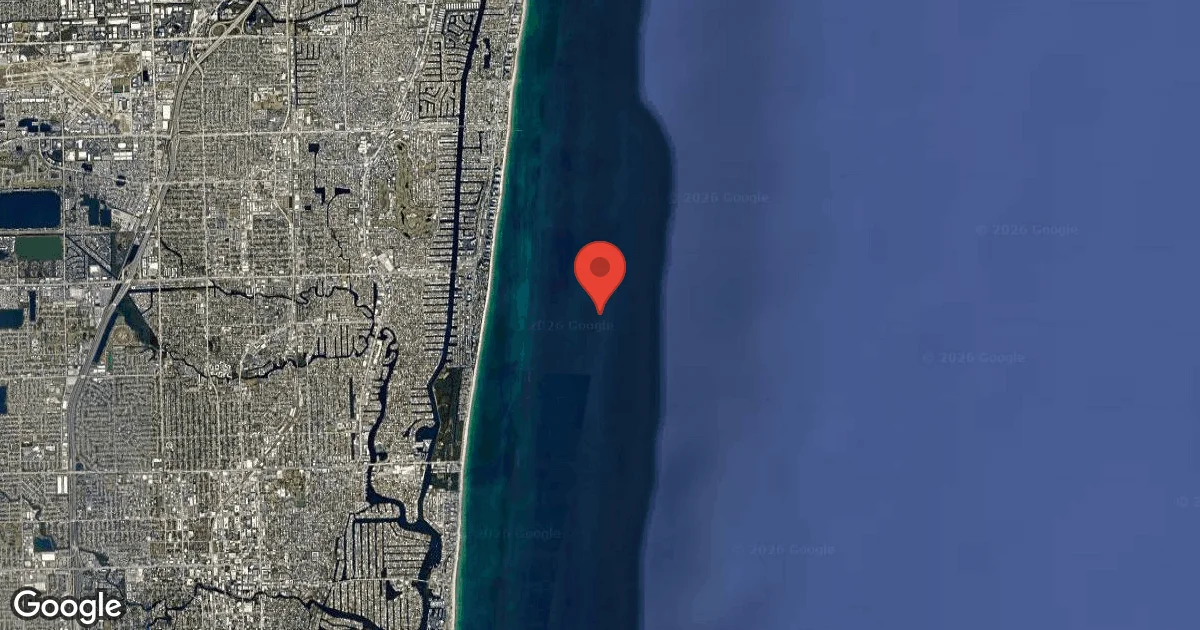
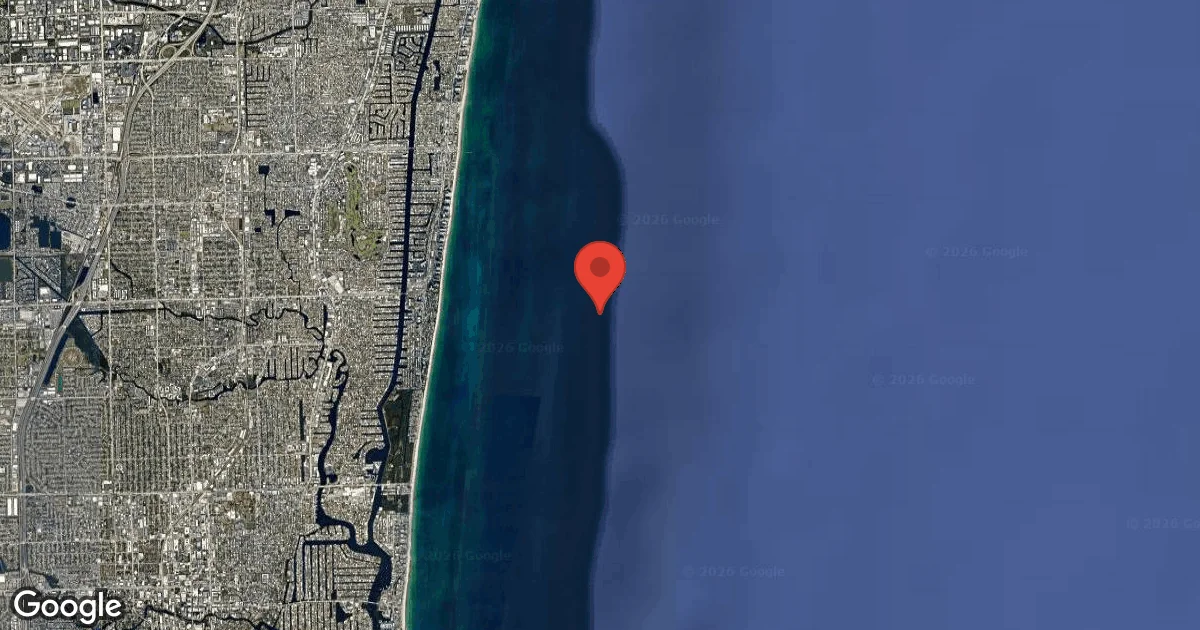
Dive Centers Near Curry Reef
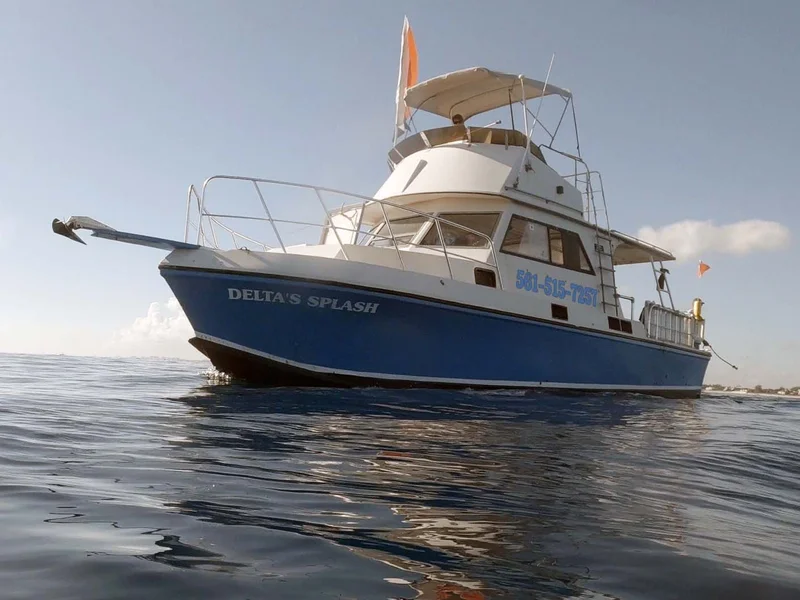
Today: 09:00 - 17:00
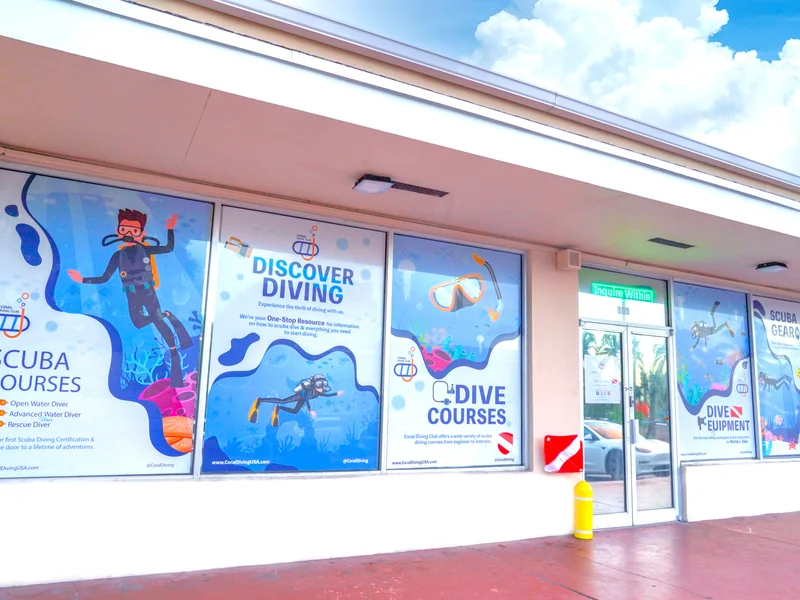

Nearest Airports
Nearest airports to help plan travel to this dive area.
Search Flights
Check available flights and routes on Expedia, using the nearby airports listed in this section.
Search Flights on Expedia
Plan Your Stay
Looking for a place to stay for your dive trip? Explore hotels, stays, and vacation rentals for dive groups near Hollywood.
Dive Navigator may earn a commission from these links at no extra cost to you.
Frequently Asked Questions
What kind of dive site is Curry Reef?
Curry Reef is considered a patch reef, forming part of the extensive Florida Coral Reef system near Marathon. It's known for generally calm conditions due to its position within a series of smaller, often sheltered reef structures.
What are the typical depths at Curry Reef?
Depths at Curry Reef are consistent with other patch reefs in the Marathon area, generally ranging from around 1.5 meters (5 ft) in shallower sections to maximum depths of about 9 meters (30 ft). This makes it suitable for a wide range of diver experience levels.
When is the best time to dive Curry Reef?
The best time to dive Curry Reef is typically from May to September, when air temperatures are warmer, and wave heights and wind speeds are generally lower. July often presents excellent conditions with air temperatures around 28°C (82°F) and minimal waves.
What marine life can I expect to see at Curry Reef?
Divers at Curry Reef can expect to see various marine life commonly found in the Florida Keys' patch reefs. This includes lobsters, moray eels, schools of juvenile fish, curious barracuda, and often nurse sharks resting under ledges. Green sea turtles are also occasional visitors to the area.
How can I ensure I dive responsibly at Curry Reef?
To dive responsibly, maintain a safe distance from the reef and avoid touching coral with your hands or fins, as coral is a fragile living organism. Always observe marine life from a respectful distance without chasing or harassing animals. Consider diving with Blue Star Operators who prioritize sustainable practices.
Are there strong currents at Curry Reef?
Curry Reef often provides sheltered conditions, as boat captains can usually find protected spots from wind and waves. Strong currents are not consistently reported, suggesting generally gentle underwater movement which contributes to a relaxed dive experience.
Planning to dive Curry Reef?
Send one inquiry and receive offers directly from the best verified local dive operators.
Conditions are Good
Optimal conditions expected
Current conditions near Curry Reef show 26° air, 31° sea temperature, 0.6 m waves, and 22 km/h wind. Forecast data is refreshed regularly to ensure accuracy.