
Diving at Derek Beckel Memorial Reef (United States)
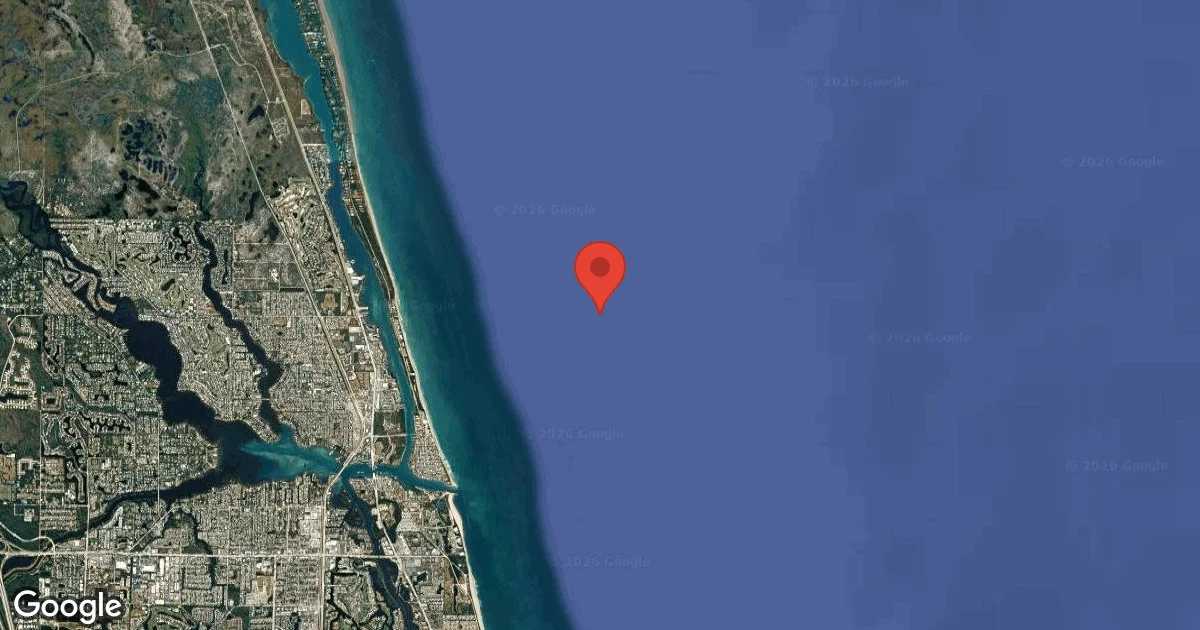
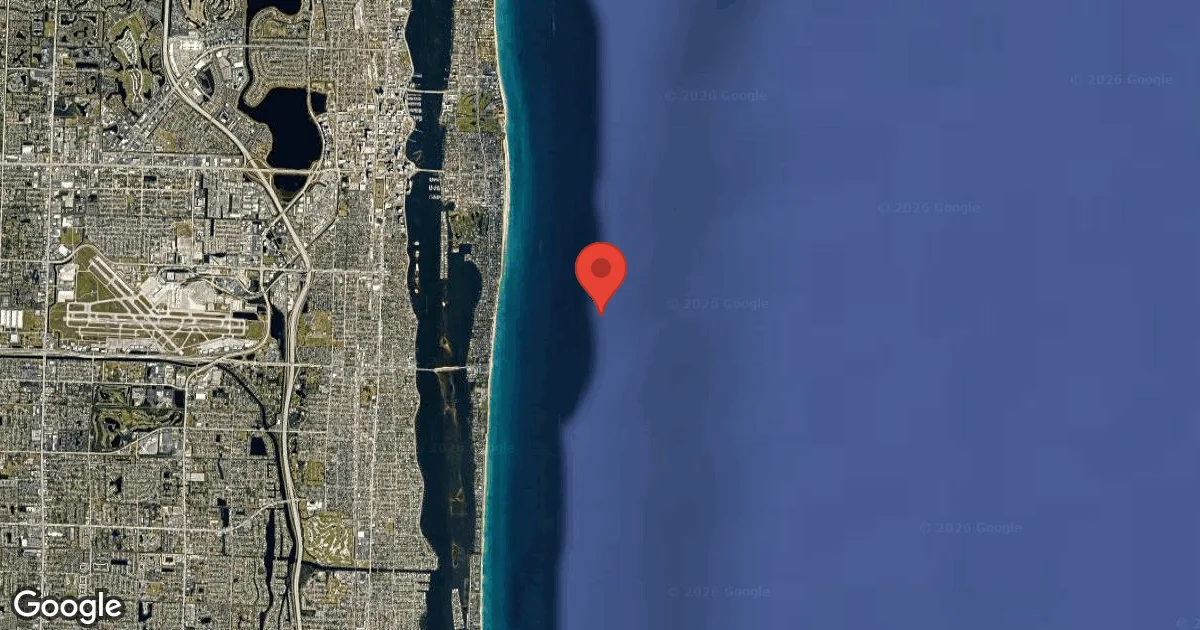
This artificial reef aims to enhance marine habitat offshore of Jupiter, Florida, serving as a permanent memorial. Constructed from 500 tons of limestone boulders, the Derek Beckel Memorial Reef provides essential structure for marine ecosystems. Its strategic placement just south of the Juno pier connects it with broader artificial reef systems managed by Palm Beach County, improving overall underwater visibility and habitat for divers exploring these waters. Reflecting a community effort, the project extends a legacy of conservation.
Starting the day at Derek Beckel Memorial Reef, the ambient air temperature is recorded at 26°C. Ongoing monitoring shows wave heights measuring 0.9 m. This data represents the current surface conditions for early activities.
Dive Site Location & Key Facts
Dive Site Overview
An underwater legacy, Derek Beckel Memorial Reef was established to honor a dedicated diver and conservationist. This site represents a concerted community effort to foster marine life and habitat preservation offshore of Jupiter, Florida.
Consisting of a significant deployment of 500 tons of limestone boulders, the reef was meticulously designed to create immediate shelter and substrate for various marine species. Divers visiting this area can expect a relatively new, yet rapidly colonizing, environment where initial signs of ecological development are visible. Andrew "Red" Harris Foundation spearheaded this initiative in partnership with Palm Beach County Environmental Resource Management, leveraging extensive experience in building over two miles of artificial reefs in the Jupiter and Juno region.
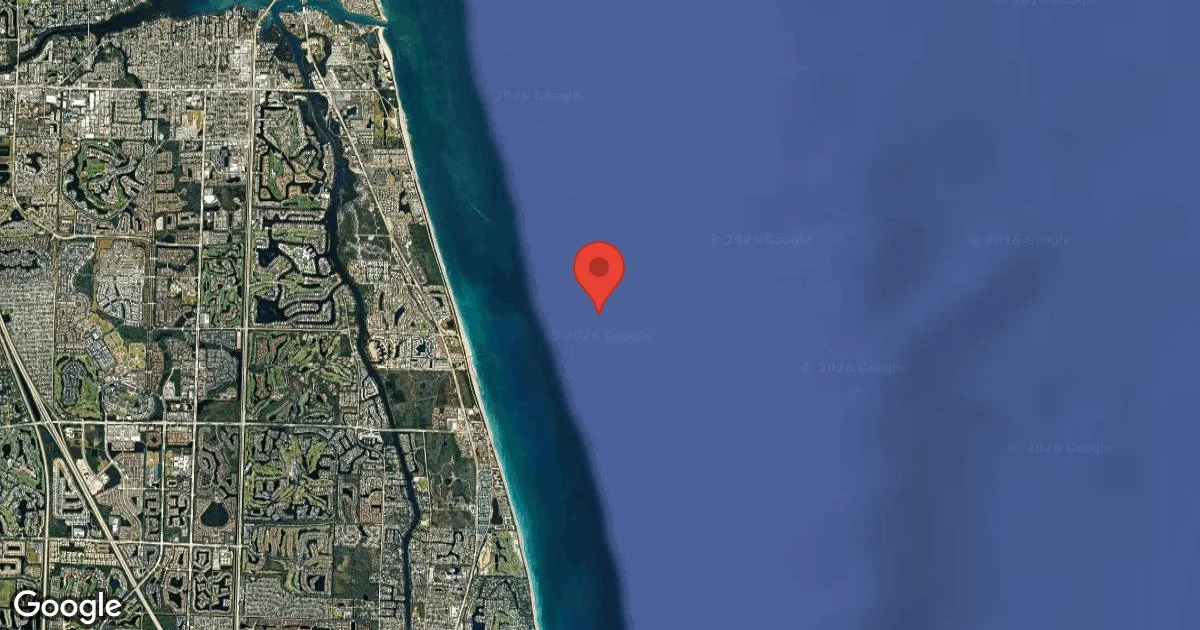
Positioned just south of the Juno pier, it lies adjacent to existing ARHF deployments, seamlessly contributing to a larger, continuously expanding network of artificial structures. While maximum depth depends on final deployment surveys and natural seafloor contours, similar artificial reefs in this area typically fall within standard recreational diving limits, often around 30 m (100 ft).
Targeting a summer 2023 deployment, the reef establishes a fresh and engaging point of interest for local divers keen on observing ecological succession. Exploration of its intricate structure is encouraged, providing ample opportunity to witness how nature reclaims and thrives on human-made installations.
Conditions are Excellent
07:00 - 14:00
Optimal conditions expected
Current conditions near Derek Beckel Memorial Reef show 26° air, 31° sea temperature, 0.9 m waves, and 13 km/h wind. Forecast data is refreshed regularly to ensure accuracy.
Best Time to Dive
Optimal dive conditions often align with clearer water and calmer seas, typical during summer months. From May through August, average wave heights are generally lower, ranging from approximately 0.5 m (1.6 ft) to 0.9 m (3.0 ft), which usually translates to improved underwater visibility and more comfortable boat rides to the site. Air temperatures during these months are also quite pleasant, averaging between 26°C and 28°C (79-82°F), making surface intervals more enjoyable. While rain can be more frequent in summer, averaging 2.88 mm to 6.63 mm, these are often brief showers that don't severely impact overall dive quality, especially for offshore sites. Conversely, October through April often sees higher average wave heights, peaking at around 1.7 m (5.6 ft) in October and 1.6 m (5.2 ft) in December, which can reduce visibility and increase surface chop. Dive scores during these periods frequently register as 'Moderate'. Water temperatures are not consistently reported but generally track air temperatures, being warmest in late summer.
PEAK SEASON SCORE
Scores combine air & water temps, waves, wind & rainfall for overall conditions.
BEST MONTHS TO DIVE
Monthly records compiled from satellite and marine observation nodes over the last 3 years. Data provided by Open-Meteo and MET Norway.
Dive Experience & Conditions
Descending into the area surrounding Derek Beckel Memorial Reef, divers immediately encounter the structured landscape of purposefully placed limestone boulders. The sensation is one of exploring a dynamic, evolving habitat rather than a static wreck. These substantial, natural stone formations, sourced from Lake Okeechobee, provide numerous crevices and overhangs. While the reef is relatively new, having been deployed in summer 2023, the initial growth of algae and rudimentary marine organisms is already underway, forming the base of a developing ecosystem. Visibility around the reef can vary, influenced by local currents, recent weather, and nearby sediment, but it is typically good in the Jupiter area. Conditions tend to be calmer in the summer months with average wave heights ranging between 0.5 m and 0.9 m, offering a smoother experience. Water temperature is not consistently reported, but often mirrors the warmer air temperatures experienced throughout much of the year, particularly from May to October. Moderate to strong currents can be present offshore, requiring divers to pay close attention to their drift and boat positioning.
Dive Difficulty & Safety Guidelines
Navigating artificial reef sites like Derek Beckel Memorial Reef requires attentiveness to site-specific conditions and an understanding of dynamic currents. Offshore currents in the Jupiter region can range from moderate to strong, making drift diving a common practice; divers should ensure proper boat support and communicate their dive plan clearly. Carrying a surface marker buoy (SMB) and an audible signaling device is crucial.
Given this is a new reef composed of large limestone boulders, divers should exercise caution to avoid contact with the structures, especially as new marine life colonizes the surfaces. Being aware of boat traffic overhead is also important when ascending or lingering on the surface.
Always dive within your certification limits and consider the experience level of your buddy. There are no consistently reported unique hazards beyond typical open water challenges, but local dive operators can provide the most current information regarding recent conditions and any temporary advisories.
Recommended Equipment
- Dive Computer
This gear list is based on verified equipment signals for Derek Beckel Memorial Reef, United States. Always confirm final gear choices with your dive operator, guide, or liveaboard.
Recommended Dive Suit
Comfort levels can also depend on how active a diver is during the dive.
The water around Derek Beckel Memorial Reef is currently holding at approximately 31°C (87°F), setting the tone for today's dives. Surface air temperatures are resting at 26°C (78°F). When water temperatures fall within this range, many divers dive comfortably with dive skin or rash guard.
Conditions are expected to stay fairly consistent in the days ahead.
Emergency & Medical Support
Essential information to help you plan your dive trip to Derek Beckel Memorial Reef.

Hyperbaric chambers are a critical part of dive safety infrastructure. Availability varies significantly by region, and not all dive areas have immediate access.
Before diving, it's recommended to:
- confirm nearest medical facilities
- check emergency procedures with local dive operators
- ensure dive insurance covers evacuation if required
Divers Alert Network
Diving emergency assistance available through DAN World.
+1-919-684-9111- 24/7 emergency hotline
- Diving medical assistance
- Evacuation coordination
Emergency contacts are provided for reference. Always verify local emergency services before diving.
Marine Life at Derek Beckel Memorial Reef
The limestone boulders of Derek Beckel Memorial Reef immediately attract foundational marine life, establishing a new foothold for the local ecosystem. While specific species are still in the early stages of colonization given its recent deployment in summer 2023, divers can anticipate observing a progression of life, beginning with various algae and invertebrate species.
These structures are designed to provide excellent habitat, drawing in numerous fish species common to Florida's Atlantic coast, which seek shelter and foraging opportunities. Over time, the reef is expected to support a diverse array of fish, crustaceans, and eventually, larger pelagic visitors. Observing this ecological development firsthand is a key draw.
Dive Sites Near Derek Beckel Memorial Reef
View all dive sites in United StatesDiscover more underwater gems in this area.
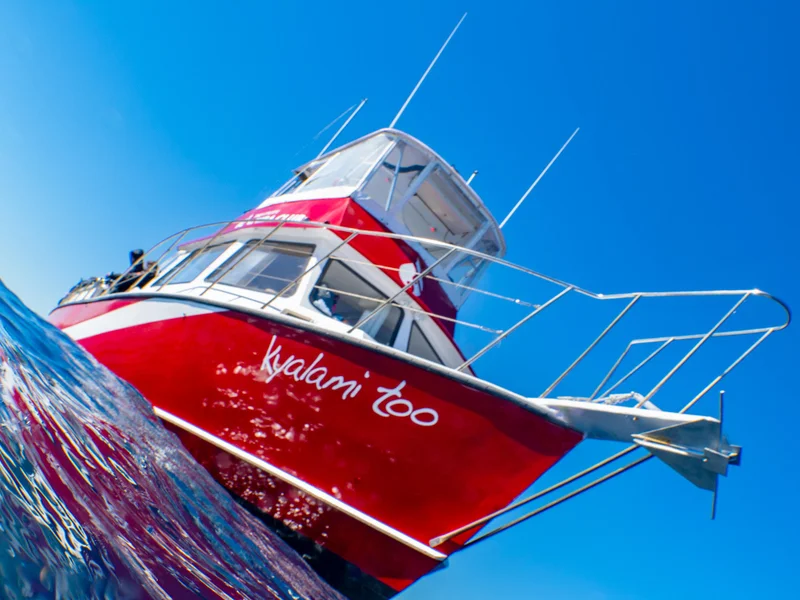
Dive Centers Near Derek Beckel Memorial Reef
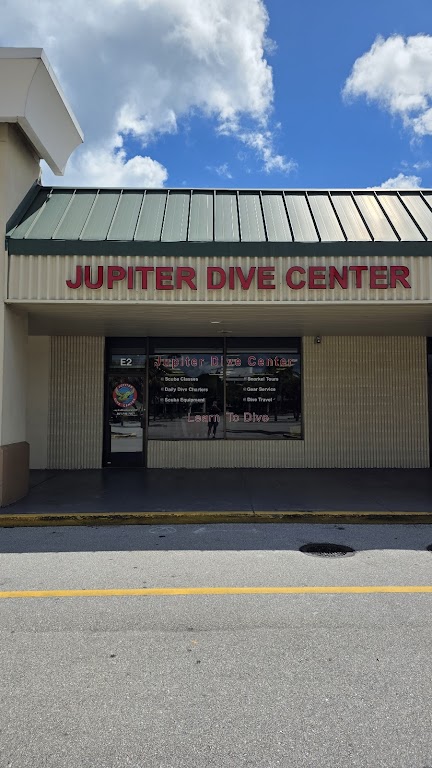
Today: 08:00 - 18:00
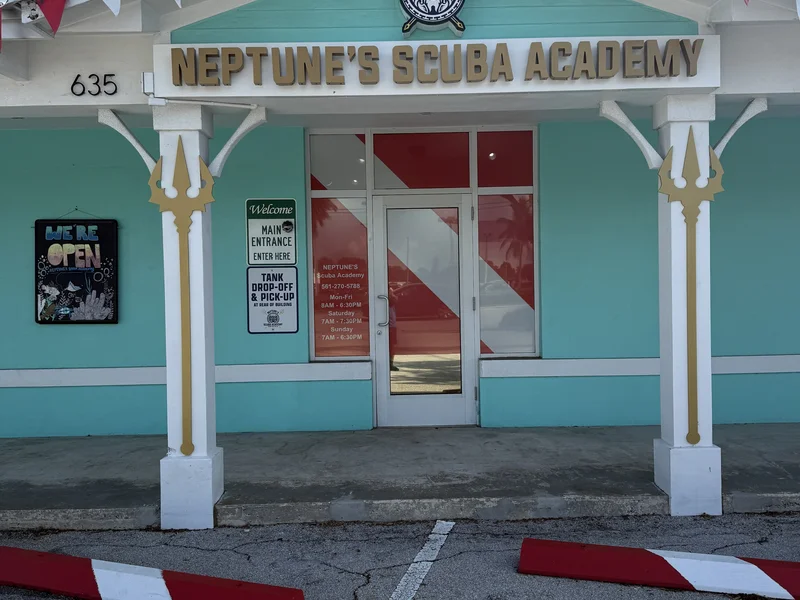
Nearest Airports
Nearest airports to help plan travel to this dive area.
Search Flights
Check available flights and routes on Expedia, using the nearby airports listed in this section.
Search Flights on Expedia
Plan Your Stay
Looking for a place to stay for your dive trip? Explore hotels, stays, and vacation rentals for dive groups near Juno Beach.
Dive Navigator may earn a commission from these links at no extra cost to you.
Frequently Asked Questions
What is the Derek Beckel Memorial Reef?
It's an artificial reef deployed offshore of Jupiter, Florida, made of 500 tons of limestone boulders. It serves as a memorial to Derek Beckel, a diver and conservationist, and aims to enhance local marine habitat.
Who created this reef?
The reef project was initiated by Derek Beckel's family in partnership with the Andrew "Red" Harris Foundation. Palm Beach County Environmental Resource Management also plays a key role in the deployment and permit process.
When was the reef deployed?
The reef was targeted for deployment in summer 2023, potentially as early as June. It is a relatively new dive site that is still developing its marine ecosystem.
What kind of marine life can be seen here?
As a new artificial reef, it's attracting foundational marine life like algae and invertebrates, which in turn will draw in various fish species. Over time, it's expected to become a habitat for a diverse array of fish, crustaceans, and potentially larger pelagic creatures.
What are the typical dive depths at the reef?
While specific depths can vary based on the final deployment location, similar artificial reefs in the Jupiter area are typically found within recreational diving limits, often around 30 m (100 ft).
What are the best conditions for diving the reef?
Generally, summer months from May through August offer calmer seas and better underwater visibility, with average wave heights ranging from 0.5 m (1.6 ft) to 0.9 m (3.0 ft). Air temperatures are also warmer during this period, averaging 26-28°C (79-82°F).
Are there strong currents at the site?
Yes, offshore sites in the Jupiter region can experience moderate to strong currents. Divers should be prepared for potential drift diving and carry appropriate safety equipment.
Planning to dive Derek Beckel Memorial Reef?
Send one inquiry and receive offers directly from the best verified local dive operators.
Conditions are Excellent
07:00 - 14:00
Optimal conditions expected
Current conditions near Derek Beckel Memorial Reef show 26° air, 31° sea temperature, 0.9 m waves, and 13 km/h wind. Forecast data is refreshed regularly to ensure accuracy.