
Diving at Flower Gardens Banks National Marine Sanctuary (United States)
Diving the Flower Garden Banks National Marine Sanctuary often involves confronting highly variable conditions far offshore in the Gulf of Mexico. This remote location, approximately 70-120 nautical miles off Galveston, means weather and sea states significantly influence access and experience. Divers should prepare for diverse currents and potentially challenging surface conditions, which are typical for this distant coral oasis.
As evening covers Flower Gardens Banks National Marine Sanctuary, the local air temperature is measured at 29.5°C. The current wave height at the surface is recorded at 1.4 m. These late-day readings characterize the surface conditions for the night.
Dive Site Location & Key Facts
Dive Site Overview
Beyond the horizon, the Flower Garden Banks National Marine Sanctuary reveals a vibrant Caribbean-like ecosystem thriving in the Gulf of Mexico, roughly 70-120 nautical miles offshore of Galveston. This sanctuary, expanded in 2021 to encompass 17 banks and 160 square miles, represents a critical protected habitat formed by ancient salt domes pushing up the seafloor.
Divers explore healthy coral heads, some the size of cars, across main dive sites like East Bank, West Bank, and Stetson Bank, where as much as 52% of the bottom is covered in live coral. These sites typically feature dive profiles ranging from 21-40 m / 70-130 ft, making it a destination primarily accessed via multi-day liveaboard trips departing from Texas ports like Galveston or Freeport. Liveaboard operators typically offer four daylight dives and one night dive on the first day, followed by two morning dives on the second, allowing extensive exploration.
Its remote nature safeguards one of the healthiest coral reef systems in the world, attracting between 2,500-3,000 divers annually seeking clear waters and diverse underwater topography. The journey itself sets the stage for discovering a complex underwater world filled with large marine animals and intricate reef structures, a stark contrast to the deeper Gulf waters surrounding it.
Conditions are Moderate
Optimal conditions expected
Current conditions near Flower Gardens Banks National Marine Sanctuary show 30° air, 30° sea temperature, 1.4 m waves, and 29 km/h wind. Forecast data is refreshed regularly to ensure accuracy.
Best Time to Dive
The sanctuary experiences two main dive seasons, with summer running from May through October and winter diving typically from February to April. During summer, surface water temperatures generally range from 27-29°C / low- to mid-80s°F, with average air temperatures peaking at 29.5°C in August and wave heights often falling below 1 meter. Visibility is often better in summer, frequently ranging from 75 to 125 feet. This period, especially July through September, also brings the possibility of whale shark sightings. Winter months see surface water temperatures between 16-21°C / low- to high-60s°F. Visibility during this time varies, typically between 30 and 75 feet. January through March can be exceptional for spotting schooling spotted eagle rays and large aggregations of male scalloped hammerhead sharks, despite average air temperatures ranging from 18-21°C and higher wave heights. Rainfall is relatively low year-round, with September seeing the highest average at 8.5mm, but good dive scores persist from June through September.
PEAK SEASON SCORE
Scores combine air & water temps, waves, wind & rainfall for overall conditions.
BEST MONTHS TO DIVE
Monthly records compiled from satellite and marine observation nodes over the last 3 years. Data provided by Open-Meteo and MET Norway.
Dive Experience & Conditions
Dive profiles at Flower Garden Banks typically maintain a flat bottom, commonly staying within the 70-90 feet range. Divers are generally limited to a maximum depth of 130 feet on the first dive of the day and 100 feet on subsequent dives as a safety measure. This offshore environment means currents are often a significant factor; they can be multiple, running in varying directions and speeds at different depths, and may change unexpectedly during a dive. Surface conditions can also be variable, sometimes making boat re-entry challenging. Due to these unpredictable currents and offshore weather, the dive adventure is best suited for advanced divers with experience in currents and using a surface marker buoy. While calm conditions occasionally occur, they are uncommon.
Dive Difficulty & Safety Guidelines
Given the dynamic nature of this offshore sanctuary, advanced diving skills are strongly recommended, including proficiency in drift diving and deployment of a surface marker buoy. Currents can develop or change direction rapidly, necessitating the ability to swim against them to return to an exit point. All surface intervals on liveaboard trips are a minimum of two-and-a-half hours.
Divers must practice slow ascents, incorporate a one-minute safety stop at half their maximum depth, and a three- to five-minute stop at 15 feet. Adherence to these safety protocols is vital in an environment where conditions can be unpredictable.
Recommended Equipment
- Dive Computer
- DSMB
This gear list is based on verified equipment signals for Flower Gardens Banks National Marine Sanctuary, United States. Always confirm final gear choices with your dive operator, guide, or liveaboard.
Recommended Dive Suit
Forecast trends indicate similar diving conditions over the next few days.
Factors such as dive duration, depth, and activity level can influence how warm a diver feels underwater. Stronger winds may also make surface intervals feel cooler than usual.
Dive skin or rash guard typically balances flexibility and thermal protection in these temperatures. Consider warmer surface protection (like a boat coat) due to brisk winds. The surrounding waters at Flower Gardens Banks National Marine Sanctuary are currently registering temperatures of roughly 30°C (87°F). Surface air temperatures are resting at 30°C (85°F).
Emergency & Medical Support
Essential information to help you plan your dive trip to Flower Gardens Banks National Marine Sanctuary.

Hyperbaric chambers are a critical part of dive safety infrastructure. Availability varies significantly by region, and not all dive areas have immediate access.
Before diving, it's recommended to:
- confirm nearest medical facilities
- check emergency procedures with local dive operators
- ensure dive insurance covers evacuation if required
Divers Alert Network
Diving emergency assistance available through DAN World.
+1-919-684-9111- 24/7 emergency hotline
- Diving medical assistance
- Evacuation coordination
Emergency contacts are provided for reference. Always verify local emergency services before diving.
Marine Life at Flower Gardens Banks National Marine Sanctuary
The vibrant coral landscape of the Flower Garden Banks supports an extensive array of marine life. Divers regularly encounter diverse fish species like damselfish, cowfish, filefish, jacks, butterflyfish, parrotfish, and various groupers among the coral heads.
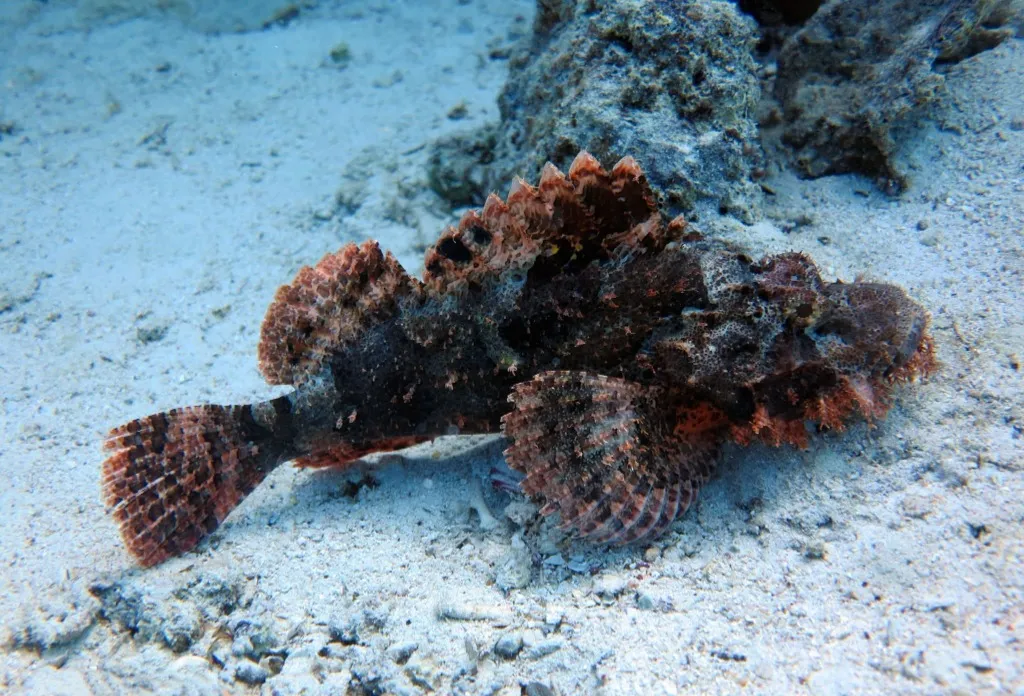
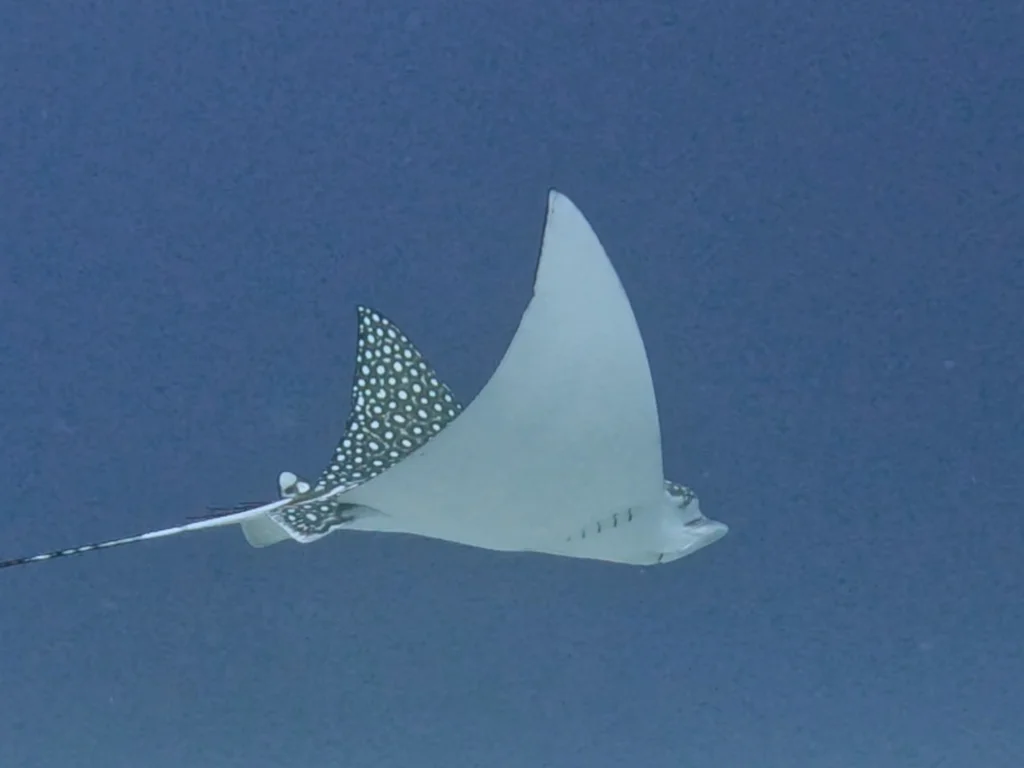
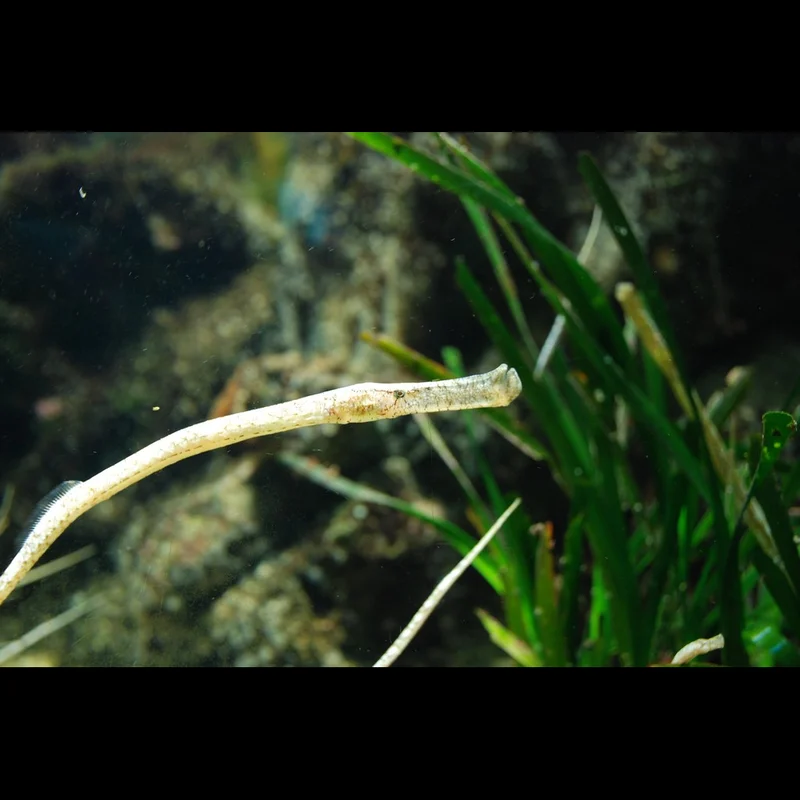
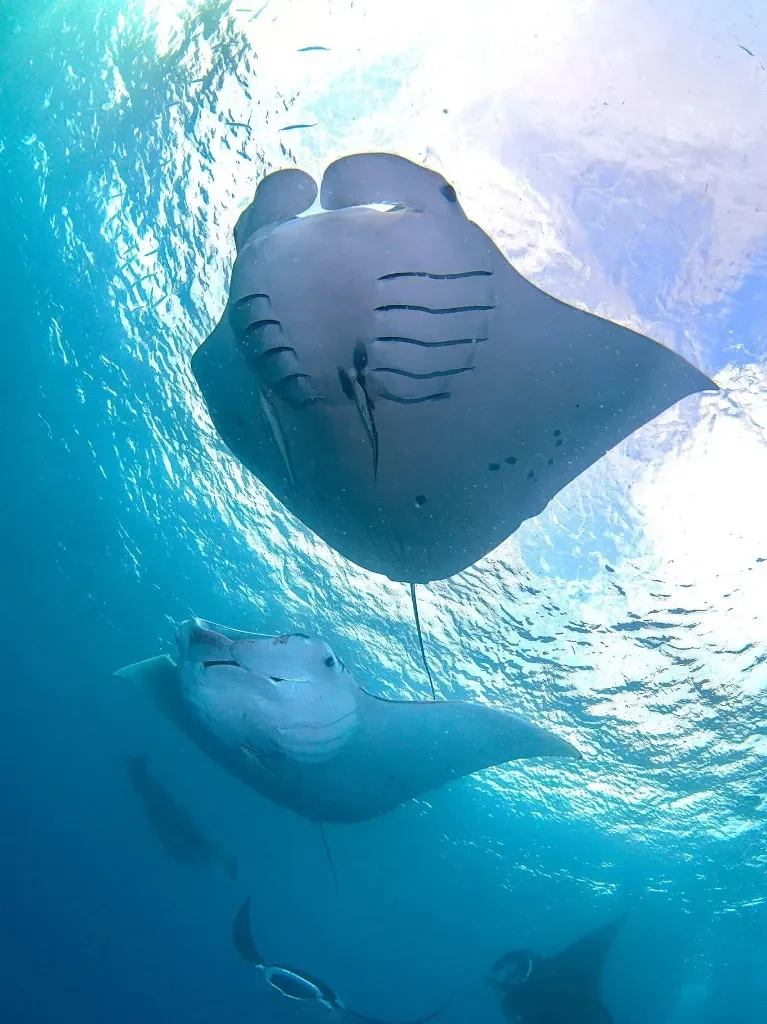
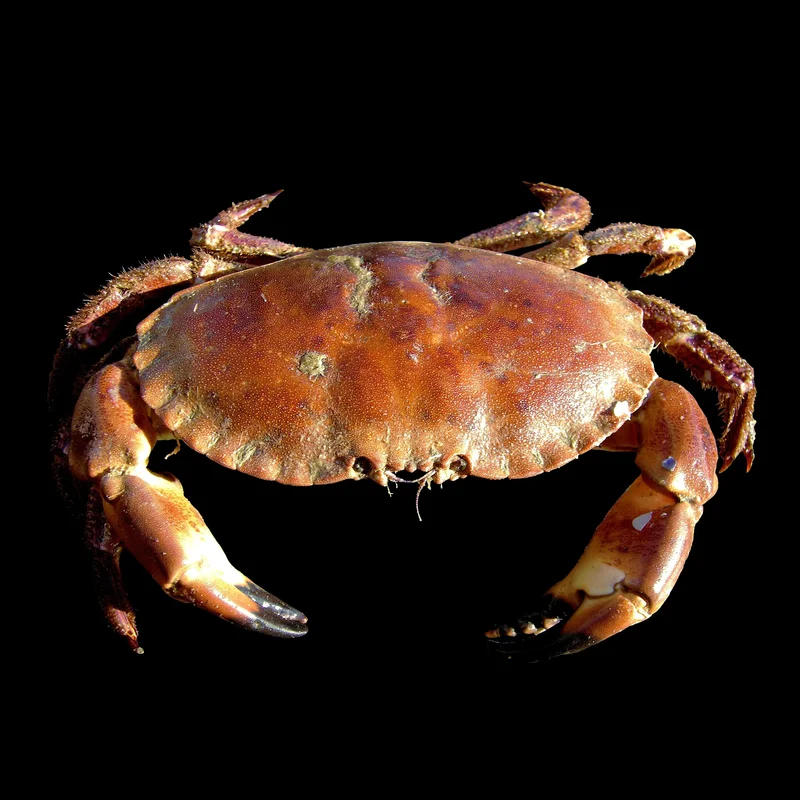
Smaller, cryptic creatures such as pipefish, frogfish, crabs, and scorpionfish inhabit the intricate reef structure. Looking out into the blue, sightings often include graceful spotted eagle rays and, occasionally, the massive manta rays, for which the sanctuary serves as a nursery habitat.
Seasonal visitors like schooling scalloped hammerhead sharks and majestic whale sharks add to the spectacle, especially during late summer. Nurse sharks, sea turtles, and stingrays can also be spotted resting in the open sand channels.
Dive Centers Near Flower Gardens Banks National Marine Sanctuary
No Dive Centers Local To Flower Gardens Banks National Marine Sanctuary
Are you a dive center visiting this location? Get listed to reach divers.
Nearest Airports
Nearest airports to help plan travel to this dive area.
Search Flights
Check available flights and routes on Expedia, using the nearby airports listed in this section.
Search Flights on ExpediaFrequently Asked Questions
What certification level is recommended for diving Flower Garden Banks?
This dive adventure is best suited for advanced divers. Unpredictable currents and offshore weather conditions mean experience diving in currents and using a surface marker buoy is strongly recommended.
What are the typical dive depths at Flower Garden Banks?
Typical dive depths at Flower Garden Banks generally range from 70 to 90 feet. Specific operational guidelines limit the first dive to a maximum of 130 feet, with subsequent dives not exceeding 100 feet.
How is Flower Garden Banks National Marine Sanctuary accessed?
The sanctuary is offshore and only accessible by boat. Divers typically book multi-day liveaboard trips or daily dive charters departing from Texas ports like Galveston or Freeport.
What are the typical water temperatures and visibility?
Summer surface water temperatures range from 27-29°C / low- to mid-80s°F with visibility of 75-125 feet. Winter brings temperatures of 16-21°C / low- to high-60s°F and visibility from 30-75 feet.
Are strong currents common at the banks?
Yes, currents are a notable feature and can be unpredictable. You may encounter multiple currents running at different speeds and directions at various depths, which can develop or change mid-dive.
When is the best time to see large marine life like whale sharks or hammerheads?
Whale sharks are summer visitors, typically migrating through the sanctuary from July through September. Spotted eagle rays and large schools of male scalloped hammerhead sharks are often seen from January through March.
Are manta rays found at Flower Garden Banks?
Yes, manta rays are regularly seen and the sanctuary has been identified as a nursery habitat for them. While there's no specific season, encountering one gliding over the reef is a possibility year-round.
What specific safety guidelines are important for divers here?
Divers must observe minimum two-and-a-half-hour surface intervals. Slow ascents are required, including a one-minute safety stop at half their maximum depth and a three- to five-minute stop at 15 feet.
Planning to dive Flower Gardens Banks National Marine Sanctuary?
Send one inquiry and receive offers directly from the best verified local dive operators.
Conditions are Moderate
Optimal conditions expected
Current conditions near Flower Gardens Banks National Marine Sanctuary show 30° air, 30° sea temperature, 1.4 m waves, and 29 km/h wind. Forecast data is refreshed regularly to ensure accuracy.