
Diving at Golden Beach Boulders (United States)
For divers seeking an engaging exploration, Golden Beach Boulders provides a dynamic underwater landscape. Navigating its extensive rock formations and crevices reveals a habitat often overlooked in coastal diving. This site invites a rewarding experience for those prepared to discover its intricacies, offering a chance to witness localized marine life thriving within the structure. It's a dive that rewards attentive observation and careful navigation.
As evening covers Golden Beach Boulders, the local air temperature is measured at 25°C. The current wave height at the surface is recorded at 0.7 m. These late-day readings characterize the surface conditions for the night.
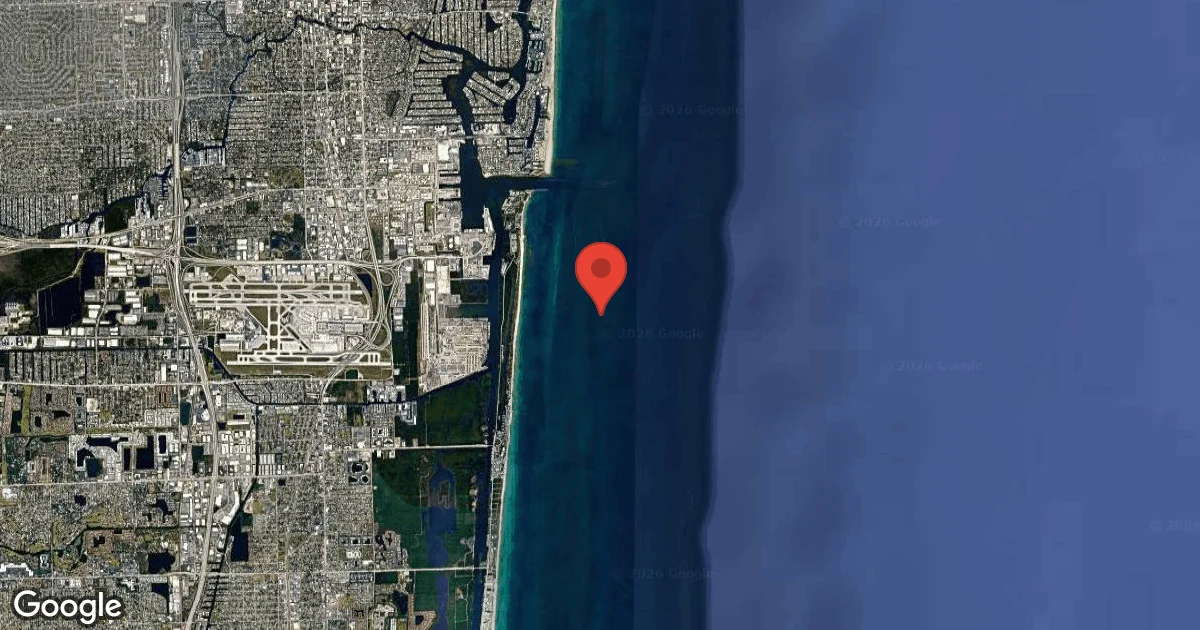
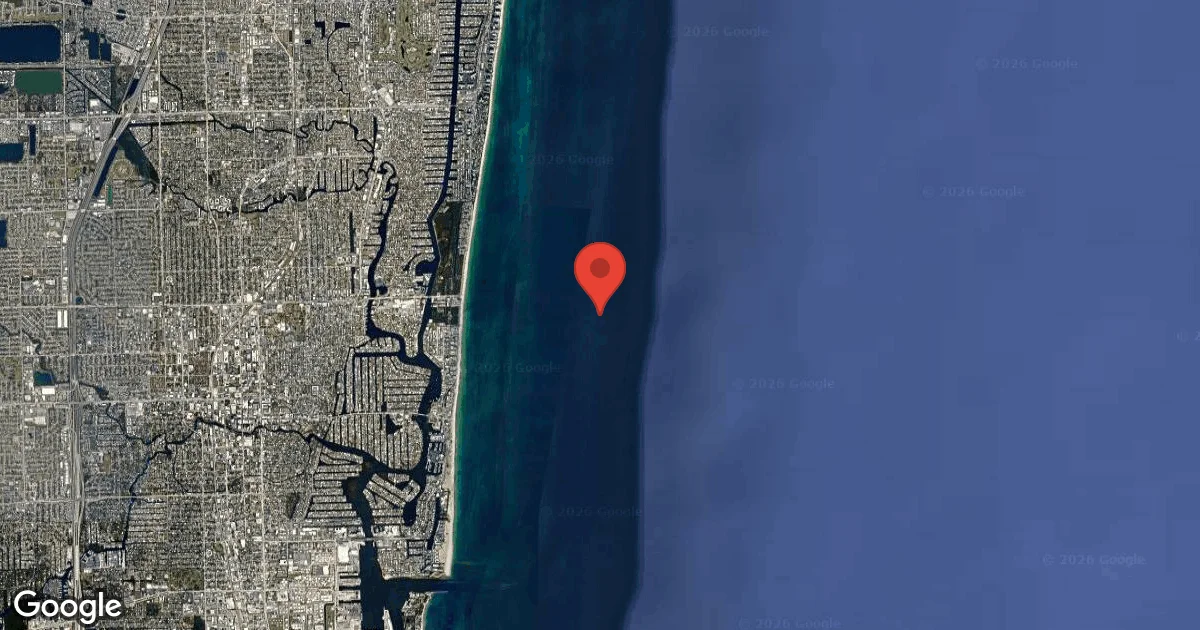
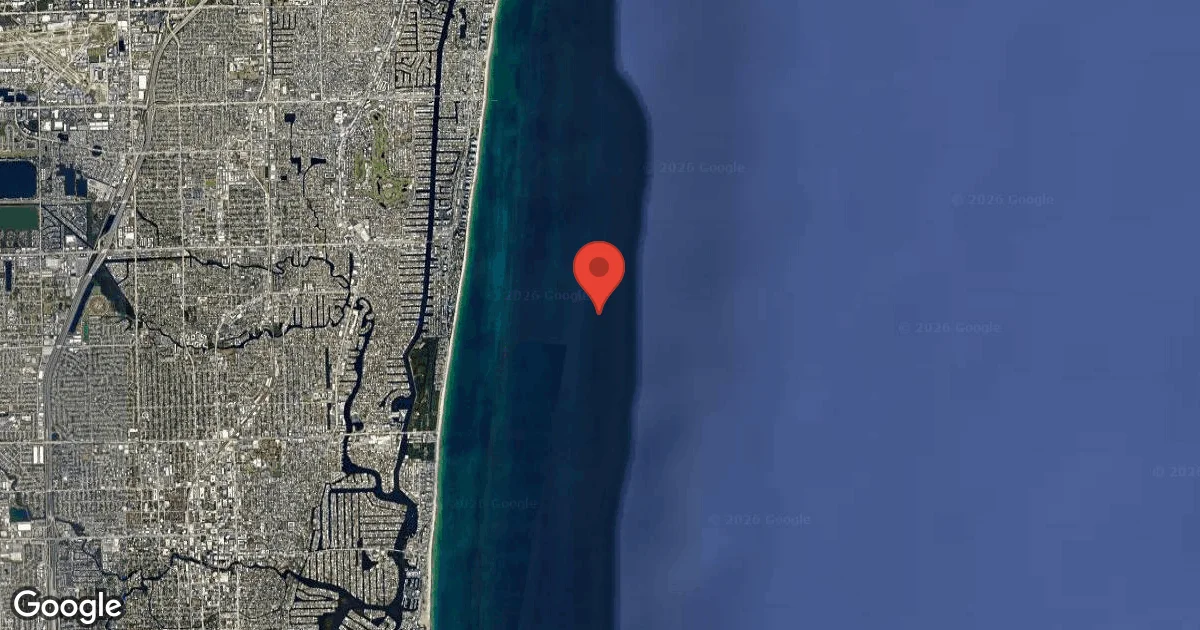
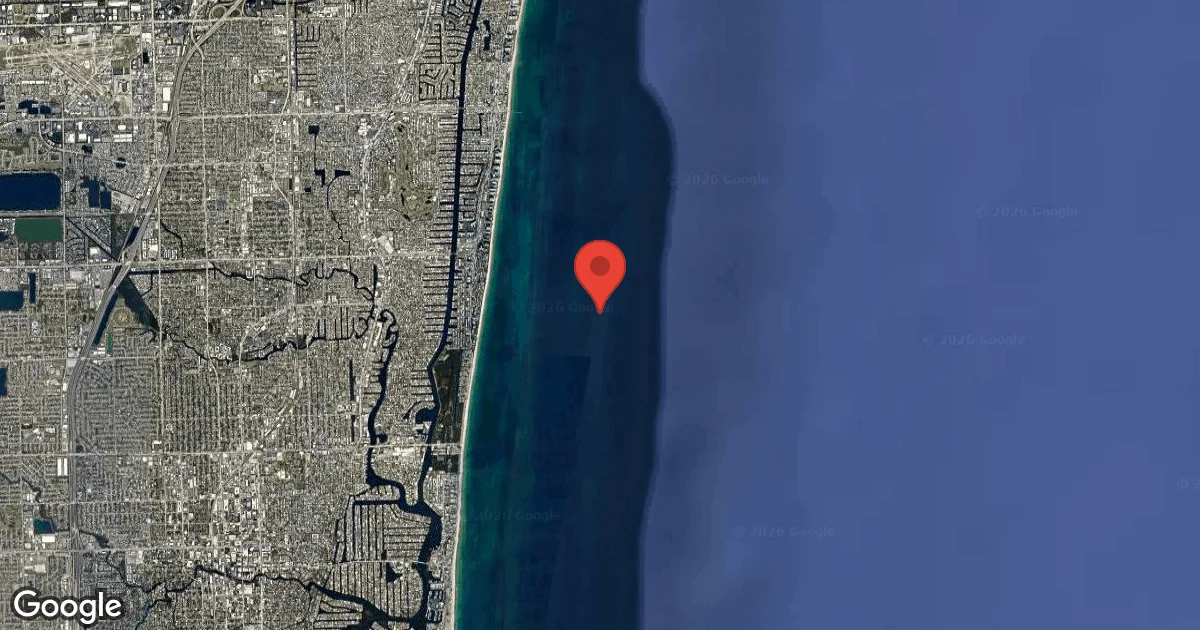
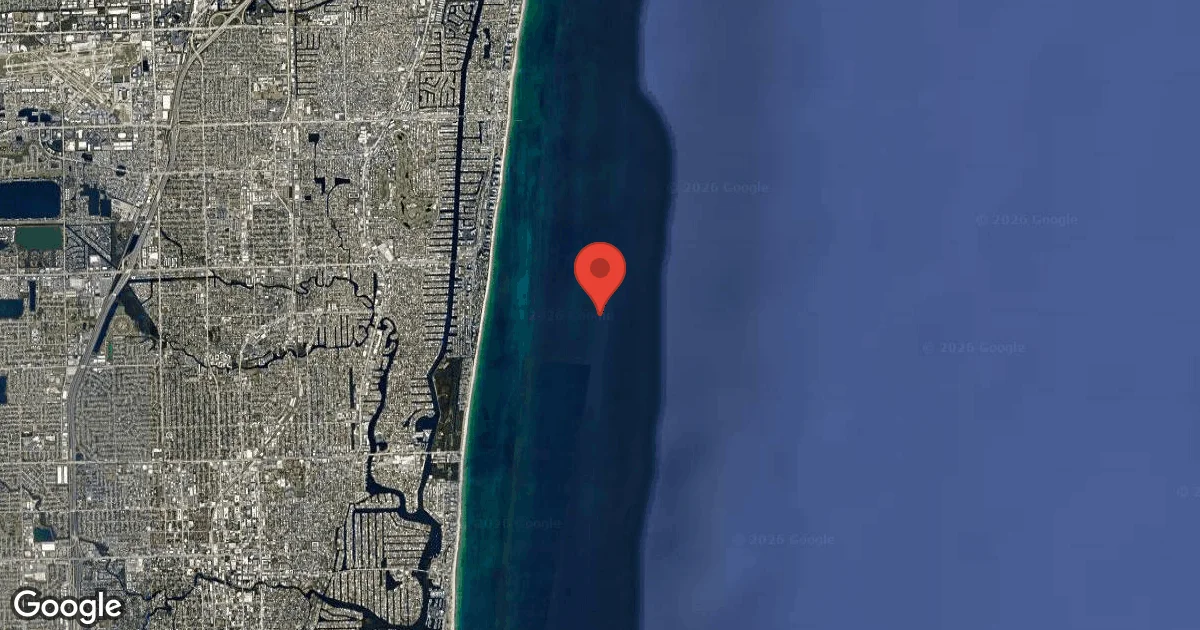
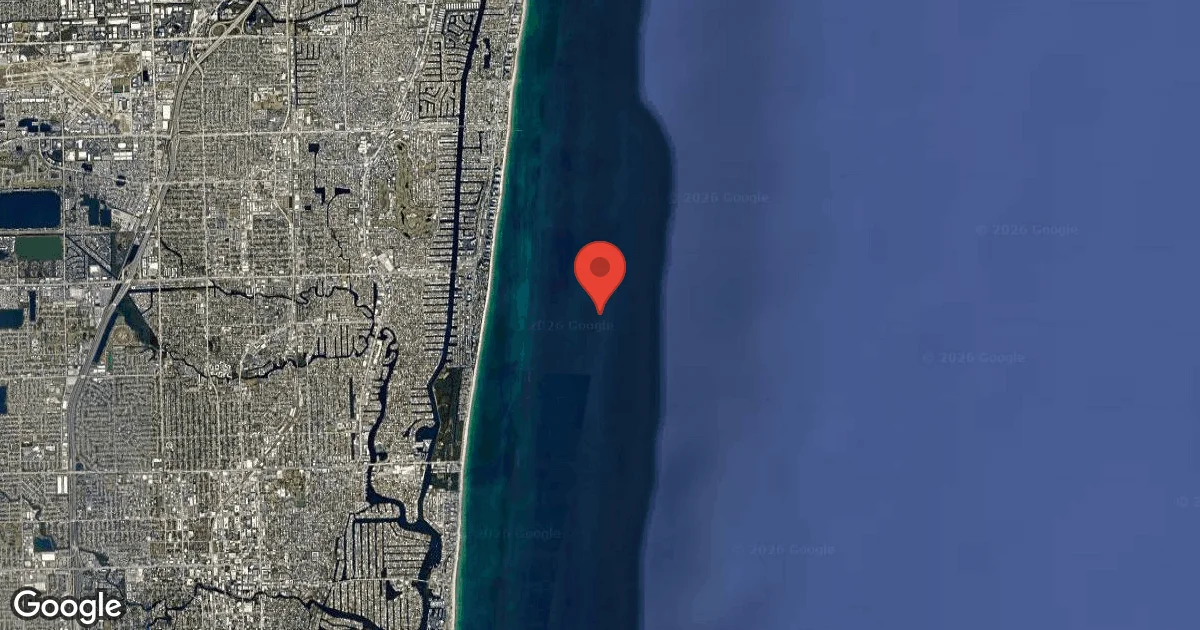
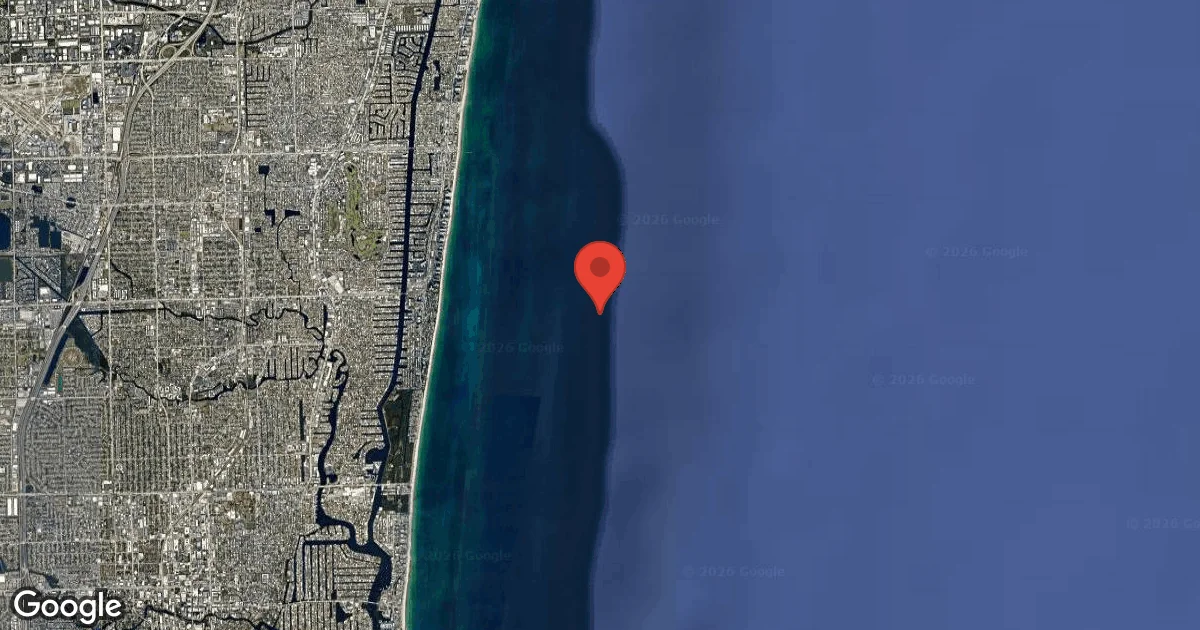
Dive Site Location & Key Facts
Dive Site Overview
Golden Beach Boulders presents a diverse underwater topography dominated by substantial rock formations and scattered boulder fields. These structures create numerous crevices and mini-walls, providing shelter and hunting grounds for various species.
Adjacent to these rocky areas, clean white sand areas intersperse, creating varied habitats. Kelp often thrives on the boulder surfaces, swaying with the water movement and contributing to the ecosystem's richness. Recreational depths at this site typically range from 8 m (25 ft) down to 12 m (40 ft), with some deeper sections of coastal reefs reaching up to 30 m (100 ft) in the broader region.
While some areas are accessible as shore dives, the more extensive reef structures might be better explored via boat, depending on the specific entry point. These underwater features, whether natural or part of artificial reef programs involving limestone boulders, mimic natural reef characteristics by fostering a robust environment for marine life.
Divers can expect to find a combination of solid rock and smaller scattered formations, varying in height and density as one ventures further offshore. The interplay between these structures and the surrounding sandy bottom contributes to the site's appeal.
Conditions are Good
Optimal conditions expected
Current conditions near Golden Beach Boulders show 25° air, 31° sea temperature, 0.6 m waves, and 22 km/h wind. Forecast data is refreshed regularly to ensure accuracy.
Best Time to Dive
Optimizing a dive at Golden Beach Boulders often hinges on favorable visibility, which tends to be best during periods of calmer conditions. Historically, the fall to early winter has been noted as a good period for coastal offshore reefs, potentially offering clearer water. Considering the climatic averages, July presents the lowest average wave height at approximately 0.4 m (1.3 ft) and reduced wind speeds around 14.45 km/h (9 mph), correlating with an 'Excellent' dive score. These calmer conditions generally contribute to improved underwater visibility, which can range from 3 m (10 ft) to over 15 m (50 ft), depending heavily on recent weather and surge. Conversely, months like January, March, April, October, and December see higher average wave heights, around 0.9 to 1.0 m (3.0-3.3 ft), and increased wind, which might stir up sediments and reduce clarity. Air temperatures are comfortable year-round, ranging from 19.5°C (67°F) in January to 28°C (82°F) in July and August, but water clarity remains the primary factor in selecting the best time.
PEAK SEASON SCORE
Scores combine air & water temps, waves, wind & rainfall for overall conditions.
BEST MONTHS TO DIVE
Monthly records compiled from satellite and marine observation nodes over the last 3 years. Data provided by Open-Meteo and MET Norway.
Dive Experience & Conditions
Current dynamics at Golden Beach Boulders can vary, as is common with many coastal dive sites; conditions are highly dependent on local tides and offshore weather patterns. Divers should anticipate the potential for mild to moderate surge, particularly in shallower sections or during periods of increased wave action, which average between 0.4 m (1.3 ft) in July and 1.1 m (3.6 ft) in October. Surface conditions reflect prevailing wind speeds, which typically range from 14.45 km/h (9 mph) in July to 20.36 km/h (13 mph) in April, potentially creating chop. Water temperature is not consistently reported for this specific site, but divers should prepare for seasonal variations common to coastal US waters, often cooler in winter months and warmer during summer. Checking current local marine forecasts immediately before a planned dive is always advisable to assess real-time conditions. Air temperatures remain pleasant, typically between 19.5°C and 28°C (82°F)and 82°F) throughout the year, making surface intervals comfortable even when underwater conditions require more attention.
Dive Difficulty & Safety Guidelines
Approaching Golden Beach Boulders requires careful consideration of potential coastal diving hazards. Strong currents or surge, though not specifically reported as extreme, can occur and warrant vigilance, especially near structural features or during tidal changes.
Boat traffic is always a consideration in coastal areas, so displaying a dive flag is mandatory for diver safety. Access to some coastal sites can be limited, potentially involving a significant surface swim or requiring boat transport.
Parking availability may also be a challenge for beach entries at certain locations. Divers should always plan their entry and exit points meticulously and be aware of their surroundings.
To protect this sensitive ecosystem, practicing responsible diving techniques is crucial; avoid touching corals or marine life and ensure proper buoyancy control. Anchor safely away from reef structures if diving from a boat, or utilize mooring buoys where available.
Recommended Equipment
- Dive Computer
This gear list is based on verified equipment signals for Golden Beach Boulders, United States. Always confirm final gear choices with your dive operator, guide, or liveaboard.
Recommended Dive Suit
With water temperatures around 31°C (87°F), many divers find a dive skin or rash guard provides comfortable protection.
Local dive briefings can provide the most accurate guidance.
The forecast outlook suggests that temperatures will stay close to current levels.
Emergency & Medical Support
Essential information to help you plan your dive trip to Golden Beach Boulders.

Hyperbaric chambers are a critical part of dive safety infrastructure. Availability varies significantly by region, and not all dive areas have immediate access.
Before diving, it's recommended to:
- confirm nearest medical facilities
- check emergency procedures with local dive operators
- ensure dive insurance covers evacuation if required
Divers Alert Network
Diving emergency assistance available through DAN World.
+1-919-684-9111- 24/7 emergency hotline
- Diving medical assistance
- Evacuation coordination
Emergency contacts are provided for reference. Always verify local emergency services before diving.
Marine Life at Golden Beach Boulders
The underwater landscape of Golden Beach Boulders, with its intricate rock formations and kelp growth, provides a valuable habitat for a variety of marine species. Exploring the numerous crevices and hidden spaces can reveal spiny lobsters and various reef fish.
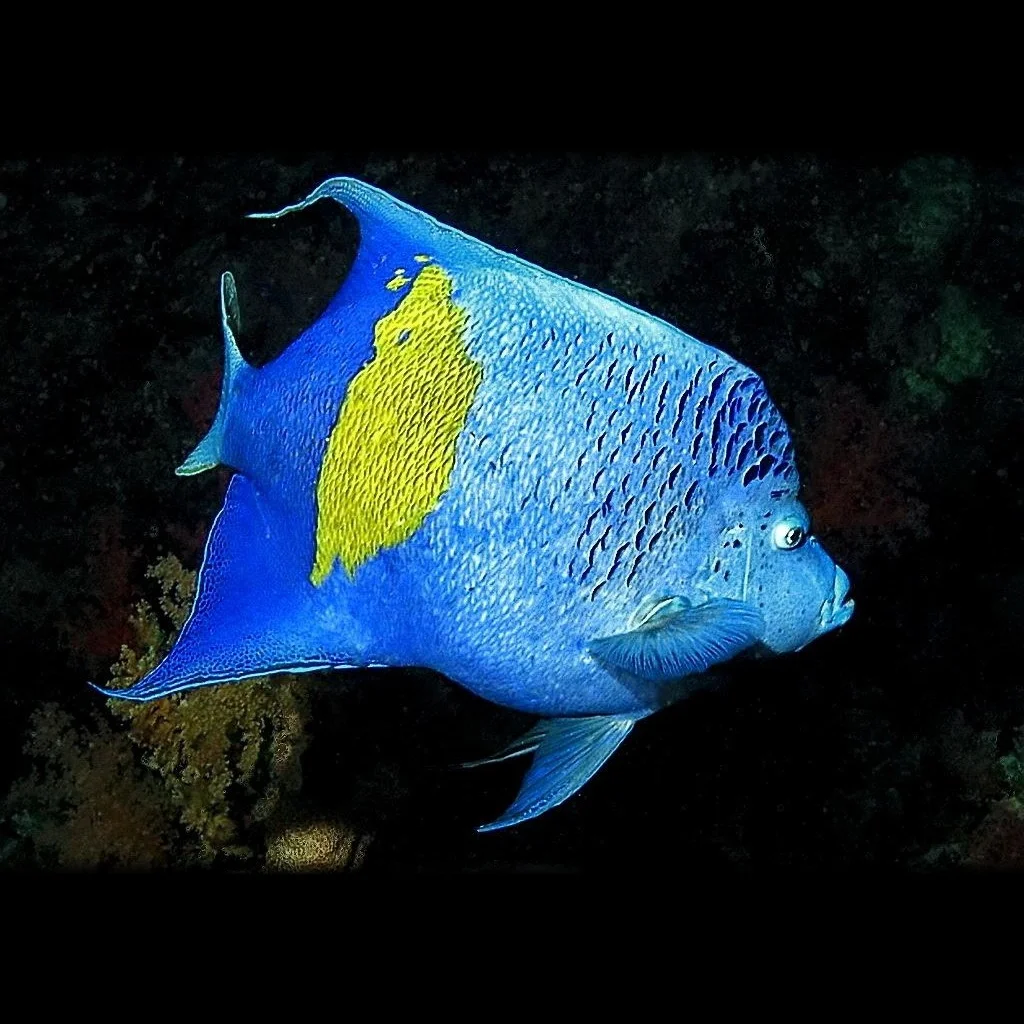
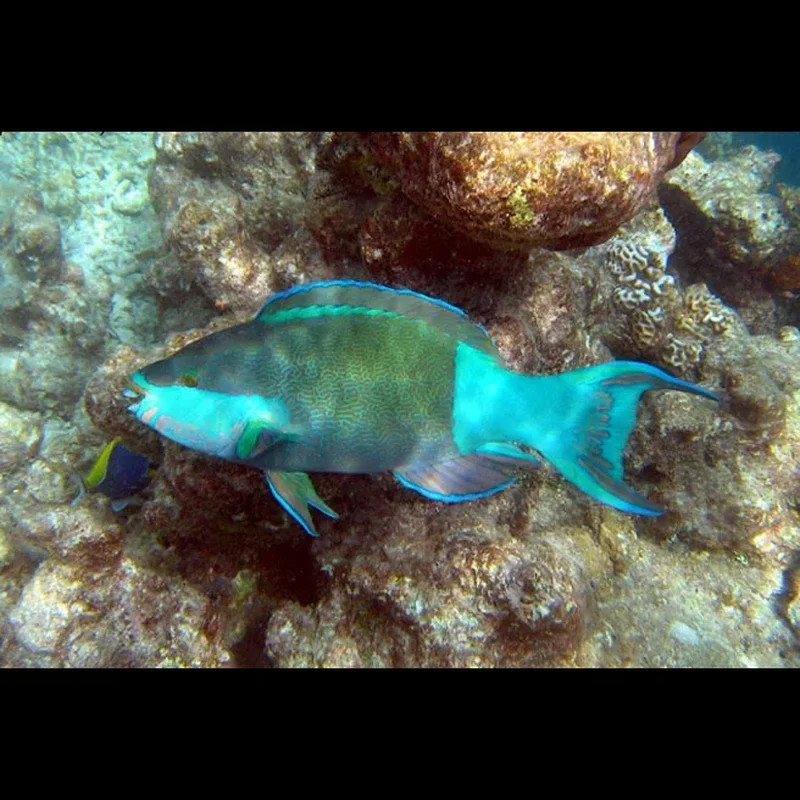
Divers frequently encounter horn sharks nestled among the rocks. Smaller fish, such as colorful parrotfish and angelfish, navigate the shallower sections.
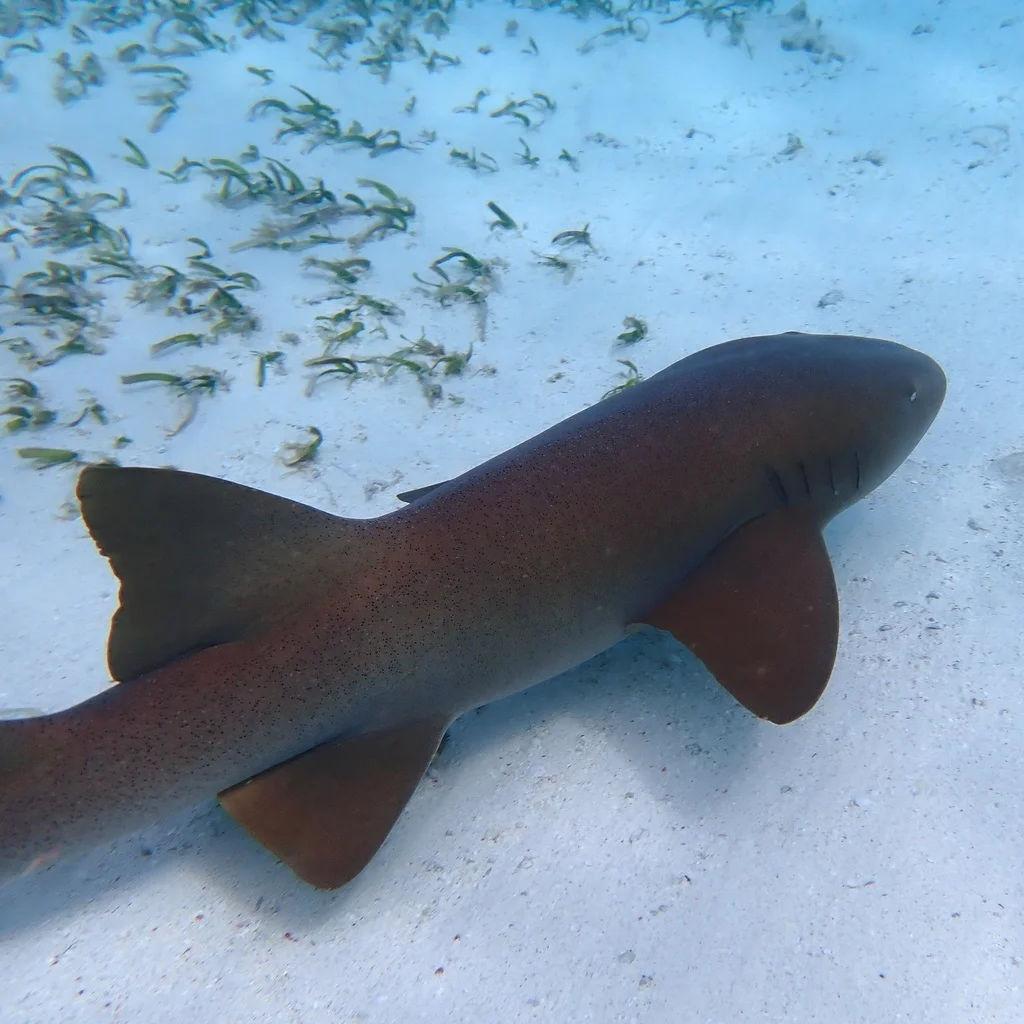
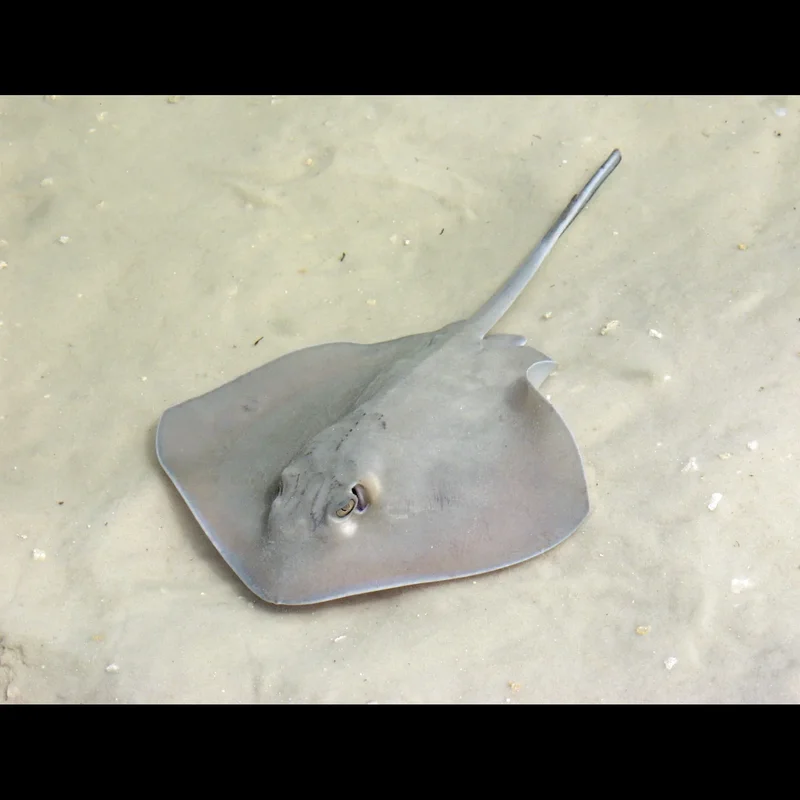
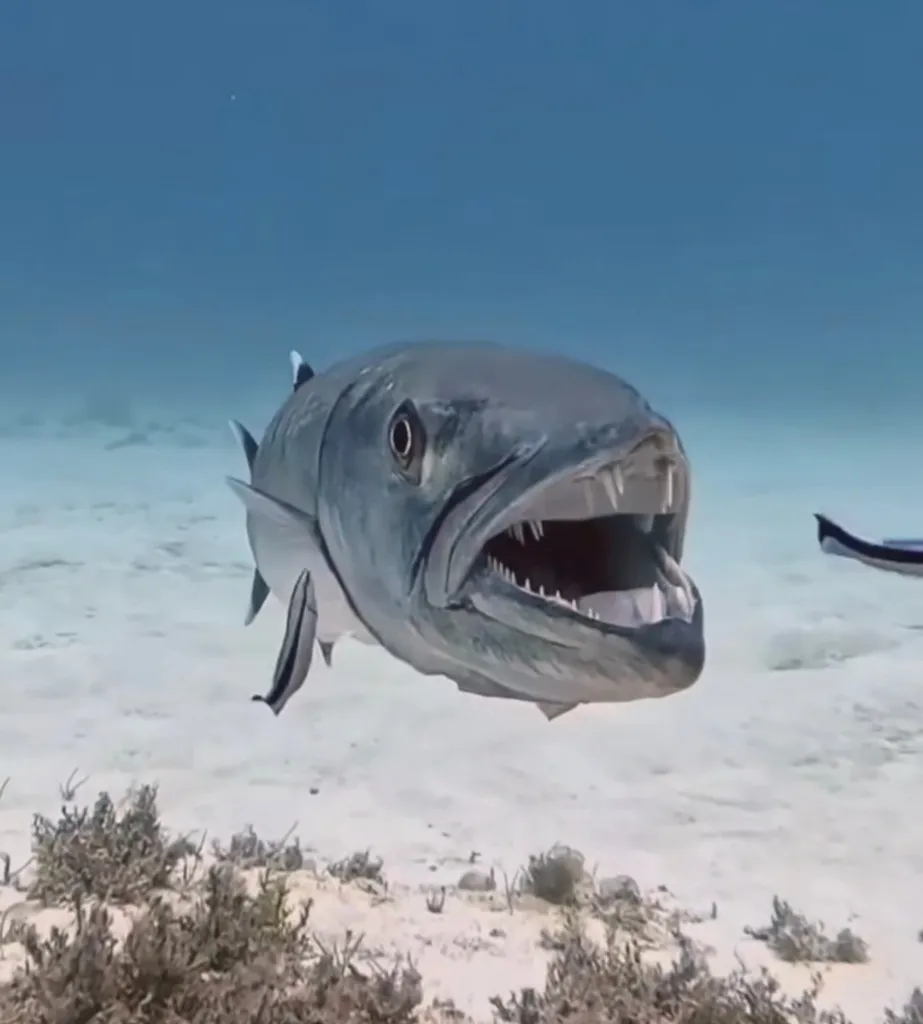
Occasionally, larger pelagics like barracuda or even nurse sharks and stingrays may cruise the deeper perimeters or sandy patches. Sea fans often adorn the rock faces, adding visual interest to the environment.
Dive Sites Near Golden Beach Boulders
View all dive sites in United StatesDiscover more underwater gems in this area.
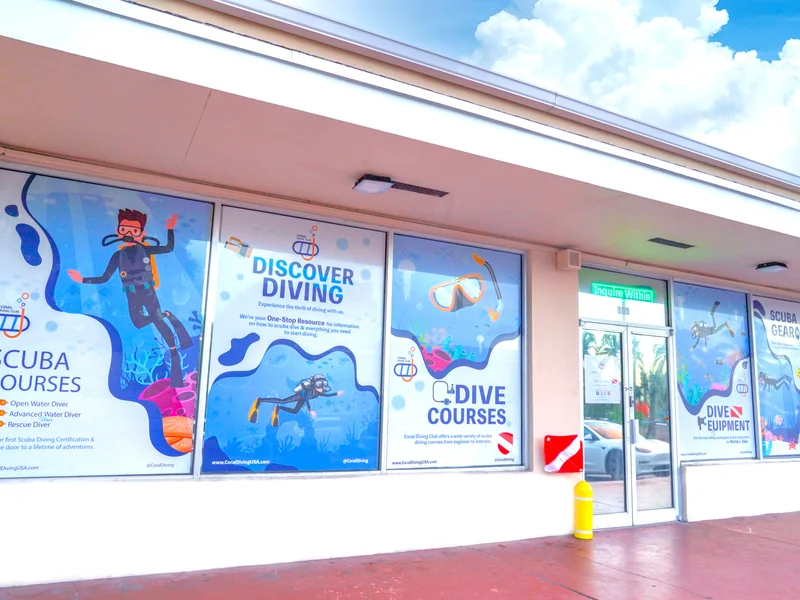
Dive Centers Near Golden Beach Boulders
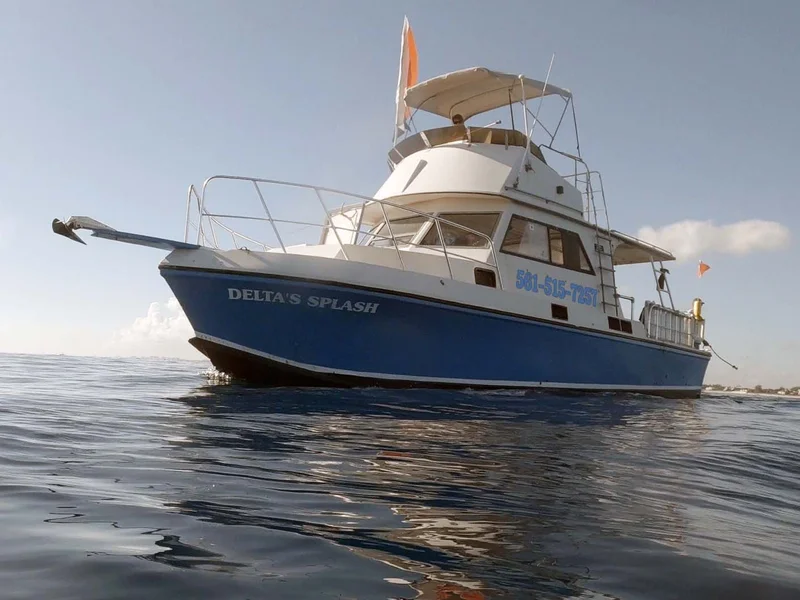
Today: 09:00 - 17:00
Nearest Airports
Nearest airports to help plan travel to this dive area.
Search Flights
Check available flights and routes on Expedia, using the nearby airports listed in this section.
Search Flights on Expedia
Plan Your Stay
Looking for a place to stay for your dive trip? Explore hotels, stays, and vacation rentals for dive groups near Golden Beach.
Dive Navigator may earn a commission from these links at no extra cost to you.
Frequently Asked Questions
What is the typical depth at Golden Beach Boulders?
Recreational depths at this site generally range from 8 m (25 ft) to 12 m (40 ft). However, specific sections of coastal reefs in the broader region can extend to a maximum depth of 30 m (100 ft).
What kind of underwater topography can I expect?
The site is characterized by significant rock formations and boulder fields, creating numerous crevices and mini-walls. These rocky areas are often interspersed with clean white sand patches and can feature kelp growth.
When is the best time to dive for optimal visibility?
Visibility is generally best during periods of calmer conditions, with the fall to early winter often cited as favorable for coastal reefs. July typically shows the lowest wave heights and wind speeds, which can contribute to clearer waters.
What marine life might I encounter?
The boulder formations provide habitat for spiny lobsters, various reef fish, and horn sharks. Divers might also see parrotfish, angelfish, barracuda, and potentially nurse sharks or stingrays.
Are there any specific safety guidelines for this site?
Divers should always display a dive flag for safety due to potential boat traffic. Vigilance for currents and surge, meticulous dive planning for entry/exit, and practicing responsible diving etiquette are also crucial.
Is this a shore dive or boat dive?
Access can vary; some sections of coastal boulder sites may allow for shore entry, while other more extensive or offshore reef structures are better reached by boat. It depends on the specific dive plan.
What is the typical visibility range?
Visibility at Golden Beach Boulders can vary significantly with conditions, ranging from 3 m (10 ft) to over 15 m (50 ft). Calm weather and low surge generally lead to better clarity.
Planning to dive Golden Beach Boulders?
Send one inquiry and receive offers directly from the best verified local dive operators.
Conditions are Good
Optimal conditions expected
Current conditions near Golden Beach Boulders show 25° air, 31° sea temperature, 0.6 m waves, and 22 km/h wind. Forecast data is refreshed regularly to ensure accuracy.