
Diving at Jupiter Inlet Stepping Stones Reef (United States)
Navigating the waters around Jupiter Inlet requires a keen awareness of local conditions, where potential boat traffic near the busy waterway merges with dynamic ocean currents. Divers planning to visit Jupiter Inlet Stepping Stones Reef should factor in the historical context of the inlet's activity, including incidents such as the tragic event that led to the Andrew Harris Reef Foundation's creation. Proper surface signaling and dive planning become critical for safety in this area. This site presents a rewarding dive for those prepared for its unique blend of environmental factors and proximity to a major inlet.
Early observations for Jupiter Inlet Stepping Stones Reef report a surface air temperature of 25°C. The water surface is currently presenting wave heights of 0.7 m. Consider these environmental metrics before beginning your descent.
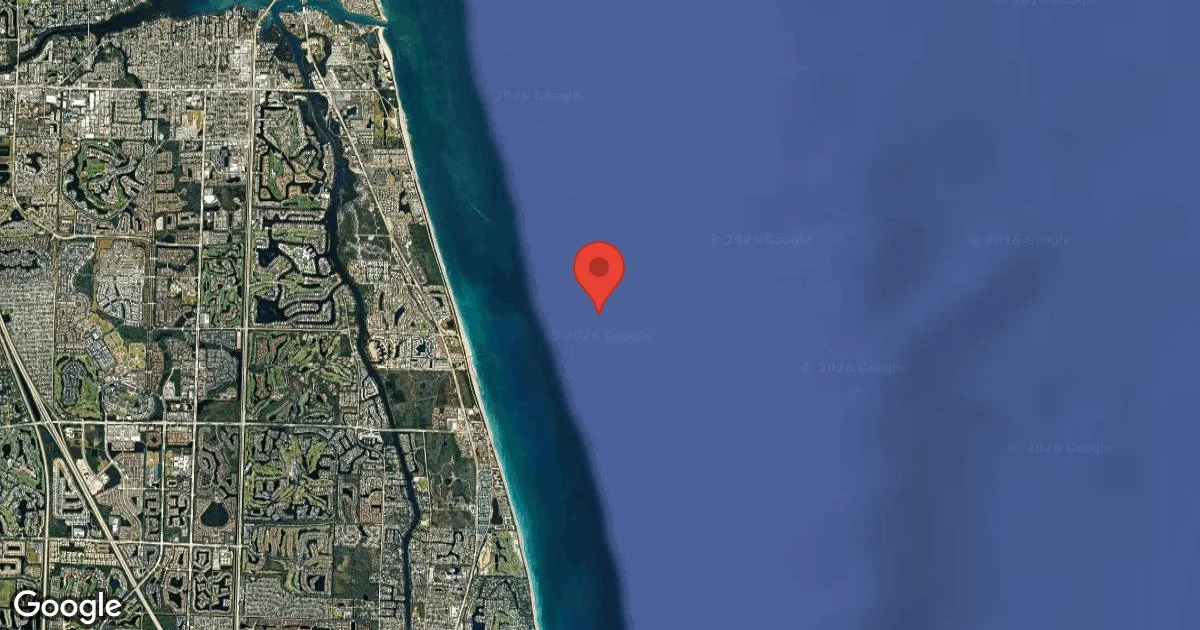
Dive Site Location & Key Facts
Dive Site Overview
Jupiter's underwater landscape is augmented by a series of deliberate human efforts, including various artificial reefs designed to enhance marine habitats. The Jupiter Inlet Stepping Stones Reef is part of this initiative, representing a commitment to marine environmental health and increased diving opportunities.
These artificial structures are typically formed from robust materials like concrete modules and large limestone boulders, mirroring natural reef systems by offering complex nooks and ledges. While specific construction details for the Jupiter Inlet Stepping Stones Reef are not consistently reported, similar artificial reef designs in the region are often found within recreational depths, potentially ranging between 7.5-10.5 m (25-35 ft). Such constructions provide foundational structure for new hard bottom communities to flourish, attracting a diverse array of marine organisms.
Diver navigation might involve circling or zig-zagging patterns, depending on the site's layout and prevailing conditions, creating an engaging experience within its defined footprint.
Conditions are Good
Optimal conditions expected
Current conditions near Jupiter Inlet Stepping Stones Reef show 25° air, 29° sea temperature, 0.9 m waves, and 13 km/h wind. Forecast data is refreshed regularly to ensure accuracy.
Best Time to Dive
Conditions for diving off Jupiter generally favor the warmer, calmer months, providing the most comfortable experience. The period from May through August typically sees the highest dive scores, marked by lower average wave heights, often around 0.6-0.9 m (2.0-3.0 ft), and reduced wind speeds. Air temperatures during these months are quite warm, averaging between 26-28°C (79-82°F). Rain accumulation, while present, tends to be manageable. Conversely, October and December show moderate dive scores, with increased wave heights sometimes exceeding 1.8 m (6 ft) and stronger winds, which can lead to less predictable conditions. Despite this, winter months from January to April still offer generally good dive scores, with air temperatures ranging from 19-24°C (66-75°F) and lower rainfall, making them viable options when wave and wind conditions are favorable.
PEAK SEASON SCORE
Scores combine air & water temps, waves, wind & rainfall for overall conditions.
BEST MONTHS TO DIVE
Monthly records compiled from satellite and marine observation nodes over the last 3 years. Data provided by Open-Meteo and MET Norway.
Dive Experience & Conditions
Currents near the Jupiter Inlet present a defining characteristic for local diving, often influencing site accessibility and dive profiles. While general diving in Jupiter can involve significant drift, specific artificial reef sites, such as those characterized as 'Stepping Stones,' may offer micro-environments where the current is less pronounced, depending on their exact placement and design. Divers should anticipate water temperatures that align with South Florida's warm climate, though exact figures are not consistently reported for this specific site. Visibility can vary considerably, influenced by tidal exchanges through the inlet, recent weather events, and offshore ocean conditions. Reef structures generally rise several feet from the seafloor, providing vertical relief for marine life and divers to explore. This combination of dynamic currents and varying visibility requires adaptable diving techniques.
Dive Difficulty & Safety Guidelines
Approaching Jupiter Inlet Stepping Stones Reef requires attention to common diving safety protocols, particularly given the site's proximity to a bustling waterway. Boat traffic in and around the Jupiter Inlet can be substantial, necessitating diligent surface awareness upon ascent and descent. Divers should always carry a surface marker buoy (SMB) and know how to deploy it effectively, especially if drift is anticipated or if they surface away from the boat.
Planning dives with reputable local charters is advisable, as they possess up-to-date knowledge of tidal influences and current patterns that can impact the diving experience. While specific skill requirements aren't universally stated for this reef, an Open Water Diver certification is generally sufficient for such artificial reefs, provided divers are comfortable with potential variable conditions.
Recommended Equipment
- Dive Computer
This gear list is based on verified equipment signals for Jupiter Inlet Stepping Stones Reef, United States. Always confirm final gear choices with your dive operator, guide, or liveaboard.
Recommended Dive Suit
Forecast trends indicate similar diving conditions over the next few days.
Factors such as dive duration, depth, and activity level can influence how warm a diver feels underwater.
Dive skin or rash guard typically balances flexibility and thermal protection in these temperatures. The latest environmental readings for Jupiter Inlet Stepping Stones Reef suggest water temperatures around 29°C (85°F). Surface air temperatures are resting at 25°C (77°F).
Due to technical issues with our weather providers, data hasn't been fetched for over 48 hours. The data above reflects the conditions at the time of the last successful fetch.
Emergency & Medical Support
Essential information to help you plan your dive trip to Jupiter Inlet Stepping Stones Reef.

Hyperbaric chambers are a critical part of dive safety infrastructure. Availability varies significantly by region, and not all dive areas have immediate access.
Before diving, it's recommended to:
- confirm nearest medical facilities
- check emergency procedures with local dive operators
- ensure dive insurance covers evacuation if required
Divers Alert Network
Diving emergency assistance available through DAN World.
+1-919-684-9111- 24/7 emergency hotline
- Diving medical assistance
- Evacuation coordination
Emergency contacts are provided for reference. Always verify local emergency services before diving.
Marine Life at Jupiter Inlet Stepping Stones Reef
The primary draw to artificial reef sites like the Jupiter Inlet Stepping Stones Reef is their capacity to foster diverse marine ecosystems. These purpose-built structures quickly become thriving habitats, attracting a wide spectrum of fish, crustaceans, and various other marine organisms.
Divers can anticipate observing common reef residents and potentially larger pelagic species that patrol the surrounding waters. While a consistent report of species for this particular reef is not available, artificial reefs in the region are known to support hundreds of species, offering ample photographic opportunities for macro and wide-angle enthusiasts alike.
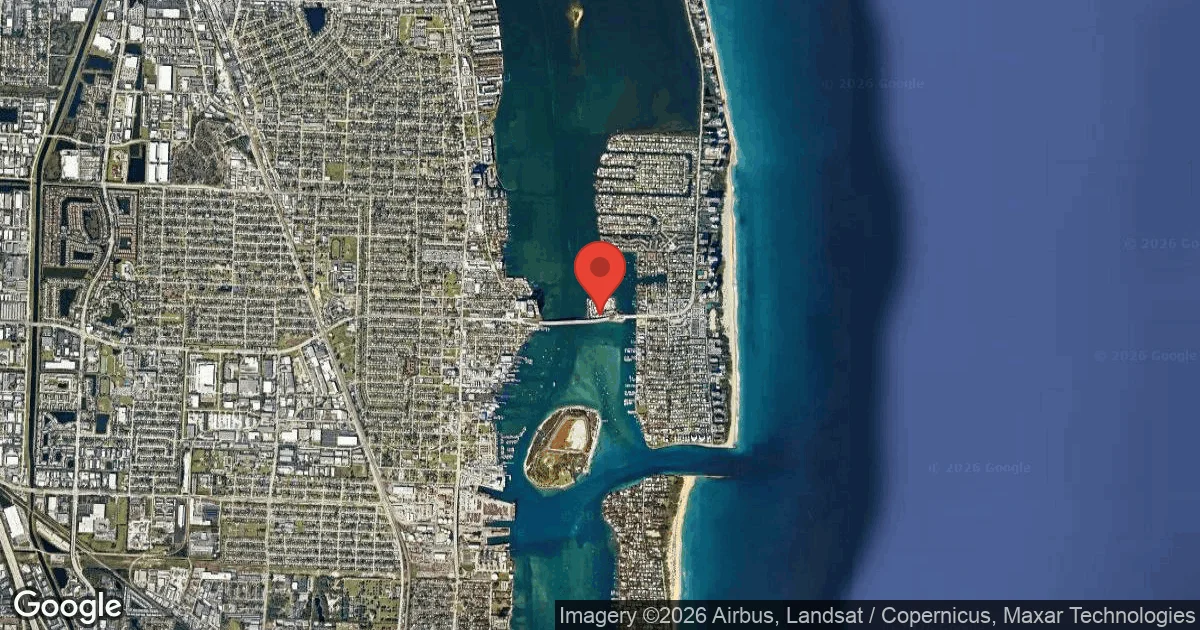
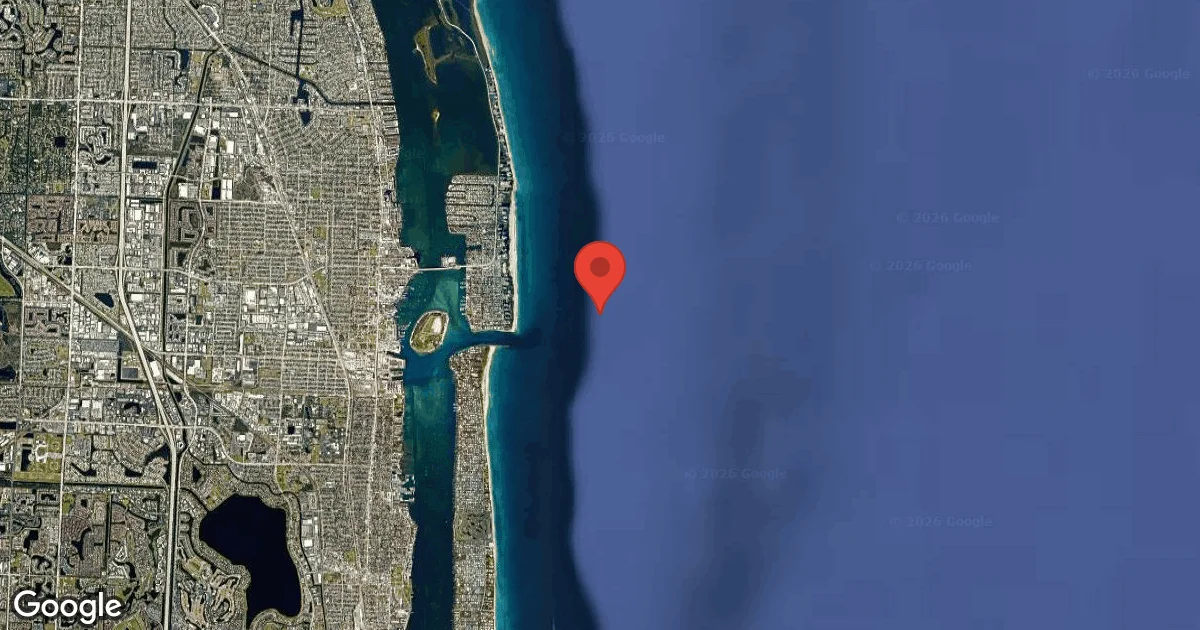
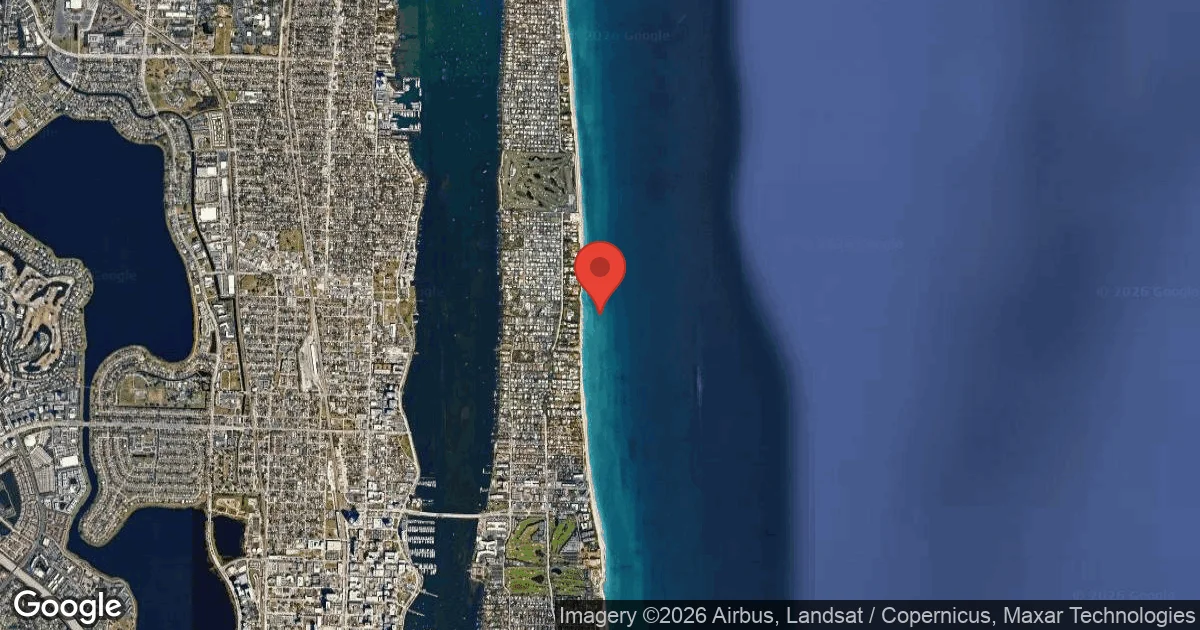
Dive Sites Near Jupiter Inlet Stepping Stones Reef
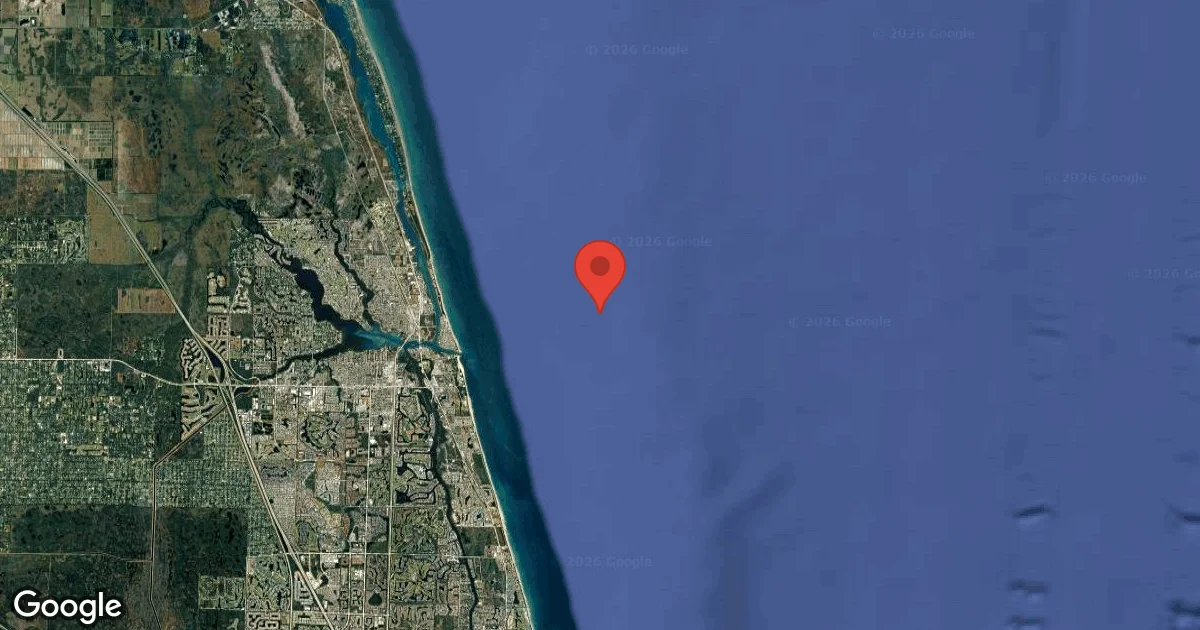
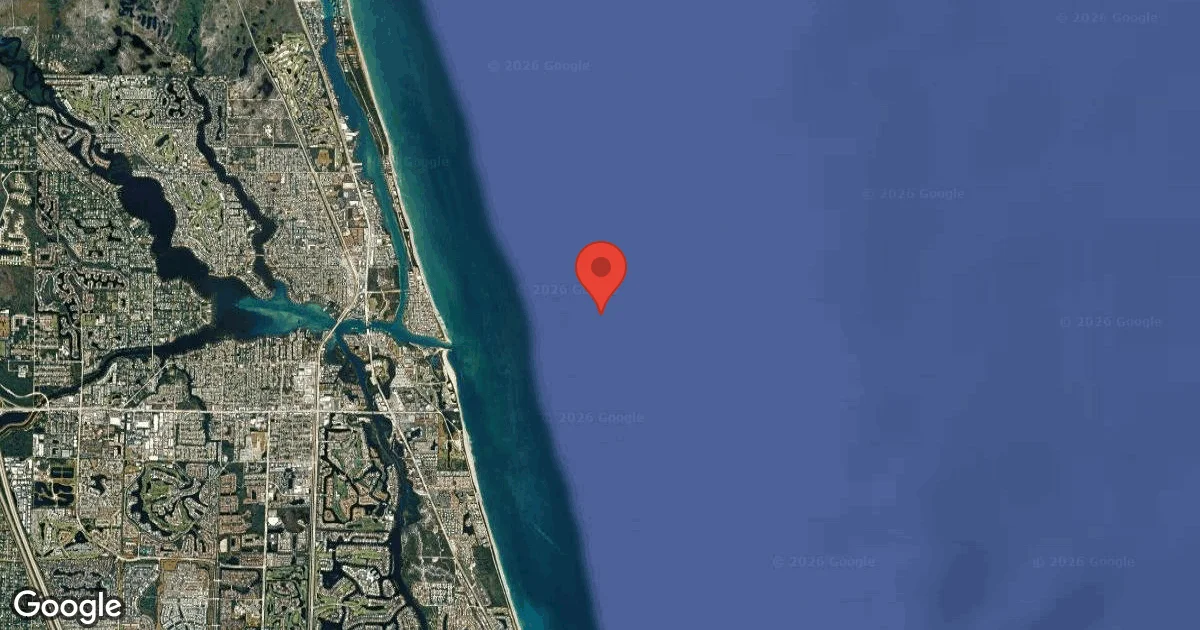
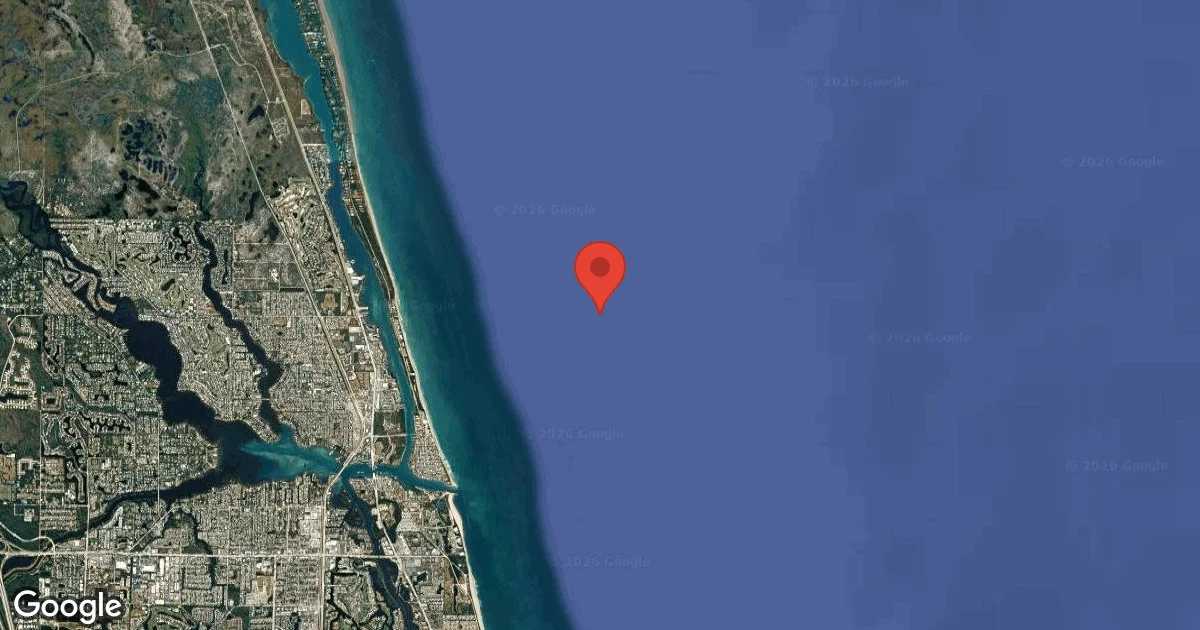
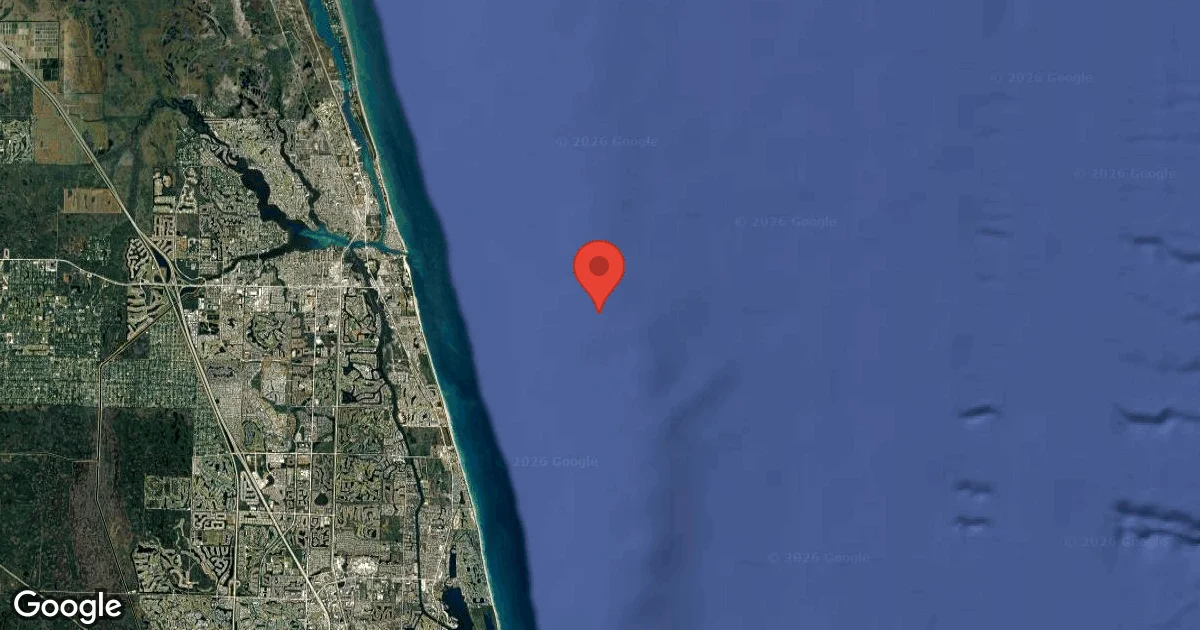
View all dive sites in United StatesDiscover more underwater gems in this area.
Dive Centers Near Jupiter Inlet Stepping Stones Reef

Today: 10:00 - 18:00

Nearest Airports
Nearest airports to help plan travel to this dive area.
Search Flights
Check available flights and routes on Expedia, using the nearby airports listed in this section.
Search Flights on Expedia
Plan Your Stay
Looking for a place to stay for your dive trip? Explore hotels, stays, and vacation rentals for dive groups near Tequesta.
Dive Navigator may earn a commission from these links at no extra cost to you.
Frequently Asked Questions
What is the Jupiter Inlet Stepping Stones Reef?
It is an artificial reef system off Jupiter, Florida, designed to create new marine habitats. These reefs typically use materials like concrete modules and limestone boulders to mimic natural hard bottom communities, supporting diverse marine life.
What is the typical depth range for this reef?
Specific depth details for the Jupiter Inlet Stepping Stones Reef are not consistently reported. However, similar artificial 'stepping stone' type reefs in the area often lie within recreational depths, potentially ranging from 7.5 to 10.5 meters (25-35 ft).
Are strong currents common at this dive site?
The Jupiter Inlet area is known for dynamic currents. While specific reef structures might offer some shelter, divers should anticipate variable current conditions. Planning with local dive operators for optimal timing is highly recommended.
What kind of marine life can I expect to see?
As an artificial reef, it provides habitat for a variety of marine organisms. You can expect to see numerous species of fish, crustaceans, and other invertebrates. Larger marine life may also frequent the area, drawn by the new ecosystem.
What skill level is required to dive here?
An Open Water Diver certification is generally suitable for diving artificial reefs of this type. However, comfort with potential currents and variable visibility is beneficial, making it a good site for confident recreational divers.
When is the best time of year to dive Jupiter Inlet Stepping Stones Reef?
The best time to dive is typically from May through August, when conditions are generally calmer with lower waves and higher air temperatures. Spring and late fall also offer good diving opportunities, subject to specific weather patterns.
What safety precautions should divers take near Jupiter Inlet?
Divers should be aware of boat traffic, especially when ascending or at the surface. Carrying and knowing how to deploy a surface marker buoy (SMB) is crucial. Always dive with a reputable charter that understands local conditions and tidal patterns.
Planning to dive Jupiter Inlet Stepping Stones Reef?
Send one inquiry and receive offers directly from the best verified local dive operators.
Conditions are Good
Optimal conditions expected
Current conditions near Jupiter Inlet Stepping Stones Reef show 25° air, 29° sea temperature, 0.9 m waves, and 13 km/h wind. Forecast data is refreshed regularly to ensure accuracy.