
Diving at Keystone Jetty (United States)
Keystone Jetty stands out as a premier Pacific Northwest diving destination, presenting an exhilarating challenge for divers honing their skills in current-sensitive environments. Its rich, colorful invertebrate life sets it apart, making it a favorite for underwater photographers and those seeking a dynamic dive experience. Successfully navigating this site requires precise timing, often coinciding with slack water. Advanced planning ensures a rewarding exploration of its vibrant underwater world.
As evening covers Keystone Jetty, the local air temperature is measured at 17.5°C. The current wave height at the surface is recorded at 0 m. These late-day readings characterize the surface conditions for the night.
Dive Site Location & Key Facts
Dive Site Overview
Navigating Keystone Jetty's primary dive area involves exploring a considerable 75-yard-long (68-meter) boulder pile, forming a man-made breakwater that gradually slopes to approximately 18 m (60 ft). This robust structure serves as an artificial rocky reef, attracting a diverse range of marine life.
Along its length, divers encounter abundant invertebrate communities, particularly concentrated on the bottom rocks in deeper sections. A common dive plan includes heading towards the jetty's extremity during stable conditions, then ascending to explore shallower sections. Here, schooling rockfish often congregate, providing excellent photographic opportunities.
Beyond the main breakwater, separate pilings nearby offer an alternative, often more protected dive experience. A gentle current here can occasionally facilitate a mild drift, guiding divers from the pilings back towards the central jetty structure.
Three distinct areas, locally referred to as the 'Rocks of Life,' stand out as key focal points for marine observation. These vibrant patches are typically found in the mid-range depths, around 9 m (30 ft), and also at the very end of the jetty.
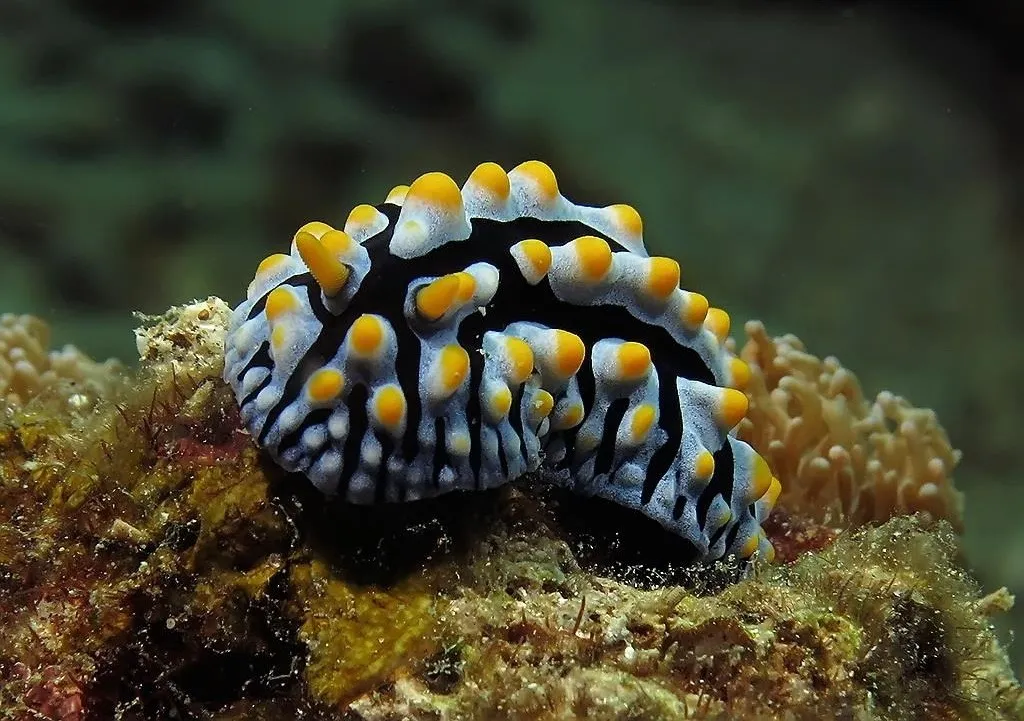
Divers spending time in these areas often discover a concentrated display of colorful anemones and various nudibranch species, thriving amidst the complex hard bottom terrain. The interplay of currents around this boulder field constantly shapes the habitat, offering dynamic conditions.
Conditions are Excellent
07:00 - 14:00
Optimal conditions expected
Current conditions near Keystone Jetty show 18° air, 14° sea temperature, 0.1 m waves, and 15 km/h wind. Forecast data is refreshed regularly to ensure accuracy.
Best Time to Dive
Planning your dive around slack tide is paramount at Keystone Jetty, as the site is highly sensitive to currents. Diving is possible year-round, with generally excellent conditions reported from March through October. During these months, average air temperatures range from 7°C (45°F) in March to 17°C (63°F) in August, accompanied by lower average rainfall, typically below 3 mm (0.12 in). Fall and winter often provide the best underwater visibility, though summer and fall months boast more favorable topside weather. Consider a 'slack-before-flood' timing, particularly during low tide, for optimal entry and more comfortable diving. For extended bottom time, some experienced divers utilize Nitrox 40% during mild flood periods for a second dive.
PEAK SEASON SCORE
Scores combine air & water temps, waves, wind & rainfall for overall conditions.
BEST MONTHS TO DIVE
Monthly records compiled from satellite and marine observation nodes over the last 3 years. Data provided by Open-Meteo and MET Norway.
Dive Experience & Conditions
Currents are a significant factor at Keystone Jetty, frequently strong during large tidal exchanges; precise slack tide planning is essential. Water temperatures typically range from 7°C to 11°C (45°F to 52°F), necessitating appropriate thermal protection. Visibility often varies between 3 m and 15 m (10 ft and 50 ft), with reports indicating that fall and winter generally offer clearer conditions. The main jetty gradually descends to a maximum depth of approximately 18 m (60 ft), while shallower sections near the shore provide refuge for certain marine species. Entry and exit can be challenging during extremely low tides due to incredibly slippery kelp and exposed rocks, which should be avoided.
Dive Difficulty & Safety Guidelines
When diving Keystone Jetty, awareness of strong currents and ferry traffic is crucial. Divers must always remain within the designated breakwater area and strictly avoid the ferry terminal and its active lane. During ferry arrivals or departures, divers may experience significant noise and current surges; consider holding onto a stable rock until the disturbance passes.
Planning dives exclusively during slack water is fundamental for safety and enjoyment, especially for those venturing to the end of the jetty where currents intensify. Avoid entries during extremely low tides due to potentially hazardous, slippery conditions on the cobble beach.
Recommended Equipment
- Dive Computer
This gear list is based on verified equipment signals for Keystone Jetty, United States. Always confirm final gear choices with your dive operator, guide, or liveaboard.
Recommended Dive Suit
Repeated dives during the same day can gradually reduce overall body warmth.
Divers exploring Keystone Jetty today will likely encounter water temperatures close to 14°C (56°F). Surface air temperatures are resting at 18°C (64°F). Divers spending extended time underwater often rely on 7mm wetsuit or semidry for balanced warmth and flexibility.
Environmental conditions may feel slightly cooler as the week progresses. Cooler days are ahead; you might want a warmer option for later in the week. A thicker wetsuit may be worth considering for extended dives.
Emergency & Medical Support
Essential information to help you plan your dive trip to Keystone Jetty.

Hyperbaric chambers are a critical part of dive safety infrastructure. Availability varies significantly by region, and not all dive areas have immediate access.
Before diving, it's recommended to:
- confirm nearest medical facilities
- check emergency procedures with local dive operators
- ensure dive insurance covers evacuation if required
Divers Alert Network
Diving emergency assistance available through DAN World.
+1-919-684-9111- 24/7 emergency hotline
- Diving medical assistance
- Evacuation coordination
Emergency contacts are provided for reference. Always verify local emergency services before diving.
Marine Life at Keystone Jetty
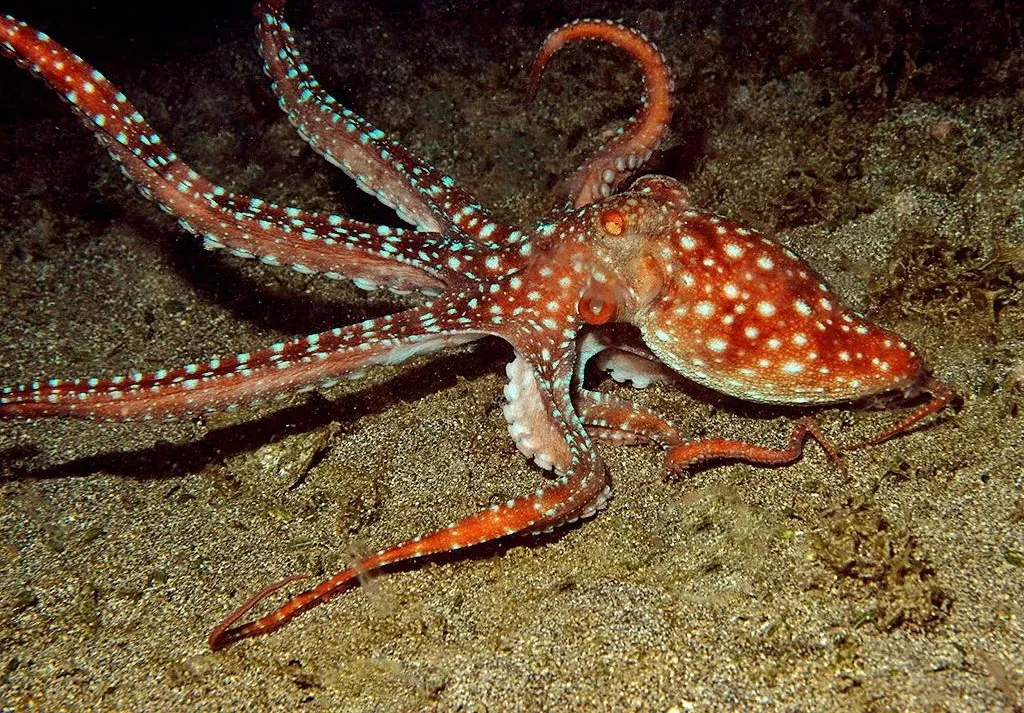
Observing marine life at Keystone Jetty frequently reveals an impressive diversity, from large Giant Pacific Octopuses on the sand to smaller nudibranchs dotting the rocks. Divers often encounter lingcod, dogfish, and various rockfish, including young-of-the-year yellowtail.
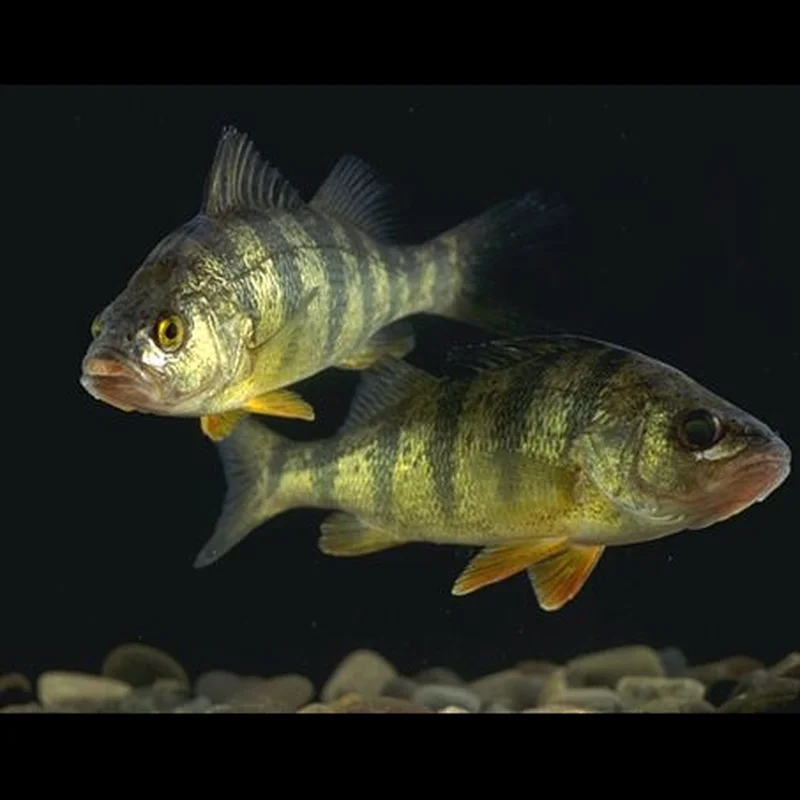
Greenlings, striped perch, and pile perch also inhabit the intricate rock formations. Closer inspection might uncover unique creatures such as grunt sculpins, warbonnets, and the occasionally spotted wolf-eel.
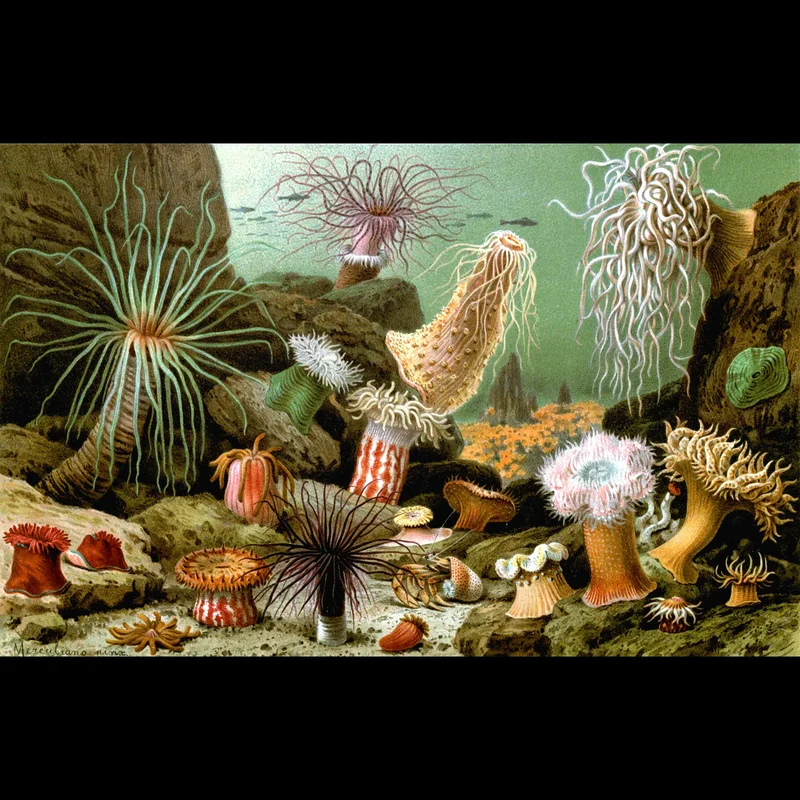
The vibrant array of sea anemones and colorful tunicates further adds to the visual spectacle, particularly in the invertebrate-rich deeper sections.
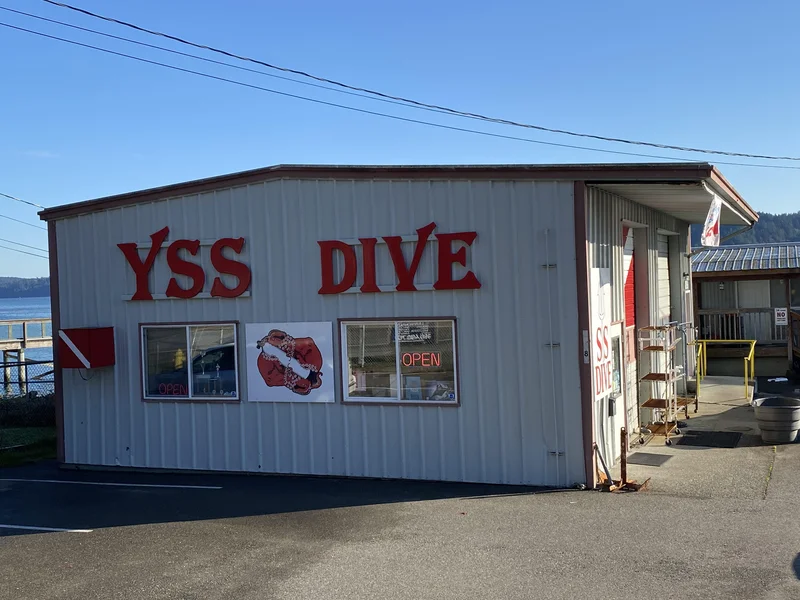
Dive Centers Near Keystone Jetty
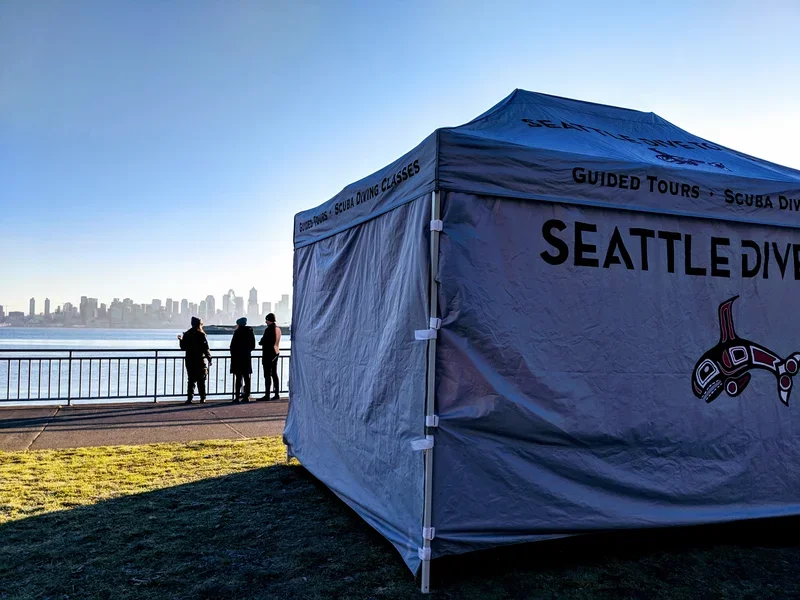
Today: 10:00 - 17:00


Nearest Airports
Nearest airports to help plan travel to this dive area.
Search Flights
Check available flights and routes on Expedia, using the nearby airports listed in this section.
Search Flights on Expedia
Plan Your Stay
Looking for a place to stay for your dive trip? Explore hotels, stays, and vacation rentals for dive groups near Coupeville.
Dive Navigator may earn a commission from these links at no extra cost to you.
Frequently Asked Questions
What is the maximum depth at Keystone Jetty?
The maximum recreational depth at the end of Keystone Jetty is approximately 18 m (60 ft), with a sloping boulder pile extending from the waterline to this depth.
How important is current planning for diving here?
Current planning is extremely important; Keystone Jetty is highly current-sensitive. Divers should always plan their dives for slack water, particularly during slack-before-flood, to ensure a safe and enjoyable experience.
What are the typical water temperatures?
Water temperatures at Keystone Jetty generally range from 7°C to 11°C (45°F to 52°F), requiring appropriate exposure protection like a drysuit or thick wetsuit.
Can I dive near the ferry terminal?
No, divers must strictly stay within the breakwater area and never enter the ferry terminal's active lane or get too close to the ferry itself. Ferry staff and rangers enforce this safety guideline.
What kind of marine life can I expect to see?
Keystone Jetty is home to diverse marine life, including Giant Pacific Octopuses, lingcod, dogfish, wolf-eels, warbonnets, various rockfish, sea anemones, and numerous species of colorful nudibranchs.
Are there facilities available for divers?
Yes, Keystone State Park offers facilities including bathrooms, hot showers, cold freshwater showers for gear rinsing, picnic tables, and ample parking, which are beneficial for divers.
Planning to dive Keystone Jetty?
Send one inquiry and receive offers directly from the best verified local dive operators.
Conditions are Excellent
07:00 - 14:00
Optimal conditions expected
Current conditions near Keystone Jetty show 18° air, 14° sea temperature, 0.1 m waves, and 15 km/h wind. Forecast data is refreshed regularly to ensure accuracy.