
Diving at Long Key Reef (United States)
Situated within the expansive Florida Keys reef tract, the reef systems near Long Key present a diverse underwater landscape. Dive sites in this region typically feature depths ranging from shallower sections suitable for snorkeling to deeper reef areas reaching up to 30 m (100 ft). Visibility often influences the perception of the vibrant coral and sponge formations, which can appear stunning under optimal conditions or muted if suspended particles are present. Divers encounter a mosaic of marine habitats.
Tonight's objective overview for Long Key Reef shows an air temperature of 27.5°C. The measured surface conditions include wave heights around 0.4 m. This environmental data is logged for the close of the day.
Dive Site Location & Key Facts
Dive Site Overview
Exploring the diverse reef systems surrounding Long Key offers an immersive experience for various certification levels, from novice to advanced divers. The sites, often chosen daily based on prevailing conditions, encompass a mix of patch reefs, barrier stretches, and distinct coral formations.
Depths vary significantly, with some areas offering exploration in 5-12 m (18-40 ft) for recreational diving, while deeper sections extend to approximately 30 m (100 ft) on sloping terrain. These reefs are known for their intricate structures, including pronounced ledges and coral fingers that host a wide array of marine species. While specific sites vary, the overall character includes vibrant coral gardens and large barrel sponges, providing ample opportunities for discovery.
Experienced divemasters often guide trips, enhancing the experience by highlighting key features and marine encounters, ensuring comfort and confidence for all divers.
Conditions are Good
Optimal conditions expected
Current conditions near Long Key Reef show 28° air, 31° sea temperature, 0.6 m waves, and 20 km/h wind. Forecast data is refreshed regularly to ensure accuracy.
Best Time to Dive
For optimal seasonal planning, the period from February through September generally offers the most favorable diving conditions around Long Key. Months like February, May, July, August, and September frequently receive a 'Good' dive score, indicating calmer seas and improved underwater experiences. During these months, average air temperatures range comfortably from 22°C (72°F) in February to 29.5°C (85°F) in August, creating pleasant surface conditions. Rain activity is notably lower in February, May, and July, contributing to better visibility. Conversely, October through April often sees increased wave heights and wind speeds, sometimes leading to moderate dive scores. While rain can be higher in late summer and early autumn, the warmer Gulf Stream waters moving closer to the area during summer months can bring an abundance of silversides.
PEAK SEASON SCORE
Scores combine air & water temps, waves, wind & rainfall for overall conditions.
BEST MONTHS TO DIVE
Monthly records compiled from satellite and marine observation nodes over the last 3 years. Data provided by Open-Meteo and MET Norway.
Dive Experience & Conditions
Underwater currents within the Long Key reef environments can vary significantly, especially at deeper sections where they may become strong. Dive operators routinely assess daily conditions to select sites appropriate for differing skill levels, prioritizing safety and enjoyment. Visibility is not consistently reported and can fluctuate, experiencing 'beautiful conditions' at times while deteriorating to 9-12 m (30-40 ft) under less favorable circumstances. The topography generally features flat, gently sloping terrains in deeper areas, transitioning to more dramatic coral formations and pronounced ledges in other parts of the reef. Though water temperatures aren't specifically detailed in available data, the presence of warmer Gulf Stream waters, particularly in summer, influences the marine ecosystem. Divers should be prepared for changing conditions, as these dynamic environments can present different experiences from one day to the next.
Dive Difficulty & Safety Guidelines
Navigating the underwater environment near Long Key requires adherence to established safety practices. While no specific hazards are routinely reported in site-specific data, divers should always be aware that currents can be strong, particularly in deeper reef areas. Local dive operators prioritize safety by conducting daily condition checks and selecting sites suitable for the group's skill levels.
Comprehensive pre-dive briefings are a standard practice, ensuring all divers understand the plan and any site-specific considerations. Divemasters are often available on trips, offering guidance and support, which can be particularly beneficial for those who haven't dived recently.
Divers can choose to explore independently with a buddy or remain with the divemaster. Maintaining good buoyancy control is essential to protect the delicate coral and sponge formations.
Recommended Equipment
- Dive Computer
This gear list is based on verified equipment signals for Long Key Reef, United States. Always confirm final gear choices with your dive operator, guide, or liveaboard.
Recommended Dive Suit
For many recreational divers, dive skin or rash guard provides a practical level of insulation in these conditions. Divers who tend to get cold easily may prefer slightly thicker exposure protection.
Conditions at Long Key Reef currently place the water temperature near 31°C (88°F). Surface air temperatures are resting at 28°C (82°F).
The next few days appear likely to bring similar environmental conditions.
Emergency & Medical Support
Essential information to help you plan your dive trip to Long Key Reef.

Hyperbaric chambers are a critical part of dive safety infrastructure. Availability varies significantly by region, and not all dive areas have immediate access.
Before diving, it's recommended to:
- confirm nearest medical facilities
- check emergency procedures with local dive operators
- ensure dive insurance covers evacuation if required
Divers Alert Network
Diving emergency assistance available through DAN World.
+1-919-684-9111- 24/7 emergency hotline
- Diving medical assistance
- Evacuation coordination
Emergency contacts are provided for reference. Always verify local emergency services before diving.
Marine Life at Long Key Reef
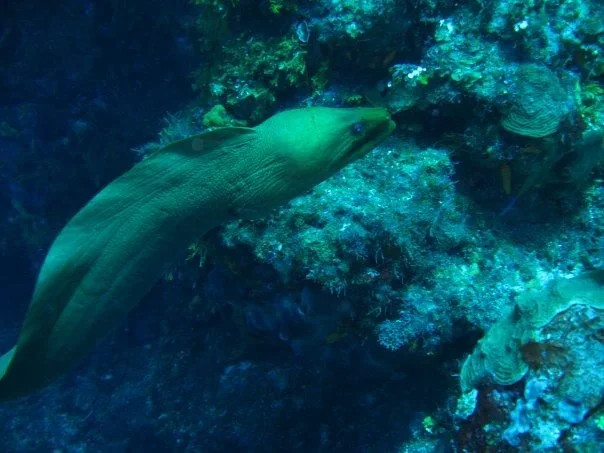
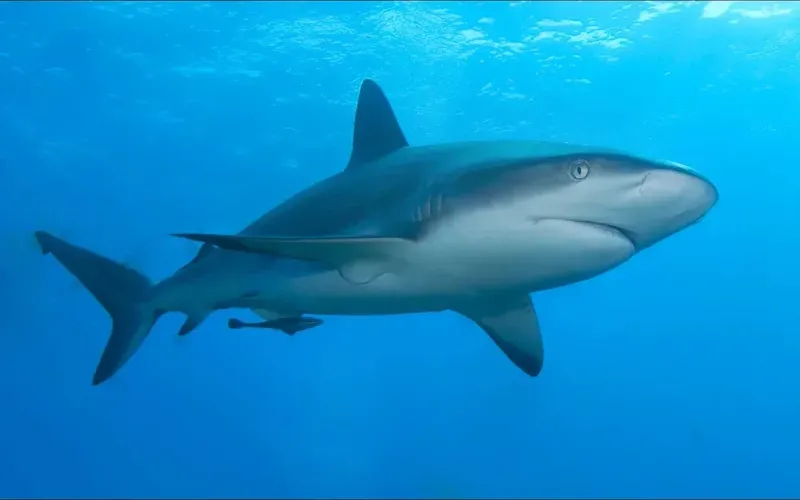
Life on the reef thrives, offering encounters with a variety of fascinating species across the Long Key area. Moray eels often hide among coral structures, while lemon sharks and reef sharks patrol the deeper sections.
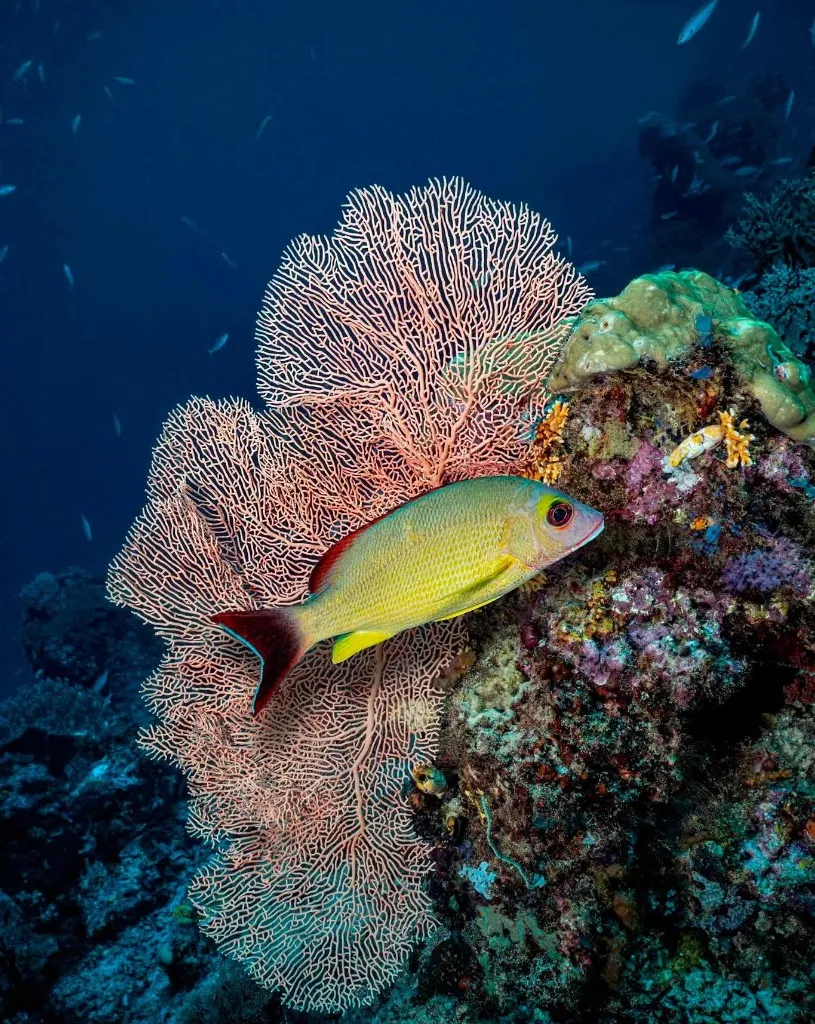
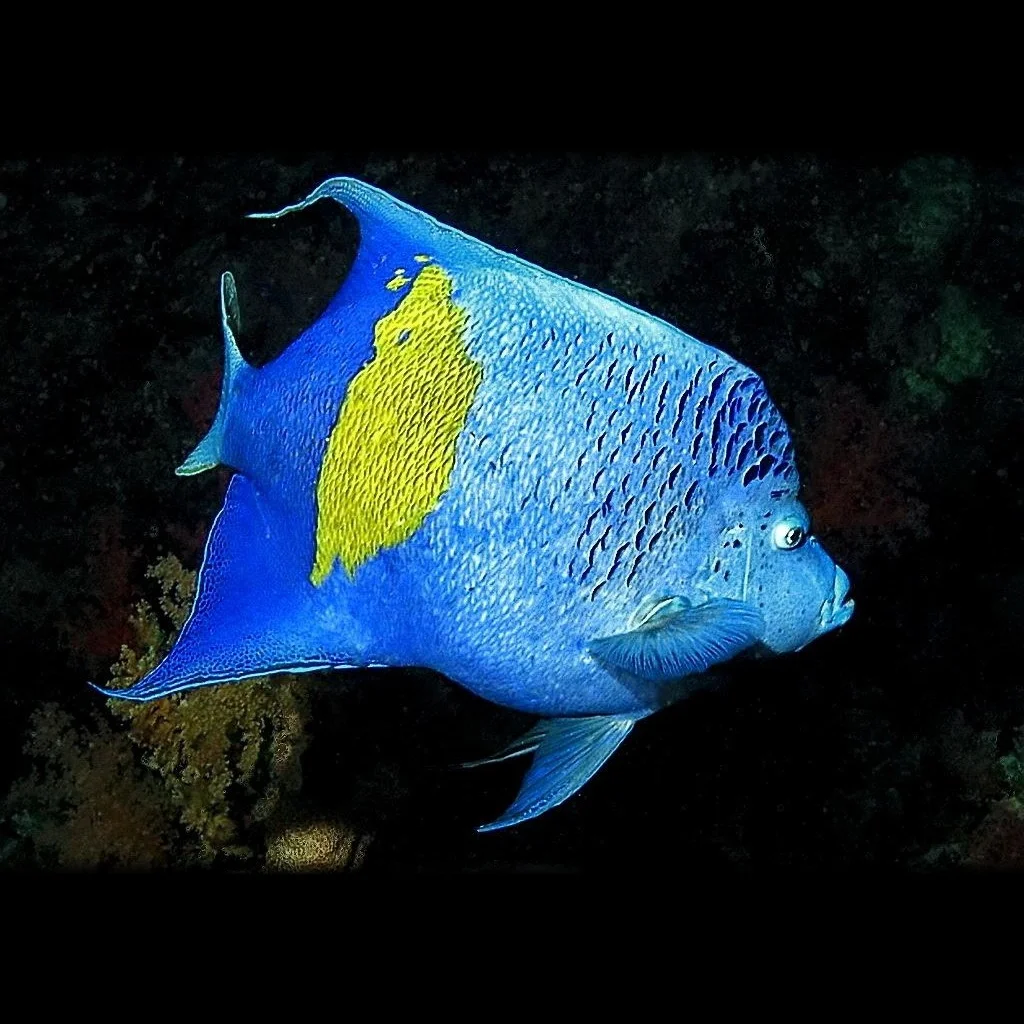
Schools of grunts, snappers, and Atlantic spadefish are common sights, moving through vibrant soft corals and massive barrel sponges. Divers may spot angelfish and observe midnight parrotfish utilizing cleaning stations nestled in pillar corals.
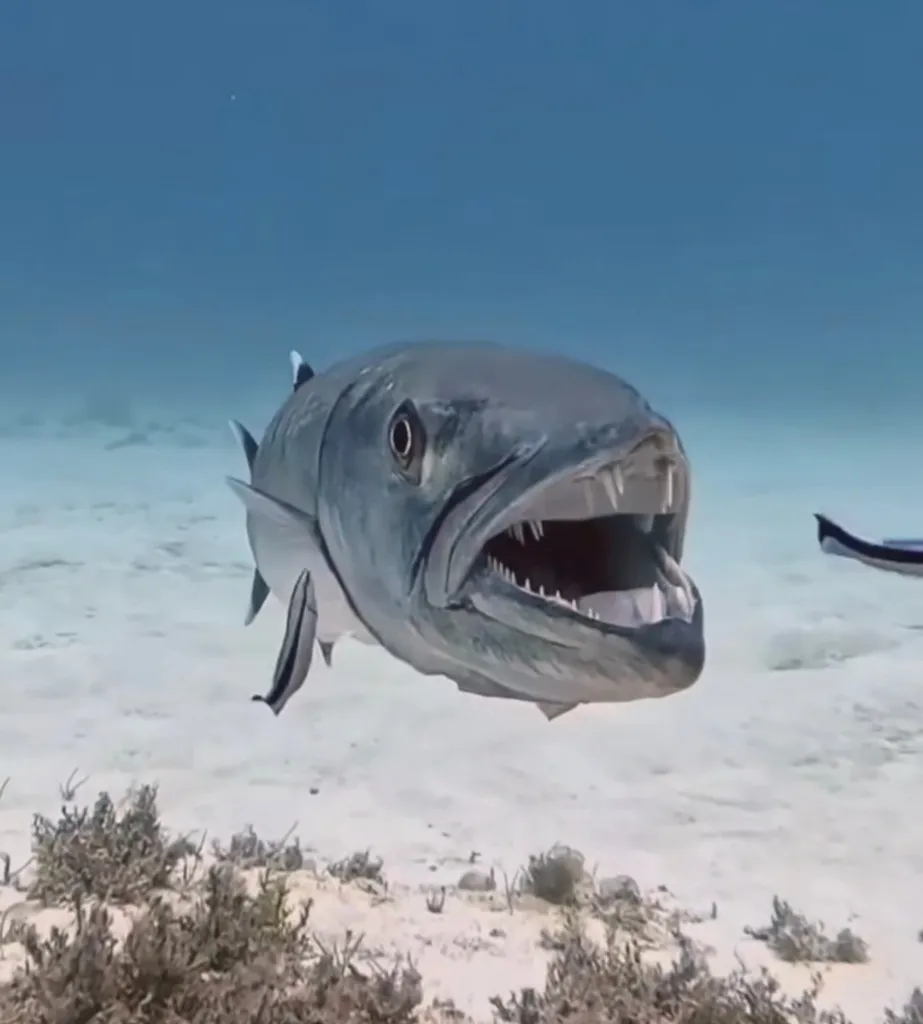
Lionfish, an invasive species, are occasionally present. During summer, warmer Gulf Stream waters bring immense schools of silversides to the area, creating spectacular displays. Barracuda are frequently observed, along with large rainbow parrotfish chomping on coral, contributing to the health of the reef ecosystem.
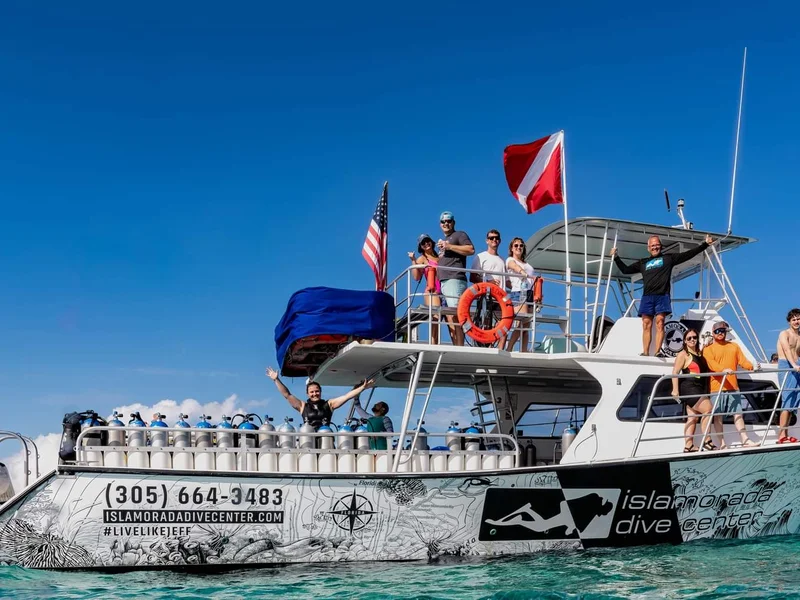
Dive Centers Near Long Key Reef
Today: 08:00 - 17:00

Nearest Airports
Nearest airports to help plan travel to this dive area.
Search Flights
Check available flights and routes on Expedia, using the nearby airports listed in this section.
Search Flights on Expedia
Plan Your Stay
Looking for a place to stay for your dive trip? Explore hotels, stays, and vacation rentals for dive groups near Duck Key.
Dive Navigator may earn a commission from these links at no extra cost to you.
Frequently Asked Questions
What is the typical depth range for diving near Long Key Reef?
Dive sites in this region cater to various skill levels, with depths generally ranging from shallow sections suitable for snorkeling at 1-2.5 m (4-8 ft) to deeper reef areas, which can extend down to approximately 30 m (100 ft).
Are dive guides available for trips around Long Key?
Yes, local dive operators often provide complimentary divemasters on their trips. These guides know the reefs well and can enhance your experience by pointing out marine life and special features, offering support for all comfort levels.
What kind of marine life can I expect to see?
The reefs are home to a diverse array of marine life. You might encounter moray eels, lemon sharks, reef sharks, and schools of grunts, snappers, and Atlantic spadefish. Angelfish, barracuda, and large parrotfish are also commonly observed, alongside barrel sponges and various corals.
When is the best time of year to dive Long Key Reef?
The optimal period for diving is typically from February through September, which frequently yields 'Good' dive scores due to calmer conditions. During these months, air temperatures are comfortable, and rain activity is generally lower, improving visibility.
Can currents be an issue at these dive sites?
Currents can vary and may be strong at deeper reef sections. Dive operators check conditions daily to select appropriate sites, ensuring safety and a good experience for divers of all skill levels.
Are there any wreck dives available in the Long Key area?
While the primary focus is often on the natural reef systems, some local operators do offer trips to nearby wreck sites. One example mentioned is the 64 m (210 ft) Adolphus Busch, intentionally sunk in 1998, which is part of the Florida Keys Wreck Trek.
Planning to dive Long Key Reef?
Send one inquiry and receive offers directly from the best verified local dive operators.
Conditions are Good
Optimal conditions expected
Current conditions near Long Key Reef show 28° air, 31° sea temperature, 0.6 m waves, and 20 km/h wind. Forecast data is refreshed regularly to ensure accuracy.