
Diving at Mary Star of the Sea (United States)
A freighter with a dual existence, Mary Star of the Sea initially sank in the Miami anchorage in 1990. Its mast remained visible above the shallow surface. Later that year, Florida authorities orchestrated a significant project to convert the ship into an artificial reef. Divers cut the vessel underwater; sections were then refloated and towed to their ultimate deep-water resting place off Florida.
Tonight's objective overview for Mary Star of the Sea shows an air temperature of 26.5°C. The measured surface conditions include wave heights around 0.6 m. This environmental data is logged for the close of the day.
Dive Site Location & Key Facts
Dive Site Overview
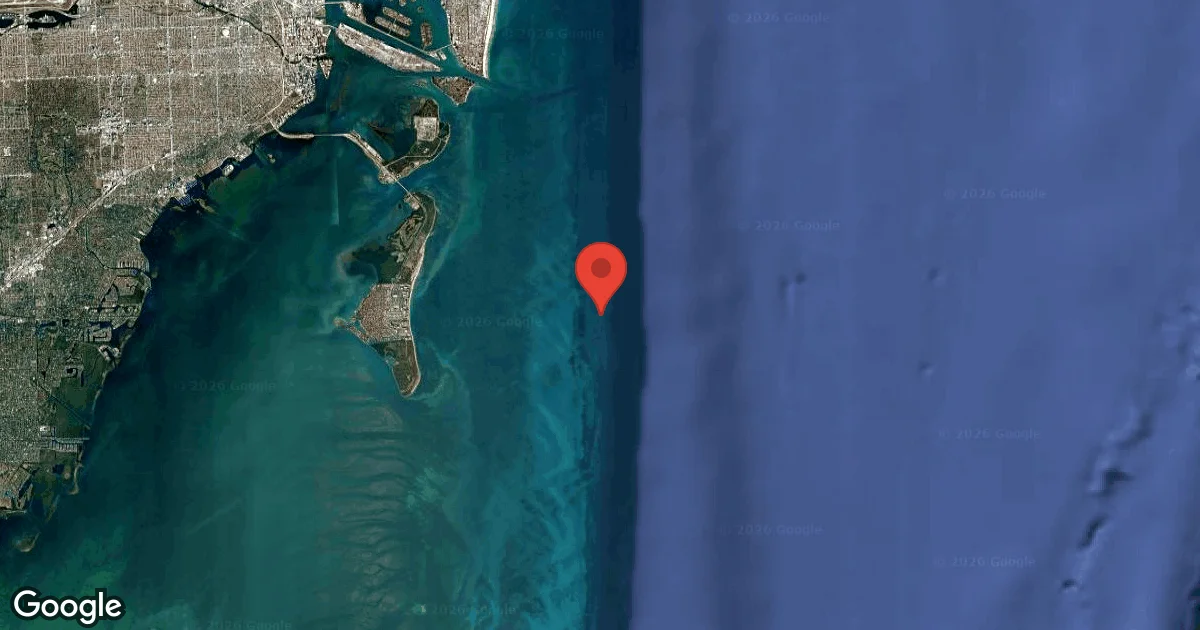
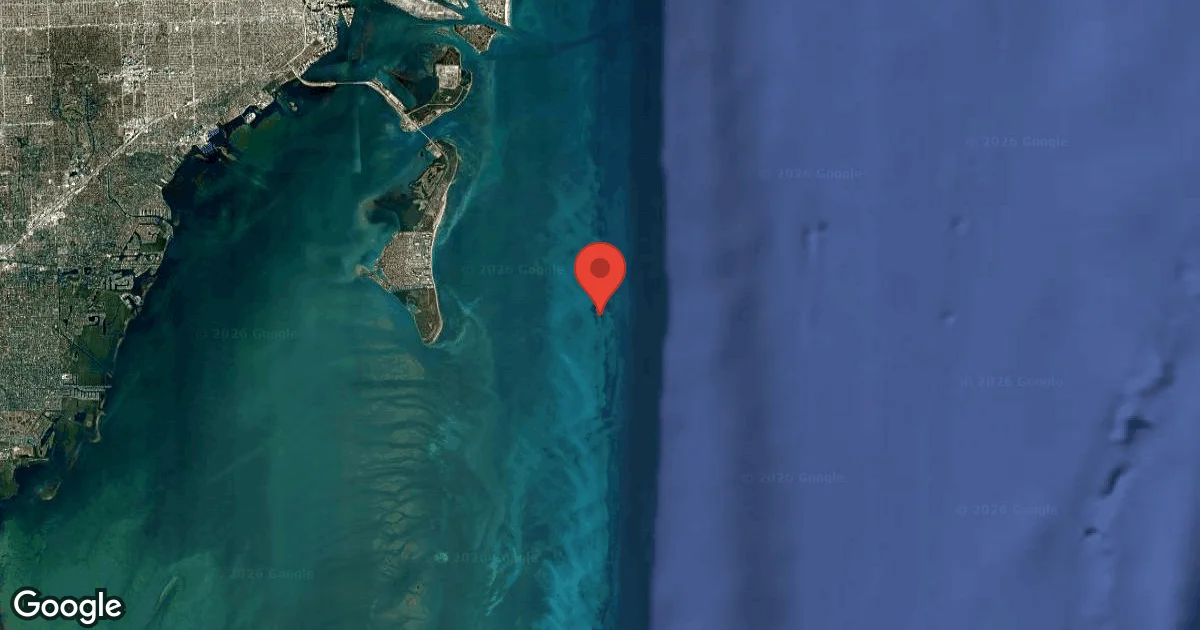
Mary Star of the Sea, a 265-ton Panamanian-flagged freighter built in 1955, marked a distinct chapter in Florida's maritime history when it initially sank on October 21, 1990. It took on water in rough seas, eventually settling in about 8 m (27 ft) of water just over a mile offshore Miami.
Five crew members were rescued. Its demise occurred remarkably close in time and proximity to the freighter Raychel’s sinking in the nearby shipping channel. Due to its shallow initial resting place, Florida authorities intervened, recognizing its potential as a dive site.
A specialized team from Resolve Marine Group undertook the arduous process of transforming the vessel into an artificial reef. Using thermal cutting gear, divers meticulously sectioned the ship underwater.
Its mid-section was lifted by crane onto a barge, while the bow was patched and refloated for towing. A heavy stern, complete with its engine and machinery, was also lifted and towed midwater.
By December 22, 1990, all sections were successfully deployed, establishing a new deep-water artificial reef structure for technical divers to explore. Remains of the coastal freighter now lie at a maximum depth of approximately 64 m (210 ft).
Conditions are Good
Optimal conditions expected
Current conditions near Mary Star of the Sea show 27° air, 31° sea temperature, 0.6 m waves, and 27 km/h wind. Forecast data is refreshed regularly to ensure accuracy.
Best Time to Dive
For an optimal dive experience at the Mary Star of the Sea, planning your visit between April and October typically provides the most favorable surface conditions. During these months, air temperatures generally range from 24-29°C (75-84°F), contributing to comfortable boat rides and surface intervals. Rainfall is usually moderate, with June experiencing the highest average at around 9.4 mm (0.37 inches), while February and April see less, often below 3 mm (0.12 inches). Although site-specific water temperature data isn't consistently reported for Mary Star of the Sea, regional patterns in the Gulf of Mexico suggest temperatures can be between 22-30°C (72-86°F) during this peak season. Conditions during spring and fall may offer fewer crowds. While winter months can be diveable, they often present more variable sea states and slightly cooler air temperatures, making surface activities less pleasant.
PEAK SEASON SCORE
Scores combine air & water temps, waves, wind & rainfall for overall conditions.
BEST MONTHS TO DIVE
Monthly records compiled from satellite and marine observation nodes over the last 3 years. Data provided by Open-Meteo and MET Norway.
Dive Experience & Conditions
Divers approaching Mary Star of the Sea will encounter a deep-water wreck lying at approximately 64 m (210 ft). Its profile consists of several sections spread across the seabed, a result of its deliberate dismantling and relocation. Original reports indicated minimal relief, suggesting that while the vessel was substantial, its current configuration likely doesn't present significant vertical structure from the seafloor. Technical divers can explore the bow, stern, and mid-sections, separated by a relatively short distance. Moving between these segments is feasible, especially for those utilizing underwater scooters or if aided by prevailing currents, which are sometimes present in this area. One section is generally found to the northeast of the southernmost part. Visibility varies but can be quite good, particularly during the calmer summer months.
Dive Difficulty & Safety Guidelines
When planning a dive to the Mary Star of the Sea, certified technical diving qualifications are essential due to the considerable depth involved. Diving to maximum depth near 64 m (210 ft) requires advanced training in decompression procedures and redundant air sources. Always ensure your gear is meticulously maintained and appropriate for deep diving environments.
Pay close attention to current conditions on the dive day; while a prevailing current can assist with covering distance between wreck sections, it also demands proficient drift diving skills and careful ascent planning. It's advisable to dive with experienced guides familiar with the site and to conduct thorough pre-dive checks with your buddy. Surface support and emergency protocols should be established beforehand.
Recommended Equipment
- Dive Computer
This gear list is based on verified equipment signals for Mary Star of the Sea, United States. Always confirm final gear choices with your dive operator, guide, or liveaboard.
Recommended Dive Suit
Forecast models show minimal temperature variation in the coming days.
Thermal protection such as dive skin or rash guard is commonly used in similar temperatures.
Current dive conditions indicate that water temperatures around Mary Star of the Sea are sitting at roughly 31°C (87°F). Surface air temperatures are resting at 27°C (80°F).
Emergency & Medical Support
Essential information to help you plan your dive trip to Mary Star Of The Sea.

Hyperbaric chambers are a critical part of dive safety infrastructure. Availability varies significantly by region, and not all dive areas have immediate access.
Before diving, it's recommended to:
- confirm nearest medical facilities
- check emergency procedures with local dive operators
- ensure dive insurance covers evacuation if required
Divers Alert Network
Diving emergency assistance available through DAN World.
+1-919-684-9111- 24/7 emergency hotline
- Diving medical assistance
- Evacuation coordination
Emergency contacts are provided for reference. Always verify local emergency services before diving.
Marine Life at Mary Star of the Sea
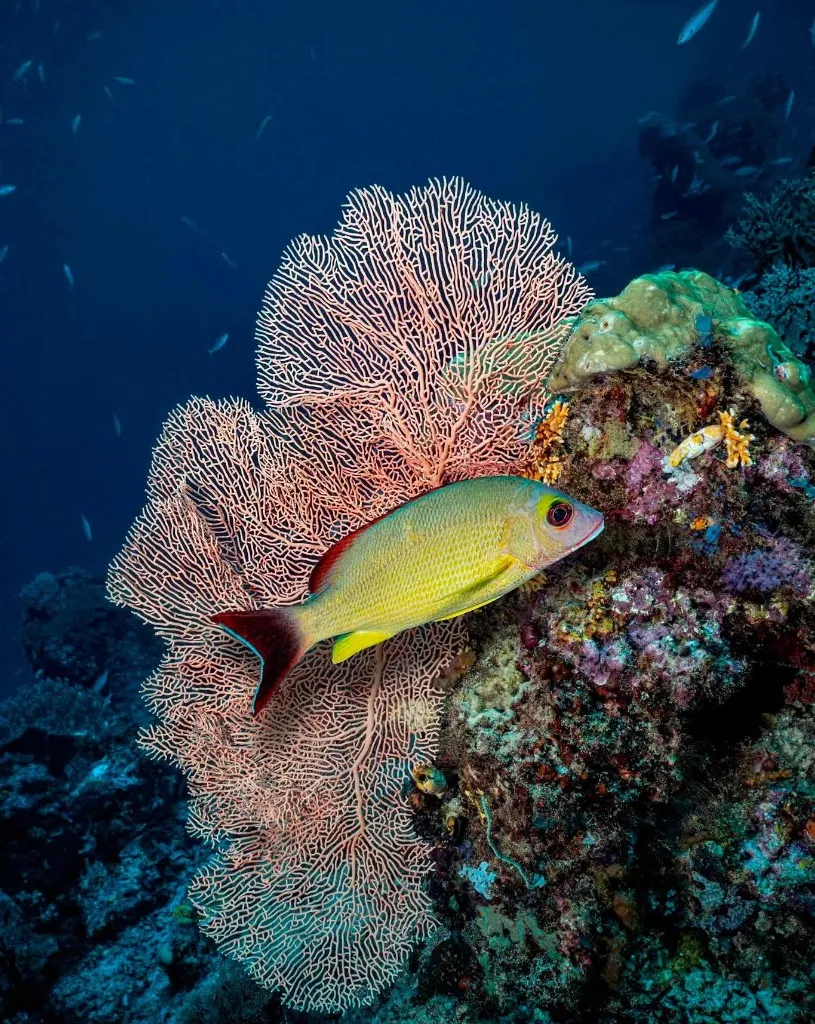
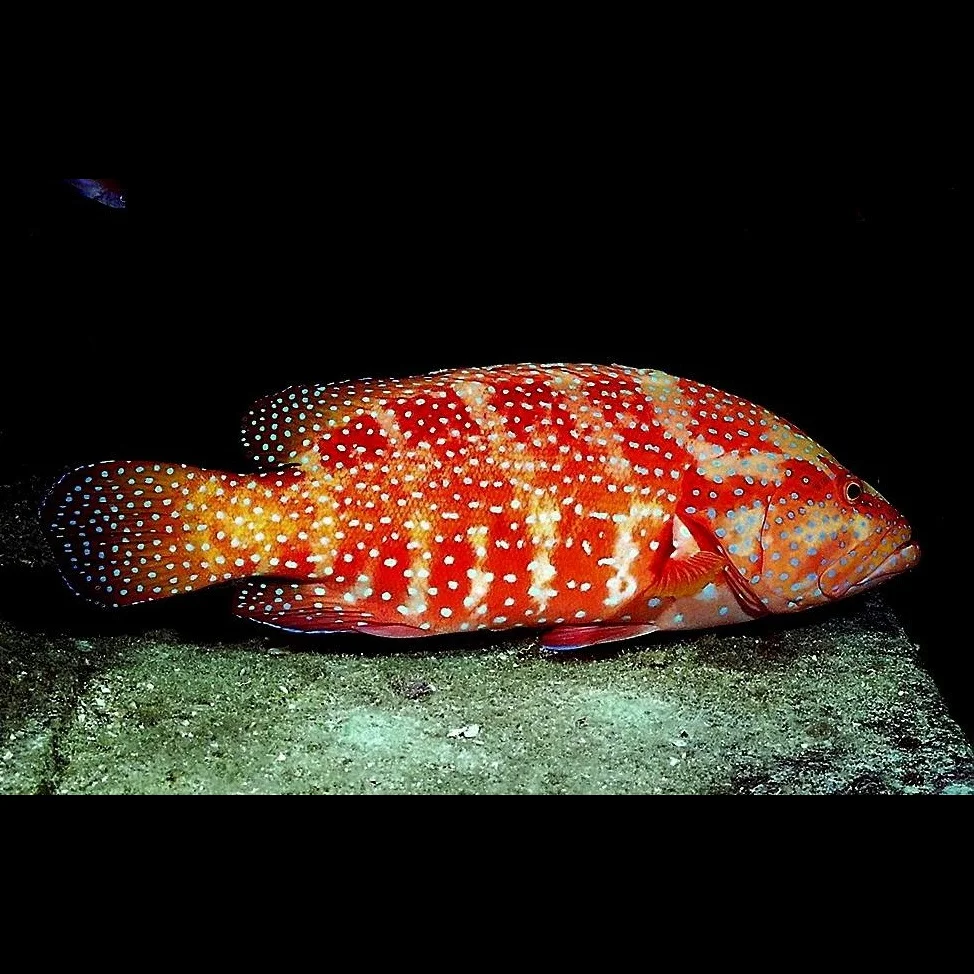
Scattered sections of Mary Star of the Sea create valuable habitat for various marine species in the Gulf of Mexico. Divers often observe resident grouper and snapper sheltering within the wreck's structure.
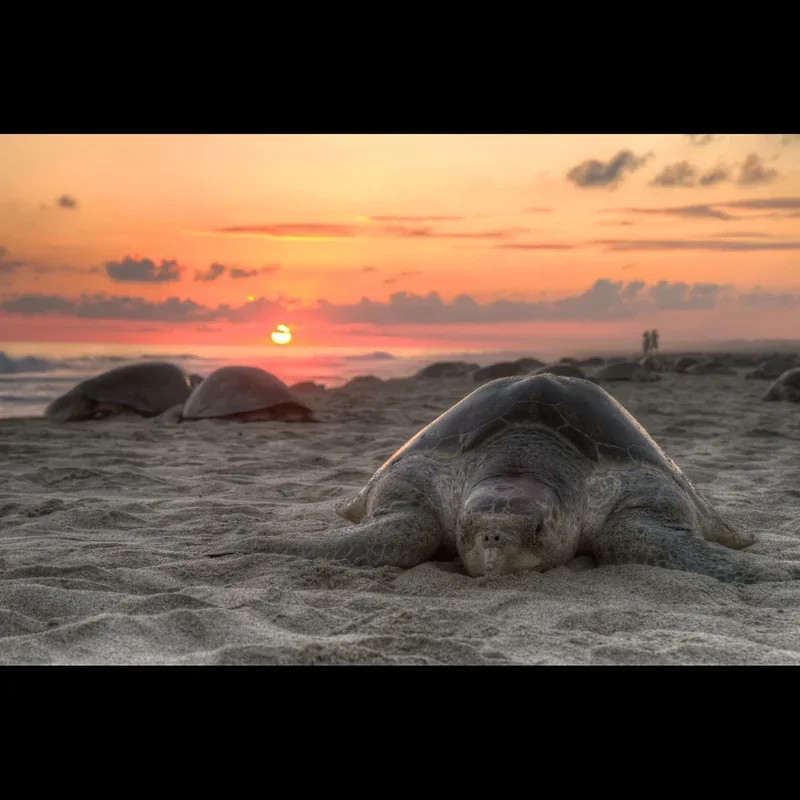
Rays may cruise silently past the deeper sections. Sea turtles are occasionally sighted in the vicinity, utilizing the reef for foraging or rest.
Depending on the season, divers could also encounter various pelagic species passing through the open water around the wreck. Such deep-water structures generally support a diverse ecosystem.

Dive Sites Near Mary Star of the Sea
View all dive sites in United StatesDiscover more underwater gems in this area.
Dive Centers Near Mary Star of the Sea
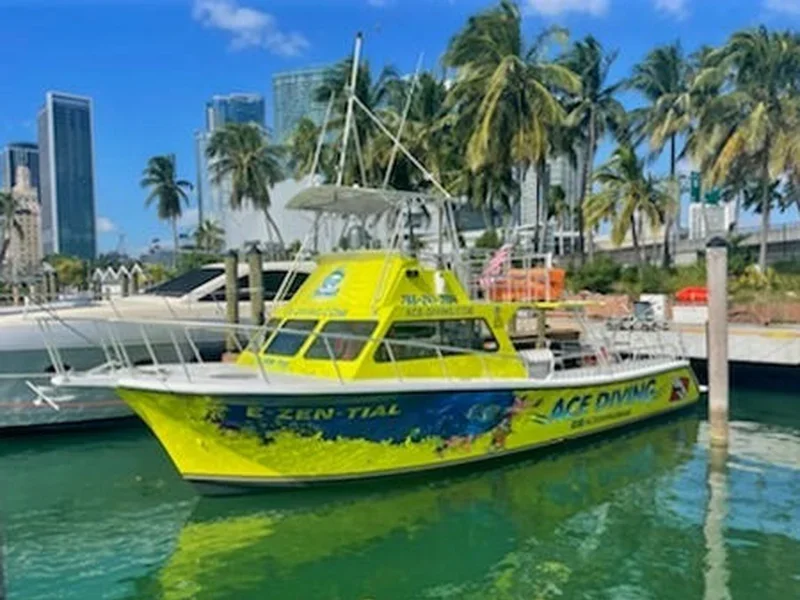
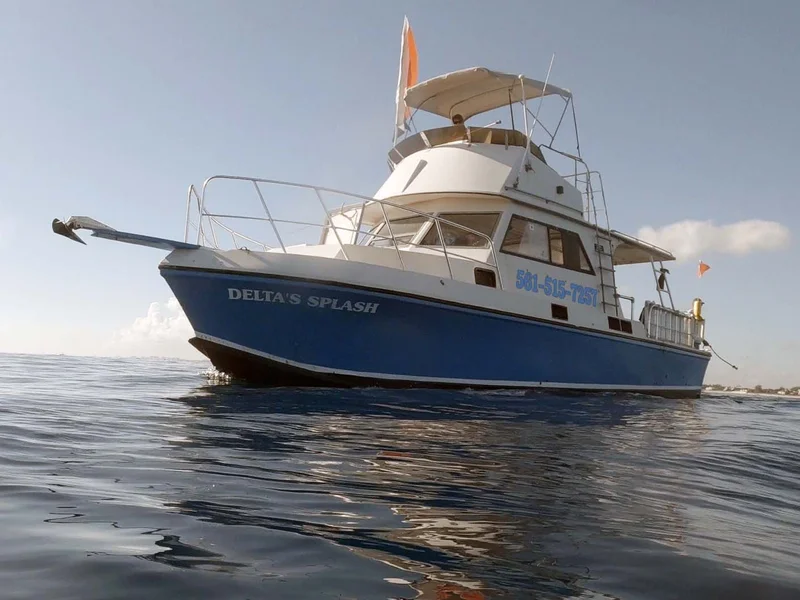
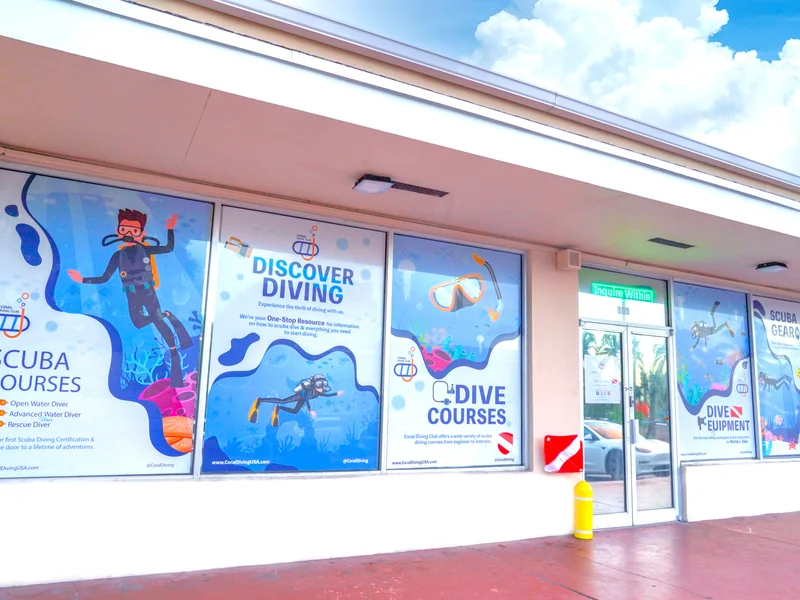
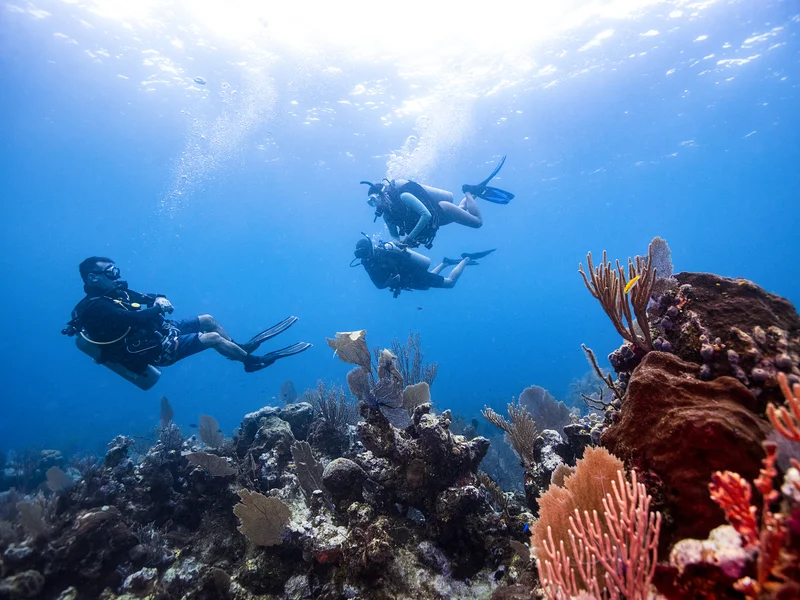
Today: 08:00 - 17:00
Nearest Airports
Nearest airports to help plan travel to this dive area.
Search Flights
Check available flights and routes on Expedia, using the nearby airports listed in this section.
Search Flights on Expedia
Plan Your Stay
Looking for a place to stay for your dive trip? Explore hotels, stays, and vacation rentals for dive groups near Key Biscayne.
Dive Navigator may earn a commission from these links at no extra cost to you.
Frequently Asked Questions
What is the current depth of the Mary Star of the Sea?
The remains of the Mary Star of the Sea currently rest in approximately 64 meters (210 feet) of water. This makes it a site exclusively for technical divers.
What level of diver is required for this site?
Due to its significant depth, the Mary Star of the Sea is only suitable for certified technical divers. Divers should possess advanced training in deep diving, decompression procedures, and potentially trimix qualifications.
How many sections make up the wreck?
The wreck was deliberately sectioned during its transformation into an artificial reef. Divers can explore the bow, stern, and various mid-sections, which are separated by a relatively short distance.
Can the Mary Star of the Sea and Raychel wreck be dived together?
While the Raychel wreck is a short distance away, visiting both the Mary Star of the Sea and Raychel on a single dive is generally only considered feasible for technical divers using scooters or with significant current assistance. Each wreck typically warrants a dedicated dive due to their depths and the technical nature of the diving.
When did the Mary Star of the Sea originally sink?
The freighter Mary Star of the Sea initially sank on October 21, 1990, in the Miami anchorage. It was subsequently moved and redeployed as an artificial reef later that same year.
What are the typical water temperatures at this site?
Site-specific water temperature data for Mary Star of the Sea is not consistently reported. However, based on regional patterns in the Gulf of Mexico, water temperatures can range from 22-30°C (72-86°F) during the warmer months, generally April through October.
What kind of marine life might divers see?
As an artificial reef, the Mary Star of the Sea attracts various marine species. Common sightings include grouper, snapper, and occasionally rays. Sea turtles may also be observed, along with seasonal pelagic species.
Planning to dive Mary Star of the Sea?
Send one inquiry and receive offers directly from the best verified local dive operators.
Conditions are Good
Optimal conditions expected
Current conditions near Mary Star of the Sea show 27° air, 31° sea temperature, 0.6 m waves, and 27 km/h wind. Forecast data is refreshed regularly to ensure accuracy.