
Diving at Miss Lucy (United States)
Descending to the deep waters of the Miss Lucy, divers may encounter a realm where unusual marine life congregates. This artificial reef, a push boat resting off Miami, provides critical habitat for species adapted to its significant depth. Its structure attracts pelagic visitors and various reef fish, creating a vibrant ecosystem in an otherwise barren deep-water environment. Explorers often glimpse larger schooling fish navigating its submerged hull.
Tonight's objective overview for Miss Lucy shows an air temperature of 30°C. The measured surface conditions include wave heights around 0.5 m. This environmental data is logged for the close of the day.
Dive Site Location & Key Facts
Dive Site Overview
Exploring the Miss Lucy artificial reef introduces divers to a vessel deliberately transformed into a thriving deep-water habitat. Sunk off Miami on May 30, 2001, this former push boat, built in 1965 in Berwick, Louisiana, now rests upright on the seabed.
Measuring 37.5 feet (11.4 m) long and 16 feet (4.9 m) wide, its structure creates a significant profile against the surrounding sandy bottom. The wreck’s highest point rises about 18 ft (5.5 m) from the seabed, while its maximum depth extends to 224 ft (68 m). This substantial presence attracts a variety of deep-dwelling marine organisms, forming an isolated oasis of life.
From its hull to its prop, observing the exterior reveals distinct features of the push boat’s operational past. While portions may have settled over the years, the overall form remains a prominent artificial reef.
Primarily, this site is intended for technical divers, offering an advanced exploration of a well-preserved artificial structure far beyond typical recreational depth limits.
Conditions are Good
Optimal conditions expected
Current conditions near Miss Lucy show 30° air, 31° sea temperature, 0.7 m waves, and 21 km/h wind. Forecast data is refreshed regularly to ensure accuracy.
Best Time to Dive
Optimizing visibility at the Miss Lucy often aligns with periods of calmer sea states. Historically, wave heights tend to be lower from May through September, averaging around 0.5 to 0.7 meters, which can contribute to clearer conditions. Air temperatures during these months range from approximately 27°C (81°F) in May to 28.5°C (83°F) in August, making surface intervals comfortable. Rain activity is also generally lower in February, with only 1.4 mm reported, and remains moderate through spring. Dive scores are consistently rated 'Good' for most of the year, although they dip to 'Moderate' in March, October, and December due to increased wind speeds and wave activity. For planning purposes, aiming for summer and early fall months typically provides the most favorable combination of reduced surface chop and stable atmospheric conditions, potentially enhancing the overall dive experience at this deep wreck.
PEAK SEASON SCORE
Scores combine air & water temps, waves, wind & rainfall for overall conditions.
BEST MONTHS TO DIVE
Monthly records compiled from satellite and marine observation nodes over the last 3 years. Data provided by Open-Meteo and MET Norway.
Dive Experience & Conditions
Navigating the deep waters around the Miss Lucy requires careful attention to potential currents, which can vary significantly depending on local weather patterns and tidal movements. At such depths, thermoclines might be encountered, potentially bringing colder water, though specific water temperature data isn't consistently reported for this exact site. Divers should anticipate a considerable descent to reach the wreck, which rests at 224 ft (68 m). Conditions can shift, so robust dive planning and real-time assessments are crucial before committing to the dive. While specific marine hazards are not consistently documented, the inherent challenges of deep diving, including gas management and decompression, are always present. Understanding potential current dynamics is paramount for a safe and controlled exploration of this impressive artificial reef structure.
Dive Difficulty & Safety Guidelines
Considering the Miss Lucy's substantial depth, approaching this dive requires a high level of training and preparation. Only certified technical divers should attempt to explore this site due to the maximum depth of 224 ft (68 m). Proper gas planning, including decompression obligations, is non-negotiable for a safe return to the surface.
Divers must carry redundant air sources and appropriate lighting for the deep, potentially low-light environment. Maintaining excellent buoyancy control is essential to prevent disturbing the wreck or stirring up sediment, preserving visibility for yourself and others.
Always dive with a reliable buddy team and adhere to a conservative dive plan. Briefings should include emergency procedures specific to deep wreck diving.
Recommended Equipment
- Dive Computer
This gear list is based on verified equipment signals for Miss Lucy, United States. Always confirm final gear choices with your dive operator, guide, or liveaboard.
Recommended Dive Suit
Water temperatures at Miss Lucy are currently estimated to be around 31°C (88°F), shaping the overall diving conditions for today. Surface air temperatures are resting at 30°C (86°F).
Dive skin or rash guard is generally considered suitable for water temperatures like this. A hood or vest is suggested for sensitive divers due to surface winds.
The coming days appear slightly cooler according to the latest forecast. Cooler days are ahead; you might want a warmer option for later in the week. Some divers prefer carrying a slightly thicker suit as a backup.
Due to technical issues with our weather providers, data hasn't been fetched for over 48 hours. The data above reflects the conditions at the time of the last successful fetch.
Emergency & Medical Support
Essential information to help you plan your dive trip to Miss Lucy.

Hyperbaric chambers are a critical part of dive safety infrastructure. Availability varies significantly by region, and not all dive areas have immediate access.
Before diving, it's recommended to:
- confirm nearest medical facilities
- check emergency procedures with local dive operators
- ensure dive insurance covers evacuation if required
Divers Alert Network
Diving emergency assistance available through DAN World.
+1-919-684-9111- 24/7 emergency hotline
- Diving medical assistance
- Evacuation coordination
Emergency contacts are provided for reference. Always verify local emergency services before diving.
Marine Life at Miss Lucy
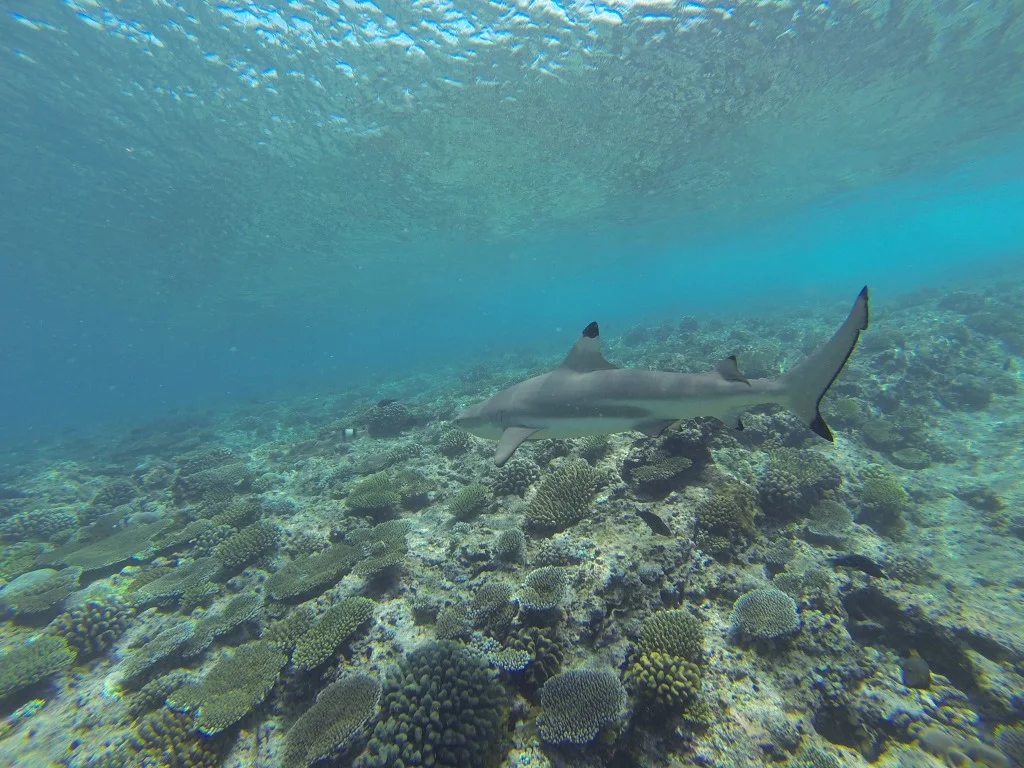
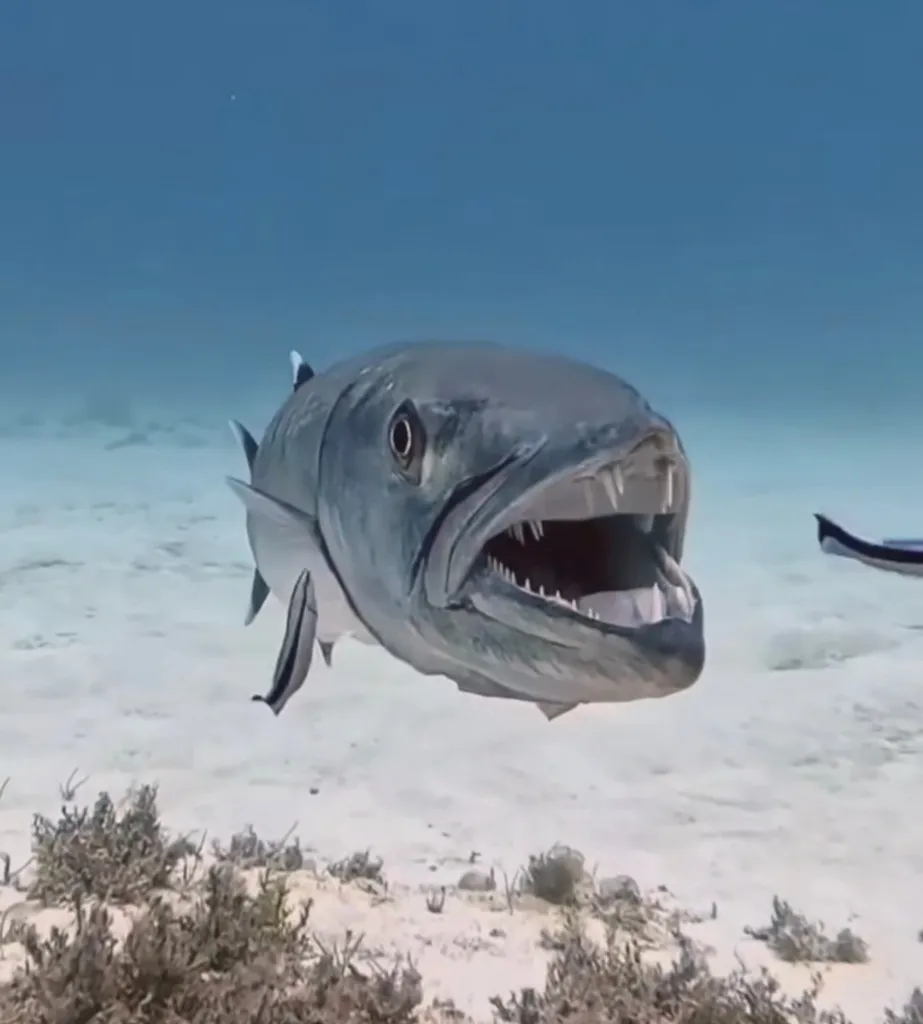
Beneath the surface, the Miss Lucy acts as a magnet for a distinct community of marine life, particularly those thriving in deeper water. Although specific species reports are limited, artificial reefs at this depth typically attract pelagic fish like jacks and barracuda, which use the structure for hunting and shelter.
Bottom-dwelling creatures also find refuge within the hull and surrounding debris, establishing territories in an otherwise vast expanse. Occasional sightings of larger fish or even small sharks could occur as they investigate this isolated habitat.
The wreck provides vital real estate for sessile organisms over time, adding to its ecological value.
Dive Sites Near Miss Lucy
View all dive sites in United StatesDiscover more underwater gems in this area.
Dive Centers Near Miss Lucy
Today: 08:00 - 17:00
Nearest Airports
Nearest airports to help plan travel to this dive area.
Search Flights
Check available flights and routes on Expedia, using the nearby airports listed in this section.
Search Flights on Expedia
Plan Your Stay
Looking for a place to stay for your dive trip? Explore hotels, stays, and vacation rentals for dive groups near Key Biscayne.
Dive Navigator may earn a commission from these links at no extra cost to you.
Frequently Asked Questions
What training level is required for Miss Lucy?
Due to the Miss Lucy's substantial depth, technical dive certifications are mandatory. Divers must be qualified for deep wreck penetration and decompression diving.
What type of vessel was the Miss Lucy?
The Miss Lucy was a 37.5-foot (11.4 m) long, 16-foot (4.9 m) wide push boat. It now serves as an artificial reef.
How deep is the wreck site?
The wreck rests on the seabed at a maximum depth of approximately 68 meters. Its highest point rises about 5.5 meters off the bottom.
When was the Miss Lucy sunk?
The Miss Lucy was purposefully sunk as an artificial reef on May 30, 2001, enhancing the underwater environment off Miami.
What are the typical water temperatures around the wreck?
While specific water temperature data for the wreck isn't consistently reported, surface air temperatures in the area range from 20-29°C (68-84°F) throughout the year, with potentially cooler temperatures at depth.
Are strong currents common at the Miss Lucy?
Currents around the Miss Lucy can vary and should always be assessed prior to diving. Deep sites are susceptible to varying dynamics, so planning for potential current is advisable.
Is the Miss Lucy suitable for photography?
Yes, photography is possible, but it requires specialized deep-water camera equipment and lighting. The significant depth means less natural light reaches the wreck.
Planning to dive Miss Lucy?
Send one inquiry and receive offers directly from the best verified local dive operators.
Conditions are Good
Optimal conditions expected
Current conditions near Miss Lucy show 30° air, 31° sea temperature, 0.7 m waves, and 21 km/h wind. Forecast data is refreshed regularly to ensure accuracy.