
Diving at Palm Beach Mid-Depth (United States)
Palm Beach diving offers an effortless experience, carried by the Gulf Stream over vibrant reefs and captivating wrecks. Underwater visibility consistently extends to 21-30+ m (70-100+ ft), providing clear immersion into Florida's rich marine tapestry. Warm waters generally embrace divers, inviting extended exploration and minimizing thermal concerns. Expect consistent, comfortable conditions for memorable descents.
Tonight's objective overview for Palm Beach Mid-Depth shows an air temperature of 26.5°C. The measured surface conditions include wave heights around 1.1 m. This environmental data is logged for the close of the day.
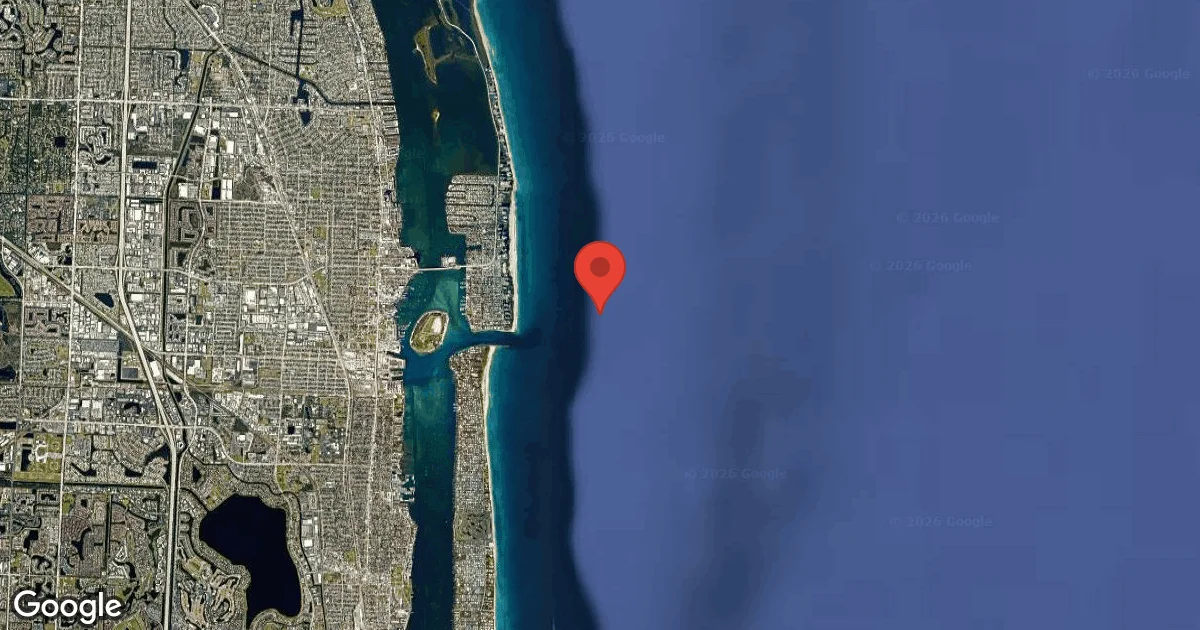
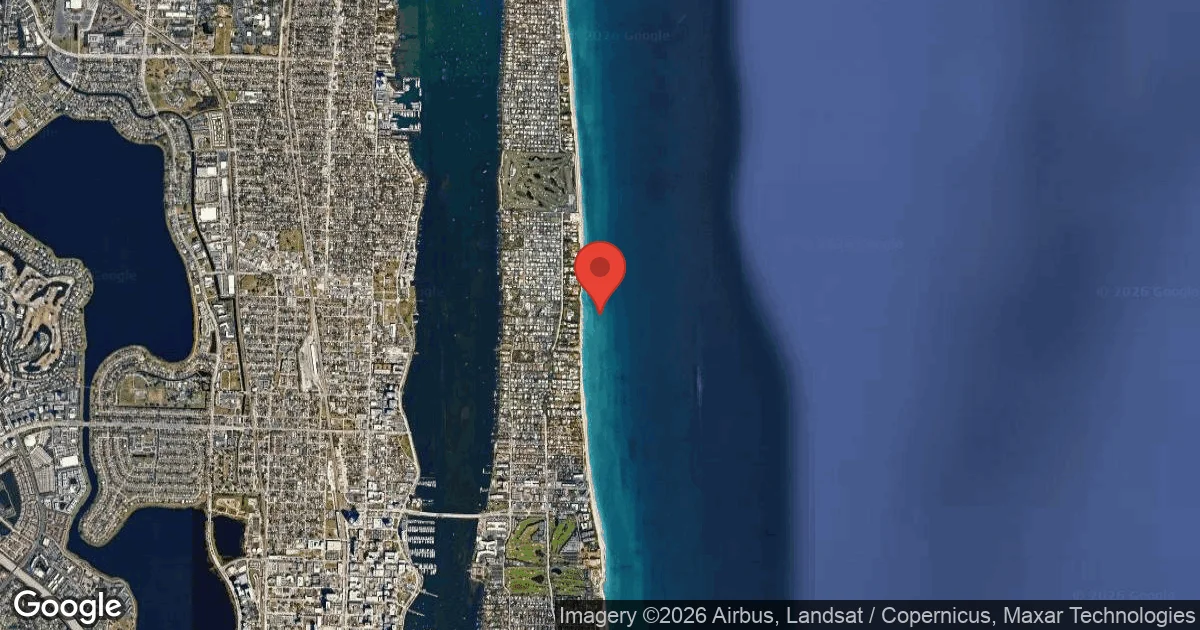
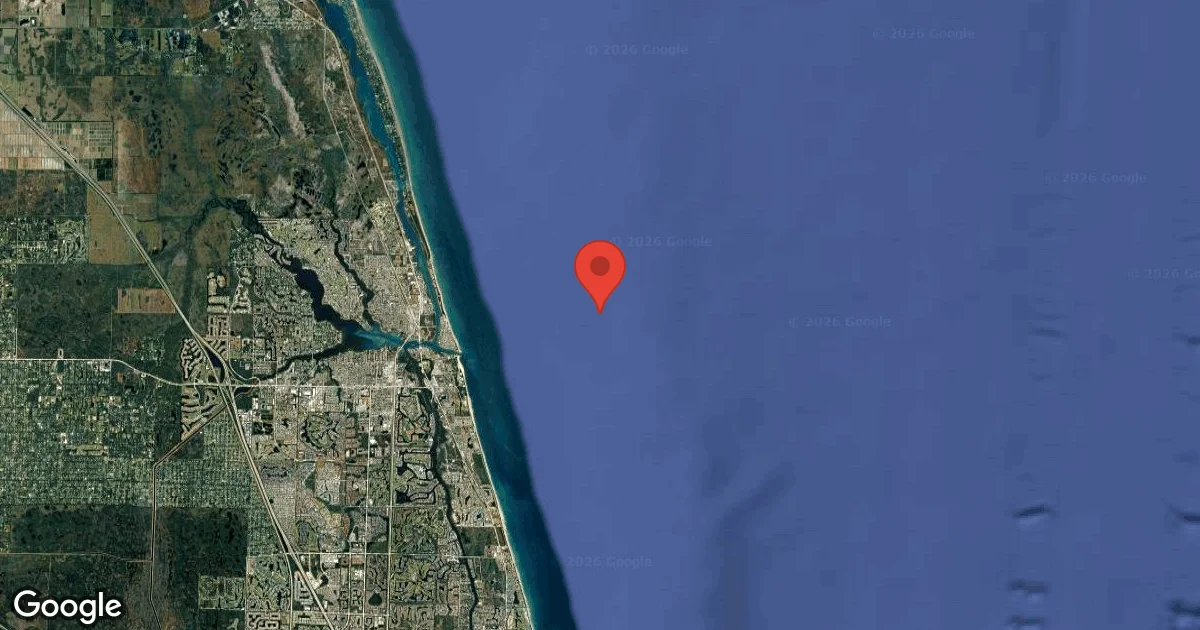
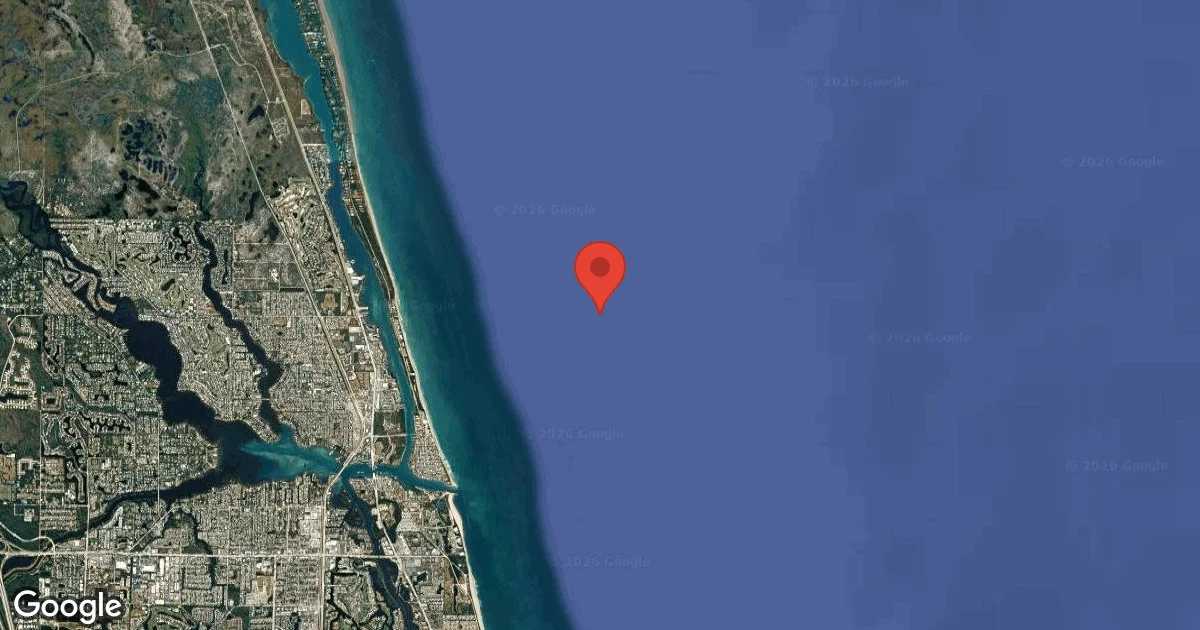
Dive Site Location & Key Facts
Dive Site Overview
Palm Beach stands out among Florida coastal areas for its unique diving environment, primarily due to the close proximity of the Gulf Stream. This powerful oceanic current swings closer to shore here than anywhere else on the U.S. East Coast, acting as a remarkable catalyst for exceptional water clarity and a thriving reef ecosystem.
Dive sites feature three parallel reef systems relatively close to the shore, accessible via several inlets, leading to nearly 70 locations. Most dives here are drift dives, a signature aspect where currents, often traveling two to four knots, propel divers over vast underwater terrains with minimal effort.
This approach allows for maximum ground coverage. Alongside natural reef formations, the area boasts a selection of artificial reefs, including several historical wrecks.
Noteworthy sites like the Mizpah, PC11, and the large freighter Amaryllis provide fascinating structures teeming with marine life. North of Palm Beach Inlet, a Barge Wreck lies atop a natural reef. South, Artificial Reef Site Number 2 offers three additional wrecks.
Conditions are Good
Optimal conditions expected
Current conditions near Palm Beach Mid-Depth show 26° air, 31° sea temperature, 0.9 m waves, and 13 km/h wind. Forecast data is refreshed regularly to ensure accuracy.
Best Time to Dive
Seasonal planning often points to summer, from May through August, for optimal diving in Palm Beach when conditions are consistently favorable. Air temperatures are pleasantly warm then, averaging between 26.5°C (80°F) in May and peaking around 28°C (82°F) in August, ensuring comfortable surface conditions. Rainfall tends to be heavier during summer, particularly in June and September, yet usually occurs in short bursts. Wave heights are typically lower, averaging 0.5-0.9 m (1.6-3.0 ft) from July to August; this means calmer seas and easier boat access. Water temperature data isn't consistently reported, but it generally ranges from the mid-70s to mid-80s Fahrenheit (around 24-30°C) throughout the year, varying seasonally. Diving is possible year-round, though more moderate conditions may be encountered in spring and fall due to increased winds and wave activity, such as a 1.7 m (5.6 ft) average wave height in October.
PEAK SEASON SCORE
Scores combine air & water temps, waves, wind & rainfall for overall conditions.
BEST MONTHS TO DIVE
Monthly records compiled from satellite and marine observation nodes over the last 3 years. Data provided by Open-Meteo and MET Norway.
Dive Experience & Conditions
Underwater conditions in Palm Beach often dictate a specific approach. Initiating a dive typically involves a group descent from a boat, which then follows overhead as divers are carried along by prevailing currents. Drift diving enables effortless coverage of large subsea terrain expanses. Divers are usually assigned a tethered float, providing a surface support boat with a precise marker of location during the drift. Depths at sites like Nun’s Reef generally range from approximately 20 to 27 meters. A Barge Wreck is found slightly shallower, typically around 20-23 meters. Visibility is a strong point here, often exceeding 21 m (70 ft) and frequently reaching over 30 m, especially under strong Gulf Stream influence. Currents vary from moderate to strong, sometimes reaching two to four knots; a relaxed drift approach proves effective. Water is comfortably warm, aligning with typical South Florida averages, though checking local reports for exact conditions is always wise.
Dive Difficulty & Safety Guidelines
Navigating Palm Beach dive sites, particularly during a drift dive, requires awareness of strong, consistent currents. Divers should always follow the dive brief and remain with their designated group, especially when utilizing a surface support system of tethered floats. Maintaining good buoyancy control is essential, allowing you to stay close to reef structures or wrecks without expending unnecessary energy fighting flow.
Given stronger currents, an audible and visual signaling device is prudent for surface communication, should you surface away from the boat. Ensuring comfort with drift diving techniques or considering a specialty course before your visit can significantly enhance your experience and safety in these dynamic waters.
Recommended Equipment
- Dive Computer
This gear list is based on verified equipment signals for Palm Beach Mid-Depth, United States. Always confirm final gear choices with your dive operator, guide, or liveaboard.
Recommended Dive Suit
Exposure protection is partly a personal preference.
Dive skin or rash guard typically provides a reliable level of thermal protection for dives here. Weather models currently point toward consistent diving conditions over the next several days.
Current temperature readings suggest that the water at Palm Beach Mid-Depth is around 31°C (87°F). Surface air temperatures are resting at 26°C (80°F).
Emergency & Medical Support
Essential information to help you plan your dive trip to Palm Beach Mid-Depth.

Hyperbaric chambers are a critical part of dive safety infrastructure. Availability varies significantly by region, and not all dive areas have immediate access.
Before diving, it's recommended to:
- confirm nearest medical facilities
- check emergency procedures with local dive operators
- ensure dive insurance covers evacuation if required
Divers Alert Network
Diving emergency assistance available through DAN World.
+1-919-684-9111- 24/7 emergency hotline
- Diving medical assistance
- Evacuation coordination
Emergency contacts are provided for reference. Always verify local emergency services before diving.
Marine Life at Palm Beach Mid-Depth
Marine organisms thrive in Palm Beach waters, supported by the Gulf Stream's nourishing influence. Expect to encounter abundant schools of tropical fish across reef systems.
Over 300 fish species and hundreds of coral and sponge varieties contribute to a vibrant underwater landscape here. Larger pelagic species are also a possibility on nearly every dive.
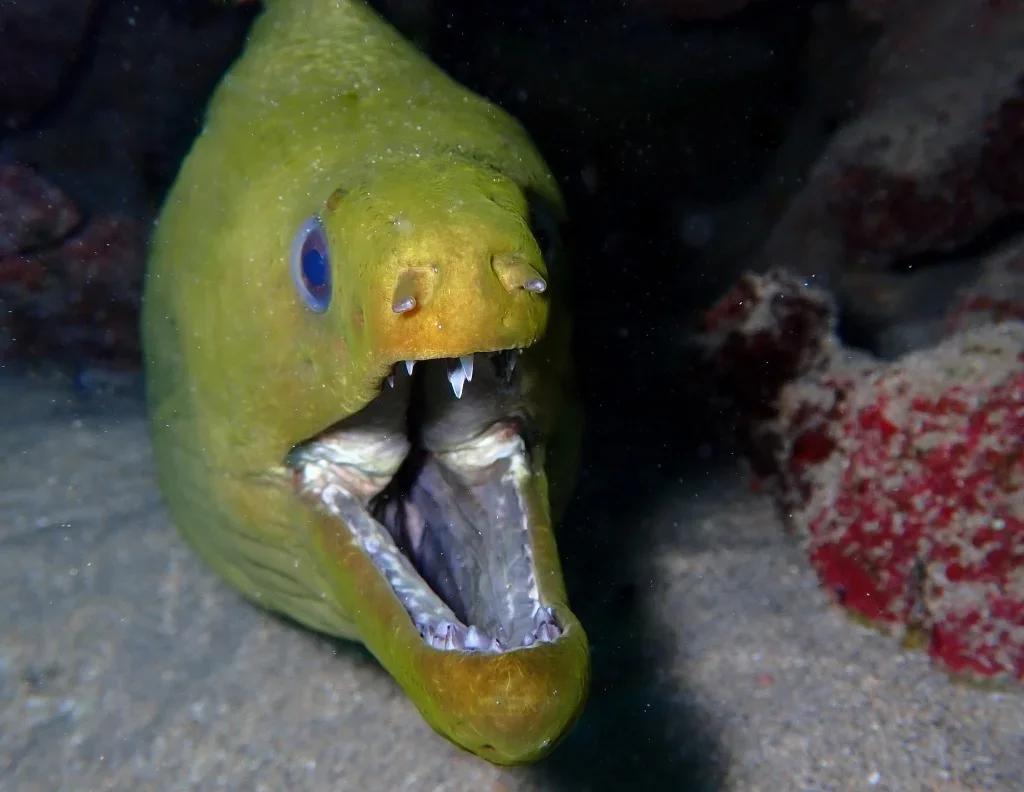
Specific wreck sites, like the Mizpah and its neighbors, are known for impressive collections of spiny oysters. A Barge Wreck sometimes hosts large green moray eels and substantial 90-136 kg (200-300 lb) jewfish. Divers exploring Nun's Reef might spot hawksbill and loggerhead sea turtles, along with various eels hidden within ledges. Healthy coral growth further enhances marine encounters.

Dive Sites Near Palm Beach Mid-Depth
View all dive sites in United StatesDiscover more underwater gems in this area.
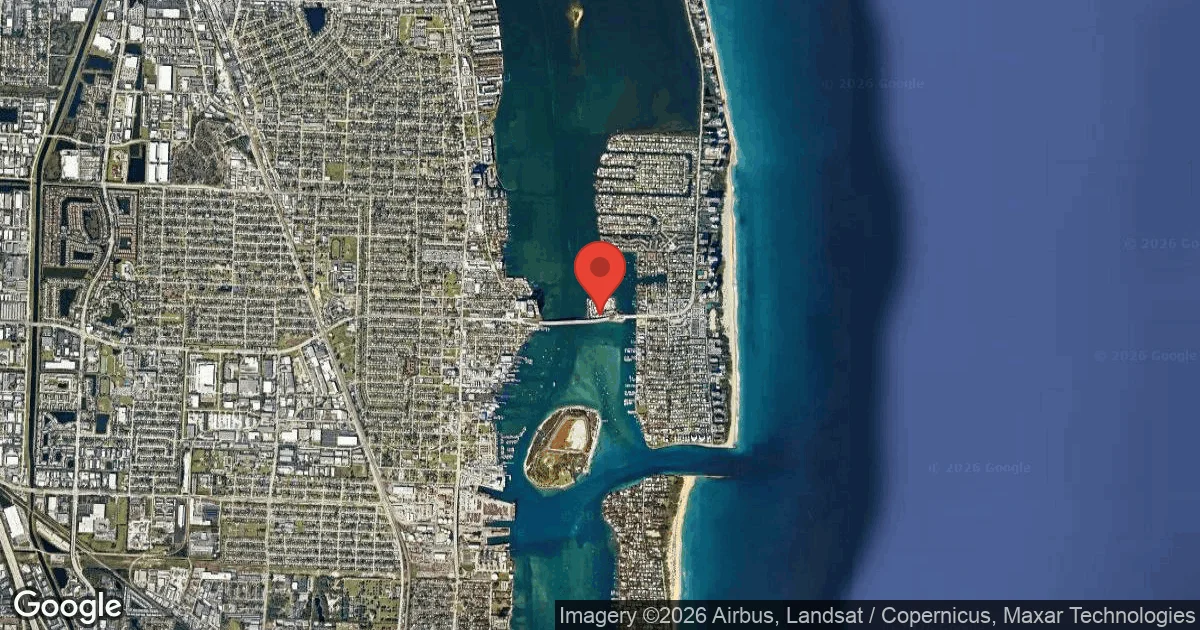
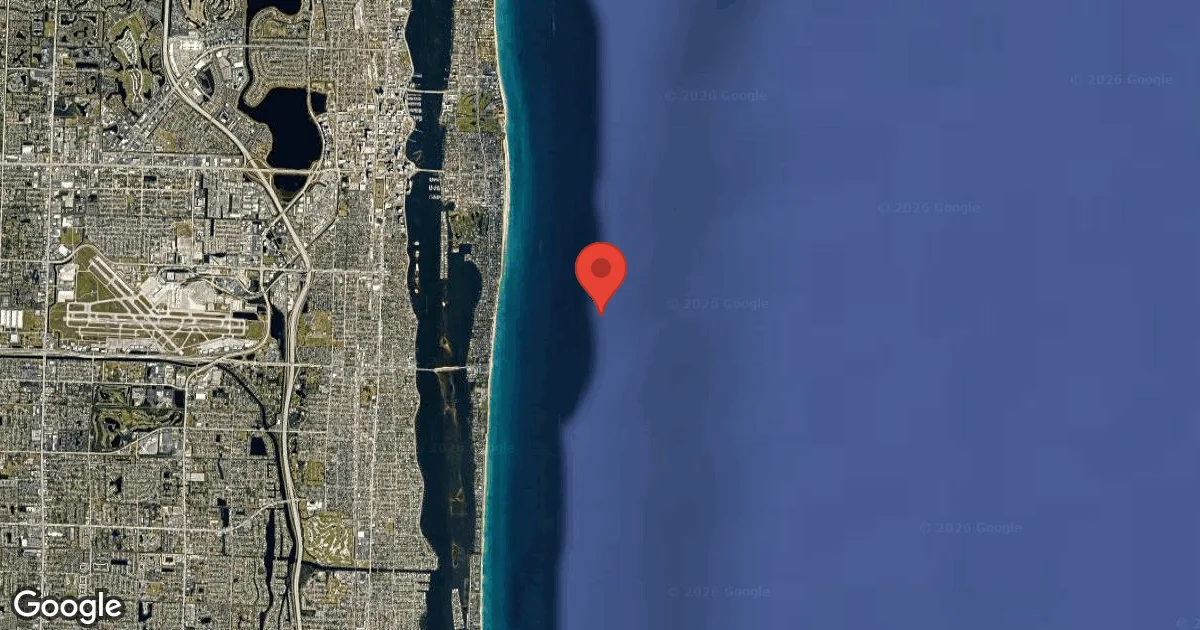
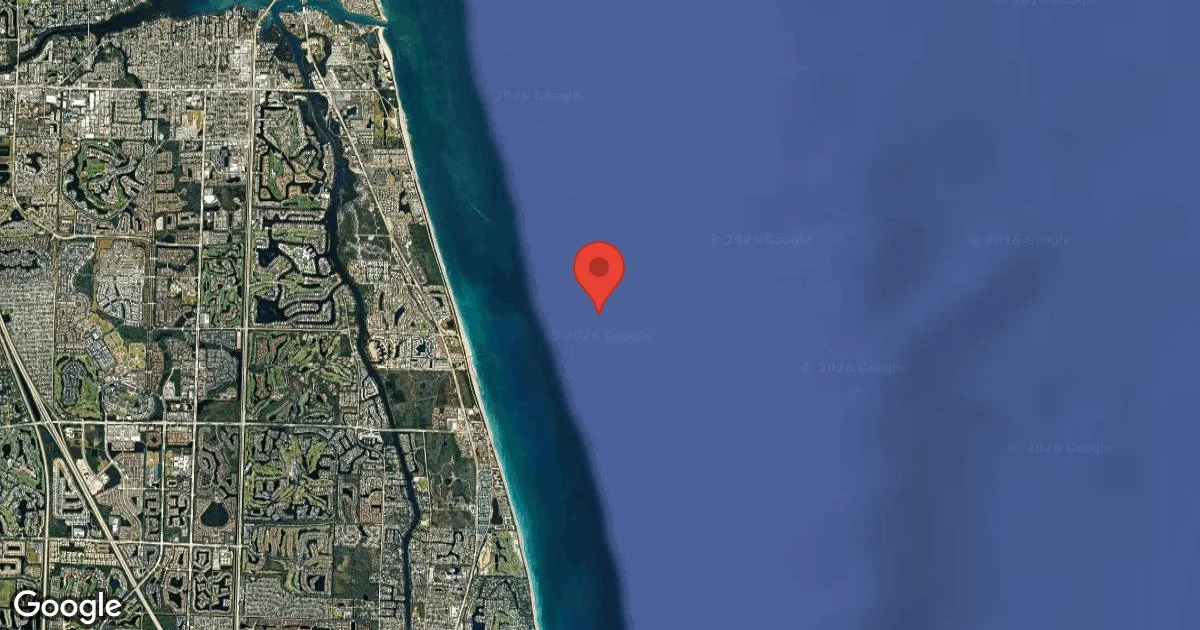
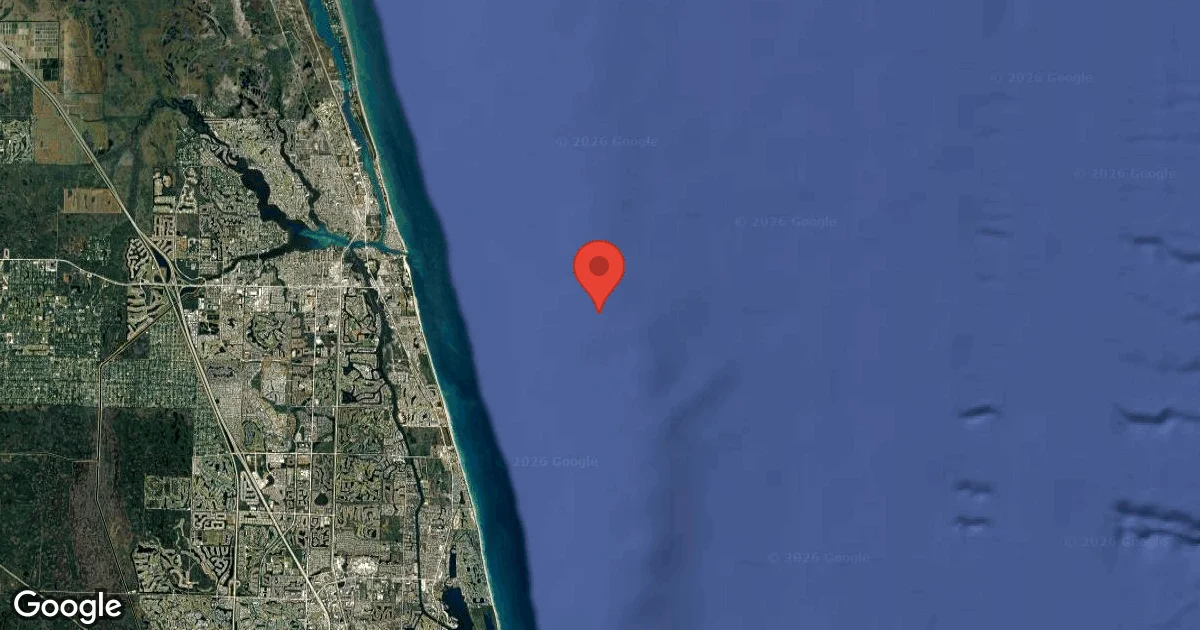
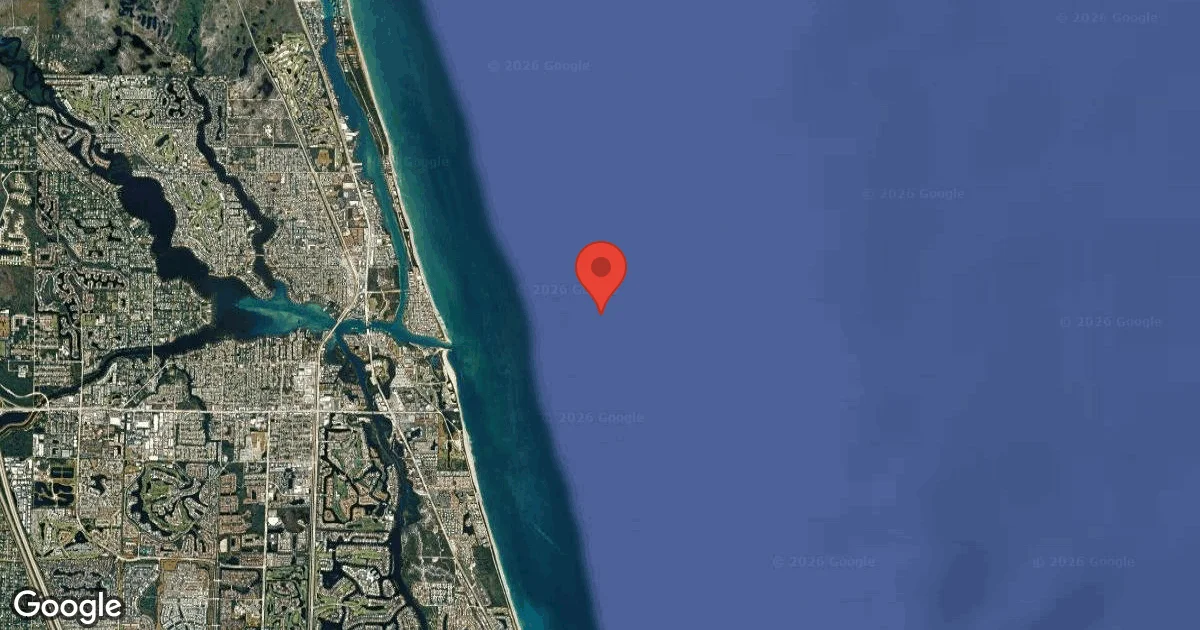
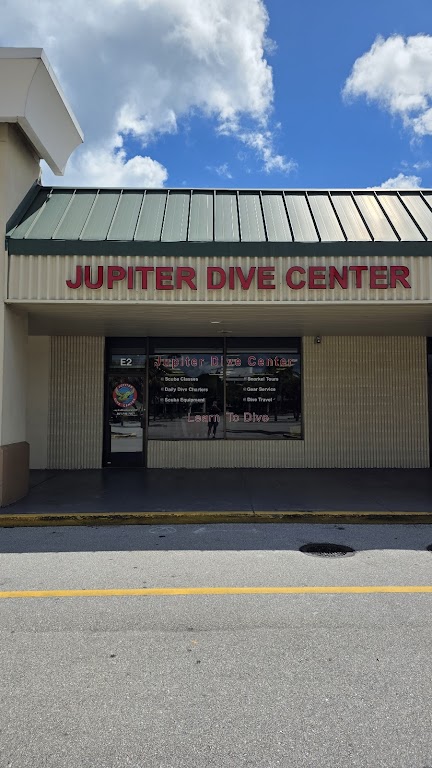
Dive Centers Near Palm Beach Mid-Depth
Today: 08:00 - 18:00
Nearest Airports
Nearest airports to help plan travel to this dive area.
Search Flights
Check available flights and routes on Expedia, using the nearby airports listed in this section.
Search Flights on Expedia
Plan Your Stay
Looking for a place to stay for your dive trip? Explore hotels, stays, and vacation rentals for dive groups near Palm Beach Shores.
Dive Navigator may earn a commission from these links at no extra cost to you.
Frequently Asked Questions
What type of diving is most common in Palm Beach?
Most diving in Palm Beach is drift diving. Strong, steady Gulf Stream currents naturally propel divers along reef systems and past wrecks, allowing for extensive coverage with minimal effort. Dive boats typically follow groups from the surface.
What is the typical underwater visibility?
Visibility in Palm Beach is often excellent, frequently ranging from 21-30+ m (70-100+ ft). Gulf Stream influence brings clear, blue oceanic water close to shore, contributing to consistently good conditions. Expect impressive scenic dives.
Are there any wrecks to explore?
Yes, Palm Beach offers a selection of interesting wreck dives. Popular sites include Mizpah, PC11, and the large freighter Amaryllis, all relatively close. A Barge Wreck lies north of Palm Beach Inlet, and three more wrecks are at Artificial Reef Site Number 2 to the south.
What are the common water temperatures?
Water temperatures in this region generally range from the mid-70s to mid-80s Fahrenheit (approximately 24-30°C) throughout the year. While exact figures vary seasonally, Gulf Stream presence ensures consistently warm conditions, suitable for diving with various exposure suits.
What kind of marine life can I expect to see?
Divers can expect a diverse array of marine life, including large schools of tropical fish, various coral and sponge species, and frequent encounters with both hawksbill and loggerhead sea turtles. Green morays and large jewfish have been spotted around artificial reefs, and opportunities to see pelagics are also present.
What are the typical dive depths at these sites?
Dive sites are generally within recreational limits, often ranging from approximately 20-27 meters (65-90 ft). Shallower wreck sites, such as the Barge Wreck, are typically found around 20-23 meters, while reef ledges like Nun's Reef can extend to their maximum recreational depth.
Planning to dive Palm Beach Mid-Depth?
Send one inquiry and receive offers directly from the best verified local dive operators.
Conditions are Good
Optimal conditions expected
Current conditions near Palm Beach Mid-Depth show 26° air, 31° sea temperature, 0.9 m waves, and 13 km/h wind. Forecast data is refreshed regularly to ensure accuracy.