
Diving at Sandy Point, St Croix (United States)
Descending into the waters surrounding Sandy Point, divers quickly encounter the diverse topography characterizing St. Croix's underwater landscape. Initial drops reveal extensive wall formations, where the Caribbean Sea floor plummets from shallower reef structures into significant depths. This immediate shift in environment sets the stage for explorations ranging from vibrant coral gardens to dramatic canyon edges, defining the early stages of a typical dive in the area.
Evening condition tracking at Sandy Point, St Croix features an air temperature of 28.5°C. We have recorded wave heights measuring 1.5 m during this period. These figures outline the environmental parameters currently present.
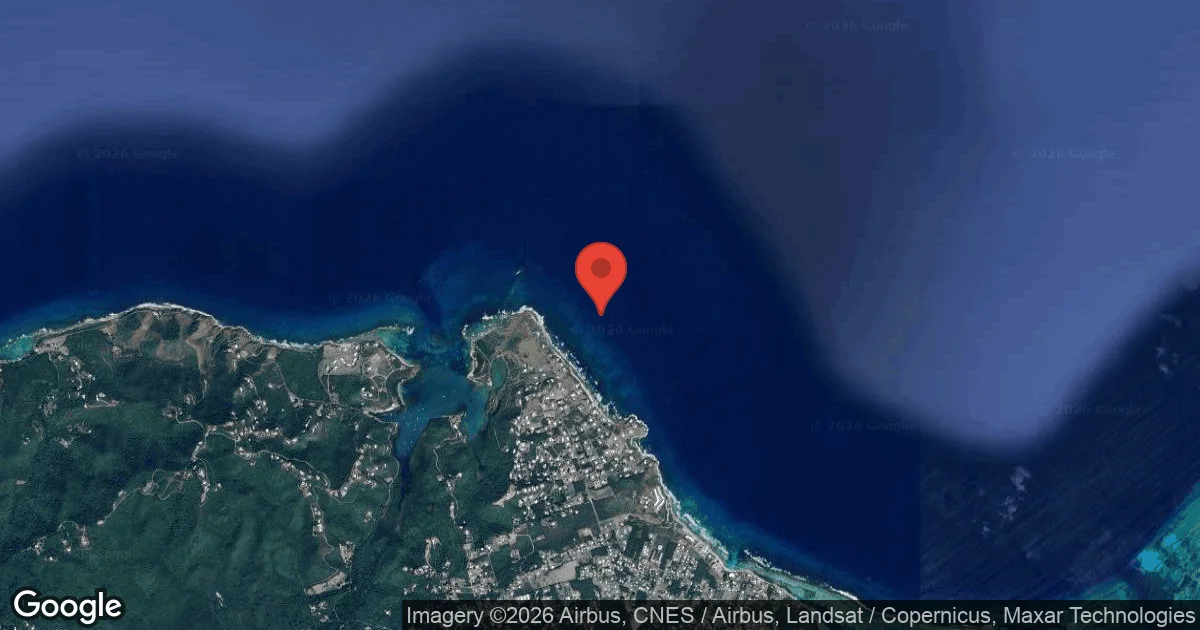
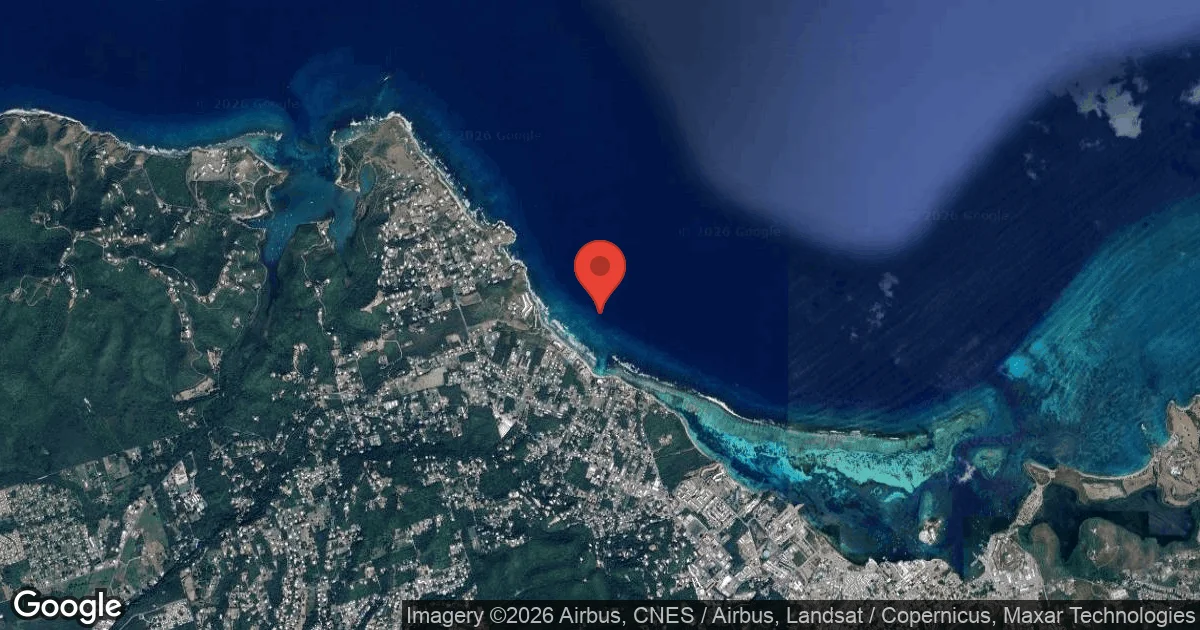
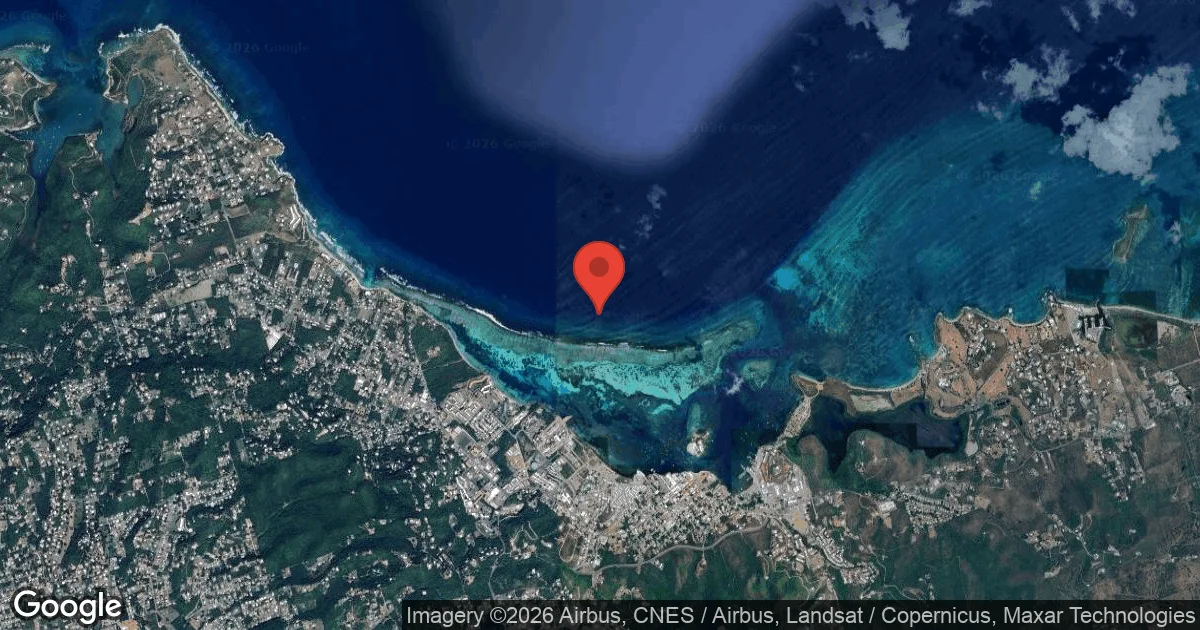
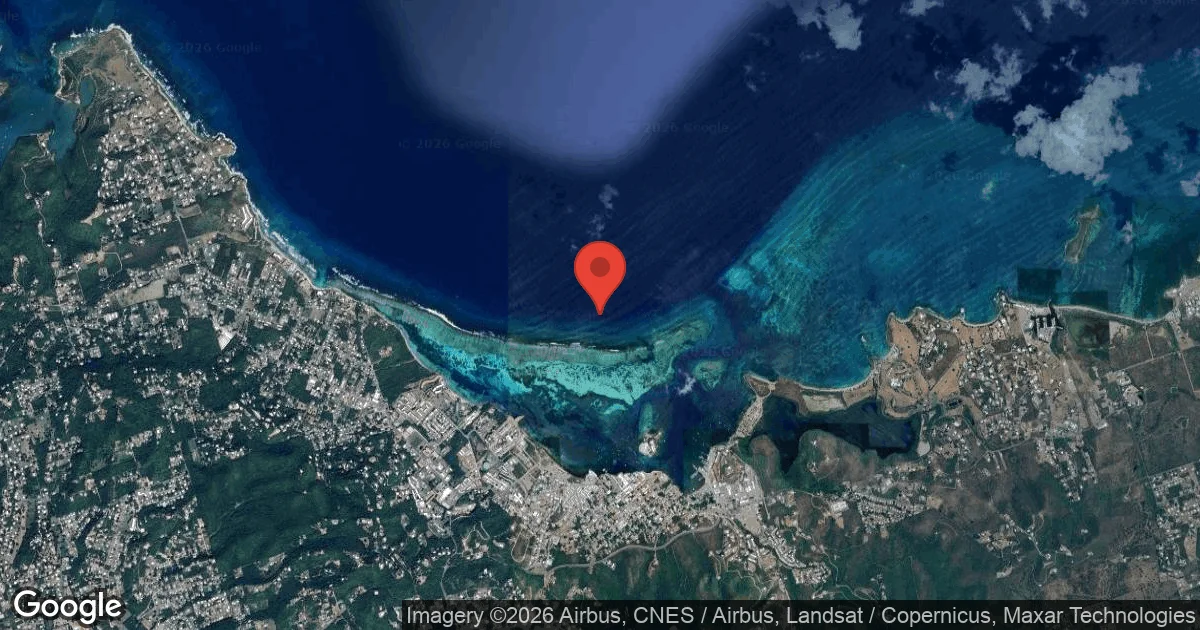
Dive Site Location & Key Facts
Dive Site Overview
An exploration of the underwater world surrounding Sandy Point, indicative of St. Croix's broader diving appeal, presents a topography defined by dramatic walls and expansive reef systems. The island's underwater environment is known for its steeply plunging walls, with some areas dropping to 300 m (1,000 ft) or even 900 m (3,000 ft) surprisingly close to shore.
While these extreme depths are beyond recreational limits, divers routinely explore shallower sections, often around 24 m (80 ft) near wall edges. Here, vibrant corals and sponges create intricate, living habitats. Reefs exhibit diverse structures, including sandy flats, coral ridges, and extensive spur-and-groove formations that stretch for considerable distances, providing ample opportunity for exploration.
Several wreck sites also add another layer of interest to the underwater experience around St. Croix. These wrecks, found in areas like Butler Bay, range from shallower depths accessible to newer divers to deeper structures suitable for advanced certifications.
Navigating these varied underwater features often means encountering distinct micro-environments within a single dive. From the vibrant coral gardens preceding a wall drop to the deeper recesses of a wreck, the underwater scenery continuously evolves.
These distinct formations cater to different dive styles, from leisurely reef explorations to more adventurous wall dives where pelagic encounters are possible.
Conditions are Good
Optimal conditions expected
Current conditions near Sandy Point, St Croix show 29° air, 29° sea temperature, 0.9 m waves, and 24 km/h wind. Forecast data is refreshed regularly to ensure accuracy.
Best Time to Dive
While St. Croix generally offers good diving conditions year-round, certain months present subtle contrasts in experience. The period from January to April, and again from June to September, often provides "Good" dive scores. Air temperatures during these months typically range from 26°C to 29°C (79-84°F). Wave heights average around 1.1-1.3 meters (3.6-4.3 ft), and wind speeds are generally moderate, around 23-30 km/h (14-19 mph). Rainfall is relatively low during these "Good" periods, often below 3 mm. In contrast, months like May, August, October, and November are rated "Moderate." While air temperatures remain warm, around 27.5°C to 29°C (82-84°F), these months can see increased rainfall, sometimes reaching up to 4.9 mm (0.2 inches) in October. This slight increase in precipitation, alongside potentially variable wave and wind conditions, can occasionally affect visibility or surface comfort. Divers planning a trip should consider these nuances, although the core diving experience remains largely consistent and enjoyable throughout the year in the region.
PEAK SEASON SCORE
Scores combine air & water temps, waves, wind & rainfall for overall conditions.
BEST MONTHS TO DIVE
Monthly records compiled from satellite and marine observation nodes over the last 3 years. Data provided by Open-Meteo and MET Norway.
Dive Experience & Conditions
Depth profiles across diving sites near Sandy Point vary significantly, influencing the type of dive experience. Many popular sites begin in shallower reef areas, around 10-12 m (35-40 ft), before dropping dramatically into walls that can extend to recreational depth limits of 30 m (100 ft) or beyond for technical divers. Water temperatures around St. Croix are consistently warm, generally ranging from 22-27°C (72-81°F) throughout the year, making for comfortable extended bottom times. Visibility is often reported as very clear, especially along walls where strong currents can keep particulate matter away. Shallower areas sometimes experience localized reduced visibility due to sand or organic matter, particularly after heavy rainfall. Expect to move between vibrant, sunlit coral gardens and the darker, more dramatic environment of a deep wall face within a single dive. These transitions provide a varied and engaging profile, suitable for different certification levels depending on the chosen site's maximum depth.
Dive Difficulty & Safety Guidelines
Navigating the diverse dive sites around Sandy Point requires attention to common Caribbean diving practices. Currents can be a factor, particularly along exposed walls or canyon entrances, so divers should be prepared for potential drift and maintain situational awareness. Always monitor your air supply and bottom time, especially when exploring deeper sections or intricate swim-throughs.
As with any wall dive, careful buoyancy control is essential to avoid accidental deep excursions and to protect the fragile coral structures. Maintaining a safe distance from marine life, observing them without interference, is also crucial for both diver safety and ecosystem preservation.
Always dive with a buddy and ensure your equipment is well-maintained. Local dive operators typically provide thorough briefings covering specific site conditions and any localized concerns, which should be followed closely.
Recommended Equipment
- Dive Computer
This gear list is based on verified equipment signals for Sandy Point, St Croix, United States. Always confirm final gear choices with your dive operator, guide, or liveaboard.
Recommended Dive Suit
Recent conditions suggest the water at Sandy Point, St Croix remains near 29°C (85°F), offering typical conditions for the area. Surface air temperatures are resting at 29°C (83°F).
Environmental conditions appear stable for the near future.
In water temperatures like these, dive skin or rash guard typically offers sufficient warmth for most recreational dives. Consider warmer surface protection (like a boat coat) due to brisk winds. Some divers naturally tolerate cooler water better than others. Stronger winds may also make surface intervals feel cooler than usual.
Due to technical issues with our weather providers, live updates are temporarily delayed. The data above reflects the conditions at the time of the last successful fetch.
Emergency & Medical Support
Essential information to help you plan your dive trip to Sandy Point, St Croix.

Hyperbaric chambers are a critical part of dive safety infrastructure. Availability varies significantly by region, and not all dive areas have immediate access.
Before diving, it's recommended to:
- confirm nearest medical facilities
- check emergency procedures with local dive operators
- ensure dive insurance covers evacuation if required
Divers Alert Network
Diving emergency assistance available through DAN World.
+1-919-684-9111- 24/7 emergency hotline
- Diving medical assistance
- Evacuation coordination
Emergency contacts are provided for reference. Always verify local emergency services before diving.
Marine Life at Sandy Point, St Croix
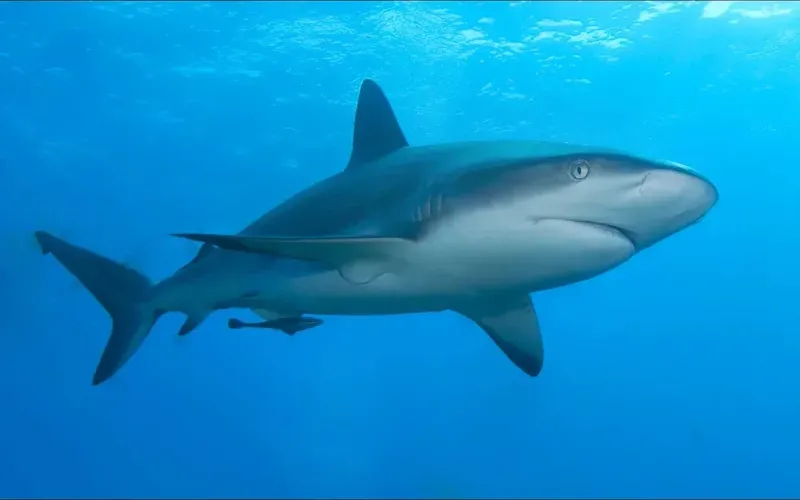
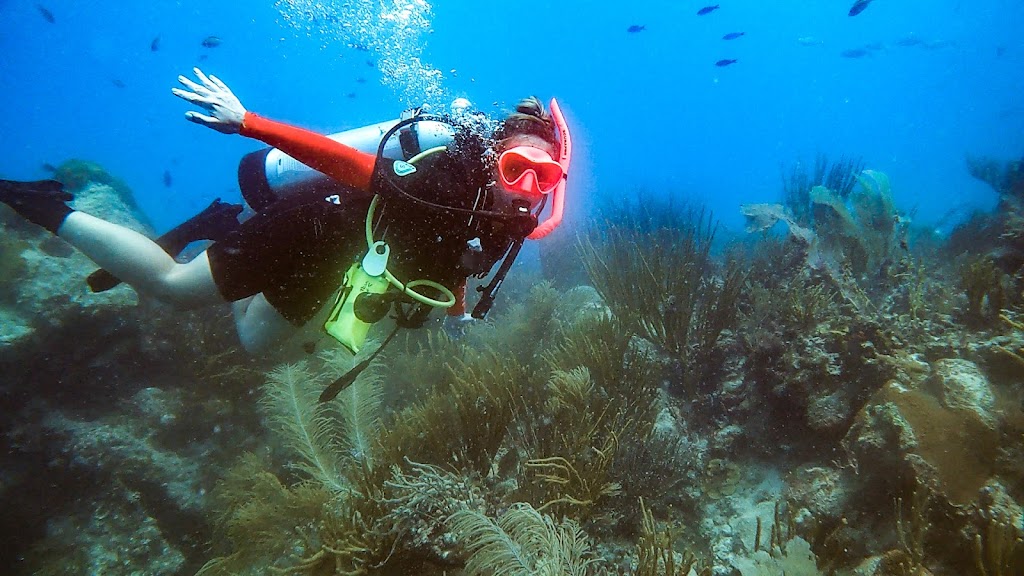
Upon entering the water near Sandy Point, divers are often immediately struck by the abundance of green sea turtles, which are frequently observed across many St. Croix sites. Exploring the reef systems reveals various inhabitants, including green eels, reef sharks, and the occasional eagle ray gliding by.
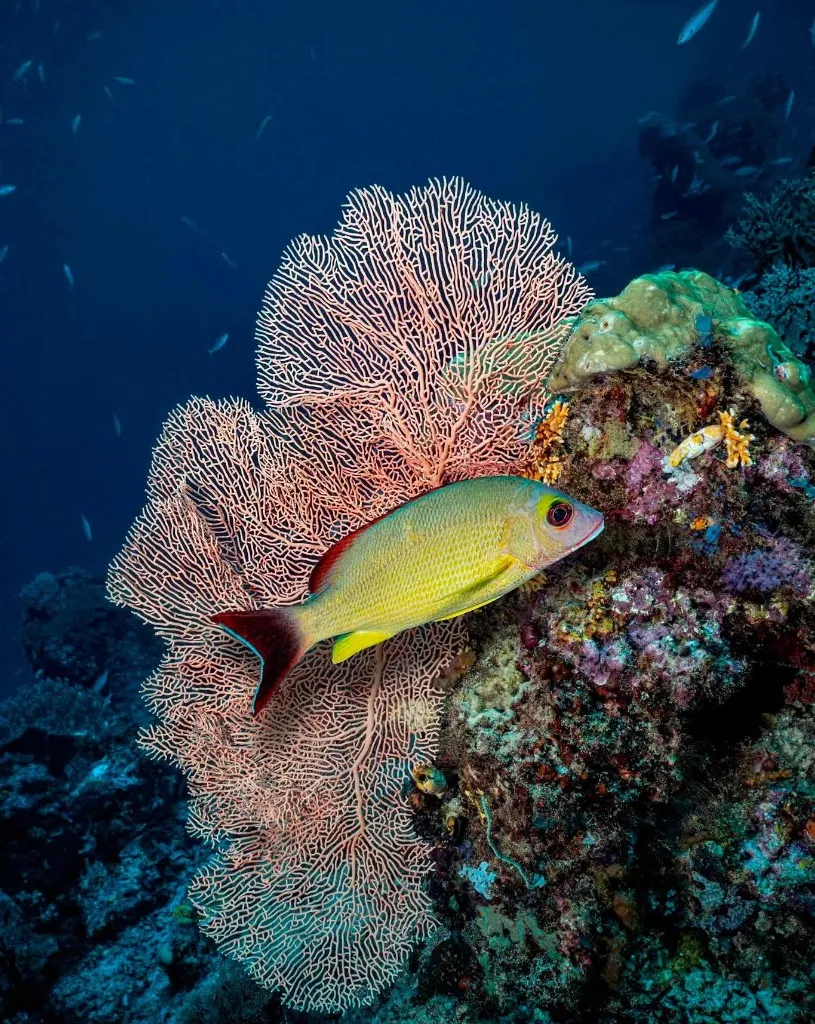
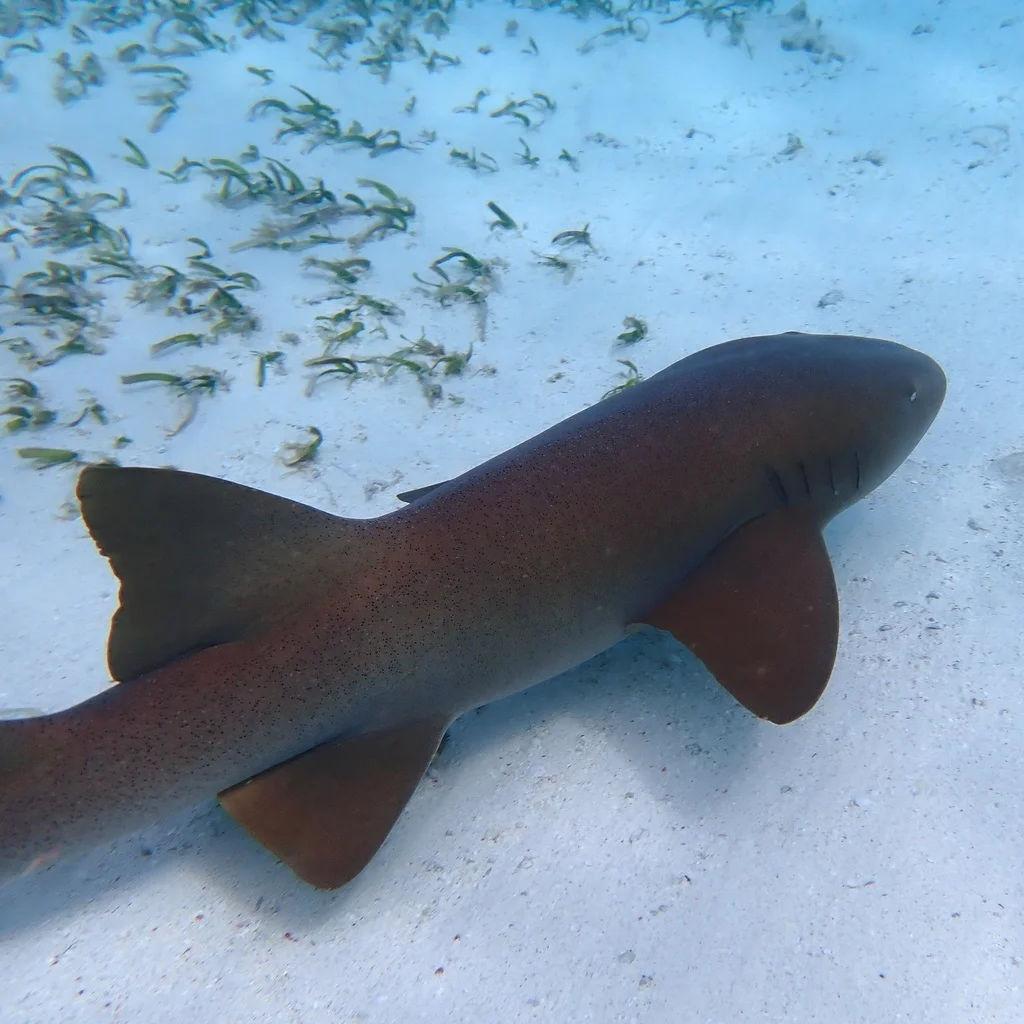
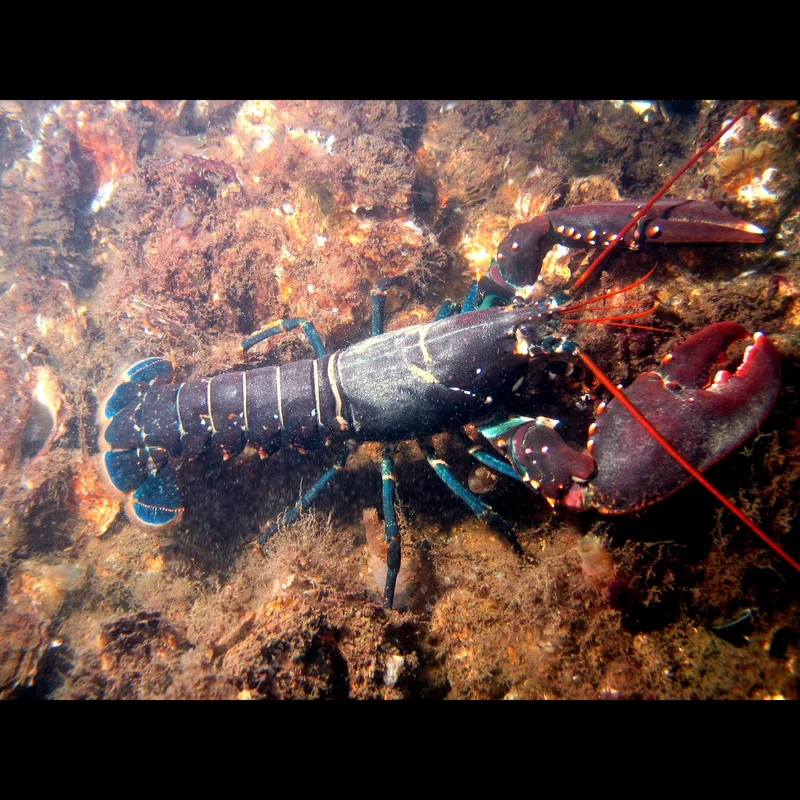
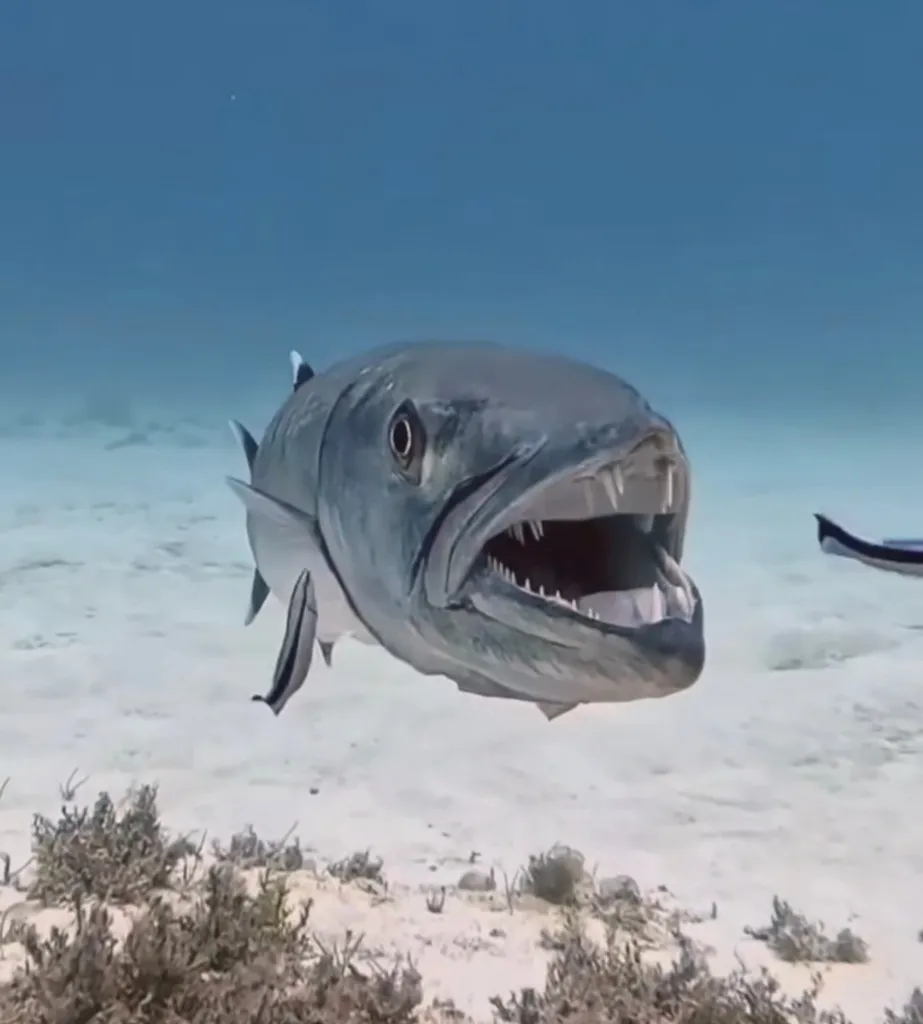
Macro enthusiasts can spot smaller creatures like jawfish, shrimp, and sea horses, particularly around structures like the Frederiksted Pier, which is a known hot spot for such finds. Deeper wall environments might reveal barracuda and yellowtail snappers, while lobsters and nurse sharks are common in crevices and overhangs. Keep an eye out for octopus nestled within coral heads during daytime dives.
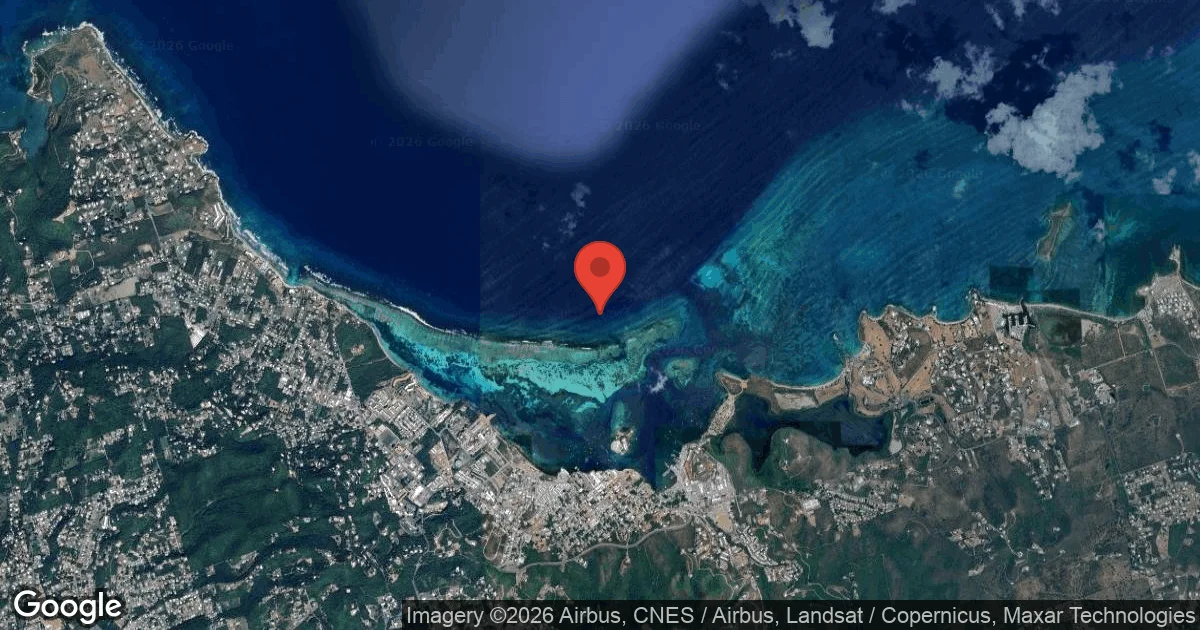
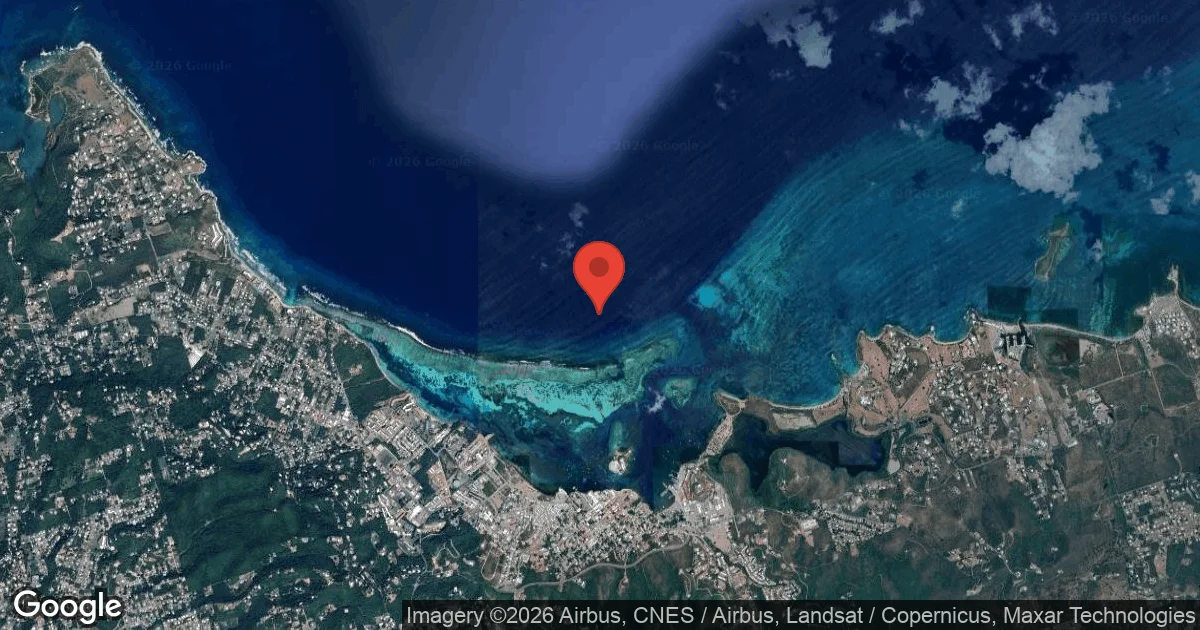
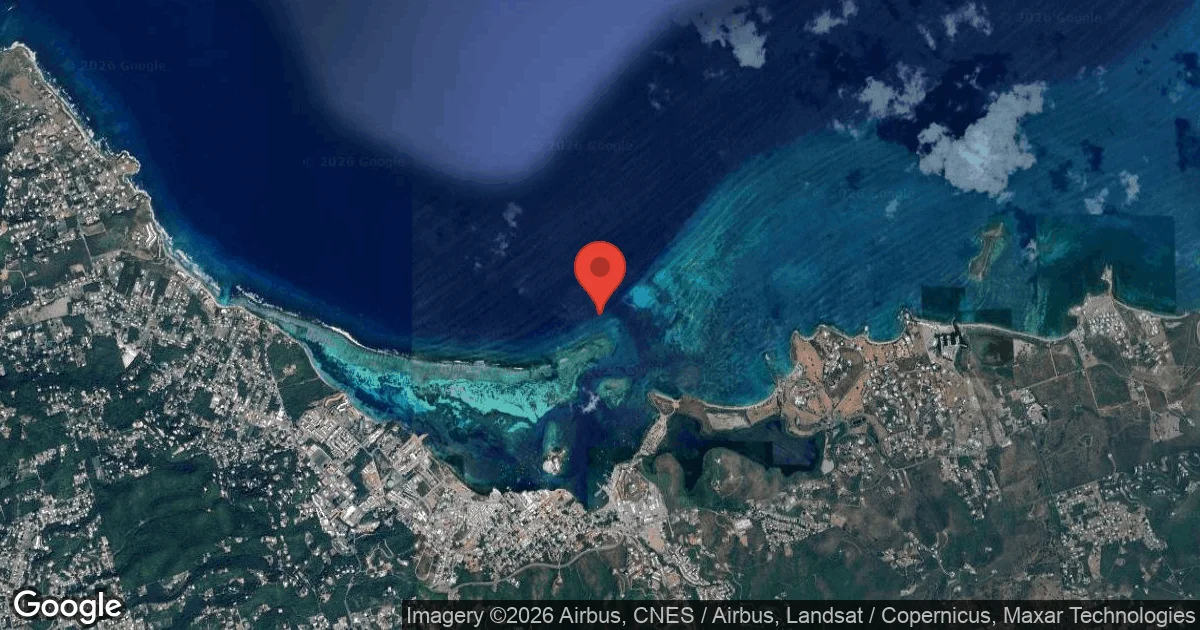
Dive Sites Near Sandy Point, St Croix
View all dive sites in United StatesDiscover more underwater gems in this area.
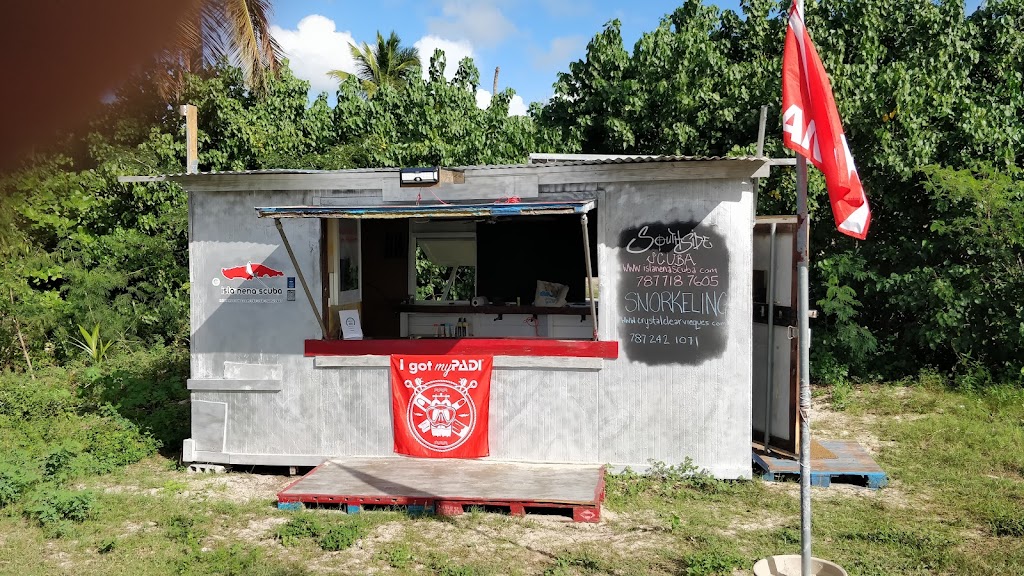
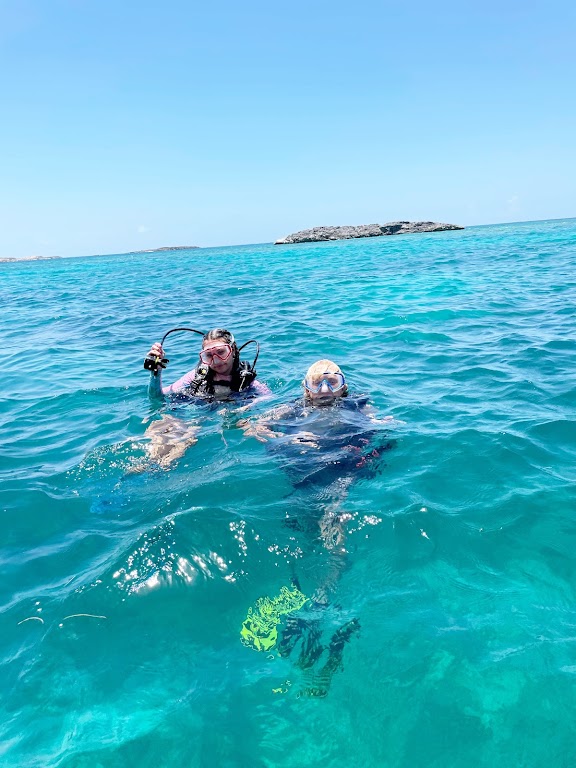
Dive Centers Near Sandy Point, St Croix
Today: 08:00 - 17:00
Nearest Airports
Nearest airports to help plan travel to this dive area.
Search Flights
Check available flights and routes on Expedia, using the nearby airports listed in this section.
Search Flights on ExpediaFrequently Asked Questions
What kind of underwater topography can I expect near Sandy Point, St. Croix?
Diving around Sandy Point, similar to much of St. Croix, features dramatic wall dives and extensive reef systems. Walls plunge from recreational depths to over 300 m (1,000 ft), while reefs offer diverse coral gardens and sandy flats.
What are the typical water temperatures for diving in St. Croix?
Water temperatures in St. Croix are consistently warm, generally ranging from 22-27°C (72-81°F). This allows for comfortable diving throughout the year, making extended bottom times pleasant.
Is St. Croix suitable for beginner divers?
Yes, St. Croix offers sites suitable for beginners, particularly shallower reef areas and certain wall sections. Good buoyancy control is always advised, and local dive shops can guide you to appropriate sites.
What marine life might I see while diving in this region?
Divers frequently encounter green sea turtles, reef sharks, and green eels. Macro life like sea horses, jawfish, and shrimp are also common, particularly around pier structures and in coral heads.
Are there any wrecks to dive in St. Croix?
Yes, areas like Butler Bay host several shipwreck sites, offering diverse diving experiences. These wrecks vary in depth, catering to both recreational and advanced divers.
What are the best months for diving in St. Croix?
January through April, and June through September, generally offer "Good" dive scores with stable weather and low rainfall. May, August, October, and November are rated "Moderate" due to slightly increased rain, though conditions remain largely enjoyable.
Planning to dive Sandy Point, St Croix?
Send one inquiry and receive offers directly from the best verified local dive operators.
Conditions are Good
Optimal conditions expected
Current conditions near Sandy Point, St Croix show 29° air, 29° sea temperature, 0.9 m waves, and 24 km/h wind. Forecast data is refreshed regularly to ensure accuracy.