
Diving at Site 11 (United States)
Spanning the middle 23 miles of the vast South East Florida Reef Tract, the area boasts over 100 distinct reef and wreck dive sites. Direct access from shore or brief boat rides are common, providing convenience for divers who prioritize ease of access alongside diverse underwater exploration. Many sites are even accessible by swimming from the beach.
Tonight's objective overview for Site 11 shows an air temperature of 24.5°C. The measured surface conditions include wave heights around 0.7 m. This environmental data is logged for the close of the day.
Dive Site Location & Key Facts
Dive Site Overview
A complex system of inner, middle, and outer reefs defines the South East Florida Reef Tract, though not all three formations are consistently present across its entirety. Ancient lithified sand dunes, submerged as sea levels rose post-glacial period, formed the foundational basis for subsequent coral growth, creating linear reefs parallel to the coastline.
Over millennia, periods of reef demise occurred, with modern corals eventually re-establishing on older formations to shape current reef communities. Specific features like the Pompano Drop Off, an ancient coquina ridge complex, and Touchdown Reef, an inner reef built by fossil corals, highlight varied underwater topography.
Outer reefs frequently display collapsed sections, forming pronounced ledges for divers to explore. Numerous wreck sites further complement the natural environment with historical context.
Typical dive profiles range from shallower sections at 4.5 m (15 ft) to deeper areas reaching 39.6 m (130 ft).
Conditions are Good
07:00 - 14:00
Optimal conditions expected
Current conditions near Site 11 show 25° air, 30° sea temperature, 0.8 m waves, and 13 km/h wind. Forecast data is refreshed regularly to ensure accuracy.
Best Time to Dive
Dive planning for the Greater Fort Lauderdale area frequently finds optimal conditions between May and August, when dive scores consistently achieve 'Good' ratings. Air temperatures remain comfortably warm through these months, averaging around 26°C (79°F) in May and rising to about 28.5°C (83°F) by August. Lower wave heights, typically between 0.5 and 0.8 meters, contribute to calmer surface conditions. Although specific water temperature data isn't consistently reported for this particular region, warm, clear water often influences the reefs due to the Gulf Stream. Moderate rainfall, generally ranging from 2.6 to 4.4 mm, occurs during these months. Conversely, October usually brings 'Poor' dive conditions, characterized by higher wave heights averaging 1.6 meters and increased precipitation.
PEAK SEASON SCORE
Scores combine air & water temps, waves, wind & rainfall for overall conditions.
BEST MONTHS TO DIVE
Monthly records compiled from satellite and marine observation nodes over the last 3 years. Data provided by Open-Meteo and MET Norway.
Dive Experience & Conditions
Entering the water in the Greater Fort Lauderdale area, divers can anticipate varied conditions and structures. Clear, warm water often bathes the coral reefs, a frequent effect of the Gulf Stream, which significantly enhances visibility. Currents are a characteristic feature; they typically run parallel to the shoreline, making drift diving a popular and efficient method for exploring extended reef sections. Divers are often deployed at one end of a reef and allowed to leisurely drift with the current to a pick-up point, maximizing area covered. Depths within the reef system generally range from recreational levels of 4.5 m (15 ft) to deeper sections around 39.6 m (130 ft), accommodating various certification levels. Linear reef structures, including inner, middle, and outer reefs, form the underwater topography, sometimes featuring natural gaps and distinct ledges from collapsed reef frameworks.
Dive Difficulty & Safety Guidelines
Diving within the SE Florida Reef Tract requires an awareness of prevailing currents, particularly when planning drift dives; understanding pick-up procedures with your chosen dive operator is key. Varied depths, from shallower sections to the maximum depth of 39.6 m (130 ft) on some sites, mean divers should choose locations appropriate for their certification and experience level. Protecting the marine environment is paramount.
Divers should resist collecting shells, rocks, or any underwater artifacts; these items are crucial habitats for sea creatures and provide surfaces for new plant and animal growth. Carrying away any encountered trash helps mitigate marine debris, a significant threat to marine life.
Technical diving is permitted, encouraging all divers to engage with sites sustainably and with minimal impact on natural and cultural resources.
Recommended Equipment
- Dive Computer
This gear list is based on verified equipment signals for Site 11, United States. Always confirm final gear choices with your dive operator, guide, or liveaboard.
Recommended Dive Suit
Short-term weather patterns suggest stable conditions for divers visiting the area.
Some divers prefer slightly warmer exposure protection simply for additional comfort.
Dive skin or rash guard usually works well for maintaining comfort during standard dive profiles in these conditions. A hood or vest is suggested for sensitive divers due to surface winds. Divers preparing to enter the water at Site 11 will likely find temperatures around 30°C (85°F) today. Surface air temperatures are resting at 25°C (76°F).
Due to technical issues with our weather providers, data hasn't been fetched for over 48 hours. The data above reflects the conditions at the time of the last successful fetch.
Emergency & Medical Support
Essential information to help you plan your dive trip to Site 11.

Hyperbaric chambers are a critical part of dive safety infrastructure. Availability varies significantly by region, and not all dive areas have immediate access.
Before diving, it's recommended to:
- confirm nearest medical facilities
- check emergency procedures with local dive operators
- ensure dive insurance covers evacuation if required
Divers Alert Network
Diving emergency assistance available through DAN World.
+1-919-684-9111- 24/7 emergency hotline
- Diving medical assistance
- Evacuation coordination
Emergency contacts are provided for reference. Always verify local emergency services before diving.
Marine Life at Site 11
A rich array of marine organisms thrives within the diverse underwater landscape of the SE Florida Reef Tract, including hundreds of fish species along the coast. Exploring linear reef structures reveals a vibrant ecosystem where corals have reformed on ancient foundations, creating intricate habitats.
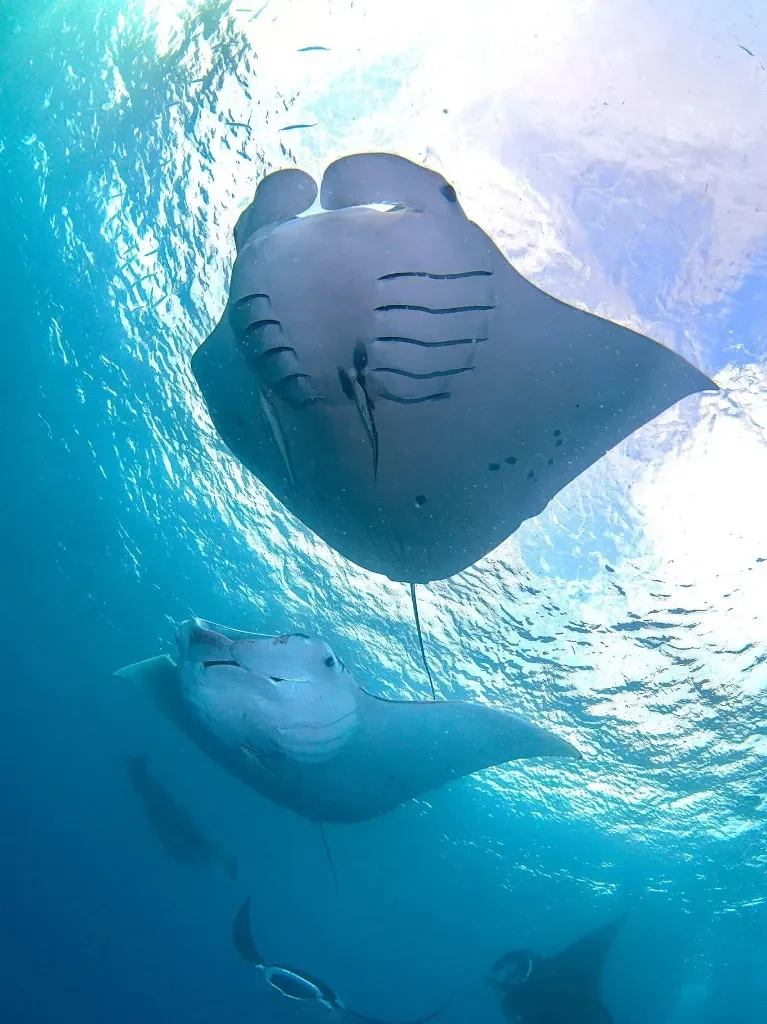
Numerous reef and wreck sites provide shelter and feeding grounds for a variety of aquatic life. While large pelagics like manta rays and whale sharks are more specifically noted in other sanctuaries, clear, warm waters and an extensive reef system here support a healthy, active reef community.

Dive Sites Near Site 11
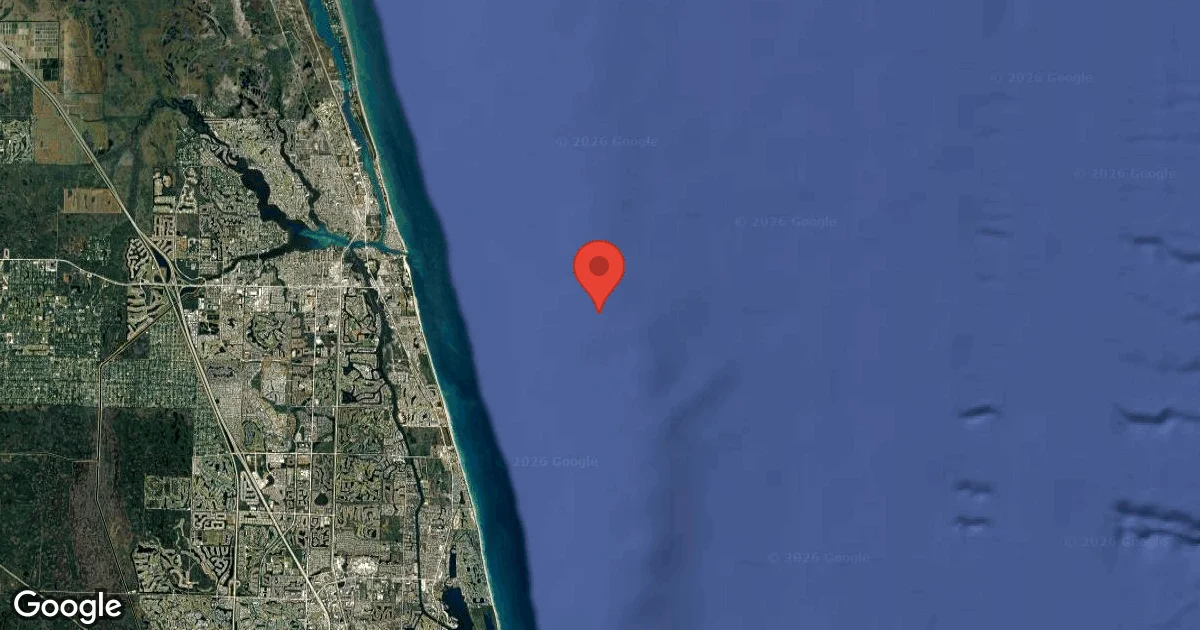
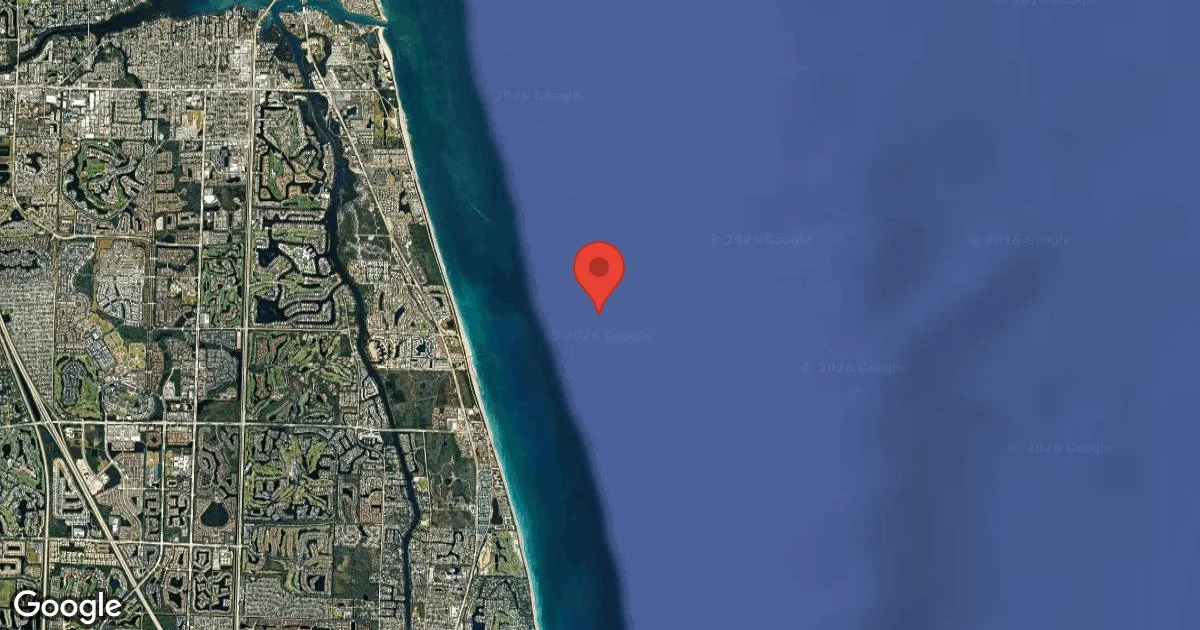
View all dive sites in United StatesDiscover more underwater gems in this area.
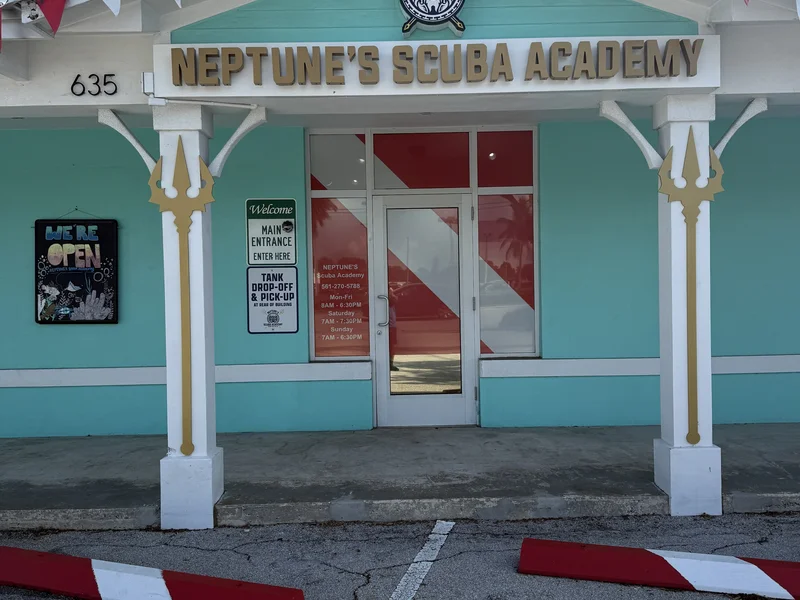
Dive Centers Near Site 11
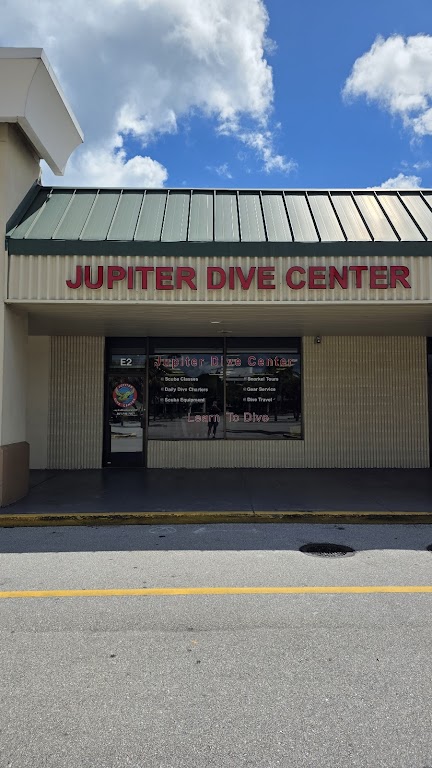
Today: 10:00 - 18:00
Nearest Airports
Nearest airports to help plan travel to this dive area.
Search Flights
Check available flights and routes on Expedia, using the nearby airports listed in this section.
Search Flights on Expedia
Plan Your Stay
Looking for a place to stay for your dive trip? Explore hotels, stays, and vacation rentals for dive groups near Jupiter Island.
Dive Navigator may earn a commission from these links at no extra cost to you.
Frequently Asked Questions
What types of dive sites are found in the South East Florida Reef Tract?
Over 100 distinct reef and wreck dive sites, including inner, middle, and outer reefs, are found within the tract. Specific formations like the Pompano Drop Off and Touchdown Reef offer varied topography. Numerous wreck sites add historical context to the natural environment.
What are the typical dive depths in this region?
Dive profiles generally range from shallower sections at 4.5 m (15 ft) to deeper areas reaching 39.6 m (130 ft). These depths accommodate various certification levels, from recreational divers to those exploring deeper sites.
When is the best time of year to dive in Greater Fort Lauderdale?
May through August typically offer the best conditions, with dive scores consistently rated as 'Good'. Air temperatures are warm, averaging 26°C (79°F) to 28.5°C (83°F), and wave heights are generally lower during these months. October usually presents 'Poor' dive conditions due to higher waves and increased rainfall.
Are currents a common factor when diving here?
Yes, currents are characteristic and typically run parallel to the shoreline. This makes drift diving a popular and efficient method for exploring extended sections of the reef. Divers should plan for current conditions with their dive operator.
What kind of marine life can divers expect to see?
Hundreds of fish species thrive within a diverse underwater landscape along the coast. Divers can observe vibrant coral ecosystems that have reformed on ancient foundations. Reef and wreck sites provide critical shelter and feeding grounds for a variety of aquatic life.
What are the main safety guidelines for diving in this area?
Divers should be aware of prevailing currents, especially for drift dives, and understand pick-up procedures. Choose sites appropriate for your certification and experience. Protect the marine environment by not collecting any natural or cultural artifacts, and remove any trash encountered.
Planning to dive Site 11?
Send one inquiry and receive offers directly from the best verified local dive operators.
Conditions are Good
07:00 - 14:00
Optimal conditions expected
Current conditions near Site 11 show 25° air, 30° sea temperature, 0.8 m waves, and 13 km/h wind. Forecast data is refreshed regularly to ensure accuracy.