
Diving at Site #11_2011_W (United States)
Florida presents divers with a kaleidoscope of underwater adventures, spanning from vibrant reef ecosystems to historical wrecks and unique freshwater springs. This expansive region invites exploration across diverse submerged landscapes. Here, divers can encounter varied marine life, participate in citizen science coral restoration, or simply navigate current-swept ledges. The Sunshine State continually unfolds new chapters for those seeking diverse aquatic encounters.
Evening condition tracking at Site #11_2011_W features an air temperature of 28°C. We have recorded wave heights measuring 1.5 m during this period. These figures outline the environmental parameters currently present.
Dive Site Location & Key Facts
Dive Site Overview
Exploring Florida's underwater realm reveals a tapestry of distinct dive topographies. Along the Atlantic coast, particularly near West Palm Beach and Jupiter, divers encounter extensive reef systems like Breakers Reef, which stretches for miles parallel to shore.
These areas often feature depths between 14 to 20 m (45-65 ft), characterized by ledges and various hiding spots for marine life. Further south in the Florida Keys, topography shifts to include iconic shipwrecks such as the Duane and the massive Spiegel Grove, offering advanced wreck diving opportunities. Shallower reefs, like those near Key Largo including Molasses Reef, present accessible environments for various skill levels.
A unique shore dive experience is found at Blue Heron Bridge, where the sandy bottom beneath the structure creates a habitat for macro life, with depths ranging from 0.6 to 6 m (2-20 ft). From shallow, critter-rich areas to deeper, current-exposed wrecks, the seabed structure constantly changes.
North-central Florida also features remarkable freshwater cave systems and springs, such as Ginnie Springs, adding another dimension to the region's varied aquatic environments. Artificial reefs created by purpose-sunk ships, like the Ana Cecilia off Palm Beach or the Castor near Boynton Beach, also contribute significantly to the underwater landscape, often attracting substantial fish populations.
Conditions are Good
Optimal conditions expected
Current conditions near Site #11_2011_W show 28° air, 28° sea temperature, 0.9 m waves, and 24 km/h wind. Forecast data is refreshed regularly to ensure accuracy.
Best Time to Dive
The optimal diving conditions in Florida vary, with spring and summer generally offering more favorable weather for surface activities, while specific marine life events can draw divers year-round. From May through August, air temperatures are consistently warm, averaging 24.5-28°C (76-82°F), with rain typically between 2.1-3.5 mm. During these months, dive scores are frequently rated "Good" or "Moderate". Conversely, the fall months, particularly October, see lower dive scores (e.g., "Poor" with a score of 4), accompanied by increased wave heights and higher rain (5.6 mm) and wind speeds (32.6 km/h). Winter months from December to February bring cooler air temperatures, averaging 16.5-19.5°C (62-67°F), but still offer "Moderate" dive scores. Visibility and water conditions can fluctuate independently of air temperature. For instance, cooler winter periods provide opportunities to snorkel with manatees in 22°C (72°F) spring-fed waters, highlighting the contrasting seasonal experiences across the state.
PEAK SEASON SCORE
Scores combine air & water temps, waves, wind & rainfall for overall conditions.
BEST MONTHS TO DIVE
Monthly records compiled from satellite and marine observation nodes over the last 3 years. Data provided by Open-Meteo and MET Norway.
Dive Experience & Conditions
Diving in Florida often involves navigating a range of conditions, particularly varied current dynamics. Sites like Breakers Reef are typically experienced as **drift dives**, where divers 'go with the flow' to cover significant distances across the reef system. This requires good buoyancy control and comfort with current. Water visibility can be excellent, though it varies depending on weather patterns and seasonal runoff; a "long, mellow dive" with good visibility is reported for Blue Heron Bridge when timed correctly with the high tide. While ocean water temperatures are not consistently reported for all sites, spring-fed waterways offer a consistent 22°C (72°F). Surface conditions can be influenced by winds, with average speeds ranging from 24-33 km/h (15-20 mph) throughout the year, impacting boat rides to offshore sites. Adapting to these variable conditions, from calm shore entries to current-swept deep reefs, is part of the Florida diving experience.
Dive Difficulty & Safety Guidelines
When planning a dive in Florida, awareness of prevailing conditions and local practices is essential for diver safety. Currents can be a significant factor, particularly on offshore reef systems like Breakers Reef, where drift diving is common. Divers should be comfortable with such conditions or consult with local operators regarding appropriate skill levels.
For shark diving encounters, some operators may use bait, which changes the dynamic of the interaction; divers should understand and respect the specific protocols of their chosen charter. Regarding manatee interactions in spring areas like Crystal River, strict guidelines are in place to ensure minimal disturbance to these animals.
Observing temporary site closures and adhering to in-water encounter rules is paramount. Moreover, participating in citizen science opportunities, such as coral restoration with organizations like the Coral Restoration Foundation, involves specific training and protocols to ensure safe and effective conservation efforts.
Recommended Equipment
- Dive Computer
This gear list is based on verified equipment signals for Site #11_2011_W, United States. Always confirm final gear choices with your dive operator, guide, or liveaboard.
Recommended Dive Suit
Experienced divers often bring flexible gear options.
Environmental readings suggest that the waters surrounding Site #11_2011_W are about 28°C (83°F) at the moment. Surface air temperatures are resting at 28°C (82°F). Divers who spend longer periods underwater often choose 2-3mm shorty or light wetsuit. Consider warmer surface protection (like a boat coat) due to brisk winds.
Weather models indicate a small drop in surface temperatures later this week. Cooler days are ahead; you might want a warmer option for later in the week. A thicker wetsuit may be worth considering for extended dives.
Due to technical issues with our weather providers, live updates are temporarily delayed. The data above reflects the conditions at the time of the last successful fetch.
Emergency & Medical Support
Essential information to help you plan your dive trip to Site #11_2011_W.

Hyperbaric chambers are a critical part of dive safety infrastructure. Availability varies significantly by region, and not all dive areas have immediate access.
Before diving, it's recommended to:
- confirm nearest medical facilities
- check emergency procedures with local dive operators
- ensure dive insurance covers evacuation if required
Divers Alert Network
Diving emergency assistance available through DAN World.
+1-919-684-9111- 24/7 emergency hotline
- Diving medical assistance
- Evacuation coordination
Emergency contacts are provided for reference. Always verify local emergency services before diving.
Marine Life at Site #11_2011_W
The marine life in Florida is remarkably diverse, often captivating divers with its immediate presence. Goliath groupers are a major draw, especially from August to September when large numbers congregate to spawn around wrecks and reefs off Jupiter and West Palm Beach.
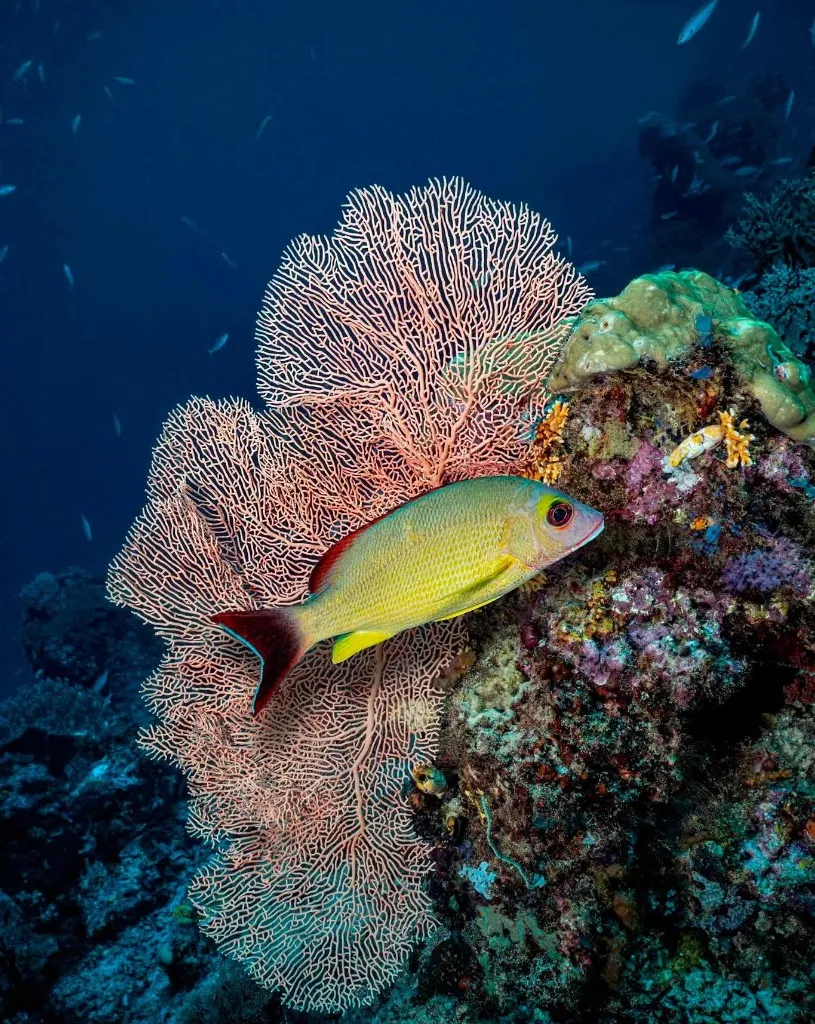
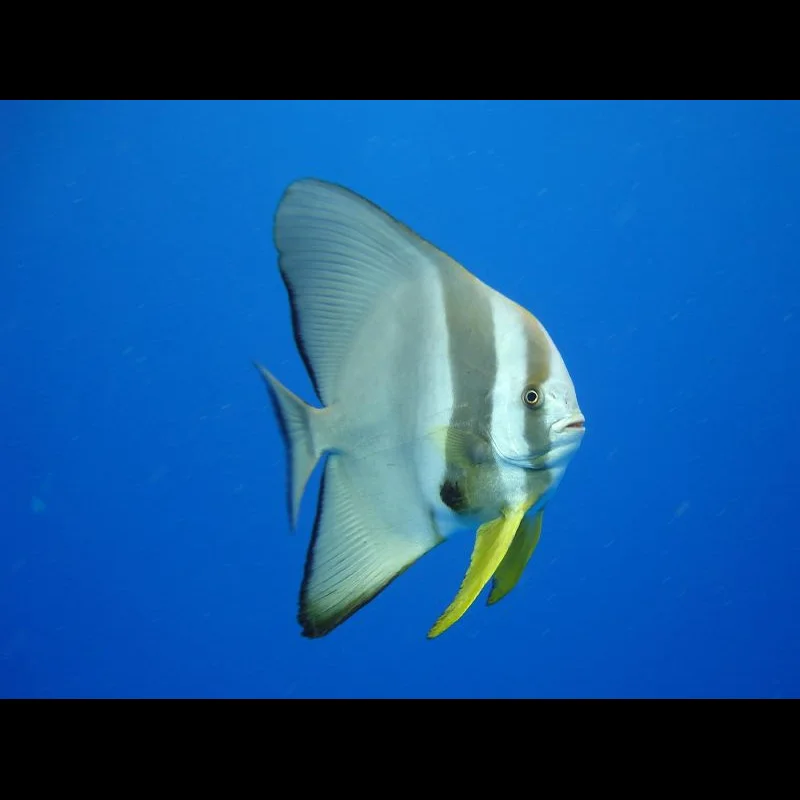
On the shallower reefs, schools of grunts and snappers are commonly observed, alongside colorful angelfish, porkfish, and barracuda. Macro enthusiasts exploring sandy bottoms, such as at Blue Heron Bridge, will often spot unique creatures like octopus, grumpy-faced batfish, jawfish, and occasionally seahorses and frogfish.
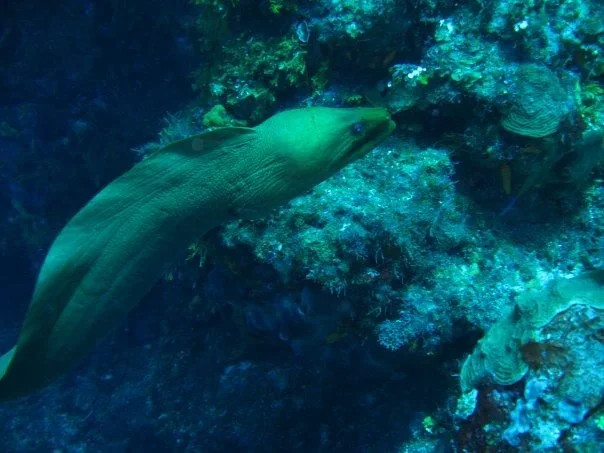
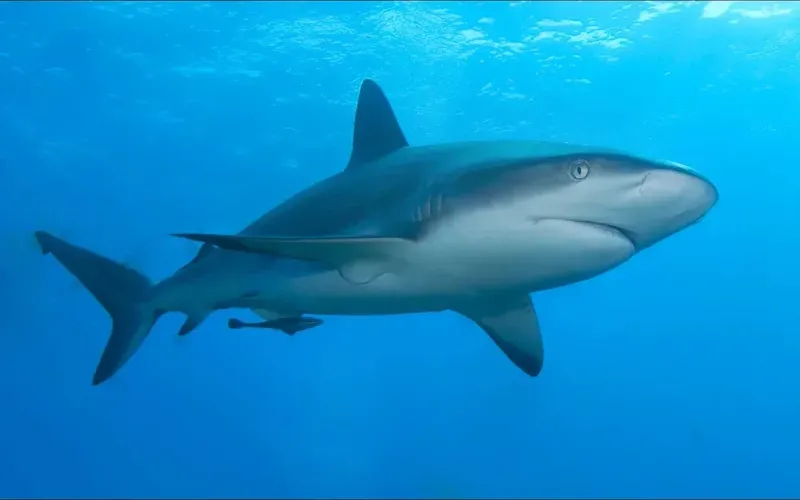
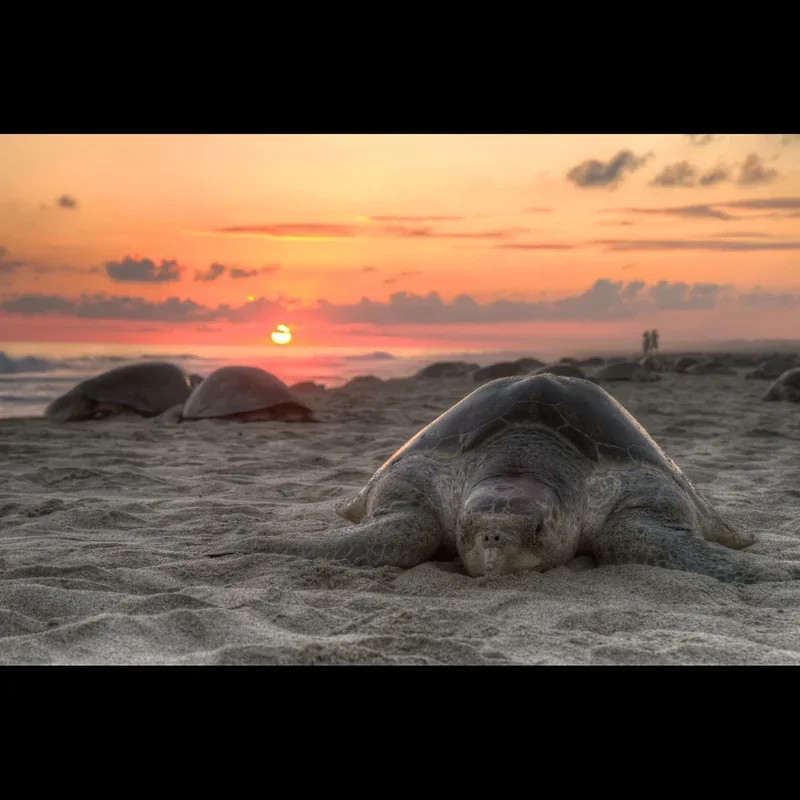
Deeper reef systems host parrotfish, moray eels, lobsters, and sea turtles. For those seeking larger pelagics, Jupiter offers opportunities to encounter bull, lemon, and tiger sharks, as well as stingrays and Caribbean reef sharks.
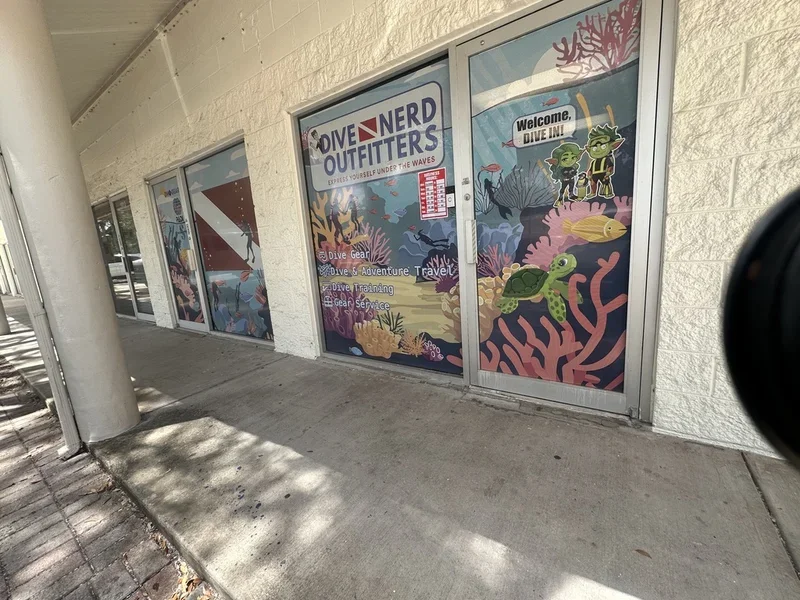
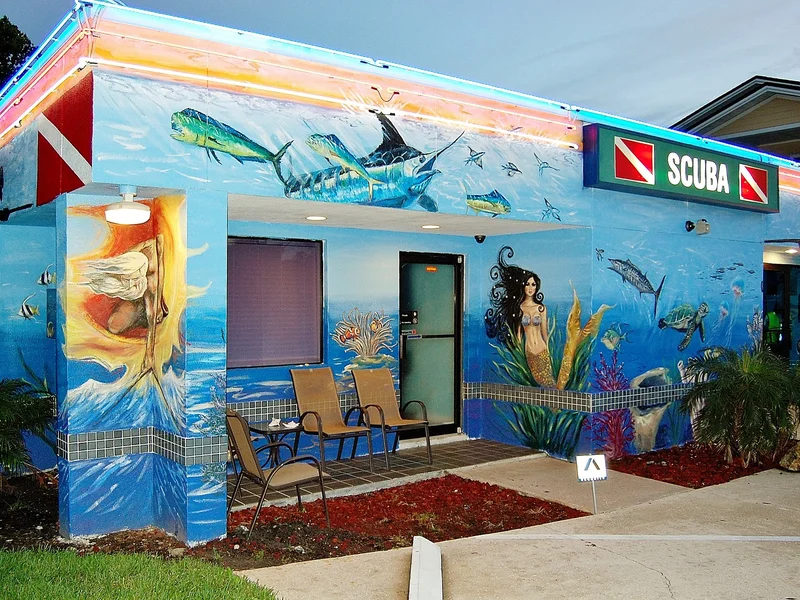
Dive Centers Near Site #11_2011_W
Today: 10:00 - 19:00
Nearest Airports
Nearest airports to help plan travel to this dive area.
Search Flights
Check available flights and routes on Expedia, using the nearby airports listed in this section.
Search Flights on ExpediaFrequently Asked Questions
What types of diving are available in Florida?
Florida offers a spectrum of diving, including wreck dives, reef dives, shore dives, drift dives, and even freshwater spring and cave diving. The diversity caters to various skill levels and interests.
Are there opportunities for coral restoration?
Yes, the Coral Restoration Foundation (CRF) provides citizen science opportunities, allowing divers to assist in coral tree nurseries and outplant staghorn corals to repopulate reefs. They partner with local dive charter operators.
What's the best way to dive sites with strong currents?
For current-prone sites like Breakers Reef, drift diving is commonly practiced. Local dive operators are well-versed in these techniques and typically conduct guided drift dives.
When can I see Goliath Groupers?
Goliath groupers are present year-round, but their numbers dramatically increase for spawning aggregations during August and September, particularly around Jupiter and West Palm Beach wrecks and reefs.
Is shore diving popular?
Yes, sites like Blue Heron Bridge are highly rated shore dives, known for their abundant macro marine life. Timing your entry one hour before high tide is recommended for optimal visibility.
What kind of sharks can be seen?
Divers can encounter bull, lemon, and tiger sharks, especially off Jupiter. Other species like silkies, sandbars, Caribbean reef sharks, and nurse sharks are also found in various locations.
What is the water temperature for diving?
Ocean water temperatures are not consistently reported in available data. However, spring-fed waterways, like those where manatees gather in winter, maintain a steady 22°C (72°F).
Planning to dive Site #11_2011_W?
Send one inquiry and receive offers directly from the best verified local dive operators.
Conditions are Good
Optimal conditions expected
Current conditions near Site #11_2011_W show 28° air, 28° sea temperature, 0.9 m waves, and 24 km/h wind. Forecast data is refreshed regularly to ensure accuracy.