
Diving at Artifical Reef (Malaysia)
Beneath the surface in Malaysia, artificial reef sites present a constructed underwater landscape, often rising from sandy bottoms. These diverse structures, from concrete blocks forming an 'underwater skyline' to deliberately sunk vessels, tires, and even school buses, create complex habitats. They transform otherwise barren muck and sandy-bottom areas into intricate ecosystems. Exploring these formations reveals how human design can foster marine biodiversity.
As evening covers Artifical Reef, the local air temperature is measured at 26.5°C. The current wave height at the surface is recorded at 0.5 m. These late-day readings characterize the surface conditions for the night.
Dive Site Location & Key Facts
Dive Site Overview
These artificial reef sites throughout Malaysia offer a fascinating study in marine recovery and purposeful habitat creation. Divers encounter a unique underwater topography, meticulously designed to transform what were once barren sandy plains into thriving ecosystems.
Installations range from the 'Ghost Town' on Tioman Island, where concrete blocks form an intricate, urban-like sprawl, to the 'Bus Stop' featuring deliberately repurposed vehicles like buses and lorries, creating novel shelters and attracting specific communities of fish. Many locations, such as the Kapalai House Reef, integrate small wrecks, towers, and bridge-like structures, assembling substantial underwater complexes that continually evolve with marine growth and colonization.
Exploring these constructed environments reveals a rich macro world and serves as a vital nursery for numerous fish species, including schools of juvenile barracuda and fusiliers congregating around larger formations. Divers can descend to depths reaching 25 m (82 ft), meticulously examining the various surfaces for cryptic creatures like frogfish or nudibranchs that thrive on these artificial substrates.
These sites consistently draw an impressive array of life, acting as crucial nurseries and safe havens for countless organisms. Opportunities for unlimited house reef dives are frequently available, providing ample time to uncover every nook and cranny of these dynamic environments.
This makes them particularly rewarding for critter hunters and underwater photographers seeking unique subjects and behaviors within these evolving habitats, often over multiple visits.
Conditions are Good
07:00 - 14:00
Optimal conditions expected
Current conditions near Artifical Reef show 27° air, 30° sea temperature, 0.6 m waves, and 15 km/h wind. Forecast data is refreshed regularly to ensure accuracy.
Best Time to Dive
Planning your visit for optimal visibility often aligns with periods of stable weather and calmer seas. The months of April, May, June, August, October, November, and December generally offer excellent dive scores, minimizing disruptions from wind and rain. During these periods, average rainfall typically ranges between 5.6 mm and 7.7 mm, with wave heights around 0.3-0.5 meters (1-1.6 ft), contributing to clearer conditions. While specific water temperatures for these sites are not consistently reported, the consistent air temperatures, averaging 27-28°C (81-82°F) throughout the year, suggest a warm diving environment. Fewer strong winds also help visibility by reducing sediment agitation over the sandy bottoms.
PEAK SEASON SCORE
Scores combine air & water temps, waves, wind & rainfall for overall conditions.
BEST MONTHS TO DIVE
Monthly records compiled from satellite and marine observation nodes over the last 3 years. Data provided by Open-Meteo and MET Norway.
Dive Experience & Conditions
Your descent into an artificial reef site immediately unveils a world engineered for marine life. As you go down, the visibility might vary, sometimes described as 'poor' around specific wreck sites, demanding careful awareness. The artificial structures provide numerous swim-throughs and overhangs, inviting thorough exploration for hidden marine creatures. Navigating these sites requires good buoyancy control, especially when exploring depths up to 25 m (82 ft) or inspecting the intricate details on the muck and sandy-bottom sections. A night dive can transform these sites, revealing different nocturnal species and behaviors, making a familiar structure feel entirely new. Expect to spend significant time examining the various surfaces, as macro life often thrives on them.
Dive Difficulty & Safety Guidelines
Approaching artificial reef diving requires specific considerations to ensure a safe and enjoyable experience. Given that visibility can sometimes be poor, maintaining situational awareness and staying close to your buddy is crucial. The varied structures, including concrete blocks and sunken vehicles, mean there are many potential snag points for gear; practicing excellent buoyancy control helps prevent accidental contact.
There are no reported unique hazards for these sites, but divers should remain vigilant about general marine life interactions. Always dive within your certification limits and follow local dive center guidelines, as conditions can shift based on specific weather patterns or current strength.
Recommended Equipment
- Dive Computer
- DSMB
- Pointer / Muck Stick
This gear list is based on verified equipment signals for Artifical Reef, Malaysia. Always confirm final gear choices with your dive operator, guide, or liveaboard.
Recommended Dive Suit
Environmental conditions are expected to remain consistent in the short-term outlook.
For typical recreational dives, dive skin or rash guard generally provides comfortable insulation.
Recent environmental data from Artifical Reef indicates water temperatures near 30°C (86°F). Surface air temperatures are resting at 27°C (80°F).
Emergency & Medical Support
Essential information to help you plan your dive trip to Artifical Reef.

Hyperbaric chambers are a critical part of dive safety infrastructure. Availability varies significantly by region, and not all dive areas have immediate access.
Before diving, it's recommended to:
- confirm nearest medical facilities
- check emergency procedures with local dive operators
- ensure dive insurance covers evacuation if required
Divers Alert Network
Diving emergency assistance available through DAN World.
+1-919-684-9111- 24/7 emergency hotline
- Diving medical assistance
- Evacuation coordination
Emergency contacts are provided for reference. Always verify local emergency services before diving.
Marine Life at Artifical Reef
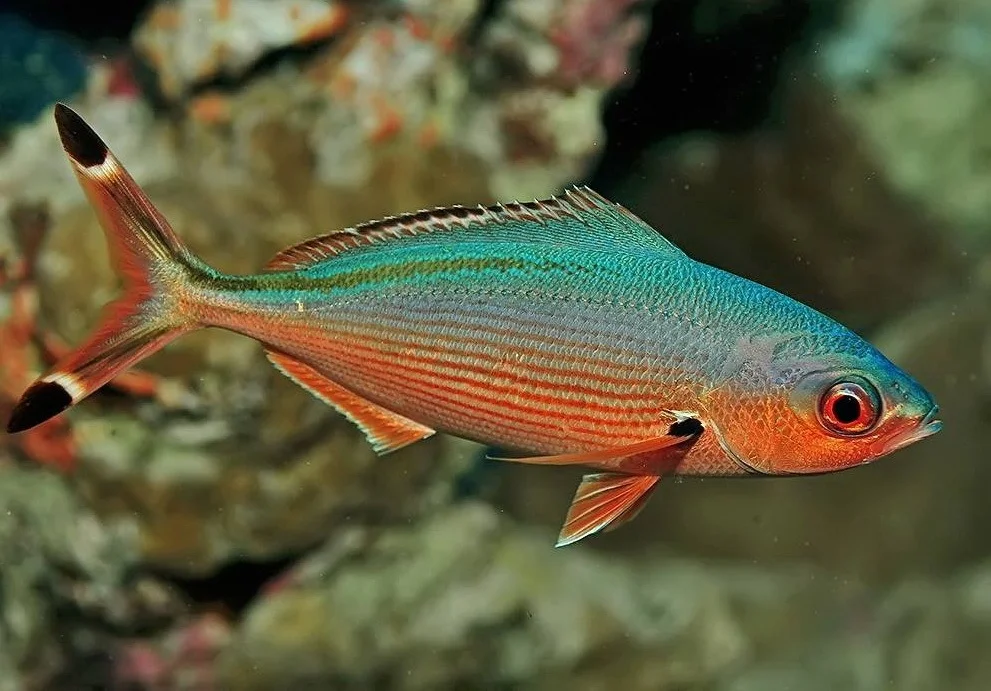
Artificial reefs in Malaysia serve as critical havens for a diverse range of marine organisms, attracting species not typically found on open sandy bottoms. Divers frequently spot frogfish, camouflaged masters of their environment, blending seamlessly with the structures.
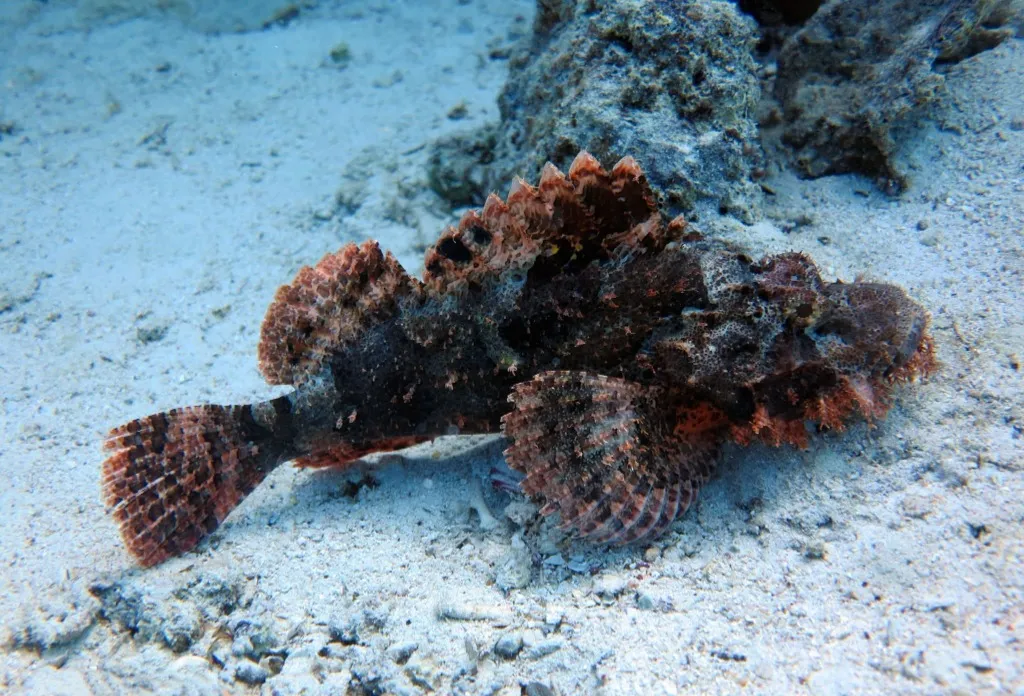
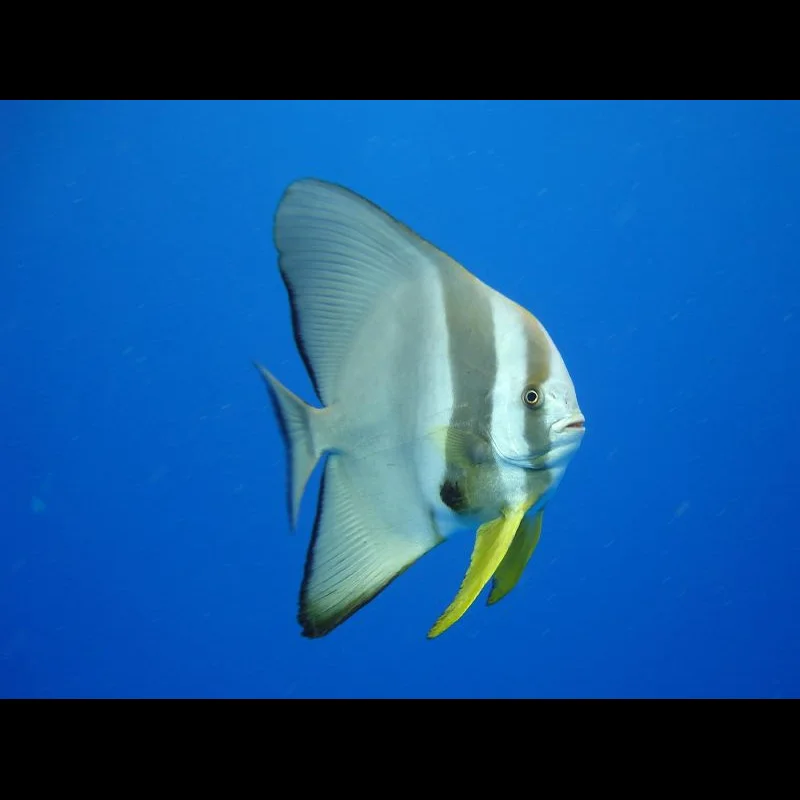
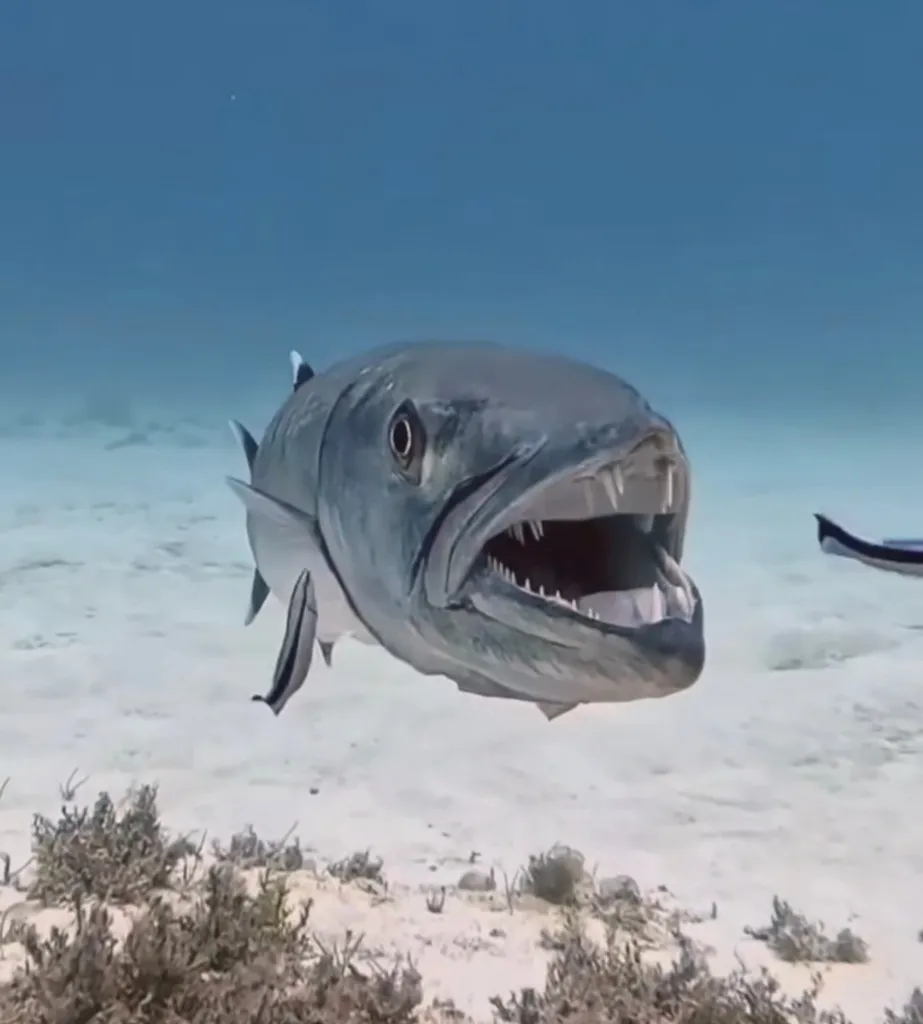
You'll encounter schools of juvenile barracuda, fusiliers, and batfish congregating around the larger formations. Closer inspection often reveals scorpionfish, stonefish, and lionfish, along with a variety of nudibranchs.
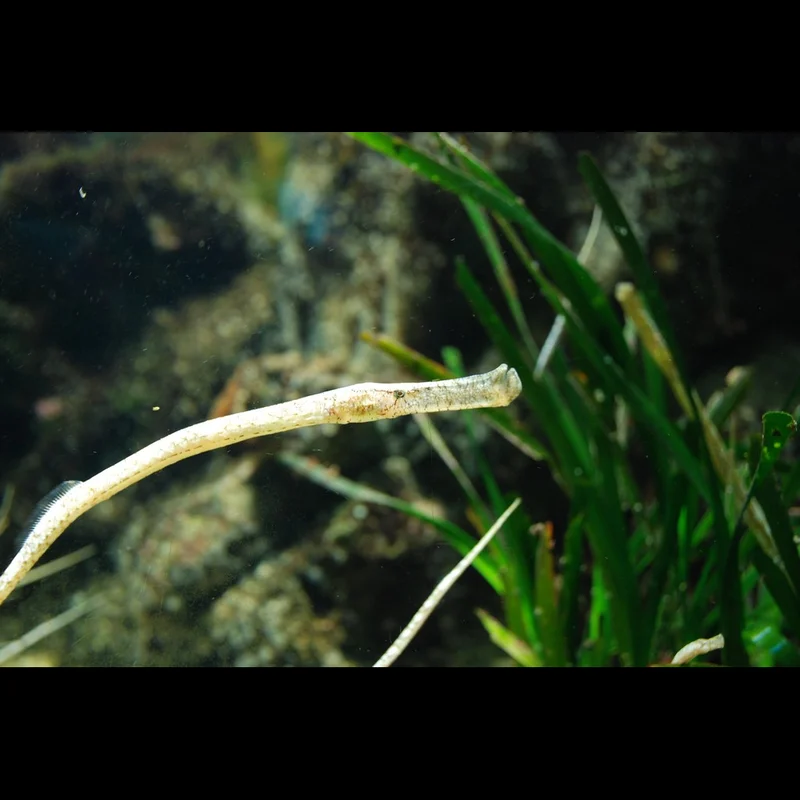
Lucky divers might also find pipefish, coral cod, seahorses, and the mesmerizing blue-ringed octopus.
Dive Sites Near Artifical Reef
View all dive sites in MalaysiaDiscover more underwater gems in this area.
Dive Centers Near Artifical Reef
Nearest Airports
Nearest airports to help plan travel to this dive area.
Search Flights
Check available flights and routes on Expedia, using the nearby airports listed in this section.
Search Flights on ExpediaFrequently Asked Questions
What is the typical depth range for artificial reef dives?
Most artificial reef sites in Malaysia can be explored at depths ranging from a minimum of 3 m (10 ft) down to a max depth of 25 m (82 ft). This wide range allows both beginner and experienced divers to enjoy the sites. The structures are designed to attract marine life across various depths.
Is specialized training required for diving artificial reefs?
While general open water certification is usually sufficient, good buoyancy control skills are highly recommended due to the intricate nature of the structures. Some sites with wreck components might benefit from an EANx certification for extended bottom time. Night diving on these reefs is also popular and would require appropriate training.
What kind of marine life can I expect to see?
These reefs are macro photography paradises, offering sightings of frogfish, nudibranchs, and ghost pipefish. You can also expect to see schools of juvenile barracuda, fusiliers, batfish, and various reef fish. Encounters with scorpionfish, stonefish, and lionfish are also common.
How clear is the visibility on artificial reef dives?
Visibility can vary significantly. Some reports suggest that visibility is 'often poor' around specific wreck sites within artificial reef complexes, especially those on muck or sandy bottoms where sediment can be disturbed. Conditions depend heavily on recent weather and currents.
Are there opportunities for night diving on these artificial reefs?
Yes, many dive operators offer guided night dives on house reefs, including artificial ones, like those found around Mabul Island. Night dives offer a completely different perspective, revealing nocturnal marine life and behaviors not typically seen during the day.
What are artificial reefs made of in Malaysia?
Artificial reefs utilize a variety of materials, including concrete blocks creating 'underwater skylines,' repurposed objects like truck tires, school buses, and lorries, and even deliberately sunk smaller wrecks. These diverse structures provide varied habitats for marine organisms.
Planning to dive Artifical Reef?
Send one inquiry and receive offers directly from the best verified local dive operators.
Conditions are Good
07:00 - 14:00
Optimal conditions expected
Current conditions near Artifical Reef show 27° air, 30° sea temperature, 0.6 m waves, and 15 km/h wind. Forecast data is refreshed regularly to ensure accuracy.