
Diving at South Channel (Belize)
South Channel in Belize offers an inviting entry point into the country's barrier reef system, distinctive for its accessible depths. Unlike more challenging nearby sites, this channel provides a tranquil reef and sandy bottom experience suitable for a wide range of divers. Starting with a mooring line in shallow water, it transitions gently, revealing diverse marine activity. A maximum depth of 8 m (26 ft) makes it a favored location for introductory dives and those seeking relaxed exploration.
As evening covers South Channel, the local air temperature is measured at 28.5°C. The current wave height at the surface is recorded at 0.4 m. These late-day readings characterize the surface conditions for the night.
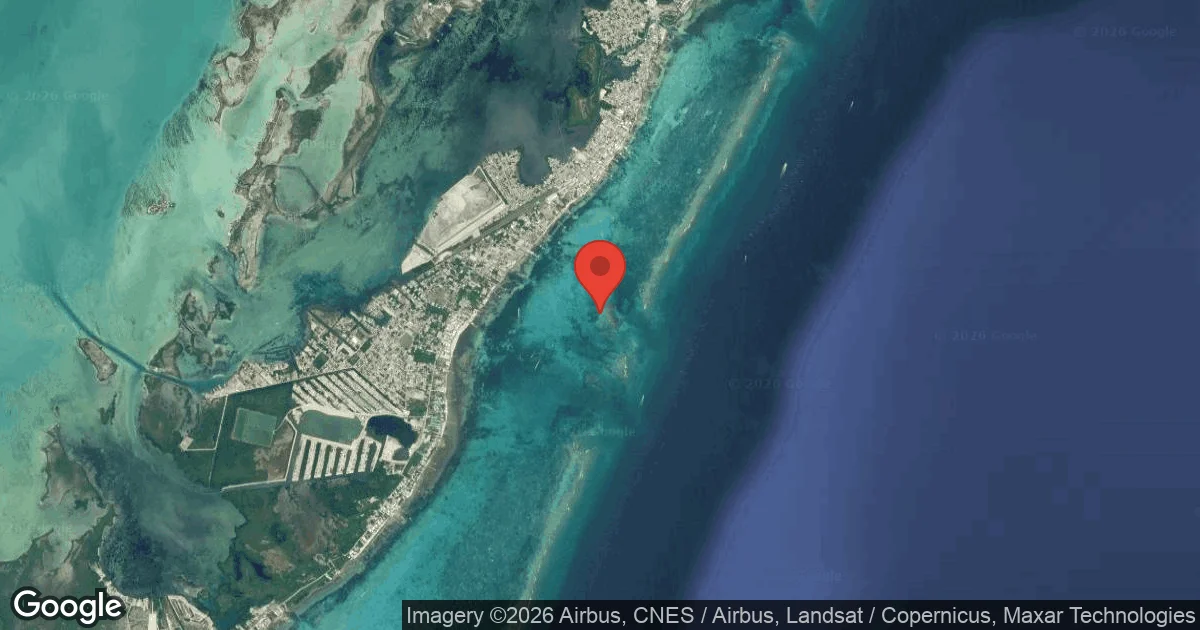
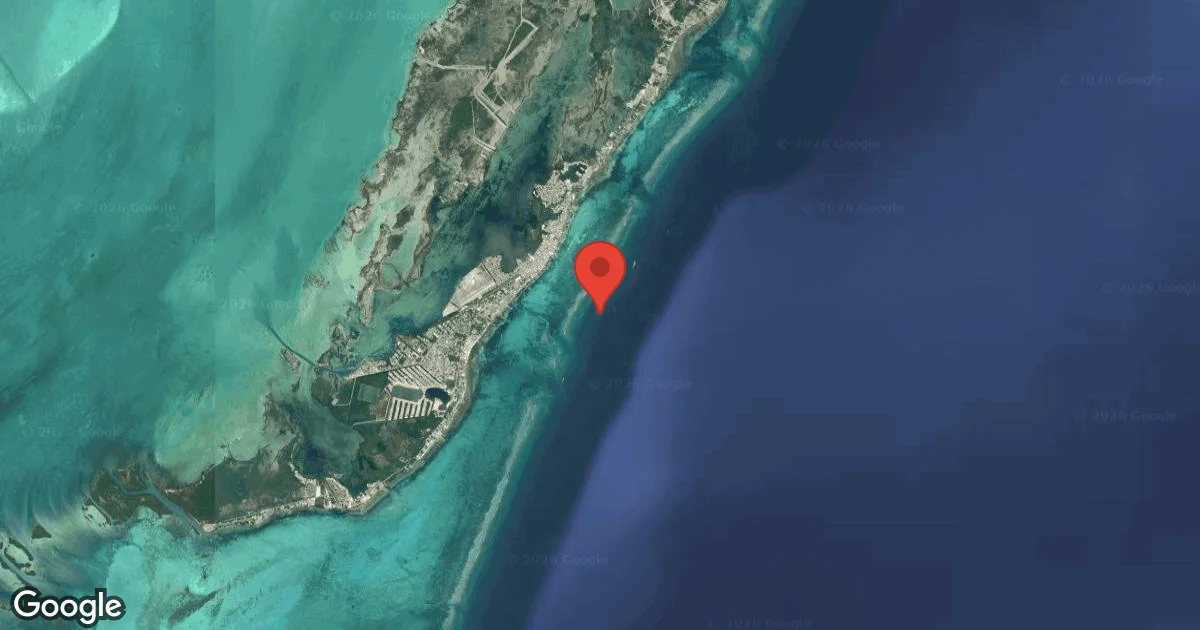
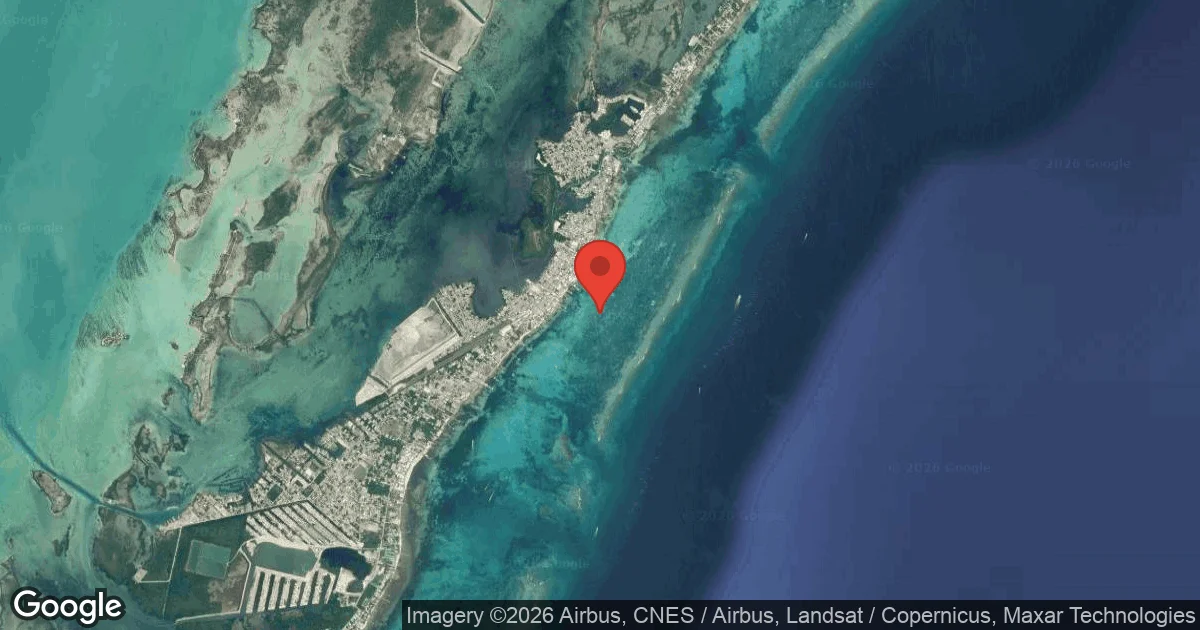
Dive Site Location & Key Facts
Dive Site Overview
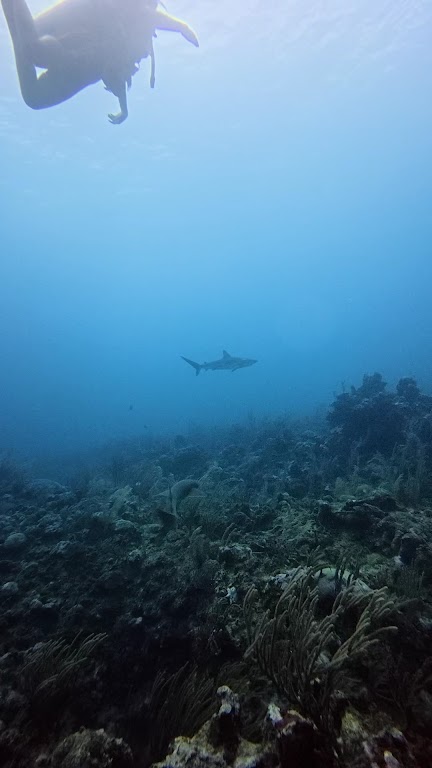
Diving South Channel provides a distinctive combination of reef and sandy bottom environments, acting as a gateway to the broader Belize Barrier Reef ecosystem. Descending gently from a shallow mooring line, typically around 4 m (12 ft), divers move eastward towards a healthy patch reef.
Here, coral formations host an assortment of smaller marine life, including various parrotfish, lobsters, crabs, and nudibranchs, often found in crevices. As the dive progresses to deeper sections, approaching the maximum depth of 8 m (26 ft), the landscape transitions into sandy and grassy areas. These sandy and grassy areas attract different species, frequently offering encounters with sea turtles and the occasional spotted eagle ray gliding over the seabed.
The channel's calm, often protected nature makes it suitable for divers still developing their skills or those preferring a relaxed pace. It functions as a crucial transit zone for marine life, hinting at the greater biodiversity of the area.
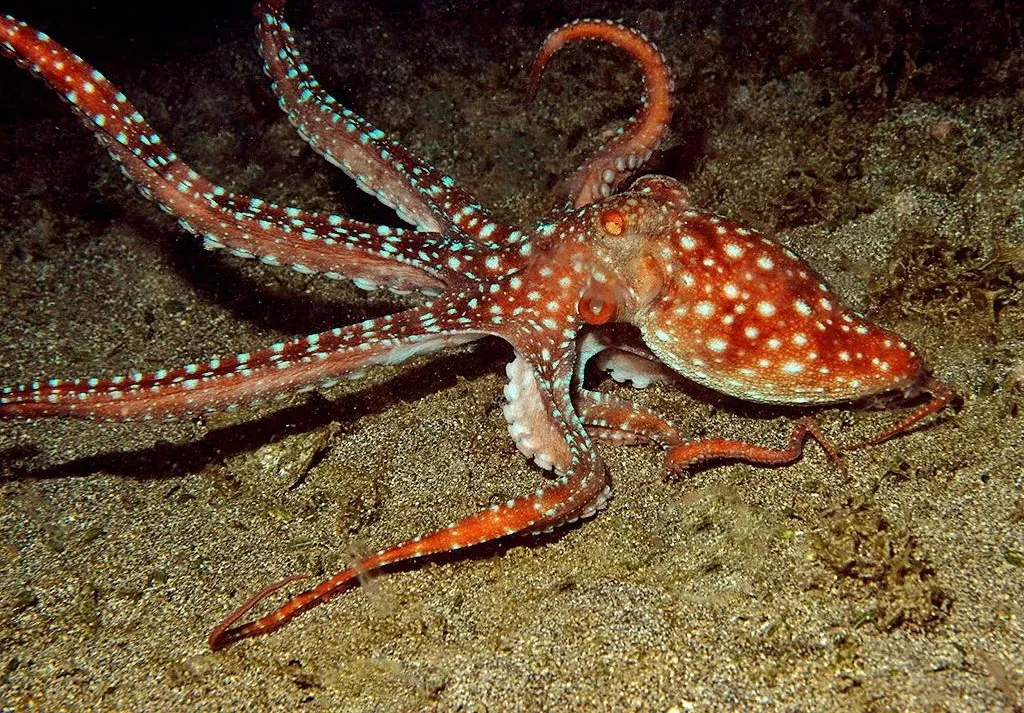
Additionally, this site is well-regarded for night diving opportunities; under the cover of darkness, observers might witness octopuses actively feeding or parrotfish sleeping cocooned within their protective bubbles. Its accessibility and blend of habitats provide a comprehensive, yet undemanding, underwater experience.
Conditions are Good
Optimal conditions expected
Current conditions near South Channel show 28° air, 31° sea temperature, 0.4 m waves, and 30 km/h wind. Forecast data is refreshed regularly to ensure accuracy.
Best Time to Dive
Optimal diving conditions at South Channel typically align with Belize's drier periods, generally from December through May. During these months, rainfall averages are at their lowest, often less than 2 mm (0.08 in) in April and May, contributing to more consistent visibility. Air temperatures during this peak season remain comfortably warm, ranging from approximately 25.5°C (78°F) in February to 28.5°C (83°F) in May. While water temperature specifics are not consistently reported, local conditions generally provide warm diving. Wind speeds and wave heights are also less pronounced during parts of this period, contributing to calmer surface conditions, though winds average 29.5-31.5 km/h (18.3-19.6 mph) throughout the good months. The wet season, from June to November, sees increased rainfall, peaking around 12.6 mm (0.5 in) in November, which can sometimes affect visibility. Despite the higher precipitation, diving remains good for much of this period, as indicated by moderate to good dive scores. August and September, for example, experience lower wave heights, around 0.6 m (2.0 ft), potentially offering smoother boat rides.
PEAK SEASON SCORE
Scores combine air & water temps, waves, wind & rainfall for overall conditions.
BEST MONTHS TO DIVE
Monthly records compiled from satellite and marine observation nodes over the last 3 years. Data provided by Open-Meteo and MET Norway.
Dive Experience & Conditions
A notably gentle current profile characterizes dives here, creating a relaxed experience ideal for newer divers or those focusing on macro observation. Entry typically involves a boat drop onto a mooring line in shallow water, making for a smooth descent. As divers explore towards the reef, visibility remains consistently good, a characteristic of Caye Caulker's surrounding waters, though specific metrics are not always reported. Water conditions are generally warm and inviting. Its recreational depth range ensures extended bottom times, allowing ample opportunity to meticulously explore the coral patches and sandy areas. During a dive, expect a gradual transition from hard coral structures to soft bottoms, each ecosystem supporting different marine species. Night dives here present a different dynamic, as nocturnal creatures emerge, highlighting the change in activity when ambient light fades. There isn't significant current to contend with, allowing for drift-free exploration.
Dive Difficulty & Safety Guidelines
Prudent diving practices are typically sufficient here, given the site's generally calm and shallow characteristics, making it a safe choice for Open Water certified divers. Always maintain good buoyancy control, especially when navigating around the delicate coral patches, to prevent accidental contact. While not known for strong currents, staying aware of your dive guide and group is prudent, particularly in channel environments where subtle water movement can occur.
The site's shallower profile keeps divers well within no-decompression limits, but consistent depth monitoring is still advised. For night dives, ensure your primary and backup lights are fully charged and functional, and maintain close proximity to your buddy.
Dive flags and surface marker buoys are recommended tools, especially if planning any surface time, to ensure visibility to boat traffic. Common practice in busy dive destinations.
Always plan your dive and dive your plan, ensuring you're familiar with the site's layout and expected conditions.
Recommended Equipment
- Dive Computer
- DSMB
This gear list is based on verified equipment signals for South Channel, Belize. Always confirm final gear choices with your dive operator, guide, or liveaboard.
Recommended Dive Suit
Divers visiting South Channel today can expect water conditions around 31°C (87°F). Surface air temperatures are resting at 28°C (83°F).
For the majority of recreational dives here, dive skin or rash guard should provide suitable protection. A hood or vest is suggested for sensitive divers due to surface winds.
Weather models currently point toward consistent diving conditions over the next several days.
Emergency & Medical Support
Essential information to help you plan your dive trip to South Channel.

Hyperbaric chambers are a critical part of dive safety infrastructure. Availability varies significantly by region, and not all dive areas have immediate access.
Before diving, it's recommended to:
- confirm nearest medical facilities
- check emergency procedures with local dive operators
- ensure dive insurance covers evacuation if required
Divers Alert Network
Diving emergency assistance available through DAN World.
+1-919-684-9111- 24/7 emergency hotline
- Diving medical assistance
- Evacuation coordination
Emergency contacts are provided for reference. Always verify local emergency services before diving.
Marine Life at South Channel
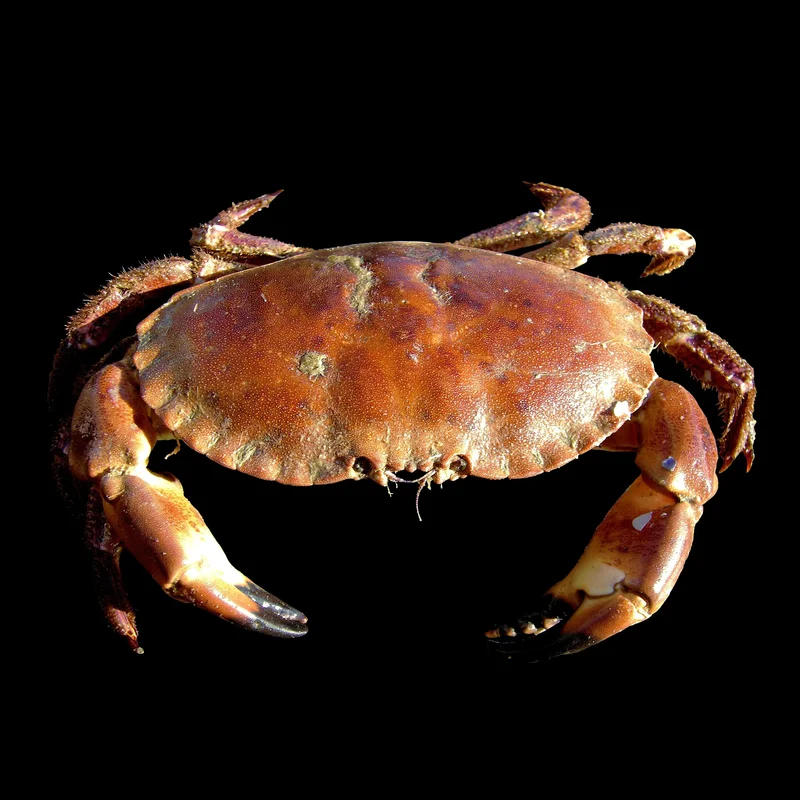
A rich diversity of smaller reef inhabitants and larger transitory species populate this channel's mixed habitat. Within the coral patches, divers frequently encounter colorful parrotfish, various crabs, and lobsters, alongside fascinating nudibranchs and shrimps.
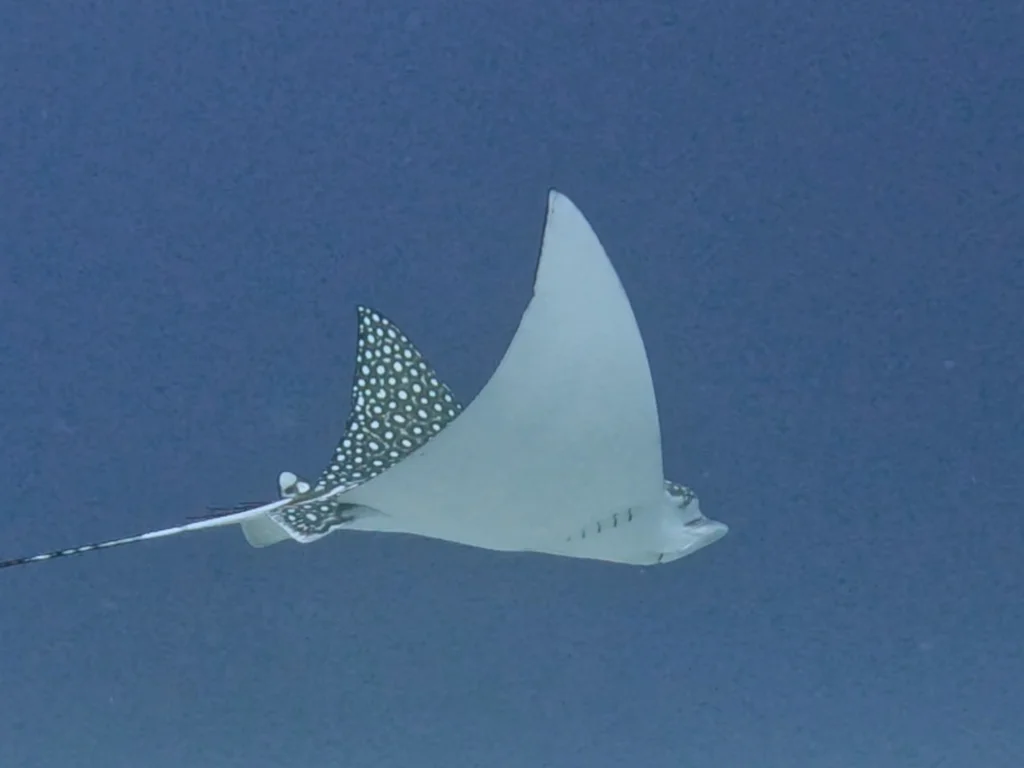
On night dives, the channel becomes particularly active; octopuses are often seen hunting and parrotfish observed sleeping in their mucous bubbles. The sandy and grassy sections, especially at deeper parts, are prime areas for spotting green sea turtles and the graceful movements of spotted eagle rays.
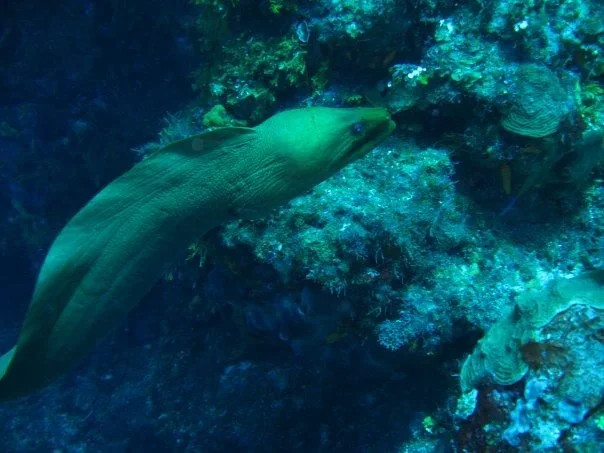
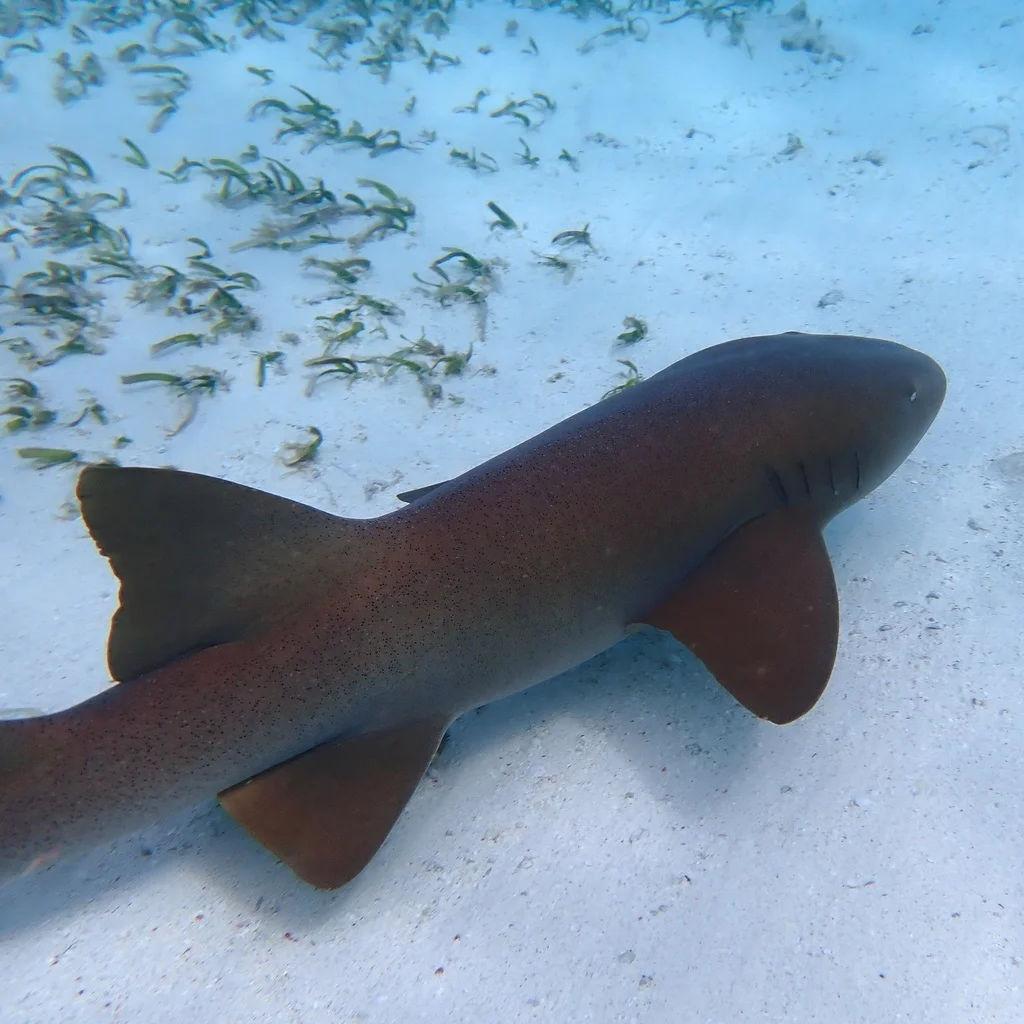
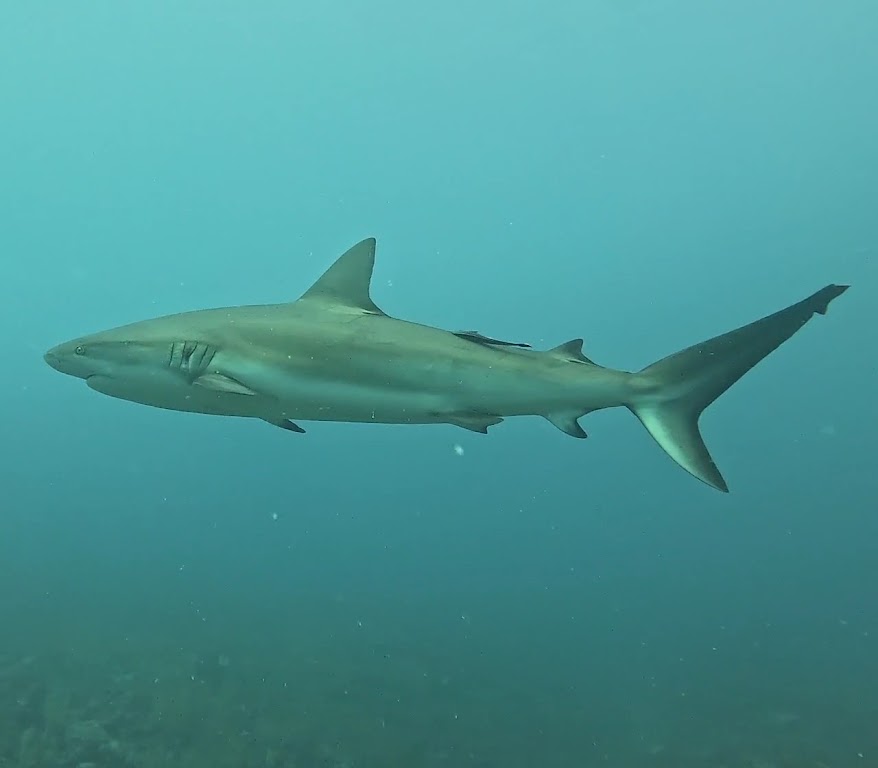
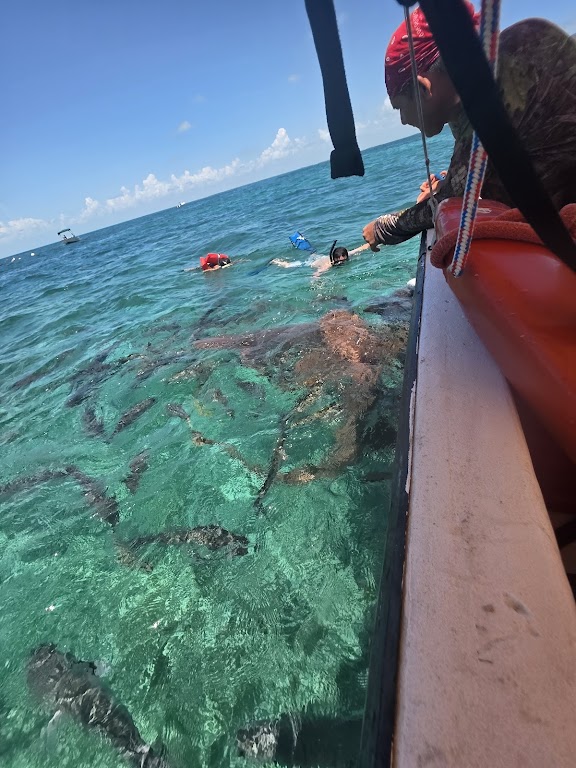
While large pelagics are less common directly within the channel, nurse sharks are occasionally seen resting under ledges. Divers might also spot moray eels active around the reef and a variety of smaller, camouflaged critters requiring a keen eye.
Dive Sites Near South Channel
View all dive sites in BelizeDiscover more underwater gems in this area.
Dive Centers Near South Channel
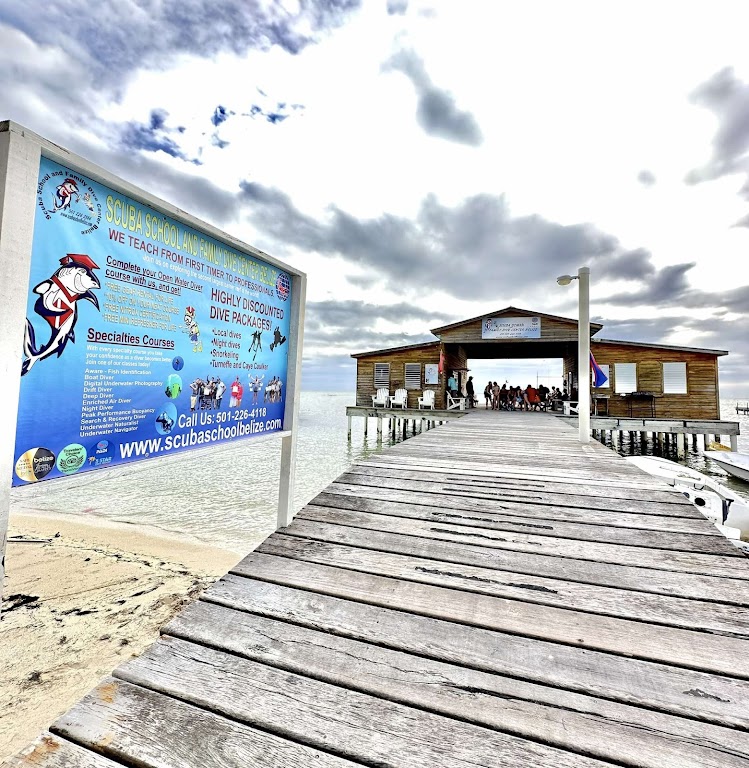
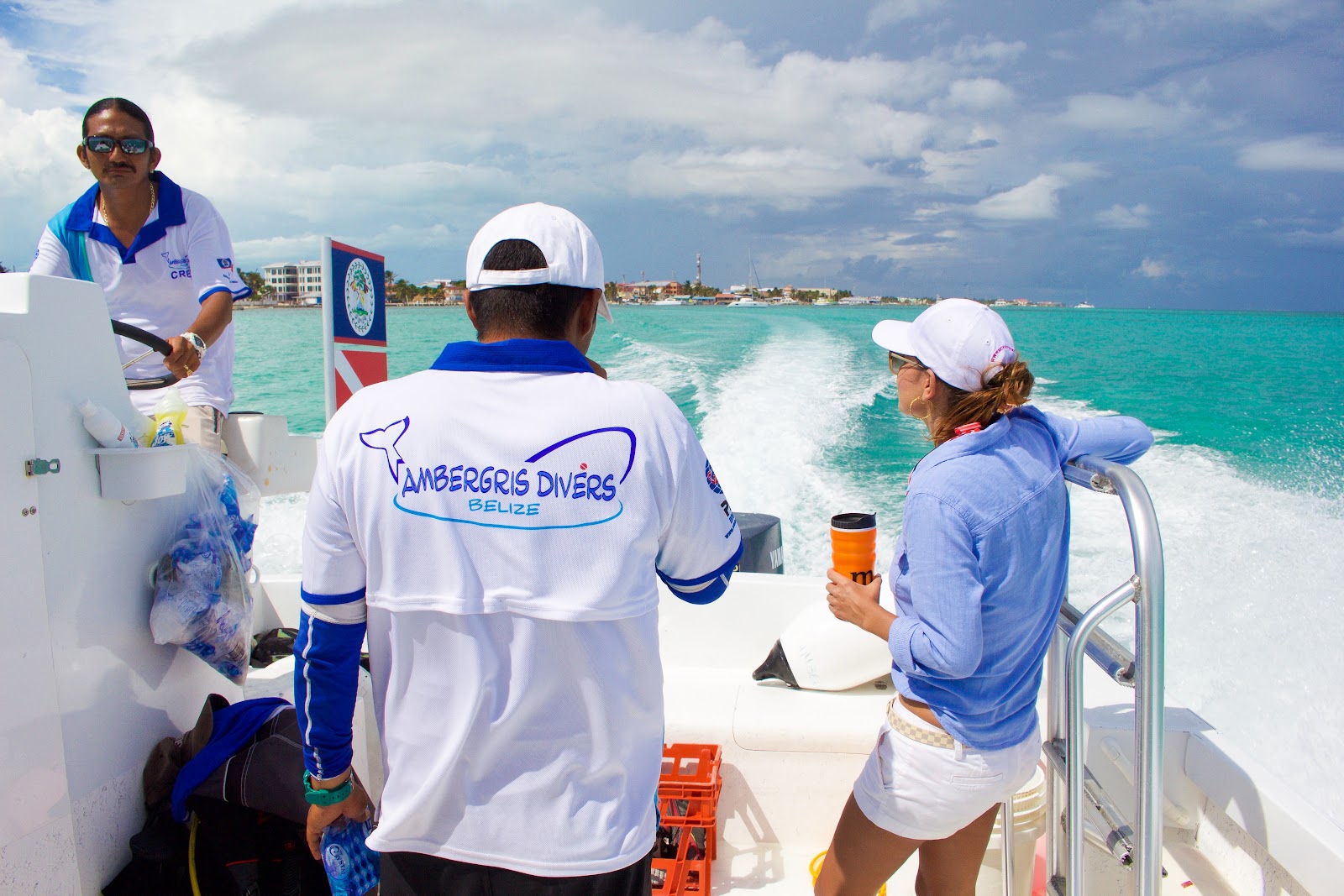
Today: 08:15 - 11:00 • 16:30 - 19:00
Nearest Airports
Nearest airports to help plan travel to this dive area.
Search Flights
Check available flights and routes on Expedia, using the nearby airports listed in this section.
Search Flights on ExpediaFrequently Asked Questions
What certification level is suitable for diving South Channel?
South Channel is primarily a shallow site, making it suitable for PADI Open Water Divers and above. It's also an excellent location for Discover Scuba Diving experiences or refreshers due to its manageable depths.
What is the maximum depth encountered at this dive site?
The deepest part of South Channel reaches approximately 8 m (26 ft). Dives typically start shallower, around 4 m (12 ft), near the mooring line before heading towards the reef and sandy areas.
Are there strong currents to be aware of in South Channel?
South Channel is generally characterized by gentle current conditions, making it a relaxed dive. Unlike some other channel dives in the region, strong currents are not a typical feature here.
Can night diving be done at South Channel?
Yes, South Channel is a popular spot for night dives. During these dives, you have opportunities to observe nocturnal marine life such as octopuses hunting and parrotfish sleeping within their protective mucous cocoons.
What type of marine life can divers expect to see?
Divers regularly encounter parrotfish, lobsters, crabs, and nudibranchs among the coral patches. The sandy and grassy areas are often home to sea turtles and spotted eagle rays, while nurse sharks may be found resting under ledges.
Is South Channel suitable for beginner divers?
Absolutely. Its shallow depths, gentle currents, and well-defined features make South Channel an ideal site for new divers, refresher courses, and those building their confidence underwater.
Planning to dive South Channel?
Send one inquiry and receive offers directly from the best verified local dive operators.
Conditions are Good
Optimal conditions expected
Current conditions near South Channel show 28° air, 31° sea temperature, 0.4 m waves, and 30 km/h wind. Forecast data is refreshed regularly to ensure accuracy.