
Diving at Keeper Reef (Australia)
Navigating Keeper Reef presents a rewarding challenge for divers seeking a true coral maze experience. Its intricate layout of bommies and ridges offers a journey of discovery rather than a straightforward wall dive. Here, keen observation and good buoyancy are your most valuable tools, unlocking a vibrant ecosystem within its unique structure. Prepare to weave through the reef, exploring every crevice.
Tonight's objective overview for Keeper Reef shows an air temperature of 23°C. The measured surface conditions include wave heights around 1.3 m. This environmental data is logged for the close of the day.
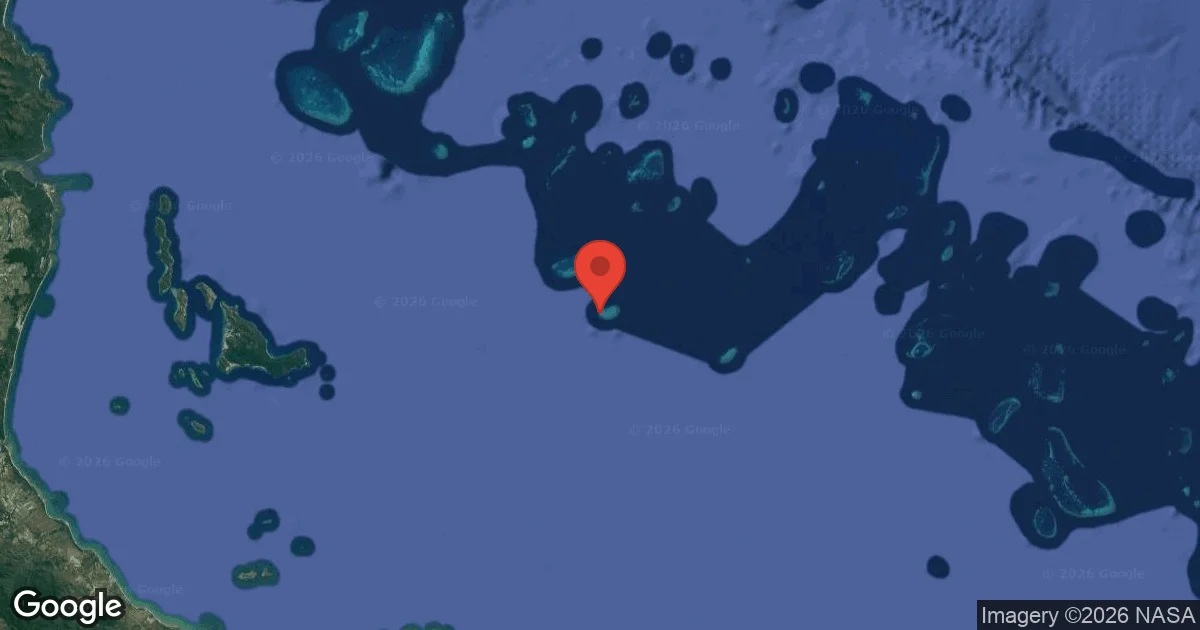
Dive Site Location & Key Facts
Dive Site Overview
Entering Keeper Reef, divers encounter a expansive coral garden, distinguished by an intricate network of coral ridges and distinct bommies. This creates a natural maze, inviting exploration of diverse reef lanes.
Unlike single-wall reef dives, the site demands active navigation, offering continuous visual interest across its varied structure. Depths are generally recreational, extending up to 16 m (52 ft). Some reports indicate a wider maximum depth, making it accessible for various certification levels.
Throughout the dive, visibility often ranges around 12 meters, allowing clear views of the healthy corals, including striking gorgonians and spikey soft corals. Expect to spend your dive tracing the contours of the reef, investigating ledges, and observing the steady flow of marine life that calls this maze home.
The relaxed pace rewards slow, deliberate exploration, making it a compelling spot for those who appreciate detailed reef structures.
Conditions are Moderate
Optimal conditions expected
Current conditions near Keeper Reef show 23° air, 23° sea temperature, 1.6 m waves, and 37 km/h wind. Forecast data is refreshed regularly to ensure accuracy.
Best Time to Dive
Planning a visit to Keeper Reef is largely dictated by local Townsville reef boat operators, who select sites based on prevailing sea conditions, allowing for year-round diving opportunities. Optimal visibility often occurs during months with lower rainfall and calmer winds, typically from October through November. During these periods, average air temperatures hover around 25-27°C (77-81°F), with minimal rainfall, averaging less than 2 mm (0.08 in) per month. Wave heights are generally lower, averaging around 0.7-0.8 m (2.3-2.6 ft), contributing to more comfortable surface conditions and potentially clearer waters. While June also presents good dive scores, monthly averages show slightly higher wind speeds and wave heights, suggesting October and November often provide the best combination of factors for maximizing underwater visibility and overall dive comfort.
PEAK SEASON SCORE
Scores combine air & water temps, waves, wind & rainfall for overall conditions.
BEST MONTHS TO DIVE
Monthly records compiled from satellite and marine observation nodes over the last 3 years. Data provided by Open-Meteo and MET Norway.
Dive Experience & Conditions
Opening with its character, Keeper Reef reveals shallow coral gardens, a terrain defined by bombie and ridge formations. Weaving across these coral lanes, a dynamic underwater landscape keeps reef life consistently active. Water temperatures track seasonal patterns, aligning with typical tropical conditions for this area. Divers frequently encounter light currents and gentle surge, contributing to a comfortable drift through the reef's channels. Visibility often reaches around 12 meters, providing clear views of the thriving coral structures. This relatively shallow depth profile allows for generous bottom times, perfect for extensive exploration of the coral maze and its diverse inhabitants. An overall sensory impression emerges: gentle movement through an intricate, vibrant underwater garden.
Dive Difficulty & Safety Guidelines
Approaching Keeper Reef safely demands adherence to standard Great Barrier Reef diving practices, even though it's considered shallow by regional standards. Access to the site is exclusively by boat, typically arranged through Townsville reef diving operations. Divers should always follow the guide line-up from the boat to maintain orientation within the coral garden.
Buoyancy control is crucial, particularly when navigating over the delicate coral ridges and bommies, preventing accidental contact. Keeping an eye out for resident sharks and turtles moving through the reef lanes is also advisable.
While not presenting extreme hazards, responsible diving and awareness of your surroundings are key to a safe and enjoyable experience at this intricate coral maze.
Recommended Equipment
- Dive Computer
This gear list is based on verified equipment signals for Keeper Reef, Australia. Always confirm final gear choices with your dive operator, guide, or liveaboard.
Recommended Dive Suit
For relaxed exploration dives, 3-5mm wetsuit generally provides adequate warmth. Consider warmer surface protection (like a boat coat) due to brisk winds. Water conditions at Keeper Reef are currently measured at approximately 23°C (74°F). Surface air temperatures are resting at 23°C (74°F).
Forecast trends indicate similar diving conditions over the next few days.
A diver's personal tolerance to cold water can play a large role in suit selection.
Due to technical issues with our weather providers, live updates are temporarily delayed. The data above reflects the conditions at the time of the last successful fetch.
Emergency & Medical Support
Essential information to help you plan your dive trip to Keeper Reef.

Hyperbaric chambers are a critical part of dive safety infrastructure. Availability varies significantly by region, and not all dive areas have immediate access.
Before diving, it's recommended to:
- confirm nearest medical facilities
- check emergency procedures with local dive operators
- ensure dive insurance covers evacuation if required
Divers Alert Network
Diving emergency assistance available through DAN World.
+1-919-684-9111- 24/7 emergency hotline
- Diving medical assistance
- Evacuation coordination
Emergency contacts are provided for reference. Always verify local emergency services before diving.
Marine Life at Keeper Reef
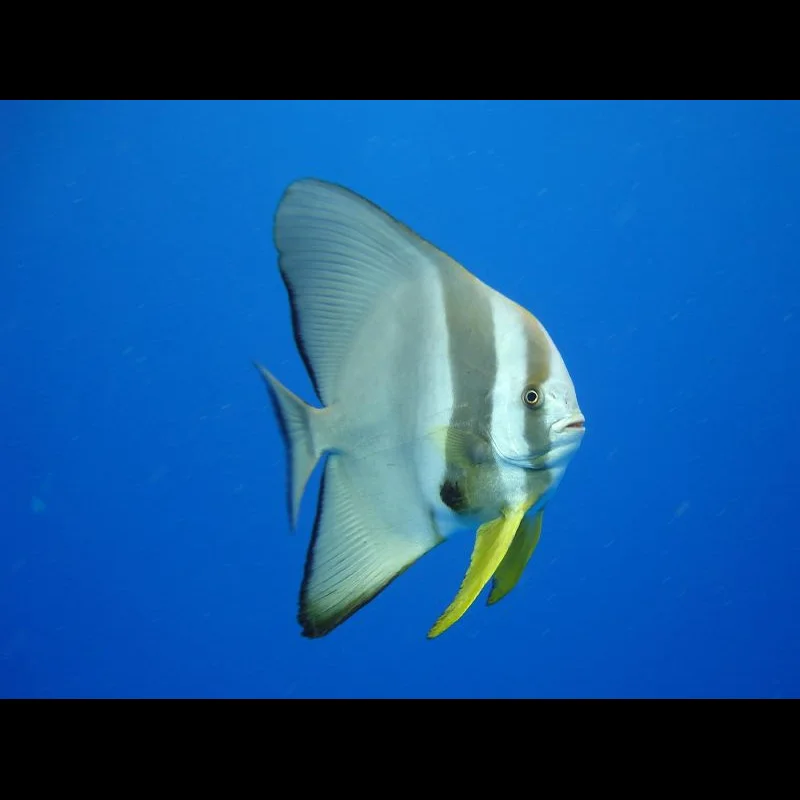
A vibrant ecosystem thrives within Keeper Reef's coral maze, offering plentiful encounters with diverse species. Schools of fusiliers, coral trout, rabbitfish, and batfish are common sights, often congregating around the numerous bommies.
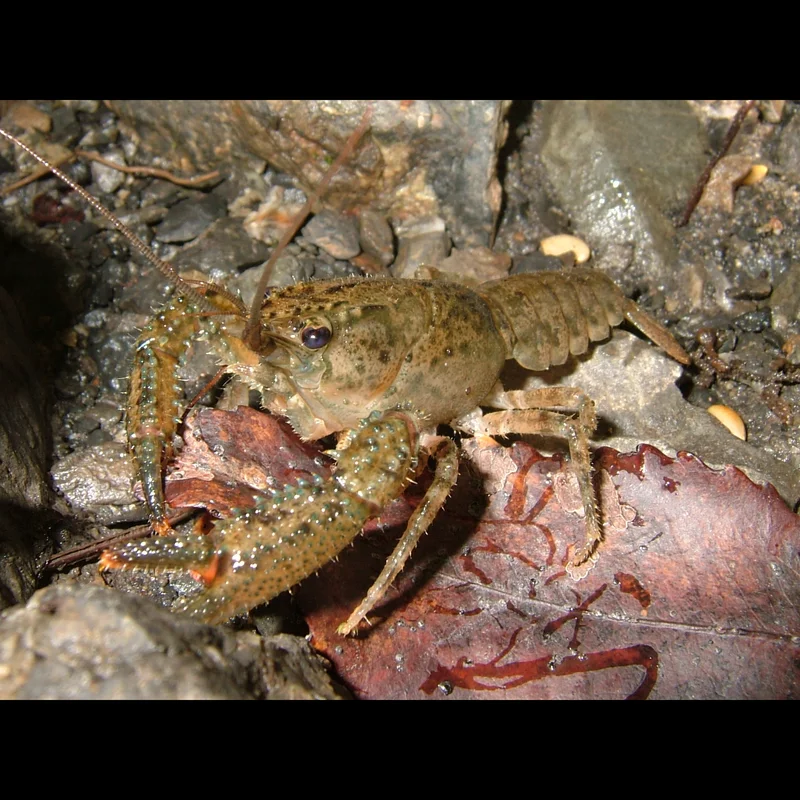
Investigating the many ledges and crevices might reveal crayfish, rock cods, and squirrelfish hidden amongst the coral. Larger pelagics like trevally and bait fish frequently patrol the reef lanes.
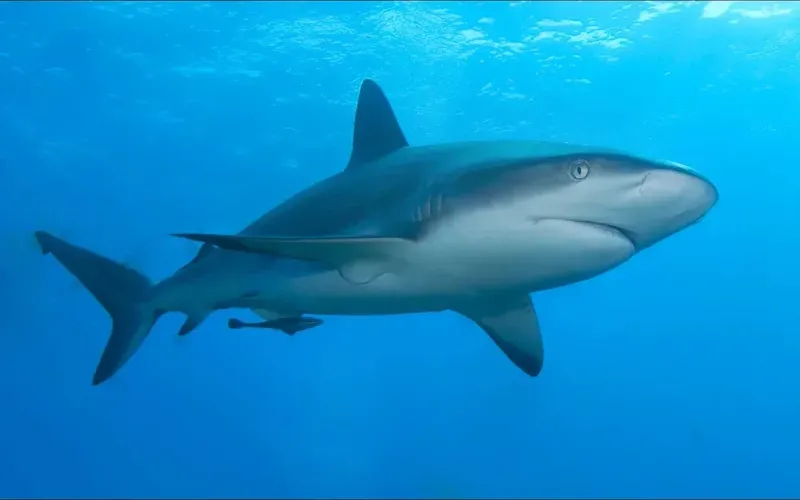
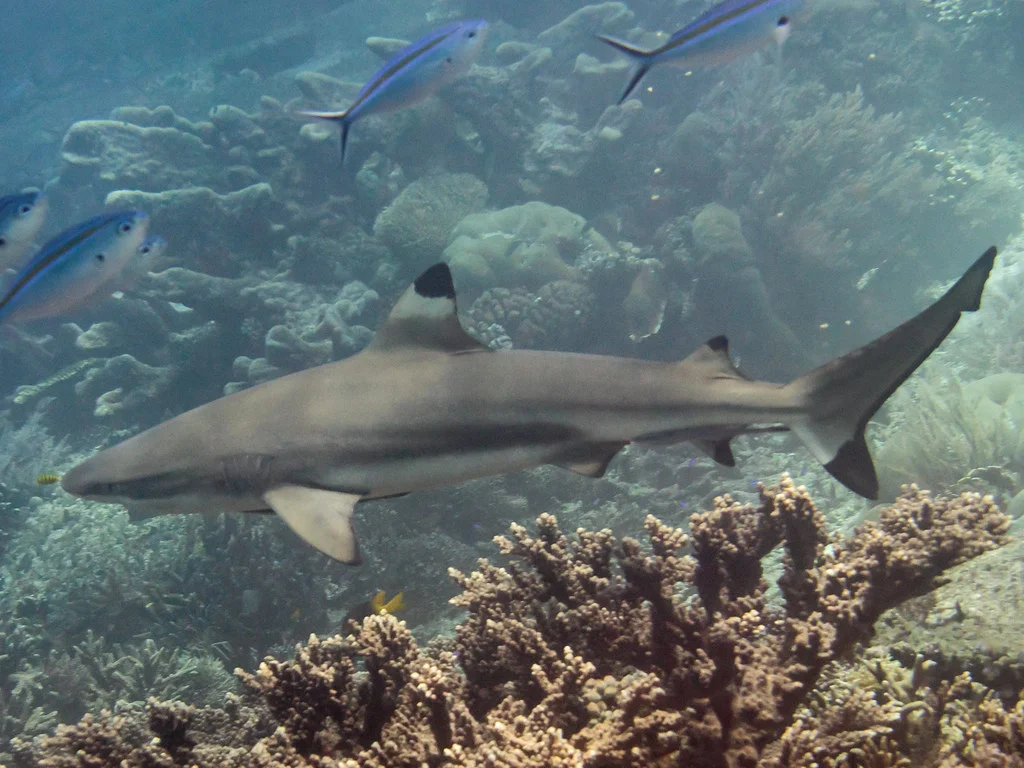
Look out for the resident Green Turtles gracefully navigating the reef, and keep an eye peeled for Whitetip Reef Sharks and occasional Blacktip Reef Sharks resting or cruising through the channels. Sweetlips and barramundi cod are also regular inhabitants, adding to the rich biodiversity.
Dive Sites Near Keeper Reef
View all dive sites in AustraliaDiscover more underwater gems in this area.
Dive Centers Near Keeper Reef
No Dive Centers Local To Keeper Reef
Are you a dive center visiting this location? Get listed to reach divers.
Nearest Airports
Nearest airports to help plan travel to this dive area.
Search Flights
Check available flights and routes on Expedia, using the nearby airports listed in this section.
Search Flights on ExpediaFrequently Asked Questions
How deep is Keeper Reef?
Keeper Reef is generally considered a shallow dive site. Reported depths range up to 16 m (52 ft). Some operators indicate a potential maximum depth of 20 meters, making it suitable for beginner and experienced divers alike.
Is Keeper Reef a boat-only dive site?
Yes, access to Keeper Reef is exclusively by boat. Divers typically visit the site as part of a guided boat dive experience organised by Townsville reef diving operators.
What kind of terrain does Keeper Reef have?
The terrain at Keeper Reef features extensive shallow coral gardens. It's characterised by a distinct 'coral maze' structure, formed by numerous ridges and prominent bommies that create easy-to-navigate reef lanes.
What makes Keeper Reef different from a single-wall reef dive?
Unlike a single-wall reef dive, Keeper Reef offers a complex, multi-dimensional environment. Its network of ridges and bommies requires active navigation and encourages exploration of varied coral lanes and hidden corners, rather than simply following one linear structure.
What marine life can divers expect at Keeper Reef?
Divers can expect a rich variety of marine life, including schools of fusiliers, coral trout, rabbitfish, and batfish. You'll likely see Green Turtles, Whitetip Reef Sharks, sweetlips, and barramundi cod, along with smaller inhabitants like crayfish and shrimp.
Why is Keeper Reef considered beginner-friendly?
Keeper Reef is deemed beginner-friendly due to its relatively shallow depths and often light currents. The clear navigation through coral lanes and abundant marine life in a relaxed setting provides an accessible and rewarding experience for newer divers.
Planning to dive Keeper Reef?
Send one inquiry and receive offers directly from the best verified local dive operators.
Conditions are Moderate
Optimal conditions expected
Current conditions near Keeper Reef show 23° air, 23° sea temperature, 1.6 m waves, and 37 km/h wind. Forecast data is refreshed regularly to ensure accuracy.