
Diving at Lodestone Reef (Australia)
Lodestone Reef's name traces back to a maritime history, drawing from the troop ships John Brewer, Kelso, and Arab that traversed these waters in 1842. While its nomenclature hints at historical passages, the reef today offers a vibrant, dynamic underwater journey. It stands as a popular destination for divers and snorkelers seeking the marine richness of the Great Barrier Reef, a place where history meets abundant natural beauty.
As evening covers Lodestone Reef, the local air temperature is measured at 22.5°C. The current wave height at the surface is recorded at 1.3 m. These late-day readings characterize the surface conditions for the night.
Dive Site Location & Key Facts
Dive Site Overview
Lodestone Reef stands out as the most dived outer reef in the Townsville region, making it a primary destination for day trips from Townsville and Magnetic Island. It's chosen for its diverse dive sites, remarkable coral cover, and plentiful fish life, alongside reasonable protection from prevailing weather.
Depths vary significantly across the reef, from shallow sections accessible to snorkelers at around 1 m (3 ft) to deeper areas reaching up to 25 m (82 ft), accommodating all levels of certified divers. Operators typically select the best site on any given day, adapting to current conditions to optimize the experience. Some locations feature grand coral bommies that rise majestically from white coral sand sea floors, providing shelter and foraging grounds for various species.
Other sections reveal extensive gutters cutting through the coral, often bustling with hundreds of reef fish, while colorful coral walls host innumerable marine animals in clear water. This inherent variety ensures that each visit can offer a distinct exploration within the reef system, presenting new encounters and perspectives on the vibrant underwater world.
Conditions are Moderate
Optimal conditions expected
Current conditions near Lodestone Reef show 23° air, 23° sea temperature, 1.7 m waves, and 33 km/h wind. Forecast data is refreshed regularly to ensure accuracy.
Best Time to Dive
Planning a dive at Lodestone Reef involves considering the seasonal patterns to enhance your experience. October and November generally present good conditions, marked by higher dive scores. During these months, air temperatures typically range between 25°C (77°F) and 26.5°C (80°F), with rainfall at its lowest, averaging 0.4 to 1.4 mm. June and December also offer good diving scores. From January to March, conditions are moderate, with air temperatures around 27.5°C to 28°C (82°F) and higher rainfall (10 to 22 mm). Water temperature data is not consistently reported, but typically remains warm in this tropical region. Winds and waves are generally moderate throughout the year, but can vary depending on specific weather systems.
PEAK SEASON SCORE
Scores combine air & water temps, waves, wind & rainfall for overall conditions.
BEST MONTHS TO DIVE
Monthly records compiled from satellite and marine observation nodes over the last 3 years. Data provided by Open-Meteo and MET Norway.
Dive Experience & Conditions
Descending into Lodestone Reef's waters offers a palpable sense of discovery, moving from vibrant shallows to deeper, complex structures. Divers encounter gorgeous hard coral gardens in the shallower sections, often overflowing with numerous reef fish. Deeper water reveals intricate coral canyons and impressive bommies that invite exploration, where soft corals, gorgonians, and sea whips add texture and color to the seascape. The range of sites around the reef means that conditions, particularly currents and visibility, might influence which specific location provides the best experience on any given day. Visibility is frequently described as clear, allowing for excellent viewing of the diverse marine communities.
Dive Difficulty & Safety Guidelines
Expert divers approaching Lodestone Reef understand the importance of respecting the local marine environment and adhering to established dive practices. Dive operators, many holding eco-tourism certifications, emphasize responsible interaction with the reef. Given the varying depths across its recreational range, divers should plan their profiles carefully and maintain appropriate buoyancy to protect the delicate coral structures.
Always dive within your certification limits and stay aware of your surroundings. Currents can occur, so following your dive guide's instructions and briefing is essential for a safe and enjoyable dive experience.
Consider using a surface marker buoy (SMB) for added visibility, particularly in areas with potential boat traffic or stronger currents.
Recommended Equipment
- Dive Computer
This gear list is based on verified equipment signals for Lodestone Reef, Australia. Always confirm final gear choices with your dive operator, guide, or liveaboard.
Recommended Dive Suit
Current diving conditions indicate water temperatures around 23°C (73°F) at Lodestone Reef. Surface air temperatures are resting at 23°C (73°F).
Conditions are expected to stay fairly consistent in the days ahead.
Most divers would typically feel comfortable using 3-5mm wetsuit in these conditions. Consider warmer surface protection (like a boat coat) due to brisk winds. Surface intervals may feel cooler. Dive depth and duration can significantly affect perceived warmth. Stronger winds may also make surface intervals feel cooler than usual.
Emergency & Medical Support
Essential information to help you plan your dive trip to Lodestone Reef.

Hyperbaric chambers are a critical part of dive safety infrastructure. Availability varies significantly by region, and not all dive areas have immediate access.
Before diving, it's recommended to:
- confirm nearest medical facilities
- check emergency procedures with local dive operators
- ensure dive insurance covers evacuation if required
Divers Alert Network
Diving emergency assistance available through DAN World.
+1-919-684-9111- 24/7 emergency hotline
- Diving medical assistance
- Evacuation coordination
Emergency contacts are provided for reference. Always verify local emergency services before diving.
Marine Life at Lodestone Reef
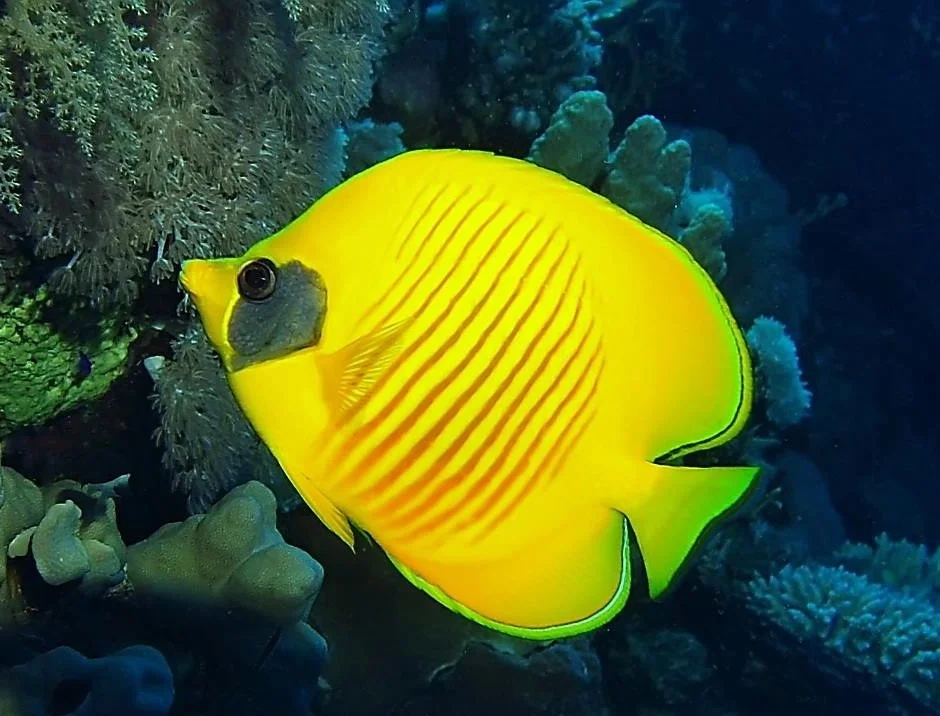
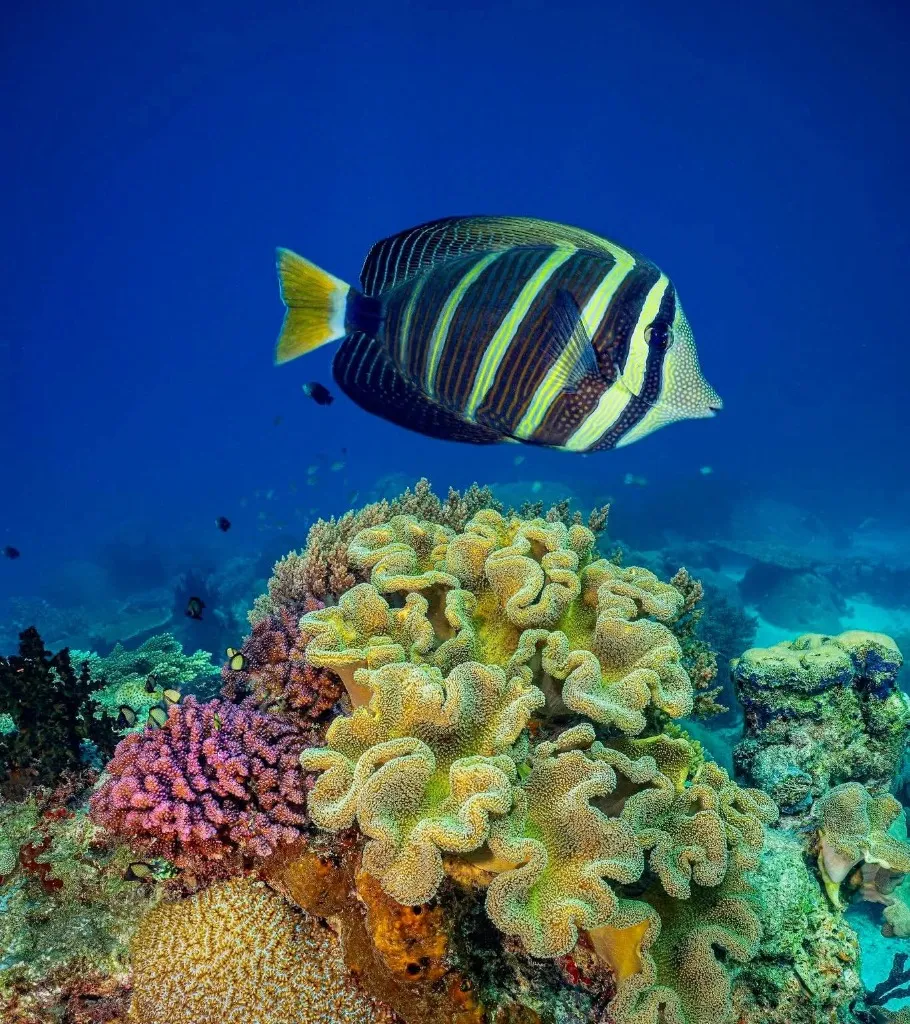
Life thrives across Lodestone Reef's vibrant ecosystems, making every dive a dynamic encounter with its residents. Shallower hard coral gardens are often teeming with reef fish, including anemonefish, butterflyfish, angelfish, and blue tangs.
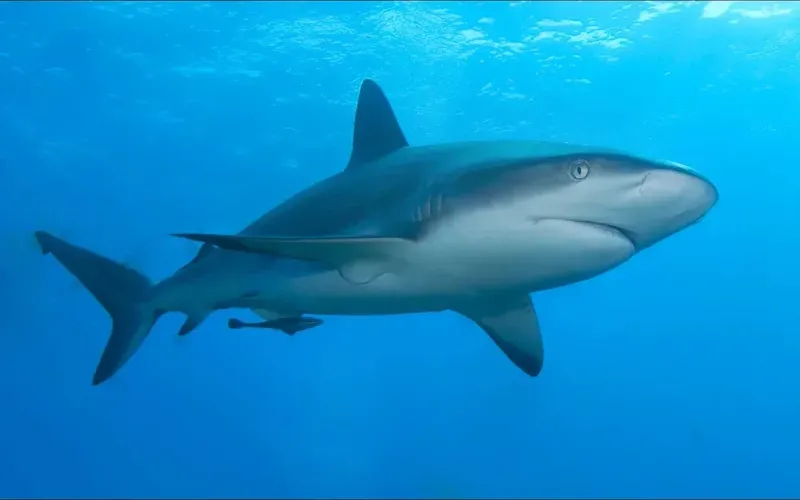
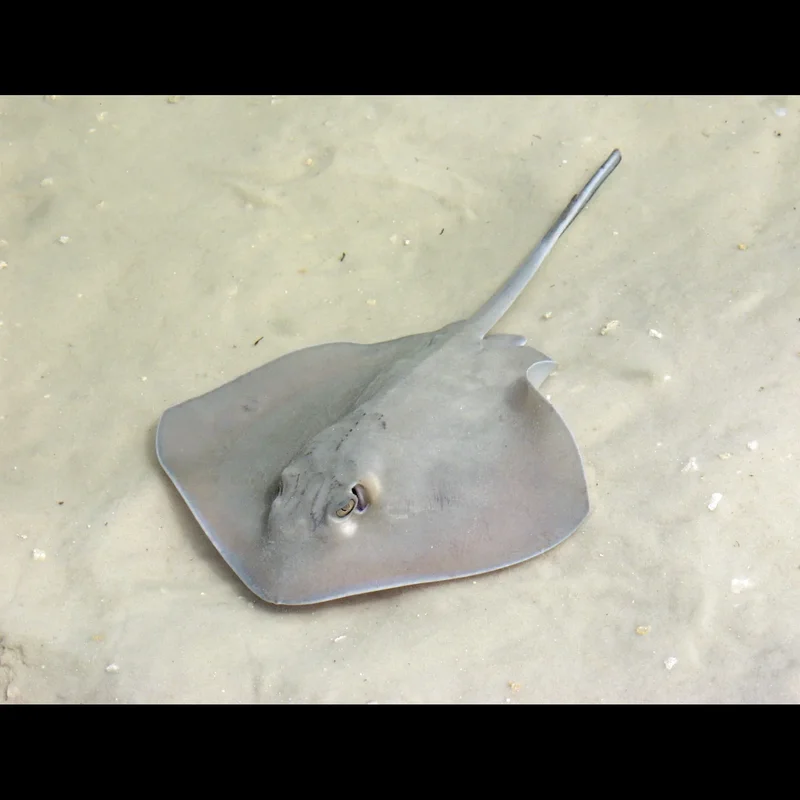
Looking closer, divers will spot fascinating invertebrates such as octopus, nudibranchs, and sea stars. Deeper sections host larger reef animals; here, you might observe reef sharks, stingrays, sweetlips, gropers, trevally, and barracuda.
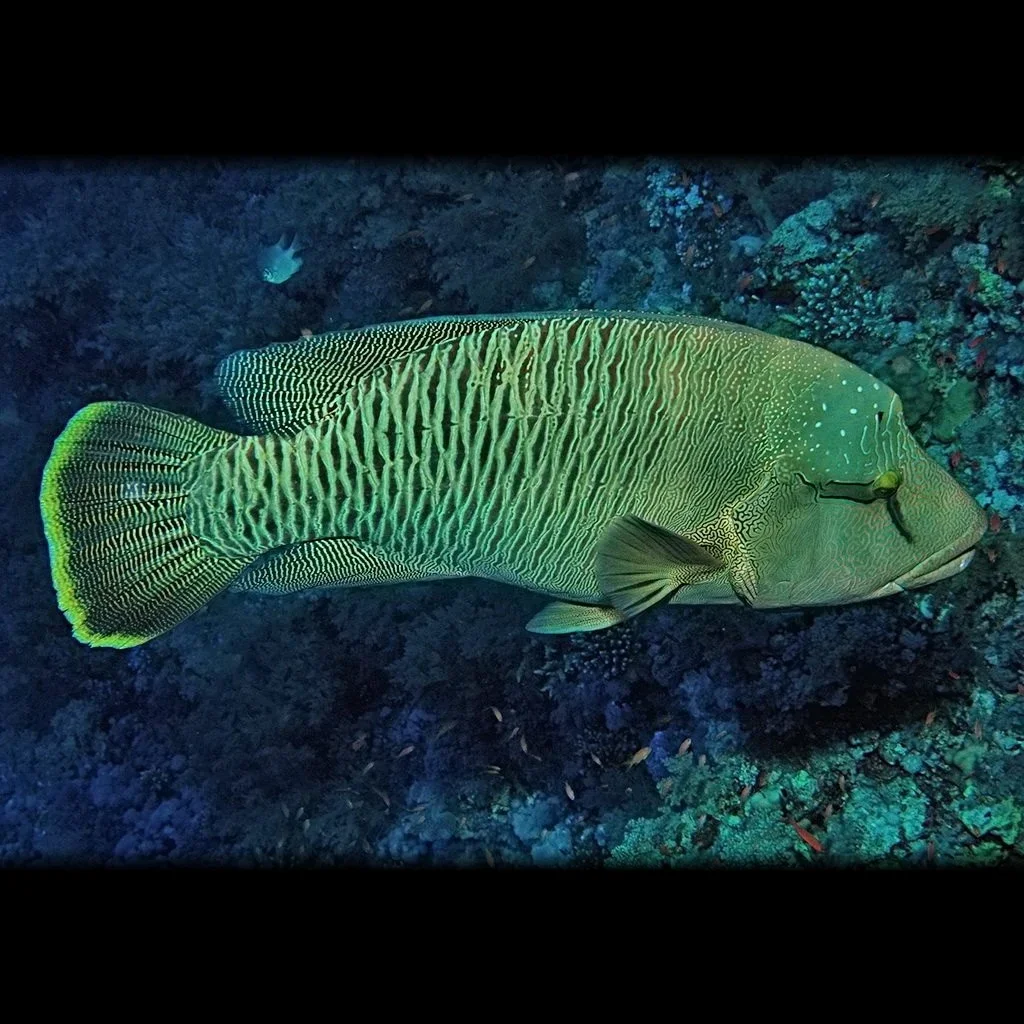
The occasional turtle is also a common sighting, gliding gracefully through the coral. Overall, the reef provides opportunities to spot iconic Great Barrier Reef species like Maori wrasse, clownfish, turtles, and reef sharks on a single dive.
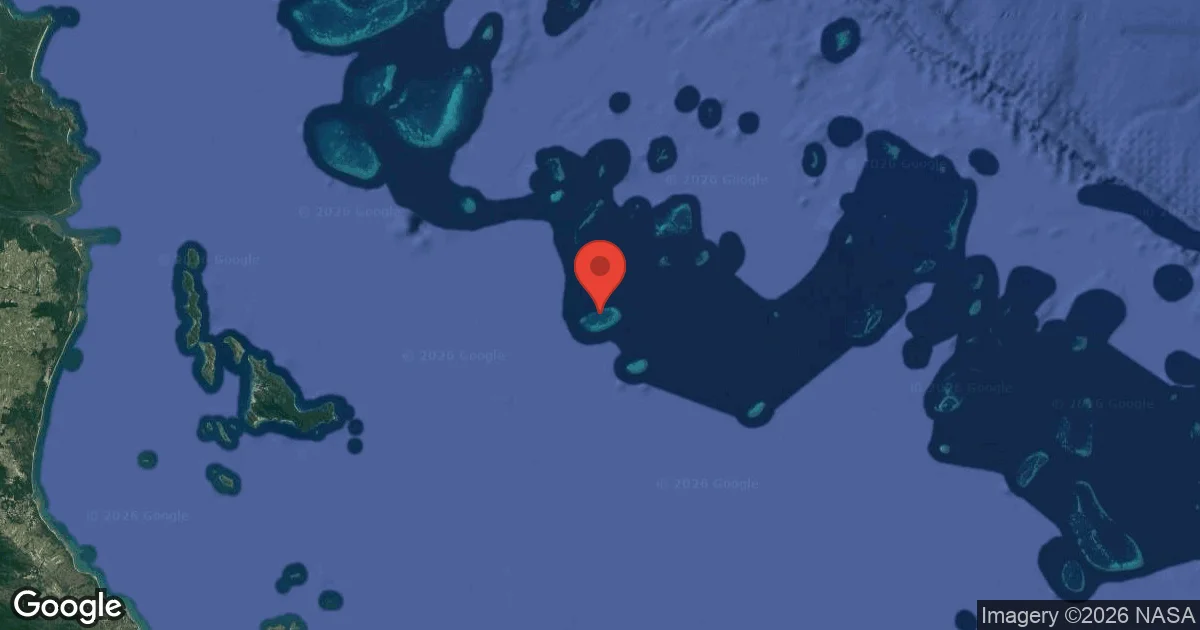
Dive Sites Near Lodestone Reef
View all dive sites in AustraliaDiscover more underwater gems in this area.
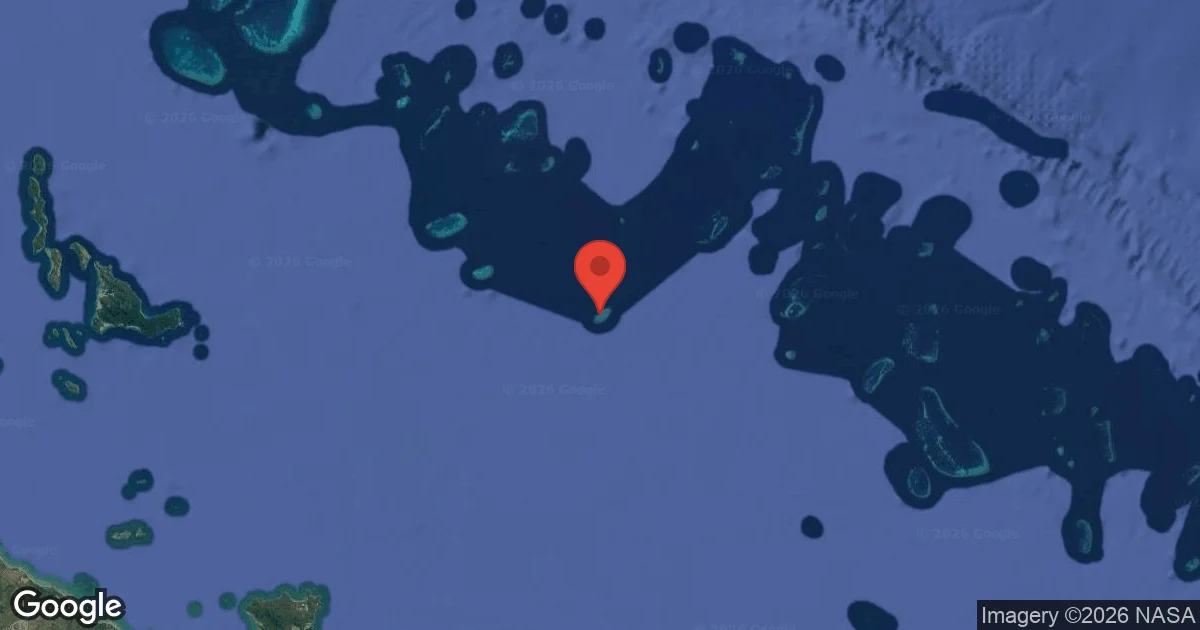
Dive Centers Near Lodestone Reef
No Dive Centers Local To Lodestone Reef
Are you a dive center visiting this location? Get listed to reach divers.
Nearest Airports
Nearest airports to help plan travel to this dive area.
Search Flights
Check available flights and routes on Expedia, using the nearby airports listed in this section.
Search Flights on ExpediaFrequently Asked Questions
What makes Lodestone Reef a popular dive destination?
Lodestone Reef is the most dived outer reef in the Townsville region, favored for its diverse dive sites, extensive coral cover, and rich fish life. It also offers reasonable protection from prevailing weather, making it a reliable choice for day trips from Townsville and Magnetic Island.
What types of marine life are common at Lodestone Reef?
Divers frequently encounter reef fish such as anemonefish, butterflyfish, angelfish, and blue tangs in shallower areas. Deeper sections host larger species like reef sharks, stingrays, sweetlips, gropers, and barracuda. Turtles and Maori wrasse are also common sightings, often on a single dive.
What are the typical dive depths at Lodestone Reef?
Depths range significantly, accommodating various diver levels from snorkelers to certified divers. Shallower sections are suitable for exploring coral gardens, while deeper areas extend to the site's maximum recreational depth. Operators tailor site selection to conditions and diver experience.
When is the best time to dive Lodestone Reef for optimal conditions?
October and November generally offer good conditions with higher dive scores, lower rainfall, and comfortable air temperatures. June and December also provide good opportunities. While January to March sees moderate conditions with higher rainfall, diving is possible year-round.
Are there specific safety guidelines for diving at Lodestone Reef?
Divers should always respect the marine environment and dive within their certification limits. Maintaining proper buoyancy is crucial to protect delicate coral structures, especially given the varying depths. Following your dive guide's instructions and briefing is essential, as currents can occur.
What can divers expect regarding visibility and currents?
Visibility at Lodestone Reef is frequently described as clear, offering excellent views of marine communities. Currents can occur and vary depending on specific sites and daily conditions. Dive operators typically select locations optimized for current conditions to enhance the experience.
What kind of coral formations can be found here?
Shallower areas feature vibrant hard coral gardens, often overflowing with numerous reef fish. Deeper sections reveal intricate coral canyons and impressive bommies. Divers will also see soft corals, gorgonians, and sea whips adding rich texture and color to the underwater landscape.
Planning to dive Lodestone Reef?
Send one inquiry and receive offers directly from the best verified local dive operators.
Conditions are Moderate
Optimal conditions expected
Current conditions near Lodestone Reef show 23° air, 23° sea temperature, 1.7 m waves, and 33 km/h wind. Forecast data is refreshed regularly to ensure accuracy.