
Diving at Steve's Bommie (Australia)
Current dynamics often play a role in the Steve's Bommie dive experience, adding to the vibrancy of this pinnacle site. Located within the northern Ribbon Reefs of Australia's Great Barrier Reef, the bommie rises from approximately 30 m (100 ft) to within 5 m (16 ft) of the surface. While a slight current might be present, it can enhance pelagic encounters by attracting schools of fish and sharks. Divers often find respite on the lee side of the structure.
Evening condition tracking at Steve's Bommie features an air temperature of 22.5°C. We have recorded wave heights measuring 2.2 m during this period. These figures outline the environmental parameters currently present.
Dive Site Location & Key Facts
Dive Site Overview
Steve's Bommie presents an iconic pinnacle, affectionately named, where divers explore a self-contained ecosystem dense with marine life. Rising dramatically from the seafloor at 30 m (100 ft) to just below the surface at 5 m (16 ft), it creates a complex habitat for countless species.
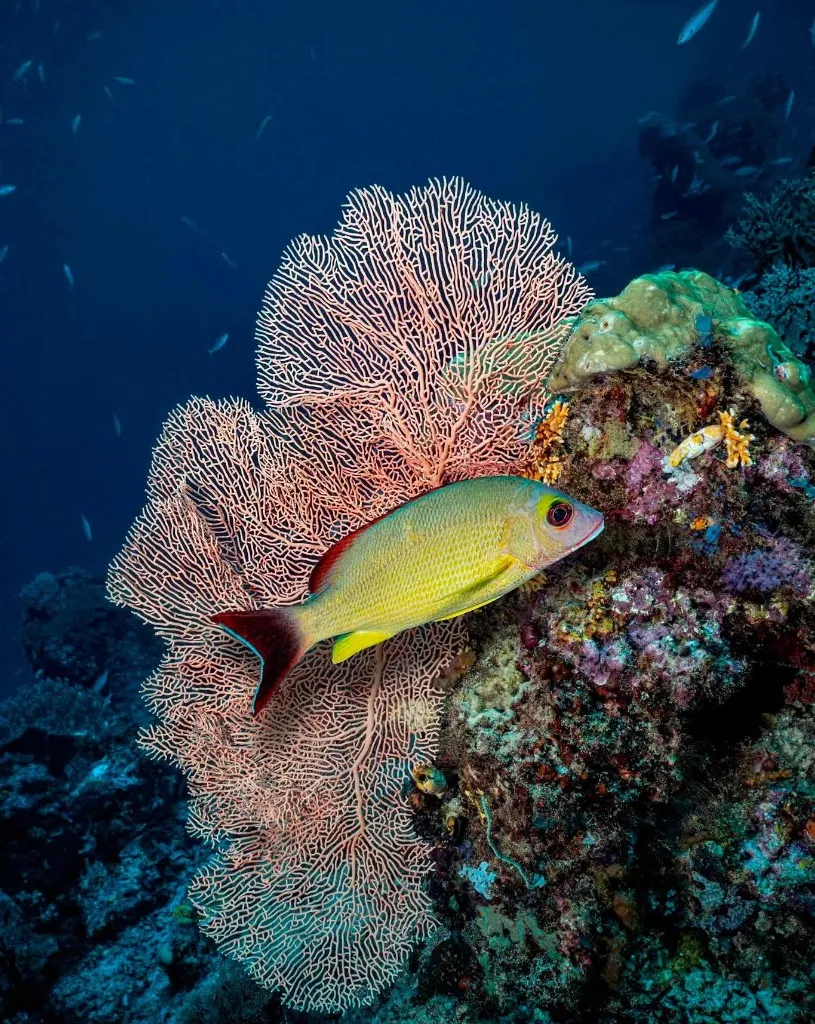
Supporting a vibrant array of hard and soft corals, it provides shelter and hunting grounds. A memorial plaque dedicated to Steve, a beloved local deckhand who tragically passed away, adds a poignant human element to the natural beauty. Operators often facilitate an 'open deck' format here, allowing for multiple dives throughout a morning.
Such an approach gives divers ample time to circle the bommie using multilevel profiles, maximizing bottom time around its rich coral formations and diverse inhabitants. Underwater photographers, in particular, find the site rewarding for both macro and wide-angle subjects, ranging from intricate soft coral crabs to circling reef sharks.
Distinct zones of life emerge from the vertical relief and surrounding sandy bottom, from schooling fish near the surface to benthic creatures closer to the reef base. Currents can influence the experience, but the bommie's sheltered sides offer protection, making it accessible even when conditions vary.
Conditions are Poor
High Swell Advisory. Not recommended.
Current conditions near Steve's Bommie show 23° air, 24° sea temperature, 2.2 m waves, and 49 km/h wind. Forecast data is refreshed regularly to ensure accuracy.
Best Time to Dive
Optimising your visit to Steve's Bommie generally aligns with periods of more favorable weather and sea conditions. Climate data indicates 'Good' dive scores typically occur in January and February, with air temperatures averaging around 28°C (82°F) and moderate rainfall. November and December also present 'Good' conditions, where air temperatures hover around 27°C (81°F) and rain varies. 'Moderate' conditions are prevalent for much of the rest of the year, spanning from March to October, though May shows a 'Poor' score due to higher wave heights and wind speeds. During 'Moderate' months, air temperatures range from 24-27°C (75-81°F). Less rainfall is reported during the middle of the year, offering drier topside conditions.
PEAK SEASON SCORE
Scores combine air & water temps, waves, wind & rainfall for overall conditions.
BEST MONTHS TO DIVE
Monthly records compiled from satellite and marine observation nodes over the last 3 years. Data provided by Open-Meteo and MET Norway.
Dive Experience & Conditions
Descending upon Steve's Bommie, divers typically enter the water with a giant stride before having cameras passed down. A swim line often extends from liveaboard vessels directly to the bommie, aiding navigation, especially if any current is present. Once underwater, divers explore the pinnacle's walls and ledges, which are densely covered in corals. Its structure allows divers to move to its sheltered lee side if currents increase, providing a more relaxed experience. Multiple dives are feasible, as expedition vessels frequently run an 'open deck' policy, encouraging divers to maximize their time exploring the diverse topography and marine residents. Water temperatures are not consistently reported but generally align with tropical reef conditions.
Dive Difficulty & Safety Guidelines
Responsible diving at Steve's Bommie necessitates adherence to recreational dive limits and careful monitoring of dive conditions. Given the site's relatively small footprint, dive operators often stagger entry times to minimise diver impact on the environment. Divers are encouraged to assess the south-easterly swell and slight currents, using the provided swim line if needed for surface transit.
Participants should be mindful of their no-decompression limits, particularly during the 'open deck' format where multiple dives are possible. Protecting this area is the role of the Great Barrier Reef Marine Park, reinforcing the need for responsible interaction with marine life and delicate coral structures. Self-reliant divers may appreciate the flexibility.
Recommended Equipment
- Dive Computer
This gear list is based on verified equipment signals for Steve's Bommie, Australia. Always confirm final gear choices with your dive operator, guide, or liveaboard.
Recommended Dive Suit
For many recreational divers, 3mm wetsuit provides a practical level of insulation in these conditions. Strong winds are present; please take strong precautions against rapid cooling during surface intervals. Surface intervals may feel cooler. Divers who tend to get cold easily may prefer slightly thicker exposure protection.
At the moment, divers exploring Steve's Bommie will likely experience water temperatures near 24°C (76°F). Surface air temperatures are resting at 23°C (73°F).
The next few days appear likely to bring similar environmental conditions.
Emergency & Medical Support
Essential information to help you plan your dive trip to Steve's Bommie.

Hyperbaric chambers are a critical part of dive safety infrastructure. Availability varies significantly by region, and not all dive areas have immediate access.
Before diving, it's recommended to:
- confirm nearest medical facilities
- check emergency procedures with local dive operators
- ensure dive insurance covers evacuation if required
Divers Alert Network
Diving emergency assistance available through DAN World.
+1-919-684-9111- 24/7 emergency hotline
- Diving medical assistance
- Evacuation coordination
Emergency contacts are provided for reference. Always verify local emergency services before diving.
Marine Life at Steve's Bommie
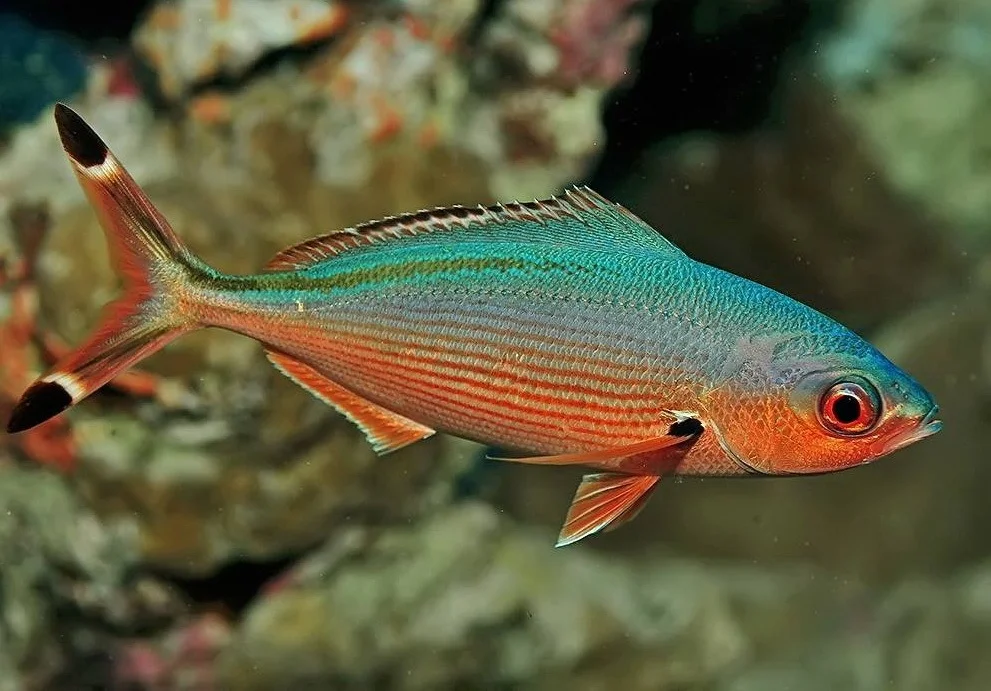
Life bursts across the underwater landscape of Steve's Bommie, concentrated with incredible diversity and density around its towering structure. Large schools of yellow snapper and trevally frequently circle the pinnacle, creating dynamic visual spectacles.
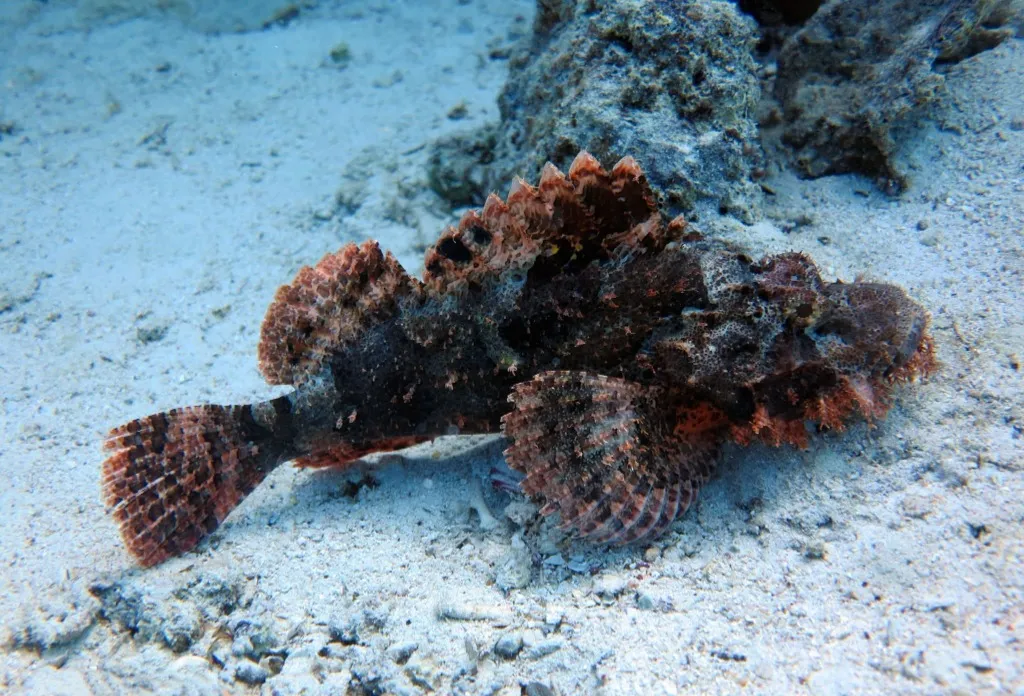
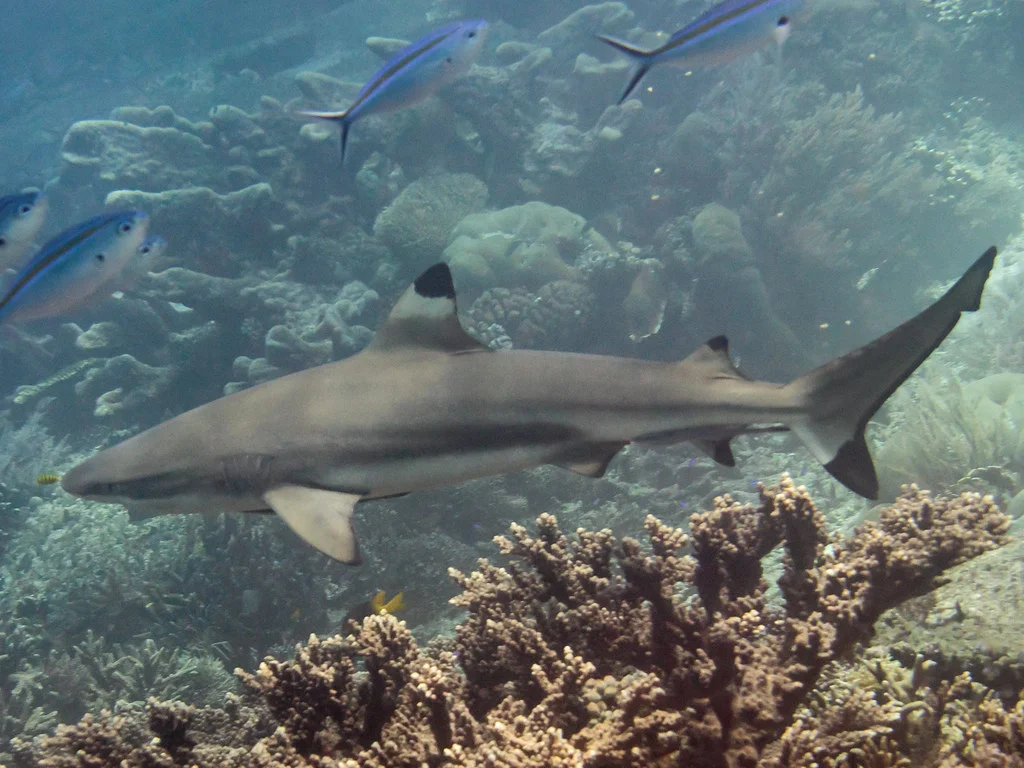
Exploring the ledges and overhangs often reveals reef stonefish, lionfish, and the elusive leafy scorpionfish camouflaged amongst the corals. Divers might also encounter various sharks, including grey, white, and blacktip reef sharks, along with wobbegongs resting on the seafloor.
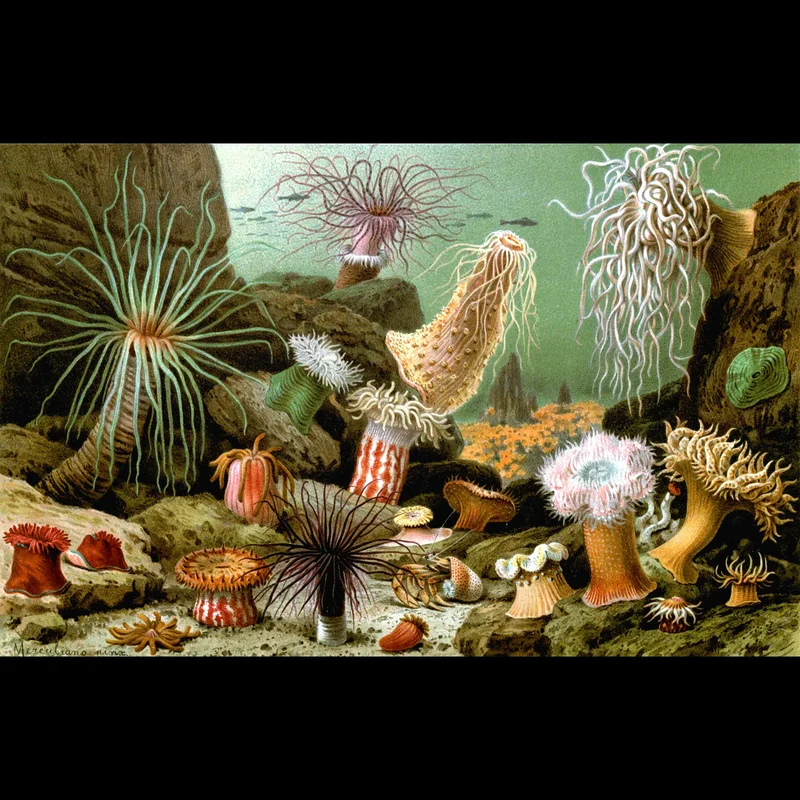
Turtles glide through the water, while anemonefish dart among their host anemones, adding vibrant flashes of color across the bommie.
Dive Centers Near Steve's Bommie
No Dive Centers Local To Steve's Bommie
Are you a dive center visiting this location? Get listed to reach divers.
Nearest Airports
Nearest airports to help plan travel to this dive area.
Search Flights
Check available flights and routes on Expedia, using the nearby airports listed in this section.
Search Flights on ExpediaFrequently Asked Questions
What makes Steve's Bommie a special dive site?
Steve's Bommie is a pinnacle rising from 30m (100ft) to 5m (16ft), rich in coral and diverse marine life. It also features a memorial plaque honoring Steve, a beloved local deckhand, adding a poignant historical layer to the dive.
Where is Steve's Bommie found?
This site is in the northern Ribbon Reefs, part of the Great Barrier Reef Marine Park in Australia. Access is typically via liveaboard itineraries departing from Cairns.
What marine life can divers expect to see at Steve's Bommie?
Divers commonly encounter grey, white, and blacktip reef sharks, barracuda, and turtles. The bommie is also home to wobbegong sharks, leafy scorpionfish, lionfish, stonefish, and large schools of yellow snapper and trevally.
How is diving typically organized at Steve's Bommie?
Liveaboard operators often implement an 'open deck' format, allowing multiple dives throughout the morning. Divers usually follow multilevel profiles, circling the bommie to maximize their bottom time and exploration.
Is Steve's Bommie suitable for underwater photography?
Yes, it is considered a prime location for underwater photography, appealing to both macro and wide-angle enthusiasts. The site offers colourful corals, distinctive critters, and opportunities for pelagic encounters.
Who was Steve, for whom the bommie is named?
Steve was a well-liked mate and deckhand on a non-dive vessel traversing the reef in the late-1980s. He tragically drowned at Cod Hole, and this bommie, his favorite dive site, was named in his memory.
Planning to dive Steve's Bommie?
Send one inquiry and receive offers directly from the best verified local dive operators.
Conditions are Poor
High Swell Advisory. Not recommended.
Current conditions near Steve's Bommie show 23° air, 24° sea temperature, 2.2 m waves, and 49 km/h wind. Forecast data is refreshed regularly to ensure accuracy.