
Diving at Thetford Reef (Australia)
Thetford Reef presents a complex underwater landscape characterized by its extensive coral formations and diverse structural elements. Along its leeward edge, scattered coral heads define the reef's nearly 2 km (1.2 miles) length. Divers navigate between numerous coral bommies, which often rise from sandy floors, revealing smaller coral patches and dense blue staghorn thickets. Integral to the experience are the many swim-throughs, adding a dynamic, exploratory dimension to this vibrant Australian reef.
Evening condition tracking at Thetford Reef features an air temperature of 22.5°C. We have recorded wave heights measuring 1.7 m during this period. These figures outline the environmental parameters currently present.
Dive Site Location & Key Facts
Dive Site Overview
Exploring Thetford Reef invites divers into a sprawling underwater environment on Australia's Great Barrier Reef. This site, extending almost 2 km (1.2 miles), offers a variety of dive experiences across its leeward edge.
Divers frequently encounter a terrain rich with scattered coral heads and impressive bommies that punctuate vast sandy expanses. Between these larger formations, the seafloor is often covered by smaller coral patches and thickets of blue staghorn coral, creating intricate habitats. Many of the coral bommies feature partially enclosed swim-throughs; natural light filtering down creates captivating visual effects within these mysterious passageways.
Careful fin control is essential to protect the large gorgonian fans and soft corals that adorn these delicate tunnels. Divers should remain attentive to their navigation here, as disorientation can occur if not mindful of the boat's position, making a safety sausage a practical piece of gear to carry.
Conditions are Moderate
High Wind Advisory (45km/h). Unsafe surface.
Current conditions near Thetford Reef show 23° air, 24° sea temperature, 1.9 m waves, and 45 km/h wind. Forecast data is refreshed regularly to ensure accuracy.
Best Time to Dive
Planning a trip to Thetford Reef involves considering seasonal patterns, particularly as conditions vary significantly throughout the year. The months of October and November typically offer the most favorable diving conditions, reflected by a 'Good' dive score, with wind speeds averaging around 24-28 km/h (15-17 mph) and minimal rainfall, often less than 1 mm (0.04 inches). Comparatively, the Australian summer months of January, February, and December also register 'Good' dive scores, though they generally experience higher average air temperatures ranging from 27-28°C (81-83°F) and more substantial rainfall, up to 14 mm (0.55 inches). From March through September, diving is considered 'Moderate', with notably higher wave heights, sometimes exceeding 1.2 meters (4 feet), and increased wind speeds, frequently above 35 km/h (22 mph). These cooler, windier periods might introduce choppier surface conditions, influencing boat travel and overall dive comfort.
PEAK SEASON SCORE
Scores combine air & water temps, waves, wind & rainfall for overall conditions.
BEST MONTHS TO DIVE
Monthly records compiled from satellite and marine observation nodes over the last 3 years. Data provided by Open-Meteo and MET Norway.
Dive Experience & Conditions
Descending into Thetford Reef typically involves navigating depths that reach a maximum of 30 m (98 ft), catering well to advanced open water divers. The reef's structure features numerous coral bommies that rise from the seafloor, providing ample opportunities for exploration. Many of these bommies contain swim-throughs, which form a signature element of the dive experience. Inside these passages, soft corals and vibrant gorgonian fans thrive, bathed in shafts of sunlight filtering from above. Divers need good buoyancy control to traverse these delicate tunnels without contact. Conditions for this salt water site generally involve moderate currents, depending on the specific location along the extensive reef. Visibility is generally good, allowing for appreciation of the diverse coral and marine life, particularly among the shallower sections of the reef.
Dive Difficulty & Safety Guidelines
Approaching a dive at Thetford Reef necessitates a focus on navigation and situational awareness. It's not uncommon to become disoriented given the extensive and somewhat scattered nature of the coral heads and bommies. Divers should always carry a safety sausage, enabling easier signaling to the boat should they surface a distance away.
Within the various swim-throughs, exercising precise buoyancy and fin control is paramount; these areas host delicate soft corals and gorgonian fans that are easily damaged by accidental contact. Adhering to PADI Standard Safe Diving Practices is always recommended, and consulting local dive professionals about current conditions before entering the water ensures the safest experience possible.
Recommended Equipment
- Dive Computer
- DSMB
This gear list is based on verified equipment signals for Thetford Reef, Australia. Always confirm final gear choices with your dive operator, guide, or liveaboard.
Recommended Dive Suit
Repeated dives during the same day can gradually reduce overall body warmth.
Environmental readings suggest that the waters surrounding Thetford Reef are about 24°C (74°F) at the moment. Surface air temperatures are resting at 23°C (73°F). Divers spending extended time underwater often rely on 3-5mm wetsuit for balanced warmth and flexibility. Strong winds are present; please take strong precautions against rapid cooling during surface intervals. Surface intervals may feel cooler.
The upcoming forecast points to generally steady conditions in the area.
Emergency & Medical Support
Essential information to help you plan your dive trip to Thetford Reef.

Hyperbaric chambers are a critical part of dive safety infrastructure. Availability varies significantly by region, and not all dive areas have immediate access.
Before diving, it's recommended to:
- confirm nearest medical facilities
- check emergency procedures with local dive operators
- ensure dive insurance covers evacuation if required
Divers Alert Network
Diving emergency assistance available through DAN World.
+1-919-684-9111- 24/7 emergency hotline
- Diving medical assistance
- Evacuation coordination
Emergency contacts are provided for reference. Always verify local emergency services before diving.
Marine Life at Thetford Reef
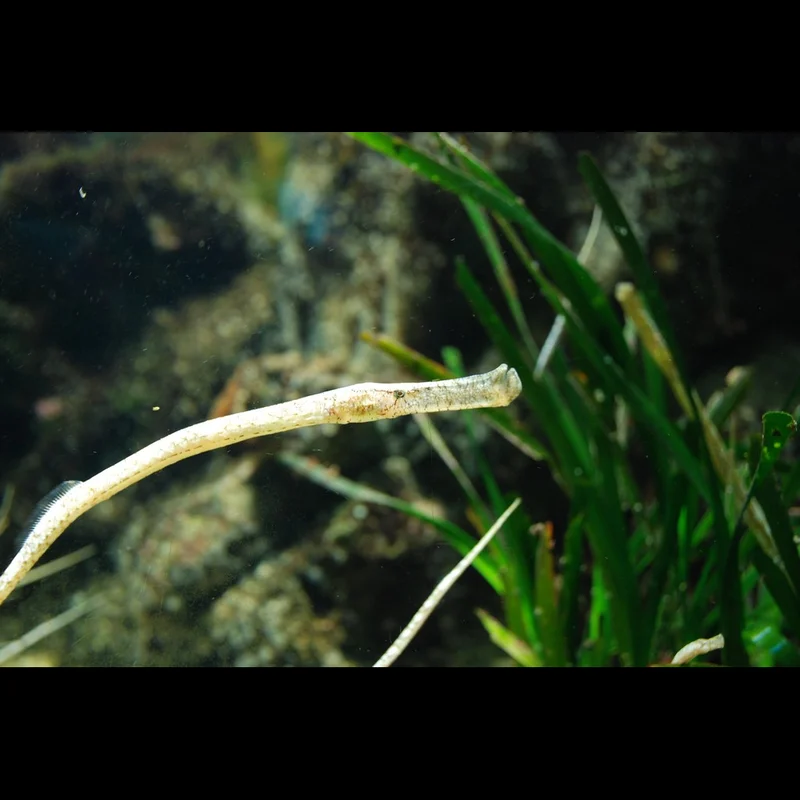
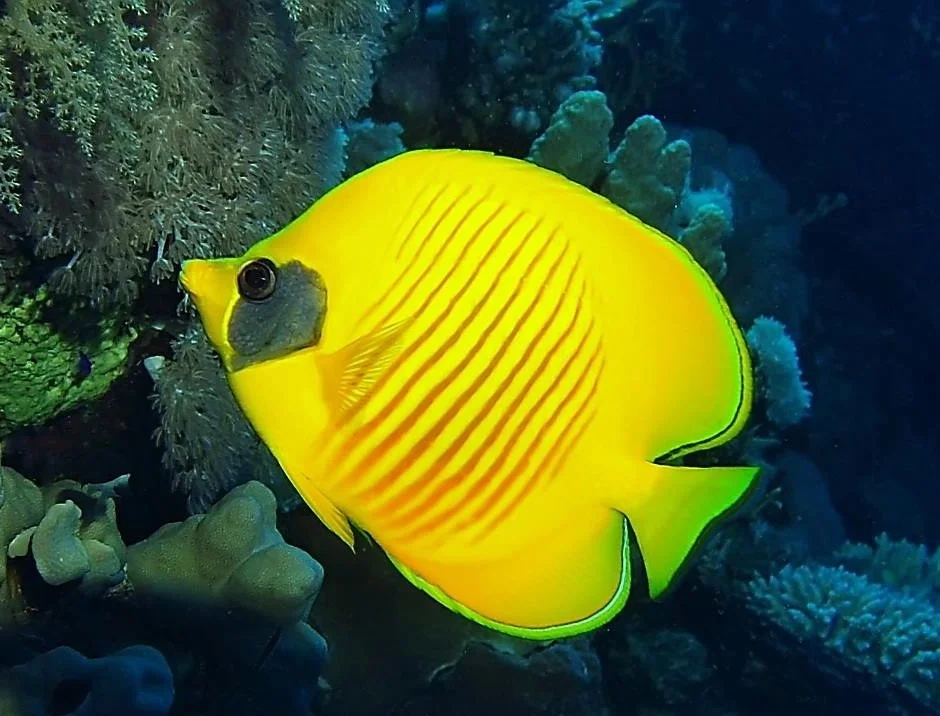
Observing the inhabitants of Thetford Reef often begins with spotting various reef fish darting among the corals. Butterflyfish, rabbitfish, damsels, and angelfish are common sightings, along with the occasional pipefish blending into the staghorn thickets.
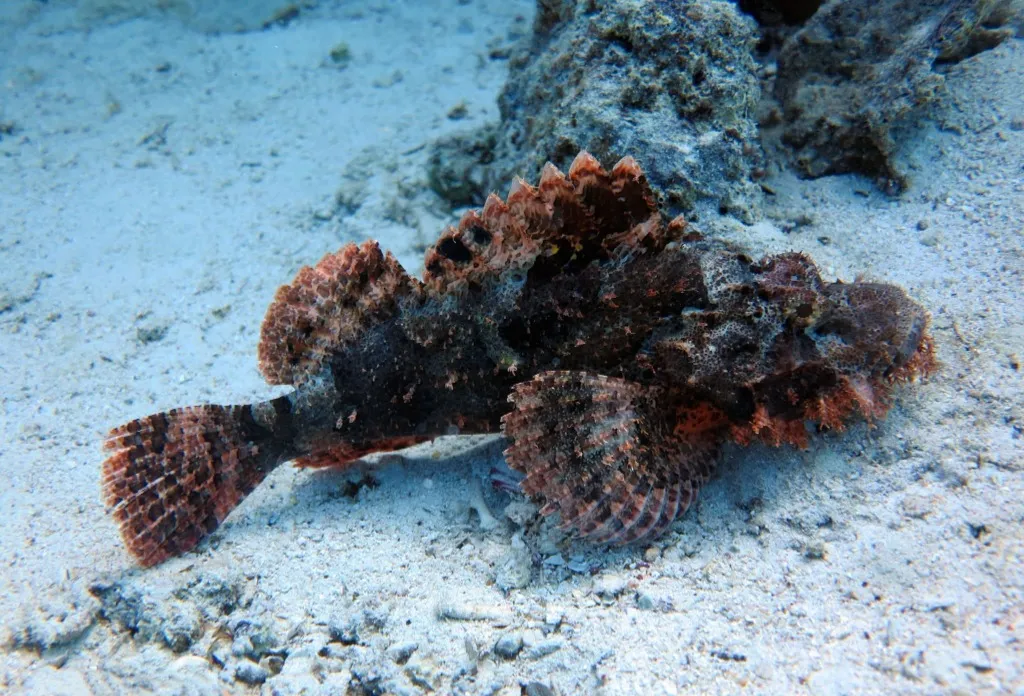
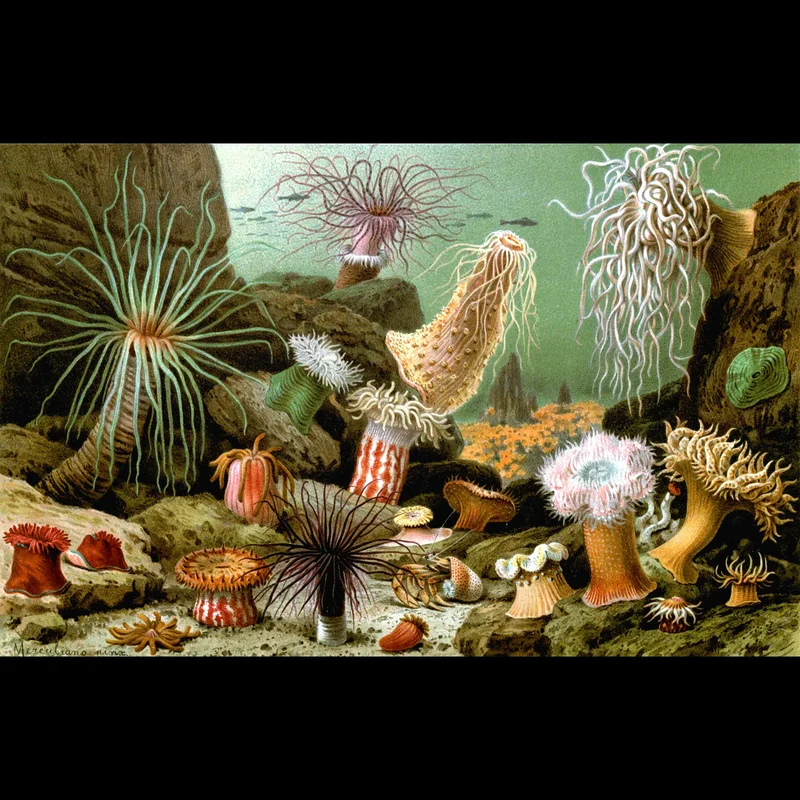
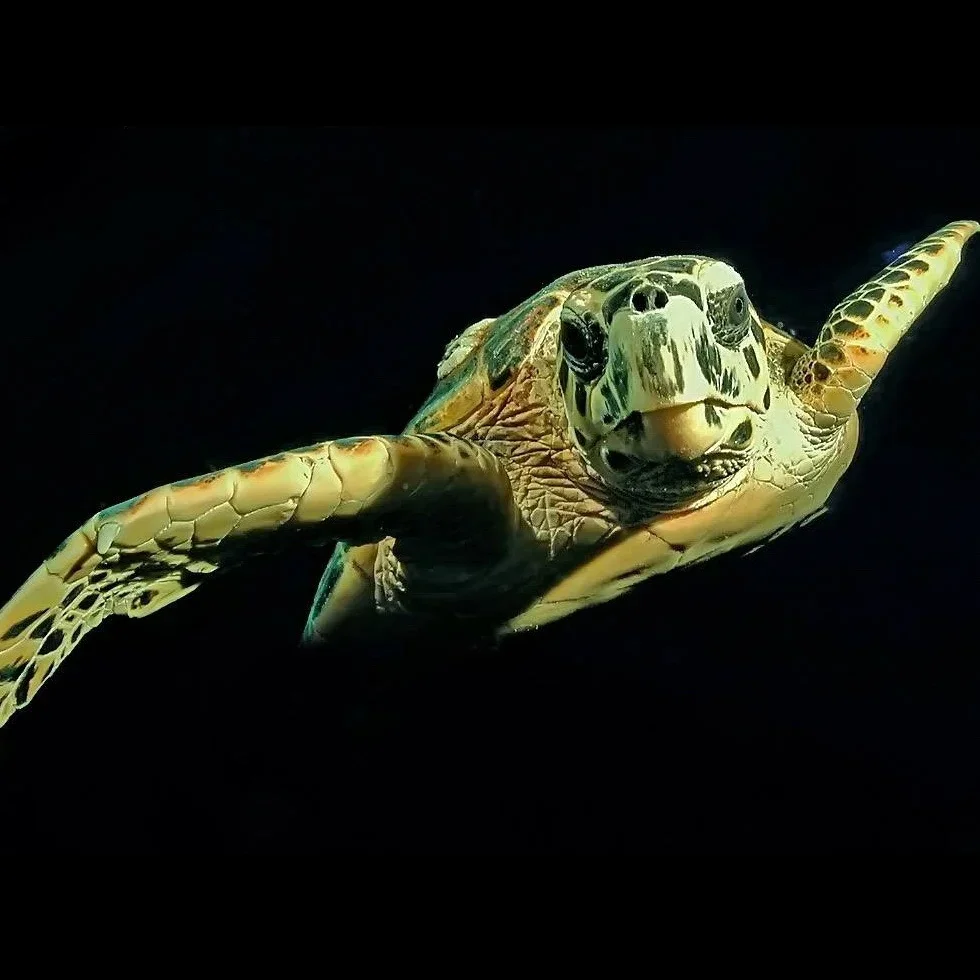
Giant clams lie nestled in the sandy patches, while anemones host several species of commensal fish and delicate transparent shrimps. Keep an eye out for larger creatures; blacktip reef sharks are present, and lucky divers may also encounter hawksbill turtles gracefully gliding by. Scorpionfish are also residents, often camouflaged against the reef's varied textures.
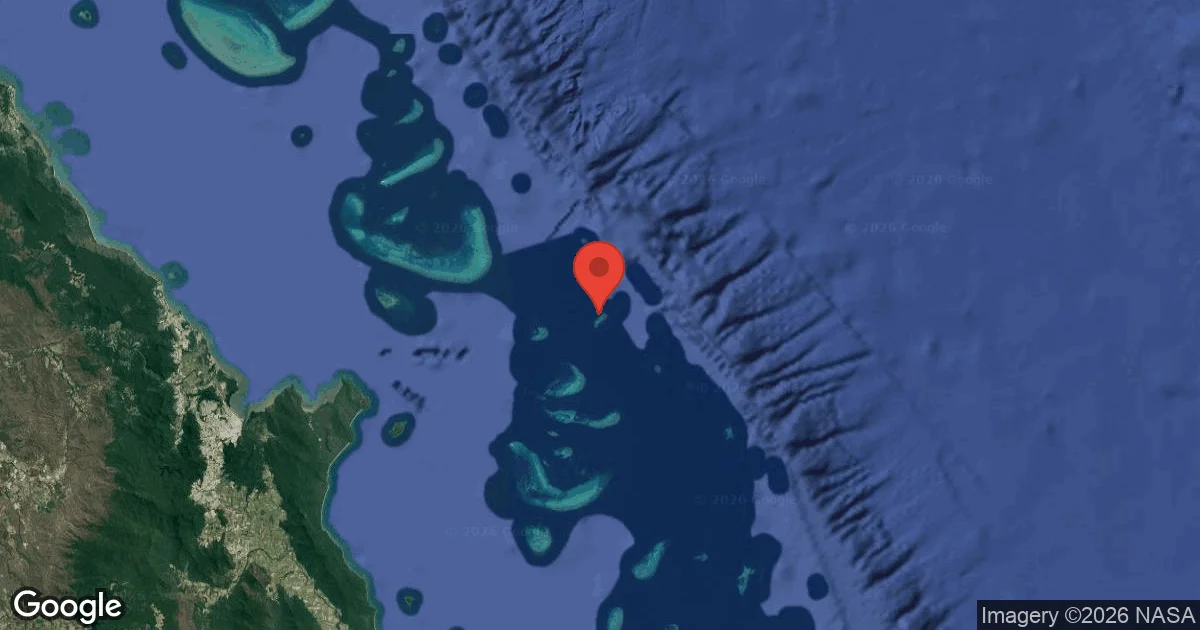
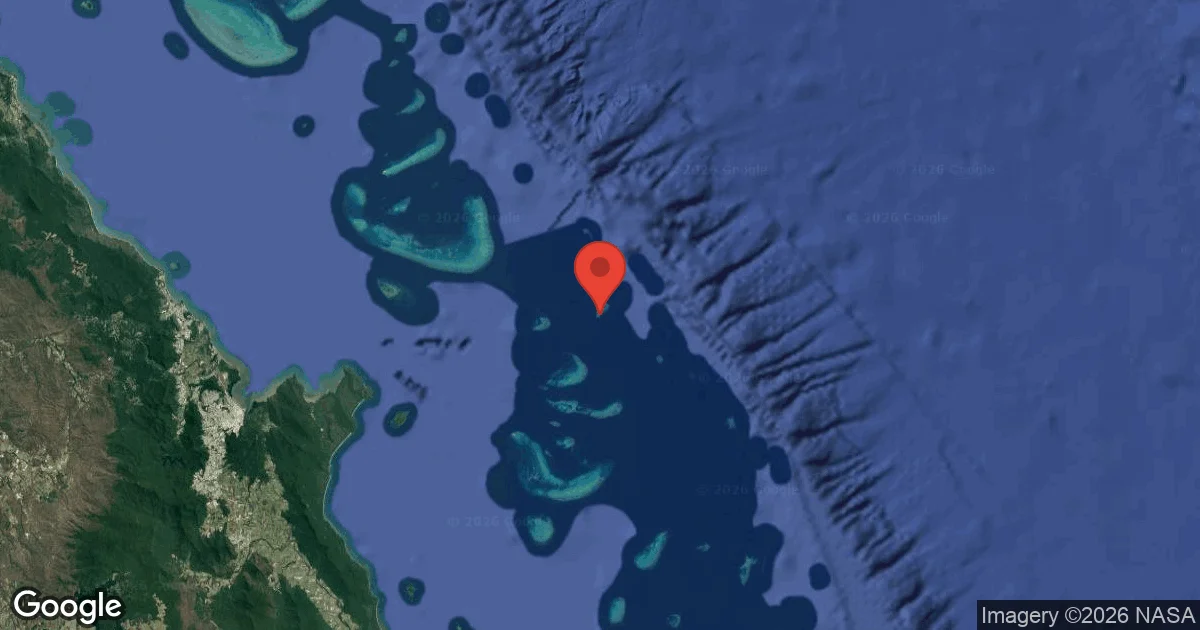
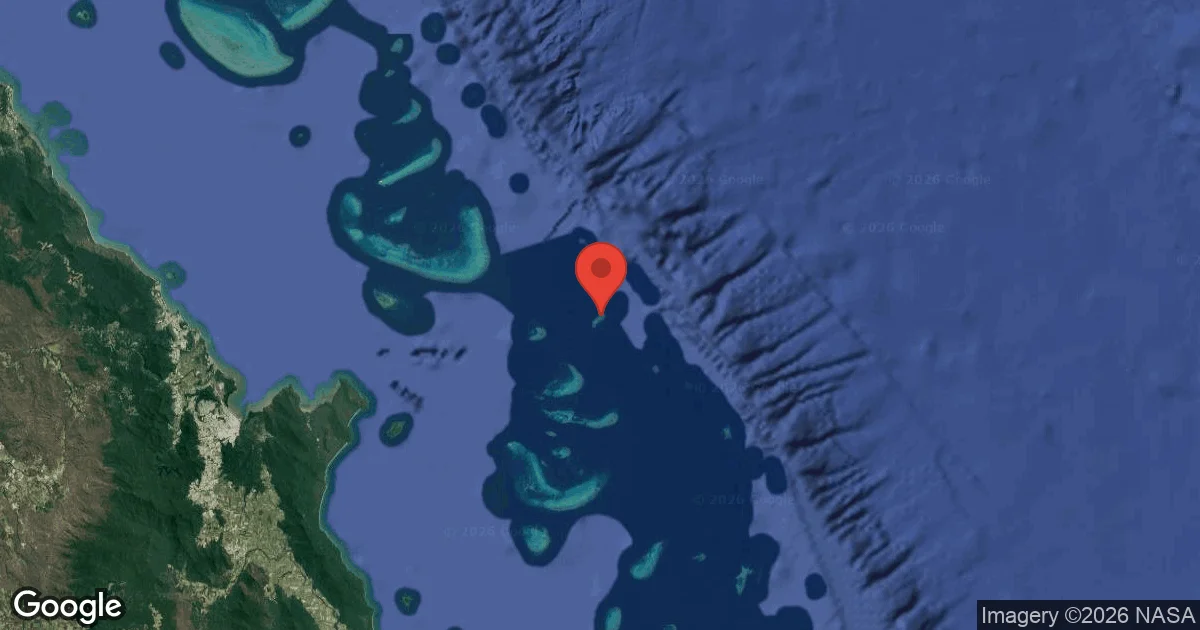
Dive Sites Near Thetford Reef
View all dive sites in AustraliaDiscover more underwater gems in this area.
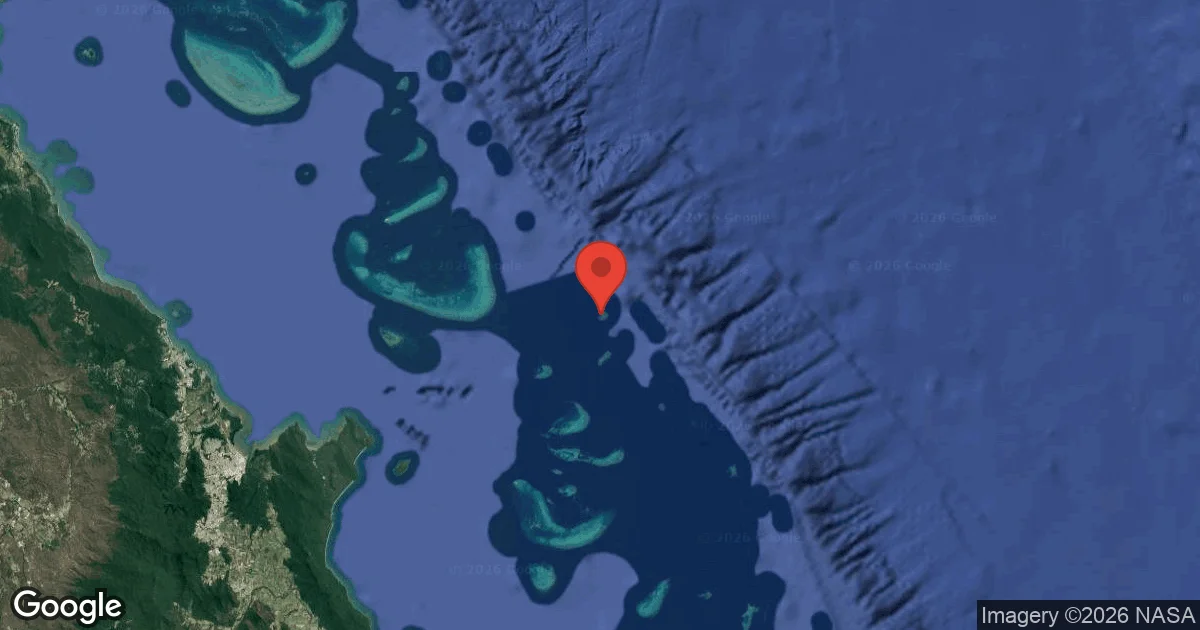
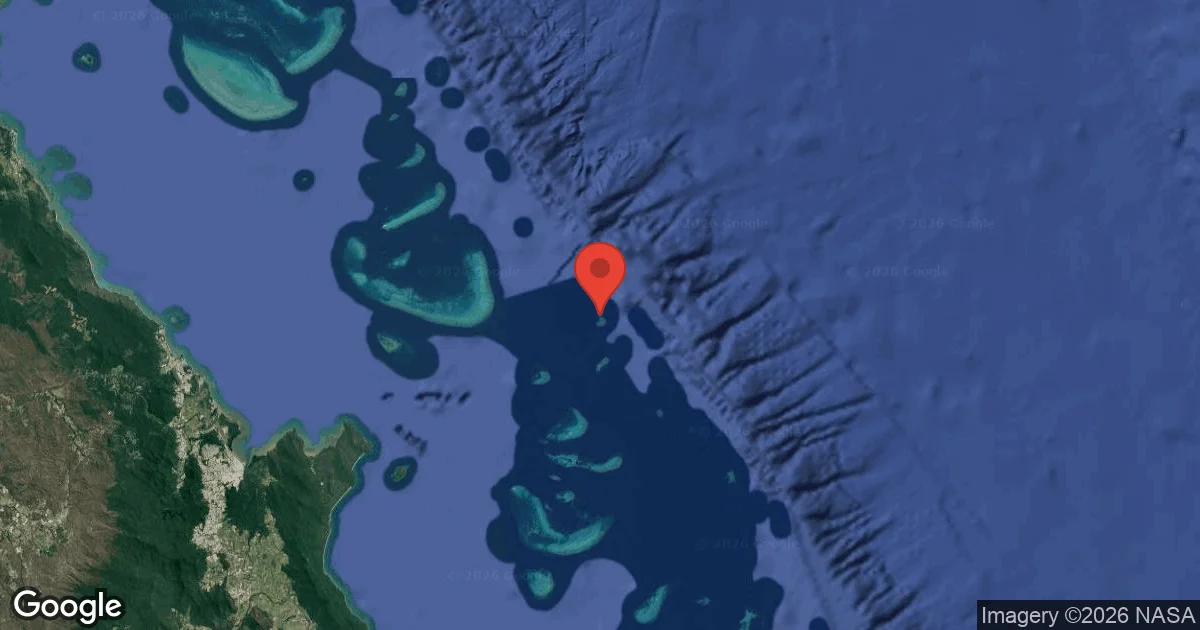
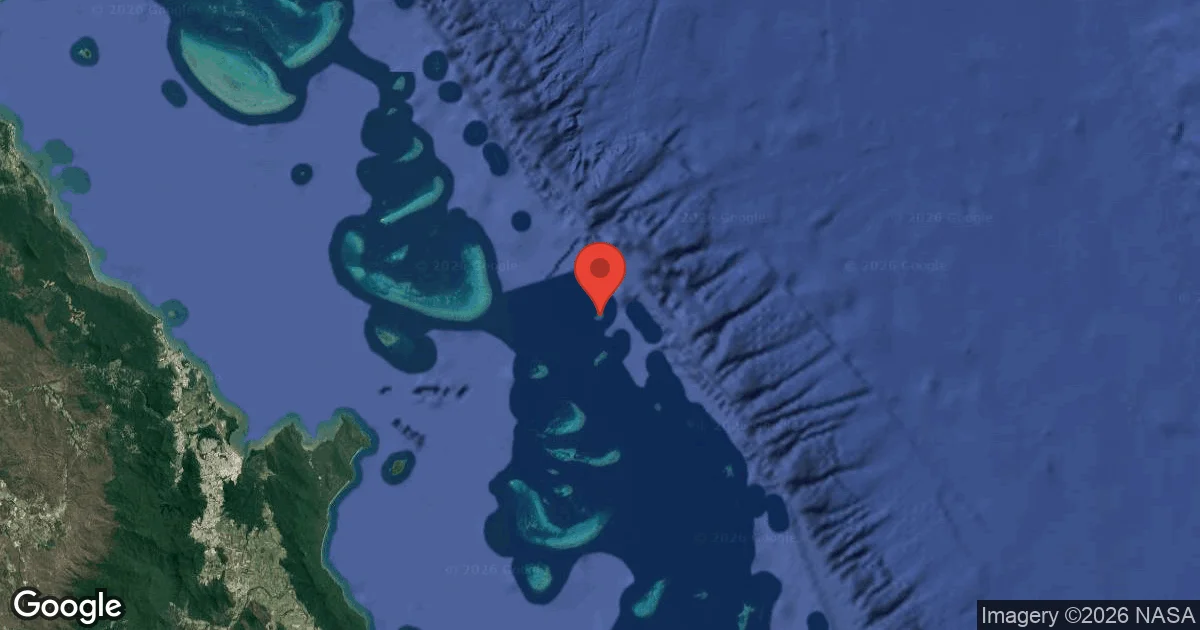
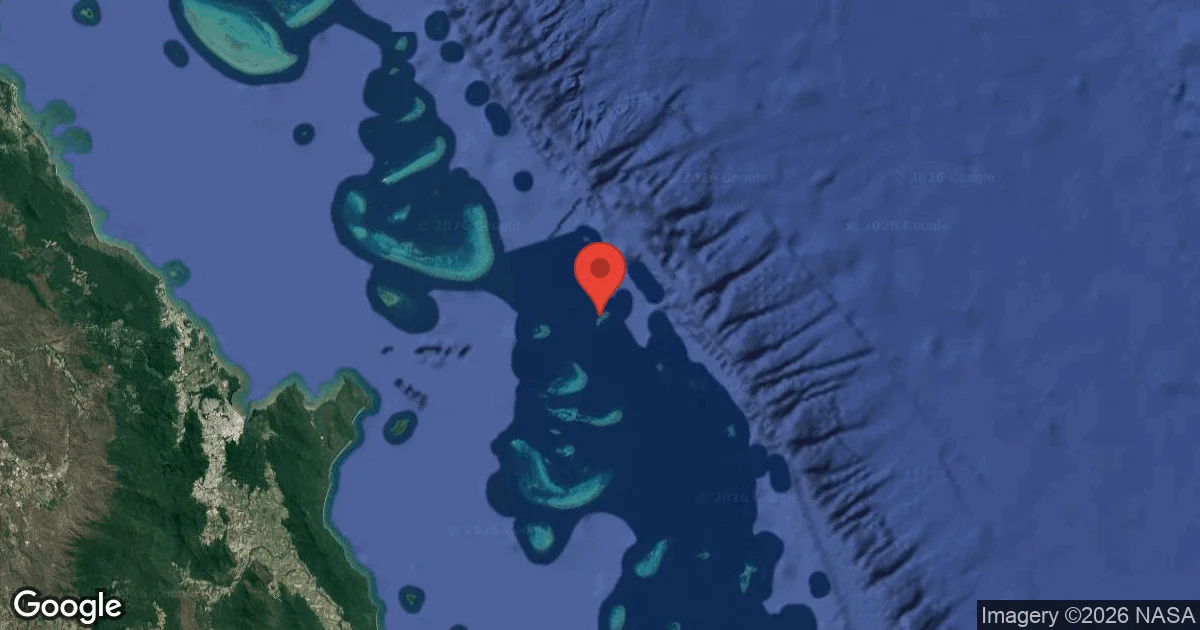
Dive Centers Near Thetford Reef
Today: Closed
Nearest Airports
Nearest airports to help plan travel to this dive area.
Search Flights
Check available flights and routes on Expedia, using the nearby airports listed in this section.
Search Flights on ExpediaFrequently Asked Questions
What is the maximum depth for diving at Thetford Reef?
When diving at Thetford Reef, depths typically reach a maximum of 30 m (98 ft). This range is well-suited for certified Advanced Open Water Divers, allowing comprehensive exploration of the reef's structures.
Are there swim-throughs at Thetford Reef?
Yes, Thetford Reef is notable for its numerous coral bommies that feature swim-throughs. These passageways often have natural light shafts, creating a visually interesting experience for divers as they navigate through.
What kind of marine life can I expect to see?
Divers at Thetford Reef frequently observe reef fish like butterflyfish, rabbitfish, damsels, and angelfish. You might also spot giant clams, pipefish, and anemones with their commensal shrimps and fish. Blacktip reef sharks and hawksbill turtles are also commonly seen residents.
What are the best months to dive at Thetford Reef?
The most favorable diving conditions, characterized by lower winds and minimal rain, are typically found in October and November. Good diving scores also extend through the summer months of January, February, and December, though these periods have higher air temperatures and more rainfall.
Why should I bring a safety sausage?
Bringing a safety sausage is highly recommended for Thetford Reef due to the possibility of becoming disoriented over the reef's extensive length. It provides an essential means of signaling your position to the dive boat if you surface away from it.
Is Thetford Reef suitable for beginners?
While parts of Thetford Reef could be explored by less experienced divers, the site's maximum depth of 30 m (98 ft) and the emphasis on careful navigation within complex coral structures make it particularly well-suited for certified Advanced Open Water Divers. Consulting a local dive professional is always a good first step.
Planning to dive Thetford Reef?
Send one inquiry and receive offers directly from the best verified local dive operators.
Conditions are Moderate
High Wind Advisory (45km/h). Unsafe surface.
Current conditions near Thetford Reef show 23° air, 24° sea temperature, 1.9 m waves, and 45 km/h wind. Forecast data is refreshed regularly to ensure accuracy.