
Diving at Prospect Wharf (Canada)
Prospect Wharf distinguishes itself as an accessible shore dive in Nova Scotia, making it a favorable choice for newer divers or those preferring convenient entry. Often noted for its calm conditions, it provides an opportunity to explore diverse underwater terrain without requiring boat access. Divers frequently visit this area for its varied marine life and easily navigable environment.
Tonight's objective overview for Prospect Wharf shows an air temperature of 15.5°C. The measured surface conditions include wave heights around 0.8 m. This environmental data is logged for the close of the day.
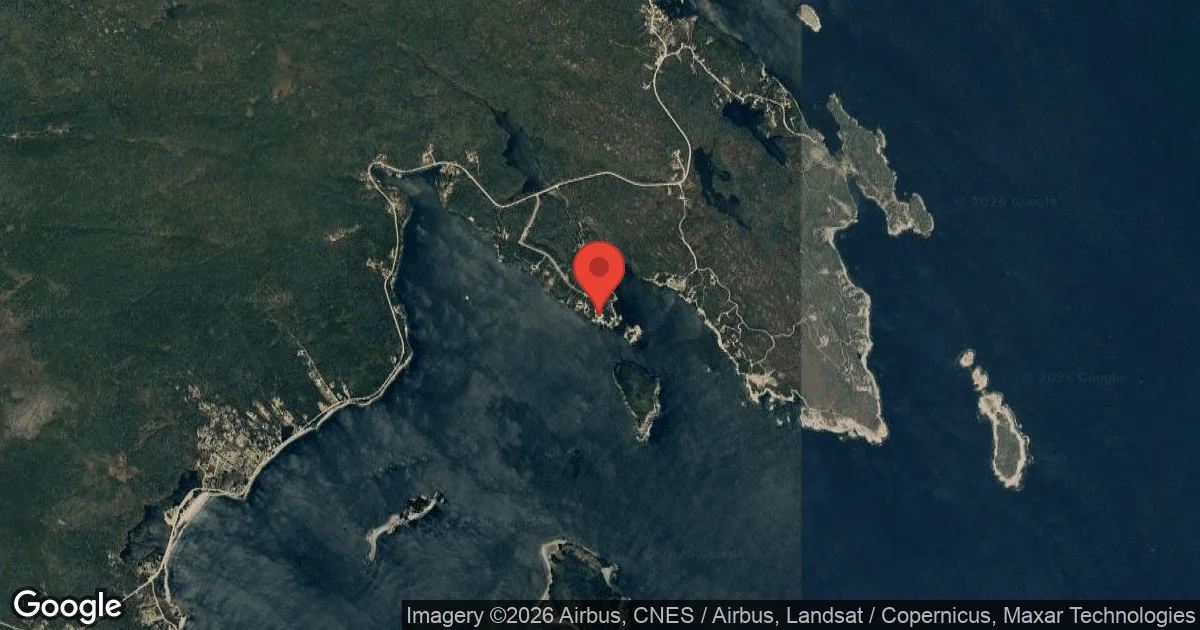
Dive Site Location & Key Facts
Dive Site Overview
Exploring the underwater landscape around Prospect Wharf offers a glimpse into both natural marine habitats and relics from a historic fishing community. This site, once a bustling area, now reveals old clay pipes, bottles, and various discarded items resting on the seabed, hinting at its past.
Initial entry often leads divers over a silty bottom near the wharf, requiring careful finning to maintain visibility. As one swims away from the immediate wharf structure, the composition gradually shifts to a mix of sand and small rocks, eventually giving way to more solid ground, cobblestone, and bedrock ridges.
Depths at Prospect Wharf typically range from 4.8 m (15.7 ft) to around 7.6 m (24.9 ft), influenced by tidal conditions. Towards the gully, the site deepens, offering areas to explore larger kelp formations and rocky ledges.
Meanwhile, venturing in other directions can lead to softer, muddier sections where divers often search for historical artifacts. This makes for a dynamic dive, catering to different interests and skill levels.
Conditions are Good
Optimal conditions expected
Current conditions near Prospect Wharf show 16° air, 17° sea temperature, 0.9 m waves, and 33 km/h wind. Forecast data is refreshed regularly to ensure accuracy.
Best Time to Dive
Optimal diving conditions at Prospect Wharf generally align with the warmer months, specifically from May through September, which consistently register as 'Good' dive scores. During this period, average air temperatures range from 10°C (50°F) in May, peaking around 19.5°C (67°F) in July, and remaining comfortable into September at 17°C (63°F). Rainfall is comparatively lower, with monthly averages between 2.78 mm (0.11 inches) and 5.72 mm (0.23 inches). Furthermore, wave heights tend to be more subdued, averaging between 1.1 m (3.6 ft) and 1.4 m (4.6 ft), contributing to calmer surface conditions. Water temperatures are not consistently reported in climate data for all months but generally range from 15-20°C (59-68°F) in summer and 0-5°C (32-41°F) in winter. Outside of these prime months, conditions become more challenging due to colder air temperatures, increased rain, and higher wave activity, leading to 'Moderate' dive scores.
PEAK SEASON SCORE
Scores combine air & water temps, waves, wind & rainfall for overall conditions.
BEST MONTHS TO DIVE
Monthly records compiled from satellite and marine observation nodes over the last 3 years. Data provided by Open-Meteo and MET Norway.
Dive Experience & Conditions
Navigating the waters at Prospect Wharf presents a straightforward diving experience, suitable for all certification levels. Divers can expect a maximum depth of approximately 10.7 m (35 ft) at high tide. Average depths often fall within the 4.8-7.6 m (15.7-24.9 ft) range. Entry into the water is facilitated by wooden stairs on the left side of the wharf, or via the accessible beach area at Sandy Cove, making shore diving straightforward. While generally calm, low tide can make entry and exit somewhat more demanding due to a longer traverse over shallower sections. The immediate area around the wharf features a primarily silty bottom, which can be easily disturbed, impacting visibility. Beyond this, the terrain transitions, showcasing sand and small rocks, cobblestone, boulders, and bedrock ridges cloaked in seaweed. Visibility varies depending on conditions and diver activity, but currents are typically negligible, allowing for relaxed exploration along the diverse bottom structures and kelp formations.
Dive Difficulty & Safety Guidelines
Diving at Prospect Wharf requires attention to local guidelines and potential environmental factors. While the site is generally considered easy, be mindful that parts of the wharf area are designated as private property, and divers are often discouraged from using those specific sections. Boat traffic presents an inherent hazard in this active community, making the use of a surface marker buoy essential for visibility to boaters.
Exiting the water from the beach and heading to the parking lot is the recommended emergency procedure. The silty bottom composition also necessitates careful buoyancy control and finning techniques to avoid stirring up sediment, which can quickly reduce visibility for yourself and others.
Parking is limited, so carpooling is highly recommended to respect local residents and ensure adequate space.
Recommended Equipment
- Dive Computer
This gear list is based on verified equipment signals for Prospect Wharf, Canada. Always confirm final gear choices with your dive operator, guide, or liveaboard.
Recommended Dive Suit
For many recreational divers, 5-7mm wetsuit provides a practical level of insulation in these conditions. A hood or vest is suggested for sensitive divers due to surface winds. A thermal robe or jacket is recommended between dives. Divers who tend to get cold easily may prefer slightly thicker exposure protection.
Conditions at Prospect Wharf currently place the water temperature near 17°C (63°F). Surface air temperatures are resting at 16°C (60°F).
The next few days appear likely to bring similar environmental conditions.
Due to technical issues with our weather providers, data hasn't been fetched for over 48 hours. The data above reflects the conditions at the time of the last successful fetch.
Emergency & Medical Support
Essential information to help you plan your dive trip to Prospect Wharf.

Hyperbaric chambers are a critical part of dive safety infrastructure. Availability varies significantly by region, and not all dive areas have immediate access.
Before diving, it's recommended to:
- confirm nearest medical facilities
- check emergency procedures with local dive operators
- ensure dive insurance covers evacuation if required
Divers Alert Network
Diving emergency assistance available through DAN World.
+1-919-684-9111- 24/7 emergency hotline
- Diving medical assistance
- Evacuation coordination
Emergency contacts are provided for reference. Always verify local emergency services before diving.
Marine Life at Prospect Wharf
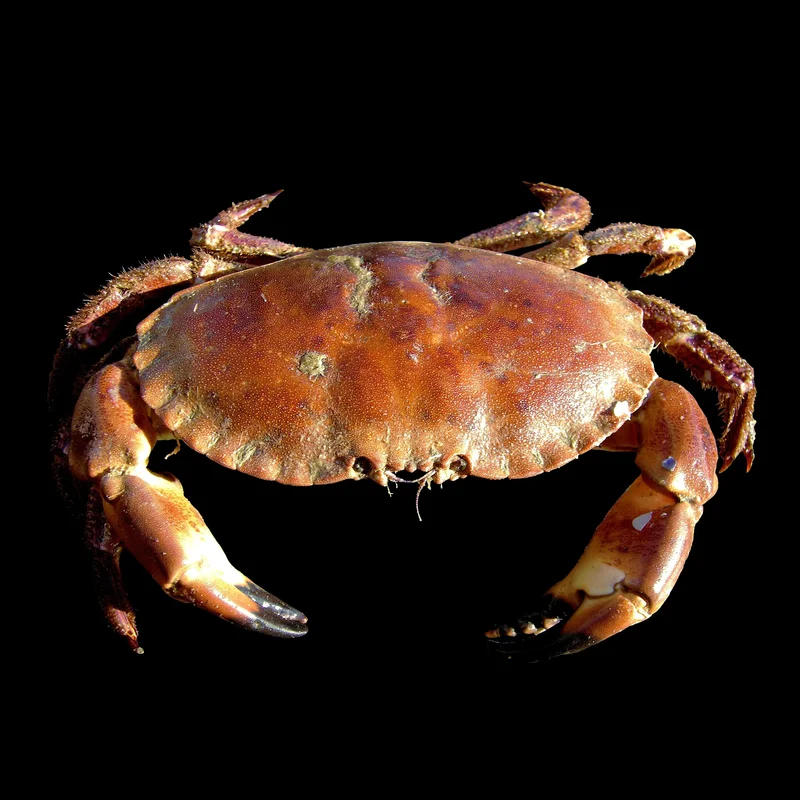
Around Prospect Wharf, the first creatures divers often notice are the various crab species scuttling across the bottom. Hermit, green, and rock crabs are frequently observed, particularly in the flatter, muddier sections.
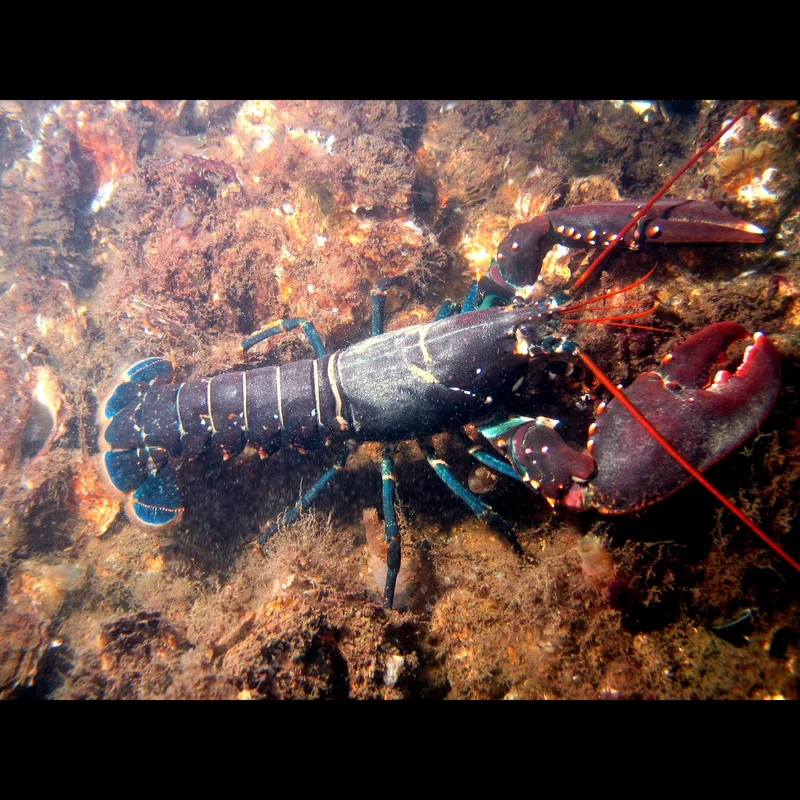
Flounders and sculpins are commonly found camouflaged against the seabed or within the seaweed, providing rewarding spotting opportunities. As you explore deeper into sheltered areas and rocky ledges, lobsters tend to become more abundant, alongside sea ravens.
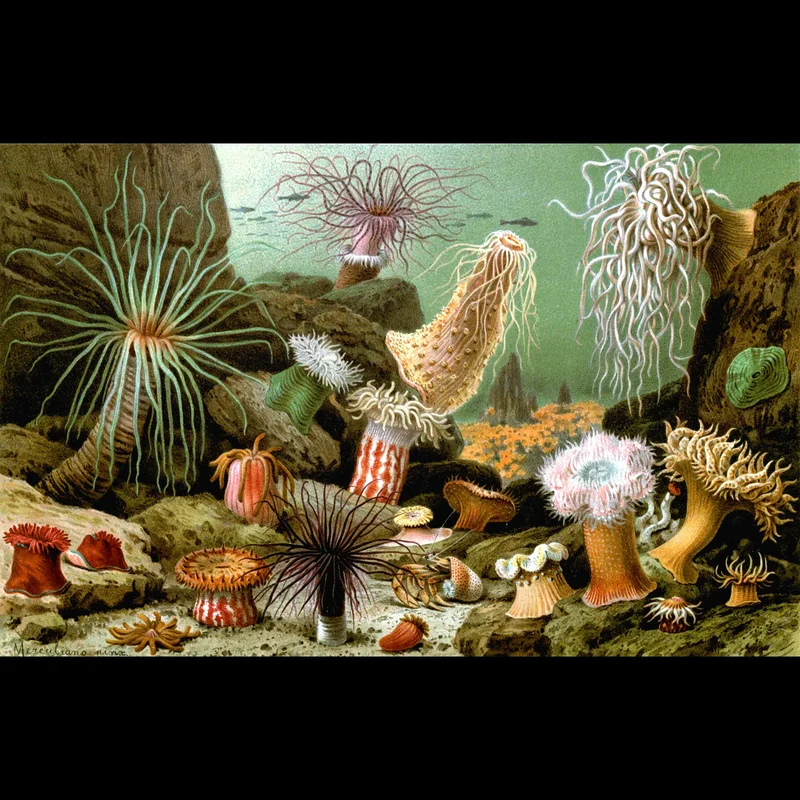
Additionally, the wharf pillars and surrounding rocky structures are often adorned with a colorful array of sponges and anemones, adding a vibrant, three-dimensional element to the dive experience.

Dive Sites Near Prospect Wharf
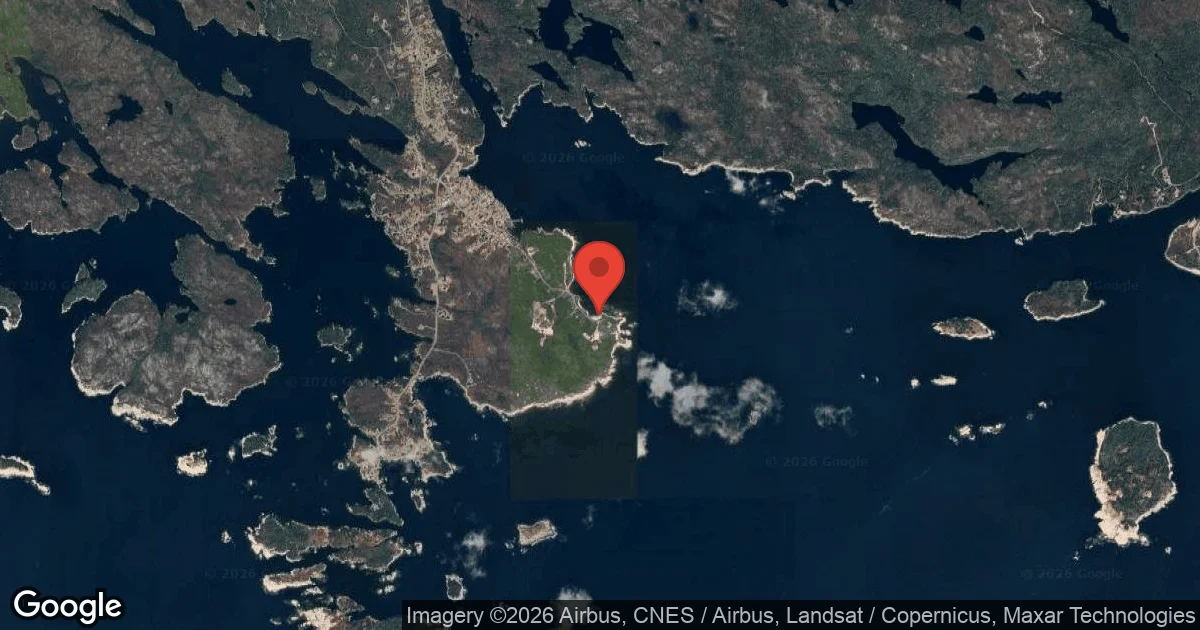
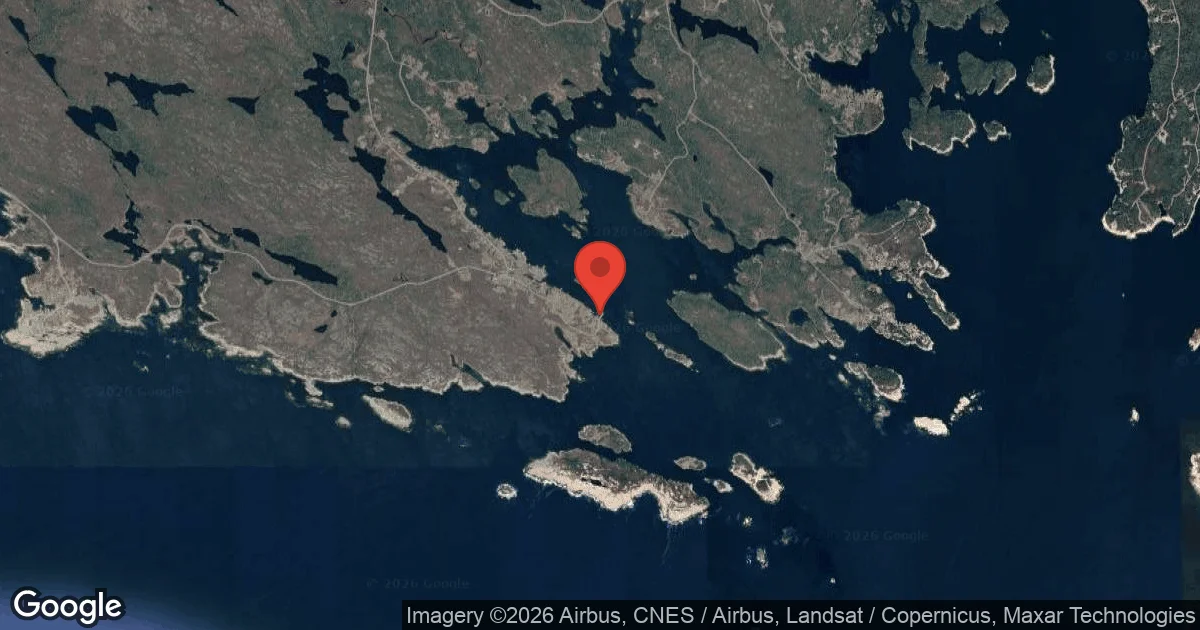
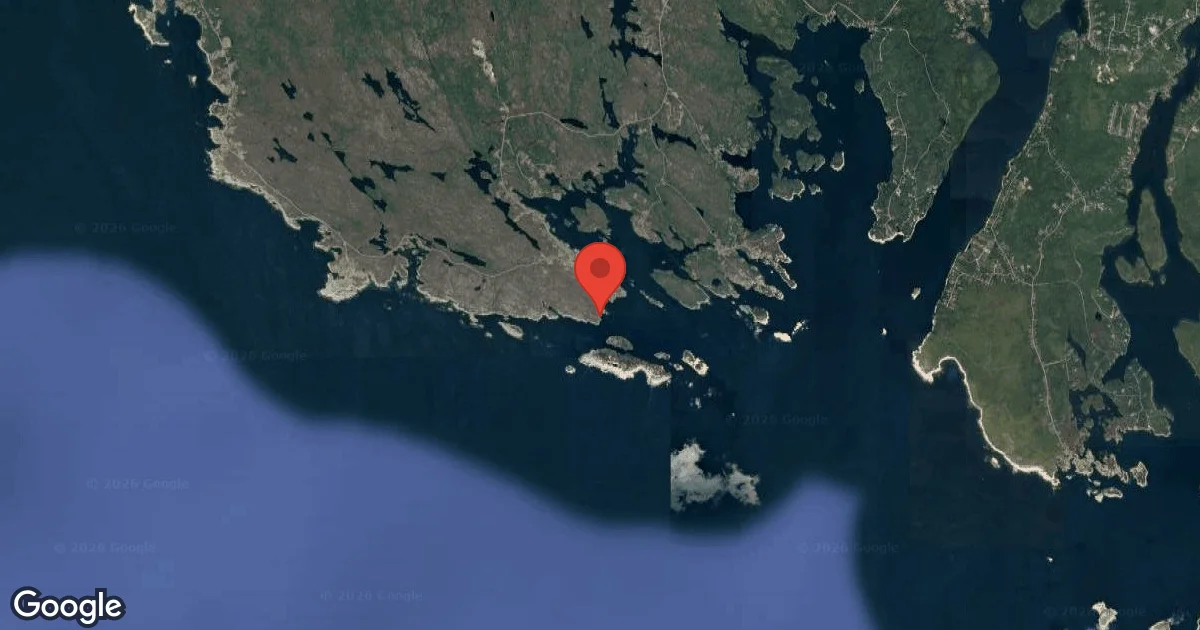
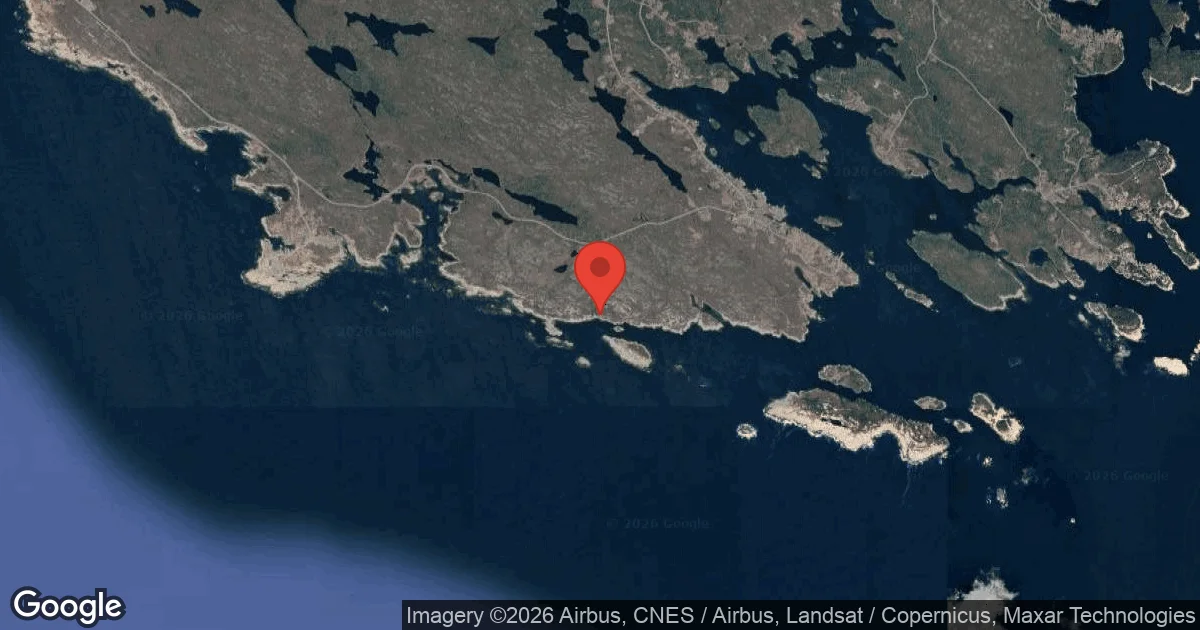
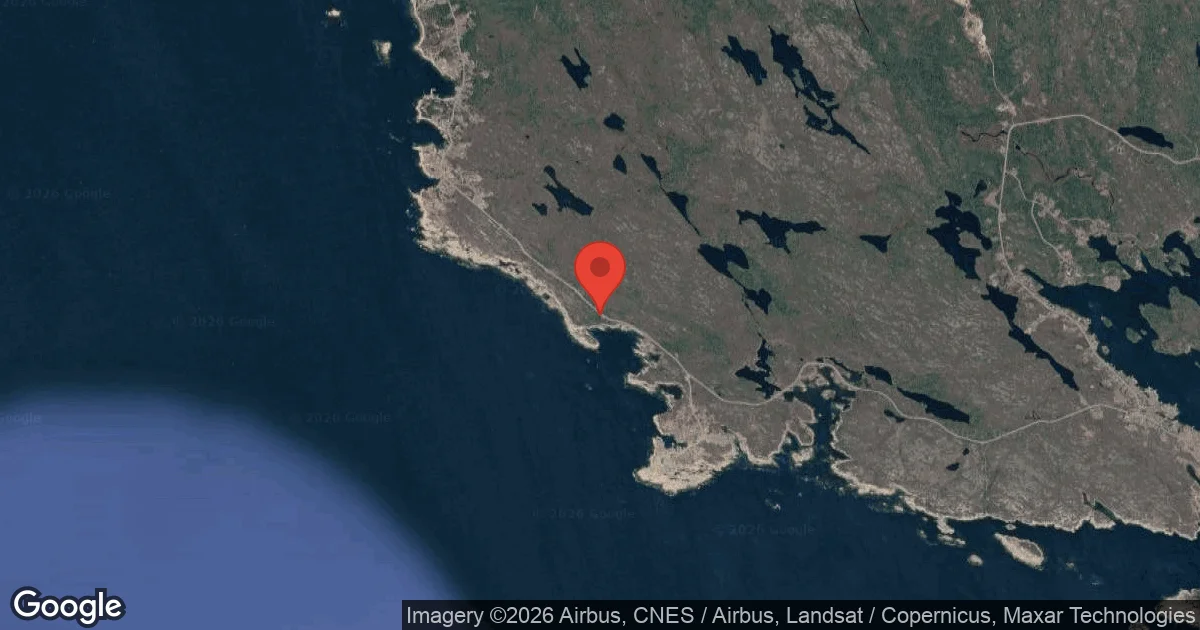
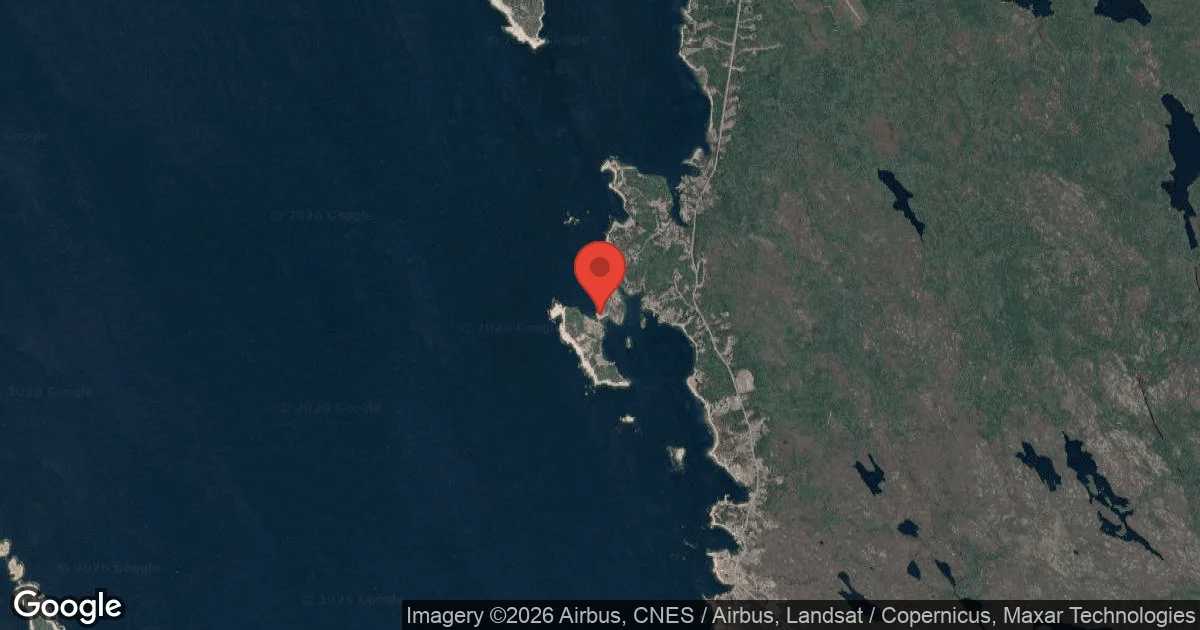
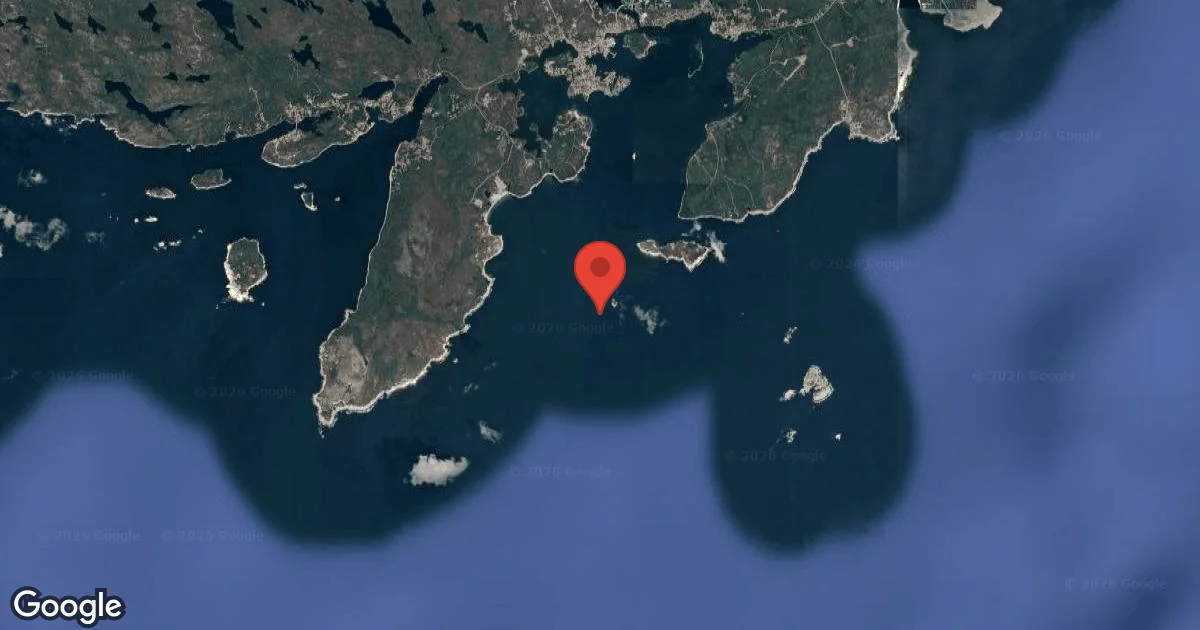
View all dive sites in CanadaDiscover more underwater gems in this area.
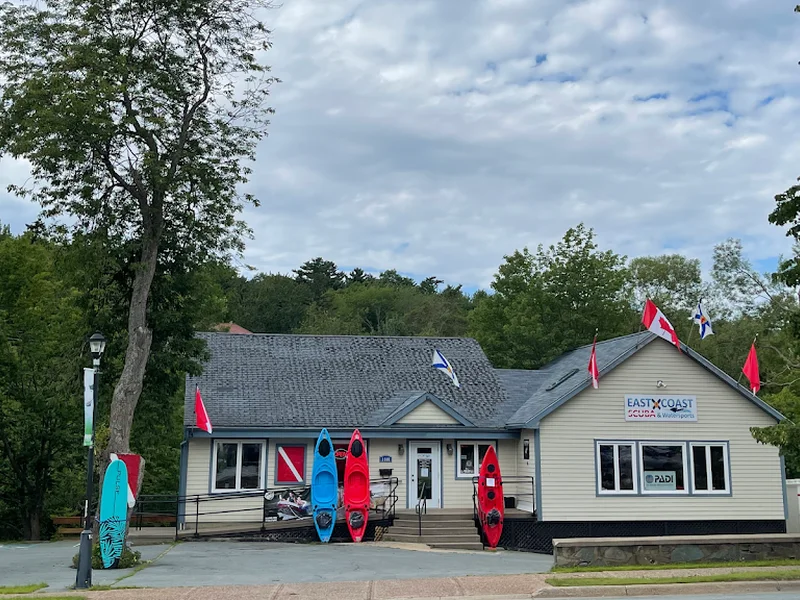
Dive Centers Near Prospect Wharf
Today: 09:00 - 17:00
Nearest Airports
Nearest airports to help plan travel to this dive area.
Search Flights
Check available flights and routes on Expedia, using the nearby airports listed in this section.
Search Flights on ExpediaFrequently Asked Questions
Is Prospect Wharf suitable for new divers?
Generally, yes. The site's typically calm conditions and shallower depths make it a good option for those building experience. However, divers should maintain good buoyancy control, particularly over silty areas, to avoid disturbing visibility.
What marine life is commonly found at Prospect Wharf?
Divers exploring this area frequently encounter various crab species, including hermit, green, and rock crabs. Flounder and sculpins are also common, often camouflaged on the seabed. In deeper, rocky sections, lobsters and sea ravens become more abundant.
Can I find historical artifacts while diving here?
Indeed, remnants from the site's past as a fishing community are often discovered. Divers frequently report finding old clay pipes, bottles, and other discarded items resting on the sandy and muddy bottom sections. Collecting artifacts, however, should always respect local regulations and preserve the site's integrity.
What is the typical underwater visibility at Prospect Wharf?
Visibility varies with conditions and diver activity. Near the immediate wharf and over silty areas, it can be reduced if sediment is stirred. Away from these areas and on clearer days, visibility generally improves, offering better views of the diverse terrain.
Are there strong currents to consider?
No, significant currents are typically negligible at Prospect Wharf. This allows for relaxed and comfortable exploration of the underwater environment. Divers can usually navigate the site without concern for strong water movement.
What essential gear is recommended for a dive at Prospect Wharf?
Considering Nova Scotia's cool waters, appropriate thermal protection like a drysuit or thick wetsuit is strongly advised. A surface marker buoy (SMB) is also essential due to potential boat traffic, ensuring you remain visible to others on the surface.
What are the parking arrangements for divers?
Parking at Prospect Wharf is limited, reflecting its community setting. To respect local residents and ensure sufficient space for everyone, carpooling to the dive site is highly recommended. Plan your arrival accordingly to secure a spot.
Planning to dive Prospect Wharf?
Send one inquiry and receive offers directly from the best verified local dive operators.
Conditions are Good
Optimal conditions expected
Current conditions near Prospect Wharf show 16° air, 17° sea temperature, 0.9 m waves, and 33 km/h wind. Forecast data is refreshed regularly to ensure accuracy.