
Diving at Bahia Gardner (Ecuador)
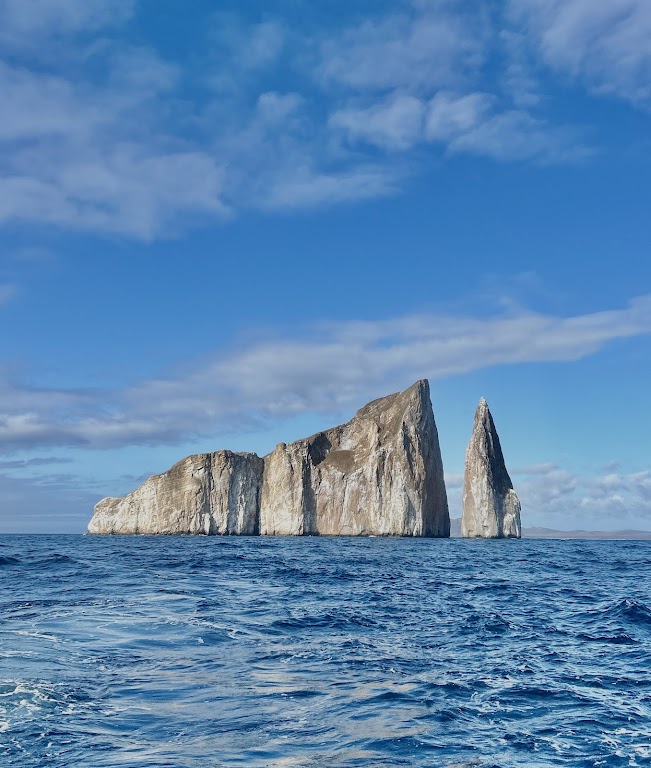
Gardner Bay on Española Island presents two distinct areas for underwater exploration: the main bay and Turtle Rock. A long, secluded white sand beach characterizes the bay itself, featuring a notable sea lion colony. Offshore, Turtle Rock emerges as a significant rock formation, serving as a focal point for diving and snorkeling. Underwater exploration here reaches a maximum depth of 18 m / 59 ft, offering a diverse subaquatic landscape.
As evening covers Bahia Gardner, the local air temperature is measured at 25.5°C. The current wave height at the surface is recorded at 1.7 m. These late-day readings characterize the surface conditions for the night.
Dive Site Location & Key Facts
Dive Site Overview
Initiating a dive at Bahía Gardner involves a boat journey to this notable site, where a dive guide provides a comprehensive briefing upon arrival before entry. Underwater activity typically lasts approximately 45 minutes, allowing ample time to explore distinct subaquatic environments.
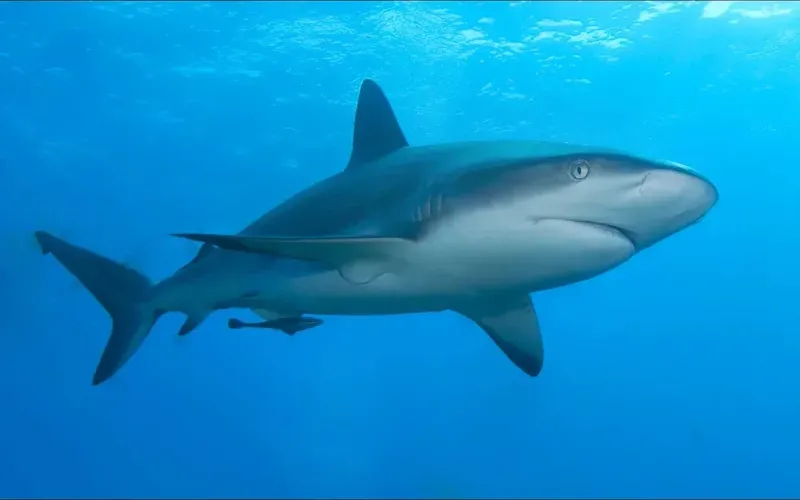
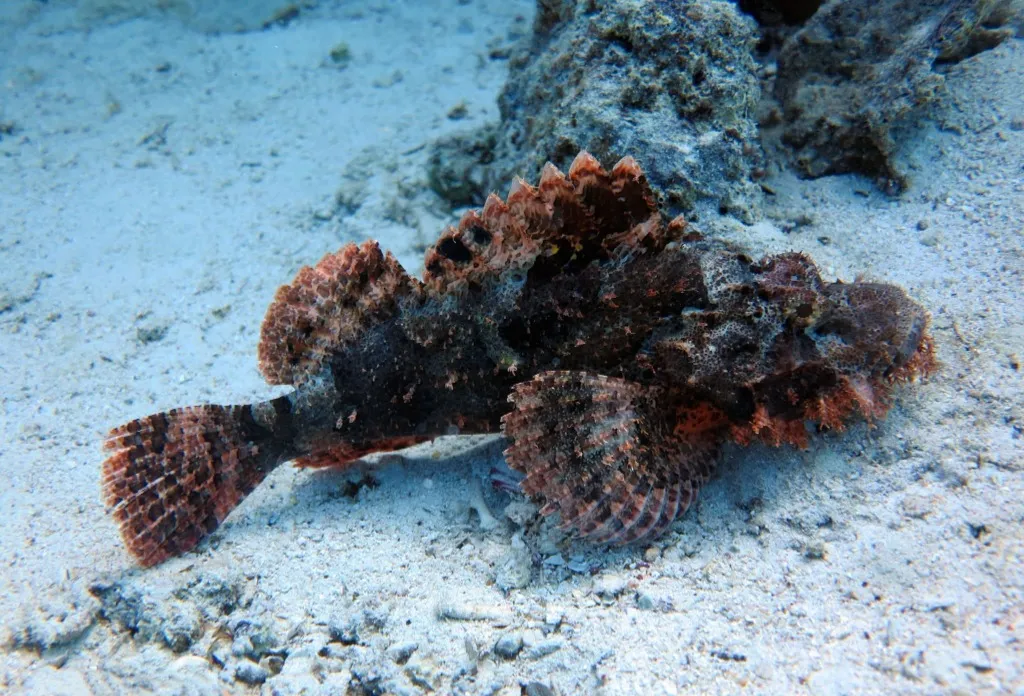
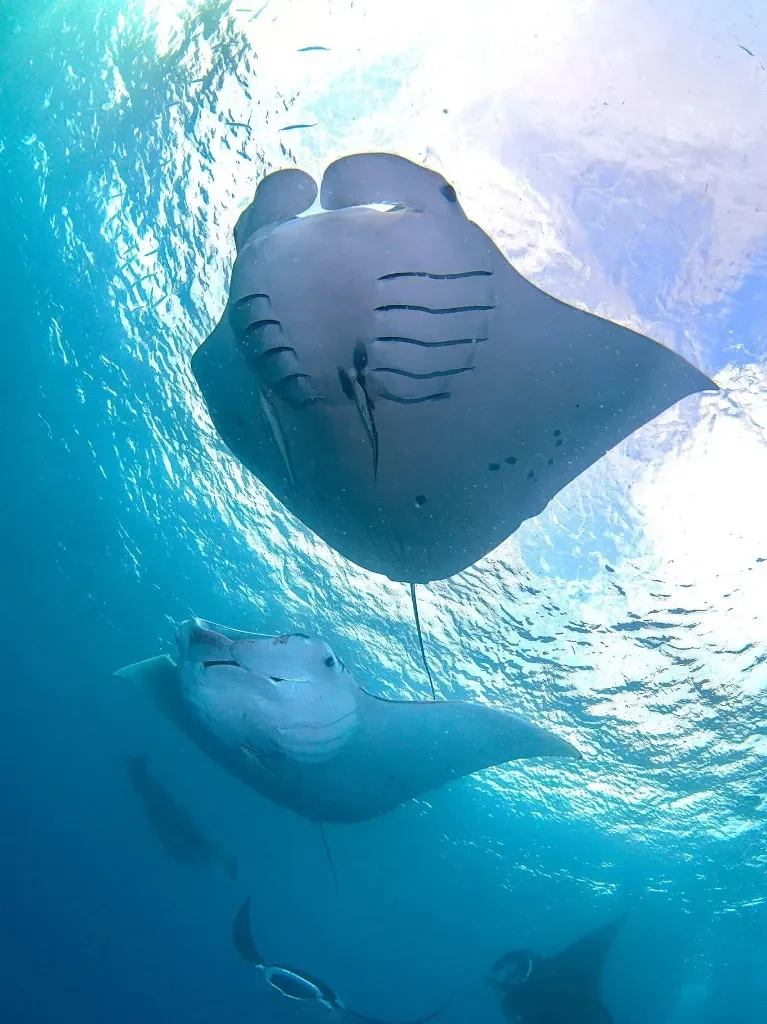
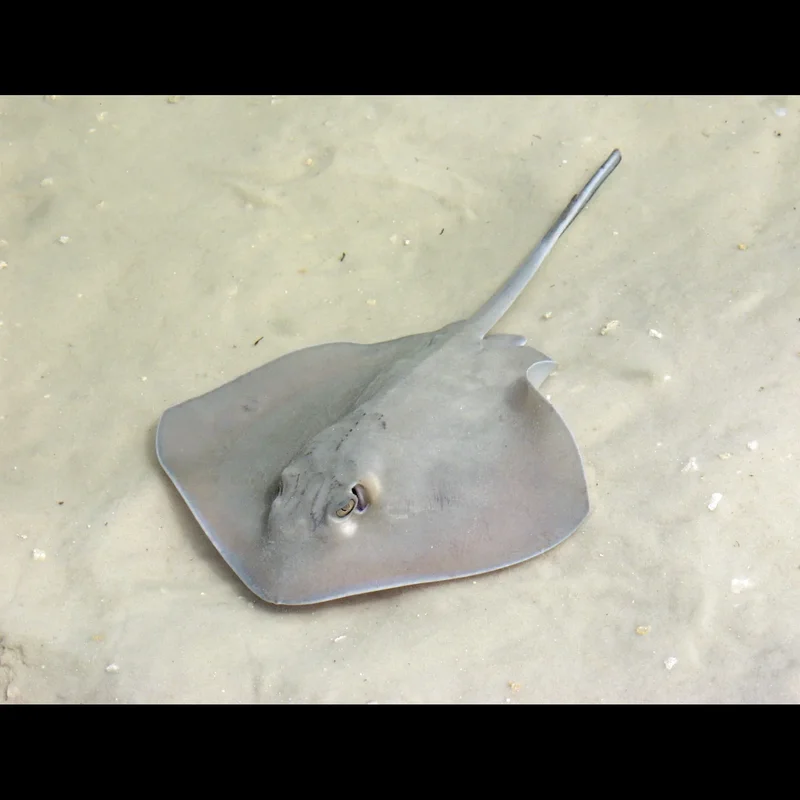
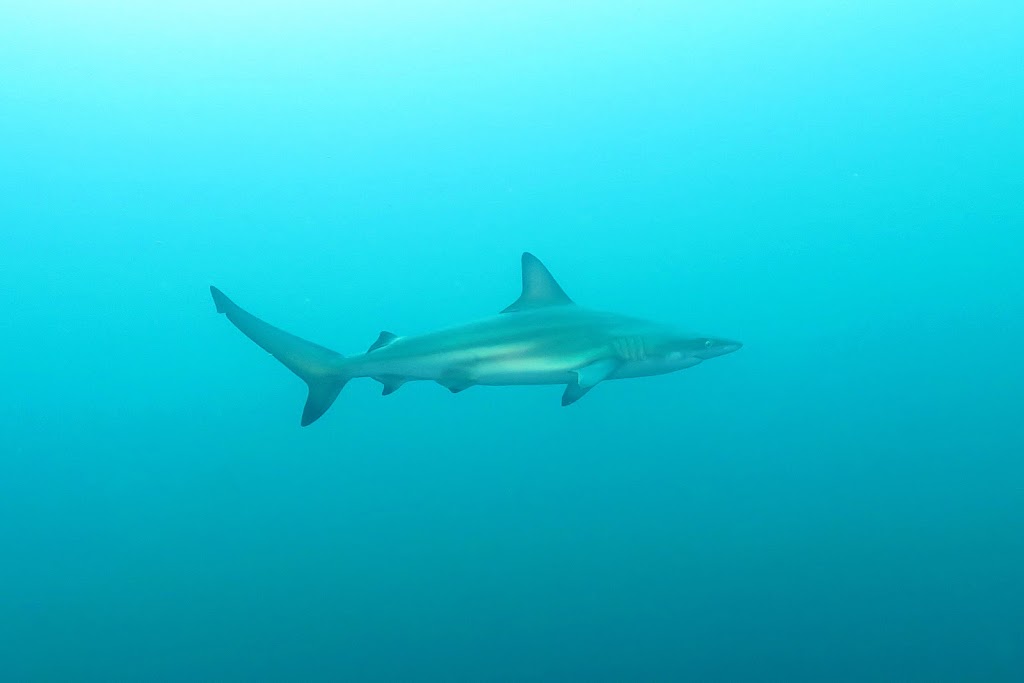
Divers here encounter a rich tapestry of marine life, frequently observing various reef sharks, playful sea lions, and numerous ray species. Subaquatic terrain transitions from sandy bottoms to areas broken up by larger rocks and small patches of seaweed, particularly between Turtle Rock and the shoreline. Such varied topography creates diverse habitats for many fish, including schools of surgeonfish, parrotfish, and wrasses, alongside well-camouflaged scorpionfish.
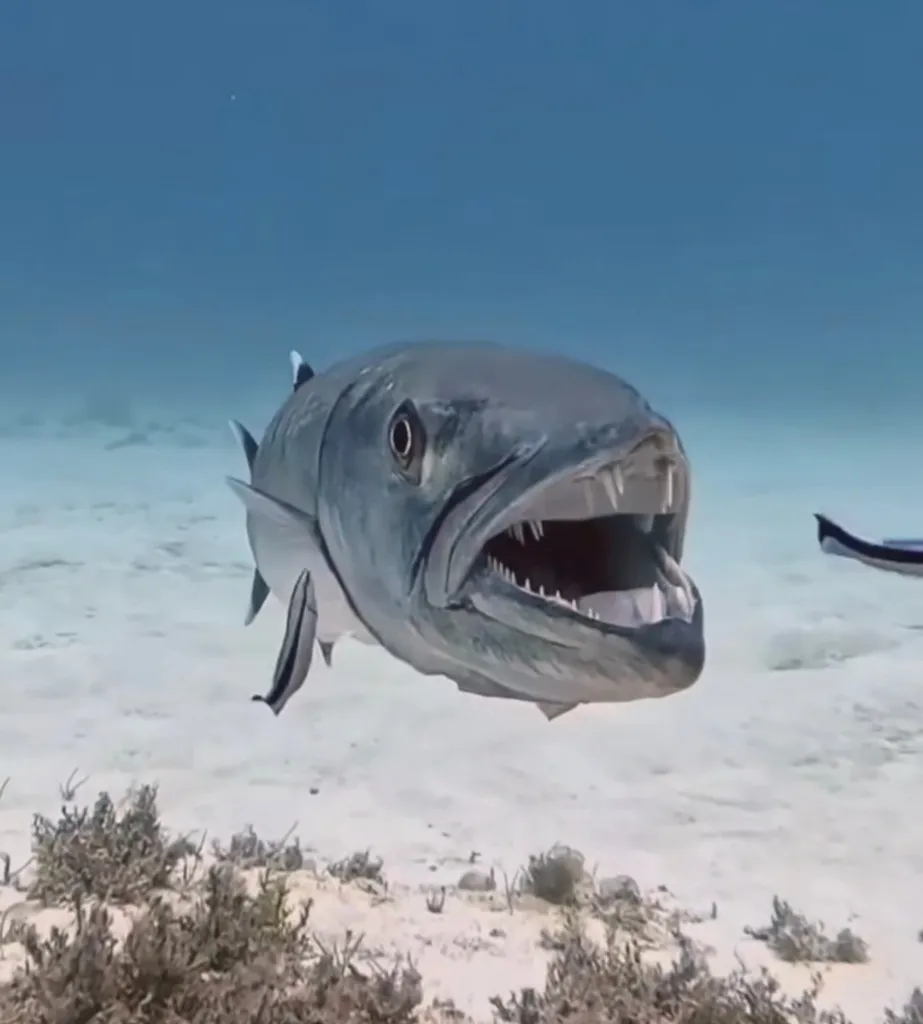
Exploring beyond the immediate reef structure offers a chance to encounter larger pelagic species such as barracuda and dolphins. While the bay is also known for its gorgeous white sand beach and sea lion colony at the surface, its underwater realm holds unique experiences.
Maximum depth for diving at Bahía Gardner is established at 18 meters (59 feet), making it accessible for a range of certification levels. A careful exploration of crevices and overhangs often reveals smaller, cryptic organisms, adding another layer to the site's biodiversity.
Conditions are Good
Optimal conditions expected
Current conditions near Bahia Gardner show 26° air, 26° sea temperature, 1.4 m waves, and 22 km/h wind. Forecast data is refreshed regularly to ensure accuracy.
Best Time to Dive
Evaluating conditions for Bahía Gardner reveals a consistent air temperature range throughout the year, with averages fluctuating between 22.5°C / 72°F in September and peaking at 27°C / 81°F in March. Dive scores generally remain "Moderate" from March through November, shifting to "Good" during January, February, and December. Rainfall is typically low across all months, with September seeing the least precipitation at around 1.14 mm and March experiencing slightly more at 4.59 mm. Wave heights tend to be higher between May and September, reaching up to 2.0 meters, which might influence surface conditions. For potentially calmer surface conditions, periods from January to April and October to December often present lower average wave heights, making these times generally favorable for accessing the site.
PEAK SEASON SCORE
Scores combine air & water temps, waves, wind & rainfall for overall conditions.
BEST MONTHS TO DIVE
Monthly records compiled from satellite and marine observation nodes over the last 3 years. Data provided by Open-Meteo and MET Norway.
Dive Experience & Conditions
Descending into Bahía Gardner's waters offers a dynamic sensory experience, with conditions varying significantly depending on the specific area. Around Turtle Rock, one side features deeper water and a noticeable current, inviting experienced divers to explore its more active environment. Conversely, other sides of Turtle Rock are typically calmer and shallower, providing an accessible entry point for less experienced snorkelers and divers. Seabed topography transitions from sandy expanses near the shore to rocky formations and patches of small seaweed around Turtle Rock. Different types of terrain create numerous hiding spots for marine life, encouraging close observation and revealing a microcosm of smaller creatures. While not consistently reported, visibility often allows for clear views of the diverse bottom topography and marine life present, enhancing the overall dive. Water type is consistently saltwater, maintaining a predictable environment for year-round diving.
Dive Difficulty & Safety Guidelines
Divers approaching Bahía Gardner should consider their skill level for the varying currents, particularly near the deeper side of Turtle Rock. While general PADI Standard Safe Diving Practices are always recommended, consulting with a local dive professional familiar with current site conditions is especially advisable. Scorpionfish, though present and possessing venomous stingers, are not aggressive and typically remain camouflaged on the bottom; caution should be exercised to avoid accidental contact.
Site characteristics make this location suitable for Open Water certified divers, but awareness of boat traffic and marine animal interactions is crucial.
Recommended Equipment
- Dive Computer
- DSMB
This gear list is based on verified equipment signals for Bahia Gardner, Ecuador. Always confirm final gear choices with your dive operator, guide, or liveaboard.
Recommended Dive Suit
Weather models currently point toward consistent diving conditions over the next several days.
For typical recreational dives, 2-3mm shorty or light wetsuit generally provides comfortable insulation.
Recent environmental data from Bahia Gardner indicates water temperatures near 26°C (79°F). Surface air temperatures are resting at 26°C (78°F).
Due to technical issues with our weather providers, data hasn't been fetched for over 48 hours. The data above reflects the conditions at the time of the last successful fetch.
Emergency & Medical Support
Essential information to help you plan your dive trip to BAHIA GARDNER.

Hyperbaric chambers are a critical part of dive safety infrastructure. Availability varies significantly by region, and not all dive areas have immediate access.
Before diving, it's recommended to:
- confirm nearest medical facilities
- check emergency procedures with local dive operators
- ensure dive insurance covers evacuation if required
Divers Alert Network
Diving emergency assistance available through DAN World.
+1-919-684-9111- 24/7 emergency hotline
- Diving medical assistance
- Evacuation coordination
Emergency contacts are provided for reference. Always verify local emergency services before diving.
Marine Life at Bahia Gardner
Underwater, Bahía Gardner's landscape serves as a vibrant habitat, especially around Turtle Rock and the sandy expanses. Divers frequently encounter a range of shark species, including reef sharks, with possibilities of spotting barracuda, manta rays, and various types of reef fish such as surgeonfish and parrotfish.
Keep an eye out for camouflaged scorpionfish and resting stingrays on the sandy bottom between the shore and Turtle Rock. Sea lions are a common sight, often observed playing both on the surface and underwater, adding an engaging element to the dive. Occasional sightings of dolphins and turtles further enrich the experience.
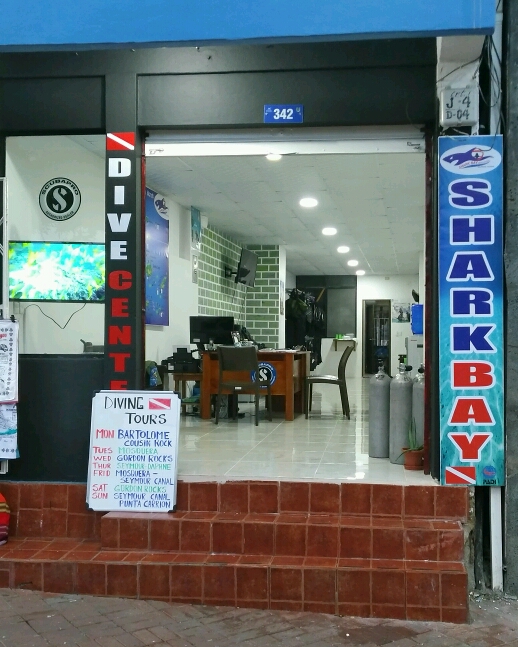
Dive Centers Near Bahia Gardner
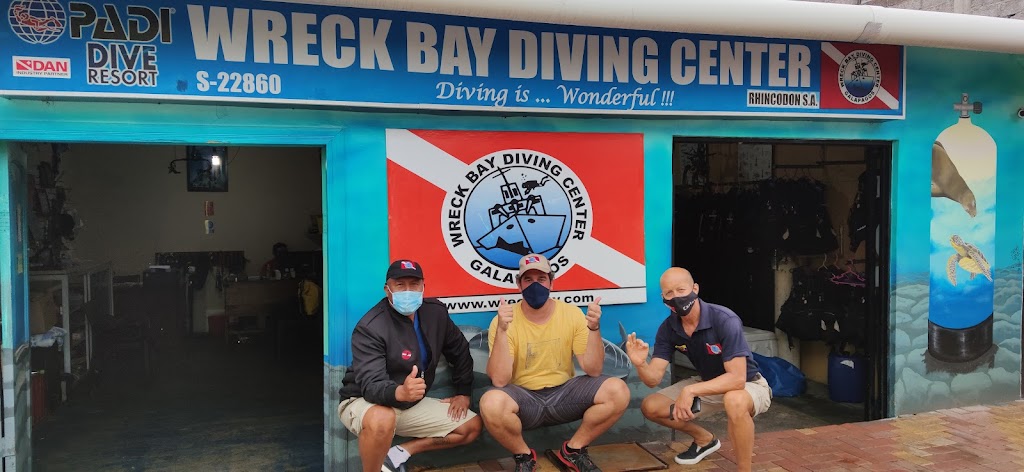
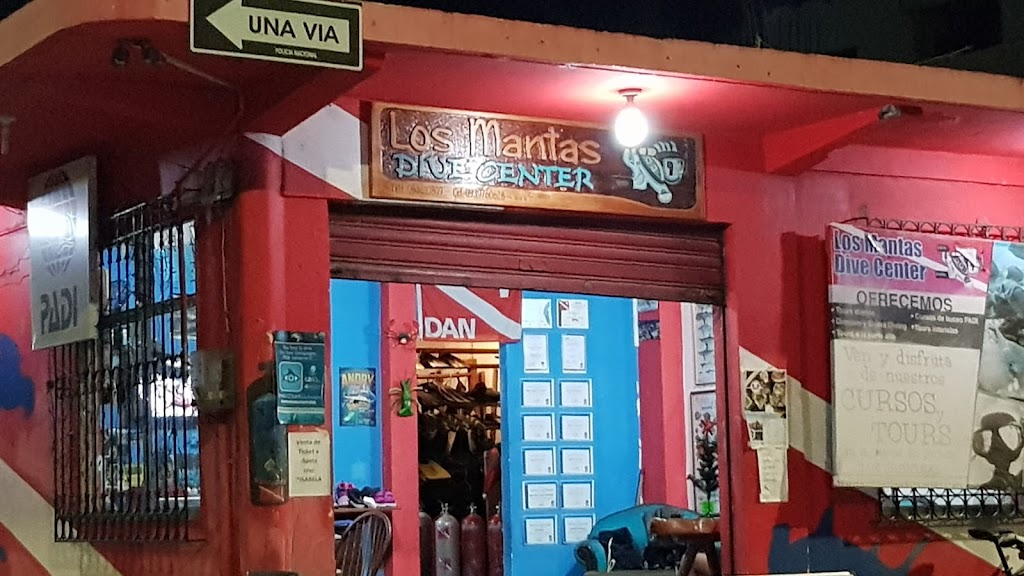
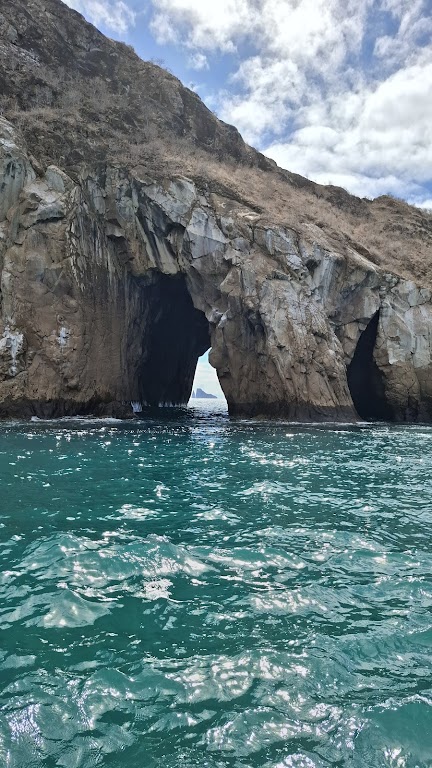
Nearest Airports
Nearest airports to help plan travel to this dive area.
Search Flights
Check available flights and routes on Expedia, using the nearby airports listed in this section.
Search Flights on ExpediaFrequently Asked Questions
What is the maximum depth for diving at Bahía Gardner?
The maximum depth for diving at Bahía Gardner is 18 meters (59 feet). This depth makes the site accessible to Open Water certified divers.
What marine life can I expect to see at Bahía Gardner?
Divers commonly observe various reef sharks, sea lions, and different species of rays. The site also hosts a variety of fish, including surgeonfish, parrotfish, wrasses, and sometimes pelagic species like barracuda or dolphins.
Are there strong currents at the dive site?
Currents vary at Bahía Gardner; while some areas, particularly near Turtle Rock, can have a noticeable current, other parts are typically calmer and shallower. Divers should assess conditions with a local guide before entering.
Is Bahía Gardner suitable for beginner divers?
Yes, Bahía Gardner can be suitable for beginner divers, especially in the calmer, shallower areas around Turtle Rock. However, less experienced divers should always consult with a dive professional regarding current conditions and choose areas appropriate for their skill level.
How long does a typical dive last here?
A typical underwater activity at Bahía Gardner generally lasts approximately 45 minutes. This duration allows ample time for exploration and observation of the diverse marine environment.
Can visitors interact with the sea lions at Gardner Bay?
While sea lions are a prominent feature of Gardner Bay, particularly on the white sand beach, direct interaction during dives or snorkeling should be done respectfully and without disturbing their natural behavior. Observing them from a respectful distance is key to a positive experience.
Planning to dive Bahia Gardner?
Send one inquiry and receive offers directly from the best verified local dive operators.
Conditions are Good
Optimal conditions expected
Current conditions near Bahia Gardner show 26° air, 26° sea temperature, 1.4 m waves, and 22 km/h wind. Forecast data is refreshed regularly to ensure accuracy.