
Diving at Turbo Tunnel (India)
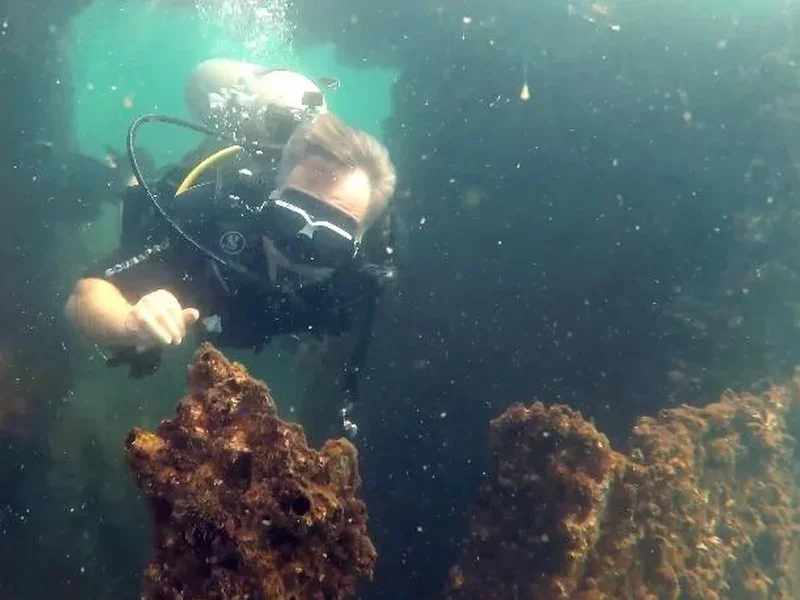
Experience the dynamic pulse of Turbo Tunnel, where the ocean's surge creates a uniquely interactive dive. An invigorating passage through a rocky canyon demands attention to buoyancy as divers navigate the narrow crack. Steep walls, vibrant with orange sponges and whip corals, guide the descent. Expect an immediate, sensory immersion into a geological feature defined by its flowing water, reaching a maximum depth of 8 m (26 ft).
As evening covers Turbo Tunnel, the local air temperature is measured at 29°C. The current wave height at the surface is recorded at 1.2 m. These late-day readings characterize the surface conditions for the night.
Dive Site Location & Key Facts
Dive Site Overview
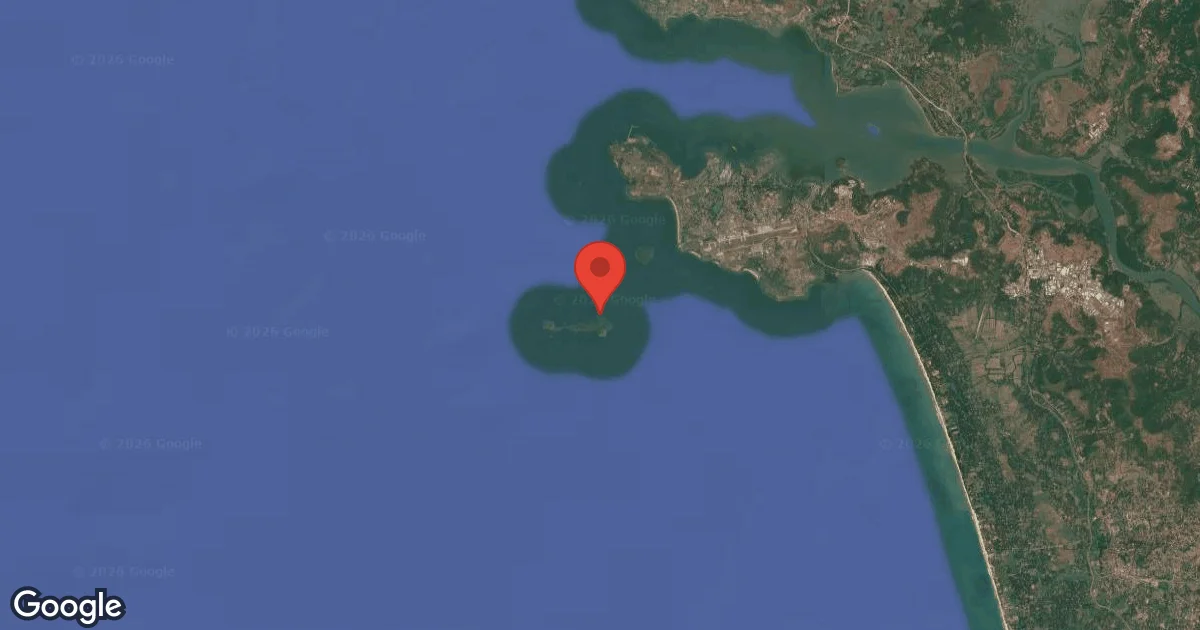
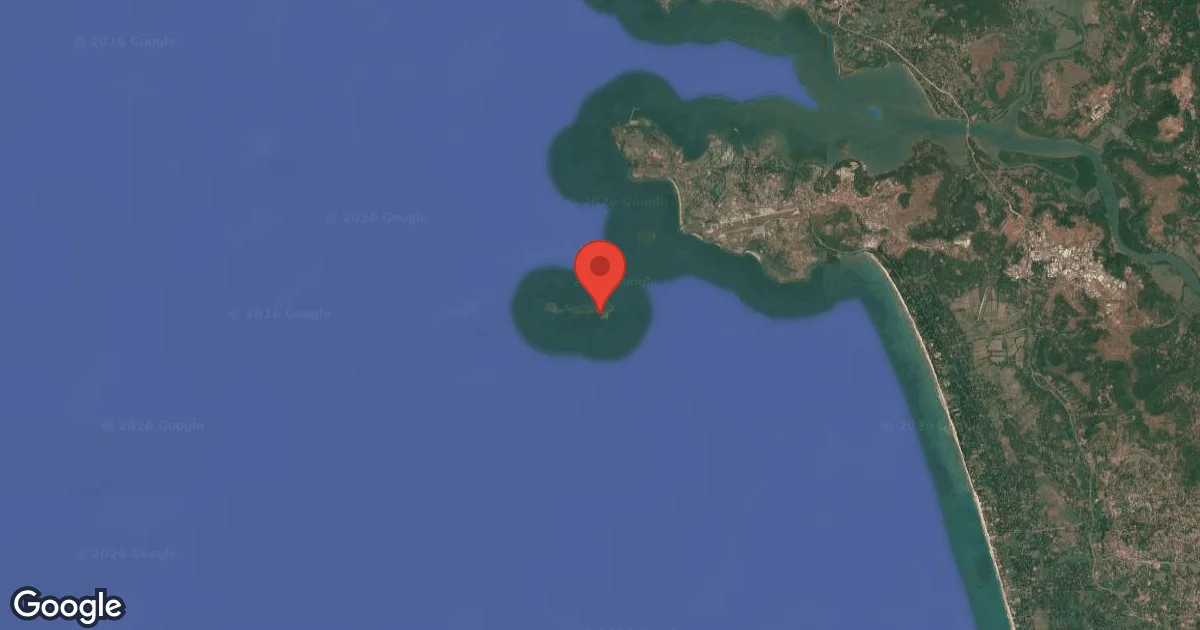
A distinctive underwater channel at Turbo Tunnel forms a natural crack, separating the main island from a large offshore rock. Such a geological feature underpins an exhilarating dive, aptly named for the powerful surge defining much of the experience.
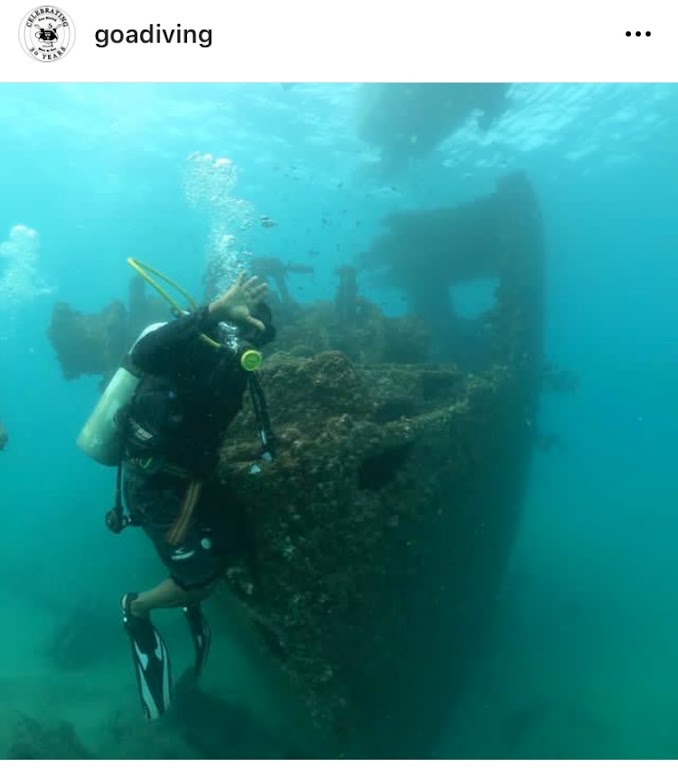
Divers often begin navigation by following an old anchor chain, stretching approximately 200 m (656 ft) from Suzy's Wreck to the tunnel's entrance. Site topography features steep, rocky canyon sides, becoming especially dynamic during moderate wave action, intensifying natural water flow through the passage.
Its structure creates a fascinating environment where ocean conditions directly shape the diver's interaction. Moving through, divers frequently report a sensation of being pushed and pulled, actively engaging with the ocean's rhythm.
Inside, walls are adorned with vibrant orange sponges and whip corals, hinting at robust marine life supported by these currents. Encounters with various reef fish like pipefish and boxfish are common, thriving within the tunnel's sheltered yet active environment.
Maximum depth is consistently 8 m (26 ft), making it accessible for a wide range of certified divers while still offering an engaging challenge for buoyancy control. Understanding surge patterns and mastering precise movements here are key to fully appreciating this unique submerged landscape.
Conditions are Good
Optimal conditions expected
Current conditions near Turbo Tunnel show 29° air, 29° sea temperature, 1.2 m waves, and 21 km/h wind. Forecast data is refreshed regularly to ensure accuracy.
Best Time to Dive
Planning a visit to Turbo Tunnel rewards divers with optimal conditions during specific months. Prime season runs from January to April, extending through November and December, consistently showing good dive scores. During these periods, air temperatures are comfortably warm, ranging from 26.5°C (80°F) to 29°C (84°F). Rainfall is minimal, often less than 1 mm, which typically contributes to better underwater visibility. Additionally, wave heights are generally below 1 meter (3 ft), ensuring calmer boat trips and more manageable surge within the tunnel. May, August, September, and October offer moderate dive scores; however, monsoon season in June and July experiences poor dive scores due to significantly higher rainfall, up to 34.9 mm, and increased wave heights, sometimes reaching 2.9 meters (9.5 ft). Water temperatures are not consistently reported for this site, but regional patterns suggest warm conditions throughout peak season.
PEAK SEASON SCORE
Scores combine air & water temps, waves, wind & rainfall for overall conditions.
BEST MONTHS TO DIVE
Monthly records compiled from satellite and marine observation nodes over the last 3 years. Data provided by Open-Meteo and MET Norway.
Dive Experience & Conditions
Dynamic conditions define the dive experience within Turbo Tunnel, particularly when a slight swell is present. Such water movement creates the signature 'surge ride,' allowing divers to actively push against the current before gliding forward with its flow. Access typically involves a boat entry, aligning divers directly with the site's characteristic features. Max depth throughout the tunnel remains 8 m (26 ft), offering ample time to appreciate the environment. Canyon walls are steep and rocky, frequently decorated with colorful orange sponges and whip corals. Mastering strong buoyancy control is essential here, crucial for navigating surge conditions and maintaining a safe distance from sea urchin-lined surfaces, which ensures a controlled and enjoyable passage.
Dive Difficulty & Safety Guidelines
Safe exploration of Turbo Tunnel requires keen awareness and appropriate skill. Given the site's dynamic nature, with its characteristic surge and sometimes narrow passages, divers must prioritize excellent buoyancy control to navigate effectively. Maintaining a prudent distance from the rocky walls is critical, as they are often lined with sea urchins.
Being prepared for varying ocean conditions and understanding how to respond to currents or swell is advisable. While suitable for PADI Open Water Divers, additional certifications such as PADI Advanced Open Water Diver or PADI Rescue Diver can further enhance a diver's preparedness for dynamic environments. Always consult with local dive operators for current site conditions and specific guidance.
Recommended Equipment
- Dive Computer
- DSMB
This gear list is based on verified equipment signals for Turbo Tunnel, India. Always confirm final gear choices with your dive operator, guide, or liveaboard.
Recommended Dive Suit
Environmental conditions are expected to remain consistent in the short-term outlook.
Even in warm destinations, extended dives can gradually draw heat away from the body.
Exposure protection such as 2-3mm shorty or light wetsuit is commonly used when diving in waters of this temperature. The surrounding waters at Turbo Tunnel are currently registering temperatures of roughly 29°C (84°F). Surface air temperatures are resting at 29°C (84°F).
Due to technical issues with our weather providers, live updates are temporarily delayed. The data above reflects the conditions at the time of the last successful fetch.
Emergency & Medical Support
Essential information to help you plan your dive trip to Turbo Tunnel.

Hyperbaric chambers are a critical part of dive safety infrastructure. Availability varies significantly by region, and not all dive areas have immediate access.
Before diving, it's recommended to:
- confirm nearest medical facilities
- check emergency procedures with local dive operators
- ensure dive insurance covers evacuation if required
Divers Alert Network
Diving emergency assistance available through DAN World.
+1-919-684-9111- 24/7 emergency hotline
- Diving medical assistance
- Evacuation coordination
Emergency contacts are provided for reference. Always verify local emergency services before diving.
Marine Life at Turbo Tunnel
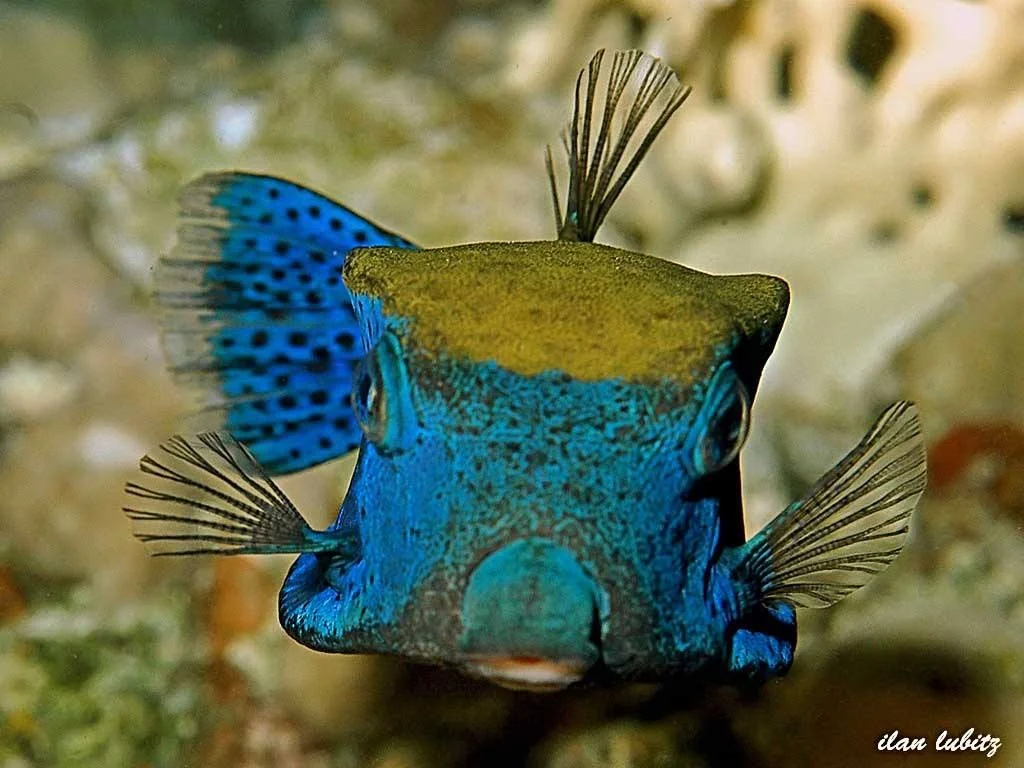
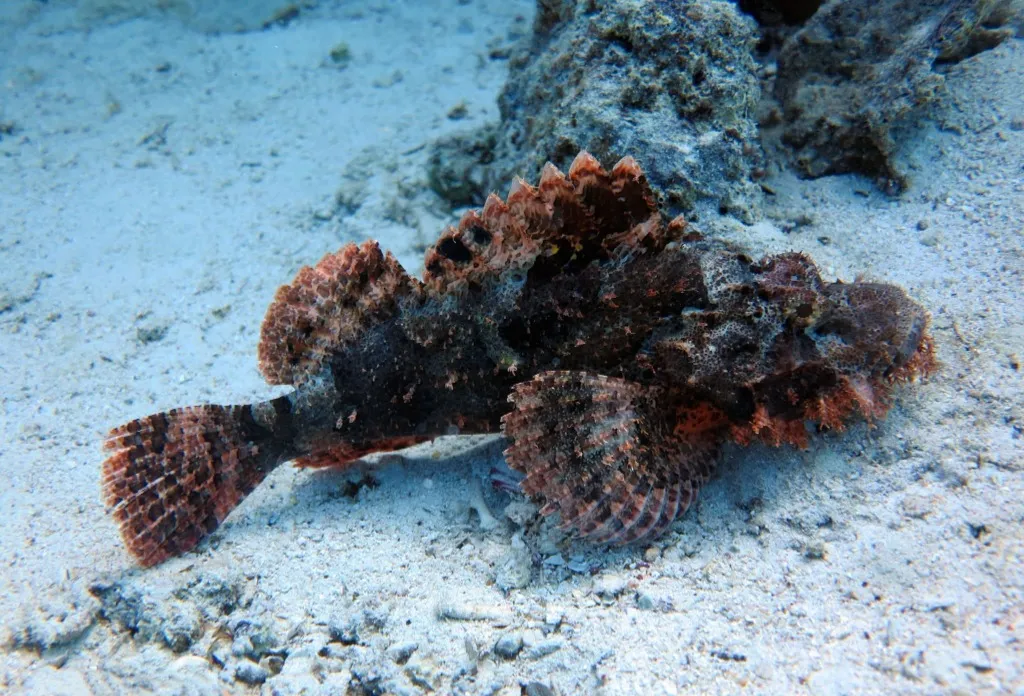
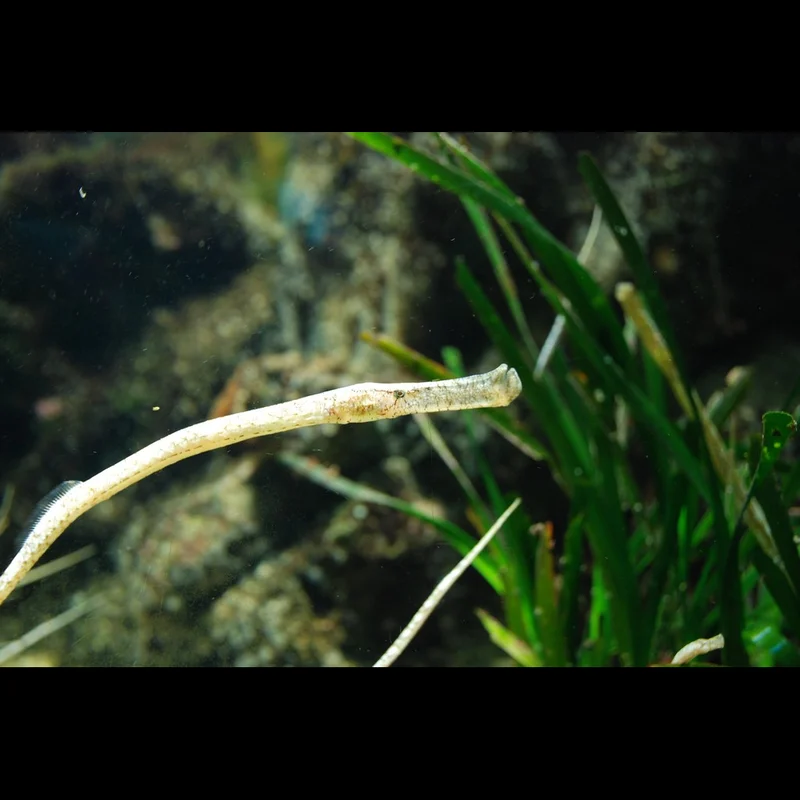
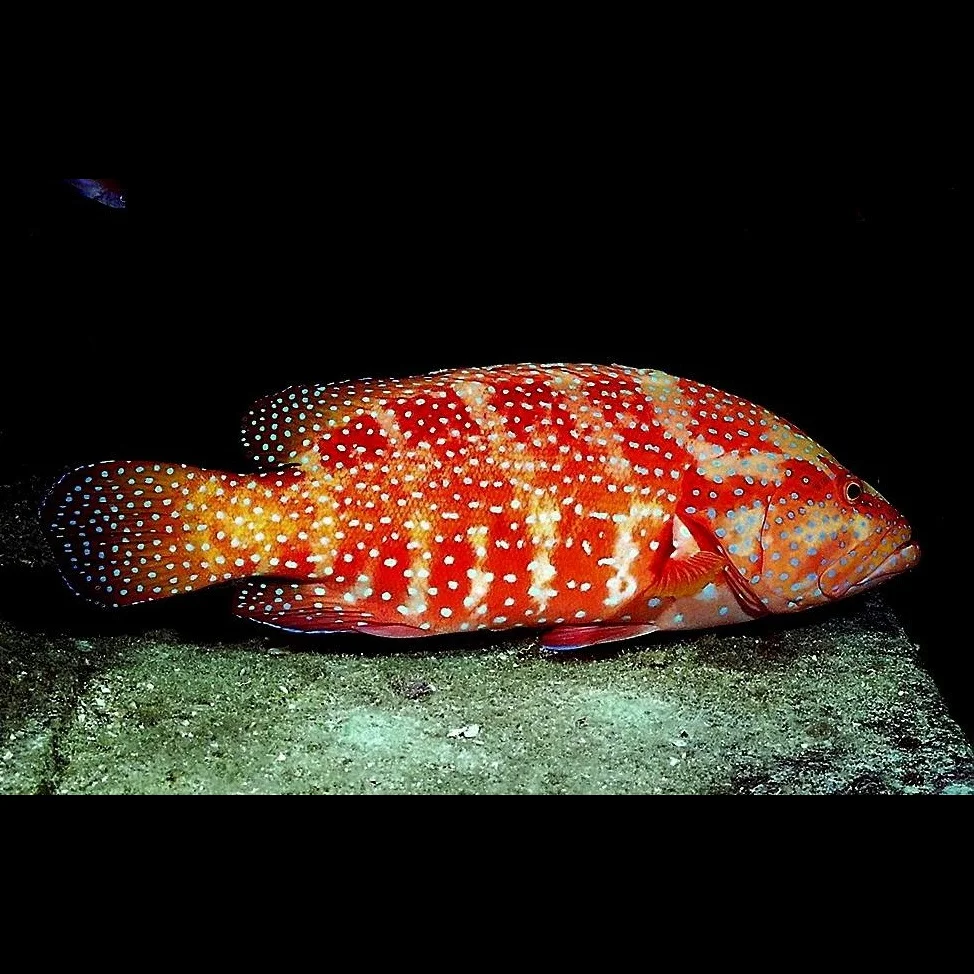
Turbo Tunnel's rocky formations provide shelter for a diverse array of reef fish. Divers frequently encounter vibrant populations of species such as pipefish, scorpionfish, boxfish, puffer fish, surgeonfish, angelfish, bannerfish, and triggerfish.
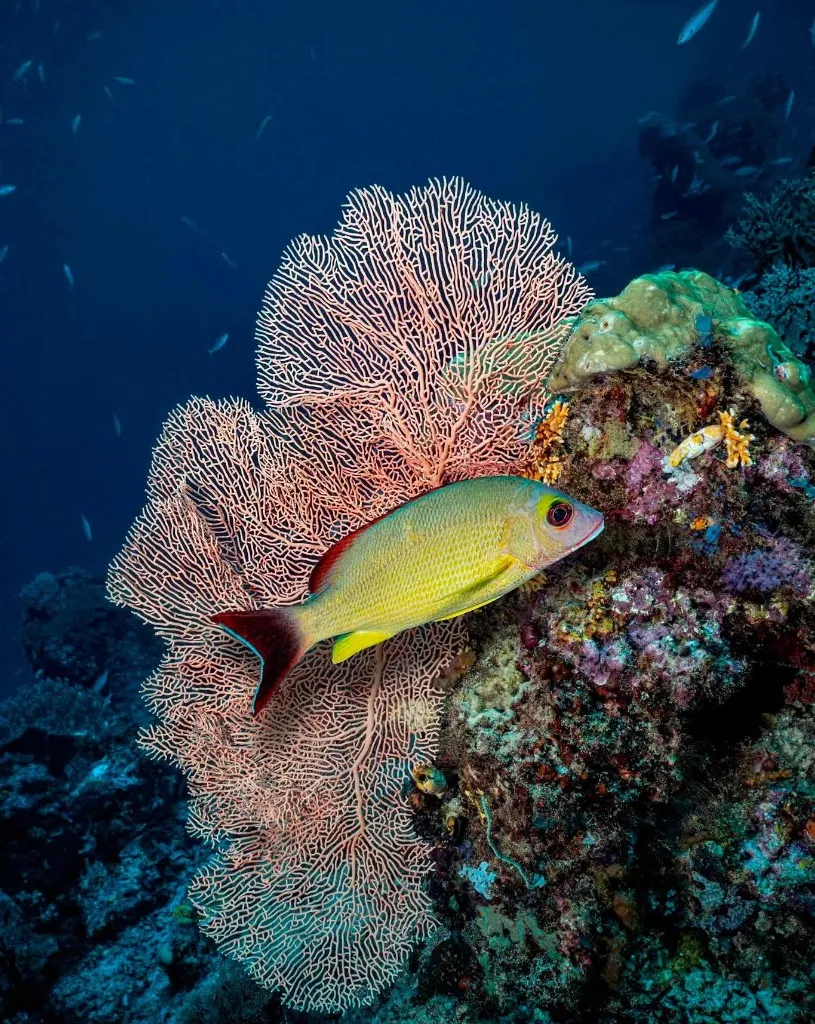
Parrotfish, trumpetfish, clownfish, sweetlips, snapper, grouper, and lionfish also inhabit the site. Orange sponges and whip corals line the canyon walls, contributing to a colorful, bustling backdrop.
On rarer occasions, observant divers might spot bamboo sharks in slightly deeper areas, particularly near boulders and sand patches outside the main tunnel.
Dive Sites Near Turbo Tunnel
View all dive sites in IndiaDiscover more underwater gems in this area.
Dive Centers Near Turbo Tunnel
Nearest Airports
Nearest airports to help plan travel to this dive area.
Search Flights
Check available flights and routes on Expedia, using the nearby airports listed in this section.
Search Flights on ExpediaFrequently Asked Questions
What makes Turbo Tunnel a unique dive site?
Turbo Tunnel is distinctive for its geological formation: a crack between the main island and a large rock that creates an underwater canyon. Divers experience an exhilarating surge, actively riding the natural water movement through the passage. Interaction with ocean conditions defines the dive.
What is the maximum depth at Turbo Tunnel?
Maximum depth consistently reported for Turbo Tunnel is 8 m (26 ft). Such shallowness makes it suitable for divers with various certification levels, including Open Water Divers.
What are the typical water conditions?
A slight swell provides the best experience, creating the signature 'surge ride' through the tunnel. Good buoyancy control is essential to manage these dynamic water movements and navigate the rocky walls. Visibility can vary but is generally good during peak dive season.
What marine life can be seen?
Turbo Tunnel is home to a variety of reef fish, including pipefish, scorpionfish, boxfish, puffer fish, surgeonfish, angelfish, and many more. Colorful sponges and whip corals cover the walls. Bamboo sharks are occasionally sighted in deeper areas.
Is Turbo Tunnel suitable for beginner divers?
The site is generally considered suitable for PADI Open Water Divers due to its manageable depth. However, excellent buoyancy control and comfort with dynamic water movement are highly recommended for the best and safest experience.
When is the best time of year to dive Turbo Tunnel?
Optimal diving occurs from January to April and November to December. These months offer comfortable air temperatures, minimal rain, and lower wave heights, providing optimal diving conditions and a pleasant experience.
How do divers typically access Turbo Tunnel?
Divers typically access Turbo Tunnel via boat from nearby dive centers. The site is located near Grande Island, and an old anchor chain from Suzy's Wreck often serves as a navigation aid to its entrance.
Planning to dive Turbo Tunnel?
Send one inquiry and receive offers directly from the best verified local dive operators.
Conditions are Good
Optimal conditions expected
Current conditions near Turbo Tunnel show 29° air, 29° sea temperature, 1.2 m waves, and 21 km/h wind. Forecast data is refreshed regularly to ensure accuracy.