
Diving at Spectacle Reef (New Zealand)
As a recognized dive spot within New Zealand's Coromandel region, Spectacle Reef has carved out its reputation over time for its vibrant reef ecosystems. It stands as a testament to the North Island's rich underwater offerings, attracting divers seeking diverse marine encounters. This site provides an accessible yet rewarding glimpse into the Tasman Sea's biodiversity, drawing attention to its unique blend of reef formations and colorful inhabitants.
As evening covers Spectacle Reef, the local air temperature is measured at 15.5°C. The current wave height at the surface is recorded at 0.9 m. These late-day readings characterize the surface conditions for the night.
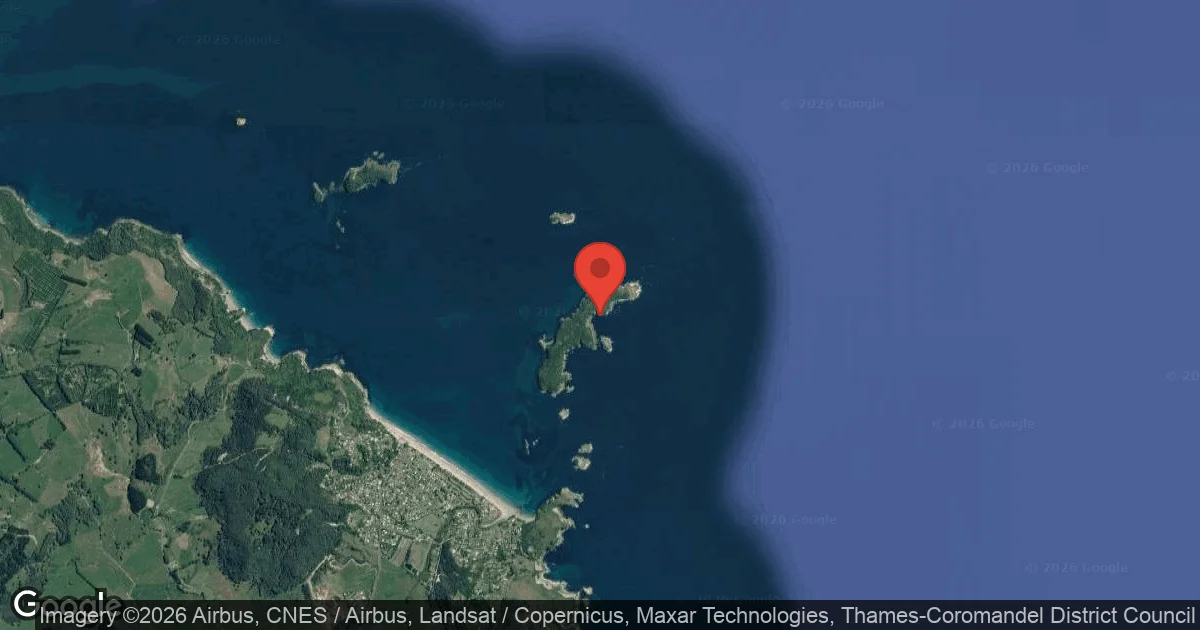
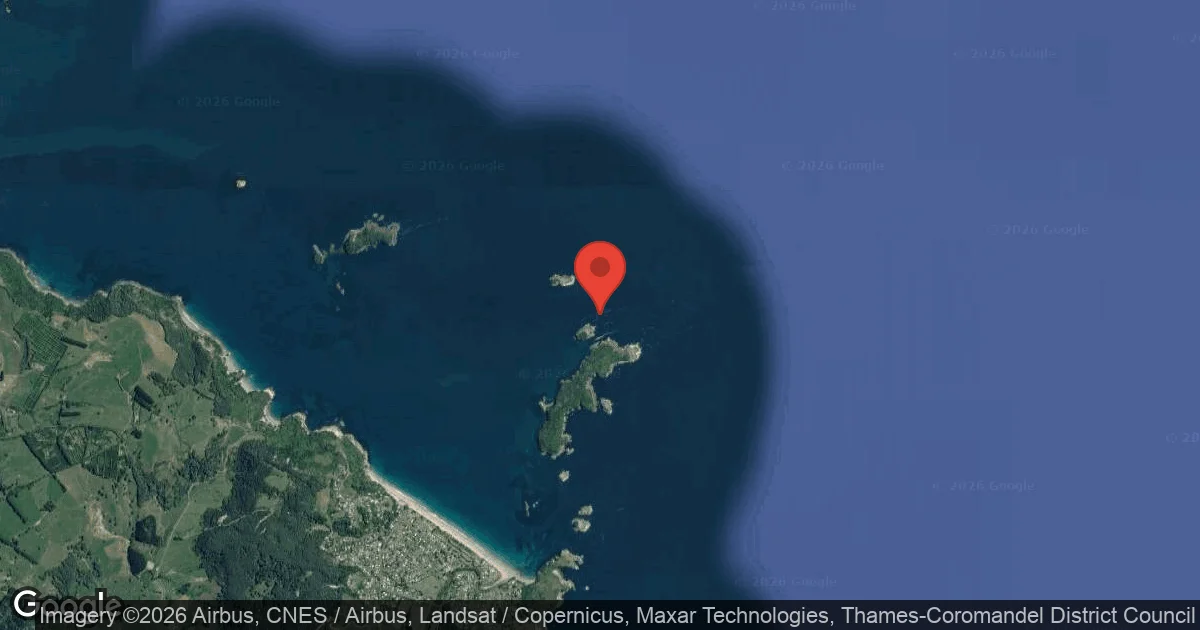
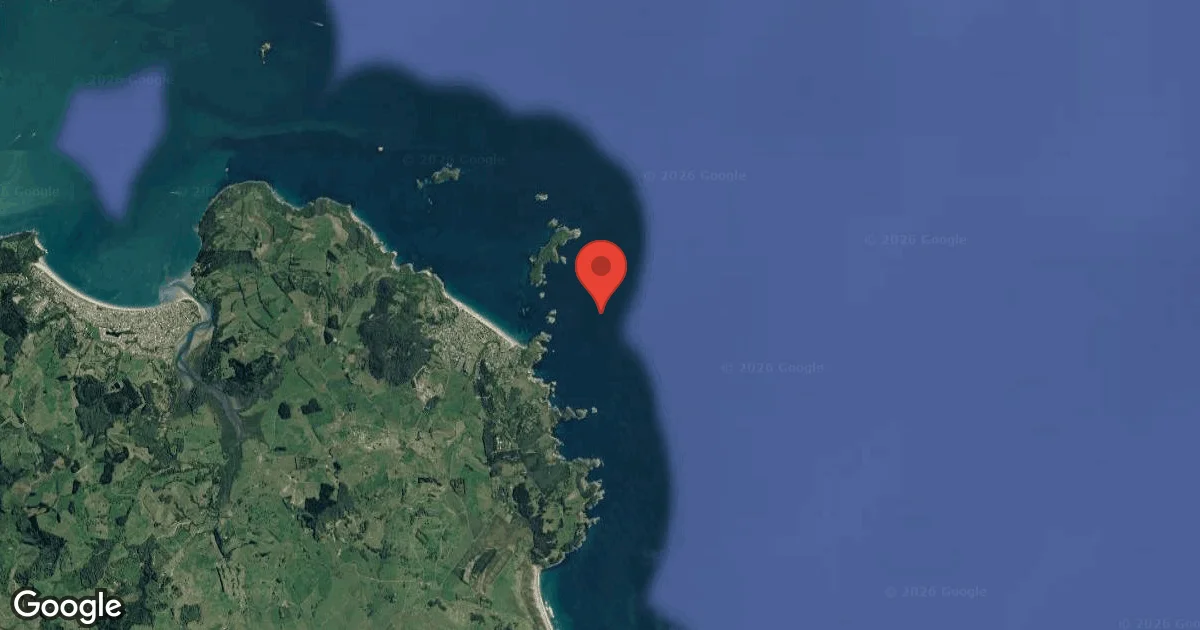
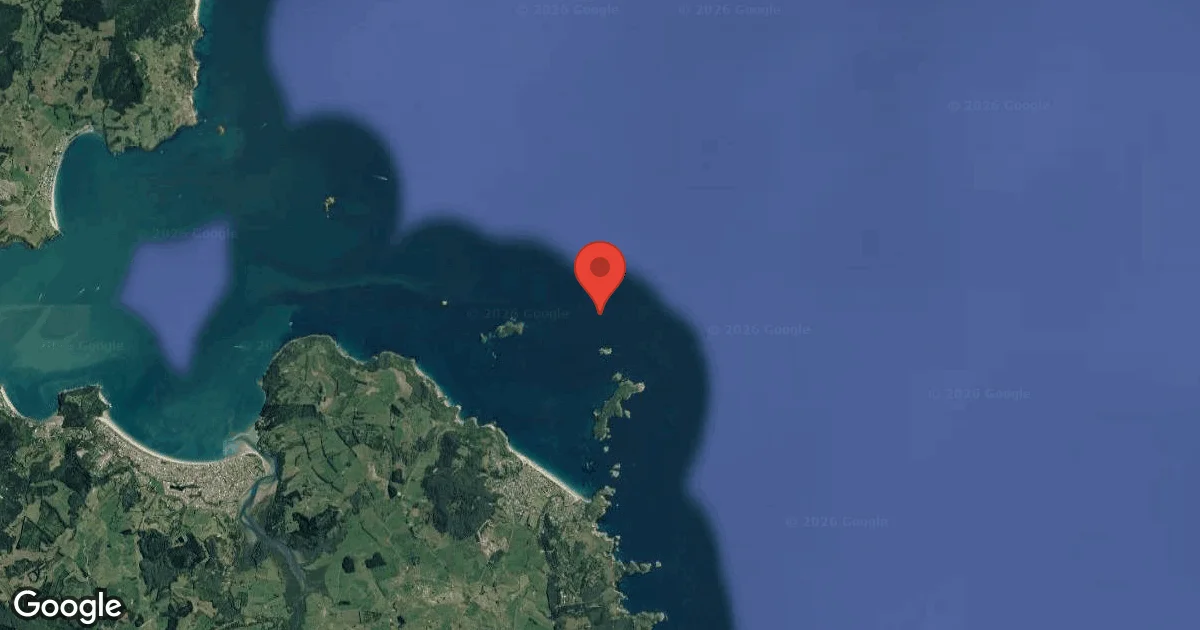
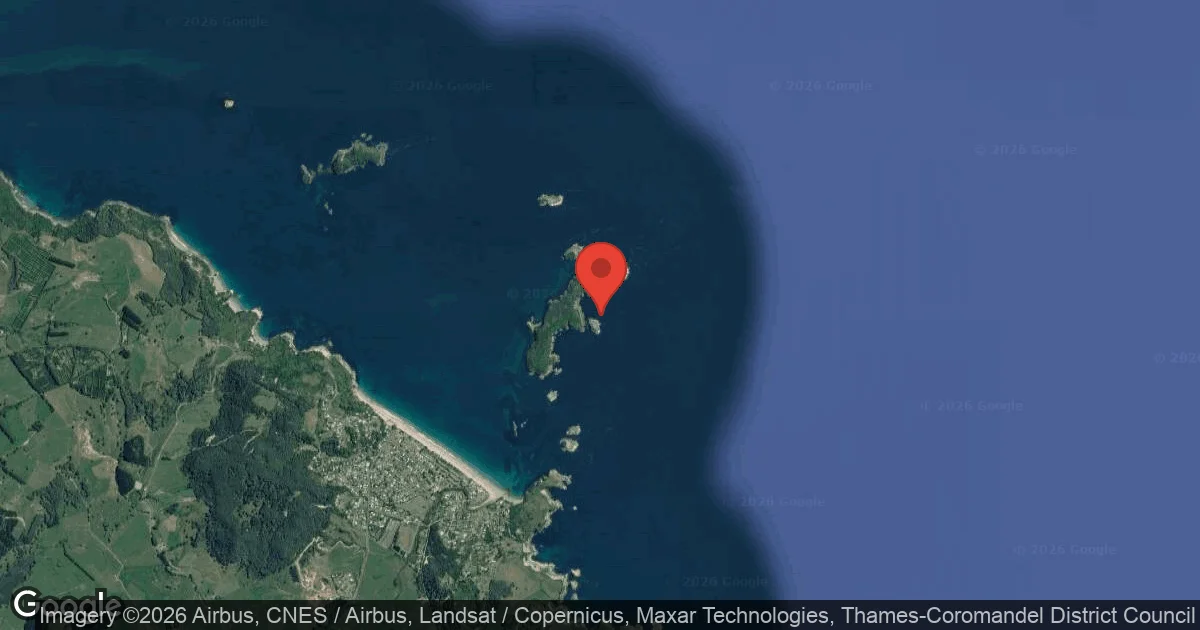
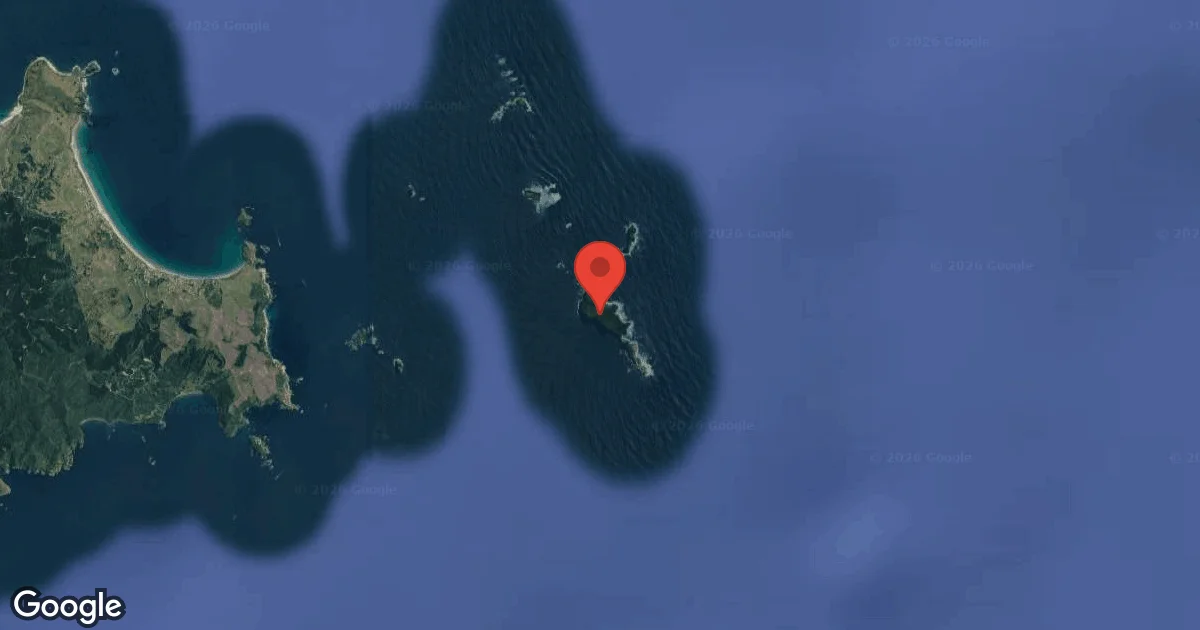
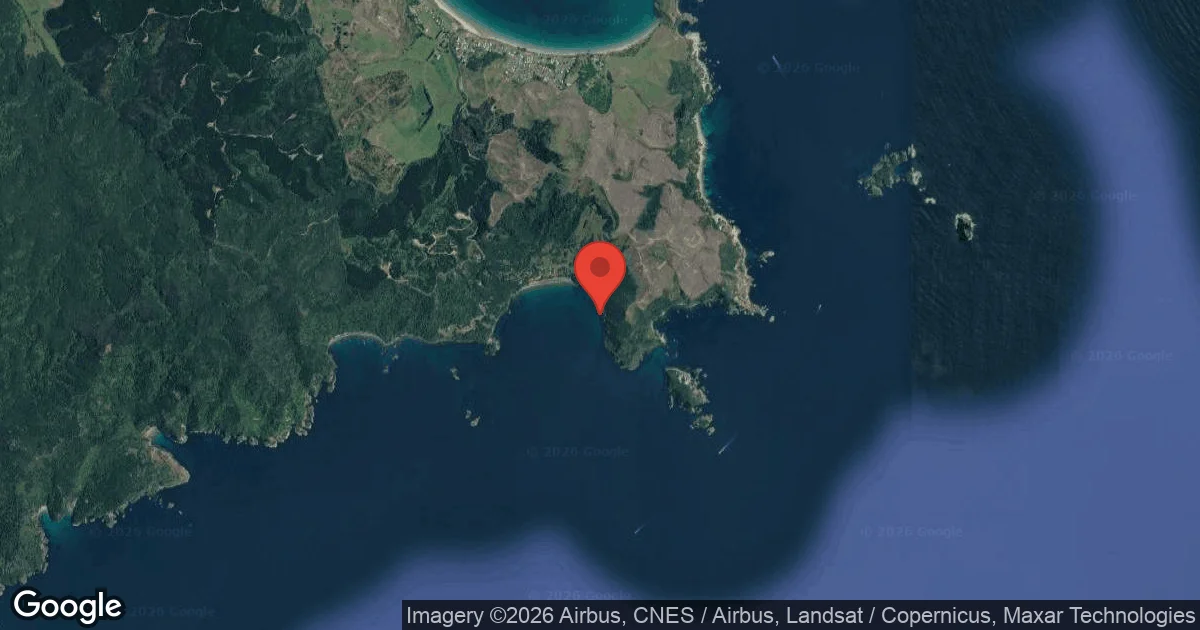
Dive Site Location & Key Facts
Dive Site Overview
Spectacle Reef presents a varied underwater topography, combining elements of a pinnacle, reef, and wall dive, making it a compelling destination for divers exploring New Zealand's Coromandel coastline. Descending here reveals a robust structure that offers diverse exploration opportunities, dropping to a maximum depth of approximately 20 m / 65 ft.
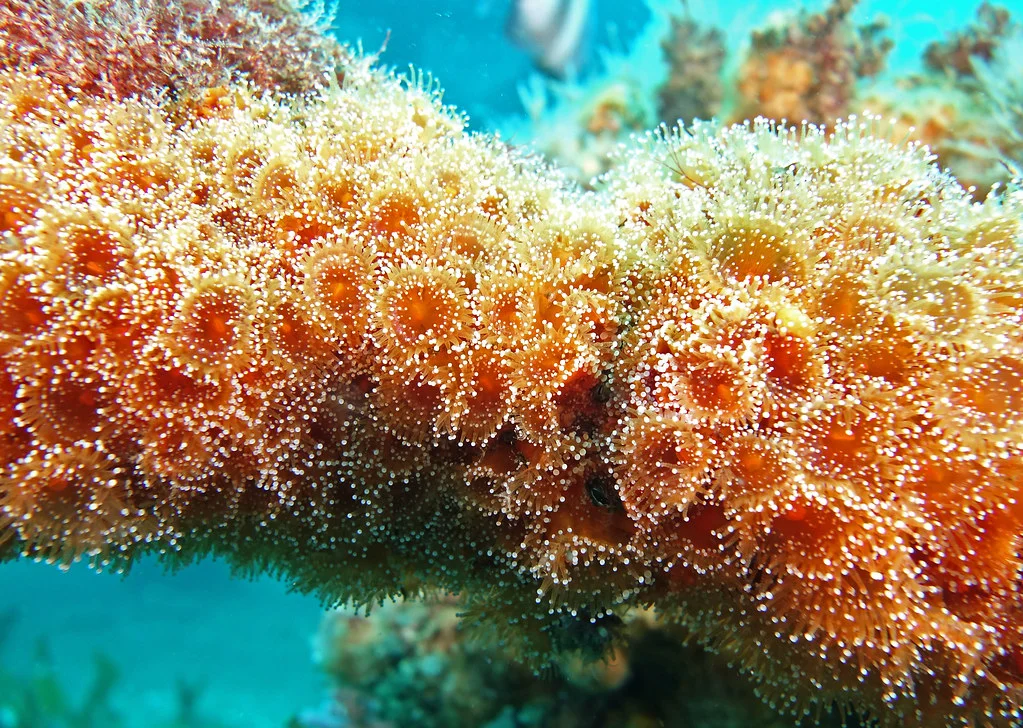
The site features prominent pinnacles rising from the seabed and walls that drop into deeper sections, alongside expansive reef flats. These hard coral formations and rocky surfaces are extensively covered in jewel anemones and sponges, creating a vibrant, textured habitat that supports a rich ecosystem. Throughout the different sections of the reef, one can observe various schooling fish species like blue maomao, demoiselles, and red moki.
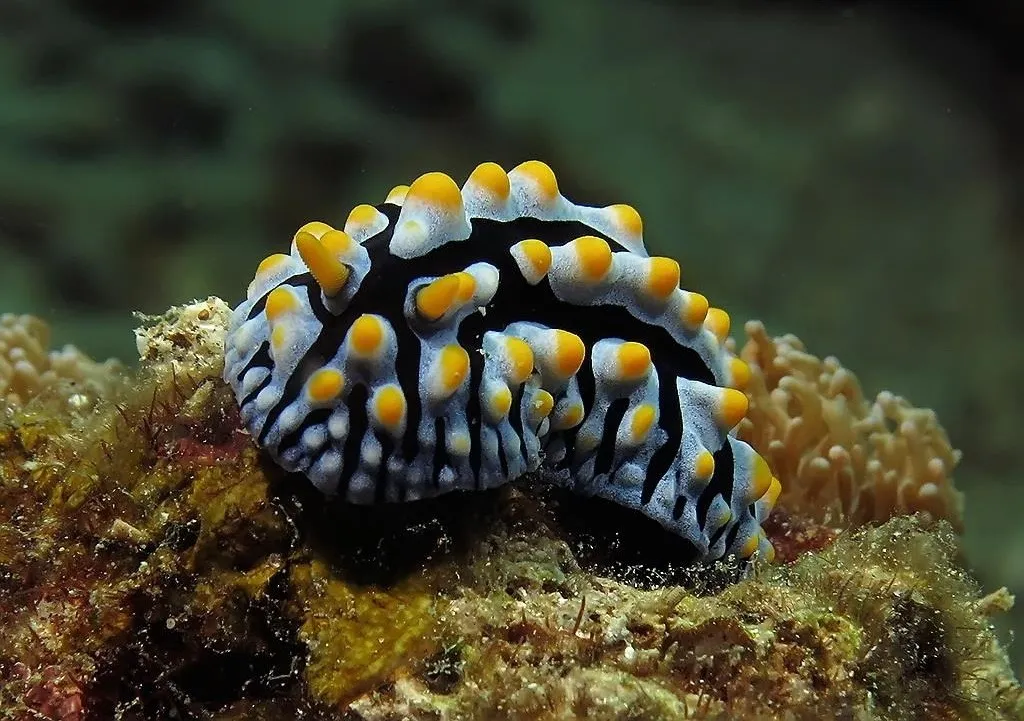
Exploring crevices, overhangs, and other sheltered spots often reveals a striking array of nudibranchs, including distinct apricot and clown varieties, which are a highlight for macro enthusiasts. This blend of vertical and horizontal structures ensures a dynamic and engaging dive experience suitable for various skill levels.
Boat entry is the standard and most practical method for reaching this coastal site, providing direct access to its rich underwater features.
Conditions are Moderate
High Wind Advisory (53km/h). Unsafe surface.
Current conditions near Spectacle Reef show 16° air, 16° sea temperature, 0.9 m waves, and 53 km/h wind. Forecast data is refreshed regularly to ensure accuracy.
Best Time to Dive
Optimal visibility conditions at Spectacle Reef tend to align with the warmer, less rainy months, enhancing the overall dive experience. From December through March, this period often brings the highest air temperatures, averaging around 17-19°C / 63-66°F, and some of the lowest rainfall totals, contributing to clearer waters. Late winter and early spring, specifically August through November, also generally offer good dive scores; during these months, average rainfall remains low (3.5-4.5 mm) while air temperatures climb from around 10°C / 50°F in August to 16°C / 61°F in November. Reduced rain typically leads to better underwater clarity, crucial for appreciating the reef's intricate details. While specific water temperatures are not consistently reported, planning dives when average wave heights are often below 1 meter / 3.3 ft during these periods generally yields more favorable conditions for both comfort and visibility.
PEAK SEASON SCORE
Scores combine air & water temps, waves, wind & rainfall for overall conditions.
BEST MONTHS TO DIVE
Monthly records compiled from satellite and marine observation nodes over the last 3 years. Data provided by Open-Meteo and MET Norway.
Dive Experience & Conditions
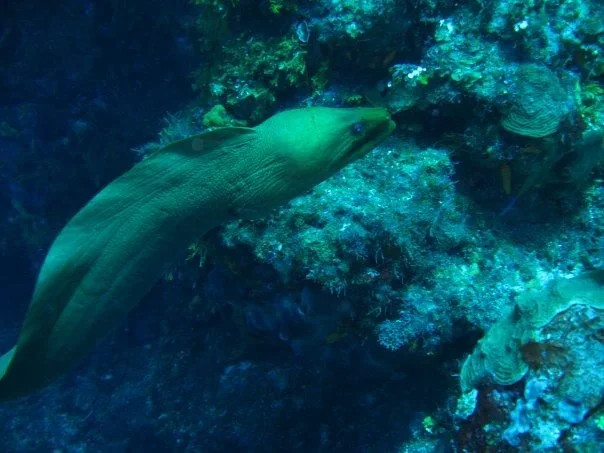
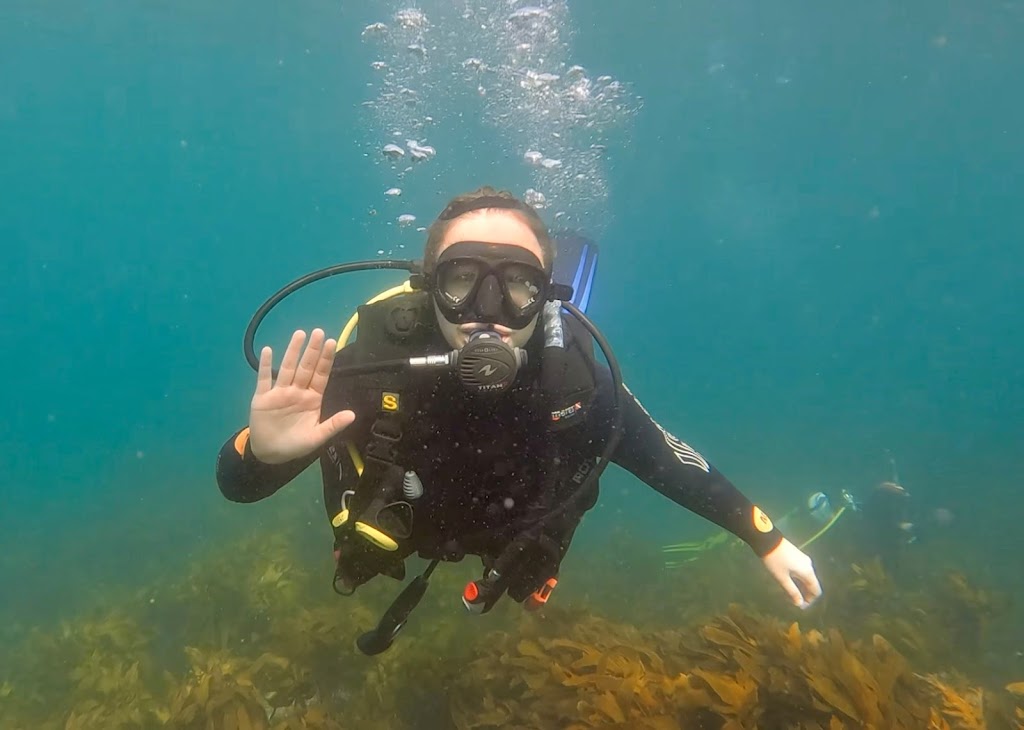
Submerging into Spectacle Reef's waters offers a dynamic sensory experience, often characterized by the vibrant hues of its encrusting life and the graceful movement of schooling fish. Its structure provides numerous nooks, crevices, and overhangs to explore, where one might spot moray eels peering from their shelters or observe the intricate patterns of nudibranchs. Depending on the day, conditions can range from calm to moderately current-affected, influencing the feel of the drift along the walls and around the pinnacles. Encounters with schooling blue maomao, vibrant demoiselles, and robust red moki are common, adding to the visual spectacle. A saltwater environment and typically moderate wave heights, averaging between 0.9-1.2 m / 3-4 ft, contribute to an authentic coastal New Zealand dive, demanding attention to buoyancy and environmental awareness.
Dive Difficulty & Safety Guidelines
While Spectacle Reef does not have consistently reported unique hazards, divers should always be mindful of local currents and tides; these conditions can vary and might necessitate specific timing for entry. Being prepared for potential surface swims is also advisable. A minimum Open Water Diver or Scuba Diver certification from a recognized agency is required for this site.
To ensure a safe and comfortable dive, carrying essential safety equipment like a dive computer, surface marker buoy (SMB), and dive knife is recommended.
Additionally, a torch can be beneficial for illuminating crevices and underhangs to reveal hidden marine life.
Recommended Equipment
- Dive Computer
- DSMB
This gear list is based on verified equipment signals for Spectacle Reef, New Zealand. Always confirm final gear choices with your dive operator, guide, or liveaboard.
Recommended Dive Suit
Surface temperatures may decrease slightly later in the week. Cooler days are ahead; you might want a warmer option for later in the week. Divers planning multiple dives may appreciate having a warmer option available.
Some divers prefer slightly warmer exposure protection simply for additional comfort. Stronger winds may also make surface intervals feel cooler than usual. Surface intervals may feel noticeably cooler once you exit the water. Divers planning trips later in the week may want to consider bringing a slightly warmer suit.
5-7mm wetsuit usually works well for maintaining comfort during standard dive profiles in these conditions. Consider warmer surface protection (like a boat coat) due to brisk winds. A thermal robe or jacket is recommended between dives. The surrounding waters at Spectacle Reef are currently registering temperatures of roughly 16°C (60°F). Surface air temperatures are resting at 16°C (60°F).
Emergency & Medical Support
Essential information to help you plan your dive trip to Spectacle Reef.

Hyperbaric chambers are a critical part of dive safety infrastructure. Availability varies significantly by region, and not all dive areas have immediate access.
Before diving, it's recommended to:
- confirm nearest medical facilities
- check emergency procedures with local dive operators
- ensure dive insurance covers evacuation if required
Divers Alert Network
Diving emergency assistance available through DAN World.
+1-919-684-9111- 24/7 emergency hotline
- Diving medical assistance
- Evacuation coordination
Emergency contacts are provided for reference. Always verify local emergency services before diving.
Marine Life at Spectacle Reef
Underwater, Spectacle Reef's landscape thrives with life, its pinnacles and walls serving as canvases for an array of marine species. Jewel anemones and sponges extensively cover these structures, creating a mosaic of color and texture that supports smaller invertebrates.
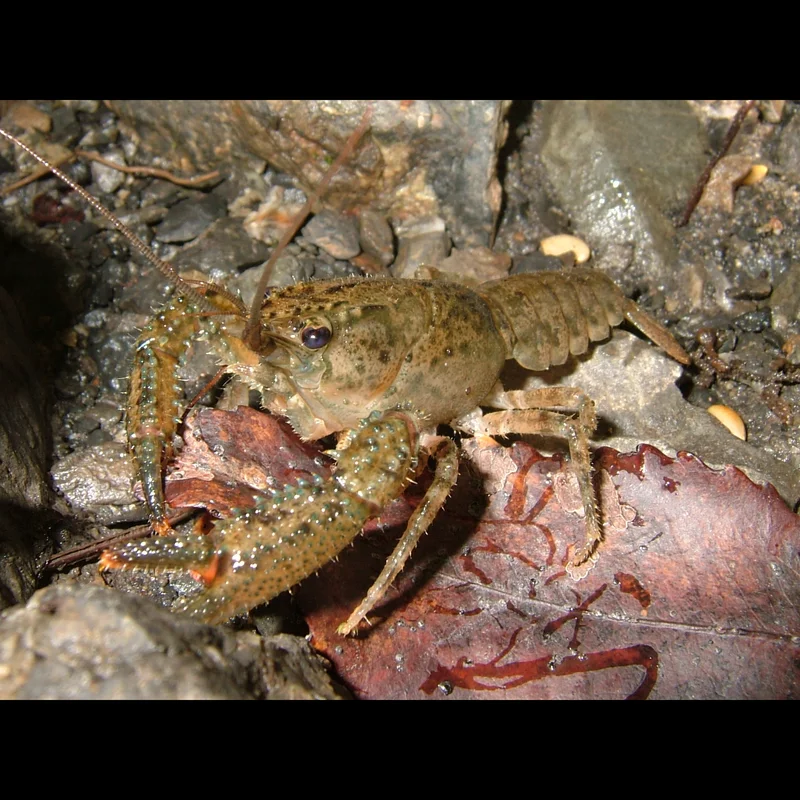
Divers can often observe blue maomao, demoiselles, and red moki schooling around the reef, while larger pelagic fish might pass by in the open water. Moray eels are resident in the rocky formations, and crayfish are frequently sighted tucked into crevices.
It's particularly noted for its variety of nudibranchs, including vibrant apricot and clown species, which are often found crawling across the encrusted surfaces.

Dive Sites Near Spectacle Reef
View all dive sites in New ZealandDiscover more underwater gems in this area.
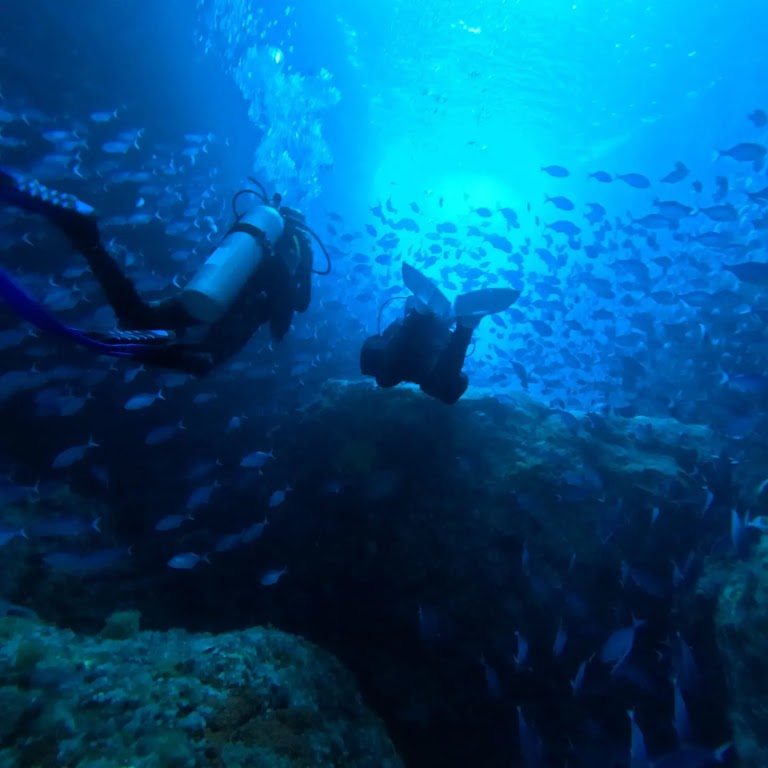
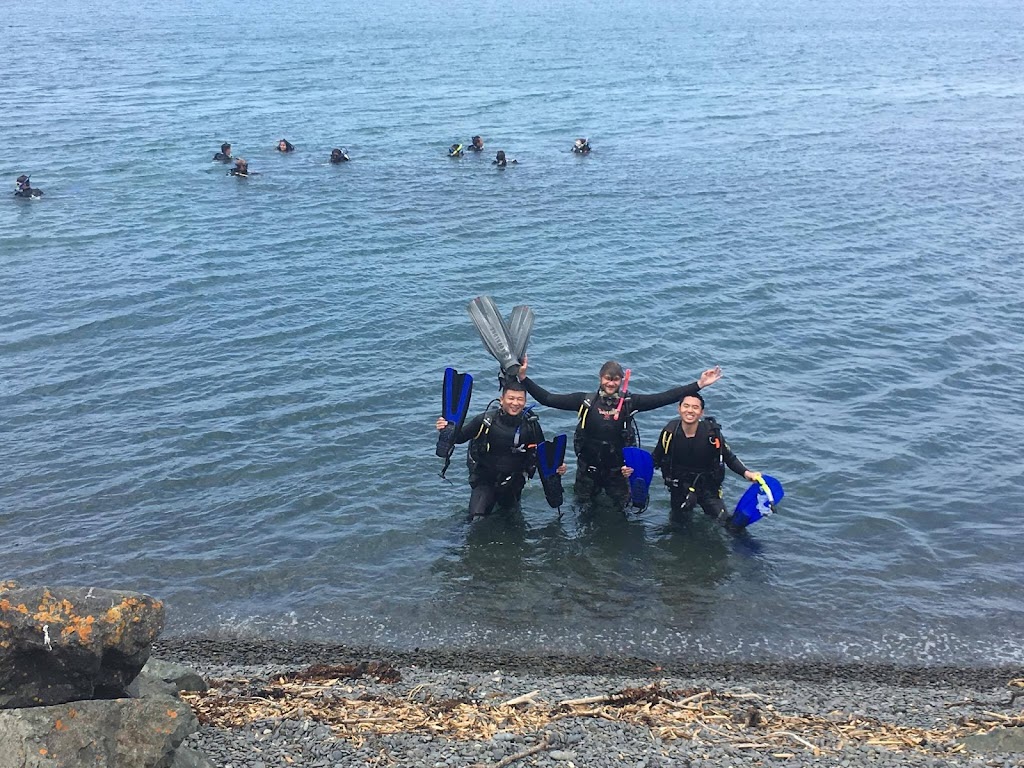
Dive Centers Near Spectacle Reef
Nearest Airports
Nearest airports to help plan travel to this dive area.
Search Flights
Check available flights and routes on Expedia, using the nearby airports listed in this section.
Search Flights on ExpediaFrequently Asked Questions
What is the maximum depth at Spectacle Reef?
The maximum depth for diving at Spectacle Reef is approximately 20 m / 65 ft. This makes it accessible for a wide range of certified divers.
What level of dive certification is required?
A minimum Open Water Diver or Scuba Diver certification from a recognized agency is required to dive at Spectacle Reef. This ensures divers have the fundamental skills for the site.
What types of dive topography can be explored?
Spectacle Reef features a combination of pinnacle, reef, and wall dive types. This varied topography provides diverse exploration opportunities for divers.
What marine life is commonly seen at Spectacle Reef?
Common sightings include blue maomao, demoiselles, red moki, moray eels, crayfish, and various pelagic fish. The reef is particularly known for its abundance of colorful jewel anemones, sponges, and a variety of nudibranch species.
Is boat entry necessary to dive Spectacle Reef?
Yes, boat entry is the standard method for accessing Spectacle Reef. Shore/beach entry is not typically practiced here.
Are there strong currents at the site?
Currents and tides can vary at Spectacle Reef and might influence dive conditions. It's advisable to consult with local dive operators about current conditions before planning your dive.
When is the best time of year to dive for optimal conditions?
The period from December through March generally offers warmer air temperatures and less rainfall, which often correlates with better visibility. Late winter and spring months like August to November also frequently provide good dive scores.
Planning to dive Spectacle Reef?
Send one inquiry and receive offers directly from the best verified local dive operators.
Conditions are Moderate
High Wind Advisory (53km/h). Unsafe surface.
Current conditions near Spectacle Reef show 16° air, 16° sea temperature, 0.9 m waves, and 53 km/h wind. Forecast data is refreshed regularly to ensure accuracy.