
Diving at Turtle Rock (Philippines)
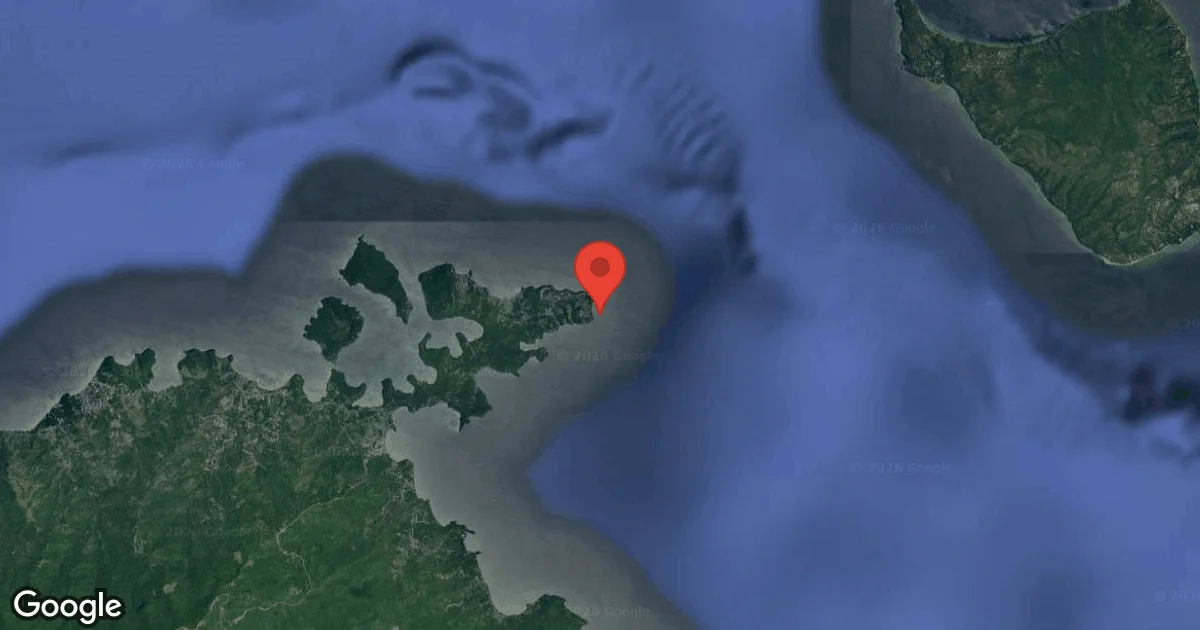
A distinctive, turtle-shaped rock formation gives Turtle Rock its name, acting as a recognizable landmark for divers in its deeper reaches. Extending naturally from the Sinandigan Wall, this dive spot presents an undulating submerged landscape with diverse coral growth and vibrant marine activity. Underwater topography here combines elements of both reef and open ocean diving. Access is primarily facilitated by boat.
As evening covers Turtle Rock, the local air temperature is measured at 28°C. The current wave height at the surface is recorded at 0.2 m. These late-day readings characterize the surface conditions for the night.
Dive Site Location & Key Facts
Dive Site Overview
Gaining its identity from a prominent rock structure, Turtle Rock in the Philippines continues the geological features of the Sinandigan Wall. This main formation is found at approximately 45 meters (147 ft) deep, designating the full site as a technical dive.
Exploring its extensive range necessitates appropriate advanced certifications for thorough exploration. Both reef and pelagic environments exist, fostering a diverse underwater experience; divers should prepare for both intricate reef observations and potential open-water encounters. Flourishing sea fans and delicate whip corals populate the area, enhancing the structural complexity of the reef's shallower sections.
Deeper areas expose divers to stronger currents and the possibility of larger marine life. Divers often observe sweetlips, angelfish, barracudas, and jacks moving through the water column.
Reports indicate thresher sharks can appear during February, presenting a significant draw for those visiting at that time. Diving on an incoming tide is recommended to optimize conditions and manage any potential currents, ensuring a more controlled and enjoyable experience across the varied depths.
Conditions are Good
Optimal conditions expected
Current conditions near Turtle Rock show 28° air, 29° sea temperature, 0.1 m waves, and 18 km/h wind. Forecast data is refreshed regularly to ensure accuracy.
Best Time to Dive
Optimal conditions for diving at Turtle Rock frequently occur from March through May and again in August, periods when dive scores are highest. Divers typically experience comfortable average air temperatures then, ranging from approximately 26°C to 28.5°C (83°F)to 84°F). Rainfall is notably minimal in April and May, often less than 6mm, which contributes to clearer skies and potentially enhanced underwater visibility. Good diving conditions also extend through many other months, including January and February, when air temperatures average around 25-25.5°C (77-78°F). Occasional appearances of thresher sharks in February might influence some advanced divers' decisions to visit during that specific window. While consistent water temperature data isn't reported, the region generally offers warm diving experiences.
PEAK SEASON SCORE
Scores combine air & water temps, waves, wind & rainfall for overall conditions.
BEST MONTHS TO DIVE
Monthly records compiled from satellite and marine observation nodes over the last 3 years. Data provided by Open-Meteo and MET Norway.
Dive Experience & Conditions
Exploring Turtle Rock challenges divers with its significant depth profile; the site's distinctive rock formation rests at about 45 meters (147 ft). Such a maximum depth specifically targets divers with advanced certifications, including PADI Deep Diver, or technical ratings like Tec 40, 45, or 50. Shallower reef sections seamlessly transition from the Sinandigan Wall, leading towards these more exposed, deeper areas. Approaching this site on an incoming tide is generally recommended, aiding in the management of current strength and direction for a more controlled experience. Visibility varies, yet the prevailing oceanic conditions typically afford expansive underwater views. A unique blend of reef and open water characteristics provides opportunities for both intricate coral observations and encounters with larger pelagic species. Water type is saltwater.
Dive Difficulty & Safety Guidelines
Given the maximum depth, Turtle Rock is best suited for certified divers with PADI Deep Diver or technical ratings like Tec 40, 45, or 50. Recreational divers should strictly adhere to their training limits and never exceed them. Diving this site is optimally performed on an incoming tide, as this helps mitigate potentially stronger currents; proper tide planning is a crucial safety consideration.
Entry to the dive site is exclusively via boat, requiring careful coordination with your dive operator. Always dive with a buddy and carry a surface marker buoy for safety.
Maintaining strict no-decompression limits for recreational dives is paramount, particularly when exploring the deeper sections of the site. A thorough pre-dive briefing covering specific entry/exit points and anticipated current patterns will further enhance safety.
Recommended Equipment
- Dive Computer
This gear list is based on verified equipment signals for Turtle Rock, Philippines. Always confirm final gear choices with your dive operator, guide, or liveaboard.
Recommended Dive Suit
For dives of average duration, dive skin or rash guard usually provides sufficient protection from heat loss. A hood or vest is suggested for sensitive divers due to surface winds.
Divers entering the water at Turtle Rock today can expect temperatures near 29°C (85°F) beneath the surface. Surface air temperatures are resting at 28°C (83°F).
Conditions are expected to stay fairly consistent in the days ahead.
Emergency & Medical Support
Essential information to help you plan your dive trip to Turtle Rock.

Hyperbaric chambers are a critical part of dive safety infrastructure. Availability varies significantly by region, and not all dive areas have immediate access.
Before diving, it's recommended to:
- confirm nearest medical facilities
- check emergency procedures with local dive operators
- ensure dive insurance covers evacuation if required
Divers Alert Network
Diving emergency assistance available through DAN World.
+1-919-684-9111- 24/7 emergency hotline
- Diving medical assistance
- Evacuation coordination
Emergency contacts are provided for reference. Always verify local emergency services before diving.
Marine Life at Turtle Rock
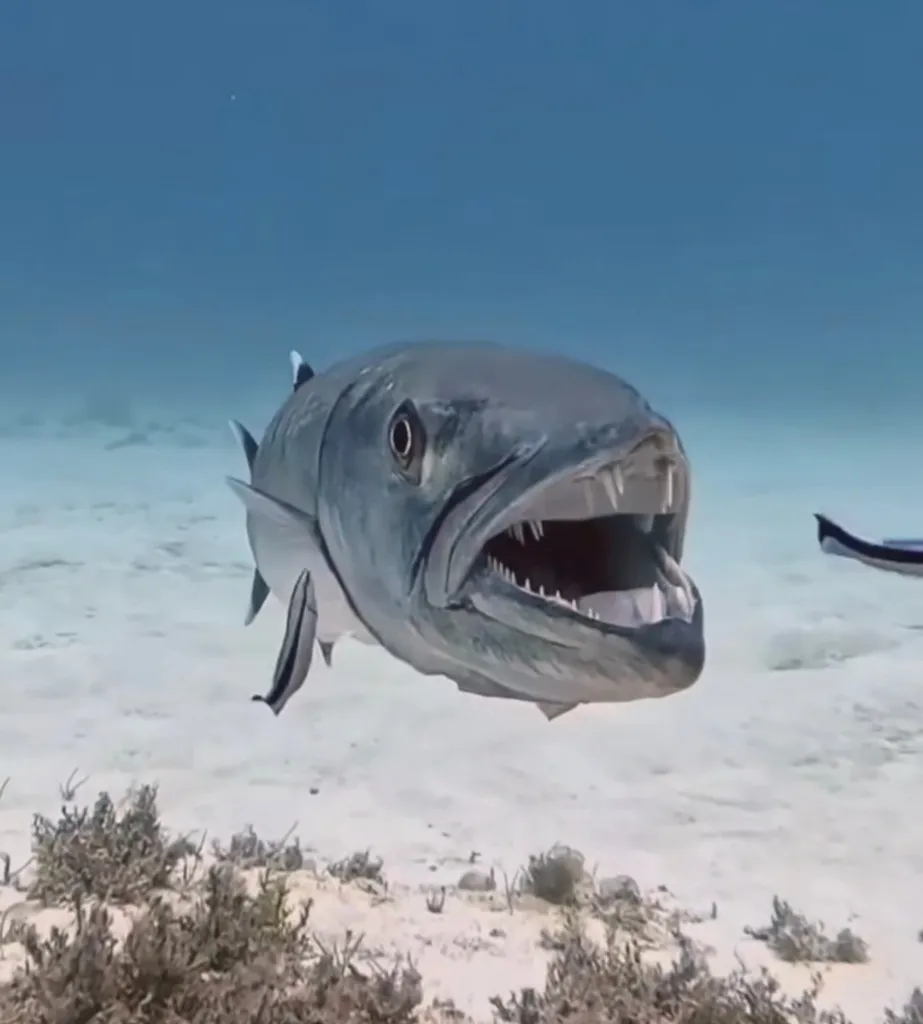
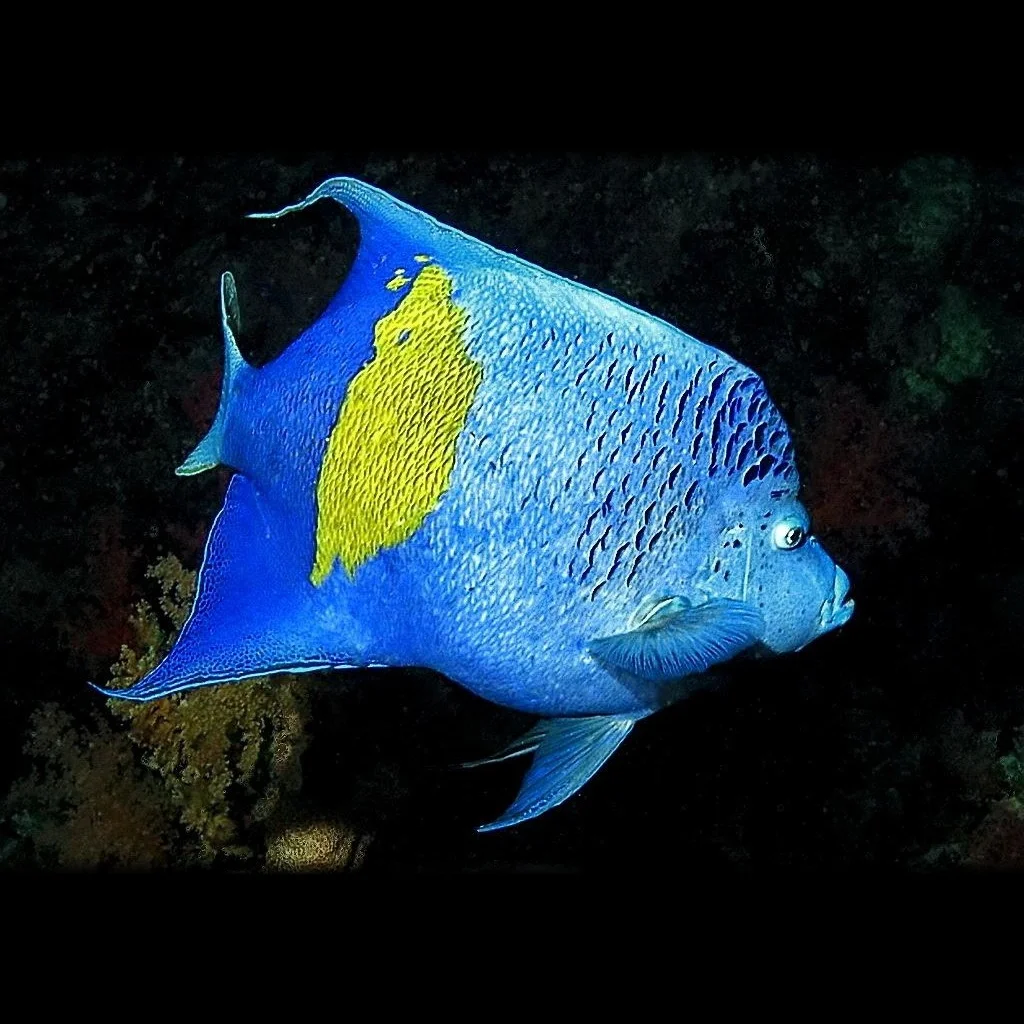
Encounters with marine life at Turtle Rock cover a broad spectrum, from smaller reef inhabitants to impressive pelagic species. Divers can regularly spot sweetlips, angelfish, barracudas, and jacks moving around the reef structure.
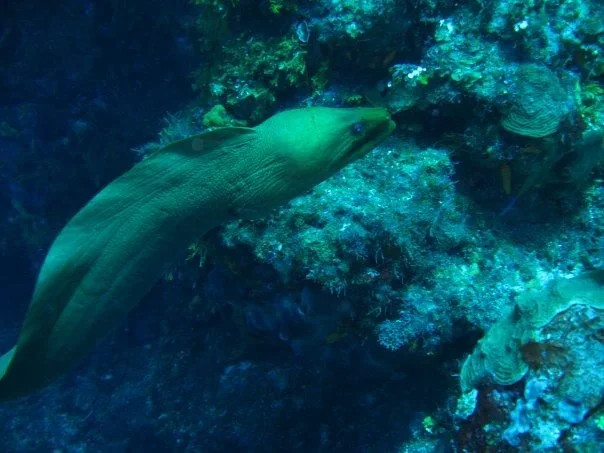
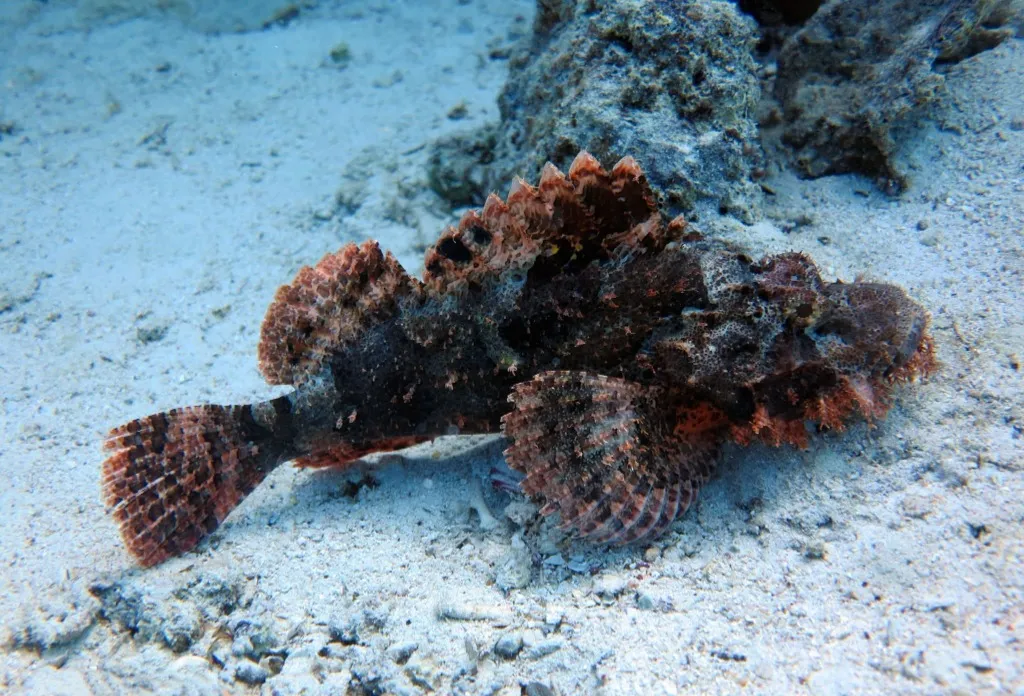
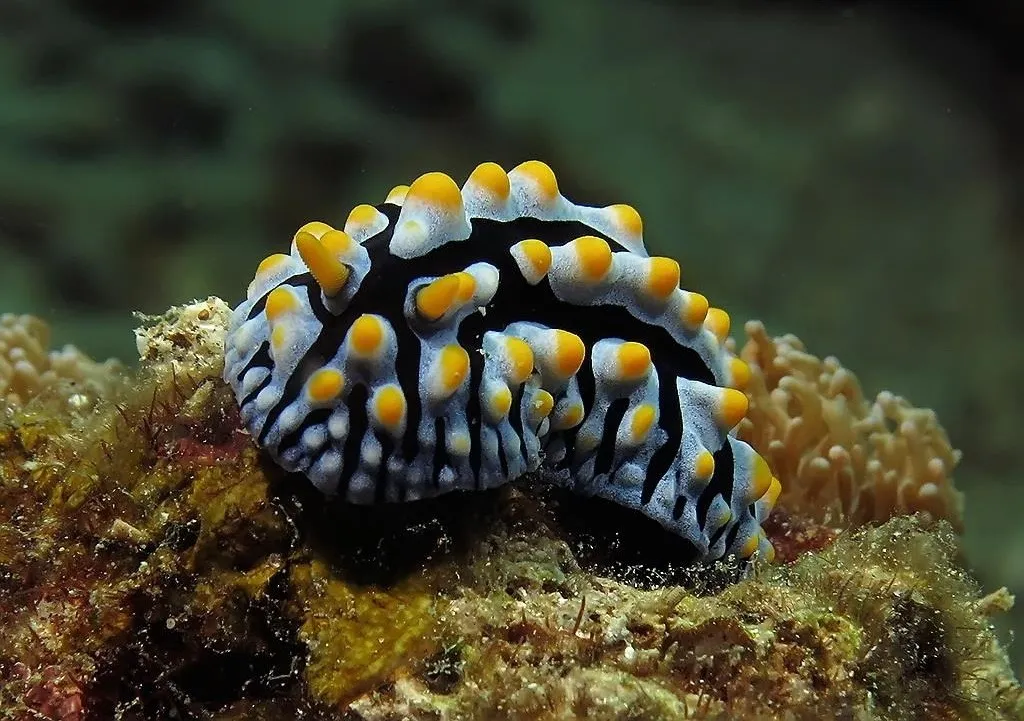
Extensive soft coral growth characterizes the site, including abundant sea fans and delicate whip corals that cover rock formations. Other frequently observed creatures include jackfish, scorpionfish, and various nudibranchs.
Keep an eye out for moray eels often nestled within the reef, and occasional sea snakes. While not guaranteed, February is noted as a period when thresher sharks might make an appearance, offering a memorable sighting for those fortunate enough to witness them.
Dive Sites Near Turtle Rock
View all dive sites in PhilippinesDiscover more underwater gems in this area.
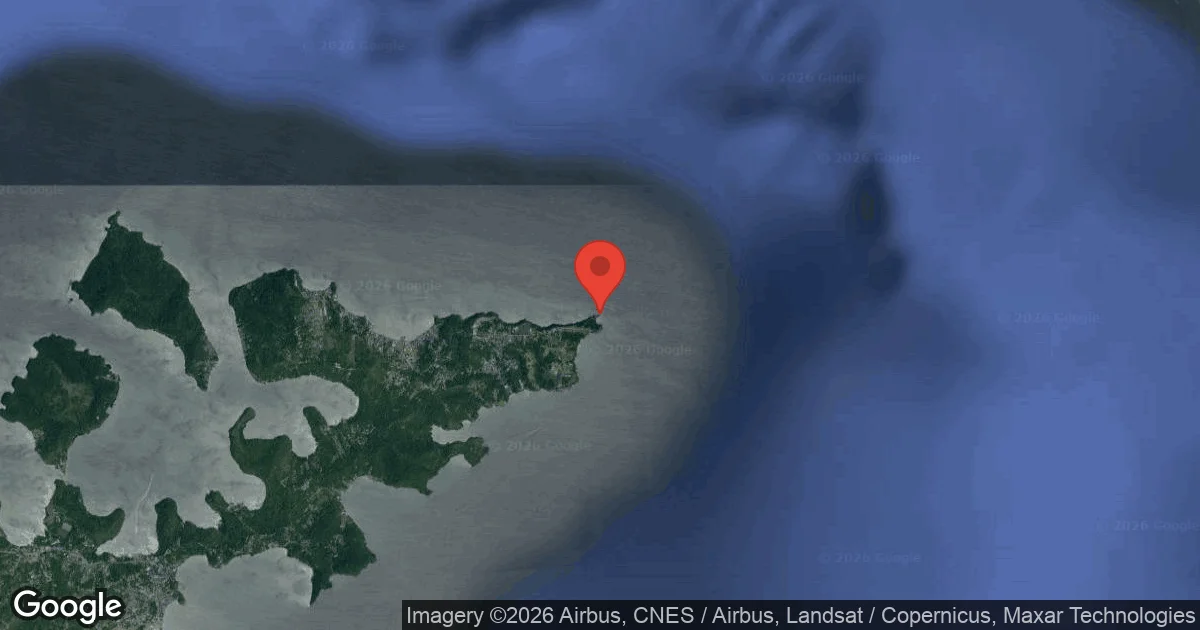
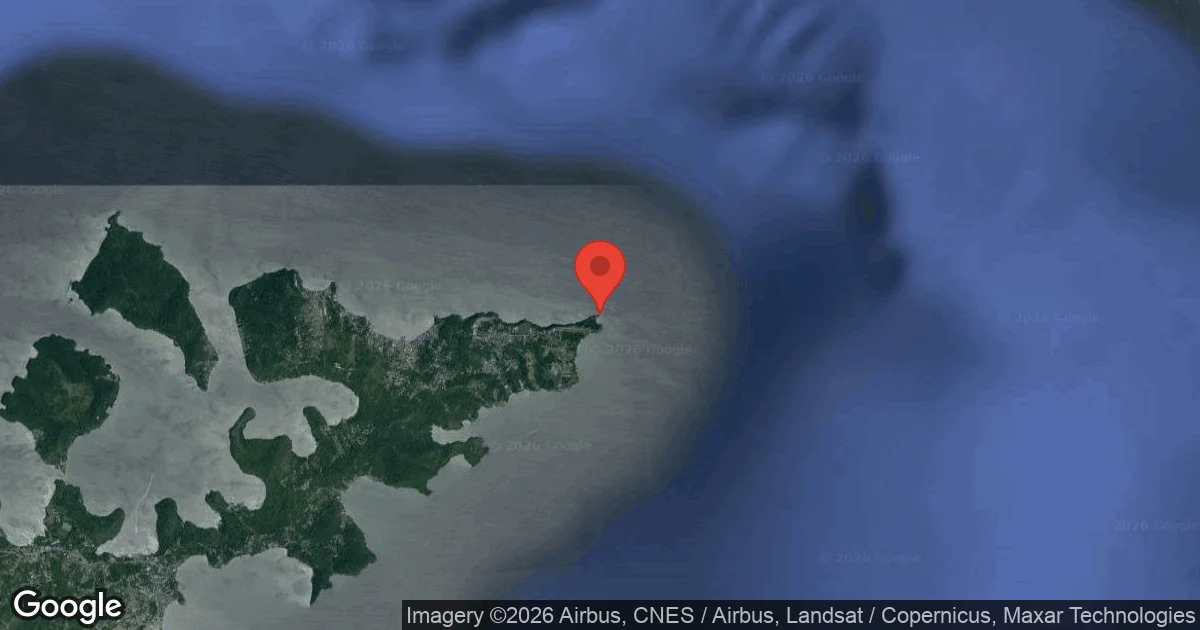
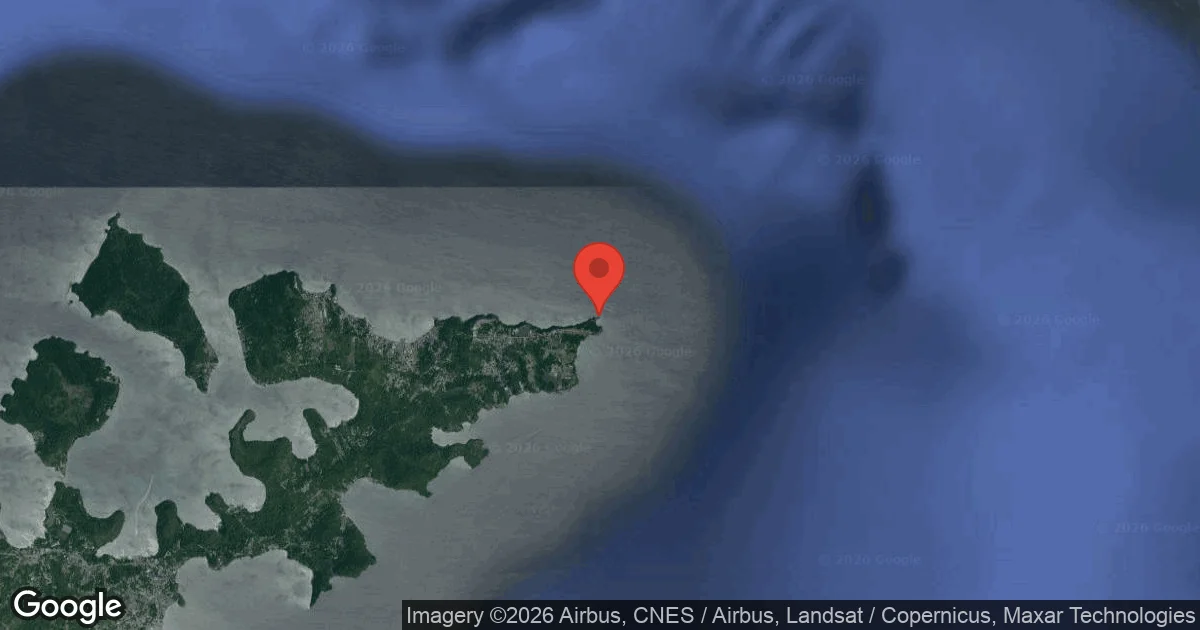
Dive Centers Near Turtle Rock
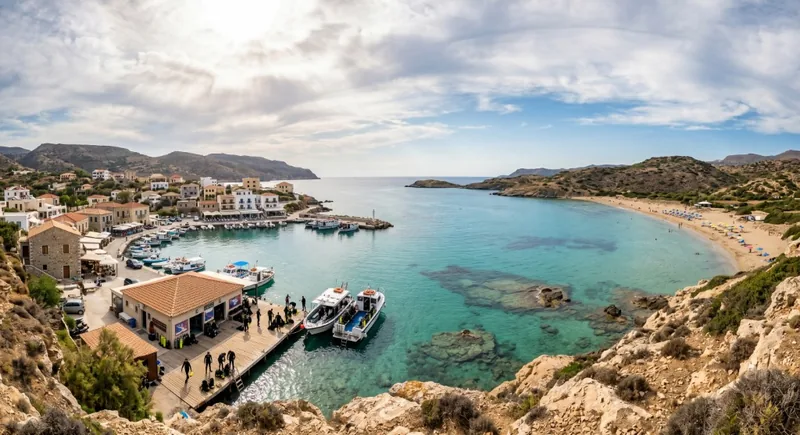
Today: Open 24 hours
Nearest Airports
Nearest airports to help plan travel to this dive area.
Search Flights
Check available flights and routes on Expedia, using the nearby airports listed in this section.
Search Flights on ExpediaFrequently Asked Questions
What is the maximum depth at Turtle Rock?
Maximum depth at Turtle Rock is approximately 45 meters (147 ft). Depths this significant designate it for advanced and technical divers.
What dive certifications are recommended for Turtle Rock?
Divers should hold at least a PADI Deep Diver certification. For full exploration of the deeper sections, technical diving certifications such as Tec 40, 45, or 50 are highly recommended.
What marine life can I expect to see at Turtle Rock?
Common sightings include sweetlips, angelfish, barracudas, and various reef fish. Expect to see sea fans, whip corals, moray eels, and occasionally thresher sharks in February.
When is the best time to dive Turtle Rock?
Optimal diving occurs from March to May and again in August, offering excellent conditions and comfortable air temperatures. February is also noteworthy for potential thresher shark sightings.
How do I access the Turtle Rock dive site?
Access to Turtle Rock is exclusively by boat. Divers will need to arrange transport with a local dive operator from Puerto Galera.
Are there specific current considerations for diving Turtle Rock?
Yes, diving Turtle Rock is strongly recommended on an incoming tide. An incoming tide helps manage currents and provides a more favorable experience.
Planning to dive Turtle Rock?
Send one inquiry and receive offers directly from the best verified local dive operators.
Conditions are Good
Optimal conditions expected
Current conditions near Turtle Rock show 28° air, 29° sea temperature, 0.1 m waves, and 18 km/h wind. Forecast data is refreshed regularly to ensure accuracy.