
Diving at Shetani (Tanzania)
Shetani presents a striking contrast, offering a compact yet vivid underwater experience suitable for diverse diving levels. This site blends a shallow vertical wall with vibrant coral formations and small overhead environments, making it accessible for snorkelers, beginners, and qualified divers alike. It's a place where colorful reef fish create dynamic mid-water displays, often against a backdrop of excellent visibility.
Evening condition tracking at Shetani features an air temperature of 27.5°C. We have recorded wave heights measuring 0.4 m during this period. These figures outline the environmental parameters currently present.
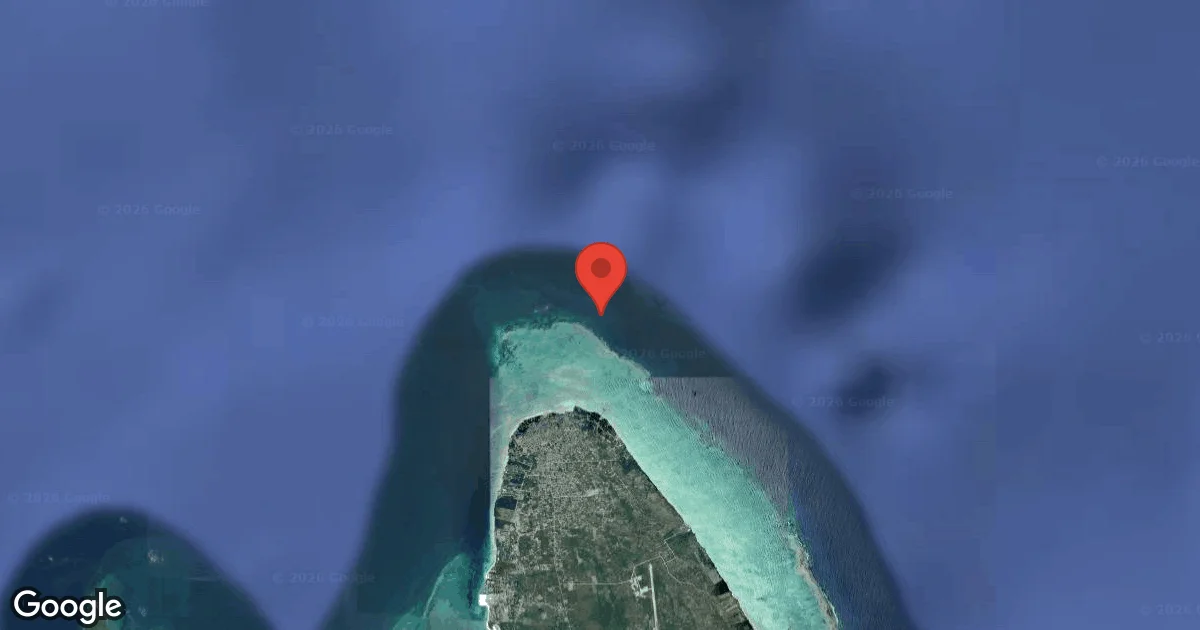
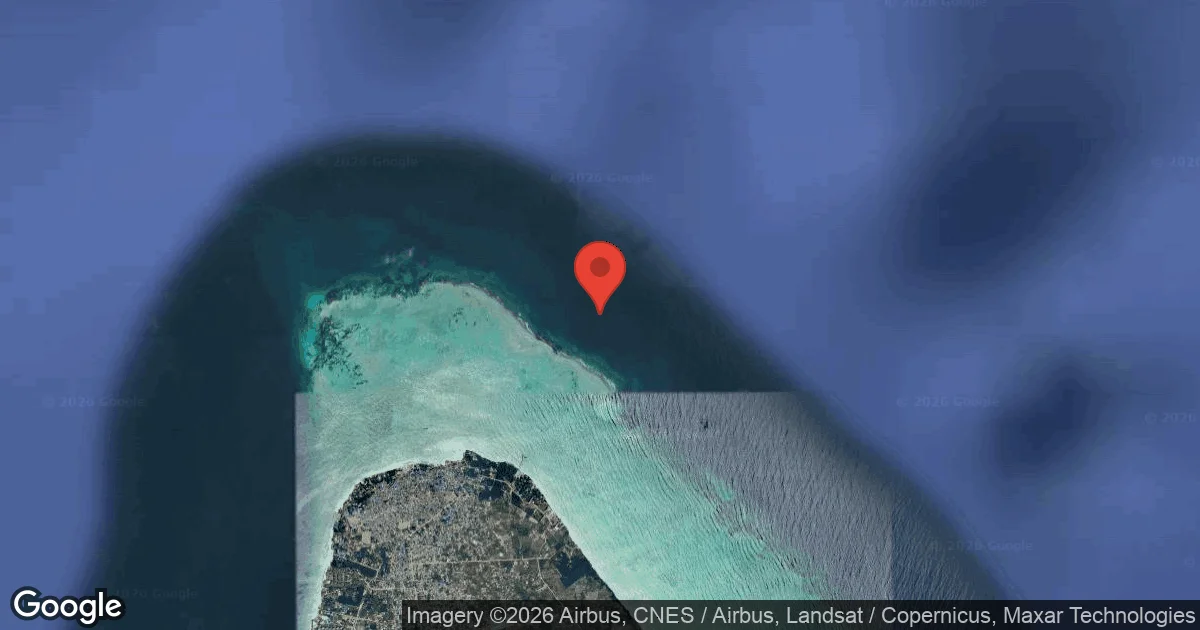
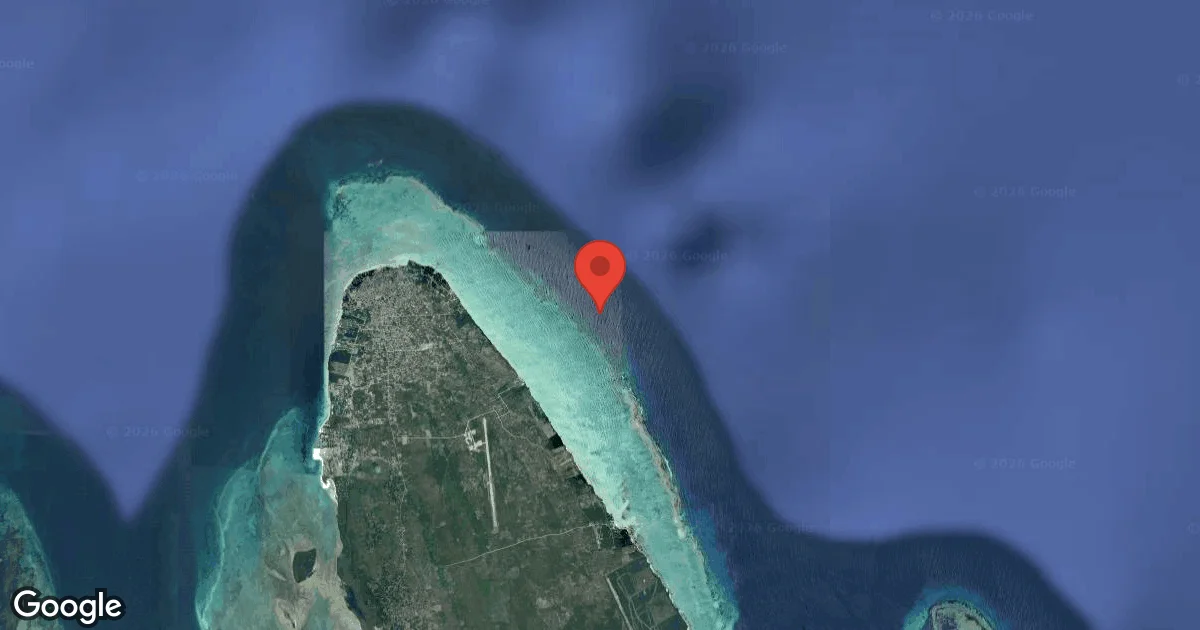
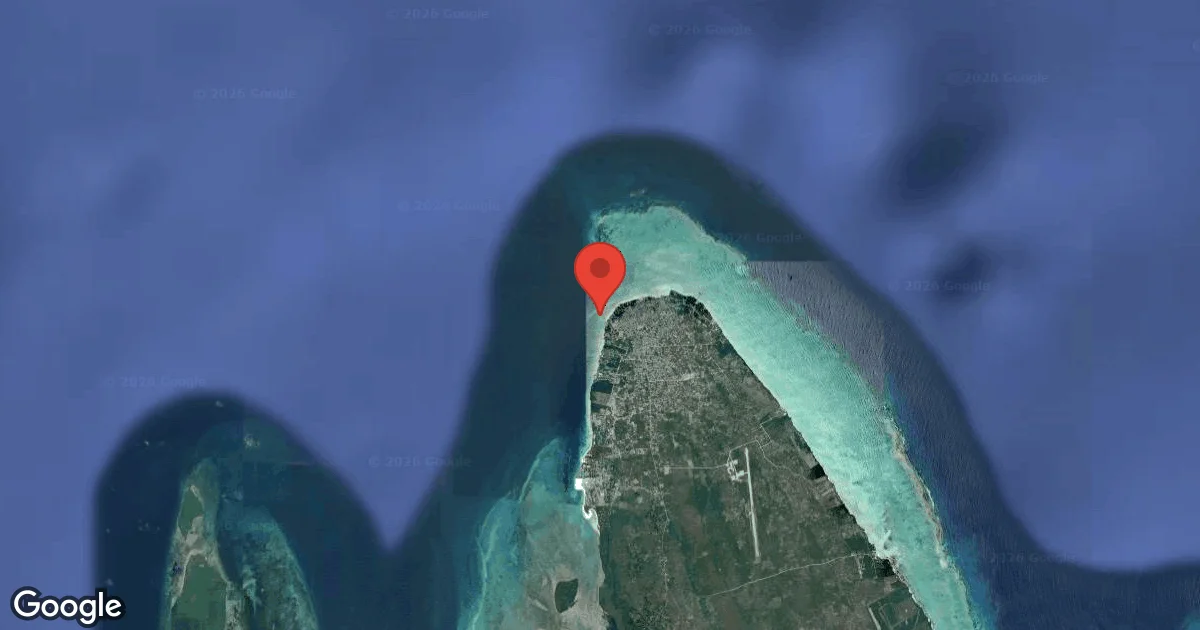
Dive Site Location & Key Facts
Dive Site Overview
The underwater structure here unfolds as a dynamic interplay of vertical and sloping reef sections, creating a rich habitat. An initial descent encounters a vibrant coral wall, starting at a shallow 3 meters / 10 feet, offering immediate visual impact for snorkelers and divers alike.
This wall drops decisively to about 12 meters, forming a distinctive profile that hosts a diverse ecosystem. From this point, the reef transitions into a gentle, coral-covered slope that continues its descent to approximately 16 meters. Throughout the site, numerous overhangs and small cave formations invite closer inspection, each adorned with a profusion of both soft and hard corals.
The visual spectacle of these formations, particularly the intense colors concentrated around the 5-meter mark, defines much of the experience. Such diverse topography makes the site an accessible and rewarding dive, accommodating a range of skill levels from introductory dives to more advanced explorations of its intricate reef and unique wall structures.
Its relatively modest depth profile allows for extended bottom times, enhancing the opportunity to observe marine life within these varied habitats.
Conditions are Good
Optimal conditions expected
Current conditions near Shetani show 27° air, 27° sea temperature, 0.5 m waves, and 31 km/h wind. Forecast data is refreshed regularly to ensure accuracy.
Best Time to Dive
Planning your dive to Shetani aligns well with the region's dry periods, which generally offer the most stable and clear underwater conditions. The most favorable window for diving extends from March through December, consistently rated as 'Excellent' due to prevailing good visibility and calm seas. During these prime months, air temperatures typically maintain a comfortable range of 25-28°C / 77-82°F, with rainfall usually staying below 5 mm, which significantly contributes to maintaining high underwater clarity. Even outside the absolute peak, such as during April and November, which experience slightly elevated rainfall of 5-14 mm, dive scores remain 'Good'. This indicates that even with minor precipitation, Shetani continues to offer enjoyable diving experiences throughout most of the year. Minimal currents are usually present, further enhancing the comfort of dives during these optimal periods, allowing for relaxed exploration of the reef's features.
PEAK SEASON SCORE
Scores combine air & water temps, waves, wind & rainfall for overall conditions.
BEST MONTHS TO DIVE
Monthly records compiled from satellite and marine observation nodes over the last 3 years. Data provided by Open-Meteo and MET Norway.
Dive Experience & Conditions
Your descent into Shetani begins along a vibrant shallow wall, where the most eye-catching coral colors provide an immediate spectacle for both snorkelers and divers around 5 meters. As you continue deeper, the wall continues its drop to about 12 meters, revealing more intricate hard and soft coral growth within its overhangs and small caves. Beyond the main wall, the reef gently slopes further, allowing for extended exploration down to 16 meters. Water temperature varies depending on prevailing conditions, as specific data is not consistently reported. The dive offers generally calm currents, making it a relaxing experience to appreciate the diverse reef fish life.
Dive Difficulty & Safety Guidelines
Approaching Shetani's diverse topography, particularly its overhangs and small caves, necessitates a focus on excellent buoyancy control. This prevents accidental contact with the delicate coral formations and ensures safety within enclosed spaces. Adherence to standard dive safety protocols remains paramount; always maintain close contact with your dive buddy and diligently monitor both depth and air consumption.
While the site does not present consistently reported unique hazards, general caution is prudent. Divers should remain aware of their surroundings to avoid touching the reef, which could harm corals or lead to contact with potentially stinging marine life like fire coral or certain anemones.
Always prioritize respecting the marine environment, ensuring no disruption to the local ecosystem for a sustainable diving experience.
Recommended Equipment
- Dive Computer
- DSMB
This gear list is based on verified equipment signals for Shetani, Tanzania. Always confirm final gear choices with your dive operator, guide, or liveaboard.
Recommended Dive Suit
Recent conditions suggest the water at Shetani remains near 27°C (80°F), offering typical conditions for the area. Surface air temperatures are resting at 27°C (81°F).
Conditions are expected to stay fairly consistent in the days ahead.
Most divers would typically feel comfortable using 2-3mm shorty or light wetsuit in these conditions. A hood or vest is suggested for sensitive divers due to surface winds. Dive depth and duration can significantly affect perceived warmth.
Emergency & Medical Support
Essential information to help you plan your dive trip to Shetani.

Hyperbaric chambers are a critical part of dive safety infrastructure. Availability varies significantly by region, and not all dive areas have immediate access.
Before diving, it's recommended to:
- confirm nearest medical facilities
- check emergency procedures with local dive operators
- ensure dive insurance covers evacuation if required
Divers Alert Network
Diving emergency assistance available through DAN Southern Africa.
+27828106010- 24/7 emergency hotline
- Diving medical assistance
- Evacuation coordination
Emergency contacts are provided for reference. Always verify local emergency services before diving.
Marine Life at Shetani
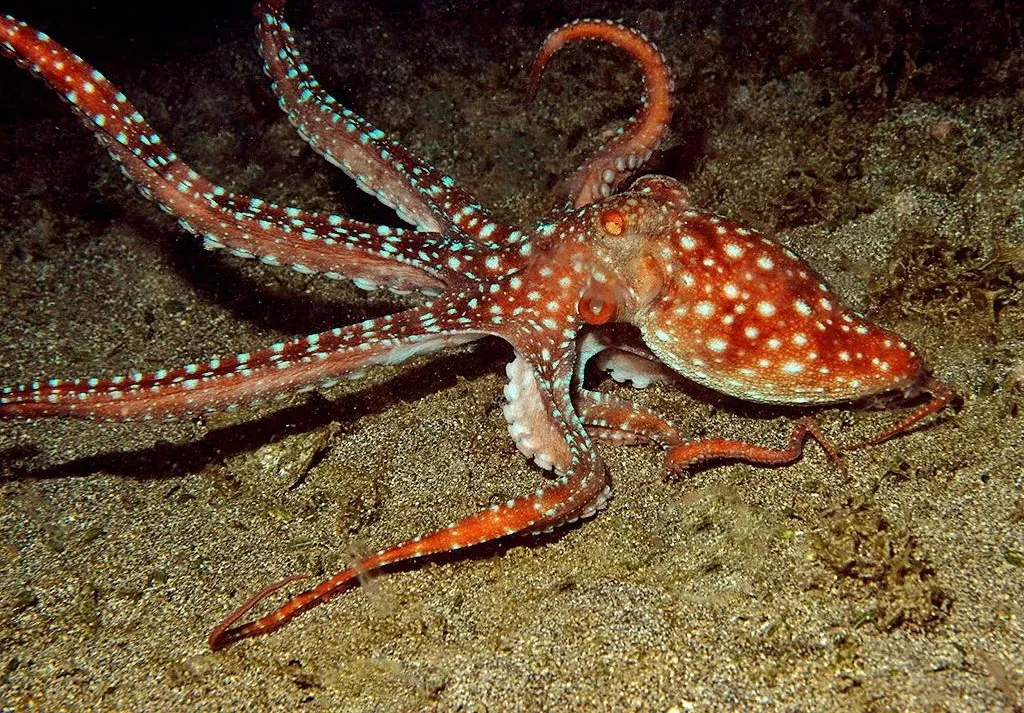
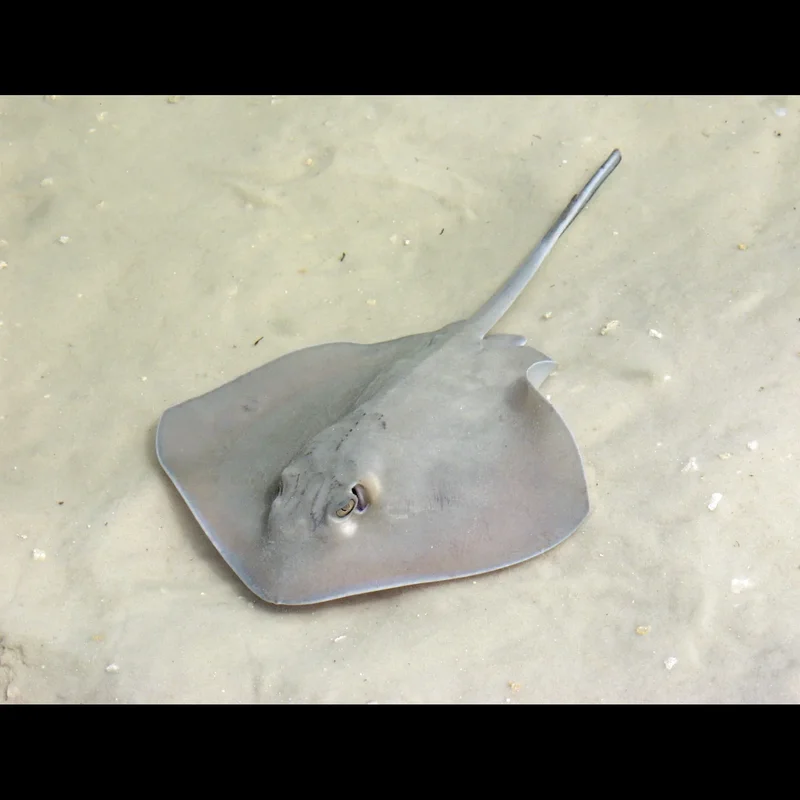
Shetani offers an engaging look at coastal reef inhabitants, making it a rewarding site for observing smaller, fascinating creatures. Common encounters include octopuses, often seen camouflaged among the corals, and various species of stingrays resting on the sandy bottom.
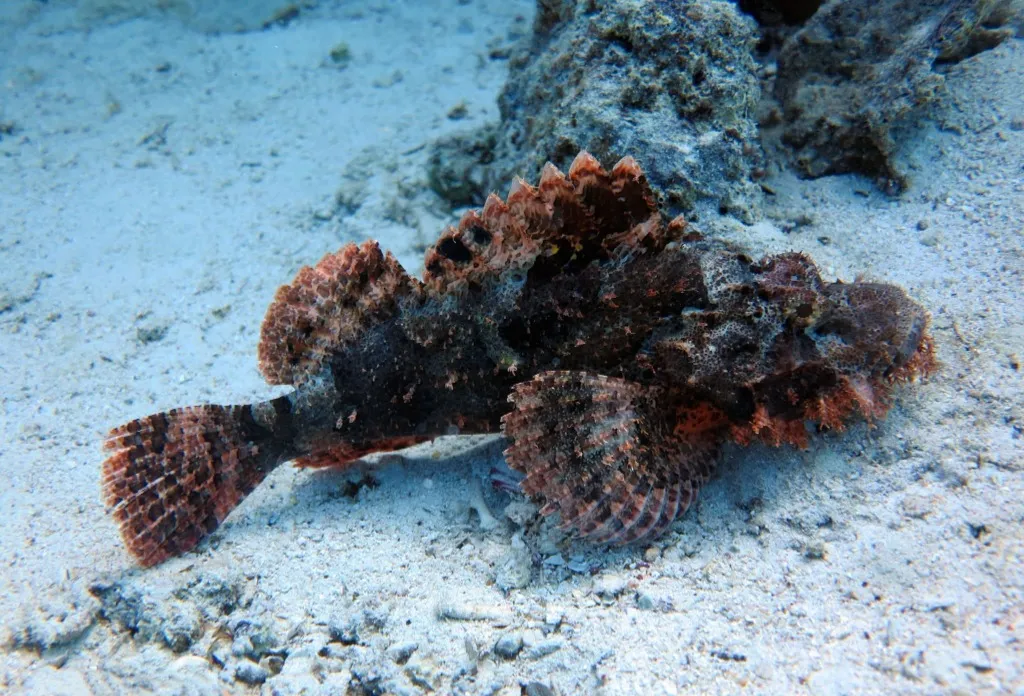
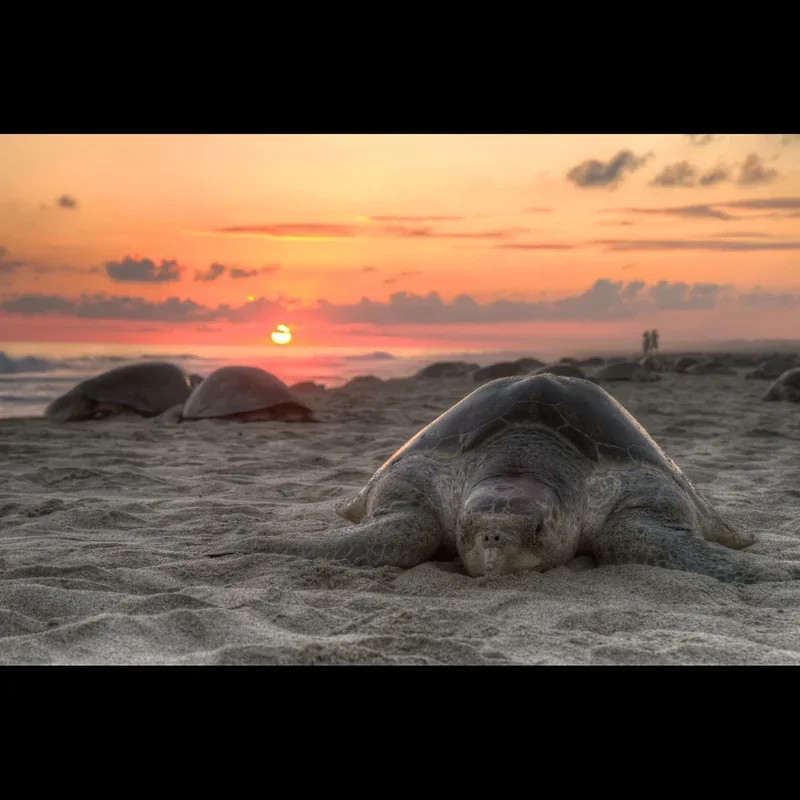
Sea turtles are frequently observed gliding gracefully through the water column, adding a tranquil element to the dive. Scorpionfish blend seamlessly with the reef, requiring a keen eye to spot, while schools of colorful reef fish provide dynamic visual displays against the vibrant coral backdrop.
Dive Sites Near Shetani
View all dive sites in TanzaniaDiscover more underwater gems in this area.
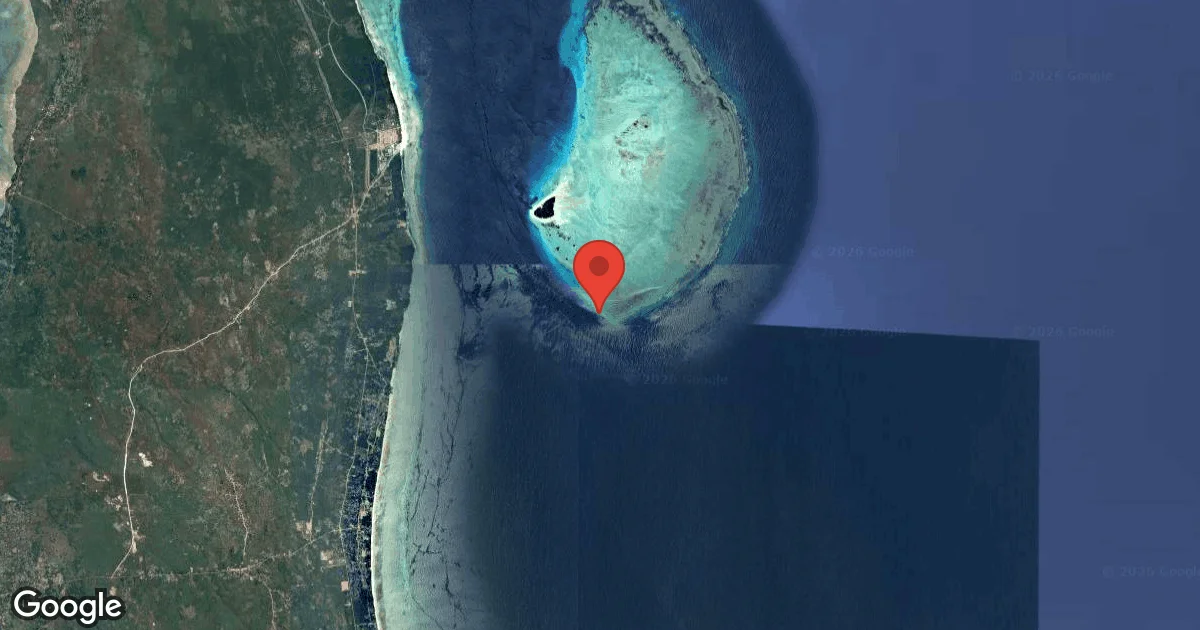
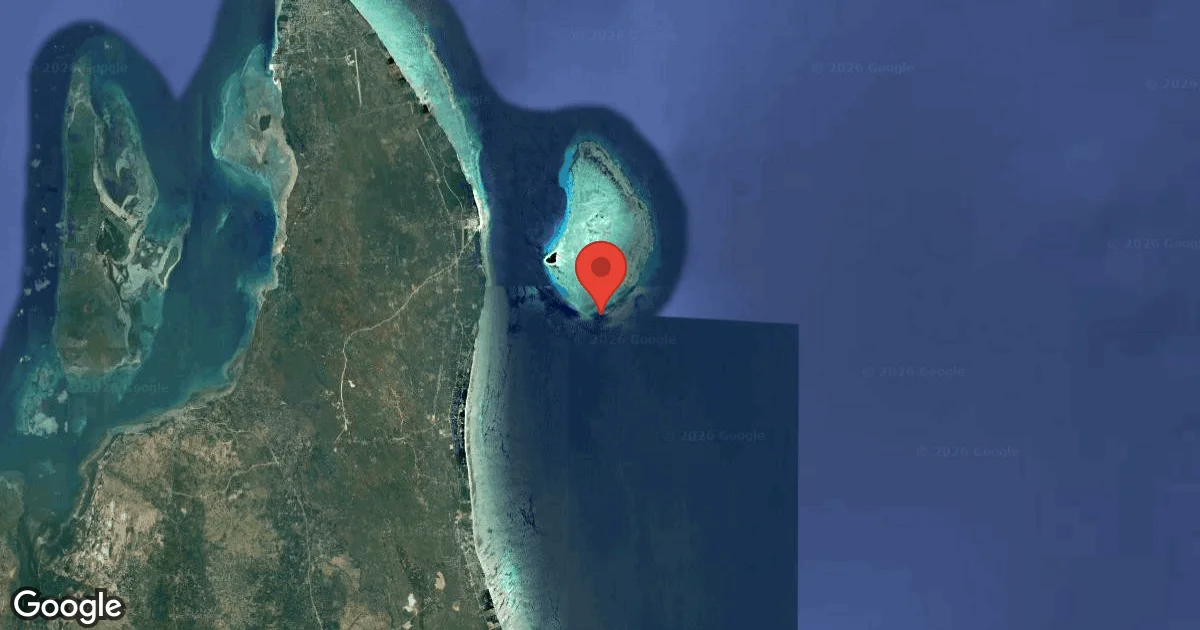
Dive Centers Near Shetani
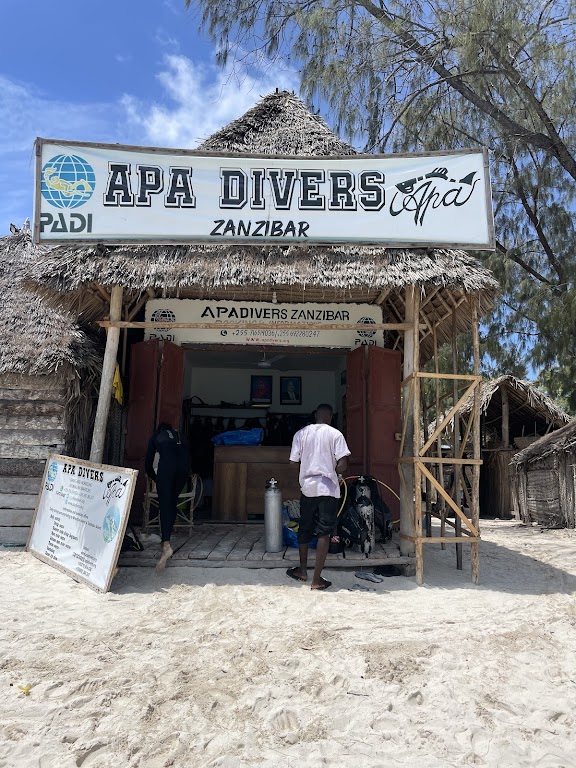
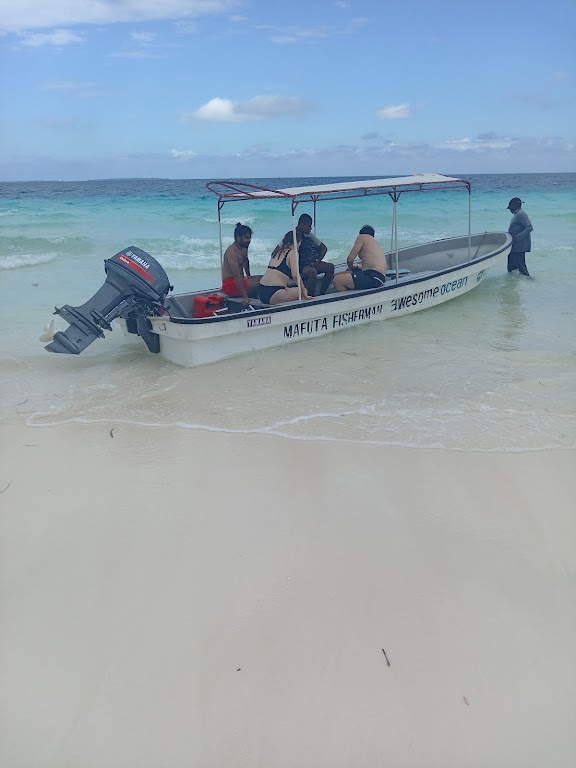
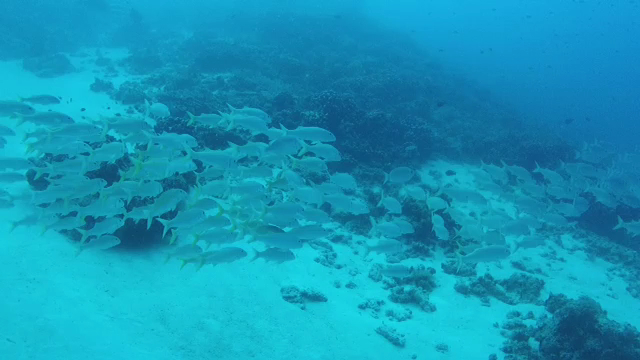
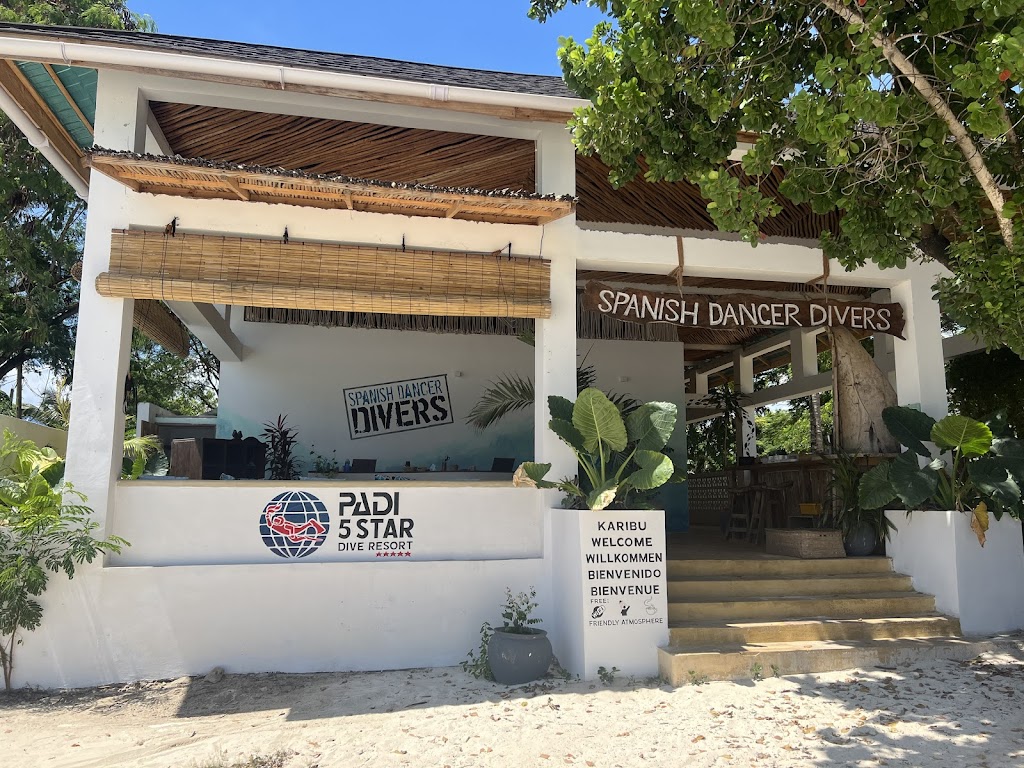
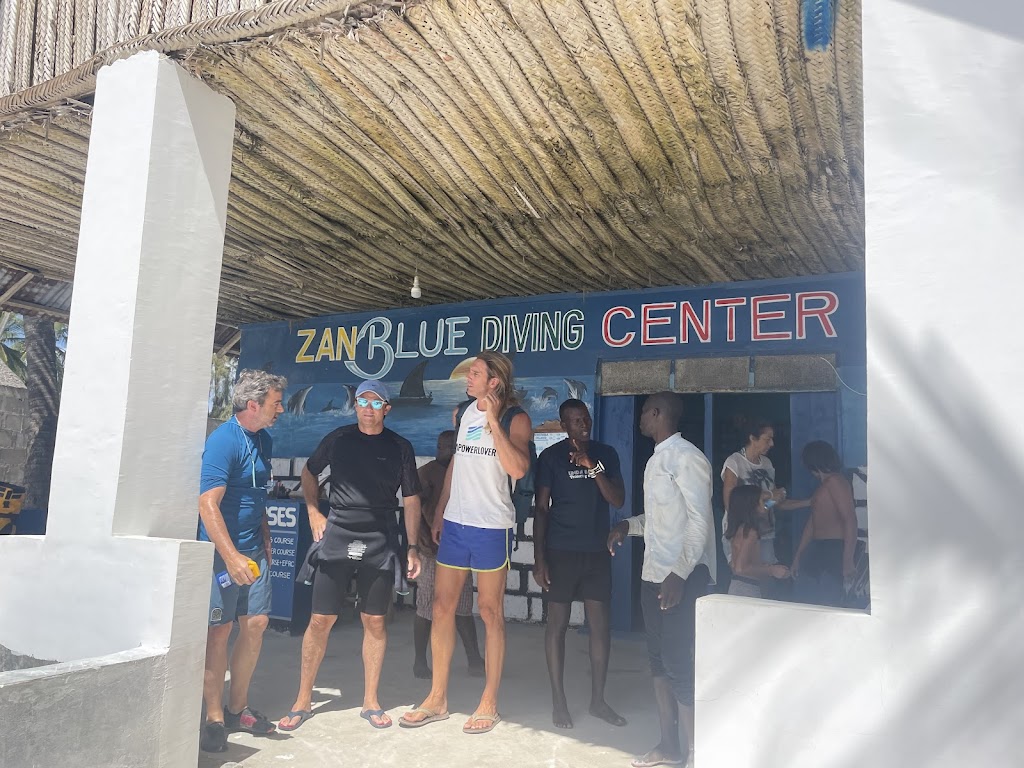
Today: 08:00 - 17:30
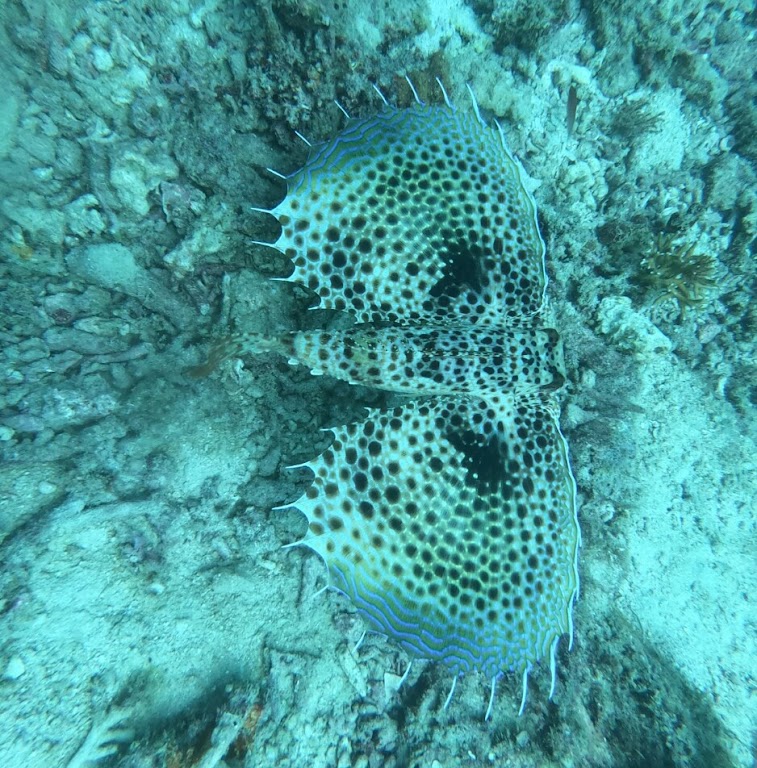

Nearest Airports
Nearest airports to help plan travel to this dive area.
Search Flights
Check available flights and routes on Expedia, using the nearby airports listed in this section.
Search Flights on ExpediaFrequently Asked Questions
What depth range does Shetani offer?
The site features a coral wall starting at a shallow 3 meters, dropping to 12 meters, and then sloping gently down to a maximum of 16 meters. This depth profile makes it accessible for various certification levels.
Is Shetani suitable for beginner divers?
Yes, Shetani is very welcoming for beginner divers due to its relatively shallow depths and generally calm conditions. The vibrant shallow wall provides an excellent introduction to reef diving.
What kind of underwater features can I expect?
Divers will explore a beautiful coral wall, numerous overhangs, and small caves. These features are densely adorned with colorful soft and hard corals, creating visually rich environments.
What marine life might I see at Shetani?
Common marine life includes octopuses, various species of stingrays, and sea turtles. Keep an eye out for well-camouflaged scorpionfish and diverse schools of reef fish.
When is the best time to dive Shetani for optimal visibility?
The period from March through December generally offers excellent visibility and stable conditions. Lower rainfall during these months contributes to clearer underwater environments.
Are there any specific safety considerations for diving here?
Good buoyancy control is important, especially around the overhangs and corals, to avoid contact. Always dive with a buddy and respect the marine environment.
Can snorkelers enjoy Shetani?
Absolutely. The shallow coral wall, beginning around 3 meters, offers vibrant coral and fish life immediately below the surface, making it excellent for snorkeling.
Planning to dive Shetani?
Send one inquiry and receive offers directly from the best verified local dive operators.
Conditions are Good
Optimal conditions expected
Current conditions near Shetani show 27° air, 27° sea temperature, 0.5 m waves, and 31 km/h wind. Forecast data is refreshed regularly to ensure accuracy.