
Diving at Burgess Barge (United States)
Barge wrecks like Burgess Barge immediately captivate divers by their structure, which often acts as an artificial reef. What you'll first notice is how marine life gravitates to these rusting forms, transforming them into vibrant habitats. Sunlight filtering through the shallows can illuminate a kaleidoscope of colors, making sponges and corals pop against the metal framework. This visual feast provides an instant draw for exploration.
Tonight's objective overview for Burgess Barge shows an air temperature of 31.5°C. The measured surface conditions include wave heights around 1.1 m. This environmental data is logged for the close of the day.
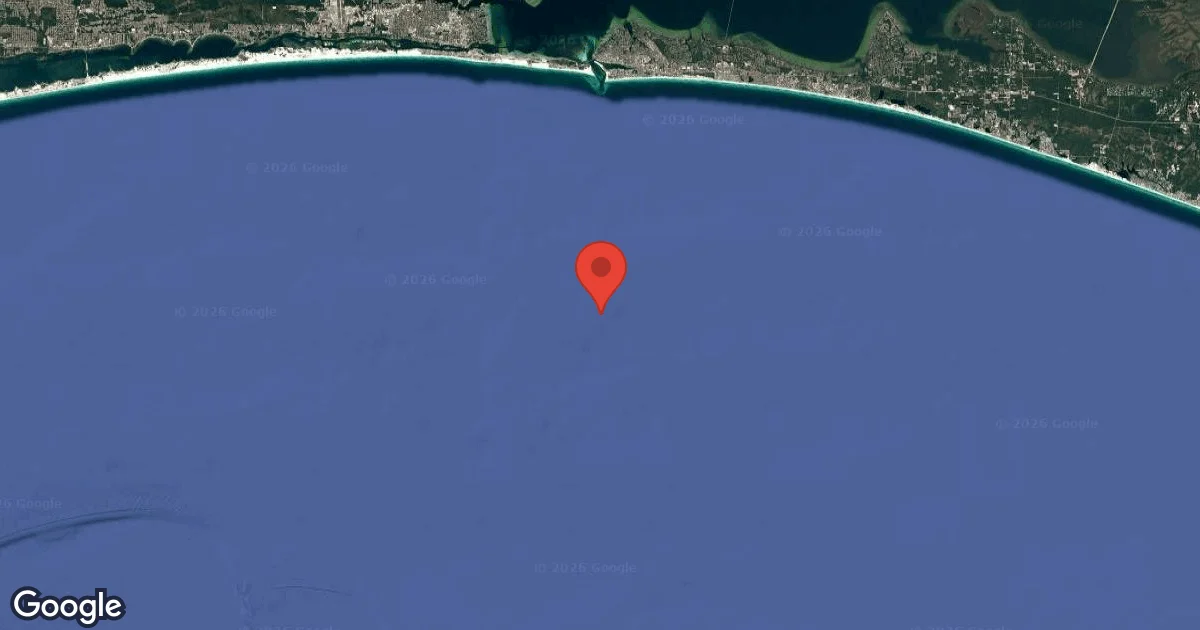
Dive Site Location & Key Facts
Dive Site Overview
While specific historical records for a site named Burgess Barge are not consistently reported, many similar barge wrecks across the United States have fascinating backstories. These vessels often played a role in industrial history, like transporting materials for major infrastructure projects such as Henry Flagler's overseas railroad, or were intentionally sunk as part of artificial reef programs to enhance marine habitats.
Depths for these sites typically range from accessible shallow waters, around 7.6 m (25 ft), making them ideal for new divers, to slightly deeper recreational limits of 18 m (60 ft). Some, like the Illinois and Holly Barges, were sunk intact, while others, such as Flagler’s Barge, have deteriorated gracefully over time, becoming carpeted with lush coral and sponge growth.
Exploring Burgess Barge often means navigating through structural remnants, from identifiable beams and bulkheads to more open sections, inviting divers to discover the hidden life within its framework.
Conditions are Excellent
07:00 - 14:00
Optimal conditions expected
Current conditions near Burgess Barge show 31° air, 30° sea temperature, 0.5 m waves, and 18 km/h wind. Forecast data is refreshed regularly to ensure accuracy.
Best Time to Dive
Planning a dive at Burgess Barge is best done during periods of calmer conditions and warmer air temperatures, which generally occur from May through September. During these months, average air temperatures range from 24.5°C (76°F) to 29°C (84°F), creating comfortable surface conditions. Wave heights tend to be lower, averaging between 0.7 to 0.9 meters, and wind speeds decrease to around 23-27 km/h, which can lead to better water clarity and a more pleasant boat ride. While specific water temperature data for this location is not consistently reported, the warmer air and reduced chop make the summer and early fall months a preferred window for diving, earning them a 'Good' dive score.
PEAK SEASON SCORE
Scores combine air & water temps, waves, wind & rainfall for overall conditions.
BEST MONTHS TO DIVE
Monthly records compiled from satellite and marine observation nodes over the last 3 years. Data provided by Open-Meteo and MET Norway.
Dive Experience & Conditions
Approaching Burgess Barge, divers will find a site generally suitable for open water certification and often welcoming to beginners, particularly given the typically shallow depths associated with many barge wrecks. The entry experience can be quite tranquil, especially on days with lower wave heights and lighter winds. Once submerged, the ambient light in shallower sections, such as those around 7.6 m (25 ft), allows for vibrant colors of marine life to be appreciated. Exploring the site involves finning through and around the wreck's structure; some sections may present swim-throughs without an overhead environment, while other more intact barge wrecks might offer opportunities for penetration for properly trained and equipped divers. These conditions frequently allow for hour-long bottom times, maximizing opportunities to observe the site's inhabitants.
Dive Difficulty & Safety Guidelines
Diving Burgess Barge, like other recreational wreck sites, generally accommodates open water certified divers, especially given its accessible depth profile.
However, if any sections of the wreck allow for interior penetration, divers must be appropriately trained and equipped for overhead environments. This advanced training ensures you understand potential hazards and proper navigation techniques.
Always carry a reliable dive light and a safety reel if planning to enter any part of the wreck. General wreck diving safety protocols, such as maintaining neutral buoyancy to avoid disturbing the site or marine life, and never forcing entry into confined spaces, are paramount for a safe and enjoyable dive. Respecting the wreck and its ecosystem helps preserve it for future divers.
Recommended Equipment
- Dive Computer
This gear list is based on verified equipment signals for Burgess Barge, United States. Always confirm final gear choices with your dive operator, guide, or liveaboard.
Recommended Dive Suit
Individual comfort in the water can vary significantly from diver to diver, even under the same conditions.
For most recreational dives, dive skin or rash guard should provide comfortable protection. Consider warmer surface protection (like a boat coat) due to brisk winds. The coming days appear slightly cooler according to the latest forecast. Cooler days are ahead; you might want a warmer option for later in the week. Carrying a secondary suit is common practice among experienced divers.
Current temperature readings suggest that the water at Burgess Barge is around 30°C (87°F). Surface air temperatures are resting at 31°C (88°F).
Due to technical issues with our weather providers, data hasn't been fetched for over 48 hours. The data above reflects the conditions at the time of the last successful fetch.
Emergency & Medical Support
Essential information to help you plan your dive trip to Burgess Barge.

Hyperbaric chambers are a critical part of dive safety infrastructure. Availability varies significantly by region, and not all dive areas have immediate access.
Before diving, it's recommended to:
- confirm nearest medical facilities
- check emergency procedures with local dive operators
- ensure dive insurance covers evacuation if required
Divers Alert Network
Diving emergency assistance available through DAN World.
+1-919-684-9111- 24/7 emergency hotline
- Diving medical assistance
- Evacuation coordination
Emergency contacts are provided for reference. Always verify local emergency services before diving.
Marine Life at Burgess Barge
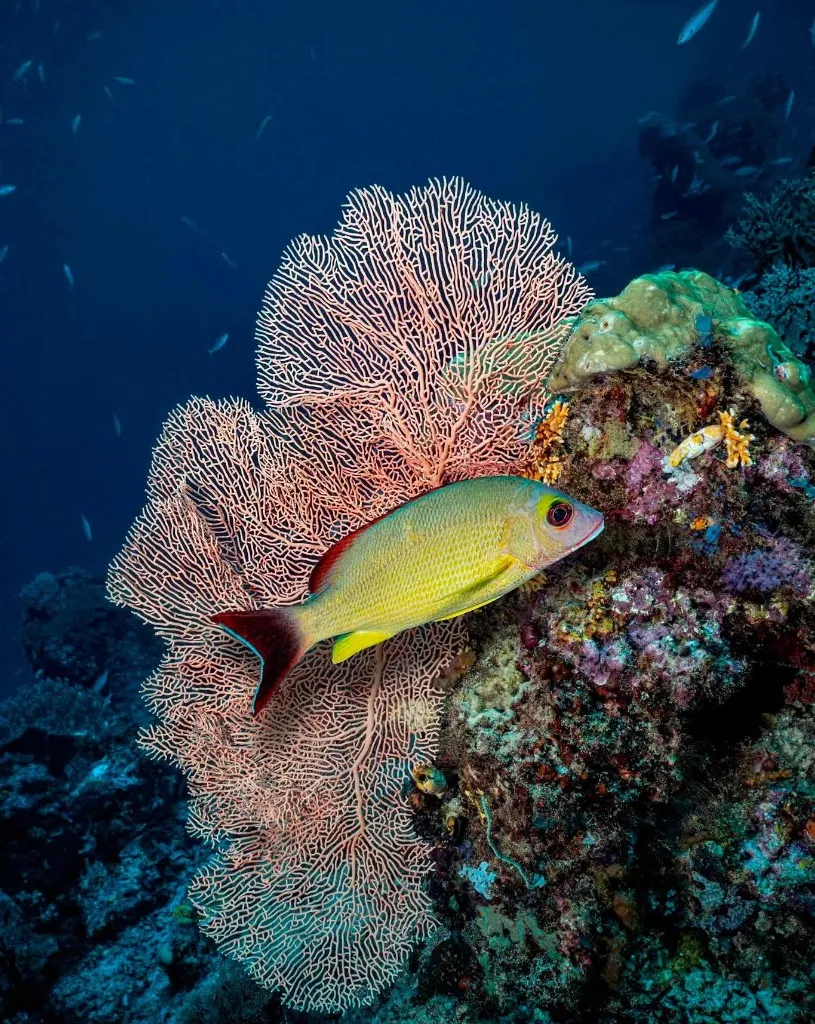
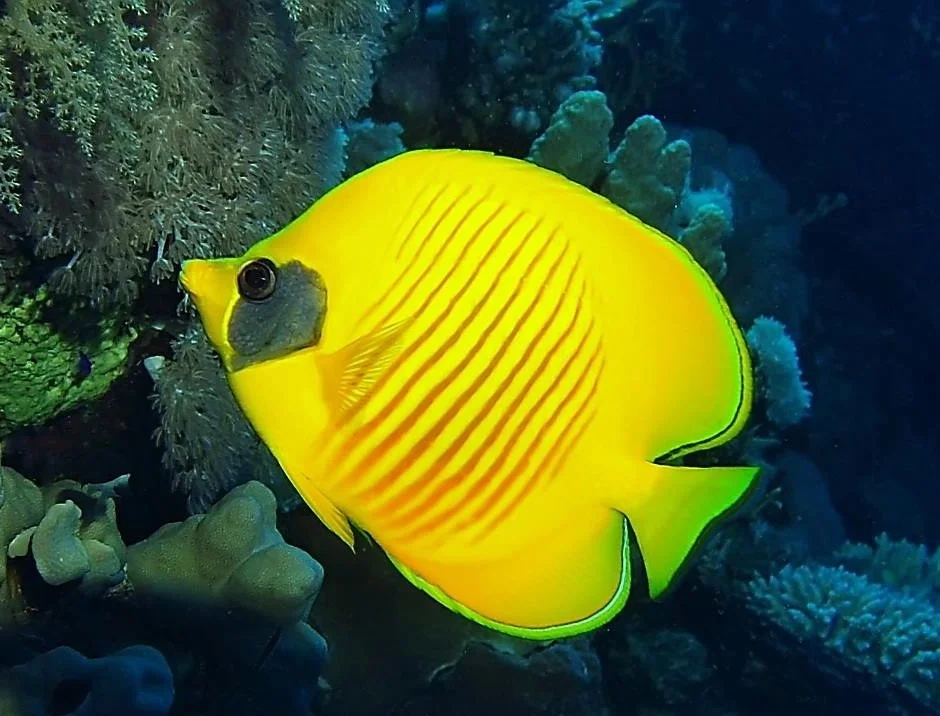
The structure of Burgess Barge acts as a significant magnet for marine life, fostering a diverse ecosystem. You'll frequently encounter dense schools of grunts, blue tangs, and yellowtail snapper, often swirling around the wreck's framework.
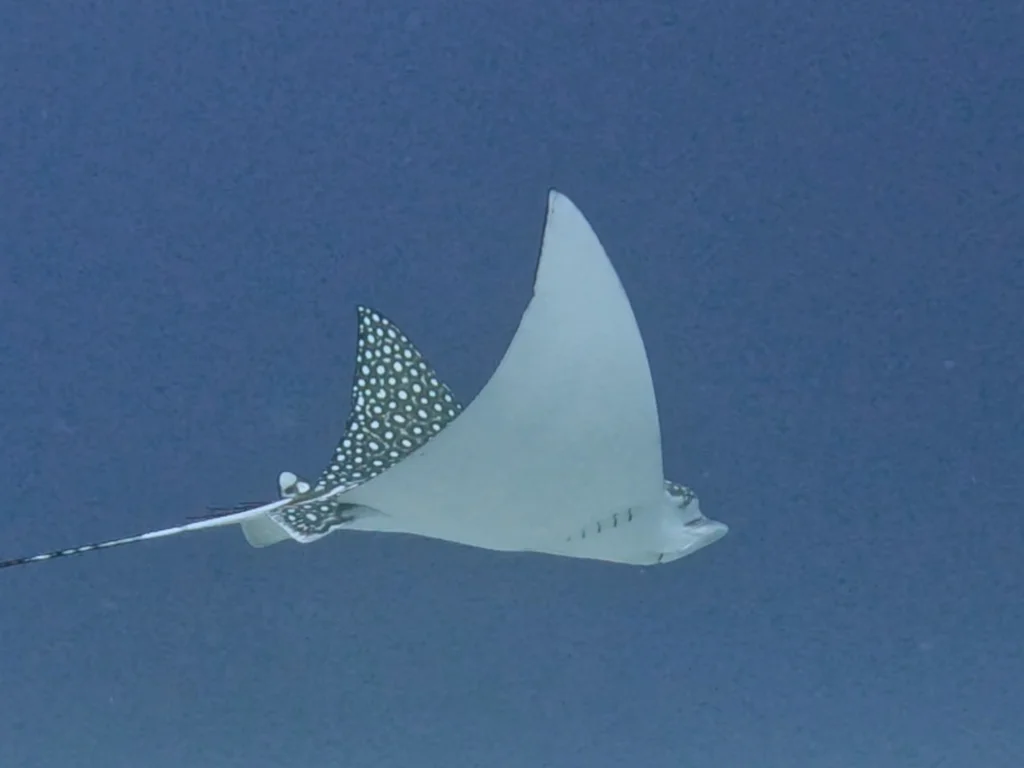
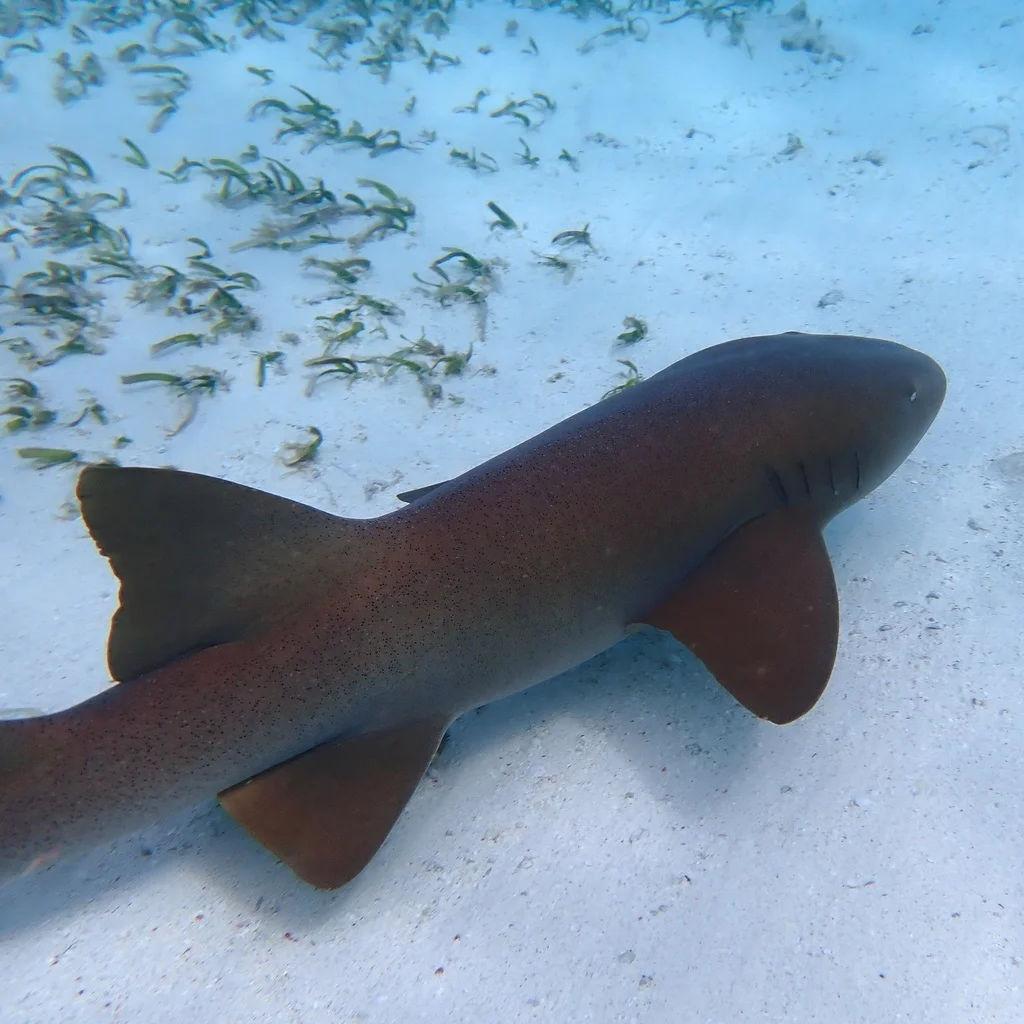
Larger residents, such as graceful spotted eagle rays and substantial stingrays, are occasionally observed gliding nearby or resting on the sandy bottom. Beneath the bow section, a common sight is nurse sharks taking shelter in the serene, sheltered spots.
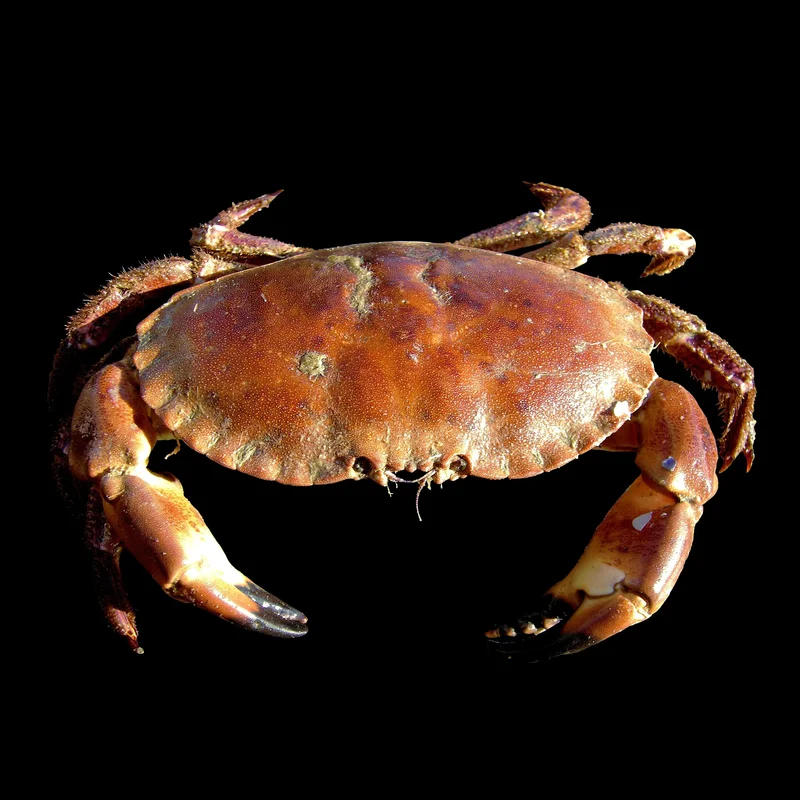
The wreck's surfaces host various smaller critters including slipper lobsters, busy arrow crabs, and eels peeking from crevices.
Additionally, classic Florida Keys reef residents like angelfish, butterflyfish, wrasse, and parrotfish contribute to the site's vibrant display.
Dive Sites Near Burgess Barge
View all dive sites in United StatesDiscover more underwater gems in this area.
Dive Centers Near Burgess Barge
Today: 08:00 - 17:00
Nearest Airports
Nearest airports to help plan travel to this dive area.
Search Flights
Check available flights and routes on Expedia, using the nearby airports listed in this section.
Search Flights on ExpediaFrequently Asked Questions
What is the typical depth range for a dive at Burgess Barge?
Barge wrecks similar to Burgess Barge in the United States typically rest in recreational depths, often ranging from shallow waters around 7.6 m (25 ft) to deeper sections up to 18 m (60 ft). Some identified barges are also found around 11 m (35 ft). These depths make the site accessible for a broad range of certified divers.
Is Burgess Barge suitable for beginner divers?
Yes, many barge wrecks, including those comparable to Burgess Barge, are considered excellent for beginner and open water certified divers due to their relatively shallow depths and often clear conditions. They provide a gentle introduction to wreck diving. Always consult local dive operators for specific site conditions and recommendations.
Can divers penetrate the wreck of Burgess Barge?
Some barge wrecks allow for interior penetration, particularly if they were sunk intact or have cut-throughs in bulkheads. However, this activity requires proper wreck diving training, a dive light, and a safety reel. Divers should only attempt penetration if adequately certified and equipped for overhead environments.
What kind of marine life can I expect to see at Burgess Barge?
Barge wrecks are magnets for marine life. Divers often encounter large schools of grunts, blue tangs, and yellowtail snapper. You may also spot spotted eagle rays, large stingrays, nurse sharks, slipper lobsters, arrow crabs, eels, and a variety of colorful reef fish like angelfish and parrotfish.
When is the best time of year to dive Burgess Barge?
The optimal time to dive barge wrecks like Burgess Barge is typically from May through September. During these months, the region experiences warmer air temperatures, reduced wave heights, and lighter winds, contributing to more comfortable diving conditions and potentially better visibility.
What are the key safety considerations for diving Burgess Barge?
Safety at Burgess Barge involves standard wreck diving practices. Maintain good buoyancy control to protect the wreck and avoid stirring up sediment. If considering penetration, ensure you have appropriate training, equipment like a dive light and safety reel, and never enter confined spaces without proper certification.
Planning to dive Burgess Barge?
Send one inquiry and receive offers directly from the best verified local dive operators.
Conditions are Excellent
07:00 - 14:00
Optimal conditions expected
Current conditions near Burgess Barge show 31° air, 30° sea temperature, 0.5 m waves, and 18 km/h wind. Forecast data is refreshed regularly to ensure accuracy.