
Diving at ESERS529 (United States)
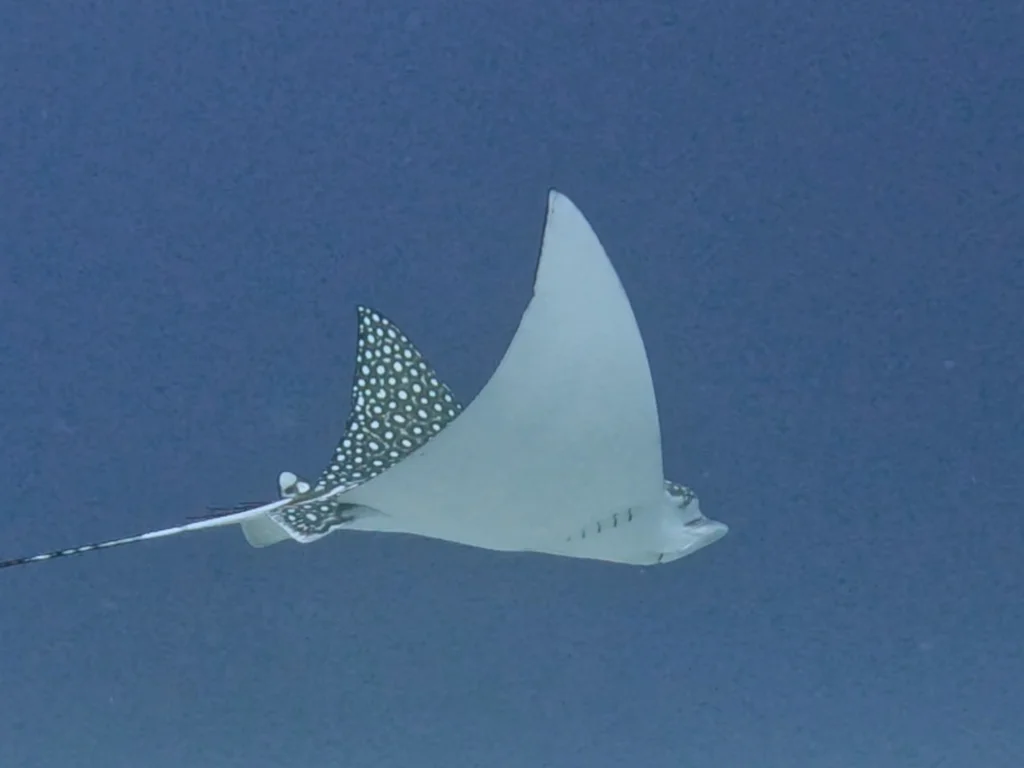
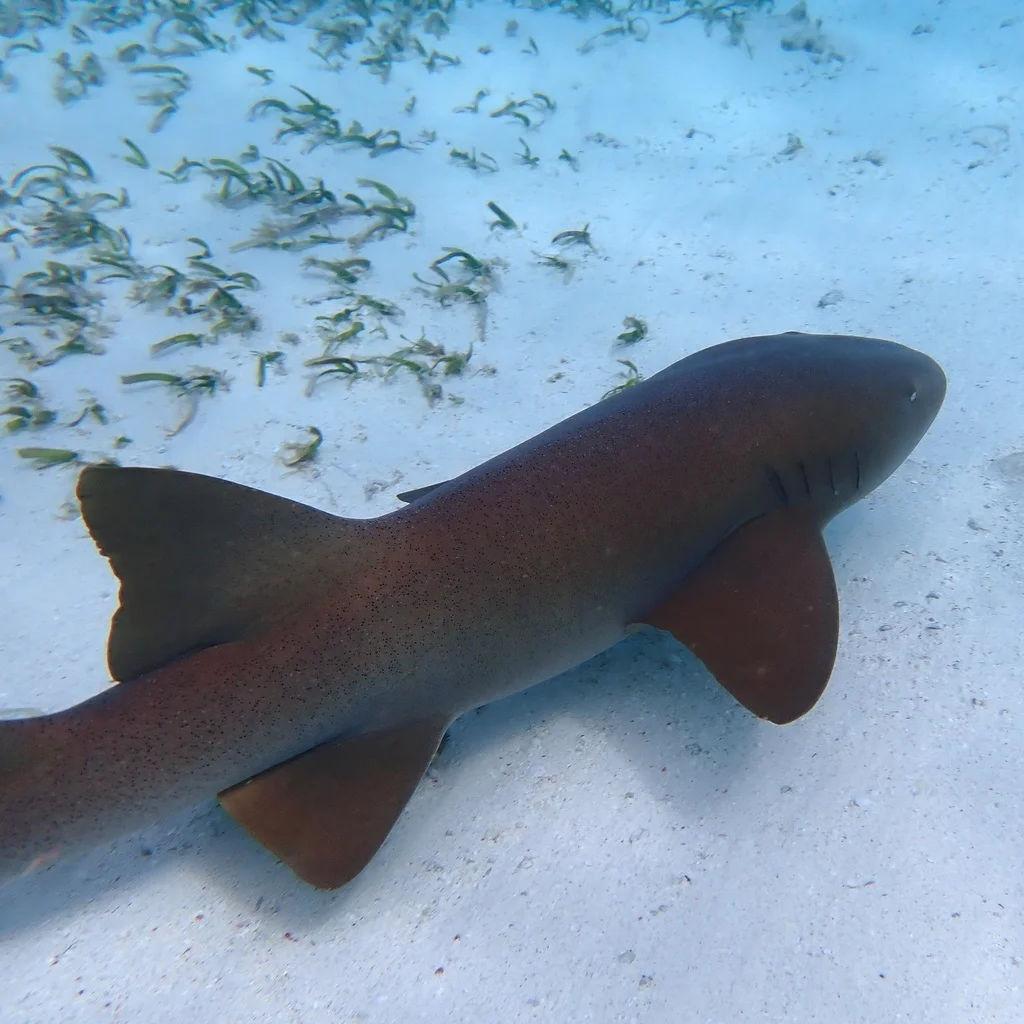
Across its diverse underwater landscapes, the United States presents a spectrum of marine life encounters that vary dramatically by region. From the robust barracudas and nurse sharks of warmer southern reefs to the unique human-sized lingcod and vibrant plumose anemones found in colder Pacific waters, divers can anticipate a wide array of fascinating creatures. Spotting graceful spotted eagle rays gliding past is a possibility in many locations.
As evening covers ESERS529, the local air temperature is measured at 28.5°C. The current wave height at the surface is recorded at 0.8 m. These late-day readings characterize the surface conditions for the night.
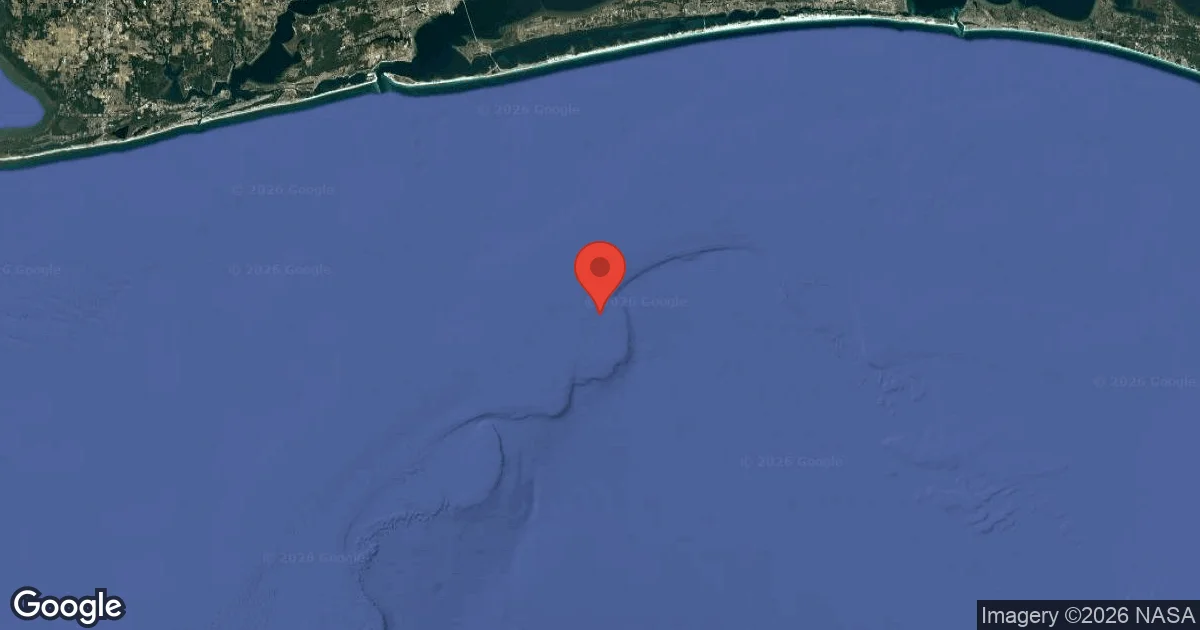
Dive Site Location & Key Facts
Dive Site Overview
Diving in the United States offers an extraordinary range of experiences, reflecting the country's vast and varied geography. From the clear, spring-fed waters of inland quarries and geothermal springs to the dynamic kelp forests and coral reefs of its coasts, each site provides a distinct adventure.
Many destinations cater well to entry-level divers with sheltered, shallow waters and easy access, making them ideal for learning or casual exploration. Meanwhile, advanced divers can seek out deeper wrecks, complex cave systems within flooded mines, or drift dives along vibrant continental shelves.
Sites like John Pennekamp Coral Reef State Park in Florida showcase living coral and historical artifacts, while others, such as Haigh Quarry in Illinois, offer unique underwater scavenger hunts among submerged vehicles and structures. Exploring the colder inland waterways of the Pacific Northwest promises encounters with surprisingly large critters.
Conditions are Excellent
07:00 - 14:00
Optimal conditions expected
Current conditions near ESERS529 show 29° air, 30° sea temperature, 0.5 m waves, and 22 km/h wind. Forecast data is refreshed regularly to ensure accuracy.
Best Time to Dive
Planning a dive in the United States often hinges on optimizing visibility and surface conditions, which are generally most favorable during months with 'Good' dive scores. Conditions are typically good from May through October, and also in February. During these periods, average air temperatures range from 15.5°C (60°F) in February to a pleasant 29°C (84°F) in August, ensuring comfort topside. Wave heights generally decrease during these months, often averaging below 1 meter (3.3 ft), contributing to calmer waters and potentially enhanced underwater clarity. Rain activity also remains relatively low across the year, with no specific month presenting a strong impediment. The quieter conditions found during these times can significantly improve the overall dive experience, particularly for sites prone to surface chop.
PEAK SEASON SCORE
Scores combine air & water temps, waves, wind & rainfall for overall conditions.
BEST MONTHS TO DIVE
Monthly records compiled from satellite and marine observation nodes over the last 3 years. Data provided by Open-Meteo and MET Norway.
Dive Experience & Conditions
The underwater sensations across US dive sites vary immensely, from the tranquil warmth of geothermal springs to the invigorating chill of northern waters. Descending into a site like Homestead Crater, one experiences mineral water naturally heated to a constant 35.5°C (96°F), offering a uniquely comfortable immersion. Conversely, diving in Puget Sound introduces cold water environments where large marine life thrives, necessitating appropriate thermal protection. Coastal sites along the Pacific, such as Catalina Island, often feature expansive kelp forests, creating a 'flying underwater in a forest' sensation as sunlight filters through the fronds. In these diverse settings, underwater visibility varies depending on local factors, ranging from excellent in sheltered springs and quarries to dynamically changing conditions in oceanic environments where currents and sediment can affect clarity.
Dive Difficulty & Safety Guidelines
Approaching diverse dive sites across the United States requires careful adherence to safety protocols and local guidelines. Given the wide range of environments—from open ocean reefs to enclosed flooded mines and quarries—understanding specific site challenges is paramount. Divers should always prioritize proper training for the conditions they intend to explore, especially for cold water, deeper recreational depths of up to 30 m (100 ft), or overhead environments.
Respecting marine life and fragile ecosystems, such as national marine sanctuaries like Flower Garden Banks, is a fundamental guideline. Maintaining situational awareness regarding currents and respecting any restrictions, such as those regarding watercraft or visitor center access, contributes to a secure and enjoyable experience.
Recommended Equipment
- Dive Computer
This gear list is based on verified equipment signals for ESERS529, United States. Always confirm final gear choices with your dive operator, guide, or liveaboard.
Recommended Dive Suit
Current diving conditions indicate water temperatures around 30°C (86°F) at ESERS529. Surface air temperatures are resting at 29°C (83°F).
The upcoming forecast points to generally steady conditions in the area.
Divers who prefer moderate insulation typically choose dive skin or rash guard in similar environments. Consider warmer surface protection (like a boat coat) due to brisk winds. Many experienced divers adjust their exposure protection depending on the type of dive planned. Stronger winds may also make surface intervals feel cooler than usual.
Emergency & Medical Support
Essential information to help you plan your dive trip to ESERS529.

Hyperbaric chambers are a critical part of dive safety infrastructure. Availability varies significantly by region, and not all dive areas have immediate access.
Before diving, it's recommended to:
- confirm nearest medical facilities
- check emergency procedures with local dive operators
- ensure dive insurance covers evacuation if required
Divers Alert Network
Diving emergency assistance available through DAN World.
+1-919-684-9111- 24/7 emergency hotline
- Diving medical assistance
- Evacuation coordination
Emergency contacts are provided for reference. Always verify local emergency services before diving.
Marine Life at ESERS529
Observing the marine life across the United States reveals stark regional differences. In warmer reef environments, divers are often greeted by barracudas, parrotfish, nurse sharks, and the impressive spotted eagle rays.
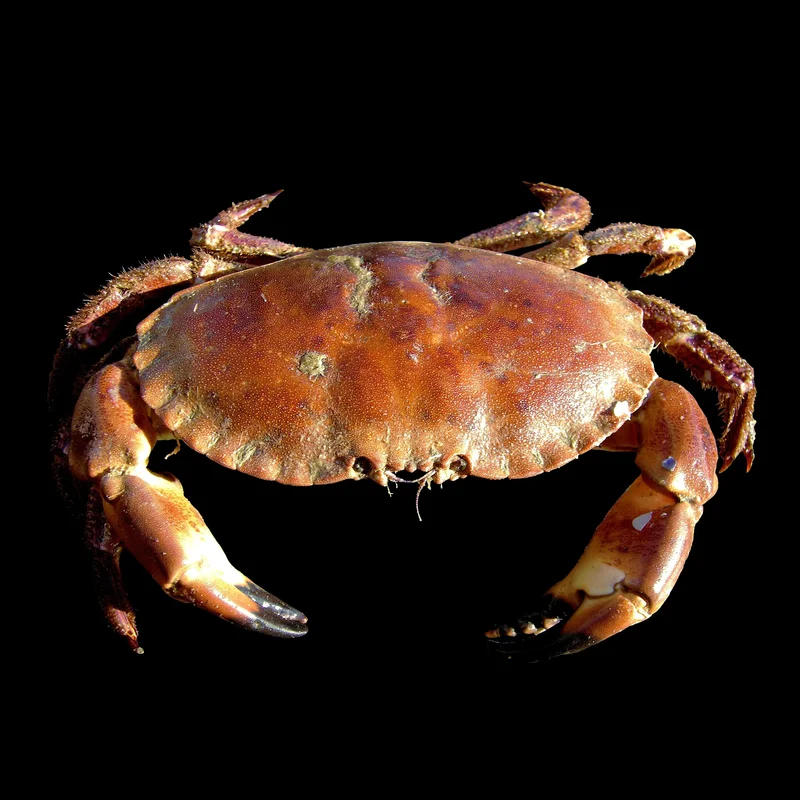
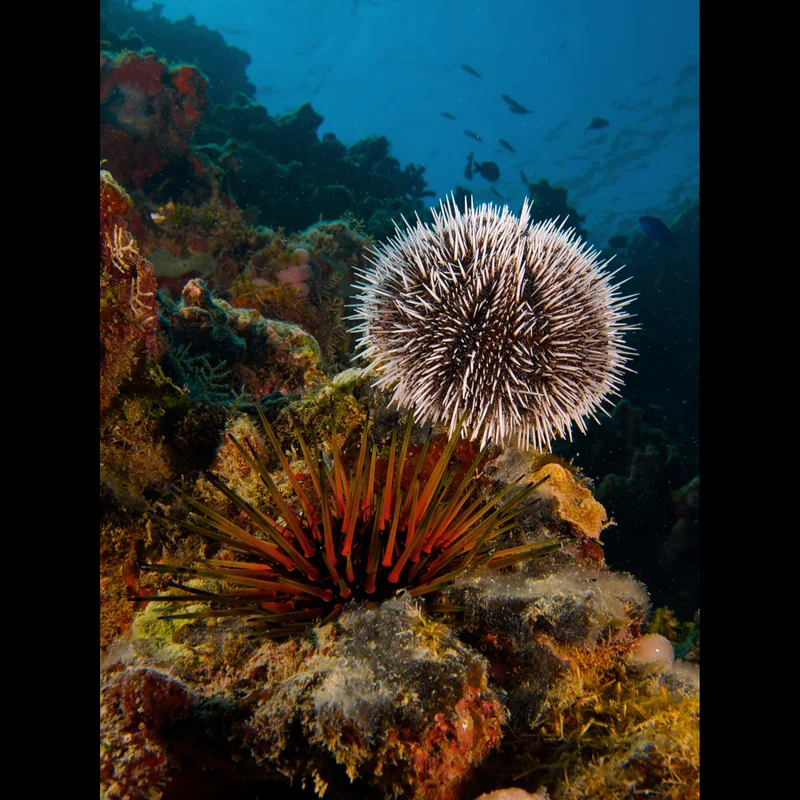
Moving to the colder Pacific waters, encounters shift dramatically to human-sized lingcod, brilliant white plumose anemones, robust rock crabs, painted greenlings, and peculiar orange sea pens. Around kelp forests, spotting various sharks, sea urchins, and lobsters is common.
For those exploring lava cliffs, whitetip reef sharks and eels frequently emerge, while inland quarries and lakes harbor diverse freshwater fish populations, including rainbow trout and largemouth bass.
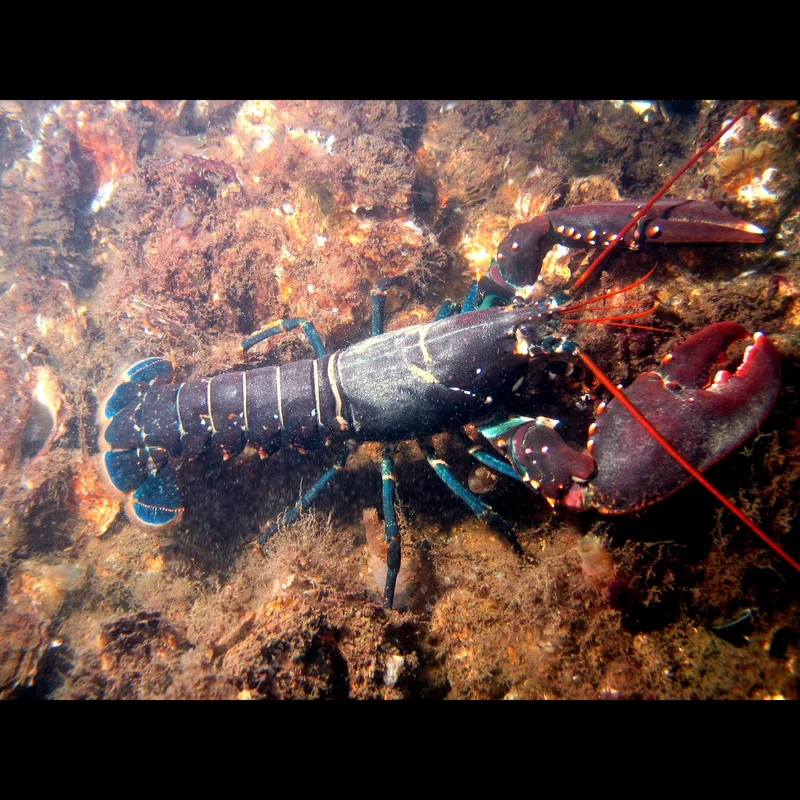
Dive Sites Near ESERS529
View all dive sites in United StatesDiscover more underwater gems in this area.
Dive Centers Near ESERS529
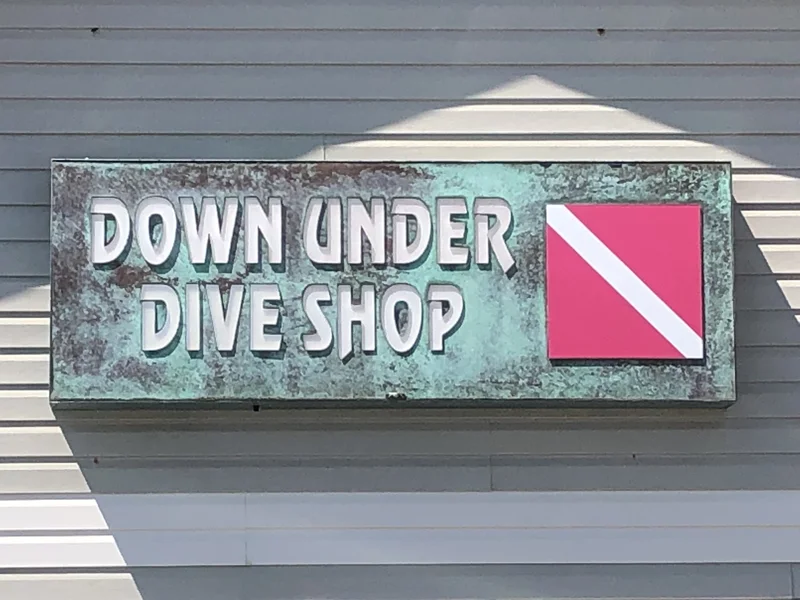
Today: 10:00 - 18:00
Nearest Airports
Nearest airports to help plan travel to this dive area.
Search Flights
Check available flights and routes on Expedia, using the nearby airports listed in this section.
Search Flights on Expedia
Plan Your Stay
Looking for a place to stay for your dive trip? Explore hotels, stays, and vacation rentals for dive groups near Gulf Breeze.
Dive Navigator may earn a commission from these links at no extra cost to you.
Frequently Asked Questions
What types of dive sites can I find in the United States?
You can explore a wide array of dive sites, including natural coral reefs, ocean dives, beach dives, freshwater lakes, flooded limestone quarries, geothermal springs, and even unique flooded underground mines. This diversity caters to various preferences and skill levels.
Are there dive sites suitable for beginners?
Yes, many sites are considered entry-level, featuring sheltered, shallow, and easily accessible waters. Locations like Lovers Point in California or John Pennekamp Coral Reef State Park in Florida are often recommended for new divers seeking a safe and inviting experience.
What are the general water temperatures for diving in the US?
Water temperatures vary significantly across the country. Geothermal springs can be consistently warm, around 35.5°C (96°F), while colder inland waterways in regions like the Pacific Northwest will require robust thermal protection. Ocean temperatures range widely depending on the region and season.
What kind of marine life can I expect to see?
Marine life encounters are highly regional. Expect barracudas, parrotfish, and nurse sharks in warmer southern reefs. In colder Pacific waters and kelp forests, you might spot lingcod, plumose anemones, rock crabs, various sharks, and lobsters. Freshwater sites feature fish like rainbow trout and bass.
Are there any unique non-natural dive sites?
Absolutely. Sites like Dutch Springs and Haigh Quarry offer submerged platforms, vehicles, aircraft, and artifacts for exploration. Bonne Terre Mine provides a unique, almost cavern-like experience through a flooded mining history with preserved tools and carts.
When is the best time for good visibility?
Good visibility is often linked to calmer conditions, which are more prevalent during months with lower wave heights. Periods from May to October, and also February, generally offer better surface conditions and subsequently improved underwater clarity across many dive sites.
Planning to dive ESERS529?
Send one inquiry and receive offers directly from the best verified local dive operators.
Conditions are Excellent
07:00 - 14:00
Optimal conditions expected
Current conditions near ESERS529 show 29° air, 30° sea temperature, 0.5 m waves, and 22 km/h wind. Forecast data is refreshed regularly to ensure accuracy.