
Diving at Hopper Barge (United States)
Successfully navigating the Hopper Barge, also known as the Sea Emperor, presents divers with a rewarding challenge off Boca Raton, Florida. This artificial reef, an inverted barge measuring 171 feet (52 m) long, promises an engaging experience for those prepared to explore its unique structure. Divers delve into a purpose-sunk environment, interacting with marine life thriving within and around the scattered concrete culverts. It's an opportunity to test buoyancy and observation skills within a vibrant underwater habitat.
As evening covers Hopper Barge, the local air temperature is measured at 27.5°C. The current wave height at the surface is recorded at 0.7 m. These late-day readings characterize the surface conditions for the night.
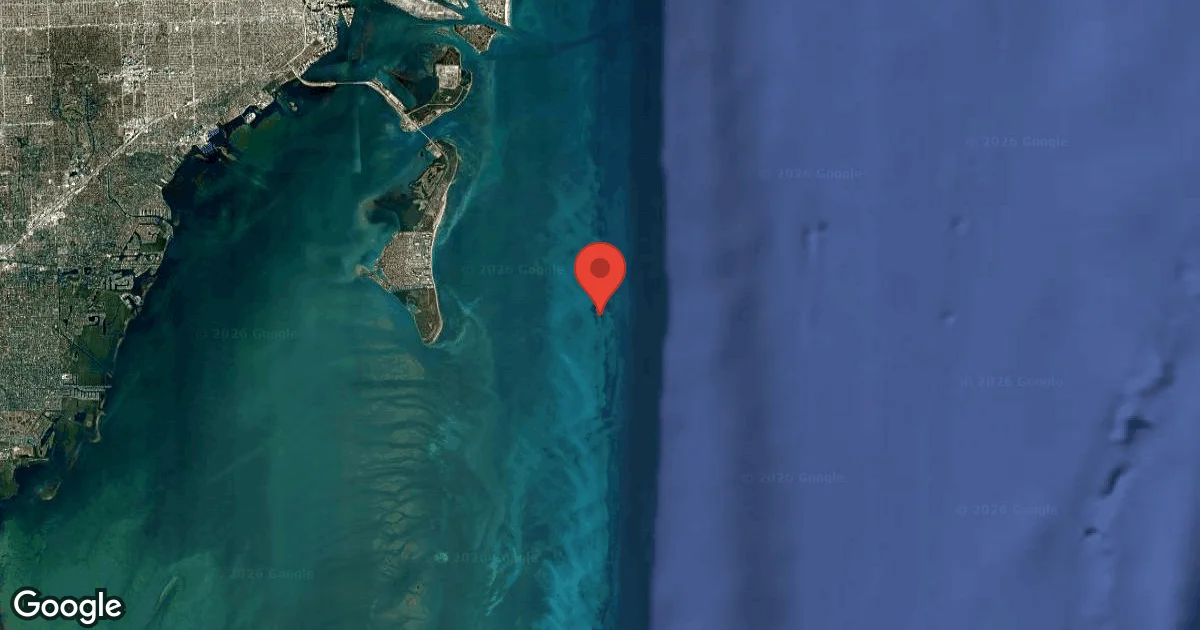
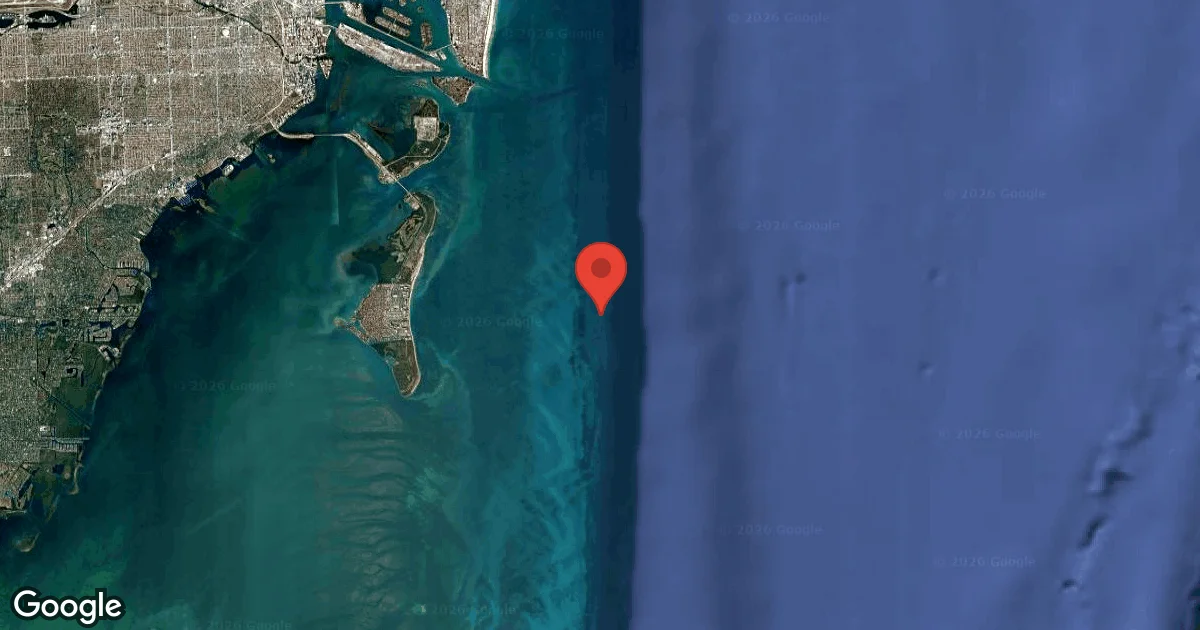
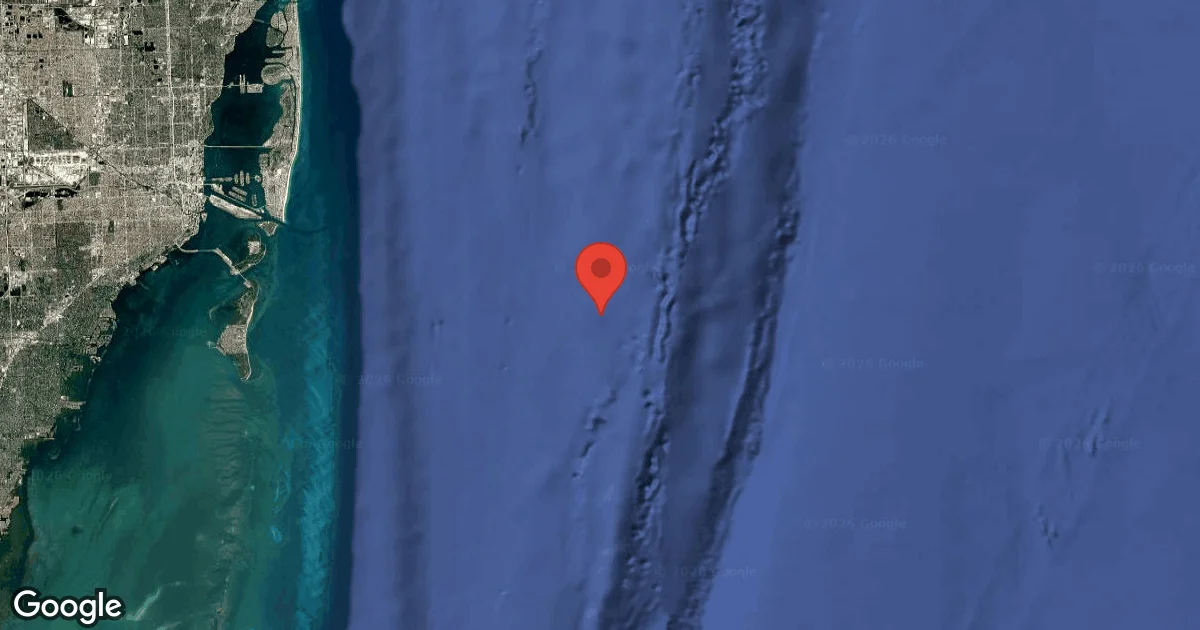
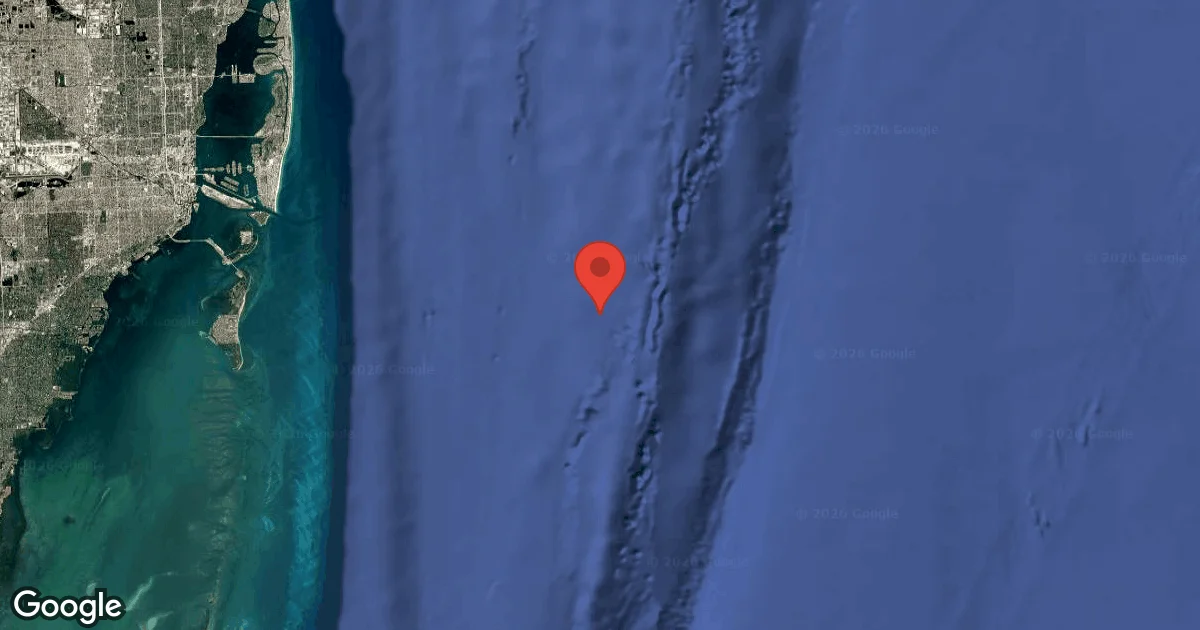
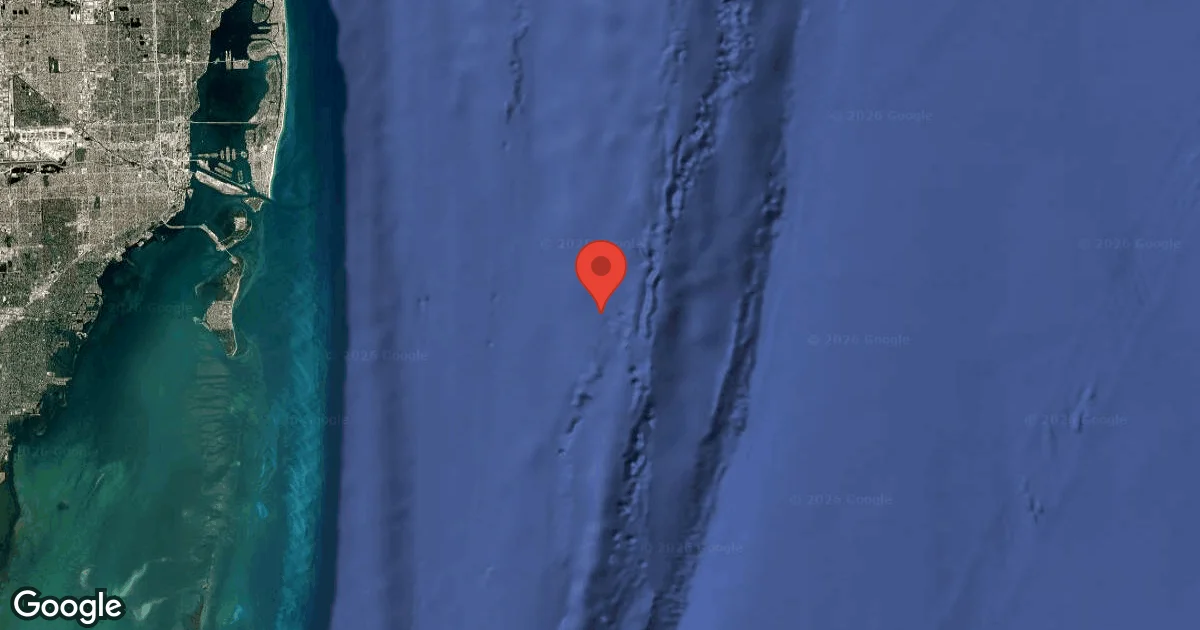
Dive Site Location & Key Facts
Dive Site Overview
Diving the Sea Emperor, formerly a hopper barge, offers a fascinating exploration of a deliberate artificial reef. Sunk off Boca Raton, this 171-foot (52 m) long and 45-foot (14 m) wide vessel serves as a dynamic underwater playground.
When deployed, the barge settled upside down, scattering its cargo of 1,600 tons of concrete drainage culverts across the seafloor. This unique configuration has created an intricate habitat, attracting a diverse array of marine species and earning the site its local moniker, "Aqua Zoo." The wreck's design includes multiple access points, ensuring safe penetration where ambient light generally filters into all chambers.
While descending to depths between 9-22 m (30-72 ft), divers will discover a busy ecosystem. Just 300 feet (91 m) to the south, the United Caribbean wreck offers a potential second dive, connected by a distinct trail of limestone boulders.
Conditions are Good
Optimal conditions expected
Current conditions near Hopper Barge show 28° air, 31° sea temperature, 0.4 m waves, and 18 km/h wind. Forecast data is refreshed regularly to ensure accuracy.
Best Time to Dive
Planning a dive at the Hopper Barge often centers on optimizing conditions for visibility and comfort. The months from May through September typically present the most favorable averages, with dive scores consistently good to excellent (7-8). During this period, wave heights tend to be lower, averaging around 0.6 meters (2 feet), and wind speeds decrease to about 23-27 km/h (14-17 mph). Reduced wave action generally contributes to clearer water, enhancing the visibility crucial for appreciating the wreck's details and marine life. Air temperatures are pleasantly warm, ranging from 26-29°C (79-84°F). Conversely, October and December show slightly moderate dive scores (6), primarily due to increased average wave heights approaching 1 meter (3.3 feet) and stronger winds, which can reduce underwater clarity. Rain averages remain relatively low throughout the year, with a slight increase in June and September, but it rarely impacts dive plans significantly.
PEAK SEASON SCORE
Scores combine air & water temps, waves, wind & rainfall for overall conditions.
BEST MONTHS TO DIVE
Monthly records compiled from satellite and marine observation nodes over the last 3 years. Data provided by Open-Meteo and MET Norway.
Dive Experience & Conditions
Divers approaching the Hopper Barge can anticipate a distinctive experience, largely defined by the wreck's inverted position and the surrounding culverts. With a maximum depth typically around 22 m (72 ft), this site is well within recreational limits and is considered suitable for Open Water divers. Inside the wreck, passages are generally safe for penetration, with light filtering into most areas, creating an inviting environment for exploration. Descending, divers often find themselves amidst schools of fish that congregate around the barge's structures. The concrete culverts, now part of the artificial reef, are not merely debris; they form complex tunnels and hiding spots. Water temperatures are not consistently reported but generally align with regional averages for temperate waters, making for a comfortable dive.
Dive Difficulty & Safety Guidelines
While the Hopper Barge offers a safe penetration experience with multiple access points and ambient light within its chambers, divers should still adhere to standard wreck diving safety protocols. Proper buoyancy control is essential to avoid disturbing the wreck or stirring up sediment, which can quickly reduce visibility. Always dive with a reliable buddy and carry appropriate personal signaling devices.
Given the site's characteristics, including potential for currents that vary depending on conditions, divers should assess local reports before descending. Though the site is open to Open Water certified divers, those with wreck diver specialty training will find their skills particularly advantageous for exploring the internal structures and nearby 'yellow brick road' trail to the United Caribbean.
Recommended Equipment
- Dive Computer
This gear list is based on verified equipment signals for Hopper Barge, United States. Always confirm final gear choices with your dive operator, guide, or liveaboard.
Recommended Dive Suit
In these water temperatures, dive skin or rash guard is a common choice for recreational diving. Consider warmer surface protection (like a boat coat) due to brisk winds. Longer dive profiles can make thermal protection more important than short exploratory dives.
The waters surrounding Hopper Barge are currently maintaining temperatures close to 31°C (88°F). Surface air temperatures are resting at 28°C (82°F).
Environmental conditions appear stable for the near future.
Due to technical issues with our weather providers, live updates are temporarily delayed. The data above reflects the conditions at the time of the last successful fetch.
Emergency & Medical Support
Essential information to help you plan your dive trip to Hopper Barge.

Hyperbaric chambers are a critical part of dive safety infrastructure. Availability varies significantly by region, and not all dive areas have immediate access.
Before diving, it's recommended to:
- confirm nearest medical facilities
- check emergency procedures with local dive operators
- ensure dive insurance covers evacuation if required
Divers Alert Network
Diving emergency assistance available through DAN World.
+1-919-684-9111- 24/7 emergency hotline
- Diving medical assistance
- Evacuation coordination
Emergency contacts are provided for reference. Always verify local emergency services before diving.
Marine Life at Hopper Barge
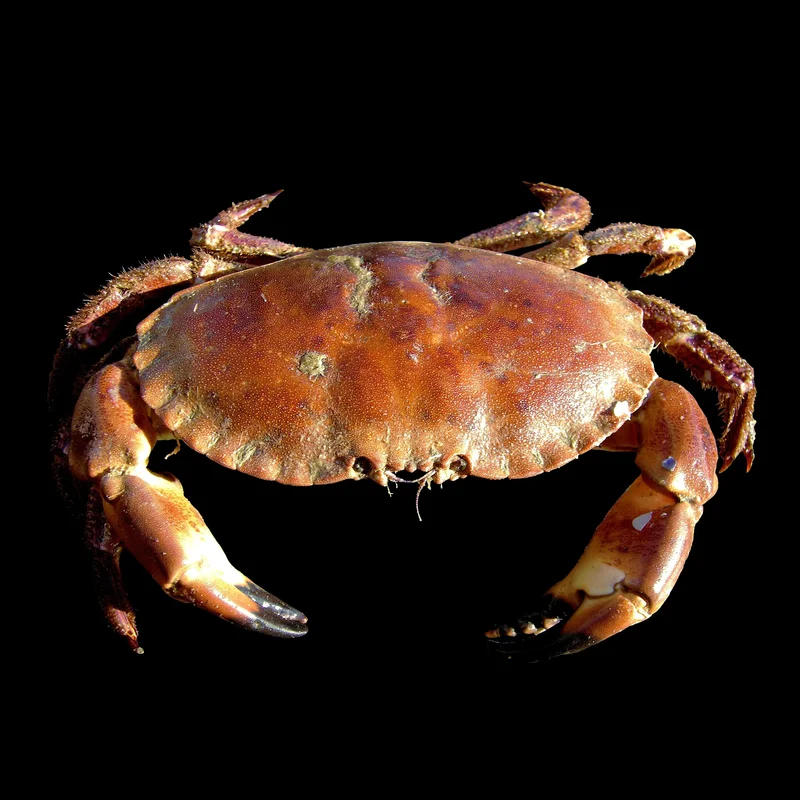
The inverted hull of the Hopper Barge and its scattered concrete culverts create an exceptional underwater landscape, serving as a haven for a variety of marine life. Goliath Groupers are a common sight, often seen lurking within the wreck's larger openings or resting on the surrounding seafloor.
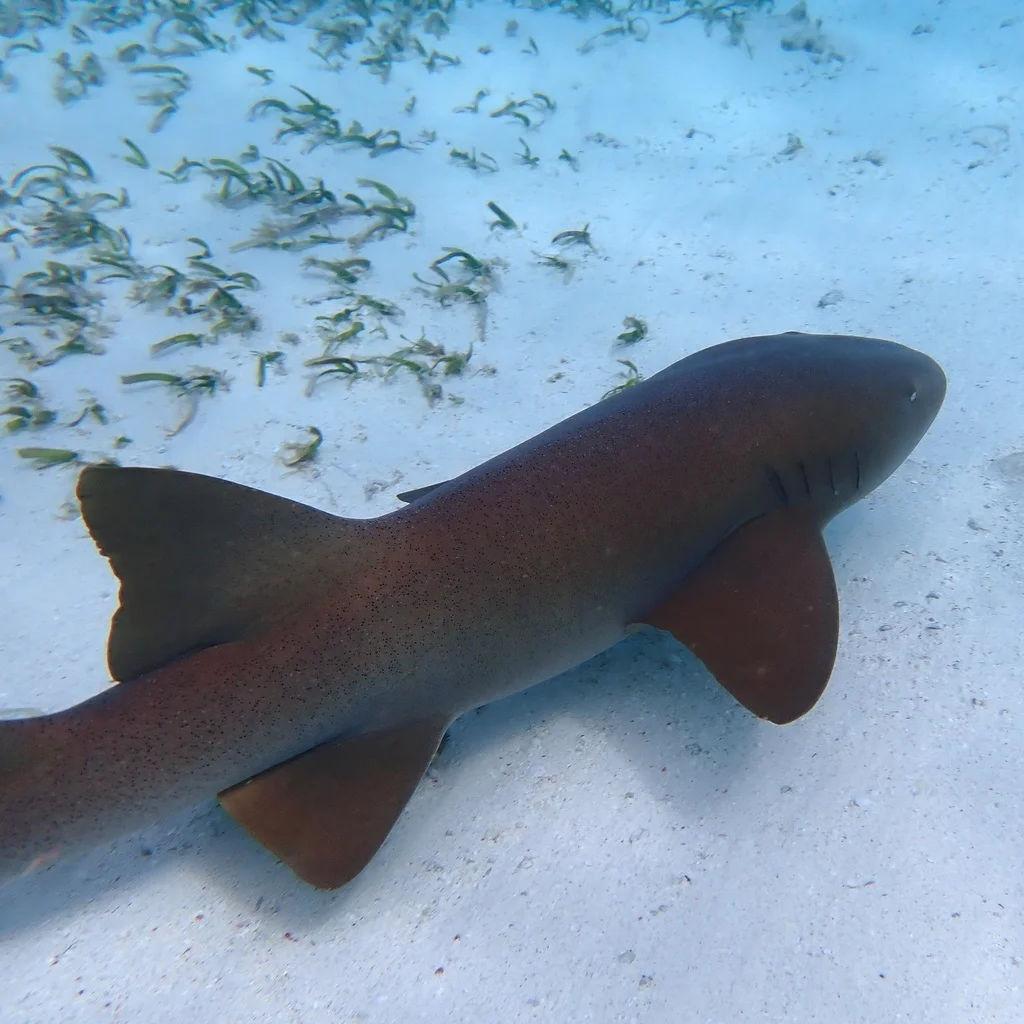
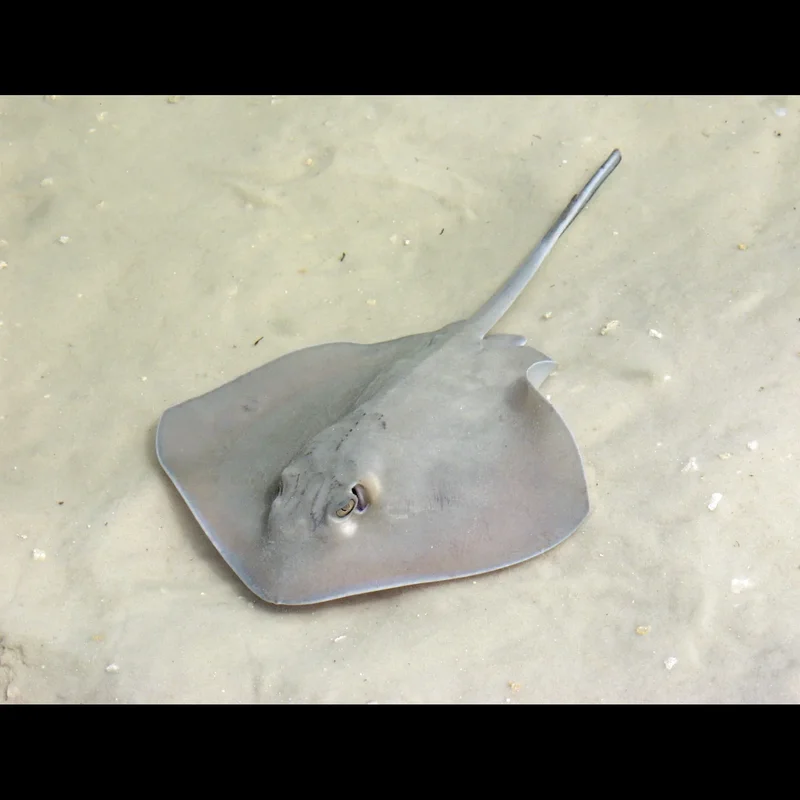
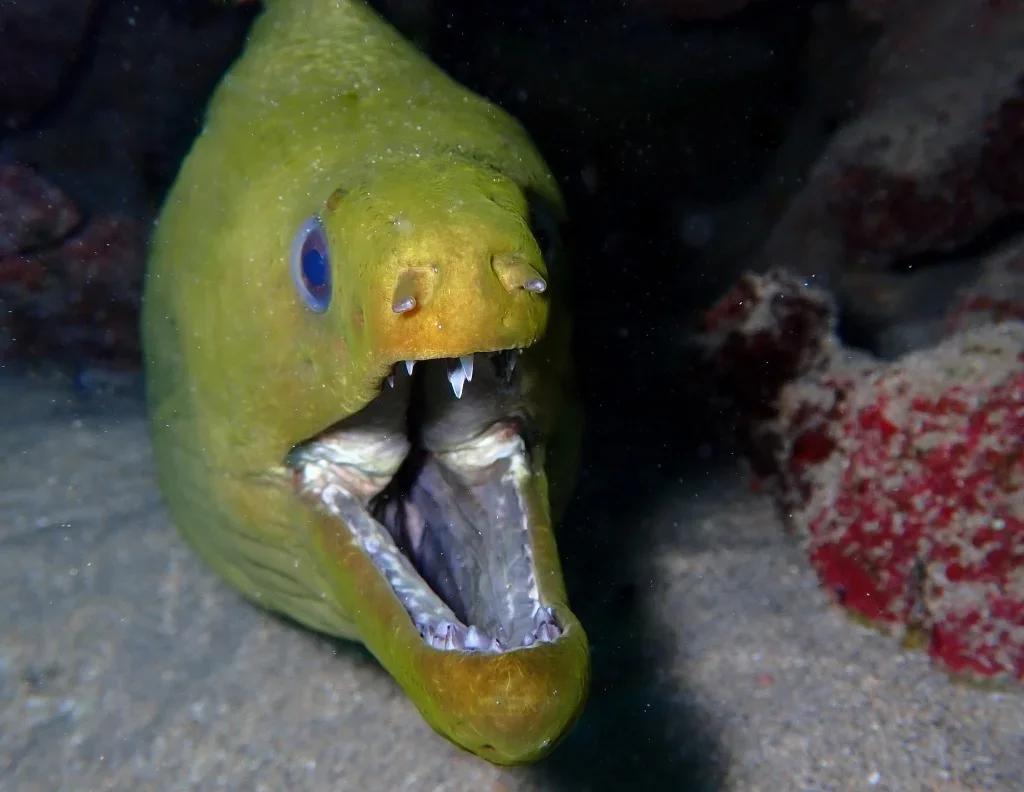
Green Moray Eels peer from crevices, while Southern Stingrays glide gracefully across the sandy bottom. Nurse Sharks are also regular inhabitants, adding to the site's reputation as an "Aqua Zoo." Smaller critters, including an abundance of crabs and shrimp, find shelter and sustenance within the numerous culverts and the developing coral and sponge growth that adorns the wreck's surfaces.

Dive Sites Near Hopper Barge
View all dive sites in United StatesDiscover more underwater gems in this area.
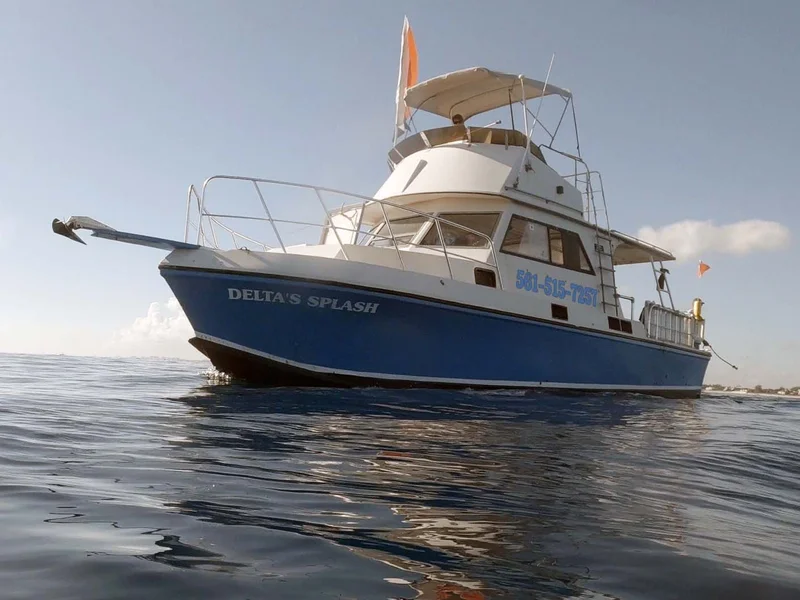
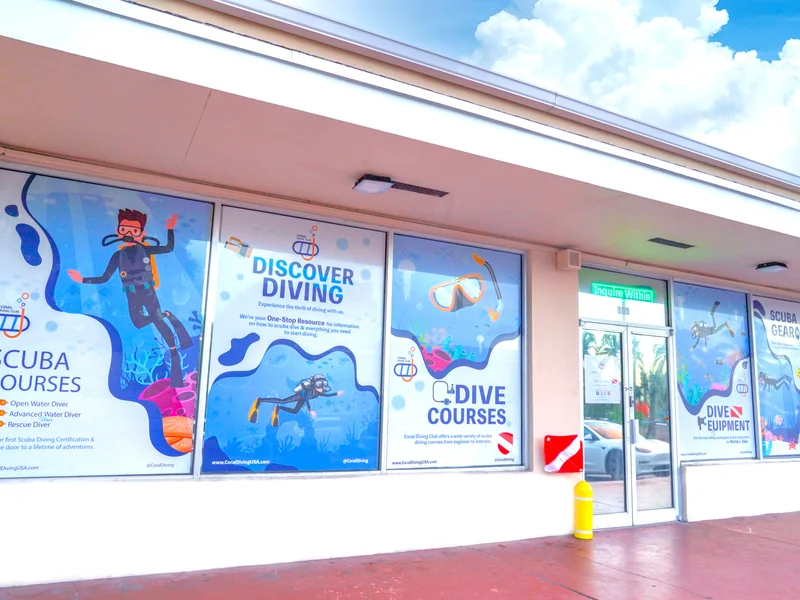
Dive Centers Near Hopper Barge
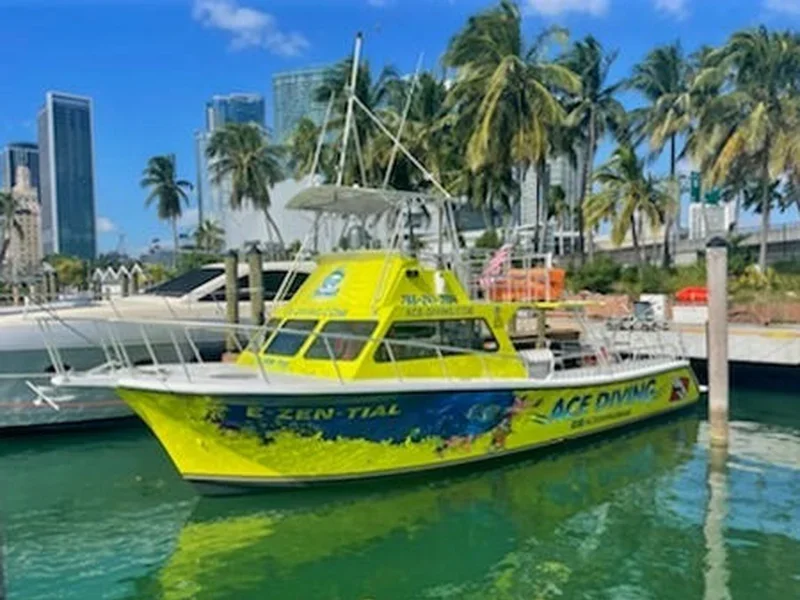
Today: 08:00 - 17:00
Nearest Airports
Nearest airports to help plan travel to this dive area.
Search Flights
Check available flights and routes on Expedia, using the nearby airports listed in this section.
Search Flights on Expedia
Plan Your Stay
Looking for a place to stay for your dive trip? Explore hotels, stays, and vacation rentals for dive groups near Key Biscayne.
Dive Navigator may earn a commission from these links at no extra cost to you.
Frequently Asked Questions
What is the maximum depth of the Hopper Barge dive site?
The Hopper Barge, or Sea Emperor, reaches a maximum depth of approximately 22 m (72 ft). However, many features and the main deck structures are shallower, ranging from 9 m (30 ft).
What skill level is required to dive the Hopper Barge?
This dive site is generally considered suitable for Open Water certified divers. Its recreational depth range and relatively safe penetration options make it accessible, though wreck diver training is beneficial for exploring internal areas.
Can divers penetrate the Hopper Barge wreck?
Yes, penetration is considered safe on the Sea Emperor. The wreck features multiple access points, and ambient light filters into all internal chambers, providing relatively easy navigation within the structure.
What unique features can I expect to see at this site?
The Hopper Barge lies upside down, a unique orientation creating interesting swim-throughs. Its 1,600 tons of concrete drainage culverts are scattered around the wreck, forming intricate habitats for marine life.
What kind of marine life is commonly found here?
Divers frequently encounter Goliath Groupers, Green Moray Eels, Southern Stingrays, and Nurse Sharks. The site is also teeming with smaller creatures like crabs, shrimp, and various types of corals and sponges.
Is the Hopper Barge part of a larger dive area?
Indeed, the Hopper Barge is part of a wreck triangle. Just 300 feet (91 m) south, the United Caribbean wreck can be reached by following a distinctive trail of limestone boulders, making it possible to do a two-wreck dive.
Planning to dive Hopper Barge?
Send one inquiry and receive offers directly from the best verified local dive operators.
Conditions are Good
Optimal conditions expected
Current conditions near Hopper Barge show 28° air, 31° sea temperature, 0.4 m waves, and 18 km/h wind. Forecast data is refreshed regularly to ensure accuracy.