
Diving at Juno Pier Artificial Reef (United States)
The Juno Pier Artificial Reef provides a constructed haven for marine organisms, attracting a variety of fish and crustaceans. These structures offer essential shelter and foraging opportunities, creating localized points of interest for divers. Its design aims to support biodiversity, functioning as an underwater nursery that can benefit the wider ecosystem. Marine life naturally congregates around its features.
Early observations for Juno Pier Artificial Reef report a surface air temperature of 25°C. The water surface is currently presenting wave heights of 0.9 m. Consider these environmental metrics before beginning your descent.
Dive Site Location & Key Facts
Dive Site Overview
Exploring the Juno Pier Artificial Reef provides divers a distinctive perspective on marine conservation efforts and habitat creation. Situated offshore, this site comprises three distinct artificial structures designed to act as an underwater museum and a nursery for various sea life.
These installations aim to draw pressure away from natural reefs while providing new points of interest for divers and snorkelers alike. While the concept behind artificial reefs is to create new ecosystems, divers should be aware of specific conditions. Accessing the reef typically requires a boat, as the distance from shore is considerable for a kick-out.
Surface currents in this area, particularly those curving towards Jupiter Inlet, can be substantial, making careful dive planning essential. Expect to find a concentration of schooling fish, potentially sharks, and other benthic organisms taking refuge within the reef's nooks and crannies.
This dive offers insight into how human-made structures can become integral parts of the underwater landscape, fostering marine communities.
Conditions are Good
Optimal conditions expected
Current conditions near Juno Pier Artificial Reef show 25° air, 29° sea temperature, 0.9 m waves, and 12 km/h wind. Forecast data is refreshed regularly to ensure accuracy.
Best Time to Dive
Optimizing a dive at Juno Pier Artificial Reef often involves aligning with periods of favorable visibility and calmer seas. Water temperatures in the broader Palm Beach area have been noted around 25°C (77°F), though this can vary based on the season and specific conditions. Examining climate patterns, the months of May through August generally present lower average wave heights, between 0.5 m (1.6 ft) and 0.9 m (3.0 ft), which often correlates with improved underwater clarity. Air temperatures during these months range from 26°C (79°F) to 28°C (82°F), contributing to comfortable surface conditions. Conversely, October and December show higher average wave heights, peaking around 1.7 m (5.6 ft) in October, potentially reducing visibility and increasing surface chop. Rainfall is higher from June to September, with September averaging 8.01 mm (0.31 in), which could temporarily impact nearshore visibility. The site's dive score labels suggest that while good conditions prevail for many months, moderate conditions are common in April, October, and December, primarily influenced by wave and wind patterns.
PEAK SEASON SCORE
Scores combine air & water temps, waves, wind & rainfall for overall conditions.
BEST MONTHS TO DIVE
Monthly records compiled from satellite and marine observation nodes over the last 3 years. Data provided by Open-Meteo and MET Norway.
Dive Experience & Conditions
The Juno Pier Artificial Reef is characterized by its relatively shallow depth, making it accessible for recreational divers. While specific depth ranges for these "three small artificial reefs" are not consistently reported, they typically lie within recreational diving depths, generally less than 18 m (60 ft). The experience here is largely defined by the prevailing currents, which can be brisk and curve offshore towards the Jupiter Inlet. Divers should be proficient in drift diving techniques, or plan their entry and exit carefully to account for these flows. Visibility often varies but has been reported in the 12-15 m (40-50 ft) range in the general area, though local conditions near the pier can differ. Surface conditions can include significant boat traffic, specifically from fishing vessels that frequently target these artificial structures for live bait. Encounters with schooling fish, various crustaceans, and occasionally larger pelagics like sharks or rays are possible around these concentrated habitats.
Dive Difficulty & Safety Guidelines
Diving the Juno Pier Artificial Reef presents particular challenges that require careful planning and awareness. Currents in this area can be strong and unpredictable, posing a risk of separation from the dive group or drift into open water. Divers must ensure robust surface support and carry appropriate signaling devices.
Significant boat traffic, especially from fishing vessels using cast nets for bait, frequently congregates around these artificial structures. Maintaining awareness of nearby boats and their activities is crucial to avoid entanglement.
While concerns about artificial reefs can include potential toxic residues from decommissioned ships or structures breaking loose in storms, these factors are generally addressed during the planning and deployment phases.
However, divers should always assess current environmental conditions and dive within their training and comfort levels. It's advisable to dive with experienced local operators familiar with the site's specific dynamics.
Recommended Equipment
- Dive Computer
This gear list is based on verified equipment signals for Juno Pier Artificial Reef, United States. Always confirm final gear choices with your dive operator, guide, or liveaboard.
Recommended Dive Suit
With water temperatures around 29°C (85°F), many divers find a dive skin or rash guard provides comfortable protection.
Being prepared with flexible exposure options is a common approach among experienced divers.
The next few days appear likely to bring similar environmental conditions.
Emergency & Medical Support
Essential information to help you plan your dive trip to Juno Pier Artificial Reef.

Hyperbaric chambers are a critical part of dive safety infrastructure. Availability varies significantly by region, and not all dive areas have immediate access.
Before diving, it's recommended to:
- confirm nearest medical facilities
- check emergency procedures with local dive operators
- ensure dive insurance covers evacuation if required
Divers Alert Network
Diving emergency assistance available through DAN World.
+1-919-684-9111- 24/7 emergency hotline
- Diving medical assistance
- Evacuation coordination
Emergency contacts are provided for reference. Always verify local emergency services before diving.
Marine Life at Juno Pier Artificial Reef
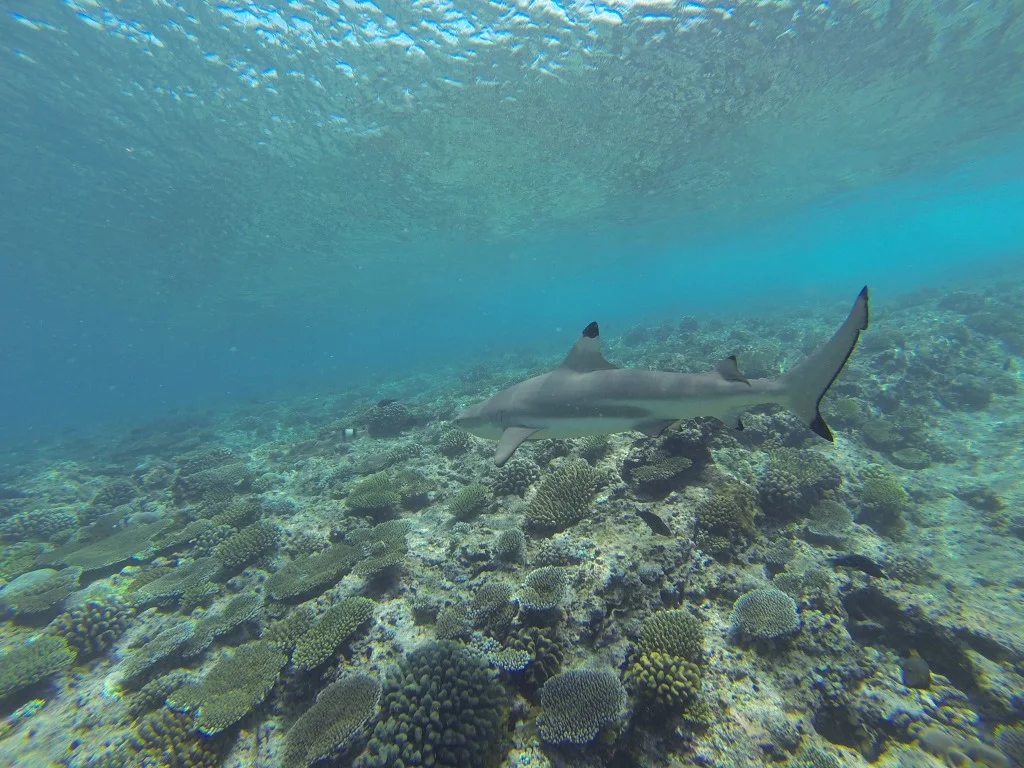
Approaching the Juno Pier Artificial Reef, divers will first observe the concentration of schooling fish, drawn to the structures for shelter and food. These artificial features provide habitat for a variety of fish and crustaceans, creating a localized ecosystem.
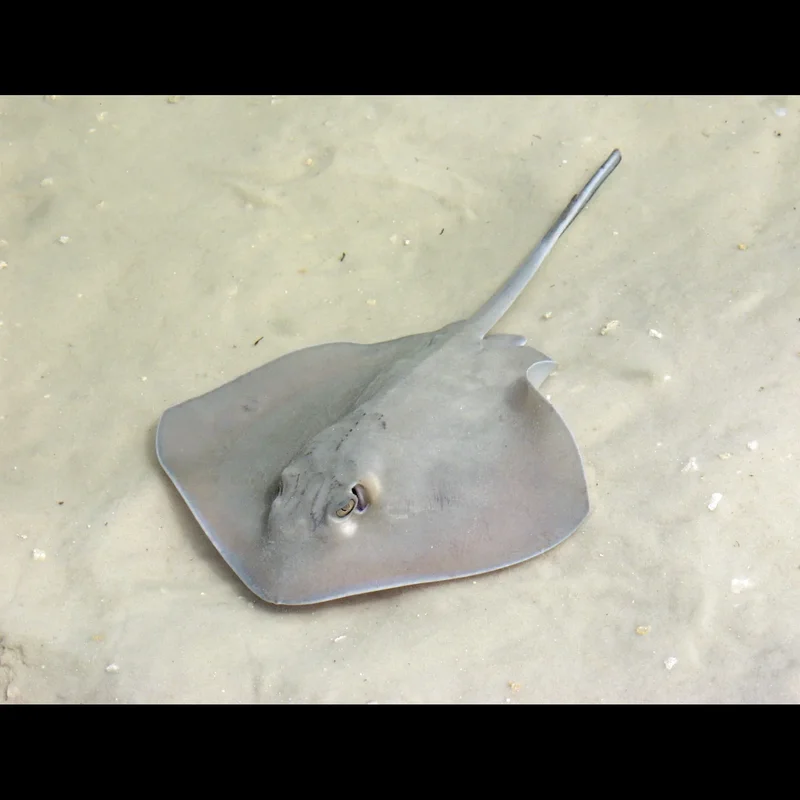
It's common to encounter various bottom-dwelling invertebrates nestled within the reef's nooks and crannies. Depending on the season, especially during specific migrations like the mullet run, the area can attract larger predators such as sharks, stingrays, and cobia.
The presence of numerous small fish also supports a healthy food chain, making marine interactions here dynamic and frequently active.

Dive Sites Near Juno Pier Artificial Reef
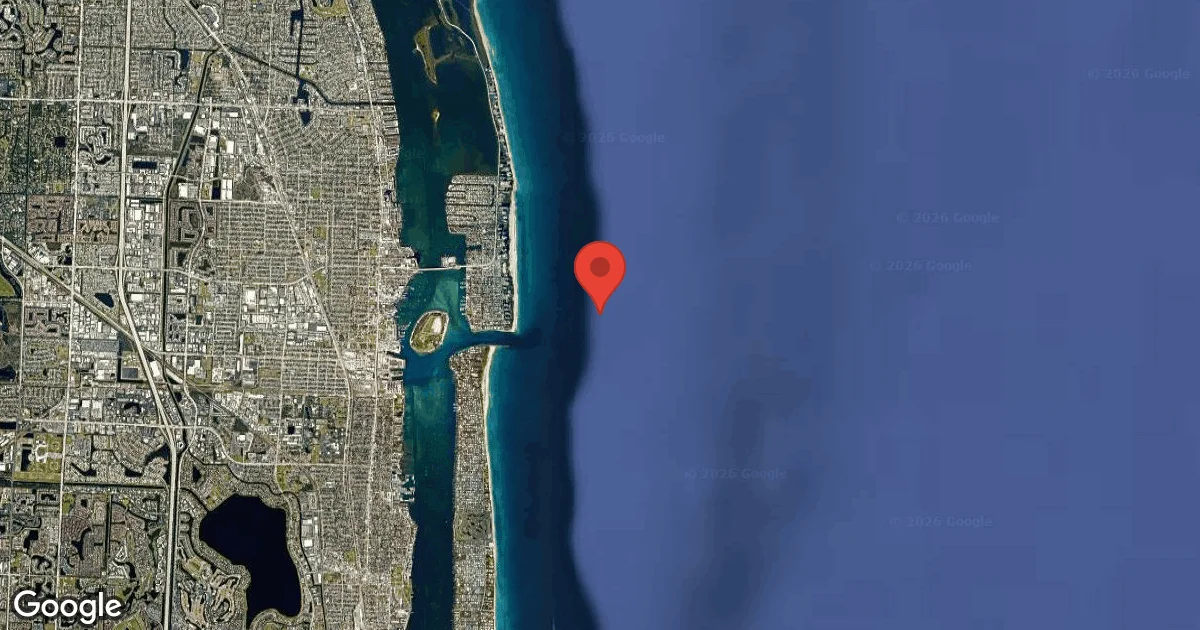
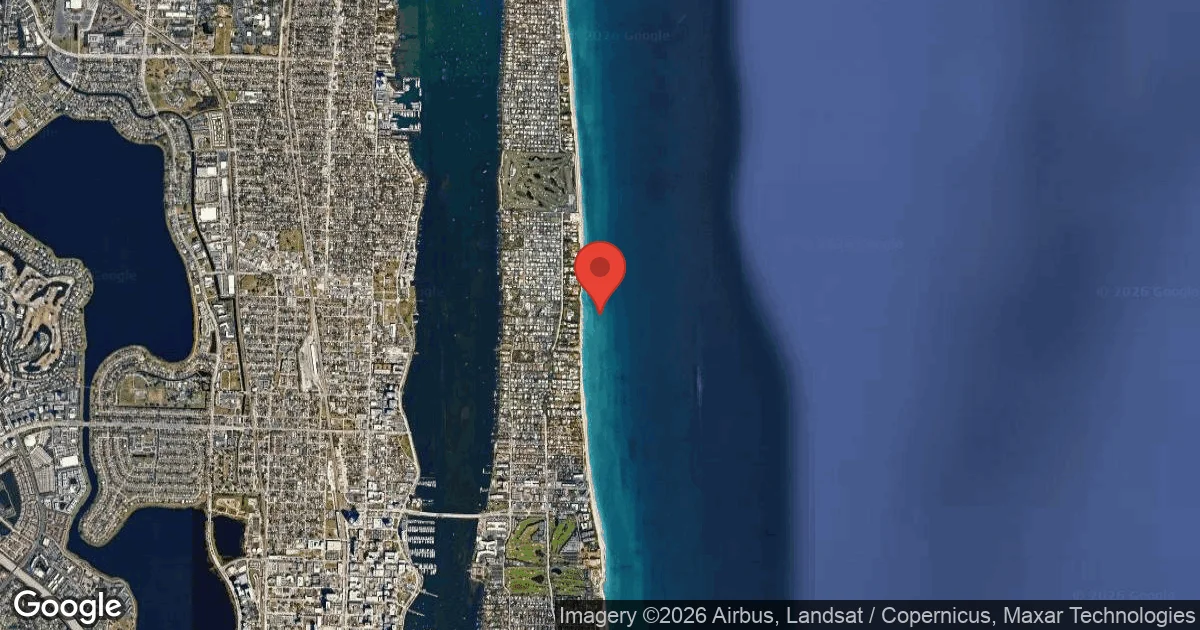
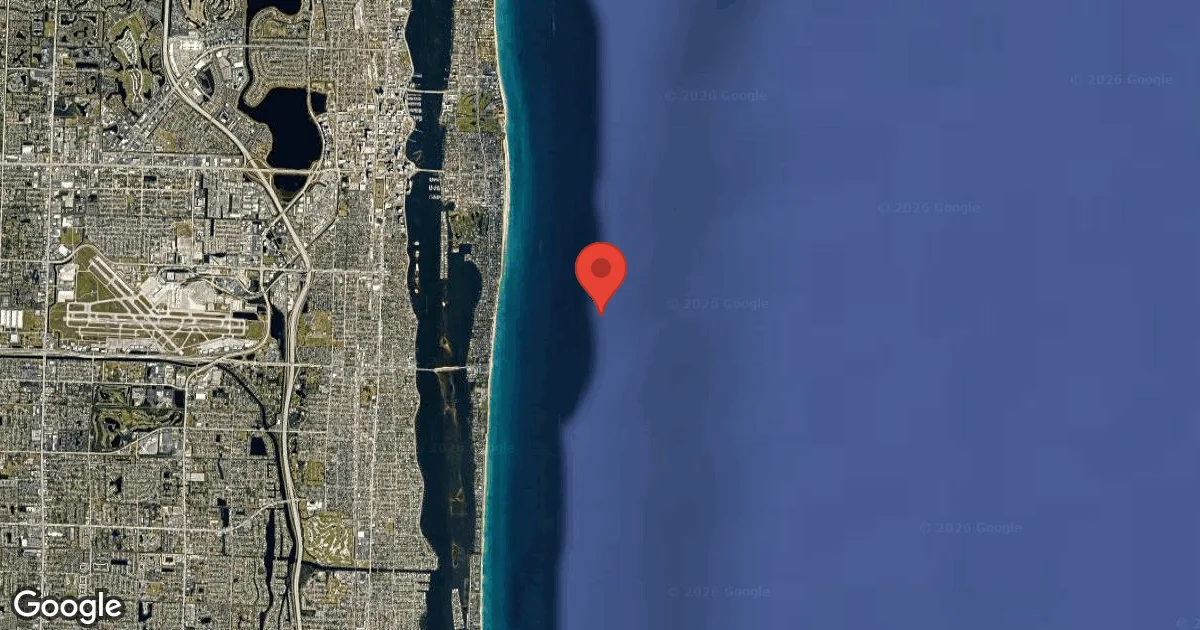
View all dive sites in United StatesDiscover more underwater gems in this area.
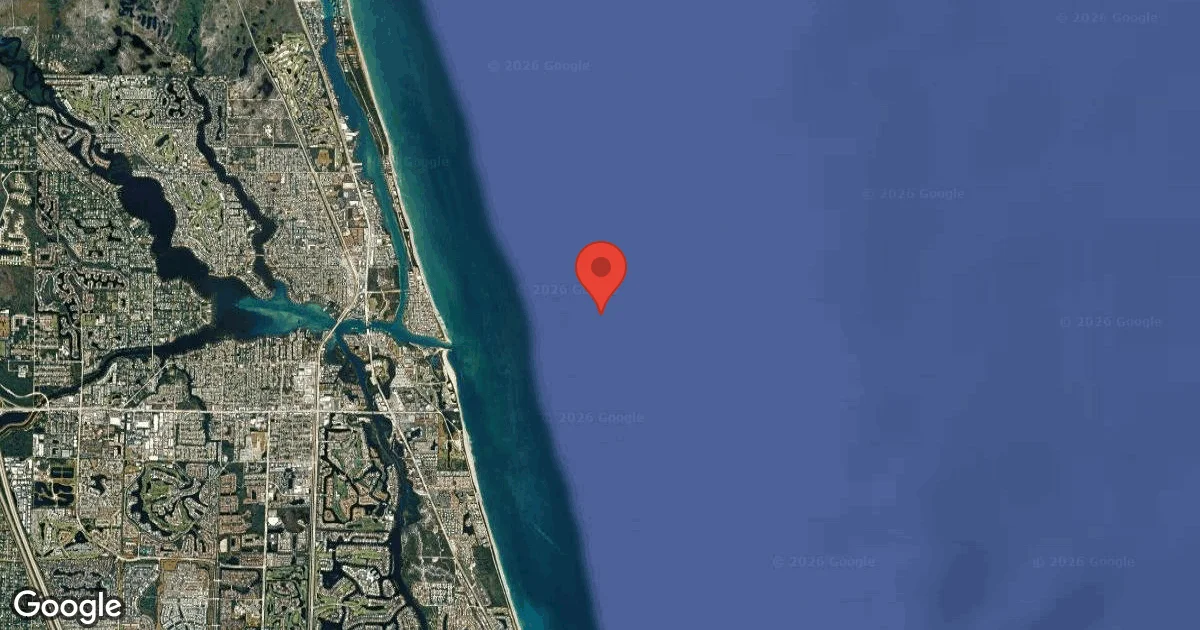
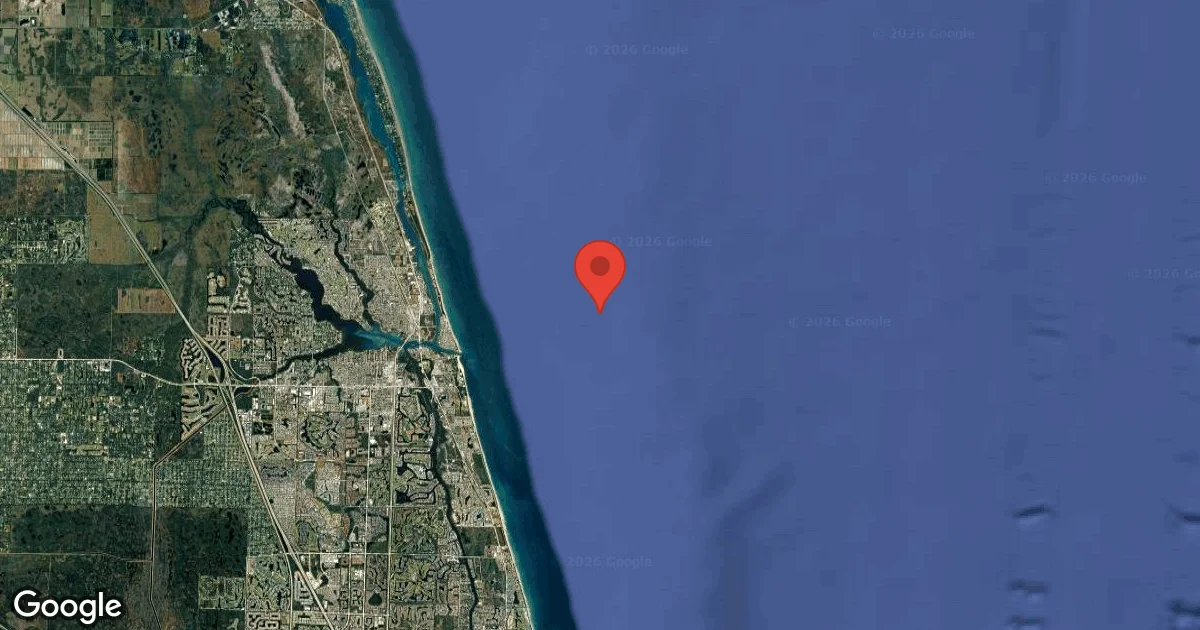
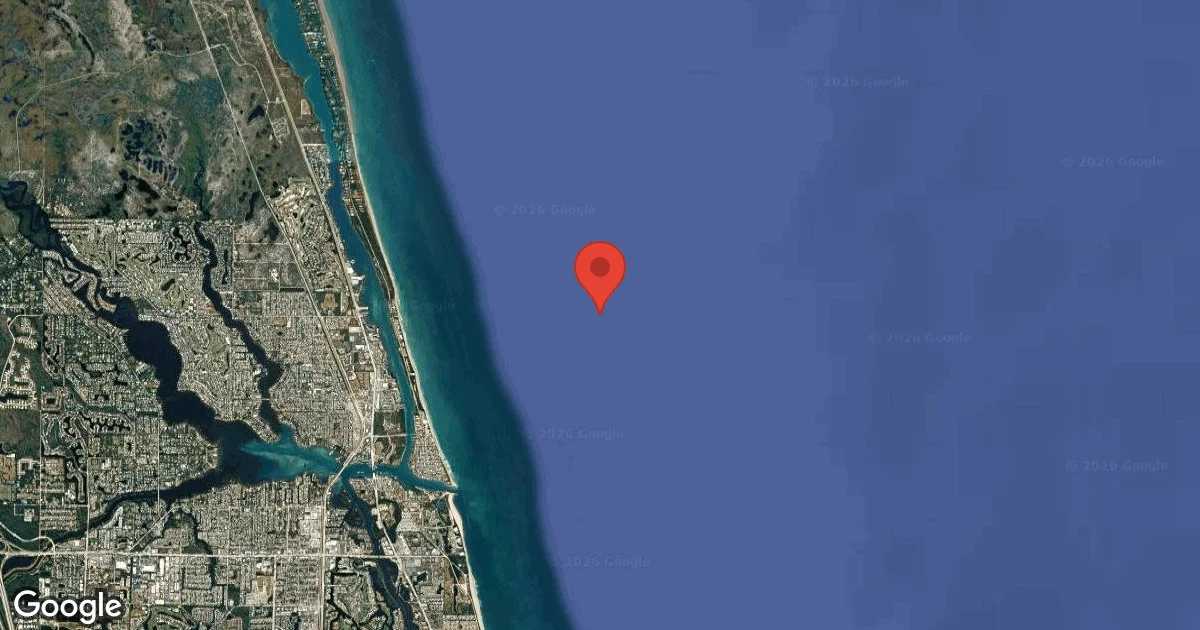
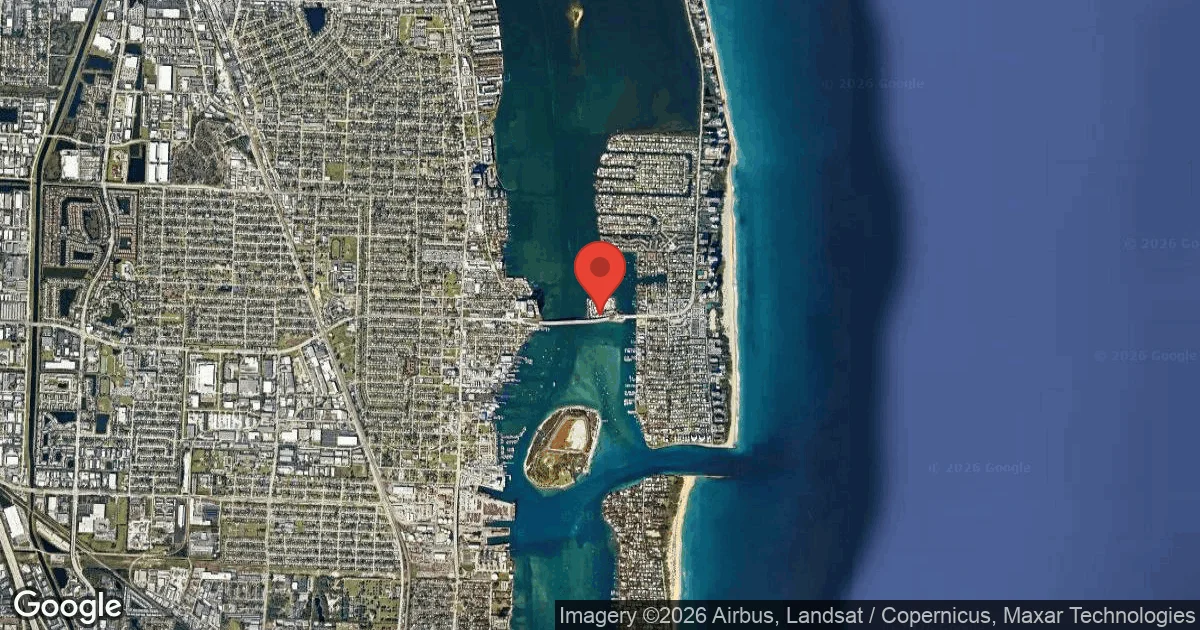
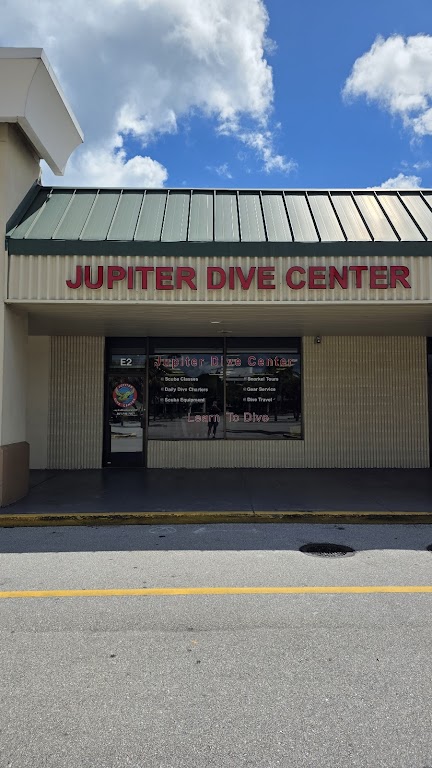
Dive Centers Near Juno Pier Artificial Reef
Today: 10:00 - 18:00
Nearest Airports
Nearest airports to help plan travel to this dive area.
Search Flights
Check available flights and routes on Expedia, using the nearby airports listed in this section.
Search Flights on Expedia
Plan Your Stay
Looking for a place to stay for your dive trip? Explore hotels, stays, and vacation rentals for dive groups near Juno Beach.
Dive Navigator may earn a commission from these links at no extra cost to you.
Frequently Asked Questions
Is the Juno Pier Artificial Reef suitable for shore diving?
Shore diving is generally not recommended for this site. Its distance from shore and prevailing currents necessitate boat access for a safe and comfortable dive.
What is the typical depth range of the artificial reef?
Artificial reefs here are installed in relatively shallow waters, suitable for recreational diving. While specific depths aren't consistently reported, sites generally remain under 18 m (60 ft).
Are there strong currents at this dive site?
Strong currents are often present at the Juno Pier Artificial Reef, frequently flowing towards the Jupiter Inlet. Divers should prepare for drift diving and plan entries and exits carefully.
What kind of marine life can I expect to see?
Divers can expect to see a variety of schooling fish and crustaceans utilizing the reef for shelter. Depending on the season, larger marine life such as sharks, stingrays, and cobia may also be present, especially during mullet runs.
Should I be concerned about boat traffic while diving?
Frequent boat traffic occurs around the artificial reef, particularly from fishing vessels deploying cast nets for bait. Divers should always deploy a surface marker buoy and remain vigilant to surface conditions.
What is the primary purpose of the artificial reef?
Juno Pier Artificial Reef was established to create new marine habitats, functioning as an underwater nursery. It also aims to alleviate diving pressure on natural reefs and serve as a recreational and economic asset.
What is the general water temperature and visibility like?
Water temperatures in the broader Palm Beach area have been observed around 25°C (77°F), though this can vary. Visibility is often reported in the 12-15 m (40-50 ft) range, but local conditions near the pier and weather patterns can cause fluctuations.
Planning to dive Juno Pier Artificial Reef?
Send one inquiry and receive offers directly from the best verified local dive operators.
Conditions are Good
Optimal conditions expected
Current conditions near Juno Pier Artificial Reef show 25° air, 29° sea temperature, 0.9 m waves, and 12 km/h wind. Forecast data is refreshed regularly to ensure accuracy.